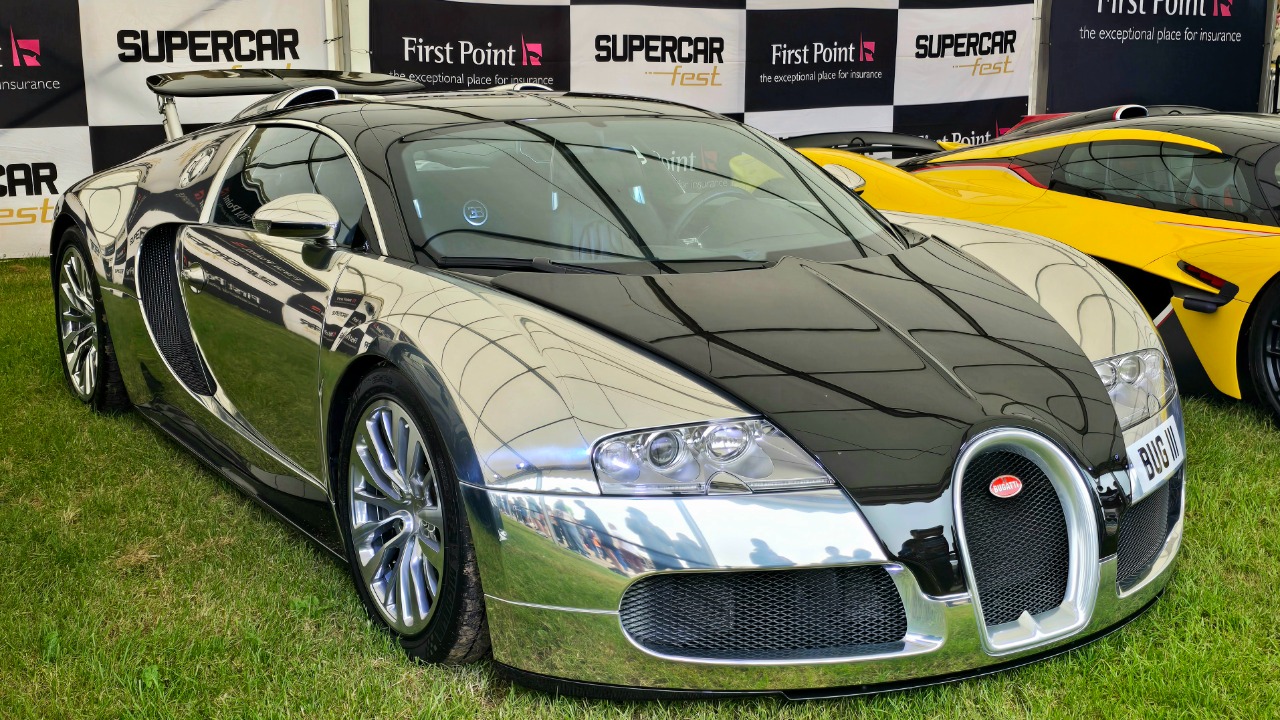
Video games and movies have a way of turning already impressive machines into global legends. Some foreign performance cars didn’t rise to fame only through racing pedigree or engineering reputation, but through unforgettable digital and cinematic moments. Once they appeared on screen, they became dream machines for millions of fans who experienced them first through controllers and movie scenes rather than real-world roads.
Honda NSX (NA1)

The Honda NSX NA1 became a cultural icon through its frequent appearances in racing games like Gran Turismo and its association with legendary drivers and fictional racing stories. Its lightweight aluminum construction and naturally aspirated V6 made it a standout in simulations where precision driving mattered more than raw horsepower. In movies and games, it was often portrayed as the “thinking driver’s supercar,” reinforcing its reputation as a balanced and highly controllable performance machine.
Audi R8 (First Generation)
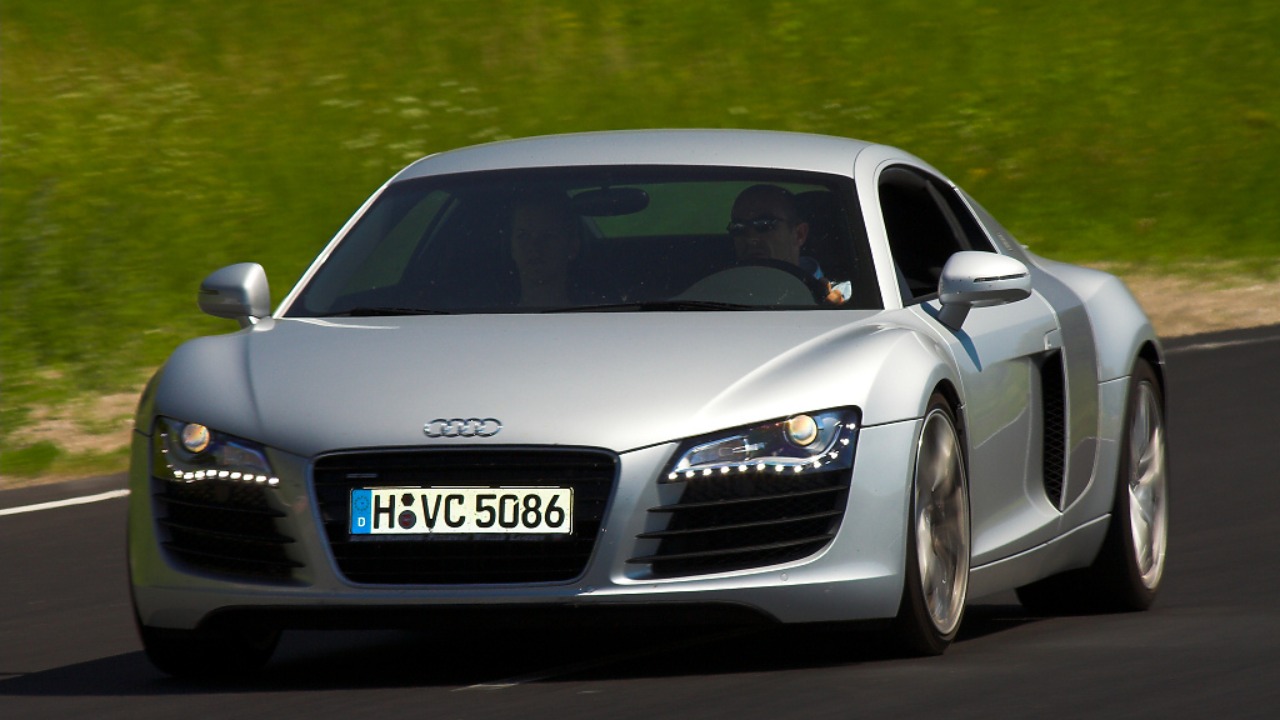
The Audi R8 gained massive popularity after appearing in blockbuster films such as Iron Man and dominating modern racing video games. Its sharp LED lighting signature and naturally aspirated V8/V10 options made it instantly recognizable in digital garages. The R8’s clean design and everyday usability turned it into a favorite “starter supercar” in games, helping it become one of the most accessible and widely recognized exotic performance cars of the 2000s and 2010s.
Lexus LFA
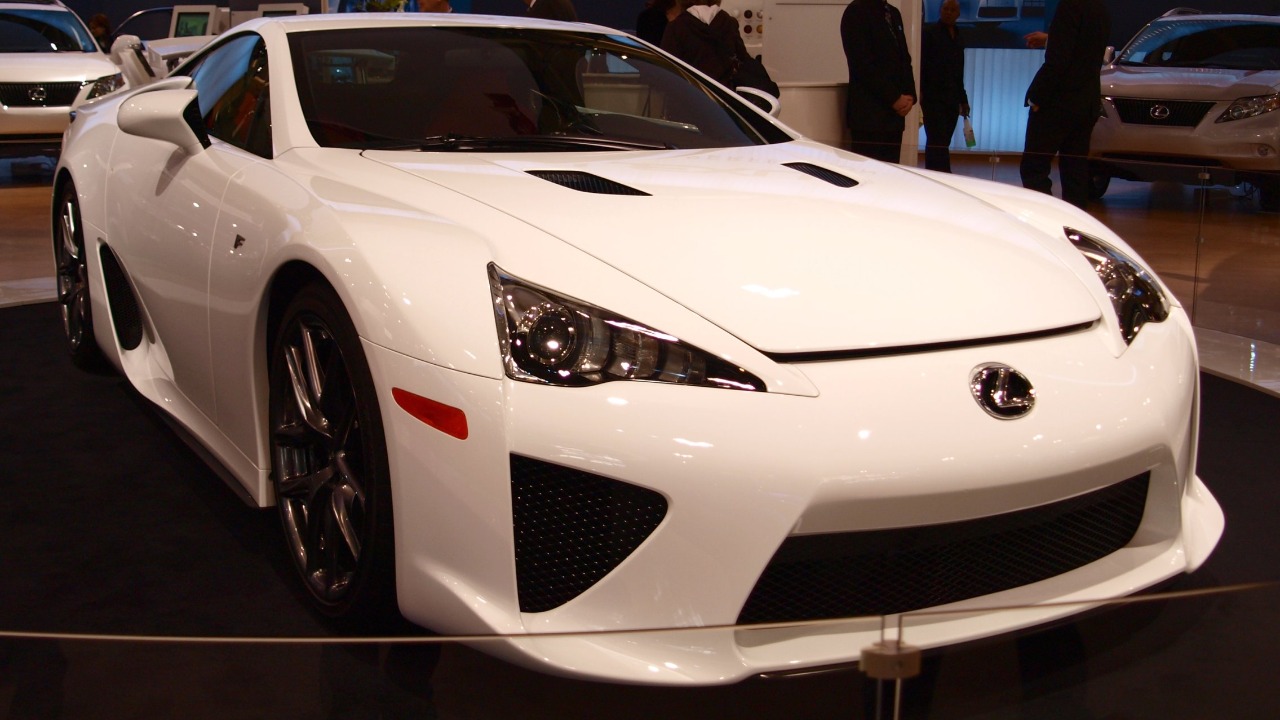
The Lexus LFA became legendary in racing games due to its high-revving V10 engine sound, which is often described as one of the most iconic audio experiences in automotive history. Its extremely limited production and futuristic styling made it a rare virtual reward in games like Gran Turismo. In digital form, the LFA became more famous than in real life, turning into a collector’s dream car for enthusiasts who first discovered it through simulation racing.
Alfa Romeo 8C Competizione
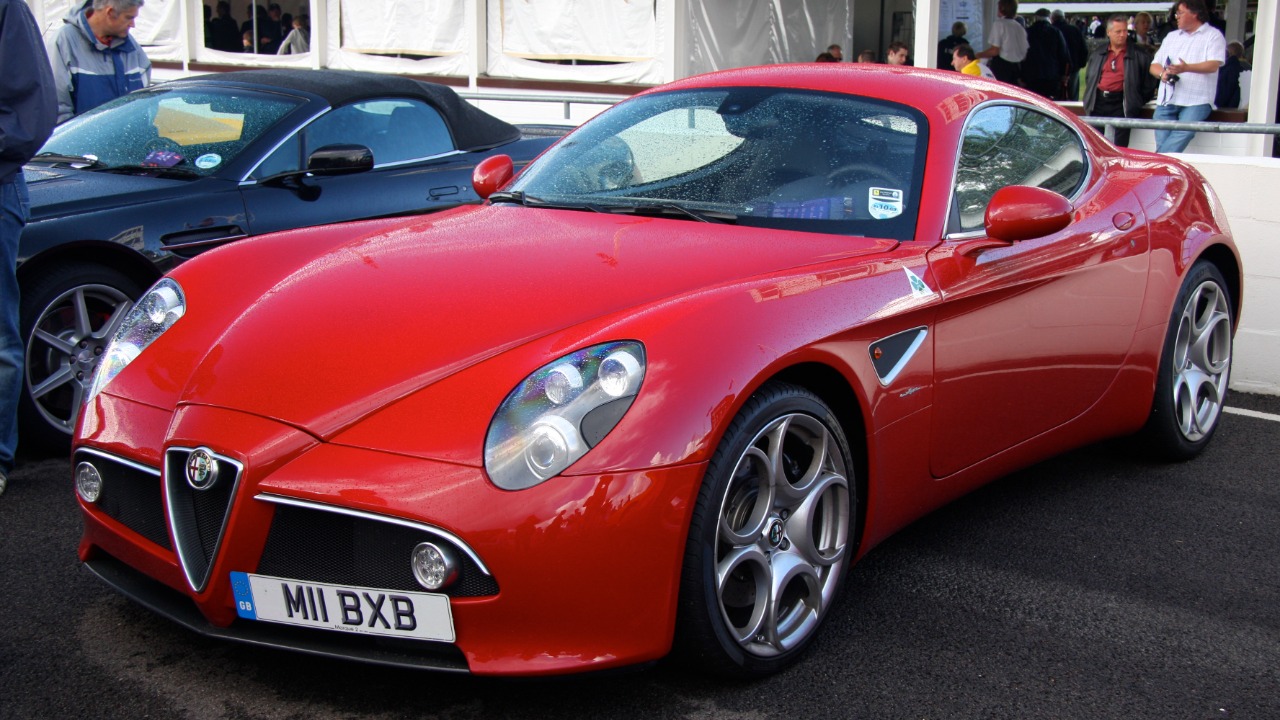
The Alfa Romeo 8C Competizione gained fame through its dramatic design and appearances in racing games that emphasized style as much as speed. Its curvaceous body and roaring V8 engine made it one of the most emotional driving experiences in virtual environments. In movies and games, it was often used as a symbol of Italian automotive beauty rather than raw performance, helping it build a strong reputation among enthusiasts who valued design and character.
Bugatti Veyron
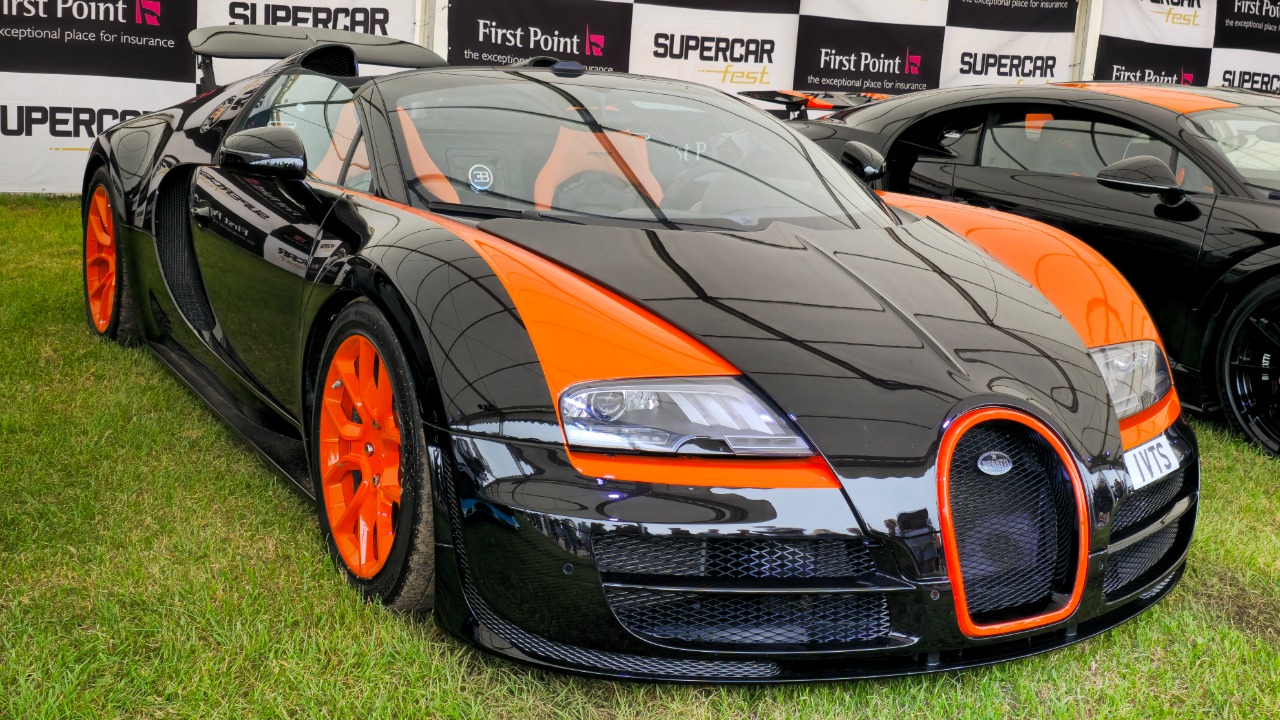
The Bugatti Veyron became a global icon through countless video games and film appearances where it was positioned as the ultimate speed machine. With its quad-turbo W16 engine and record-breaking top speed, it represented the peak of automotive engineering in digital worlds. Players often used it as the final unlockable supercar, reinforcing its status as the benchmark for extreme performance. The Veyron’s pop culture presence made it synonymous with modern hypercar dominance.
Koenigsegg Agera
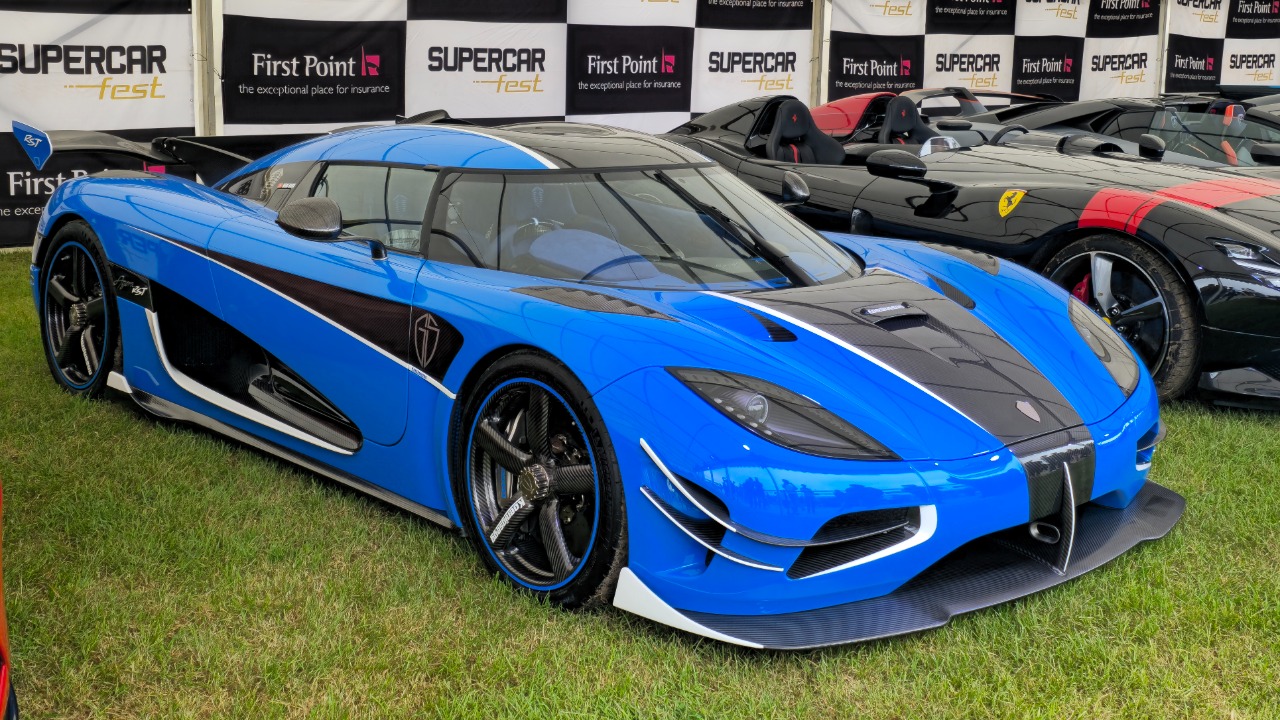
The Koenigsegg Agera rose to fame through racing games where it was portrayed as one of the fastest and most advanced hypercars available. Its aggressive aerodynamic design and lightweight carbon construction made it a favorite for virtual top-speed challenges. In digital racing culture, the Agera became a symbol of extreme engineering and exclusivity, often used as a rival to Bugatti models in fictional performance battles across games and media.
Toyota 86 / GT86

The Toyota GT86 became widely recognized through drifting games and movies centered on street racing culture. Its lightweight chassis and rear-wheel-drive layout made it ideal for learning car control in simulations. In media, it was often portrayed as an accessible enthusiast car that rewarded skill over horsepower. This helped it become a modern symbol of driver-focused fun rather than raw speed.
Volkswagen Golf R32
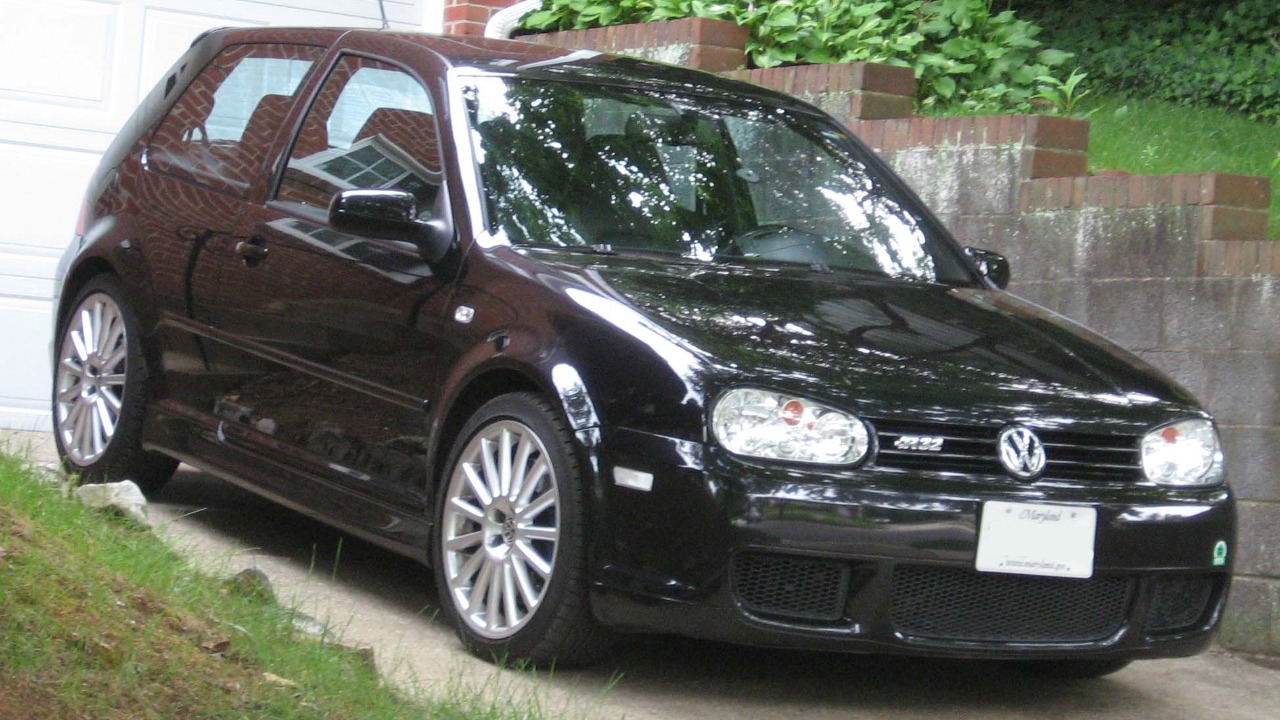
The Volkswagen Golf R32 gained popularity in racing games as one of the most balanced all-wheel-drive hot hatches available. Its deep VR6 engine sound and practical hatchback design made it a standout choice for virtual street racing. In games, it often served as an early performance upgrade path, helping players transition from basic cars to serious tuned machines. Its media presence strengthened its reputation as a sleeper performance hatchback.
Ferrari 458 Italia
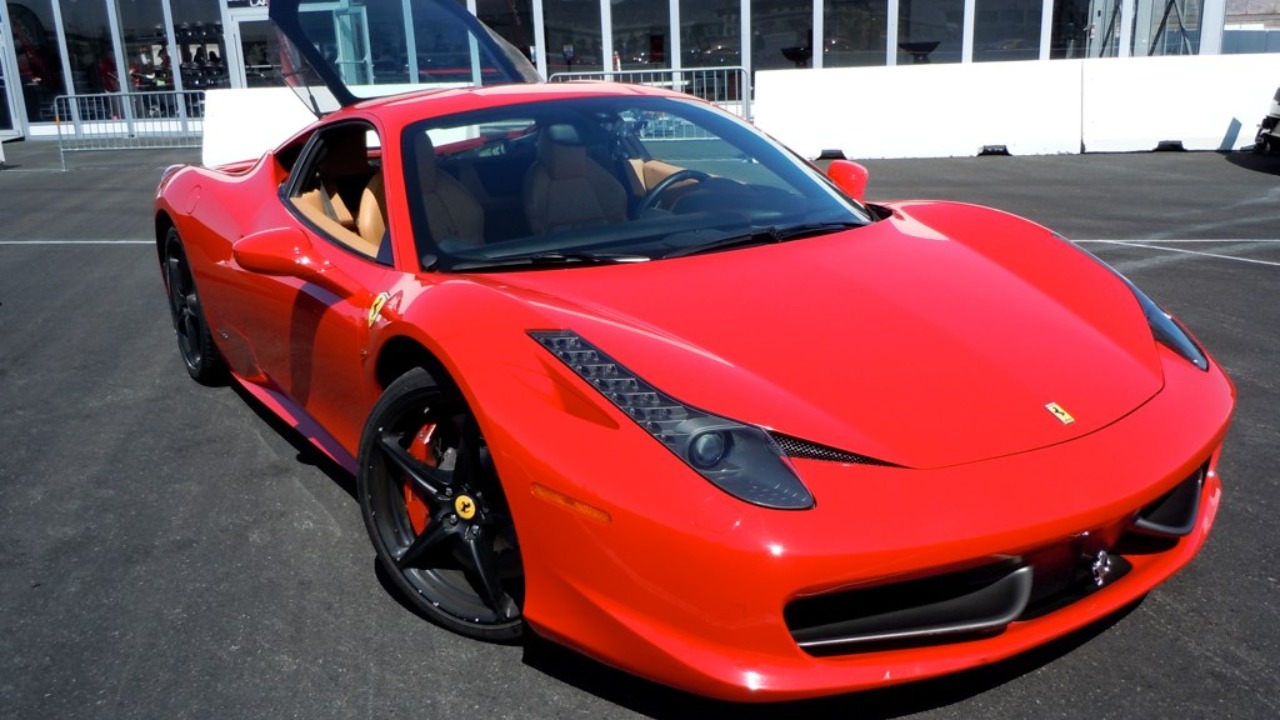
The Ferrari 458 Italia became a staple in racing games and modern films thanks to its sharp styling and naturally aspirated V8 engine. Its responsive handling and high-revving character made it one of the most enjoyable virtual driving experiences. In games, it often represented the perfect balance between accessibility and exotic performance, helping define Ferrari’s modern era in digital motorsport culture.
Subaru BRZ
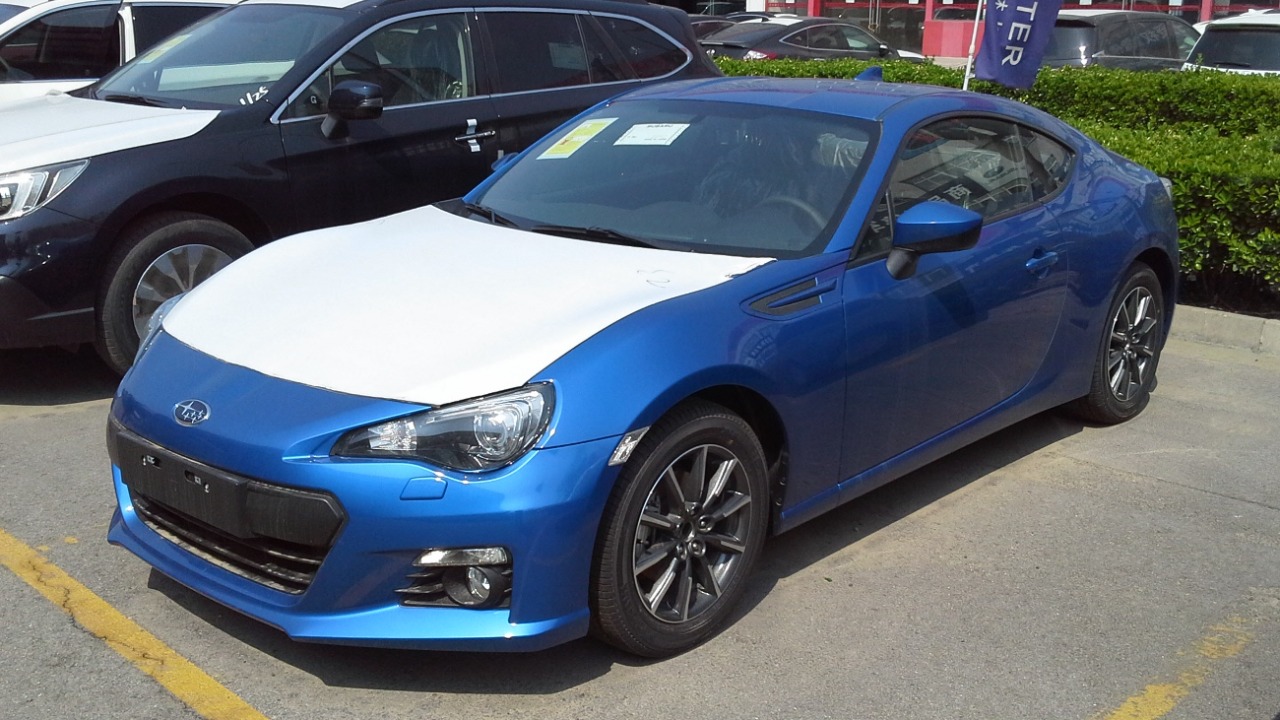
The Subaru BRZ gained fame alongside its twin, the Toyota 86, through drifting games and racing simulations that emphasized car control and technique. Its simple, lightweight design made it a favorite for virtual beginners learning performance driving. In movies and gaming culture, it became associated with grassroots motorsport and tuning scenes. The BRZ helped popularize affordable modern sports coupes in digital automotive culture.
More from Fast Lane Only