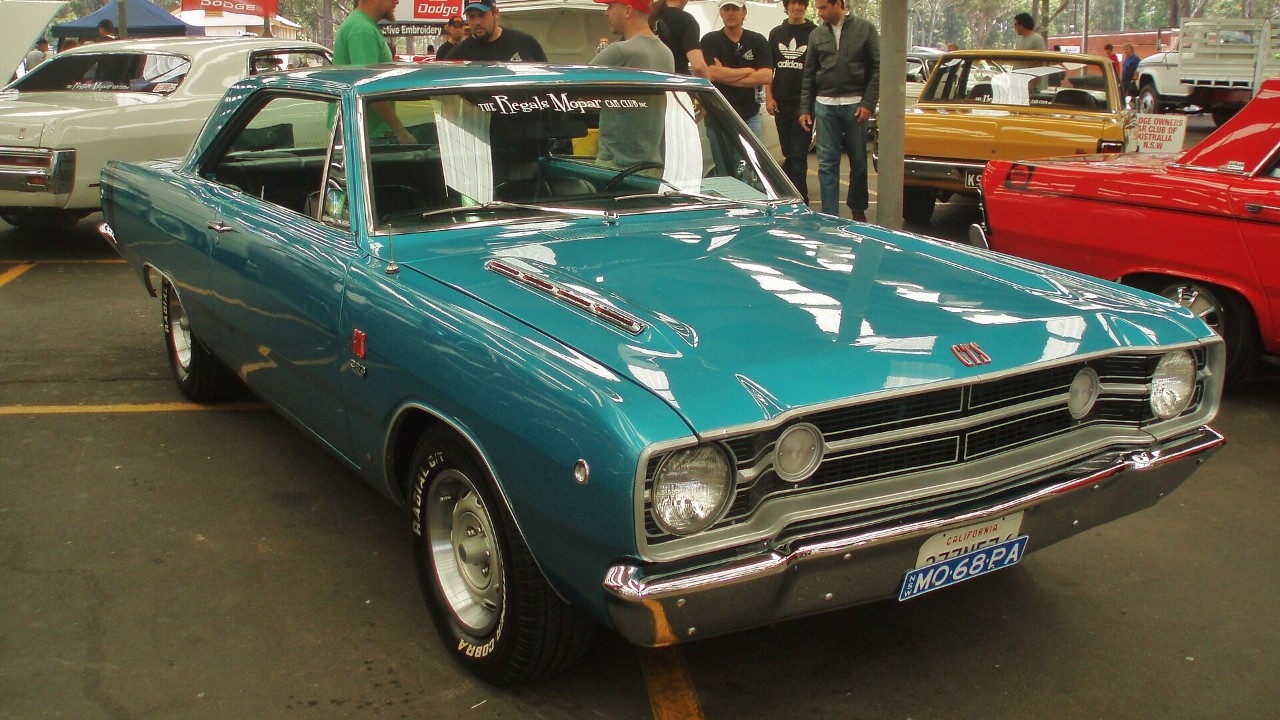
Some production cars changed the automotive world by proving factory-built machines could handle and accelerate far beyond what buyers expected at the time. These vehicles weren’t heavily modified race builds—they rolled out of showrooms ready to challenge supercars, dominate corners, and redefine performance standards. Their engineering forced enthusiasts and competitors alike to rethink what stock performance cars were truly capable of achieving.
Nissan GT-R R35
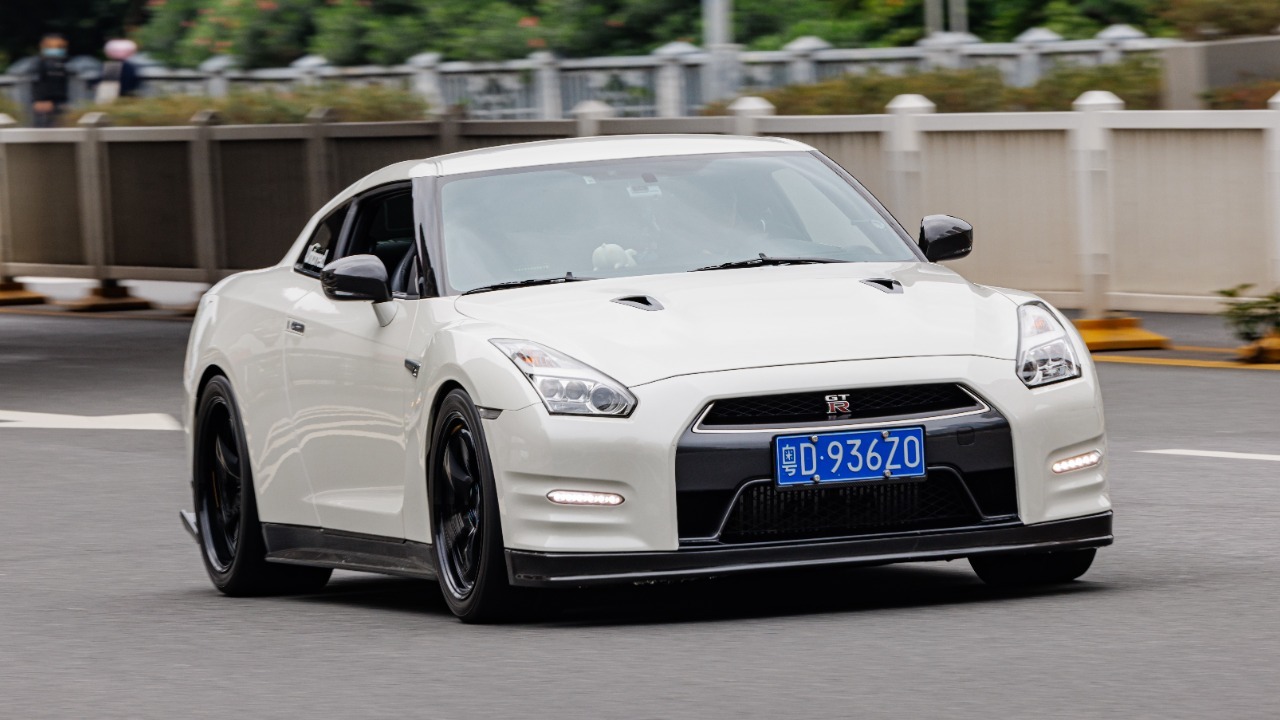
The Nissan GT-R R35 shocked the automotive world by delivering supercar-level acceleration and handling at a fraction of exotic-car prices. Its advanced all-wheel-drive system, twin-turbo V6 engine, and launch-control technology allowed ordinary drivers to achieve astonishing performance with surprising consistency. The GT-R’s ability to dominate racetracks while remaining usable every day completely changed expectations for Japanese performance cars. It quickly earned a reputation for humiliating far more expensive rivals through pure engineering efficiency and relentless speed.
Porsche 959
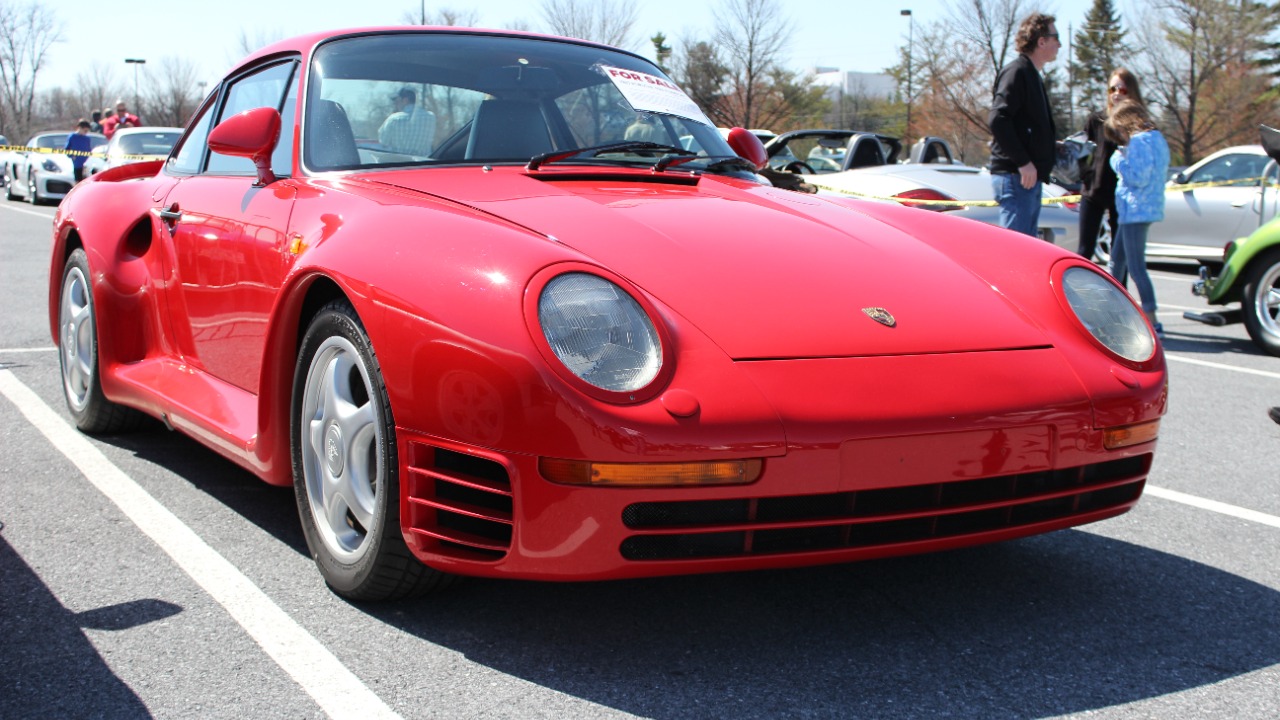
The Porsche 959 rewrote performance expectations during the 1980s by introducing groundbreaking all-wheel-drive technology and advanced aerodynamics to a production car. Many buyers had never experienced a vehicle combining such immense speed with stability and drivability. The 959 proved that sophisticated electronics and engineering could dramatically improve handling at extreme speeds. Its influence eventually shaped generations of future high-performance cars and established Porsche as one of the world’s most innovative performance manufacturers.
Acura NSX
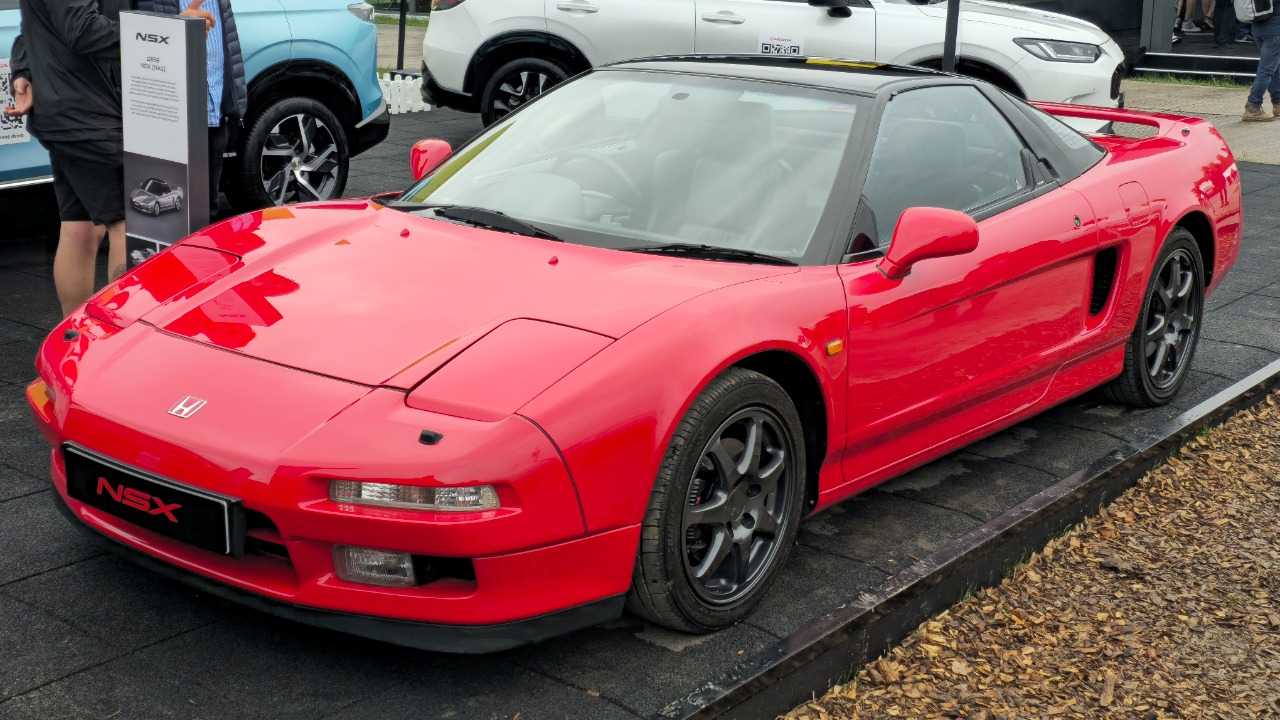
The Acura NSX transformed expectations by proving a supercar could deliver exotic-level handling without sacrificing reliability or everyday comfort. Developed with input from Ayrton Senna, the NSX featured lightweight aluminum construction and remarkable chassis balance that impressed even experienced drivers. Before its arrival, many exotic cars were difficult and temperamental to operate. The NSX changed that perception completely, forcing European manufacturers to improve both performance refinement and usability in their own high-end sports cars.
BMW M3 E30
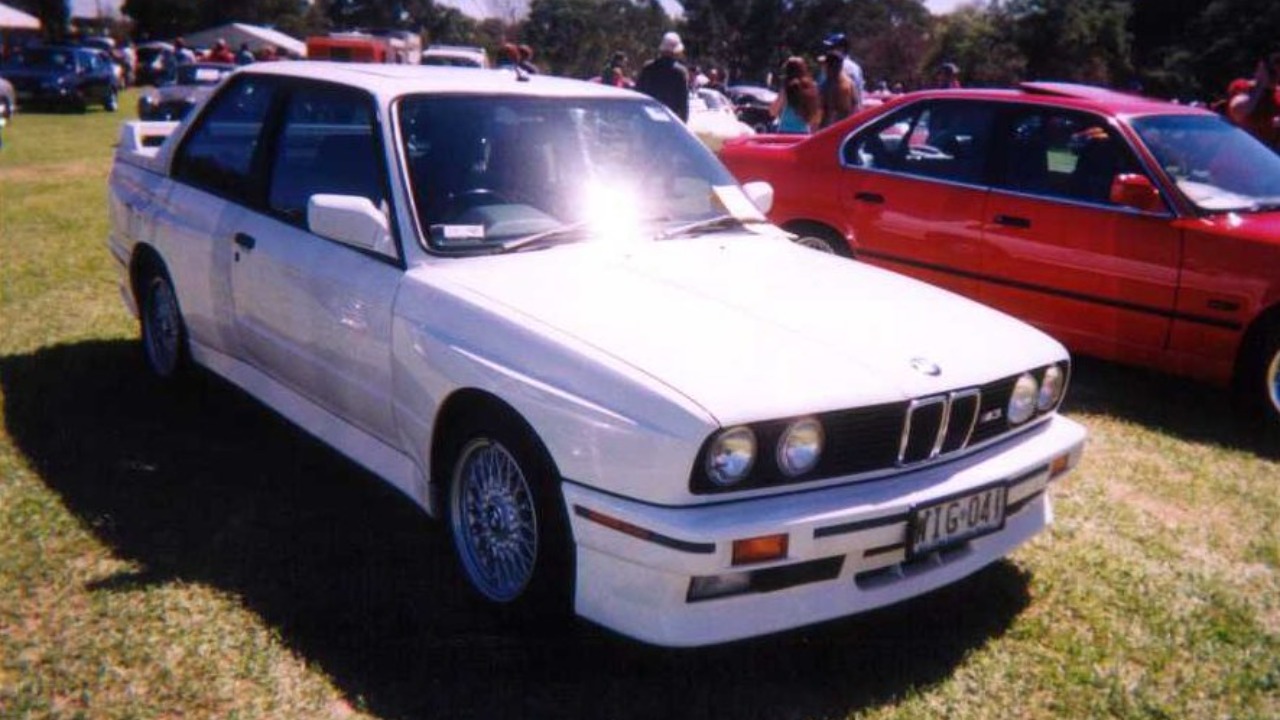
The BMW M3 E30 stunned enthusiasts by demonstrating how precise handling and lightweight engineering could outperform larger, more powerful rivals. Originally created for touring-car racing homologation, the E30 M3 delivered exceptional balance and steering feel that made it incredibly effective on winding roads and racetracks. Its success changed how performance sedans and coupes were developed worldwide. Rather than relying purely on horsepower, the M3 proved agility and chassis tuning could completely transform the driving experience.
Mitsubishi Lancer Evolution VI
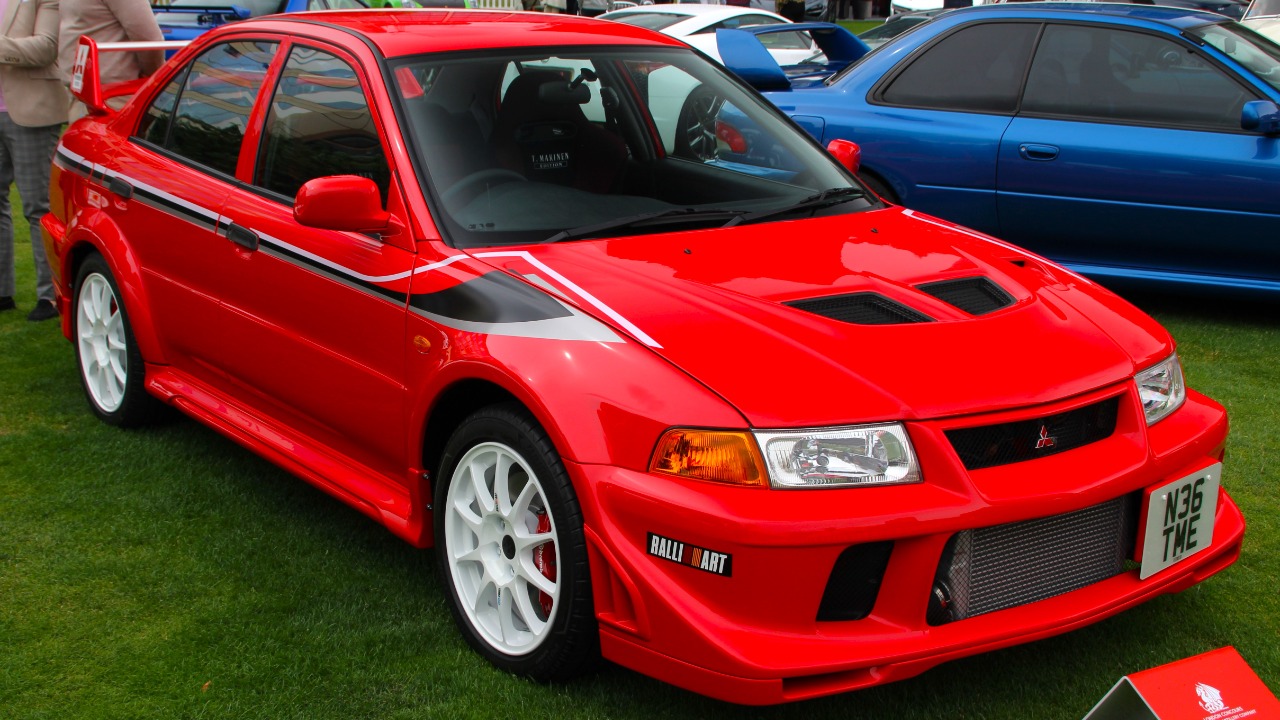
The Mitsubishi Lancer Evolution VI changed expectations for compact sedans by combining rally-derived all-wheel-drive grip with explosive turbocharged performance. Drivers were amazed by how aggressively the Evolution could attack corners while maintaining stability in poor weather conditions. Its precise steering and advanced drivetrain technology gave ordinary enthusiasts access to near-racing-level performance. The Evolution VI became especially respected because it delivered raw motorsport character directly from the factory without requiring extensive aftermarket modifications.
Chevrolet Corvette ZR1 C6
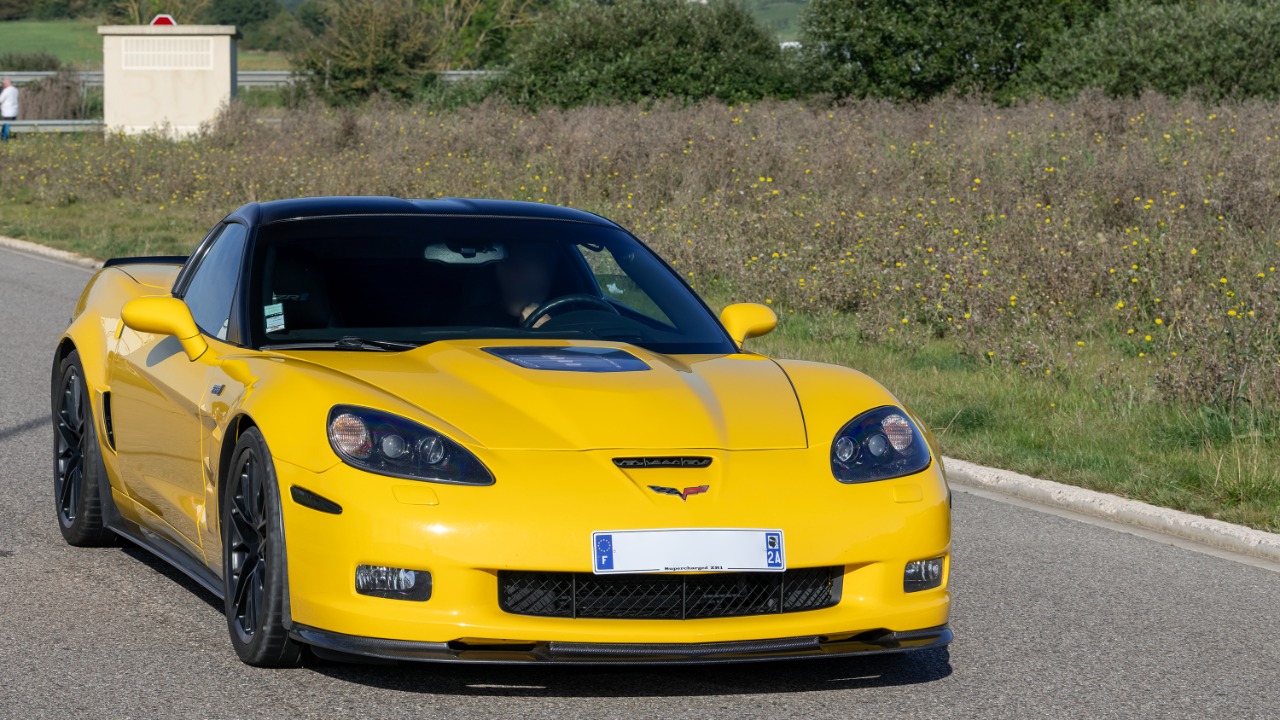
The Chevrolet Corvette ZR1 C6 stunned buyers by delivering world-class handling and enormous horsepower capable of competing directly with elite European supercars. Equipped with a supercharged V8 and advanced chassis technology, the ZR1 shattered assumptions about American sports cars being limited mainly to straight-line performance. Its Nürburgring lap times and track capability proved Chevrolet could engineer a genuinely sophisticated high-performance machine. The car fundamentally changed global perceptions of what a Corvette was capable of becoming.
Audi RS2 Avant
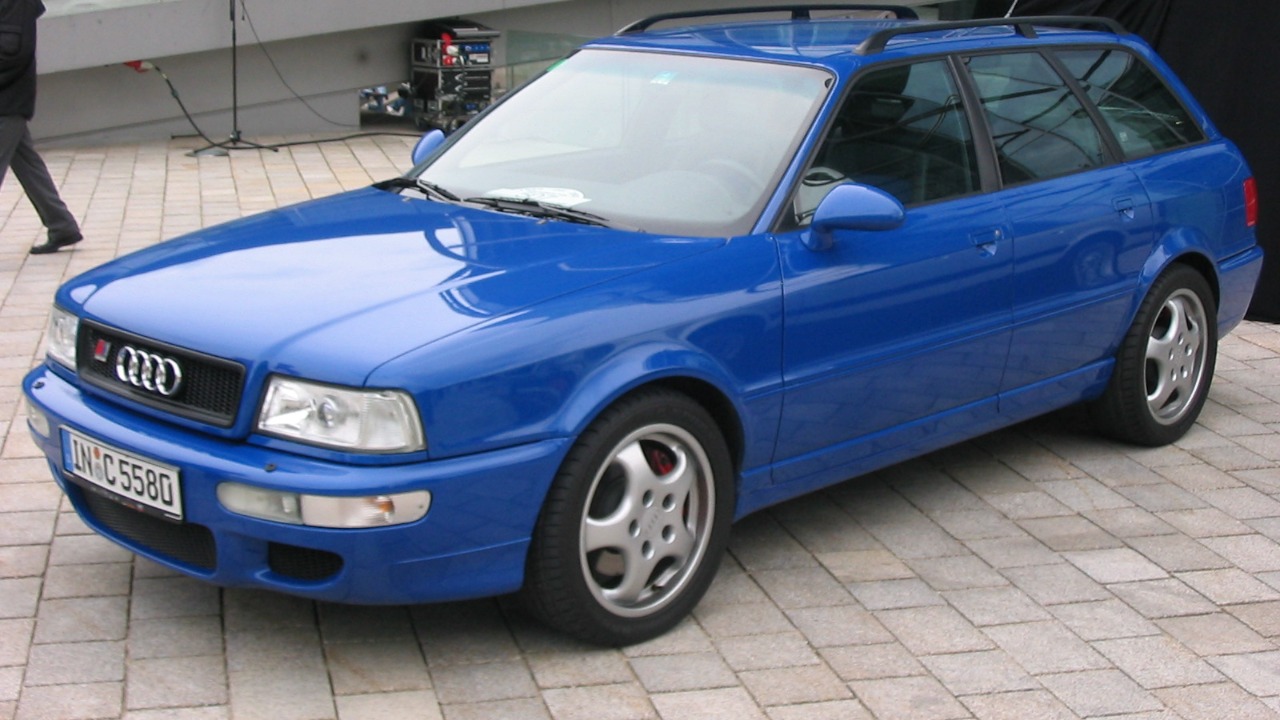
The Audi RS2 Avant rewrote expectations by transforming the practical station wagon into a genuinely high-performance machine. Developed partly with Porsche engineering assistance, the RS2 combined turbocharged power with Audi’s Quattro all-wheel-drive system to create astonishing acceleration and grip. Buyers were shocked by how quickly the wagon could outrun many dedicated sports cars while still carrying families and luggage comfortably. Its success helped establish the blueprint for modern high-performance luxury wagons worldwide.
Mazda RX-8
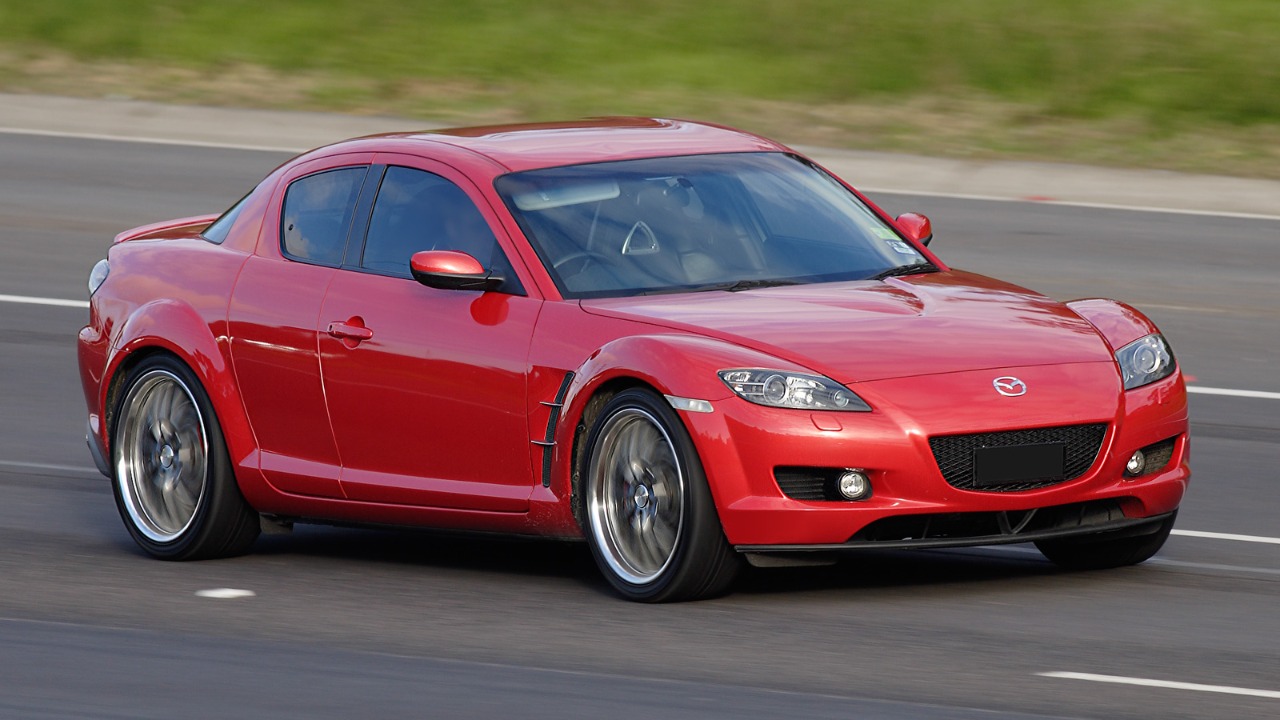
The Mazda RX-8 challenged expectations by emphasizing balance, steering precision, and high-revving character over traditional horsepower figures. Its lightweight rotary engine allowed engineers to achieve nearly perfect weight distribution, creating exceptionally responsive handling. Drivers quickly discovered the RX-8 could attack corners with remarkable agility despite modest straight-line acceleration numbers. The car proved that driver engagement and chassis tuning could matter just as much as raw power when creating an exciting stock performance vehicle.
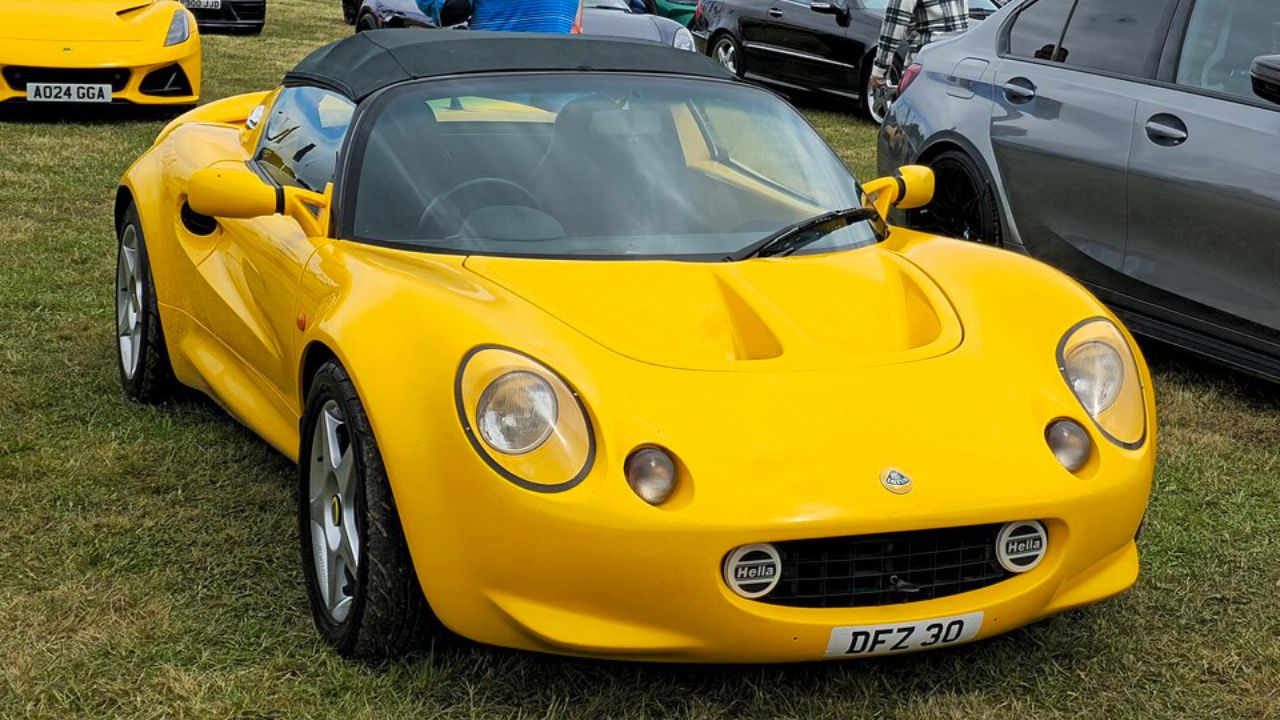
Lotus Elise
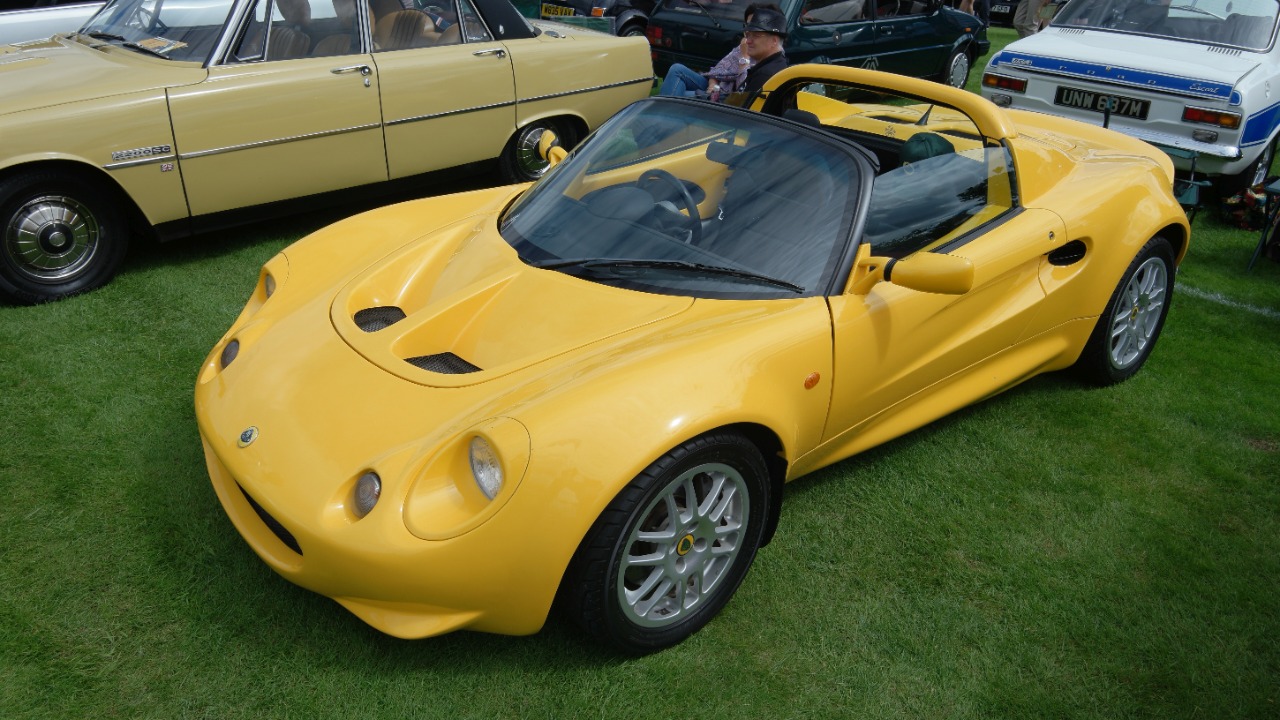
The Lotus Elise completely redefined handling expectations by demonstrating how little weight a modern sports car truly needed. Rather than chasing massive horsepower figures, Lotus focused on lightweight construction and razor-sharp steering response. The Elise delivered extraordinary cornering capability and driver feedback that rivaled exotic supercars despite using relatively small engines. Its purity and agility reminded the automotive world that intelligent engineering and simplicity could create one of the most thrilling driving experiences available in a factory-built car.
More from Fast Lane Only