High-end vehicles promise prestige, performance, and cutting-edge technology, yet some lose value at a pace that surprises even seasoned buyers. Depreciation is especially brutal where complex electronics, niche branding, or fast-moving electric-vehicle tech collide with cautious used-car demand. The following models illustrate how quickly a luxury purchase can turn into a financial liability, even when the badge on the hood suggests lasting desirability.
Jaguar I-Pace
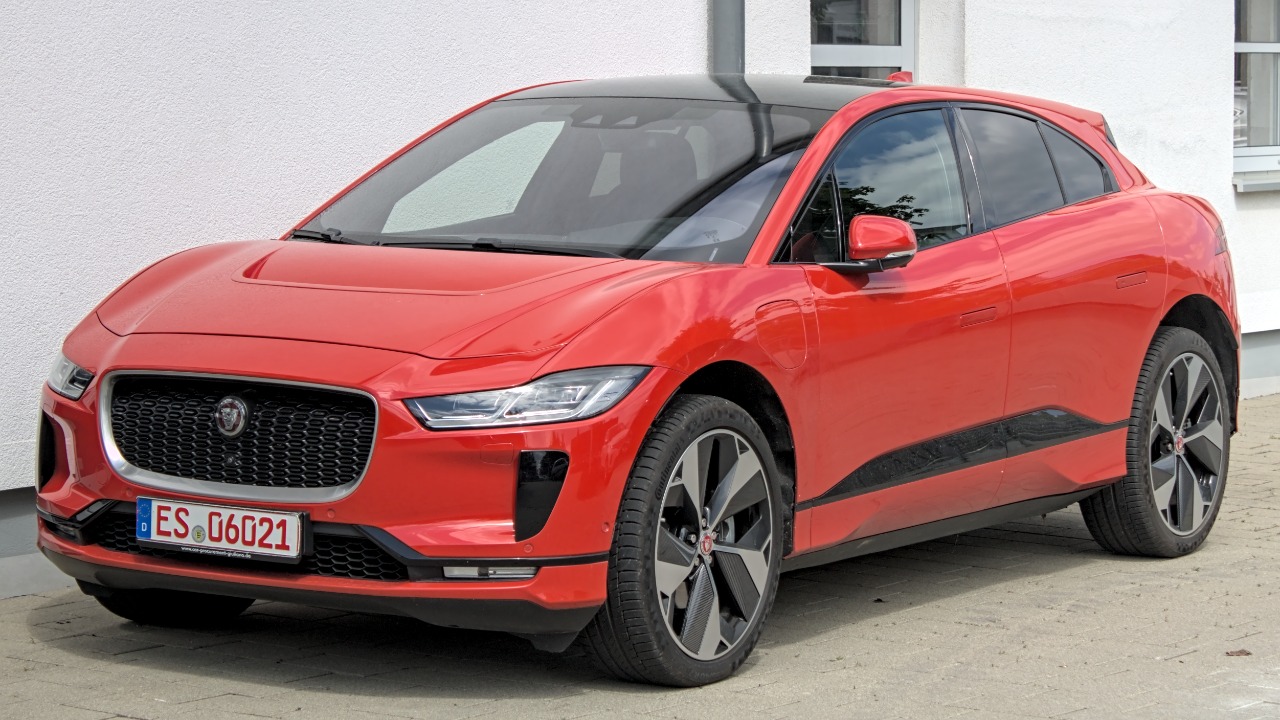
The Jaguar I-Pace has become a textbook example of how quickly a premium electric vehicle can shed value. A detailed resale study found that The Jaguar I-Pace lost 72.2 percent of its value in just five years, a figure that would be alarming for any car, let alone a high-priced crossover. That scale of loss reflects how early-generation battery technology, concerns about long-term range, and limited charging infrastructure can weigh on secondhand prices, even when the vehicle itself remains stylish and well equipped.
This steep decline also highlights how rapidly the electric segment is evolving. Newer rivals offer longer ranges, faster charging, and more efficient drivetrains, which makes a used I-Pace feel dated more quickly than a conventional luxury SUV of similar age. For buyers, the model’s depreciation can create an opportunity to access high-end features at a fraction of the original cost, but for owners, it underlines the risk of being an early adopter in a segment where technology moves faster than traditional automotive product cycles.
Maserati Quattroporte
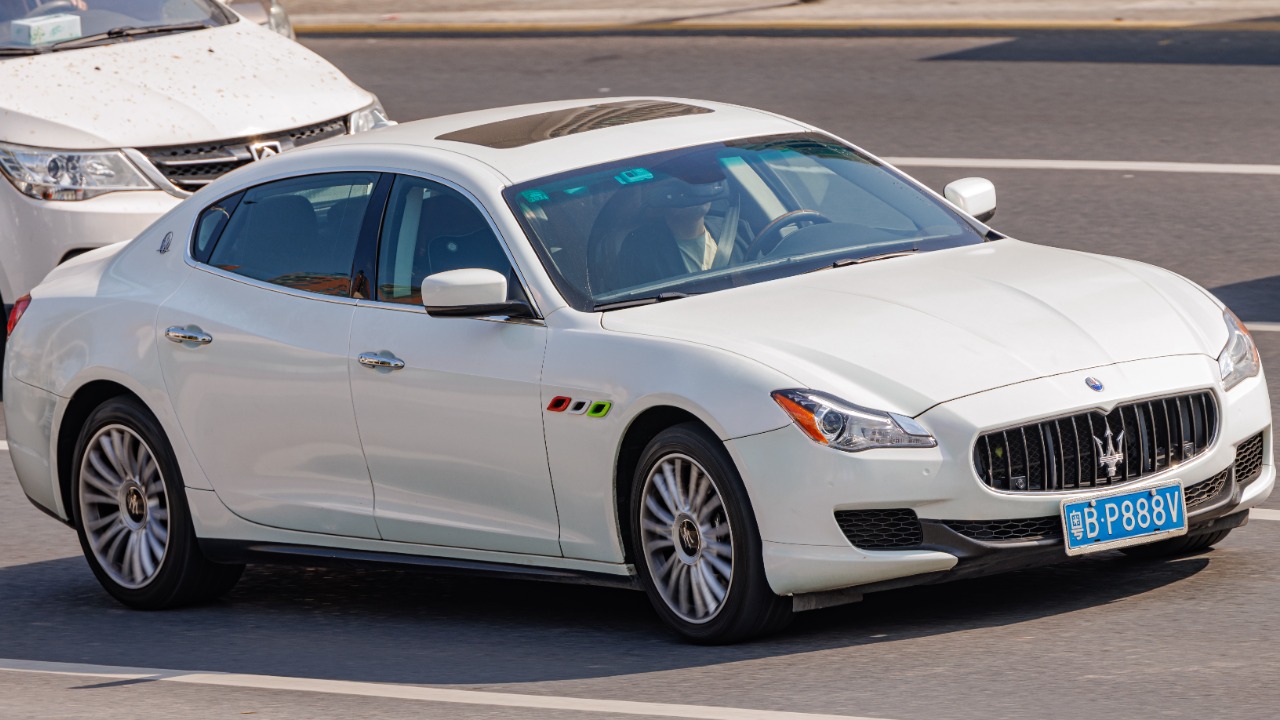
The Maserati Quattroporte embodies luxury, exclusivity, and Italian flair, yet it is also renowned for poor resale performance. Reporting on the used market notes that the Maserati Quattroporte is regularly listed among the most rapidly depreciating sedans, with The Quattroporte suffering from a combination of high running costs and limited dealer networks. Buyers are drawn to its distinctive styling and performance, but they often hesitate when faced with the prospect of expensive maintenance once the warranty expires.
That hesitation feeds directly into softer demand on the secondhand market, which accelerates depreciation compared with more mainstream German rivals. The car’s niche positioning also means there are fewer potential buyers when owners decide to sell, further undermining residual values. For consumers considering a new Quattroporte, the financial stakes are clear: the emotional appeal of Italian design must be weighed carefully against the likelihood of a sharp drop in value within only a few years of ownership.
Maserati Levante
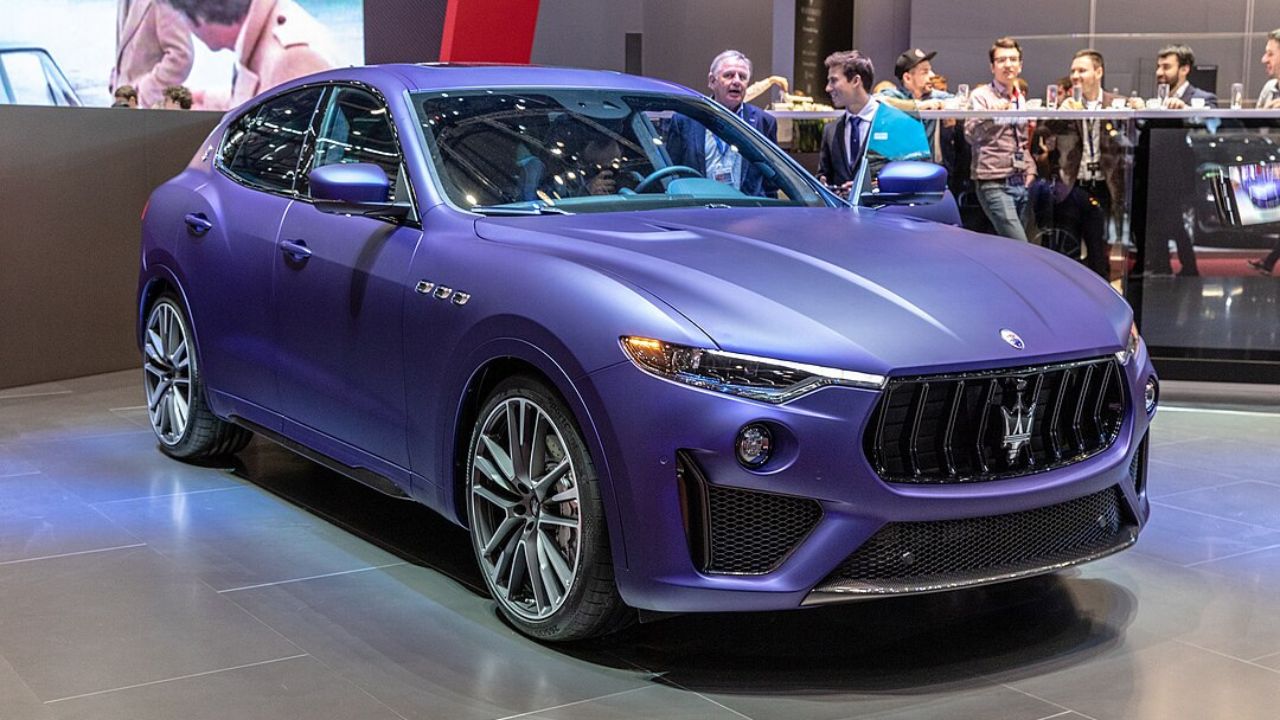
The Maserati Levante, the brand’s luxury SUV, has also become a symbol of unexpectedly rapid value loss. Analysis of three-year resale data shows that If the Range Rover is known for heavy depreciation, the Maserati can be even more dramatic, with a staggering 72 percent depreciation at the three-year mark in some trims. That figure places the Levante among the worst performers in the premium SUV segment, despite its strong engine lineup and upscale interior.
Several factors contribute to this slide, including concerns about long-term reliability and the same sparse service network that affects other Maserati products. In a crowded luxury SUV field, buyers often gravitate toward brands with stronger reputations for durability and easier access to parts and technicians. The Levante’s depreciation illustrates how a prestigious badge and compelling driving dynamics are not enough to sustain values when ownership costs and perceived risk overshadow the initial allure.
Range Rover (luxury SUV)
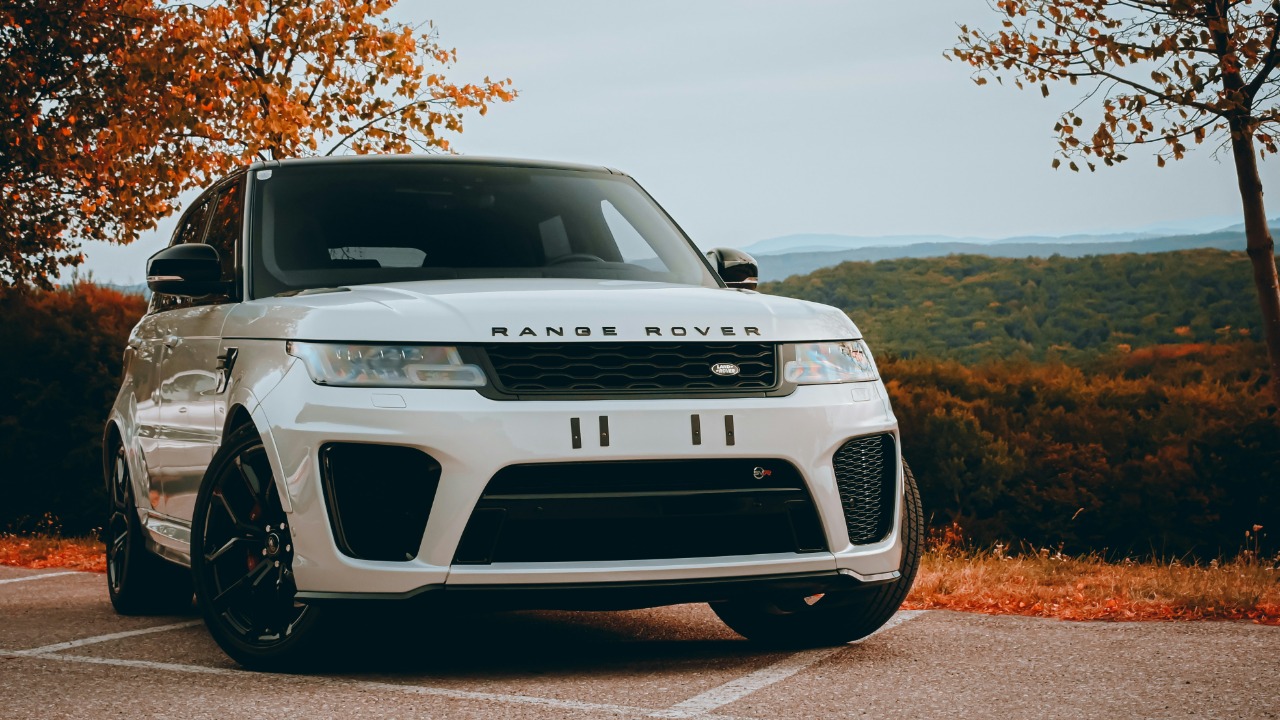
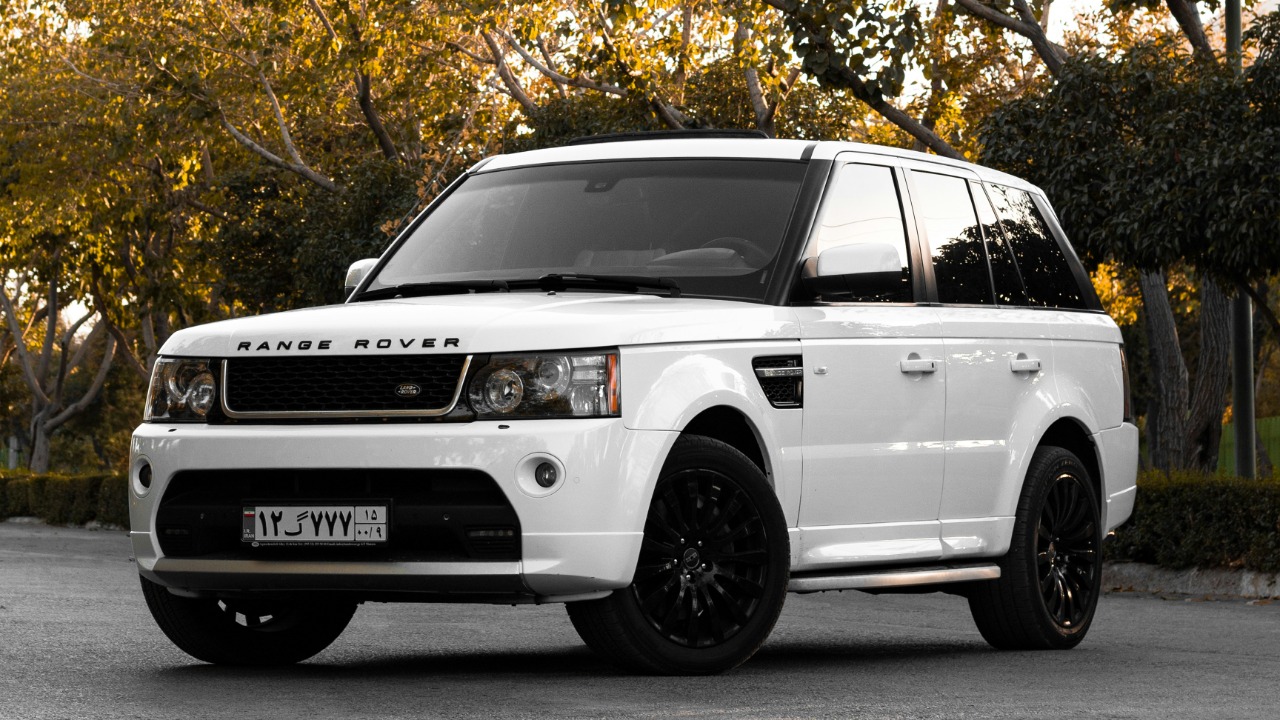
The Range Rover has long been a status symbol, yet its depreciation profile can surprise owners who expect the badge to guarantee strong residuals. Comparative studies of luxury SUVs that lose value quickly place the Range Rover near the top of the list, noting that If the Range Rover is already considered steeply depreciating, some rivals only barely outpace it. High initial purchase prices, complex air suspension systems, and a reputation for costly repairs all weigh on used-market confidence.
As a result, three-year-old examples can trade at a significant discount to their original sticker, even when mileage is modest and condition is good. For fleet operators and private buyers alike, this pattern underscores the importance of factoring in total cost of ownership rather than focusing solely on monthly payments or brand prestige. The Range Rover’s rapid value loss shows how perceived reliability and maintenance risk can erode the financial case for even the most iconic luxury off-roader.
BMW i4 Gran Coupe
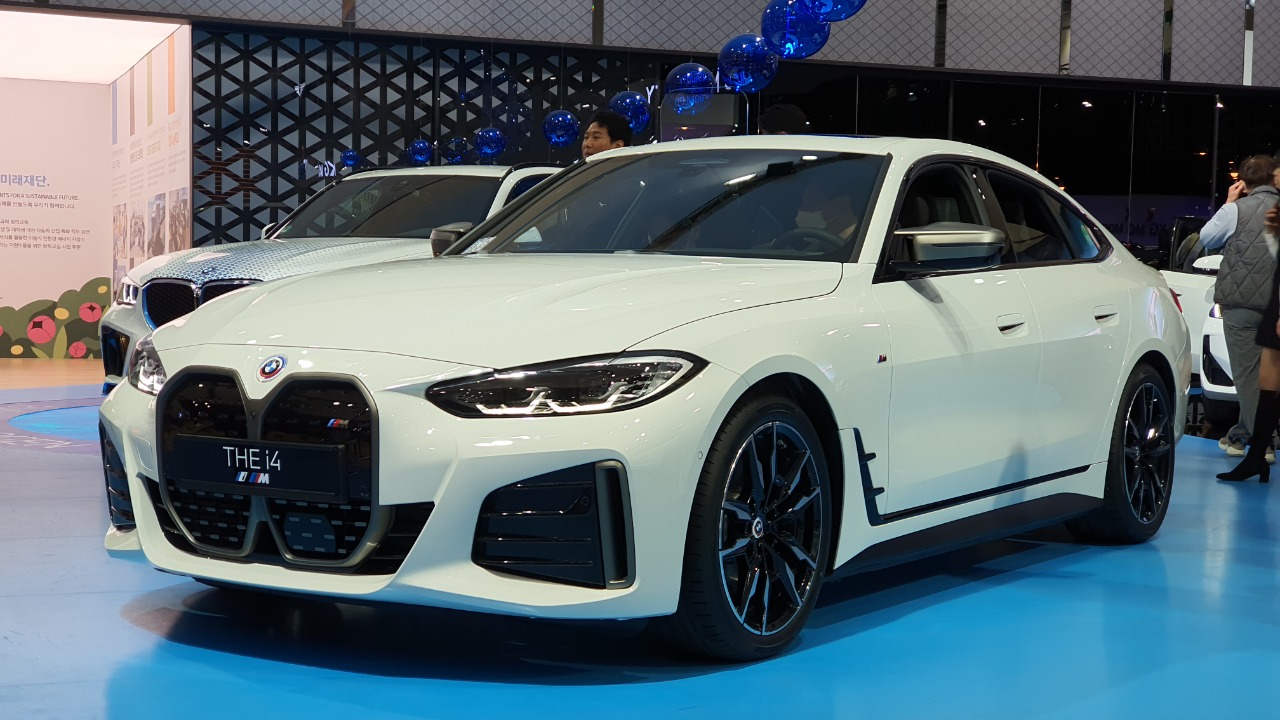
The BMW i4 Gran Coupe illustrates how quickly premium electric sedans can slide in value as new technology arrives. One detailed breakdown of Luxury EVs reports that the BMW i4, specifically the Gran Coupe, shows depreciation over five years of 66.8-Percent. That 66.8-Percent figure is striking for a model that launched with strong performance credentials and the backing of a major premium brand, suggesting that early pricing may have overshot what the used market is willing to bear.
Rapid improvements in battery efficiency and charging speeds mean that a five-year-old i4 can feel technologically outclassed by newer models, even if its core driving dynamics remain competitive. At the same time, generous leasing incentives on new EVs reduce demand for used examples, putting further pressure on resale values. For buyers, the i4’s depreciation creates a chance to access a high-spec Gran Coupe at a substantial discount, but it also warns new-car shoppers that headline range and power figures do not guarantee long-term value retention.
Audi S8
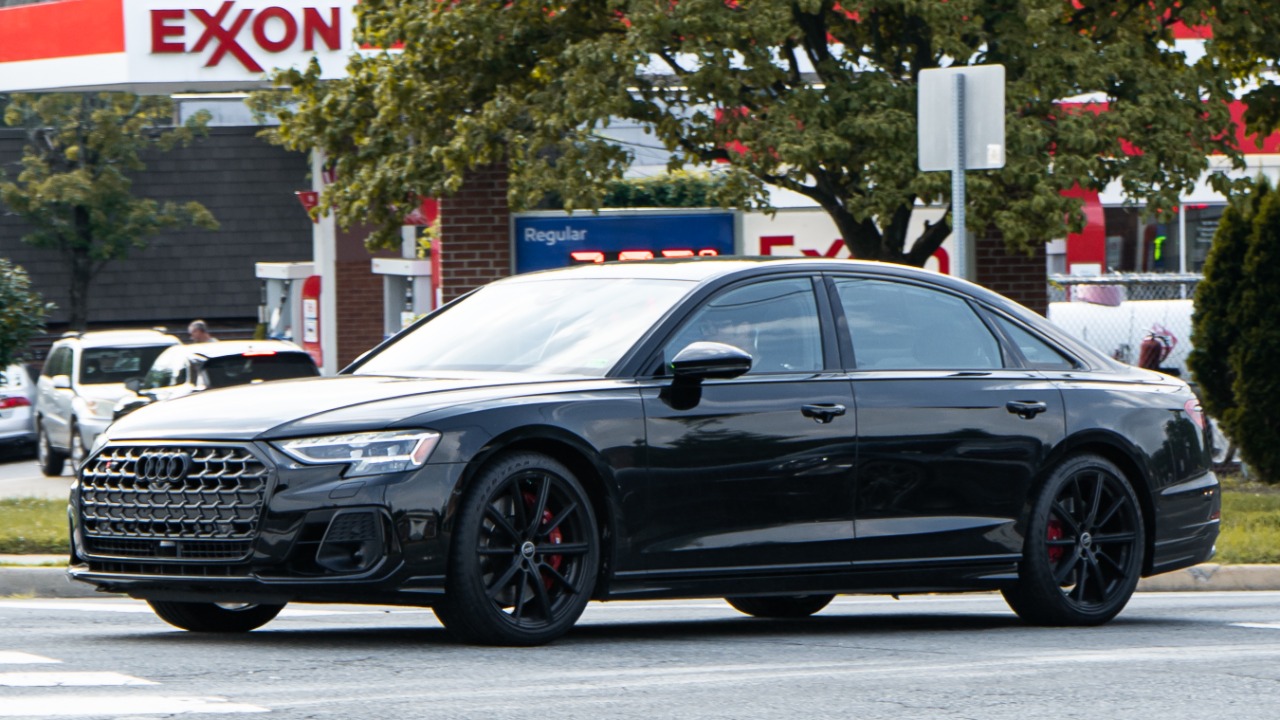
The Audi S8, a flagship performance sedan, offers immense power and a lavish cabin, yet its value trajectory is more complicated than its badge suggests. Detailed resale analysis notes that, save for two precipitous drops in value at the first and third years of ownership, the Audi S8 retains its value reasonably well year by year. Those sharp early declines, however, mean that the car can lose a large chunk of its original price before stabilizing, catching some first owners off guard.
High initial pricing, rapid model updates, and the perception that large sedans are falling out of favor all contribute to those early hits. Once the steepest part of the curve has passed, depreciation moderates, making the S8 more attractive as a used purchase than as a new one. For executives and enthusiasts considering a factory-fresh example, the pattern suggests that waiting a few years could deliver the same performance and comfort at a far more palatable cost.
Tesla Model 3 (2022)

The 2022 Tesla Model 3 was once seen as a relatively safe bet in terms of resale, but recent data indicates that certain examples have depreciated faster than many owners anticipated. A focused review of the fastest depreciating cars in 2025 highlights that the 2022 Tesla Model 3 appears among the models losing value most quickly, with analysts noting that they share a common thread of being electric vehicles facing shifting demand. As more competitors enter the EV space, used buyers have a wider range of choices, which softens prices for earlier Model 3’s.
Changes in incentives and evolving consumer preferences also play a role. When new-car discounts or tax benefits improve, shoppers often favor fresh inventory over used, pushing down secondhand values. For Tesla, this trend underscores the challenge of maintaining residual strength as the market matures and as software and hardware updates make older cars feel less current. Owners who bought at peak pricing may find that their equity position erodes more quickly than expected.
BMW iX
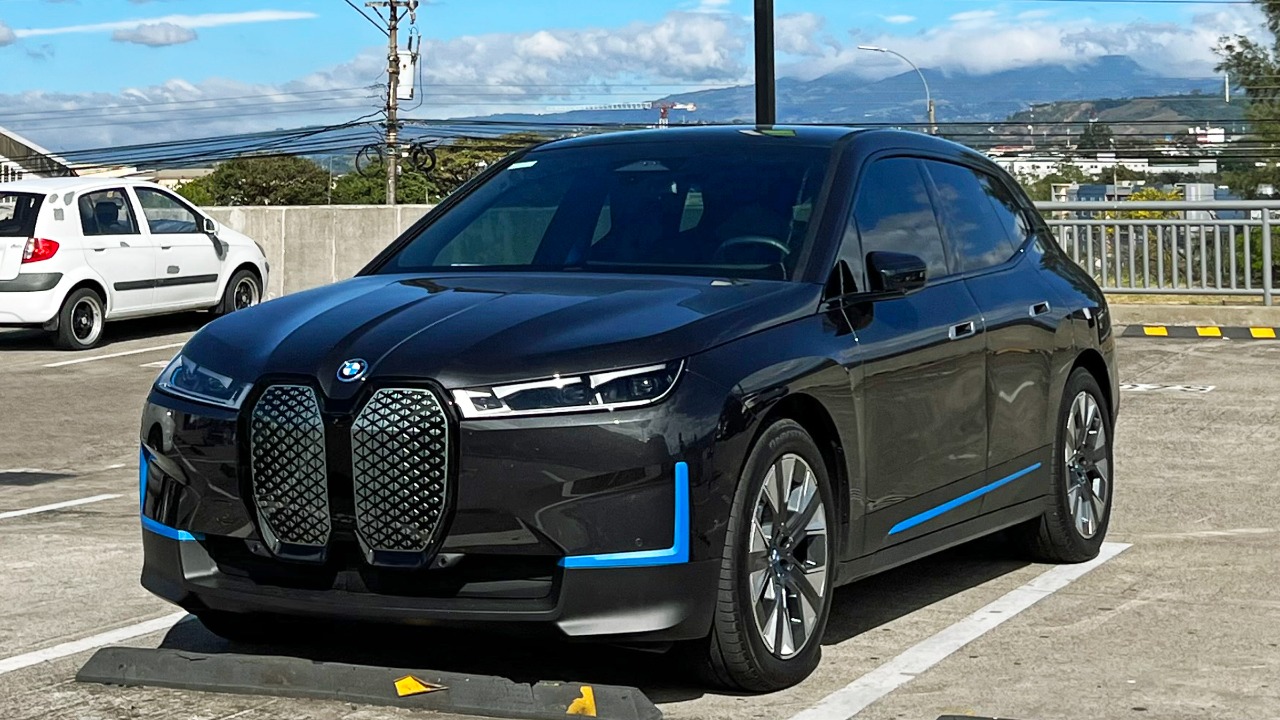
The BMW iX, a large electric SUV, entered the market as a technology showcase, yet it has not been immune to the depreciation pressures facing high-end EVs. Broader studies of cars that lose their value the fastest globally note that electric vehicles are taking a surprising share of the steepest depreciation spots, with premium battery-powered SUVs like the iX particularly exposed. Rapid improvements in range and charging, combined with evolving design language, can make early-build examples feel dated within only a few model years.
For used buyers, this dynamic can be beneficial, turning a once very expensive iX into a relatively attainable way to access advanced driver-assistance systems and a high-end interior. For first time owners, however, the financial implications are stark, especially if they financed the vehicle with low down payments. The iX’s trajectory illustrates how quickly perceptions of cutting-edge technology can shift, and how that shift directly affects the balance between showroom excitement and long-term value.
Jaguar F-Pace (performance trims)
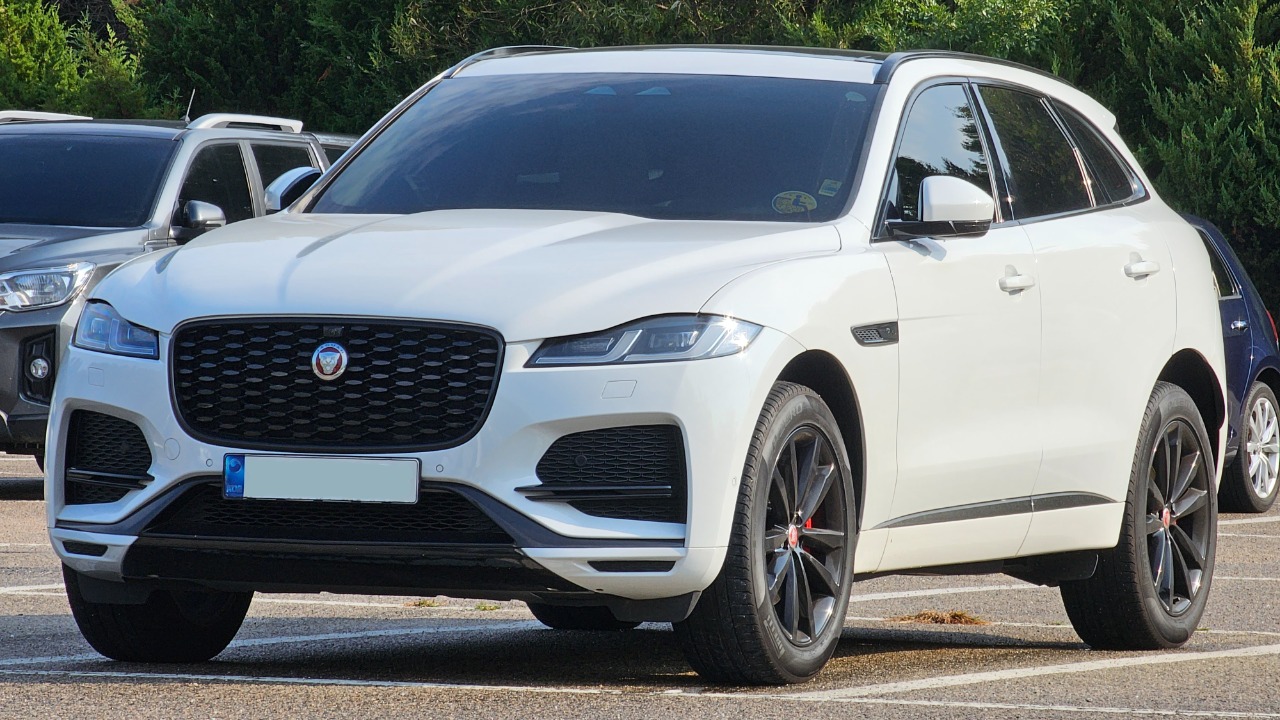
The Jaguar F-Pace, particularly in its higher-performance trims, has also seen value erosion that outpaces some rivals. While not as extreme as the Jaguar I-Pace figure of 72.2 percent over five years, market observers note that the F-Pace’s resale values lag behind those of comparable German SUVs. Factors include concerns about long-term reliability, relatively high servicing costs, and the brand’s smaller footprint in some regions, which can limit the pool of secondhand buyers.
Performance-oriented variants face an additional challenge, as their higher original prices and thirstier engines can deter cost-conscious used shoppers. As a result, discounts on nearly new F-Pace models are often substantial, rewarding those who buy after the initial depreciation hit but penalizing early adopters. The pattern reinforces a broader theme in the luxury segment, where brand cachet and driving enjoyment do not always translate into strong residuals when ownership costs and market perceptions intervene.
BMW 7 Series (recent generation)
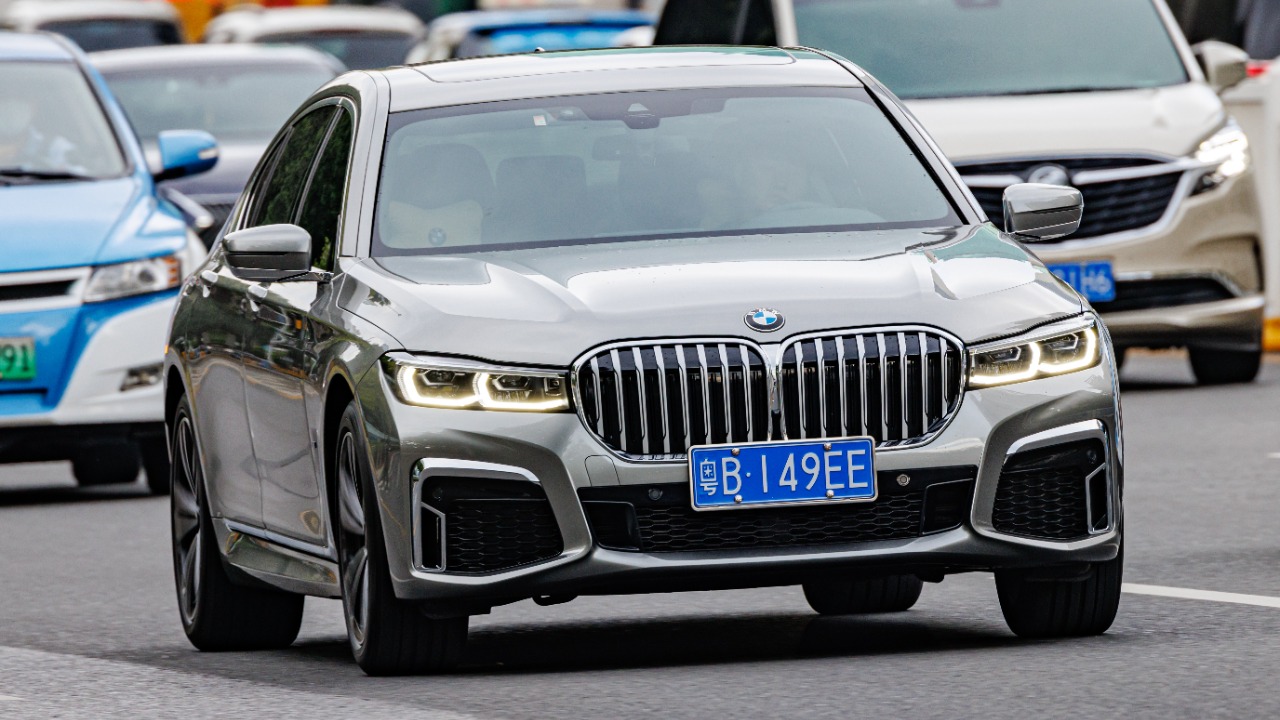
The recent-generation BMW 7 Series, despite its role as a technological flagship, has struggled to hold value in line with its lofty sticker prices. In discussions of vehicles where everyone knows luxury cars depreciate faster than mass-market models, large executive sedans like the 7 Series are frequently cited as prime examples. High complexity, rapid model refreshes, and shifting buyer interest toward SUVs all contribute to a resale environment in which three to five year old cars trade at a fraction of their original cost.
For corporate fleets and private owners, this depreciation can be both a burden and an opportunity. Those purchasing new must account for the likelihood of heavy value loss within the warranty period, which can significantly increase the effective cost per year of ownership. Conversely, used buyers can access advanced comfort features, powerful engines, and extensive technology packages at prices that undercut many new mid-range models, highlighting the stark divide between showroom prestige and long-term financial reality.
More from Fast Lane Only