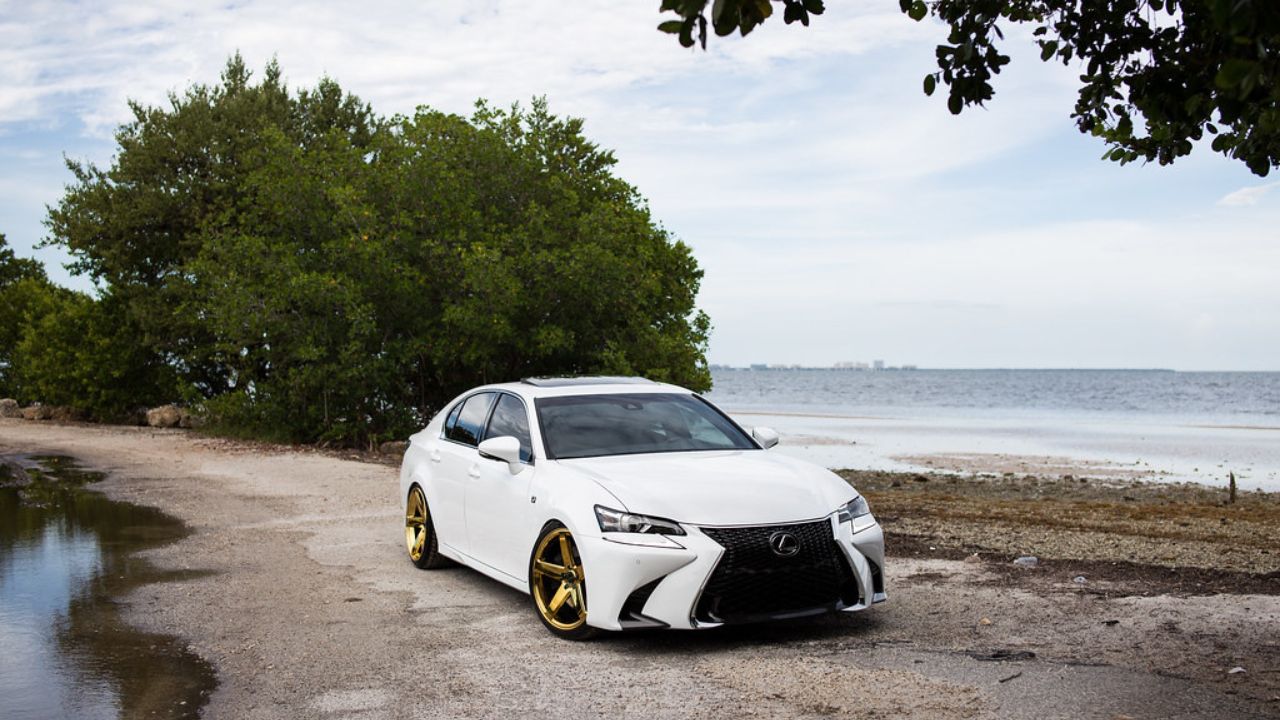
Sticker prices for new mainstream sedans keep climbing, yet depreciation is quietly turning recent luxury models into unexpected bargains. By focusing on late 2010’s and early 2020’s cars that have already absorbed their steepest value drop, shoppers can now buy leather‑lined, tech‑rich sedans for compact‑car money. The following eight models illustrate how sharply some premium nameplates have fallen, and why their current used prices undercut many new mass‑market four‑doors while still delivering the comfort, performance, and image that define luxury motoring.
2019 BMW 5-Series

The 2019 BMW 5-Series is a textbook case of a luxury sedan that now undercuts new mainstream models after a rapid early depreciation curve. Reporting on late‑model 5-Series notes that the BMW 5-Series hold its value less firmly than typical family sedans, even though it still fares better than many rival luxury nameplates. That dynamic means a three or four year old 5-Series can often be found in the mid $20,000 range, directly overlapping the transaction prices of well‑equipped midsize mainstream sedans.
Analysts listing the best used luxury midsize cars between $20,000 and $25,000 explicitly include the 2019 BMW 5-Series, placing it alongside more conservative choices from Lexus and Genesis. For buyers, the implication is clear: instead of a new cloth‑seat four‑cylinder sedan, the same budget can secure a 5-Series with advanced driver aids, a refined turbocharged engine, and a cabin that was engineered to compete at the top of the market.
2016 Lexus GS
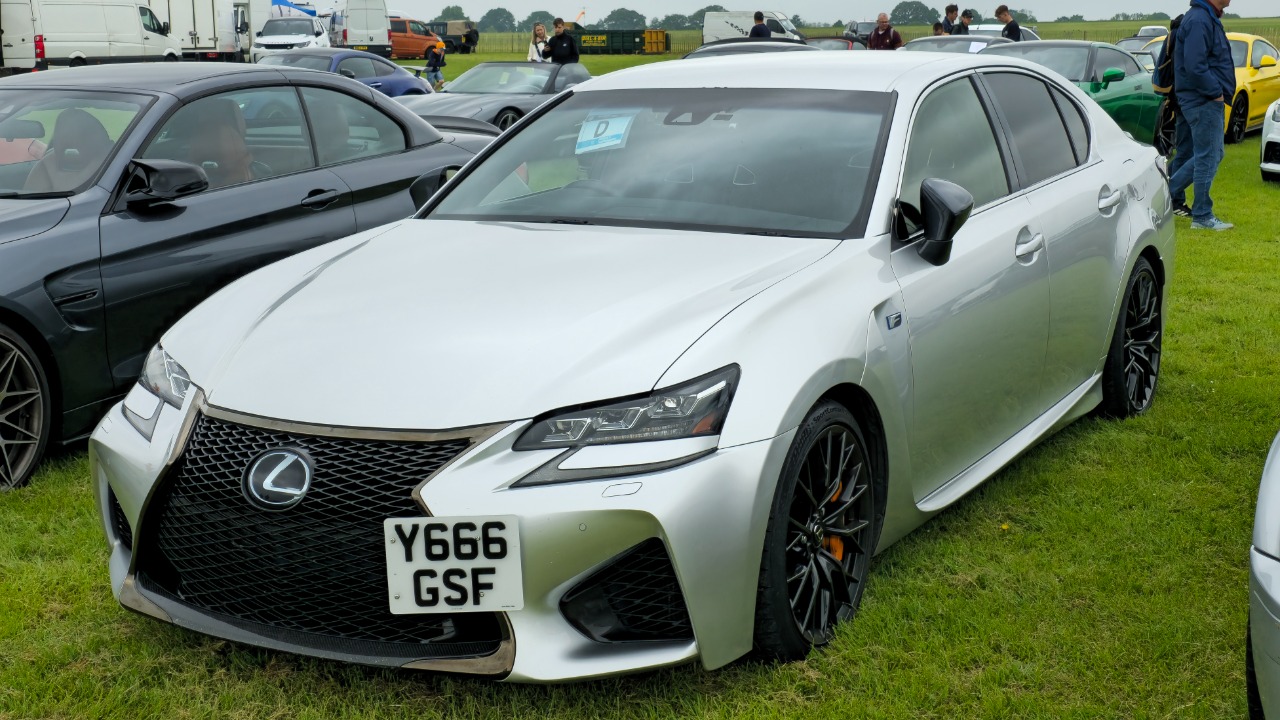
The 2016 Lexus GS has slipped into a price band that overlaps heavily with new mainstream sedans, despite its positioning as an upscale midsize car. Rankings of the best used luxury midsize cars priced from $20,000 to $25,000 list the 2016 Lexus GS as a core recommendation, signaling that well‑kept examples are now accessible to buyers shopping mid‑trim Camrys and Accords. That shift reflects the GS line’s age and discontinuation, which have softened resale values without erasing its underlying engineering strengths.
Another assessment of best used luxury midsize cars at $25,000 and up again highlights the Lexus GS, reinforcing its status as a value leader among premium sedans. For consumers, the stakes involve trading the latest infotainment interfaces for a proven V6, rear‑wheel‑drive dynamics, and Lexus build quality. Those who accept an older model year gain a car that was designed to rival German flagships, at a price that now competes with mainstream transportation.
2016 Lexus GS Hybrid
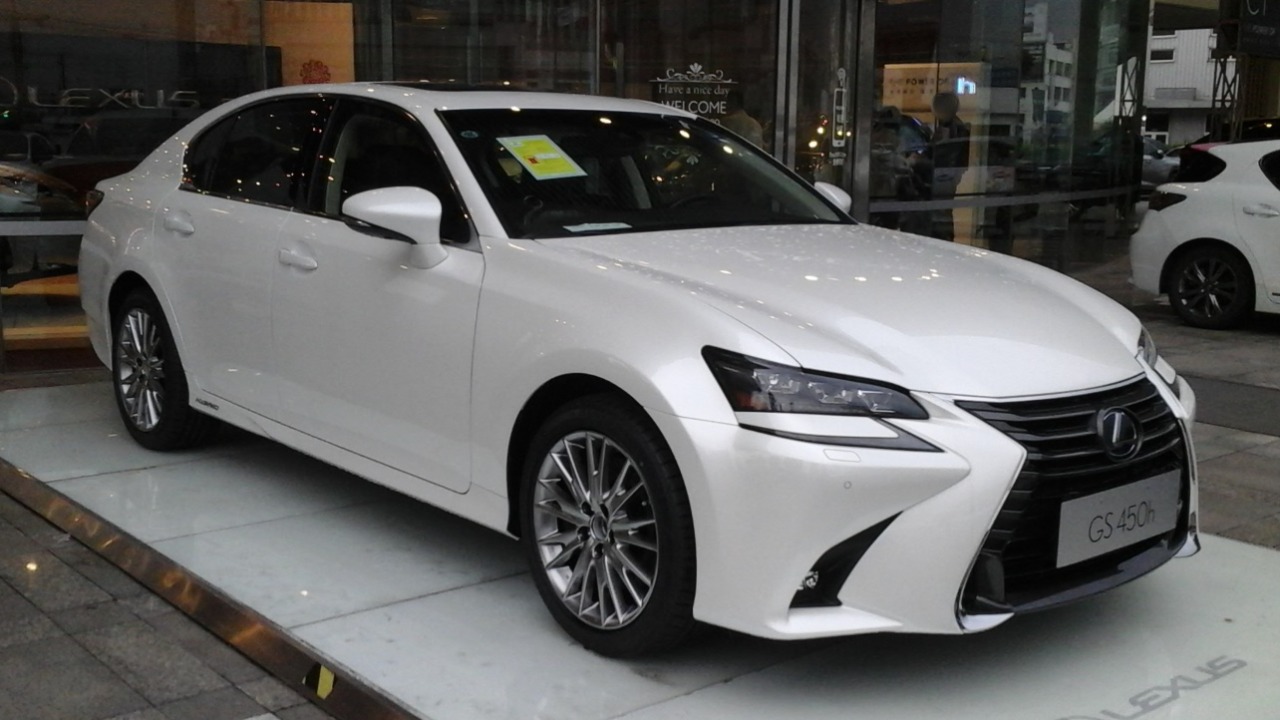
The 2016 Lexus GS Hybrid combines luxury and efficiency, and depreciation has brought it within reach of buyers who might otherwise settle for a new non‑luxury hybrid sedan. In rankings of best used luxury midsize cars priced $25,000 and up, the GS Hybrid appears prominently, indicating that its market value has fallen into the upper reaches of mainstream sedan pricing. That is striking for a car that originally commanded a significant premium for its hybrid powertrain and high‑end interior.
Because the GS Hybrid shares its reputation for durability with other Lexus products, its lower used pricing does not necessarily signal higher ownership risk. Instead, it reflects the broader trend in which complex luxury hybrids lose value quickly in their first years. For shoppers, this creates an opportunity to secure quiet electric‑assisted performance, real‑wood trim, and advanced safety technology for roughly the cost of a new, mid‑spec conventional sedan.
2018 Lexus ES Hybrid
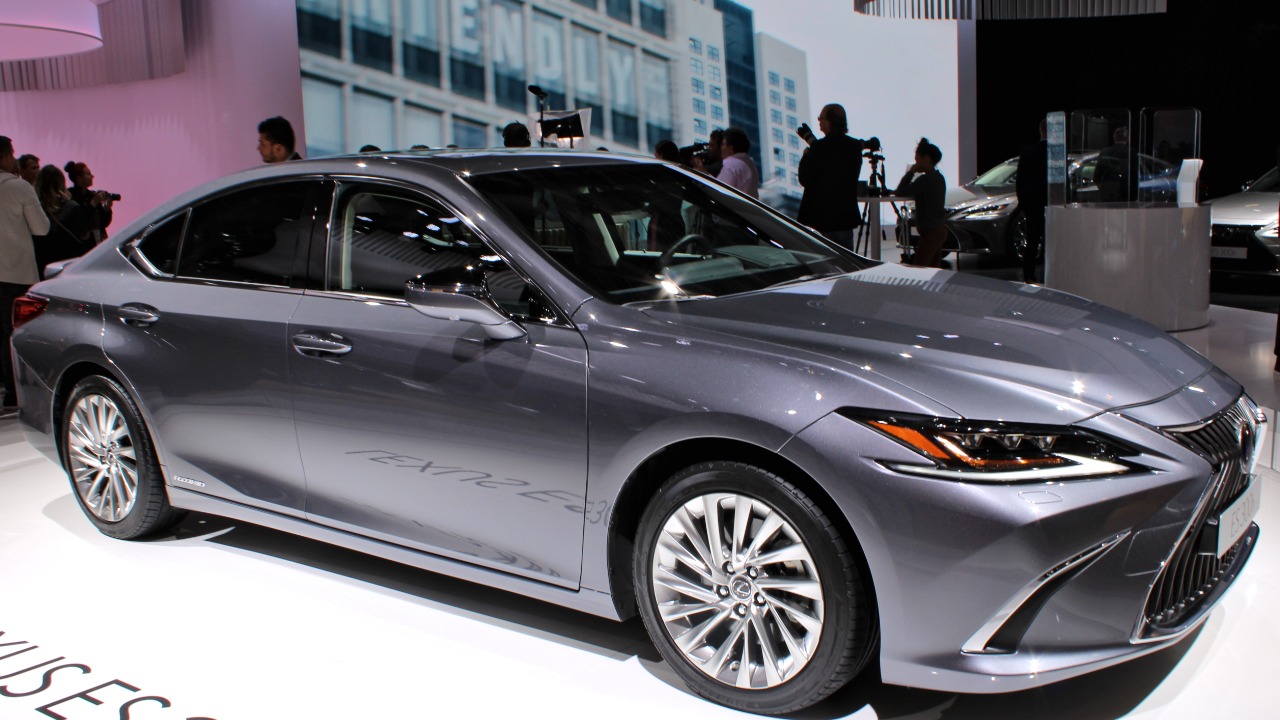
The 2018 Lexus ES Hybrid, a hybrid variant of the long‑running ES line, has also entered pricing territory that overlaps with mainstream sedans. Listings of the best used luxury midsize cars between $20,000 and $25,000 specifically include the 2018 Lexus ES Hybrid, implying that buyers can now find examples in that relatively modest band. Considering that new midsize sedans with hybrid powertrains often transact near or above this level, the ES Hybrid’s current pricing underscores how sharply some luxury hybrids depreciate.
Separate guidance on best used luxury midsize cars to buy notes that the Lexus ES offers premium materials and a comfortable ride, traits that carry over to the ES Hybrid. For consumers, the implication is that a used ES Hybrid can deliver near‑silent operation, strong fuel economy, and a plush cabin for the cost of a new mainstream sedan that may lack comparable refinement or long‑term reliability credentials.
2019 Genesis G80
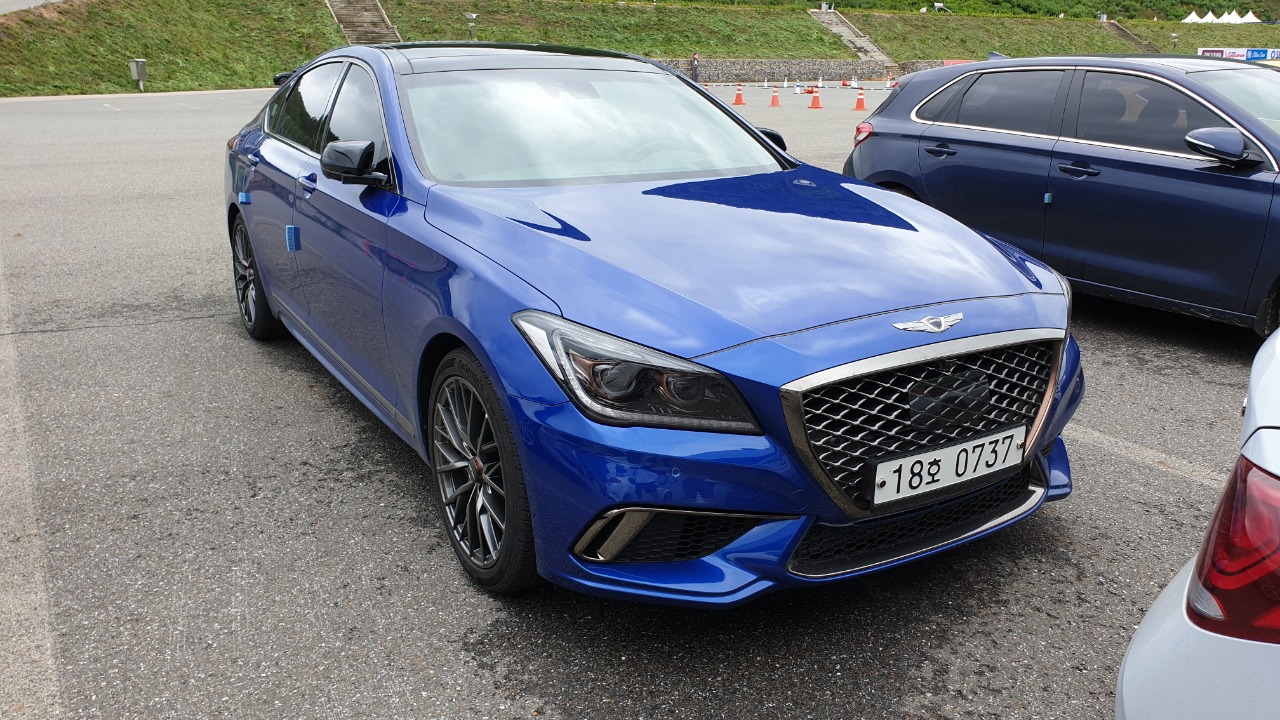
The 2019 Genesis G80 illustrates how newer luxury brands can depreciate faster than established rivals, creating bargains for second owners. In the list of best used luxury midsize cars priced from $20,000 to $25,000, the 2019 Genesis G80 appears alongside the Lexus GS and BMW 5-Series, confirming that its resale values have dropped into mainstream territory. That price range now overlaps with well‑equipped versions of popular non‑luxury sedans, even though the G80 was engineered as a full luxury competitor.
For shoppers, the G80’s position in this ranking signals a chance to obtain a spacious cabin, strong V6 power, and extensive standard safety equipment for the cost of a new four‑cylinder family sedan. The trade‑off is that Genesis, as a younger brand, may not hold value as firmly in subsequent years. Yet for buyers focused on maximizing comfort and features per dollar today, the 2019 G80’s current pricing is difficult to ignore.
2018 Lexus GS
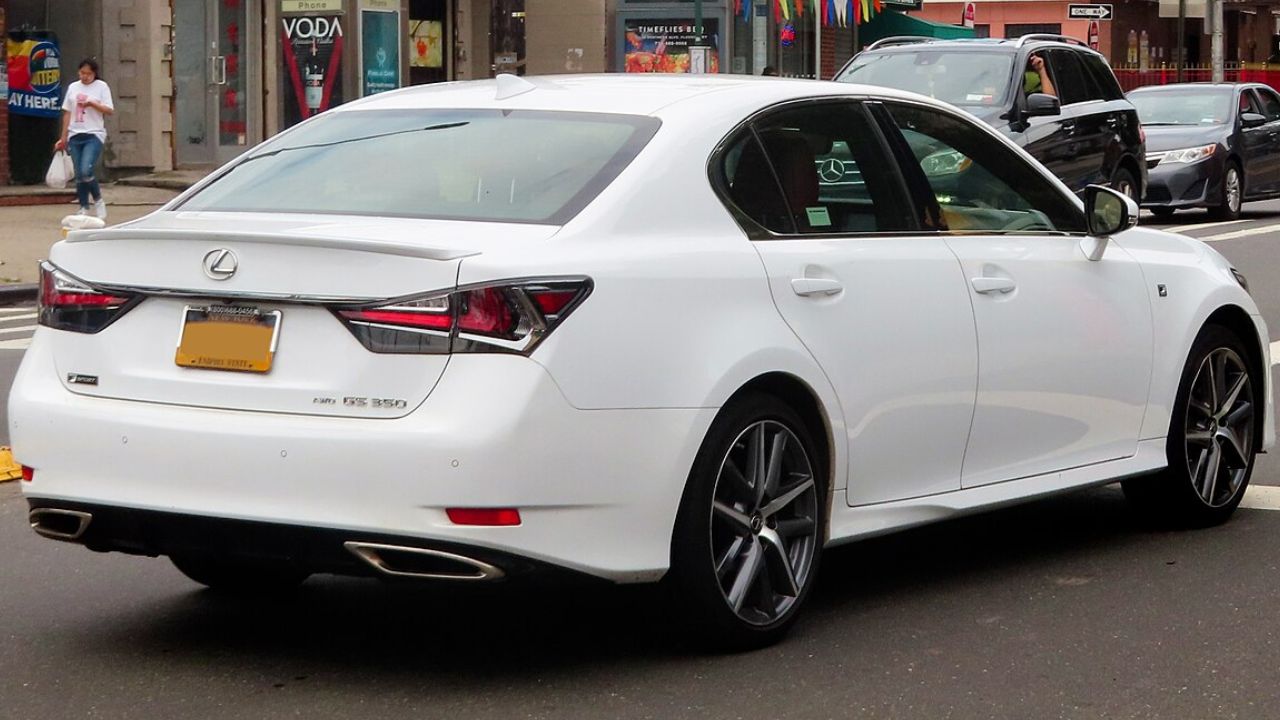
The 2018 Lexus GS represents a later evolution of the GS formula, and its used pricing now competes directly with mainstream sedans at the upper end of the market. Rankings of best used luxury midsize cars priced $25,000 and up include the 2018 Lexus GS, indicating that buyers with a budget similar to a new, fully loaded midsize sedan can instead opt for this rear‑drive luxury model. That comparison highlights how depreciation compresses the gap between premium and non‑premium nameplates.
Because the 2018 GS benefits from incremental improvements in technology and safety over earlier years, it offers a more modern ownership experience while still undercutting the cost of many new luxury cars. For consumers, the stakes involve deciding whether to prioritize the latest mainstream features or the enduring appeal of a Lexus chassis tuned for long‑distance comfort. In many cases, the GS’s reputation for longevity tips the balance toward the used luxury option.
2020 BMW 5-Series
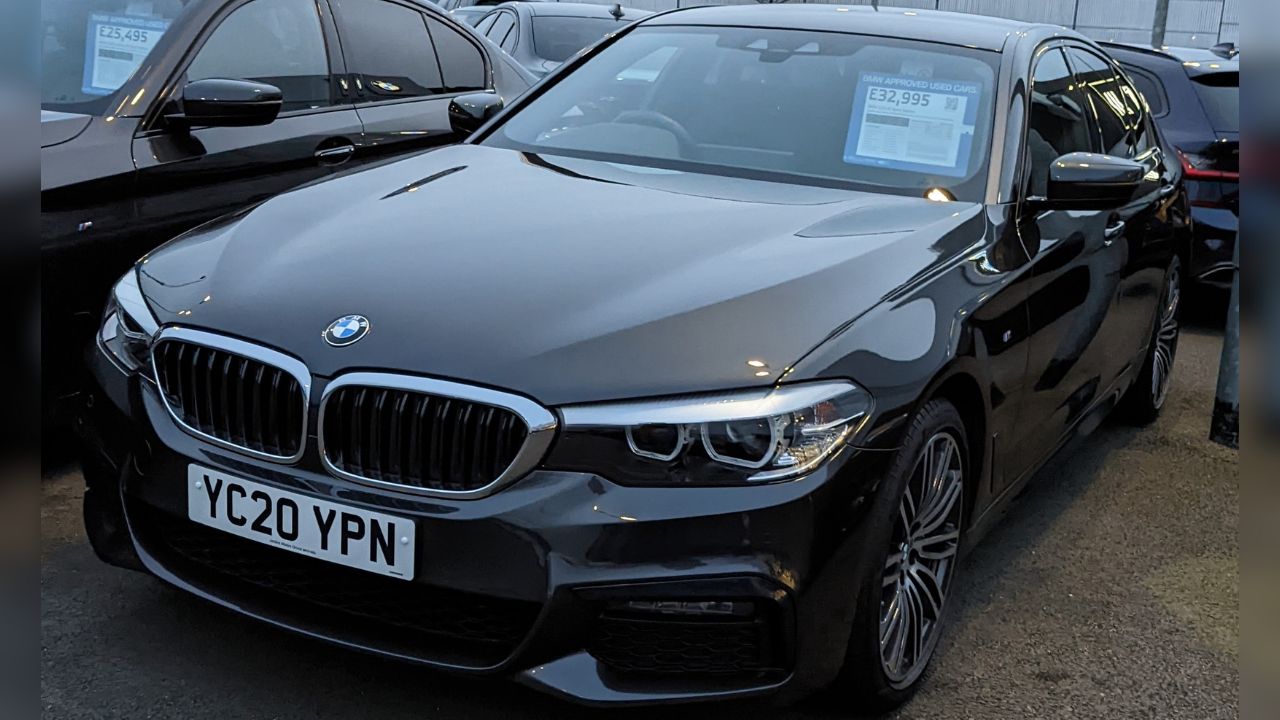
The 2020 BMW 5-Series, though newer than the 2019 model, has already experienced the steep initial depreciation that characterizes premium sedans. Analysis of late‑model 5-Series values notes that the Series depreciates faster than mainstream sedans, even if it outperforms some luxury peers. As a result, early used examples of the 2020 5-Series can now be cross‑shopped with high‑trim mainstream sedans whose window stickers approach the same territory.
Broader research into many used luxury cars under $25,000 underscores how quickly some premium models fall into accessible price brackets. For buyers, the 2020 5-Series offers a chance to enjoy contemporary driver‑assistance systems, sophisticated infotainment, and the brand’s hallmark driving dynamics, all while paying less than the cost of a new, similarly sized non‑luxury sedan equipped to a comparable level.
2025 Cadillac CT4
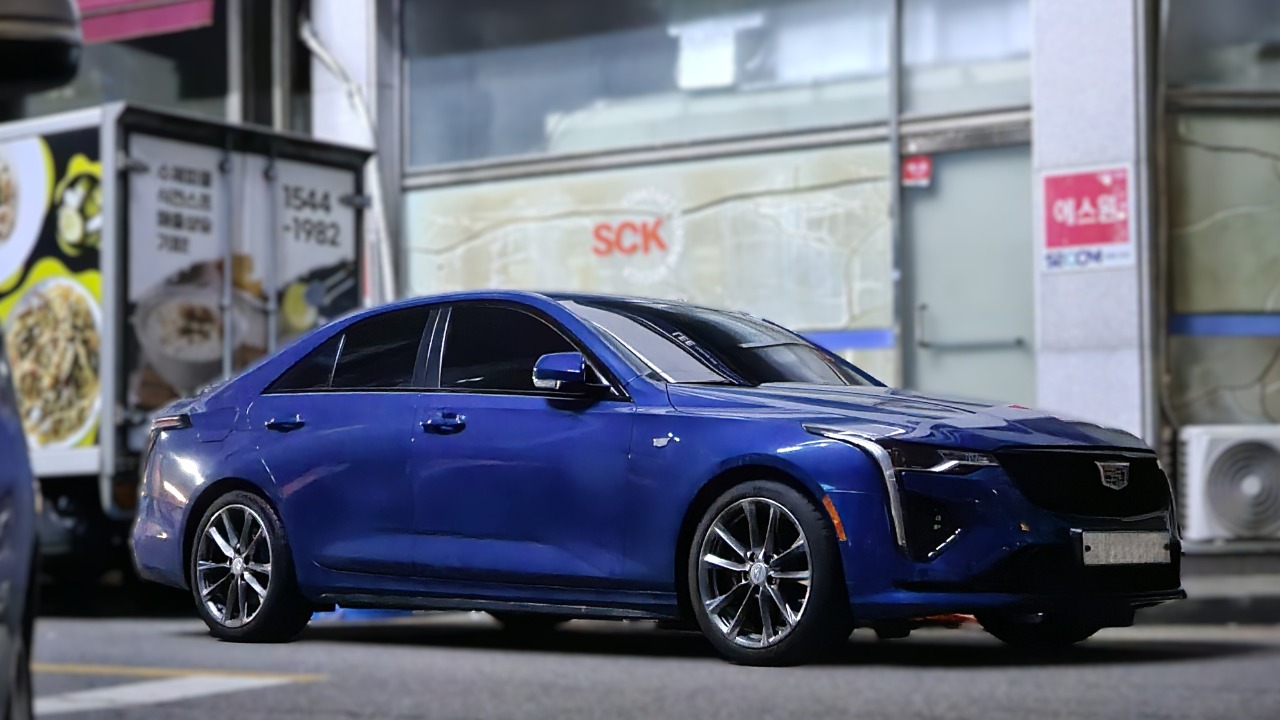
The 2025 Cadillac CT4 is unusual on this list because its value proposition begins with its new‑car pricing, which already overlaps with mainstream sedans. Testing notes that the 2025 Cadillac CT4 offers a lot of value, with pricing starting at around $35,000, positioning it among the more attainable luxury sedans. That figure is comparable to, or only slightly above, the transaction prices of many fully loaded mainstream compact and midsize sedans.
Once the CT4 begins to depreciate in its first three years, used examples are likely to fall squarely into the mid $20,000 range that defines much of the mainstream market. For consumers, this trajectory means that a relatively new CT4, with modern styling and performance, can soon be purchased for the cost of a new mass‑market sedan, effectively blurring the line between premium and non‑premium ownership experiences.
More from Fast Lane Only