Japan has given the world plenty of automotive icons, yet some of its most interesting sports cars never found the mainstream success in the United States that their engineering deserved. I look at ten Japanese machines that were either kept out of the market or misunderstood once they arrived, and explain, using recent reporting, why they should have been huge in America but were not.
Toyota 2000GT
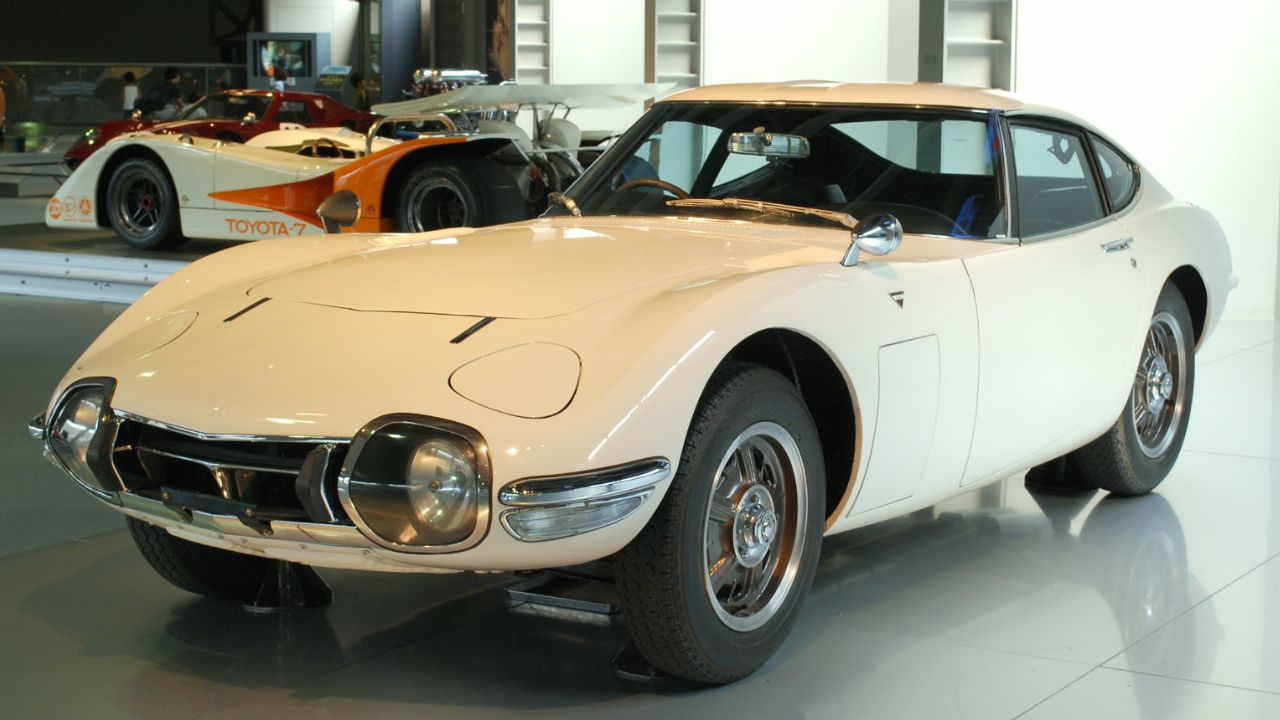
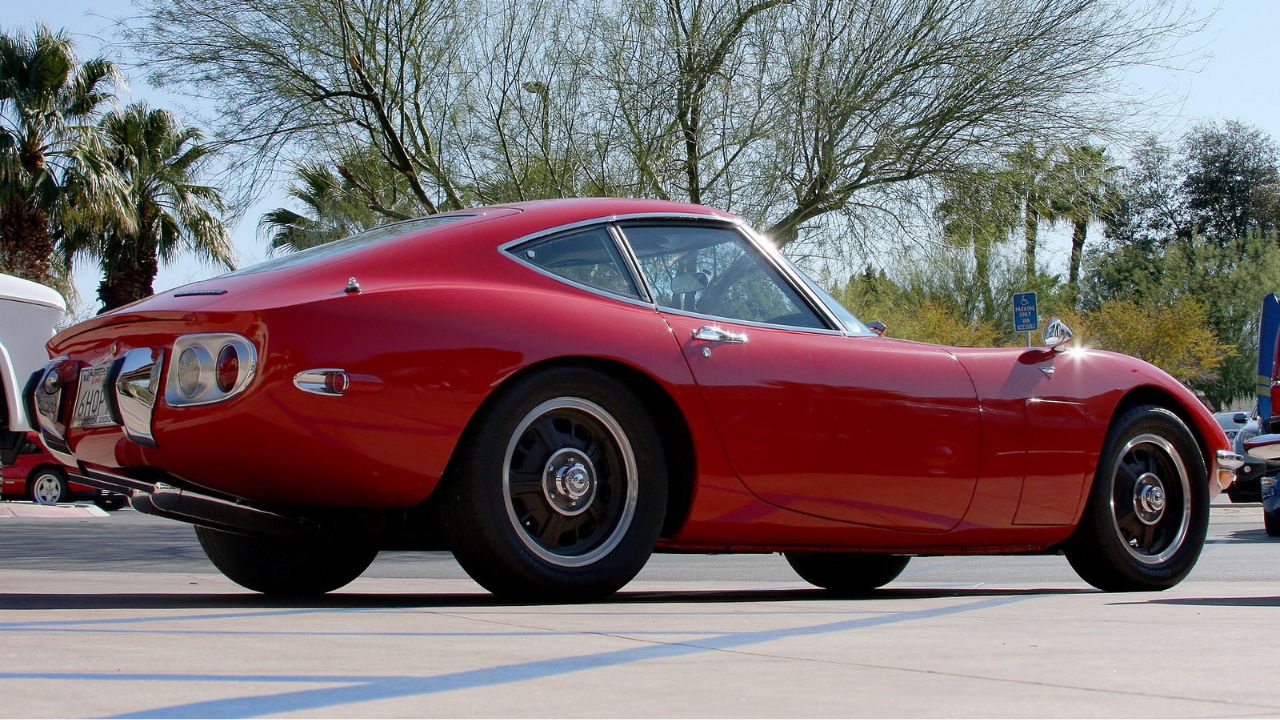
The Toyota 2000GT is routinely described as a groundbreaking sports car that elevated Toyota’s status, with one detailed ranking noting that it was produced from 1967 until 1970 and remains a rare, highly sought after classic. With the 2000GT Toyota aimed to shatter perceptions that Japanese brands could not build world class sports cars, and contemporary coverage records that it quickly garnered critical acclaim and became one of the most prized Japanese collector cars.
In the United States, however, the 2000GT was built and imported in such tiny numbers that it never had a chance to become a volume hit. Its high price and limited dealer support meant American buyers still saw Toyota as an economy brand. That gap between image and capability set a pattern, showing how Japanese performance cars could be technically brilliant yet commercially constrained in America.
Honda Integra Type R
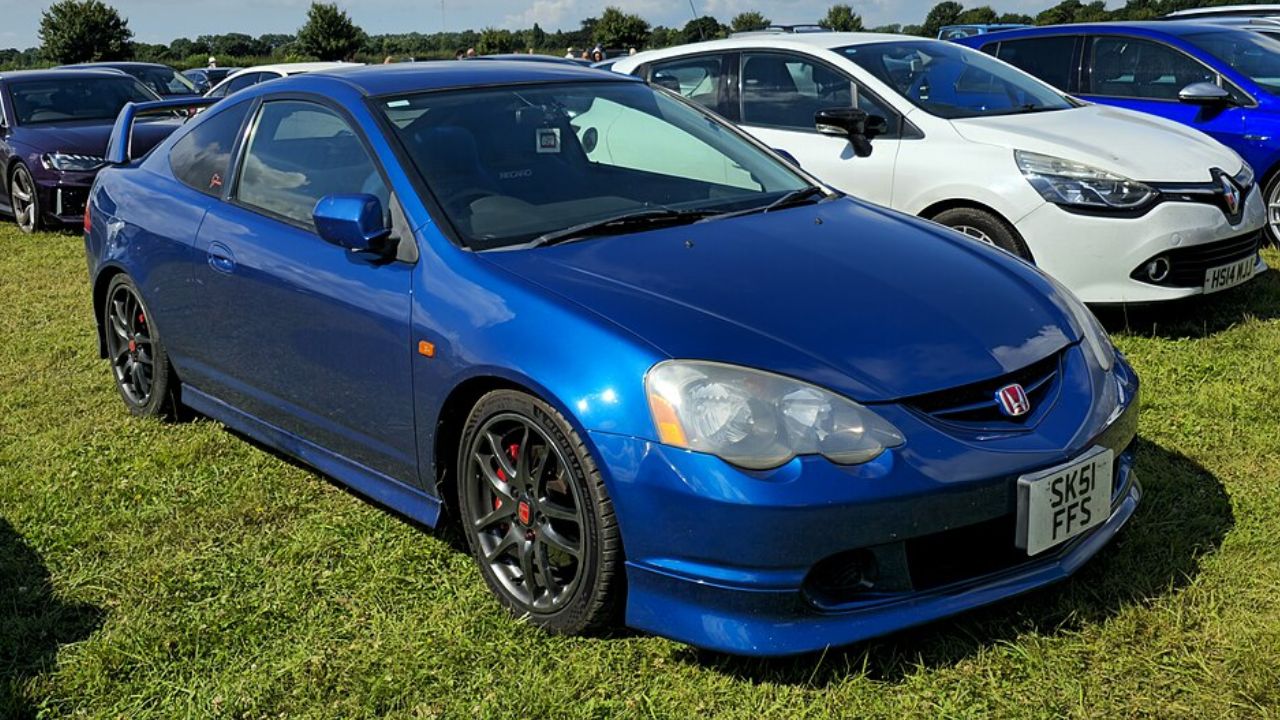
The Honda Integra Type R, sold in some markets as the Acura Integra, is now recognized as a legendary Japanese car with a cult following, and recent buyer guides still describe the Acura Integra as highly sought after. Another detailed retrospective notes that the Honda Integra Type R debuted in Japan in 1995 and that, Thanks to its incredible chassis tuning and high revving engine, it is considered one of the greatest JDM cars that can now be imported to the United States.
Despite that reputation, the Integra Type R was sold in very limited numbers in America and was often dismissed as an overpriced Japanese compact. Commenters dissecting why Honda, Mazda and Toyota pulled back from sports cars argue that as performance escalated, some buyers felt these were simply overpriced Japanese cars rather than premium performance machines. The Integra Type R shows how a car can be dynamically brilliant yet commercially niche when brand perception and pricing collide.
The Suzuki Cappuccino
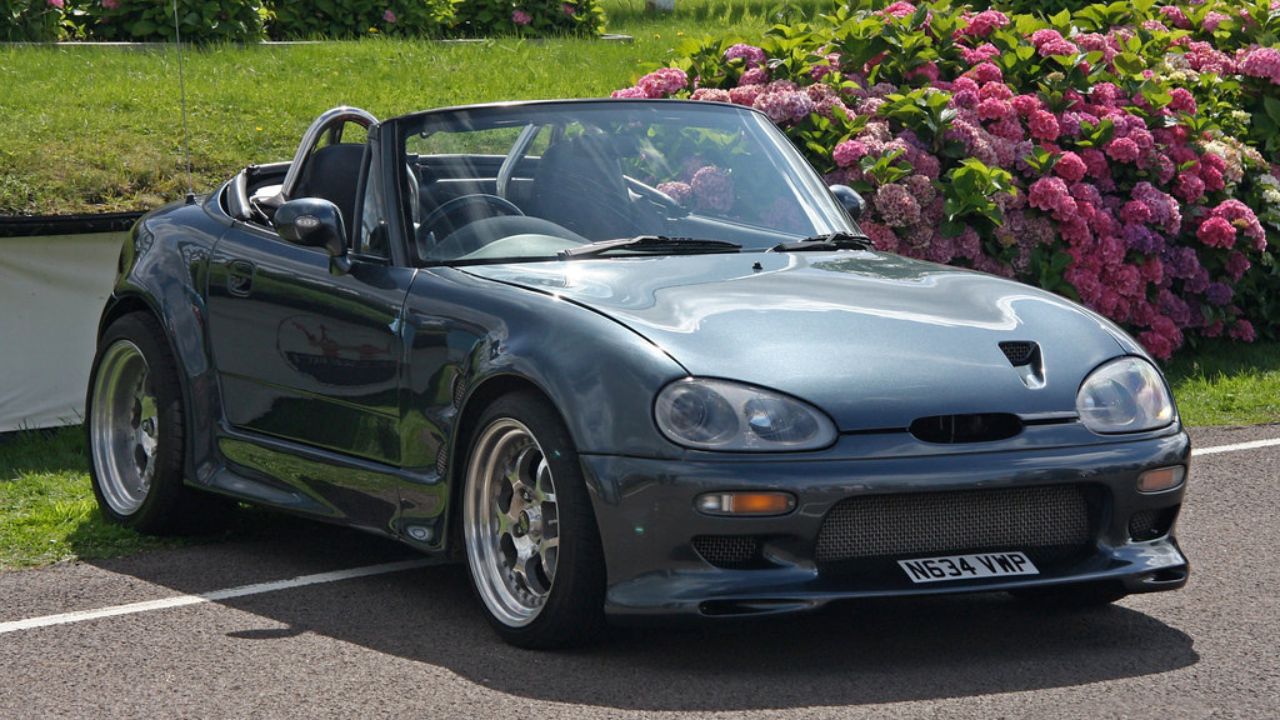
The Suzuki Cappuccino is repeatedly cited as one of the most underrated JDM cars, with one analysis stressing that the Suzuki Cappuccino was one of the Kei cars, a category of sub compact cars where engine displacement is tightly limited. A separate feature on miniature cars notes that The Suzuki Cappuccino was never sold in the US and describes it as a Japanese K sports car, adding the precise detail that Meaning it has a 600 CC three cylinder engine with a tiny footprint.
Those specifications made the Cappuccino a playful, lightweight sports car that could have offered Americans an affordable alternative to larger roadsters. Yet experts on Kei Cars argue that such vehicles are seen as far too small for American roads, especially in a country where long distance driving is common and buyers expect more space and power. The Cappuccino therefore remained a forbidden curiosity, illustrating how regulatory categories and cultural expectations can keep innovative Japanese sports cars out of the mainstream United States market.
Honda Beat

The Honda Beat is another Kei roadster that enthusiasts now celebrate as one of the coolest cars that never made its way into the US, with one comparison piece explaining that The Honda Beat is what is known as a Kei car, a small class of vehicles with a tiny three cylinder engine and modest power output. A detailed auction listing reinforces that The Beat is one of the quirkiest Honda models, highlighting its tiny dimensions, mid mounted engine and distinctive styling that made it stand out even in Japan.
Because Kei regulations in Japan cap size and displacement, the Beat prioritized character and handling over outright speed, something that appeals strongly to enthusiasts but less to mainstream American buyers. Analysts asking why Japanese sports cars faded from lineups point to shrewd businessmen responding to demand, and in the United States that demand has favored larger, more powerful vehicles. The Beat shows how a car can be perfectly tuned to Japan yet struggle conceptually in a market dominated by interstate travel and bigger bodies.
Honda S660
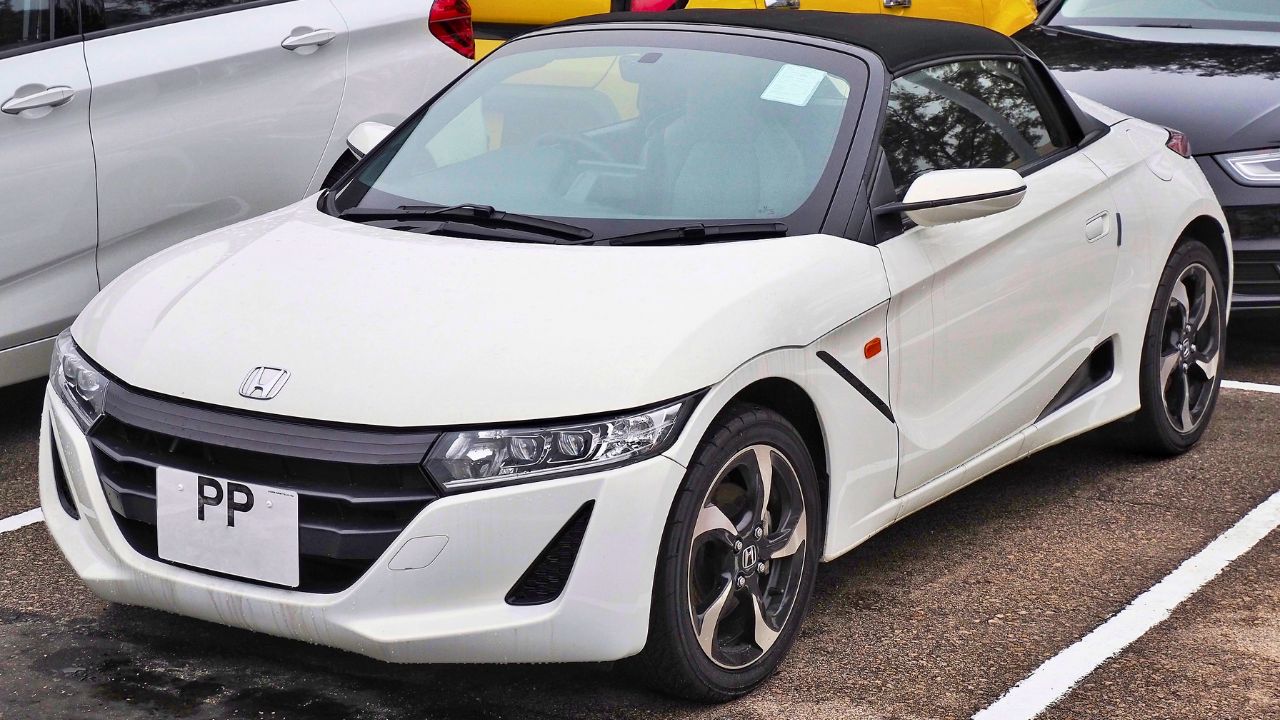
The Honda S660 continues the Kei sports car tradition, and detailed driving impressions describe Honda’s S660 sports kei car as one of many small vehicles that never made it to the US, primarily because Americans would never buy something so tiny and low powered. Another overview of forbidden Japanese cars notes the Honda S660 and stresses that at just over half a liter of displacement it is difficult to comprehend how a car could even get around with such a small engine, yet it delivers surprising agility.
In Japan, Kei cars, trucks and vans are very popular, and reporting on that segment explains that Kei vehicles meet Japan’s safety standards and benefit from tax and parking advantages. But analysts also emphasize that, But while new models might meet Japan’s rules, they are not configured for American expectations around crash performance and highway comfort. The S660 therefore remained a domestic hero, an example of how regulatory frameworks and consumer tastes can keep a clever Japanese sports car from ever having a chance to be big in America.
Suzuki Kei Works
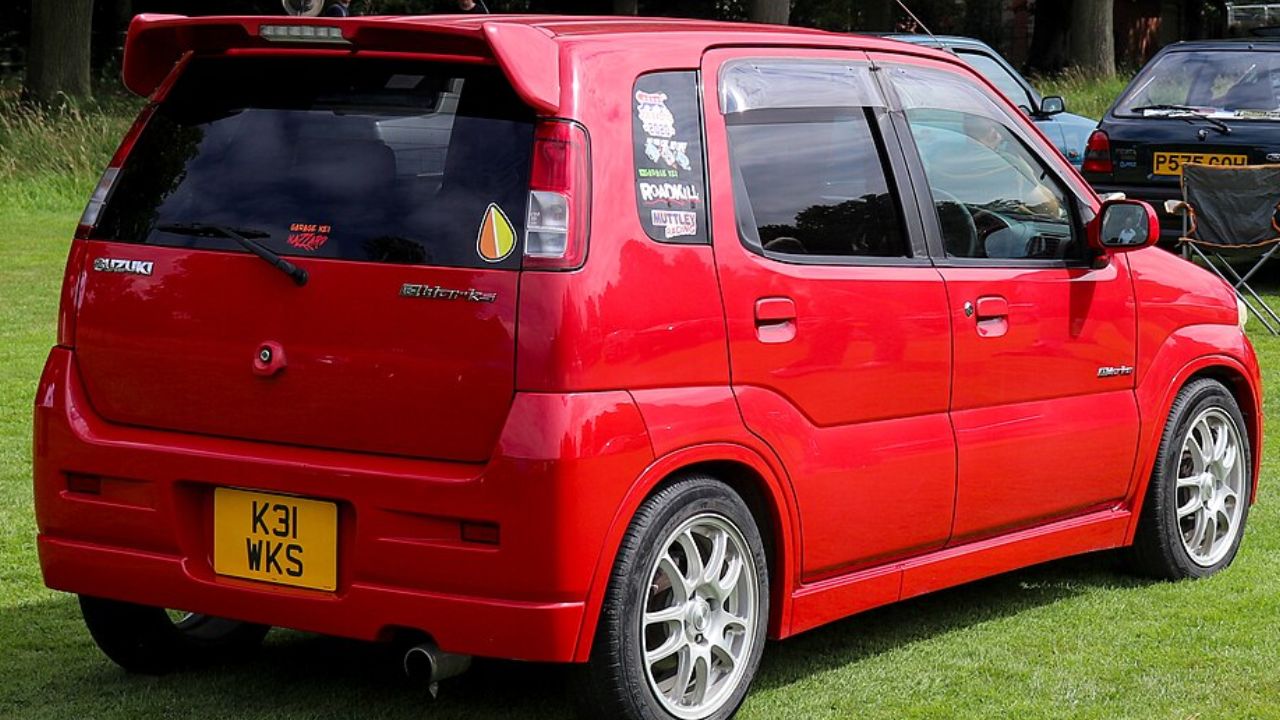
The Suzuki Kei Works takes the humble Suzuki Kei platform and turns it into a lively hot hatch, yet it appears in lists of the least successful JDM cars that failed to impress. Those assessments group the 1999 to 2005 Suzuki Kei among models that suffered from production errors or poor designs, and they argue that Suzuki struggled to balance design, performance and features in a way that resonated with buyers even at home. As a result, Suzuki never seriously considered exporting the Kei Works to the United States.
That absence is striking because the Kei Works formula, a turbocharged small hatch with all weather usability, could have appealed to American drivers who wanted efficiency with character. However, experts on the absence of Japanese cars in the American market argue that Kei Cars are far too small for American roads and that the driving environment in the United States is fundamentally different. The Kei Works therefore remained obscure, a reminder that even flawed Japanese sports variants might have found a second life if American regulations and tastes had been more flexible.
Toyota Caldina GT-T
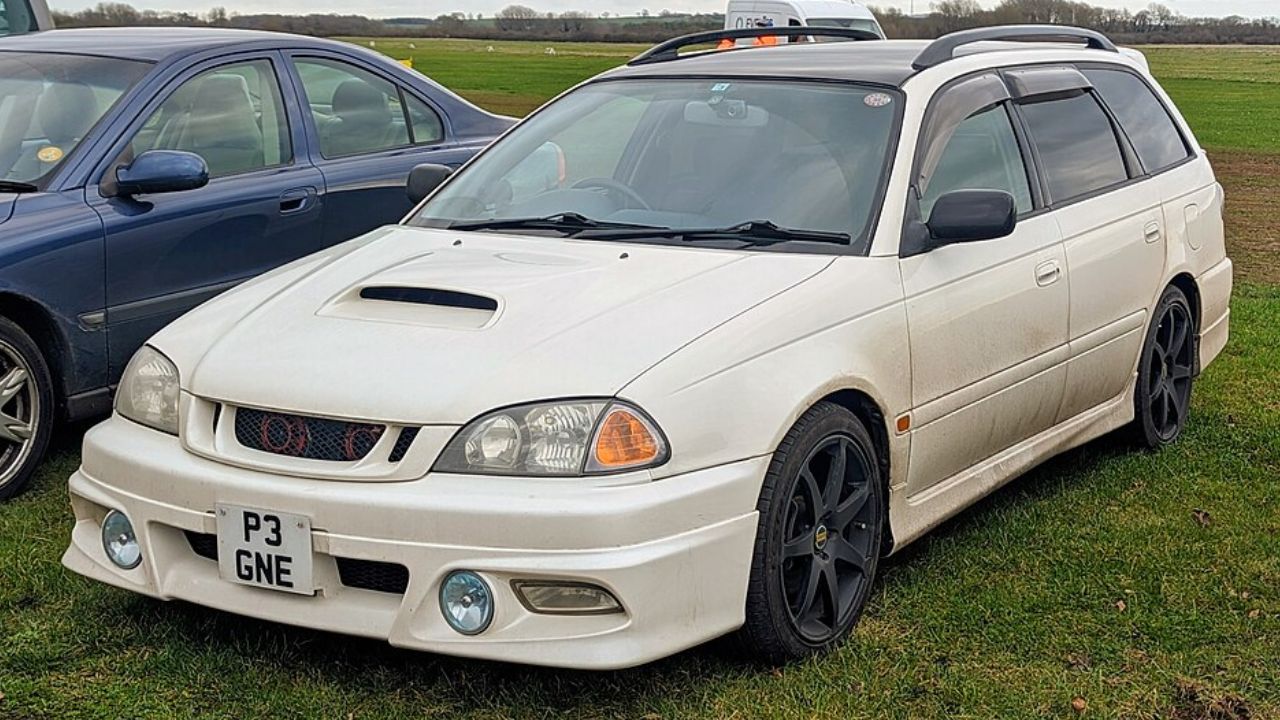
The Toyota Caldina GT-T is a performance wagon that recent importers describe in detail, noting that this is a 1997 Toyota Caldina GT-T with full time 4WD powered by a turbocharged 2.0L 3S GTE, the same engine used in the Toyota Celica GT4. Promotional material emphasizes that with all wheel drive, turbo power and everyday practicality, this car could outrun sports cars while carrying your family, and that it offers seating for five along with features like e shift buttons on the steering wheel and a hood scoop.
Despite that blend of speed and utility, the Caldina GT-T was never officially sold in the United States, leaving enthusiasts to rely on the 25 year import rule. In a market that now embraces performance crossovers, the Caldina’s absence looks like a missed opportunity for Toyota to showcase Japanese engineering in a family friendly package. Its story underlines how conservative product planning once kept some of Japan’s most interesting sports oriented vehicles away from American showrooms.
Honda S660 Mugen Edition
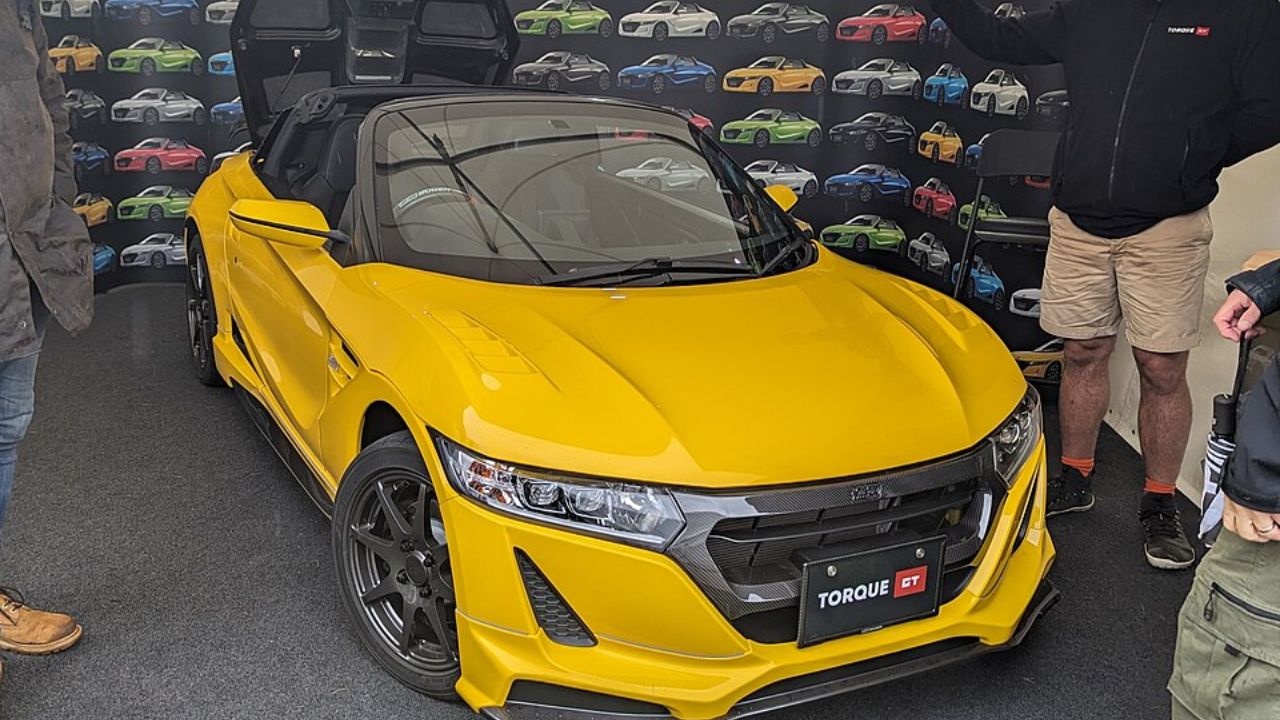
A more focused variant of the S660, often referred to as the Mugen tuned version, is highlighted in driving reports that explain how Honda’s S660 sports kei car became even sharper when tuner Mugen got their hands on it. Those accounts stress that the base S660 already offered a playful chassis, and that the Mugen upgrades sharpened suspension and styling without changing the Kei limited displacement, preserving the car’s status within Japan’s strict category while enhancing its sporting character.
For American enthusiasts used to factory backed performance packages, a Mugen flavored S660 could have been a compelling halo car for Honda. Yet the same reporting that praises the car also reiterates that Americans would never buy such a small, low powered vehicle in significant numbers, which discouraged any official export program. The Mugen S660 therefore became another symbol of how Japan’s domestic tuning culture evolved largely out of sight from the broader United States market.
Toyota Cressida Performance Variants

The Toyota Cressida appears in discussions of JDM models that failed to impress, where critics argue that the Cressida lacked features and suffered from a bland design, performance and equipment mix that did not stand out. Those assessments place it alongside other underperforming Japanese cars and suggest that Toyota did not fully exploit the platform’s potential, even though the underlying mechanicals were robust and, in some configurations, shared components with more overtly sporting models.
In the United States, the Cressida was marketed primarily as a comfortable sedan, so any performance oriented variants never received the attention that later rear wheel drive Japanese sedans would enjoy. Enthusiasts now look back and see a missed chance for Toyota to position the Cressida as a Japanese alternative to European sport sedans, especially as Japan has been making amazing sport cars for decades. Its muted impact shows how marketing decisions can keep a capable Japanese chassis from becoming a sports car icon in America.
Broader Kei Sports Segment
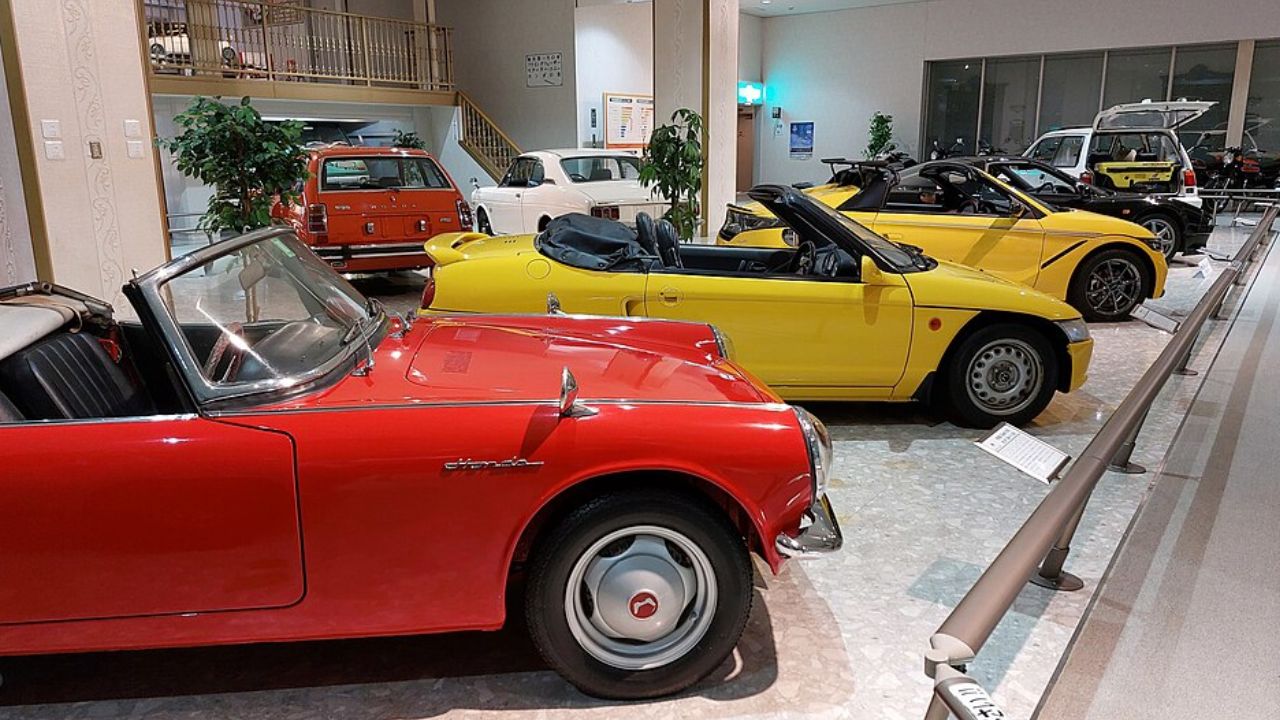
Beyond individual models, the broader Kei sports segment, which includes cars like The Suzuki Cappuccino and The Honda Beat, represents an entire category that never gained traction in the United States. Detailed explainers on Kei vehicles note that Kei cars, trucks and vans are very popular in Japan, where tax rules and urban density reward tiny footprints and limited displacement. At the same time, analysts emphasize that it is not actually illegal to drive such cars in America, but that buyers are generally unwilling to accept their compromises unless they qualify under an antique exemption.
Commentary on why Japanese brands scaled back sports cars argues that successful car companies are run by shrewd businessmen who follow demand, and in the American context that demand has favored larger, more powerful vehicles with higher perceived value retention. Due to the large number of cars produced and cheap costs, Japanese vehicles also do not always hold their value as well as certain American competitors, which further discourages niche imports. The Kei sports segment therefore stands as the clearest example of Japanese sports car innovation that should have been huge in America, yet remained largely invisible.
More from Fast Lane Only