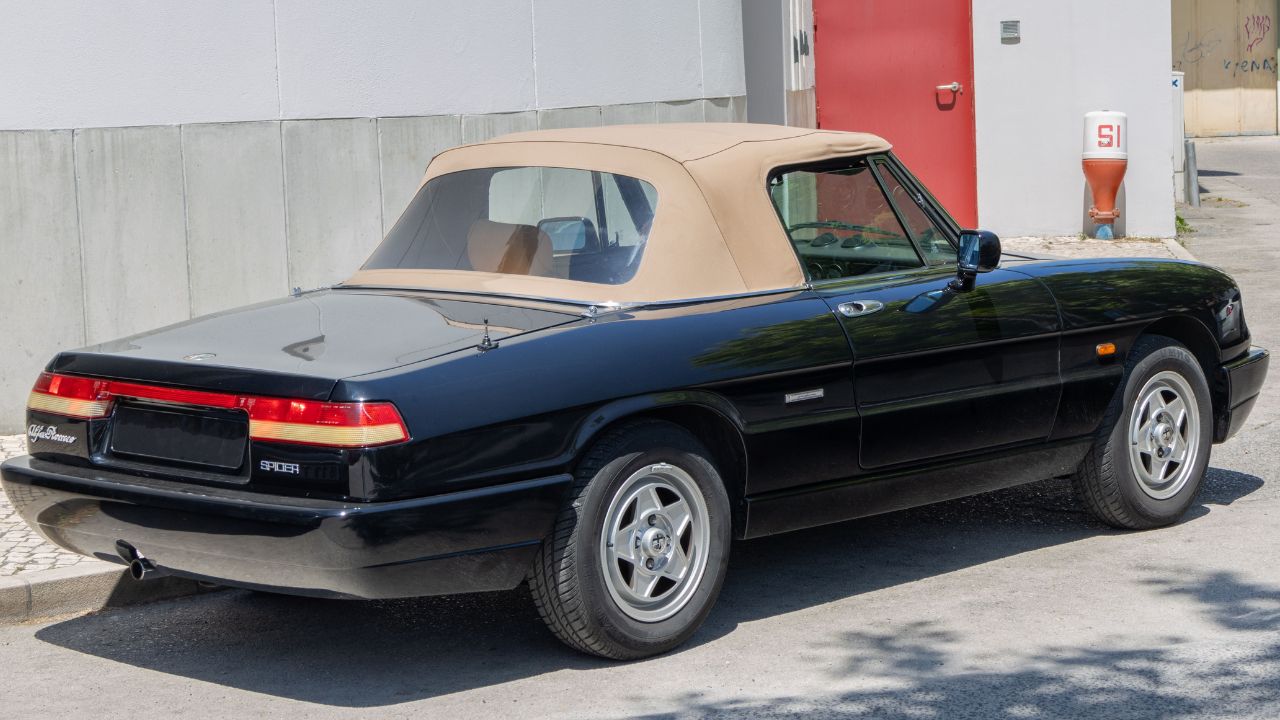
Future classics rarely announce themselves. While attention chases million‑dollar exotics, some quietly depreciated models are already ticking the boxes that data analysts, insurers and valuation experts say predict the next wave of collectible cars. Here are nine vehicles that, according to recent market research and enthusiast chatter, became future classics while almost everyone was looking the other way.
Alfa Romeo Spider (1966–1993)
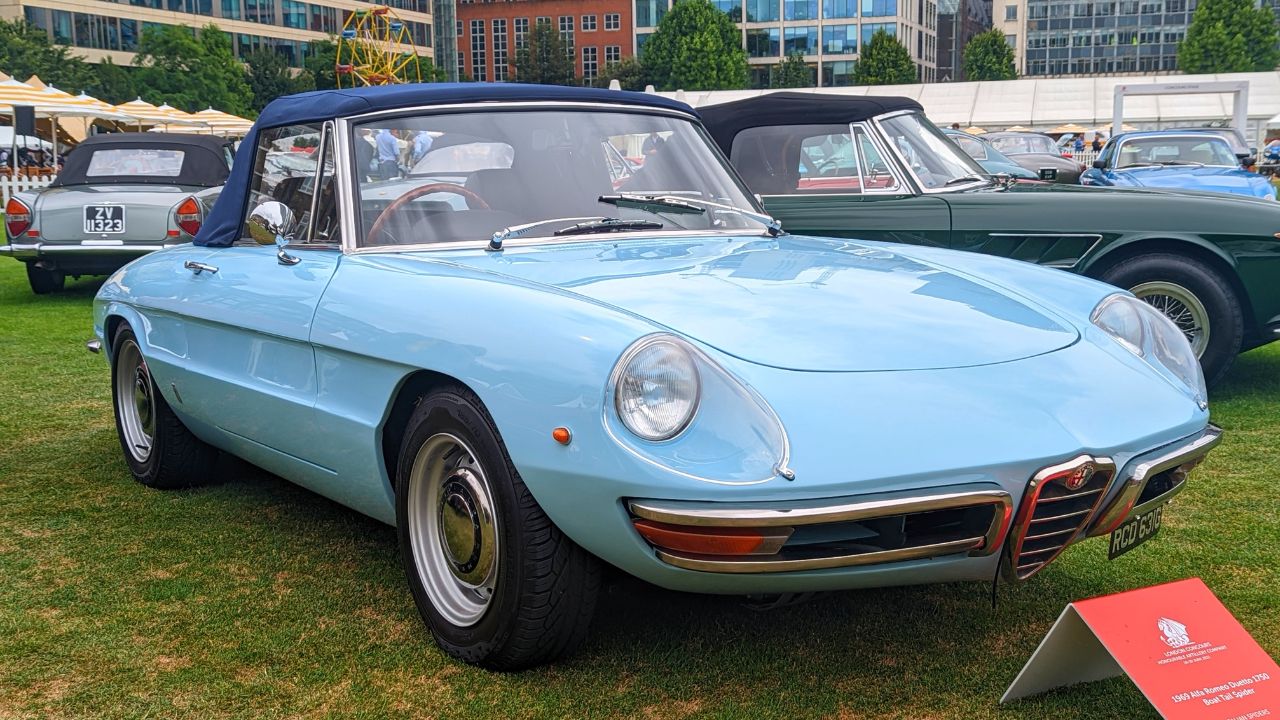
The Alfa Romeo Spider has moved from charming old roadster to serious watchlist material. A leading valuation expert singled it out among ten classic cars expected to rise in value, highlighting how its long production run, elegant Pininfarina styling and accessible four‑cylinder performance now intersect with renewed demand for analog driving. That combination of design pedigree and mechanical simplicity is exactly what long‑term collectors tend to reward once the broader market catches up.
I see the Spider’s appeal deepening as younger enthusiasts discover that it offers Italian character without supercar running costs. Parts support and specialist knowledge have improved, which reduces ownership risk and encourages preservation rather than neglect. As more tired examples are broken for spares, good cars become scarcer, reinforcing the pattern that often precedes a sharp value inflection for usable classics.
Alfa Romeo GTV (1969–1972)
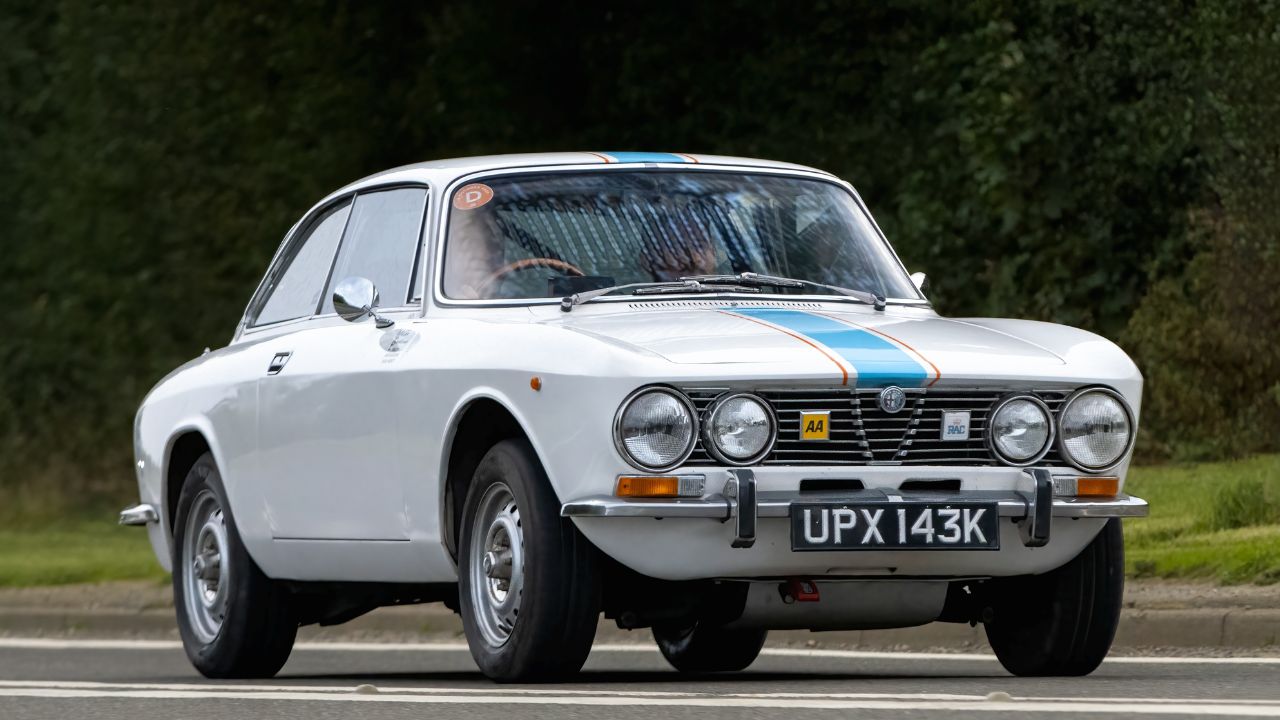
The Alfa Romeo GTV from 1969 to 1972 has shifted from cult favorite to data‑driven future classic. It appears on a curated list of possible collector cars to buy now, where it is praised for combining a revvy twin‑cam engine with crisp Bertone coupe styling and genuine motorsport heritage. Those attributes, once taken for granted, now look increasingly rare in an era of heavier, more complex performance cars.
From my perspective, the GTV’s relatively compact size and communicative chassis make it especially attractive to drivers who want a classic they can actually use. As regulations and congestion squeeze opportunities to enjoy high‑power modern machinery, interest in lighter, more engaging cars has grown. That trend, backed by formal recommendations to secure good examples early, suggests the GTV’s days as an overlooked bargain are ending.
BMW M5 (E60, 2006–2010)
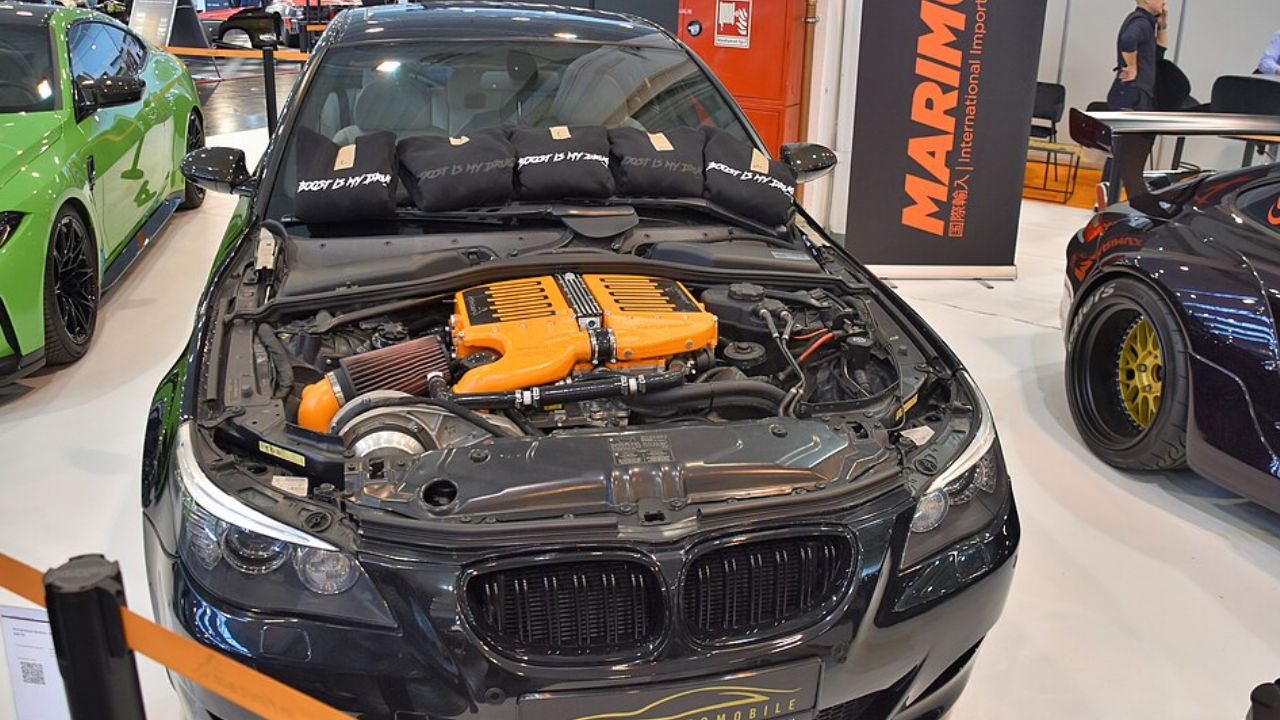
The BMW M5 (E60) spent years overshadowed by its predecessors and successors, yet it now features on expert shortlists of future collector cars. Analysts point to its naturally aspirated V10, a layout that has effectively disappeared from new production, and its blend of everyday sedan practicality with genuine high‑rev performance. That unique powertrain configuration, combined with limited production relative to mainstream 5 Series models, is a classic recipe for long‑term desirability.
I view the E60 as a case study in how enthusiast sentiment can lag behind fundamentals. Early criticism of its gearbox options and running costs kept values soft, but as the market recognizes that such a complex engine will never be repeated, well‑maintained cars are being re‑evaluated. For buyers willing to budget for specialist care, the car’s rarity and technical audacity now look like assets rather than liabilities.
Mazda MX‑5 (first and second generation)
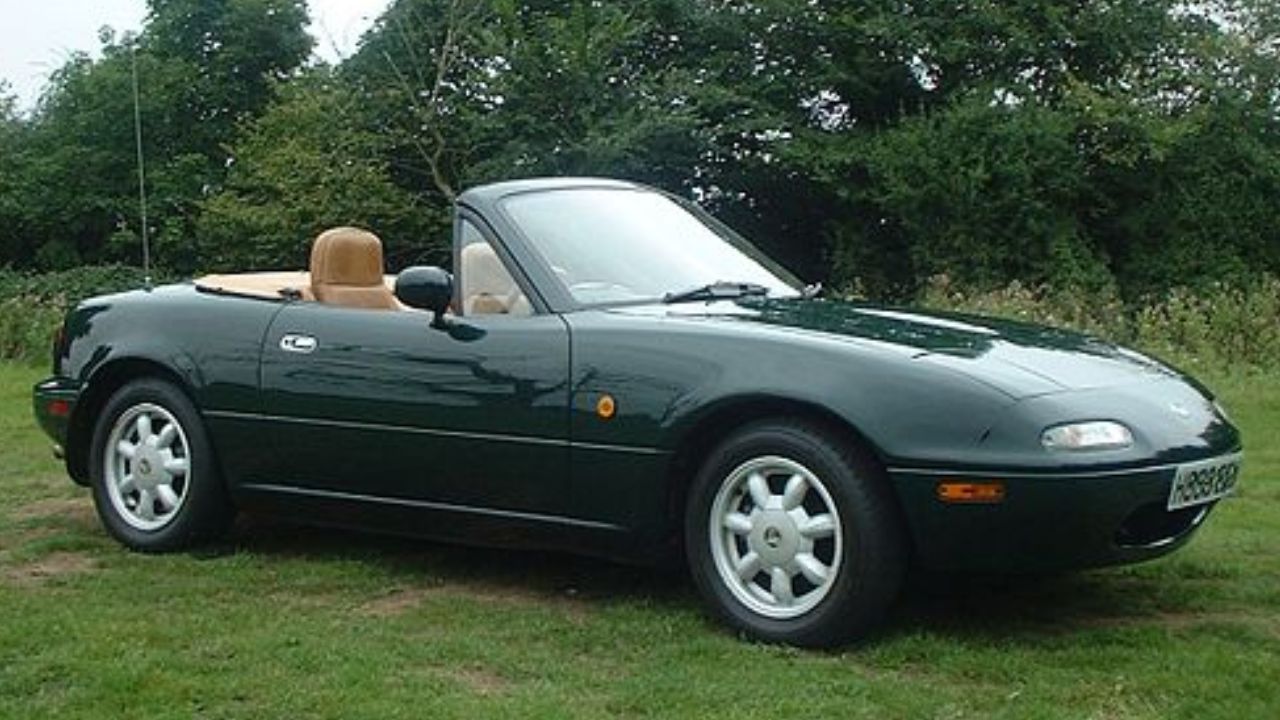
CC BY-SA 3.0
The Mazda MX‑5 has long been loved, but recent market analysis has started treating early generations as appreciating classics rather than cheap used sports cars. A major “bull market” list of cars expected to gain value highlights the MX‑5 alongside far more expensive machinery, noting how its lightweight construction and simple mechanicals have created a global enthusiast base. That breadth of support matters, because it underpins parts availability and club infrastructure that keep cars on the road.
In my assessment, the MX‑5’s shift from disposable roadster to cherished classic reflects a broader nostalgia for straightforward, low‑power fun. As safety and emissions rules push new cars toward complexity, the purity of an early MX‑5 feels increasingly special. Clean, unmodified examples are already harder to find, and as more are turned into track toys or rust away, survivors with original specification are likely to command a growing premium.
Volkswagen Golf GTI (Mk1 and Mk2)
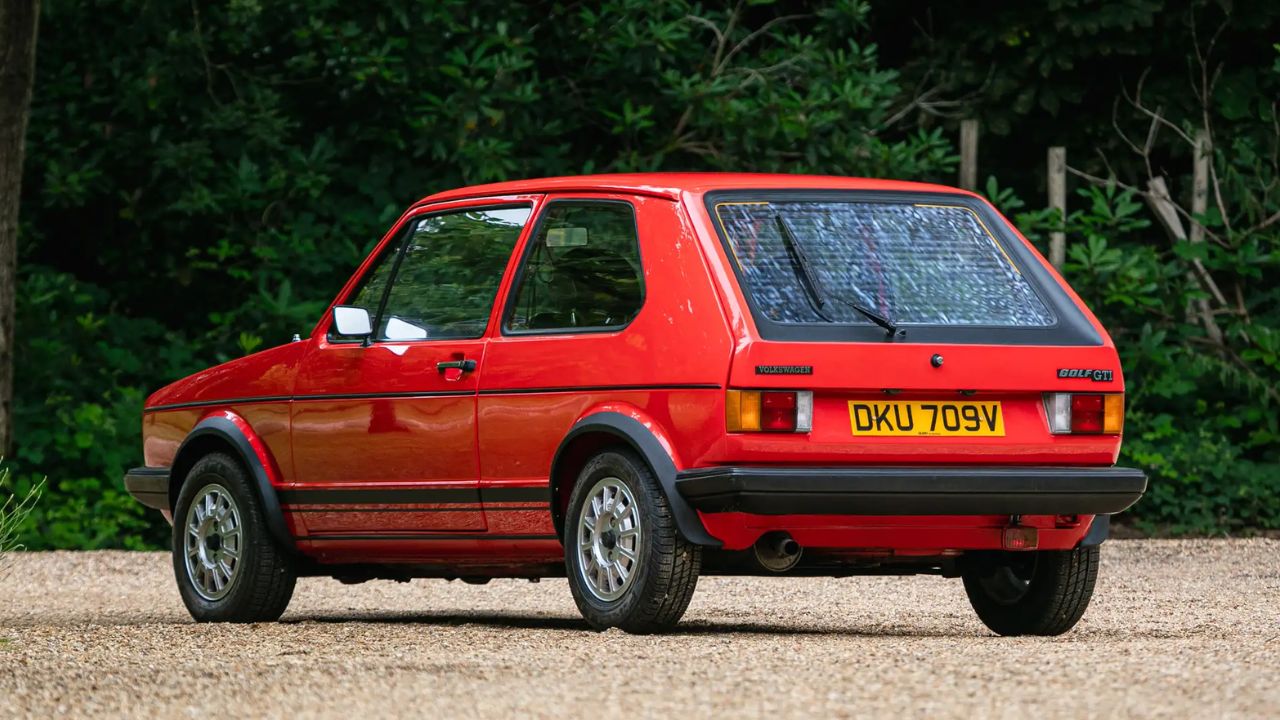
The Volkswagen Golf GTI, particularly the Mk1 and Mk2, has quietly crossed the line from hot hatch hero to collectible asset. Market watchers who track appreciation potential now list the Golf GTI alongside sports cars and even a Porsche supercar, arguing that its role in defining the hot hatch segment gives it enduring cultural weight. Early cars, with their light curb weight and simple fuel‑injected engines, capture a moment when performance and practicality first converged.
I see the GTI’s future‑classic status as tied to how younger enthusiasts engage with attainable icons. Many grew up seeing these cars in family driveways or video games, and as their spending power increases, demand for tidy examples follows. With rust, modifications and hard use thinning the pool of original cars, the best Mk1 and Mk2 GTIs now sit at the intersection of nostalgia, usability and scarcity.
Chevrolet Corvette Z06 (2006–2013)

The 2006–2013 Chevrolet Corvette Z06 has moved from track‑day favorite to formally recognized appreciating classic. According to detailed valuation guidance, this generation Z06, priced at $55,900 USD in the cited analysis, is expected to gain value as collectors seek modern performance with analog character. Its naturally aspirated V8, relatively low weight and focus on driver engagement set it apart from newer, more electronically mediated Corvettes.
From my point of view, the Z06’s appeal lies in how it compresses supercar performance into a package that is still maintainable by specialist independents. Insurance data showing growth in new policies for this specific model supports the idea that more owners now treat it as a collectible rather than a disposable toy. As track‑damaged cars are written off and survivors accrue documented history, the market is likely to reward originality and careful use.
Overlooked Japanese family sedans
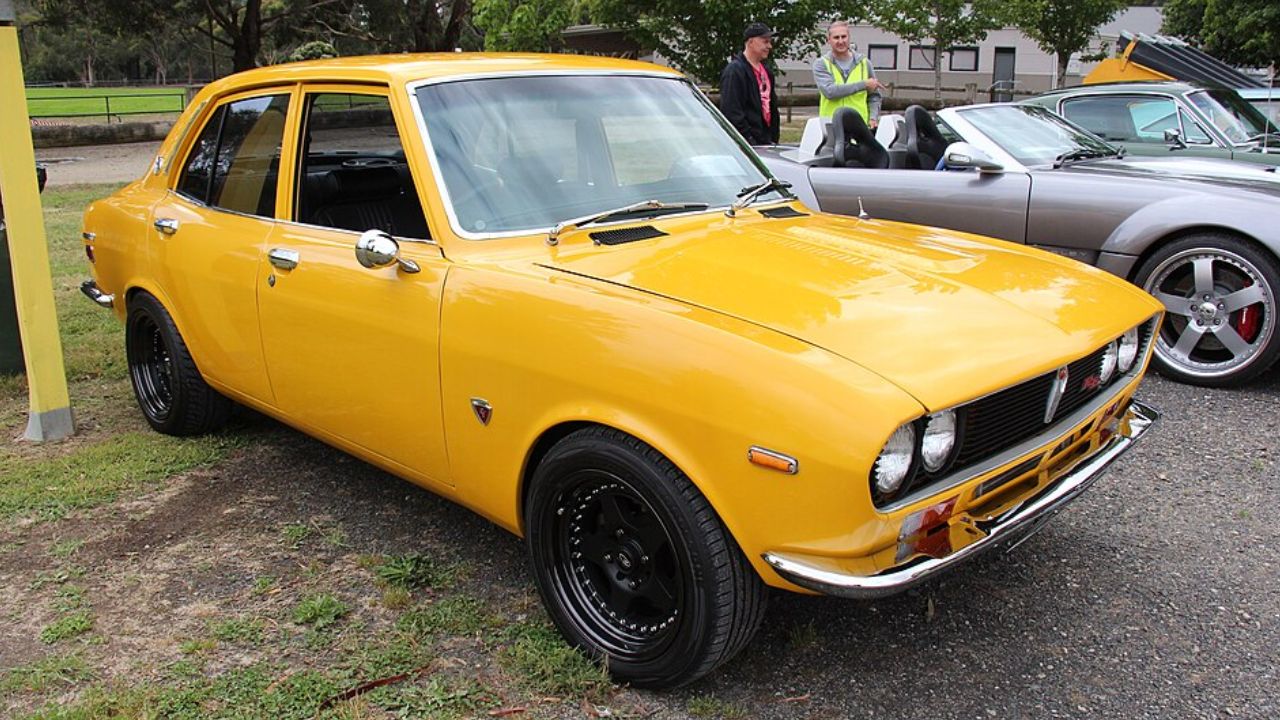
A cluster of Japanese family sedans, once dismissed as anonymous appliances, is starting to attract attention as future classics. A detailed feature on overlooked cars notes that some sedans and crossovers remain in obscurity even though they perform their intended function impeccably well, highlighting how durability and everyday usability can become selling points in the collector world. Models that offered understated styling, smooth engines and long service lives now stand out precisely because they were never hyped.
I interpret this as a shift in what enthusiasts value. As prices for traditional sports cars climb, buyers look sideways at well‑preserved, low‑mileage sedans that evoke a specific era of design and engineering. When a car has quietly supported families for decades, its survival in clean condition tells a story that resonates with owners who want authenticity more than outright speed, turning yesterday’s commuter into tomorrow’s conversation piece.
Manual‑transmission performance cars of the 2000s
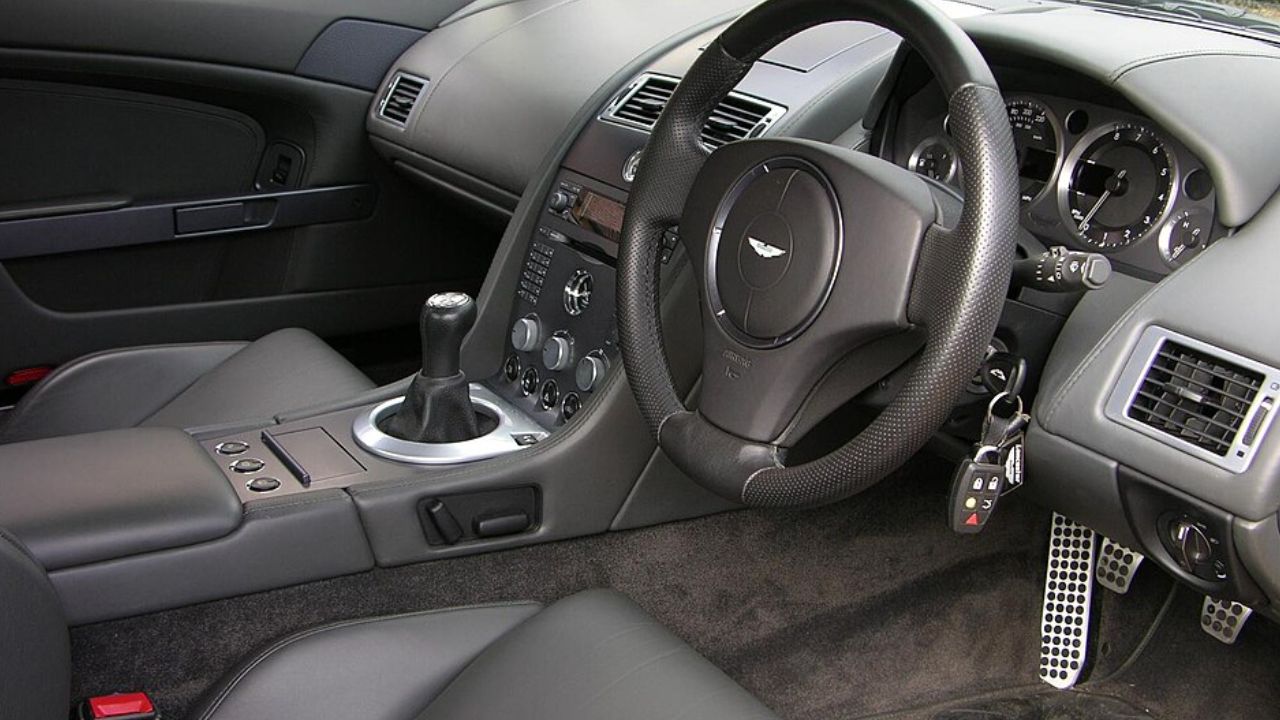
Manual‑transmission performance cars from the 2000s have become a broad but clearly defined future‑classic cohort. In enthusiast discussions about what will become collectible, one contributor argued that “Anything with a manual transmission” is likely to be in demand because such gearboxes are increasingly rare in new cars. That sentiment reflects a wider recognition that driver involvement, not just power output, is a key ingredient in long‑term desirability.
In my view, this trend elevates otherwise ordinary coupes and hot hatches that happen to have three pedals. As manufacturers phase out manuals in favor of automatics and dual‑clutch units, the tactile experience of shifting for oneself becomes a differentiator. Collectors who anticipate this shift are already targeting well‑kept manual versions of cars that were mostly sold with automatics, betting that scarcity and engagement will converge into meaningful value gains.
Quirky, low‑volume crossovers

Quirky, low‑volume crossovers occupy an unlikely but increasingly interesting corner of the future‑classic landscape. A feature on overlooked vehicles notes that some crossovers remain in obscurity even though they perform their roles extremely well, suggesting that rarity and distinctive design can eventually outweigh initial indifference. When a model sells in modest numbers yet offers unusual styling or packaging, it often develops a small but passionate following over time.
I see these crossovers as beneficiaries of a broader reappraisal of everyday cars. As enthusiasts and data analysts, including those who argue that “Also, a lot of classics were written in nations going through inflection points,” apply similar thinking to automotive culture, they recognize that vehicles capturing a transitional moment can gain cultural relevance later. For owners, that means an unloved niche crossover today might quietly become a sought‑after curiosity tomorrow.
More from Fast Lane Only