Few nameplates have evolved as steadily or as influentially as the Porsche 911. Across decades, each major generation refined performance, safety, and usability without abandoning its rear-engine identity. Some were controversial, others revolutionary, but all pushed the sports car formula forward. These seven generations helped define what a modern sports car could be.
Porsche 911 (Original 1964–1973)
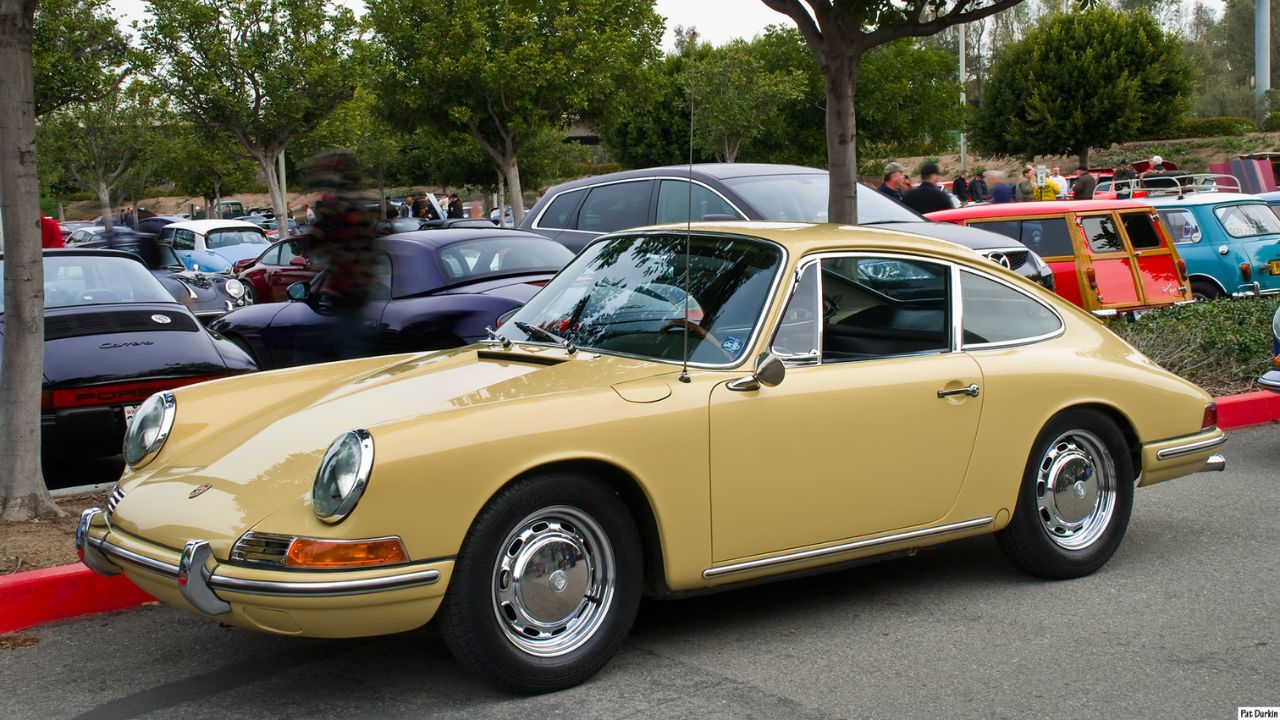
The original Porsche 911 established the rear-engine flat-six formula that still defines the model today. Replacing the 356, it introduced more power, improved handling, and distinctive styling. Early lightweight variants like the 911S proved it could compete seriously in motorsport. This generation laid the architectural foundation for every 911 that followed.
Porsche 911 G-Series (1973–1989)
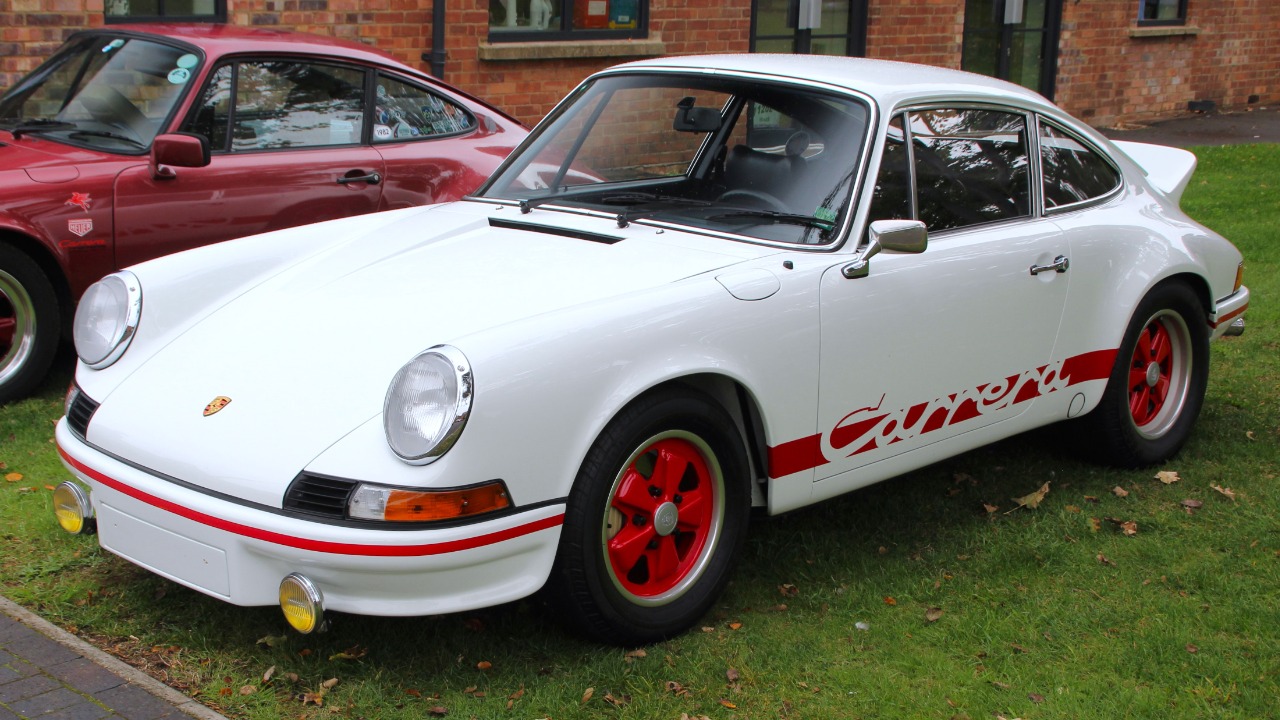
The G-Series introduced impact bumpers to meet new safety regulations while preserving performance credibility. Turbocharged versions like the 930 brought forced induction into the 911’s mainstream identity. It balanced evolving regulations with unmistakable character. This era cemented the 911 Turbo as a benchmark supercar alternative.
Porsche 911 964 (1989–1994)
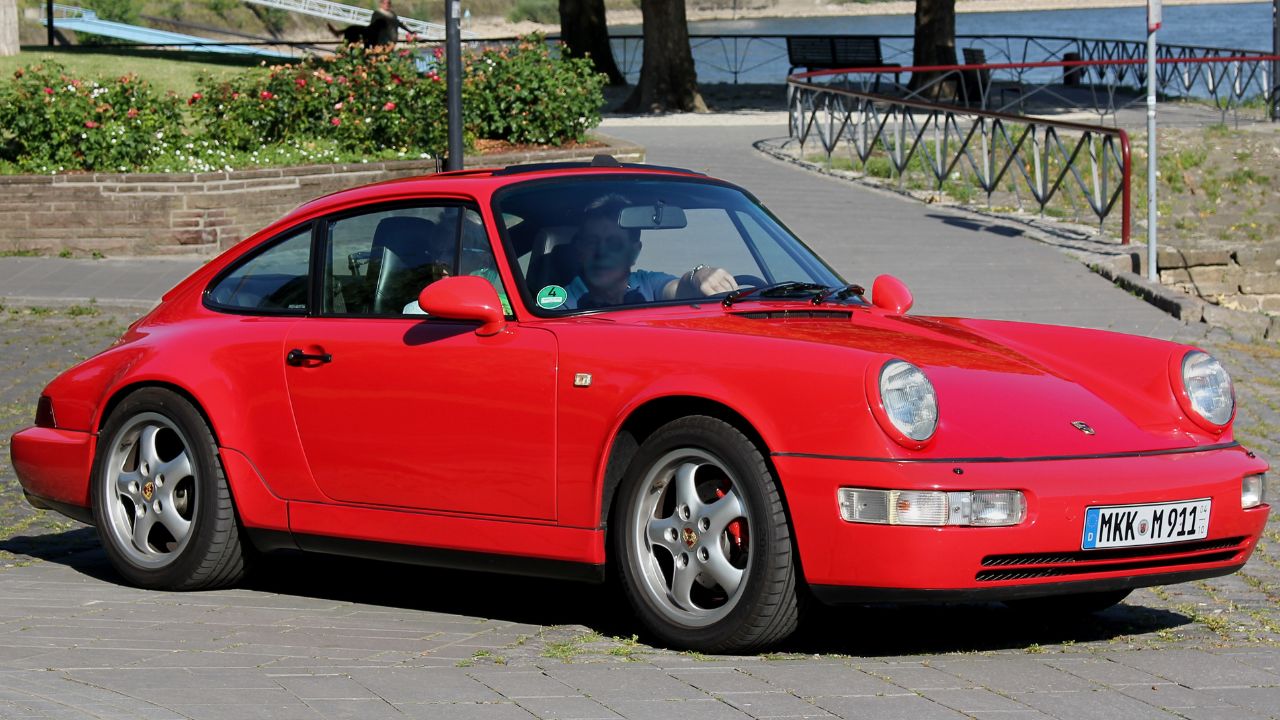
The 964 represented one of the first major technical overhauls of the 911 formula. It introduced all-wheel drive on the Carrera 4 and added modern suspension design. Anti-lock brakes and power steering improved daily usability. The 964 proved the 911 could modernize without losing its soul.
Porsche 911 993 (1994–1998)
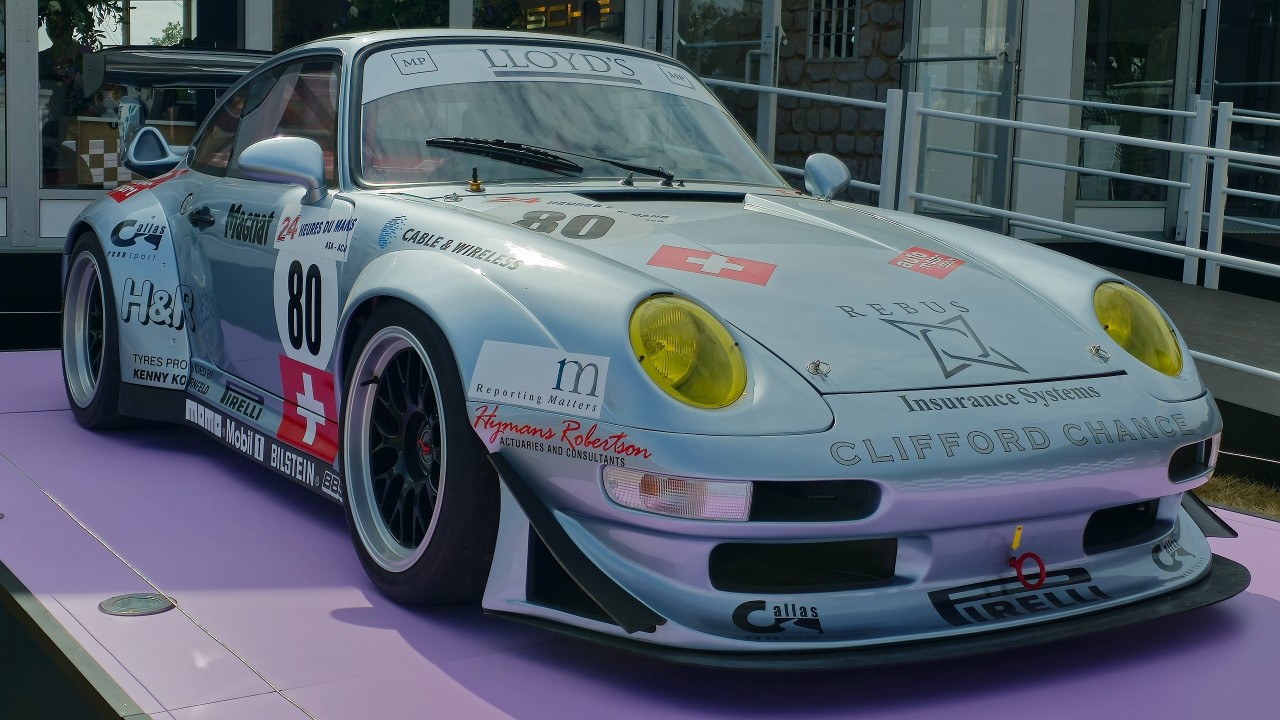
The 993 is often regarded as the last of the air-cooled 911s. It featured improved multi-link rear suspension that significantly enhanced stability. Performance and refinement reached new levels while retaining classic character. Its status as the final air-cooled generation makes it historically pivotal.
Porsche 911 996 (1998–2004)
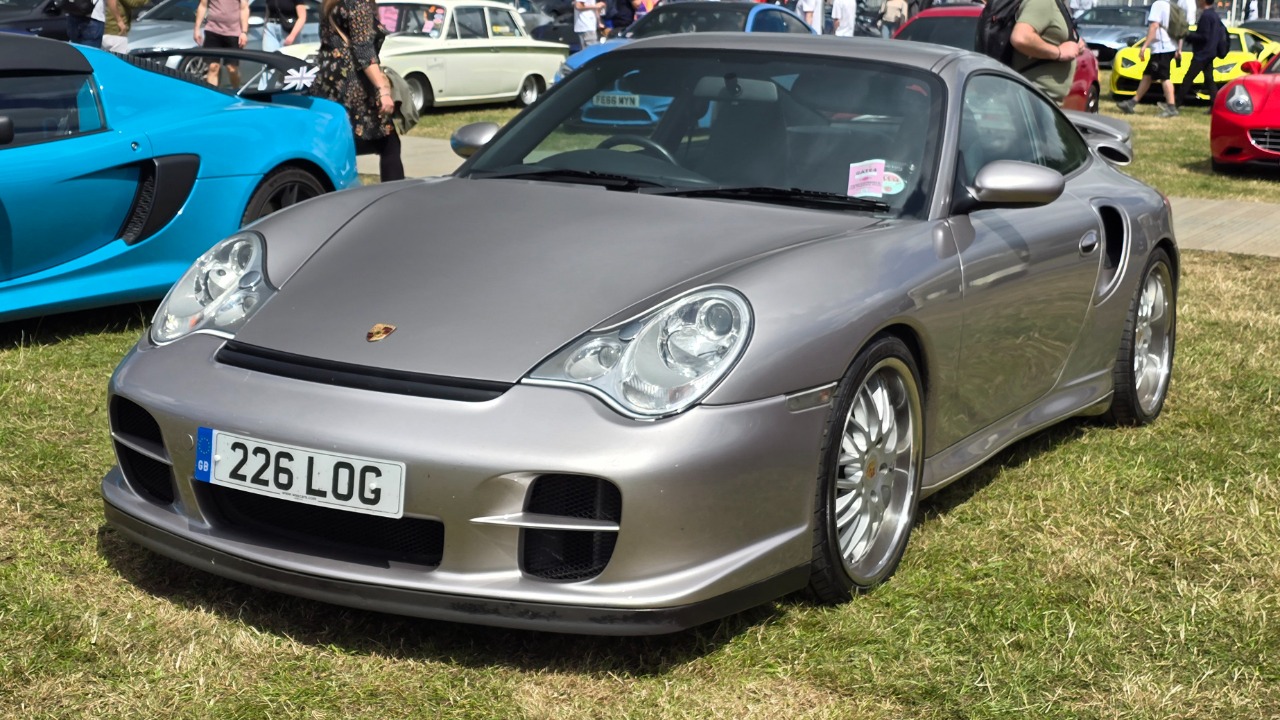
The 996 marked a dramatic shift with the move to water cooling. While controversial at launch, it enabled higher performance potential and stricter emissions compliance. It also introduced the GT3 as a focused track-ready variant. This generation ensured the 911 could survive into the 21st century.
Porsche 911 997 (2004–2012)
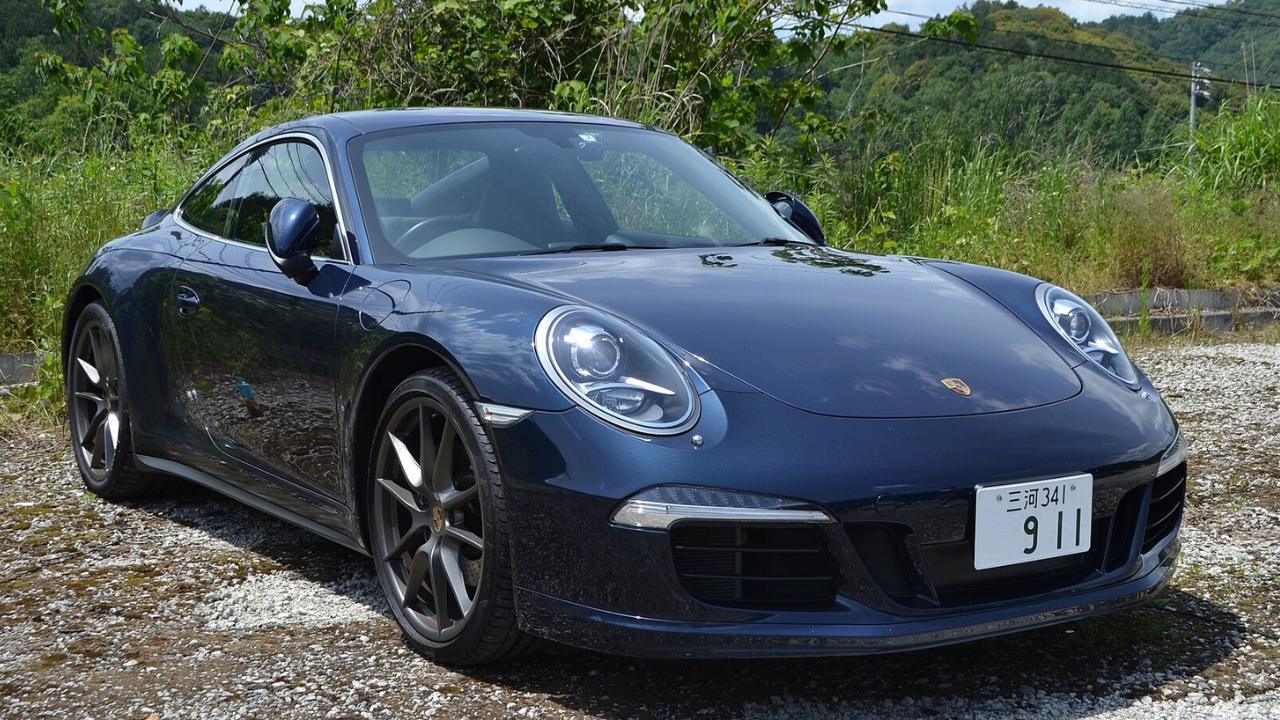
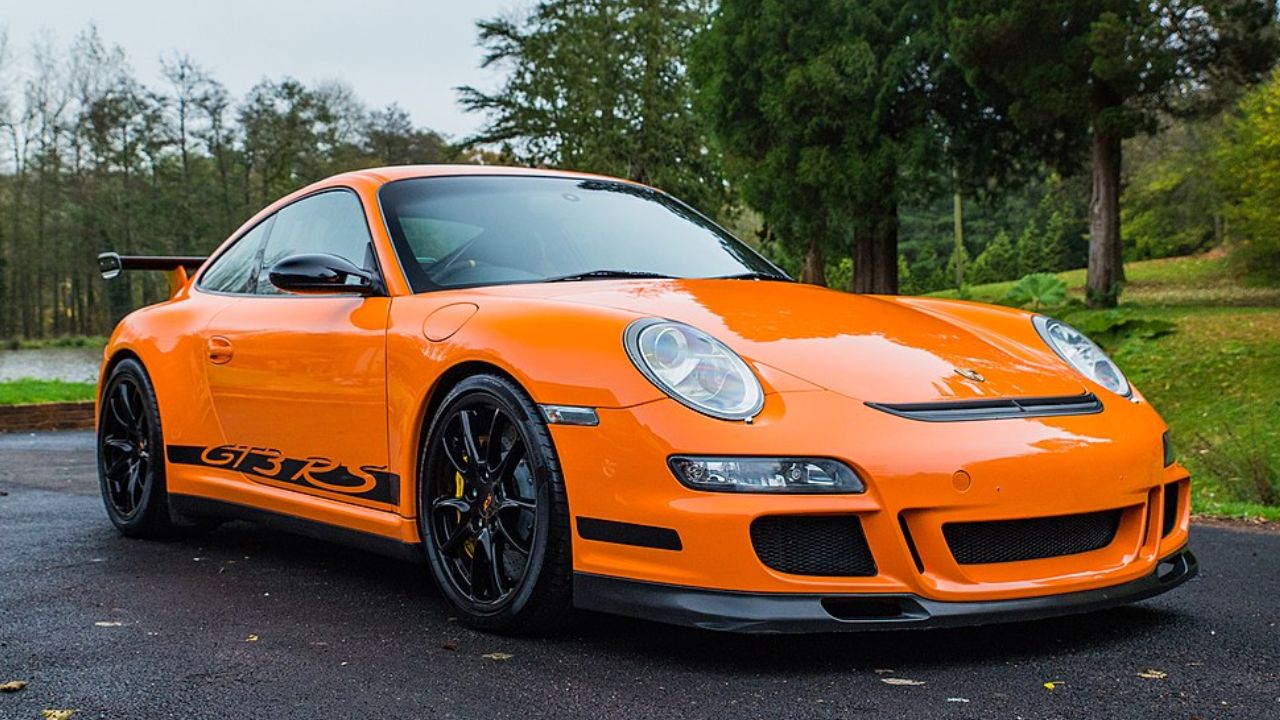
The 997 restored more traditional styling cues while advancing performance significantly. Interior quality improved, and special models like the GT3 RS expanded track credibility. Turbocharged variants pushed straight-line performance to new heights. It balanced nostalgia and innovation effectively.
Porsche 911 991 (2012–2019)
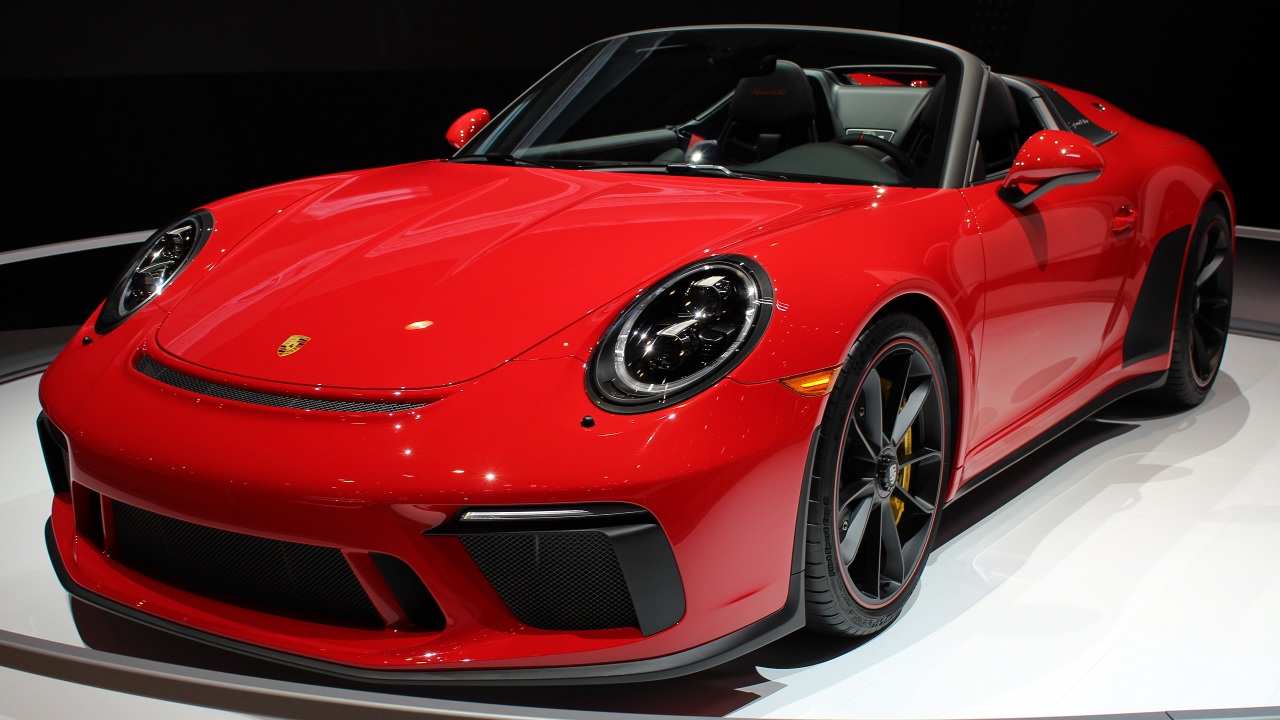
The 991 brought a longer wheelbase and extensive aluminum construction. It introduced advanced electronics and, later, turbocharging across the Carrera range. The generation proved the 911 could embrace modern efficiency and technology without abandoning performance. It represented a decisive step into contemporary sports car expectations.
More from Fast Lane Only