Supercharged performance in the 2010s felt like an arms race where horsepower numbers kept climbing with no ceiling in sight. Automakers embraced forced induction to deliver instant torque, brutal acceleration, and headline-grabbing specs. These machines didn’t just feel quick—they felt limitless, redefining what factory performance could mean in a single decade.
Dodge Challenger SRT Hellcat
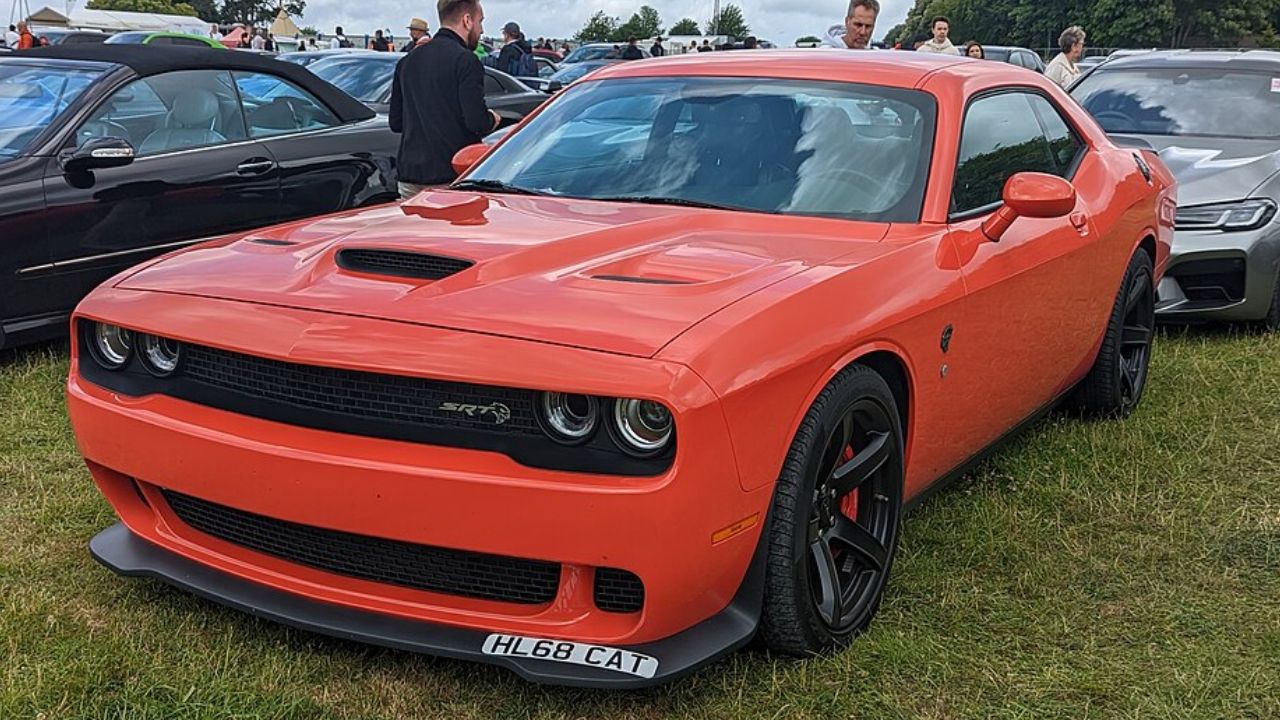
When Dodge introduced 707 horsepower in 2015, it completely shifted modern muscle car expectations. The supercharged 6.2-liter HEMI delivered explosive acceleration that overwhelmed rear tires at will. Straight-line performance felt outrageous for a factory coupe at its price point. It wasn’t subtle, refined, or restrained—it was built to dominate headlines and drag strips alike.
Chevrolet Corvette Z06
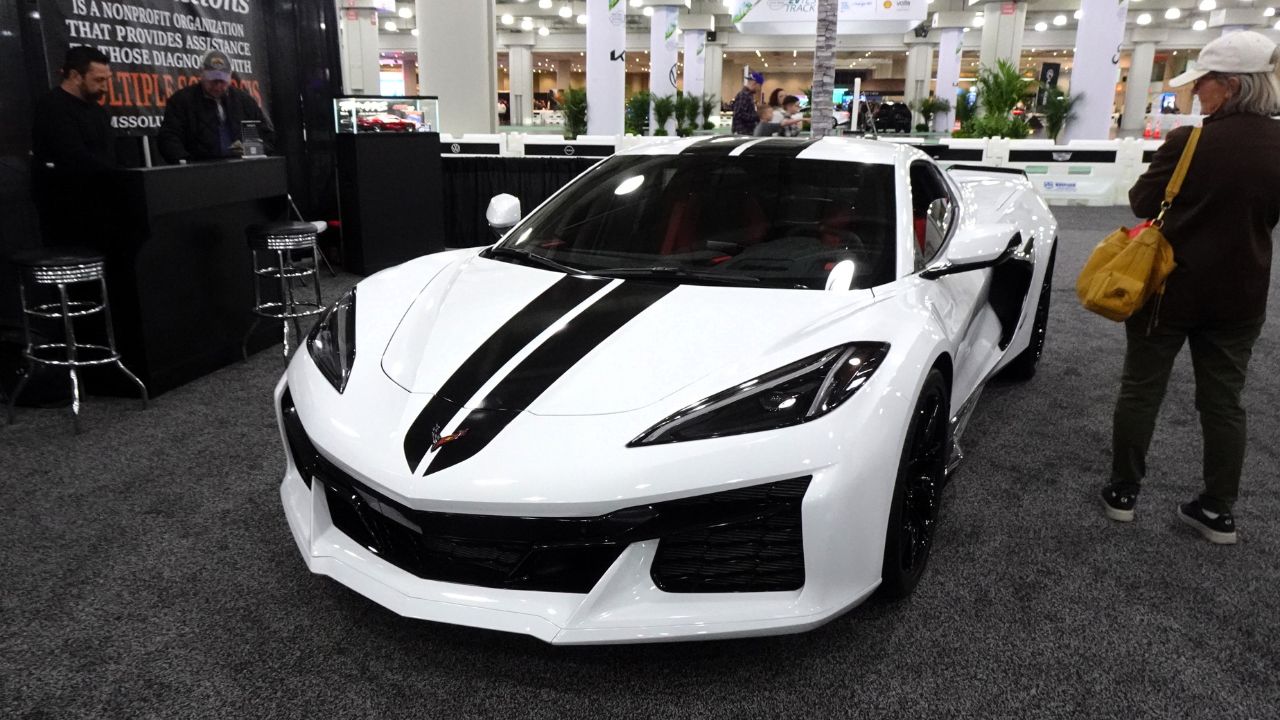
The C7 Z06 packed a 650-horsepower supercharged LT4 V8 into a lightweight aluminum chassis. Acceleration came with immediate force, pushing drivers deep into their seats with every gear change. Unlike older muscle, it combined brute power with genuine track composure. It blurred the line between American sports car and full-fledged supercar rival.
Ford Shelby GT500
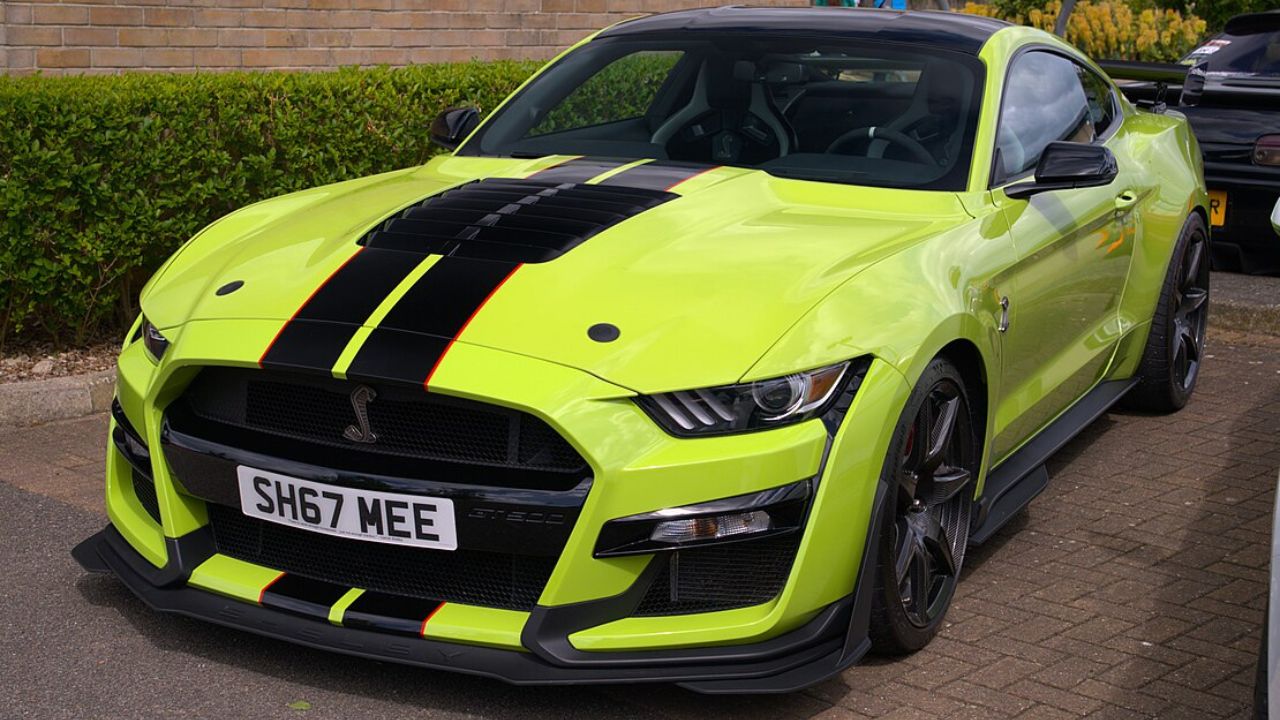
Arriving at the decade’s close, the GT500 delivered 760 horsepower from a supercharged 5.2-liter Predator V8. A rapid-fire dual-clutch transmission maximized every ounce of thrust. It felt engineered to demolish straightaways without apology. Few factory Mustangs had ever felt this relentlessly aggressive.
Cadillac CTS-V
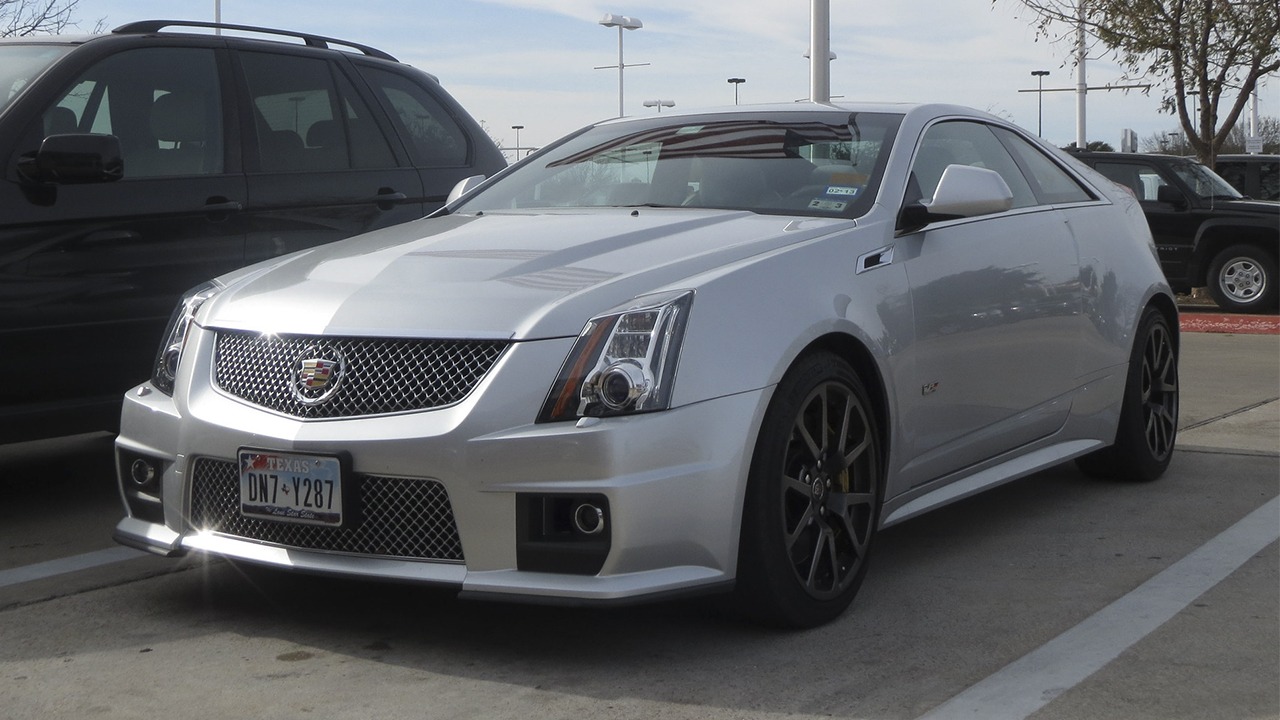
Cadillac transformed its luxury sport sedan into a 640-horsepower missile using a supercharged LT4. It combined leather-lined comfort with acceleration that rivaled exotic cars. Power delivery felt smooth initially, then violently urgent as revs climbed. It proved high-end refinement didn’t have to sacrifice raw speed.
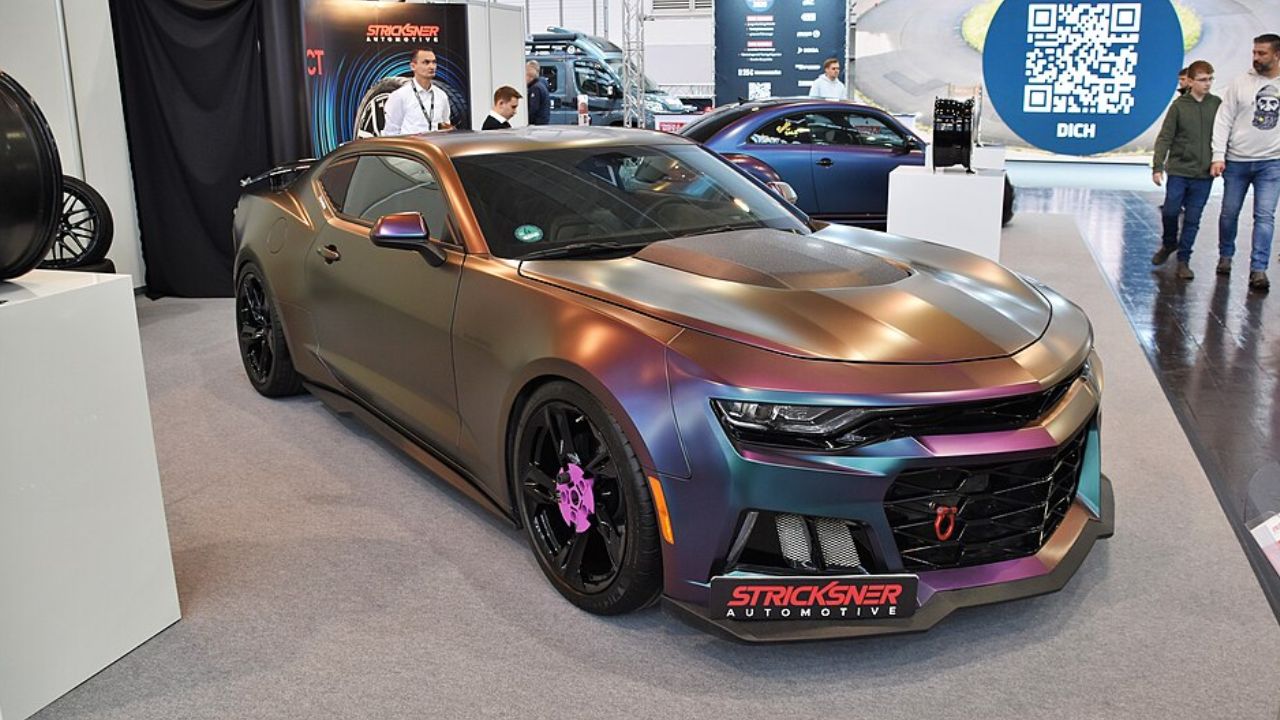
Chevrolet Camaro ZL1
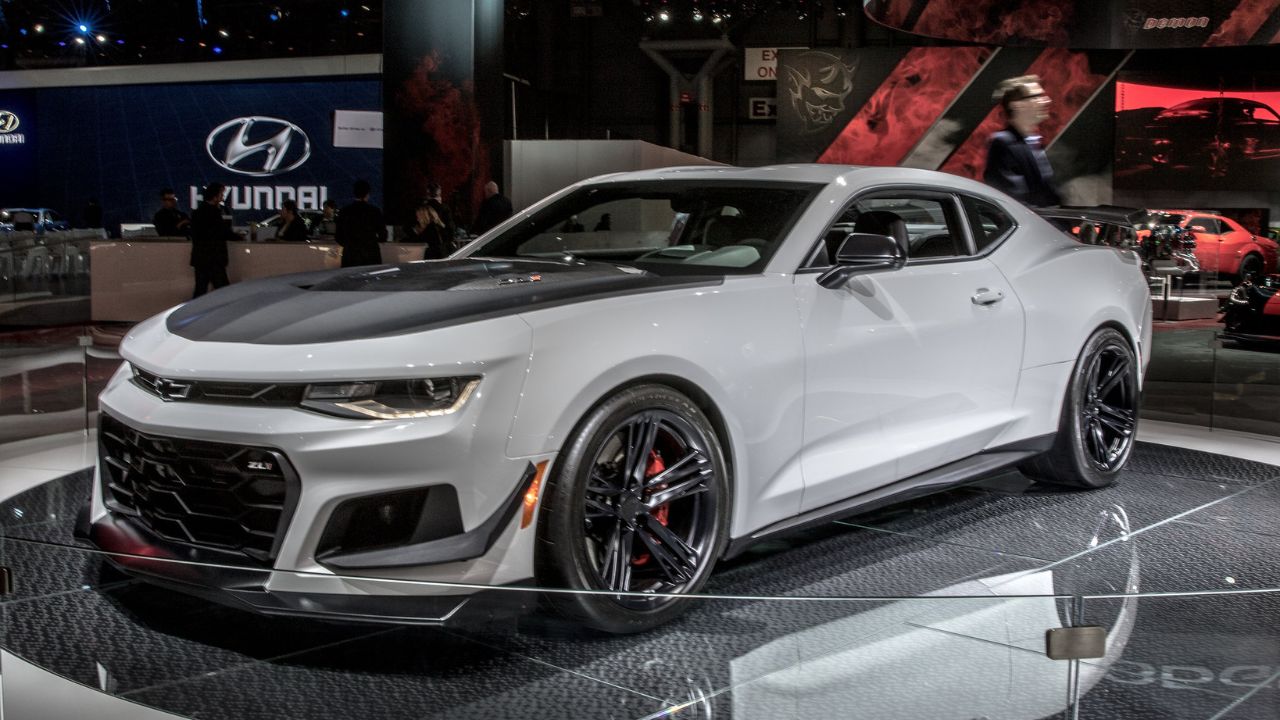
The sixth-generation ZL1 borrowed Corvette power and added serious aerodynamic upgrades. Its 650-horsepower supercharged V8 made full throttle feel borderline absurd on public roads. Magnetic Ride Control helped keep everything composed at high speeds. It was muscle sharpened into a precise performance tool.
Jaguar F-Type SVR
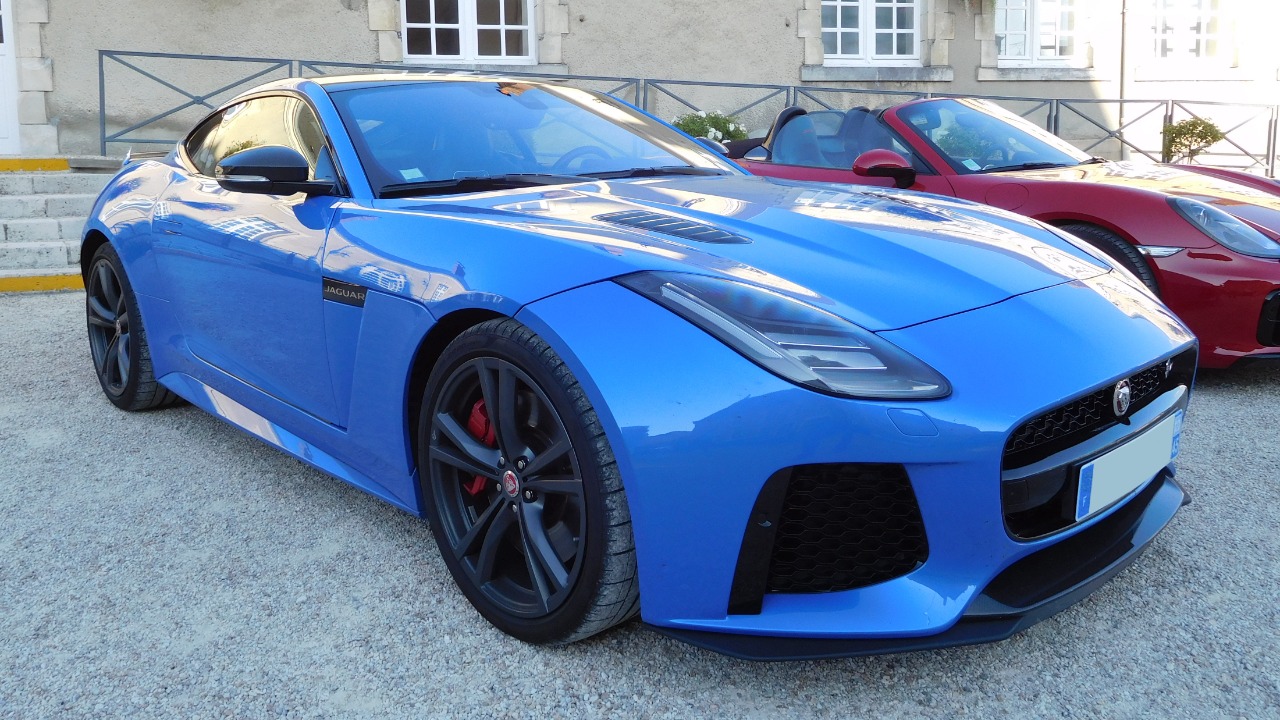
Jaguar’s SVR pushed its supercharged 5.0-liter V8 to 575 horsepower with dramatic flair. The acceleration felt urgent and theatrical, amplified by a thunderous exhaust note. All-wheel drive helped translate power into real-world traction. It delivered both British sophistication and unapologetic aggression.
Dodge Charger SRT Hellcat
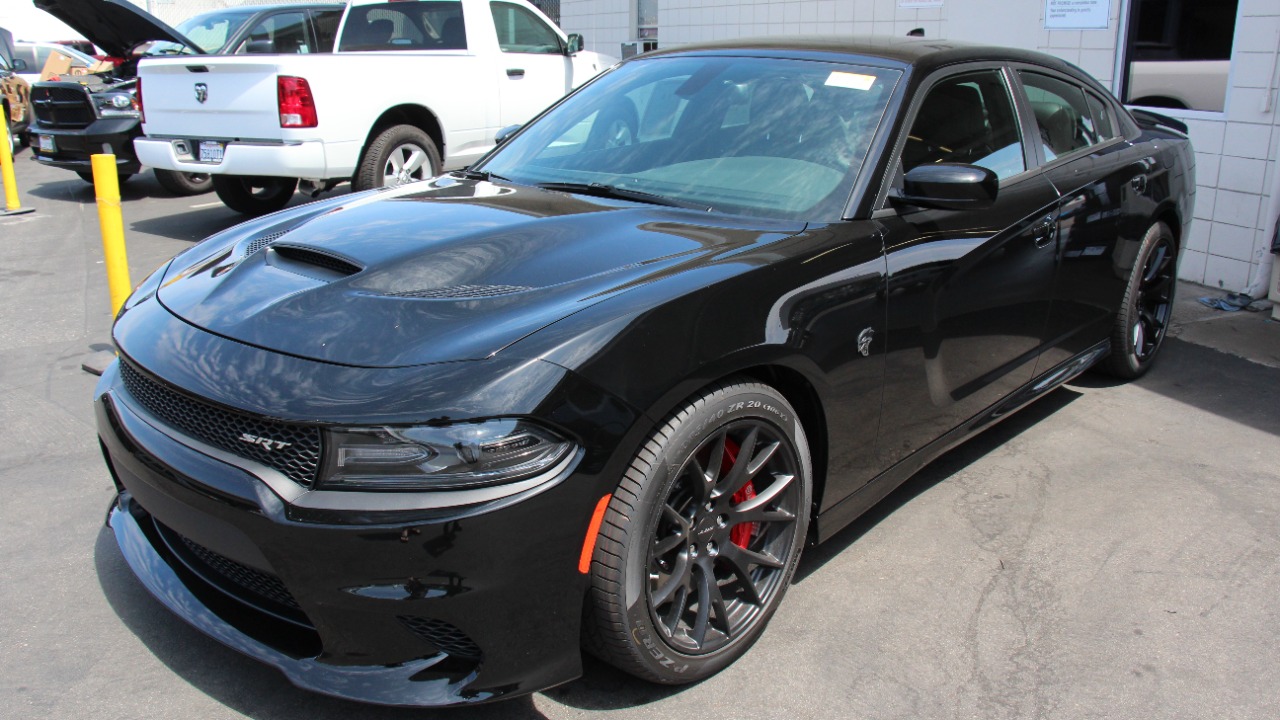
A full-size sedan with 707 horsepower sounded improbable until Dodge made it reality. The supercharged HEMI turned daily commuting into an event. It could cruise calmly, then unleash violent acceleration in seconds. Few four-doors offered that level of outrageous performance.
Audi S4

Audi’s B9 S4 used a supercharged-to-turbocharged evolution mindset focused on usable, relentless thrust. While more understated than American muscle, it delivered quick acceleration with confidence. Quattro all-wheel drive made launches feel secure and repeatable. It proved forced induction didn’t always need theatrics to feel fast.
Mercedes-Benz E63 AMG

The W212 E63 AMG paired twin-turbo force with supercar-level straight-line performance. Acceleration felt immediate and forceful despite the sedan’s size. Advanced traction systems helped channel immense horsepower to the pavement. It represented German engineering meeting unrestrained speed.
More from Fast Lane Only