Some performance vehicles didn’t just become successful—they completely changed the industry. These machines introduced revolutionary speed, engineering, handling, or technology that pushed rival manufacturers to respond with faster and more advanced vehicles of their own. Their impact reshaped expectations for factory performance across multiple generations.
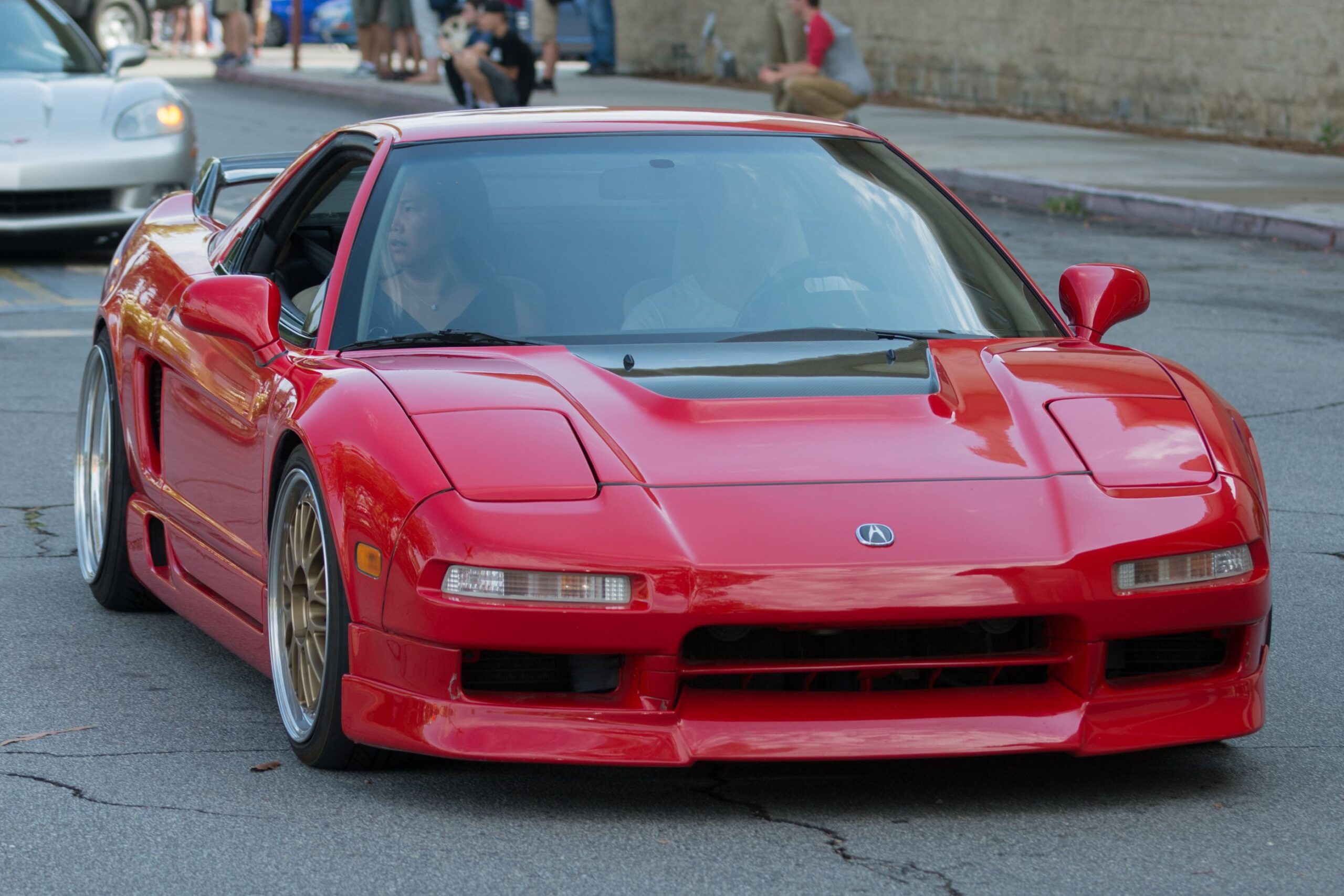
Acura NSX

The original NSX proved that a supercar could be reliable, comfortable, and easy to drive daily while still delivering elite performance.
Its precision engineering forced European exotic brands to improve refinement and usability.
Dodge Challenger SRT Hellcat
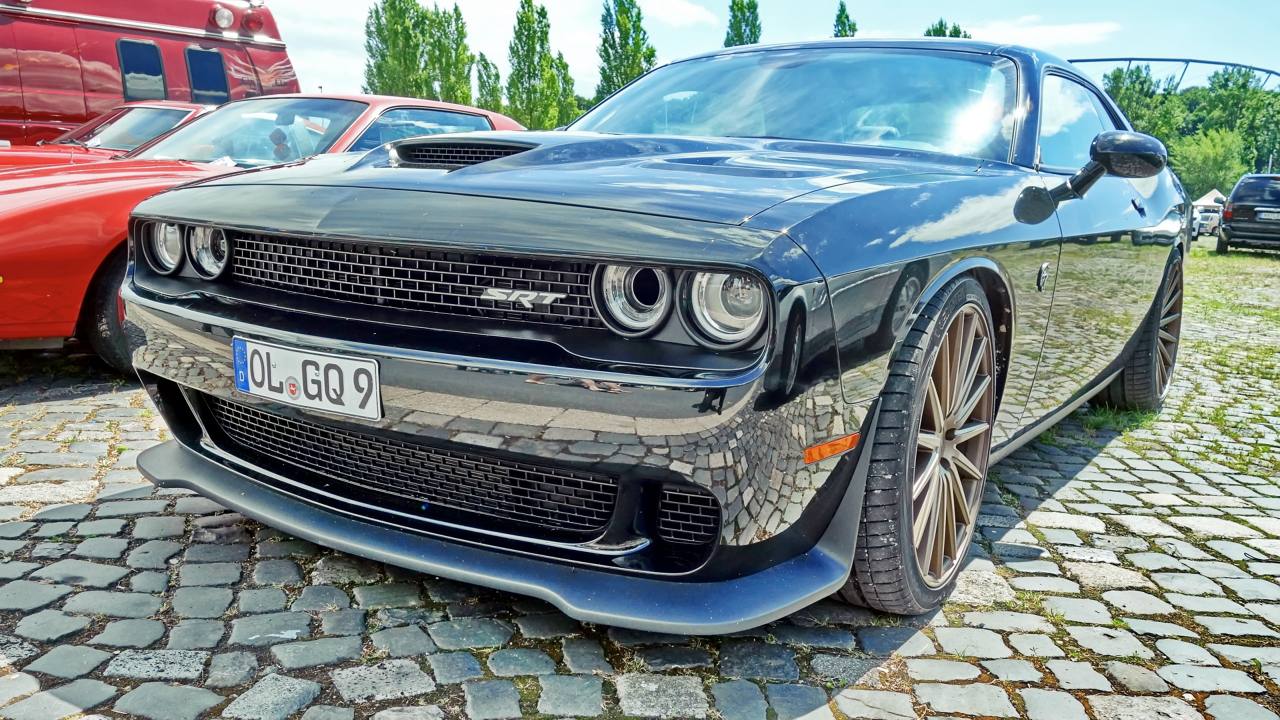
The Hellcat shocked the industry by bringing over 700 horsepower to the modern muscle car market at a relatively attainable price.
Competitors quickly responded with higher-horsepower performance models of their own.
Porsche 911 GT3 RS

The GT3 RS pushed track-focused factory engineering to another level through extreme aerodynamics and race-inspired handling.
It became a benchmark that forced rivals to take road-course performance more seriously.
Bugatti EB110

The EB110 introduced advanced AWD systems, quad-turbocharging, and carbon-fiber construction during the early 1990s.
Its technology pushed supercar engineering far ahead of its time.
Tesla Roadster

The original Tesla Roadster changed perceptions of electric vehicles by proving EVs could deliver serious speed and acceleration.
It pushed the entire automotive industry toward high-performance electrification.
Ford Shelby GT350R

The GT350R transformed expectations for American muscle car handling with its flat-plane-crank V8 and aggressive chassis tuning.
It proved muscle cars could dominate road courses, not just drag strips.
Mitsubishi 3000GT VR-4

The 3000GT VR-4 introduced advanced active aerodynamics, AWD, and four-wheel steering technology to production sports cars.
Its innovation forced competitors to invest more heavily in electronic performance systems.
Chevrolet Corvette C8

The Corvette C8 completely changed the Corvette formula by adopting a mid-engine layout for the first time.
Its exotic-level performance at a lower price shocked both American and European competitors.
Nissan 300ZX Twin Turbo
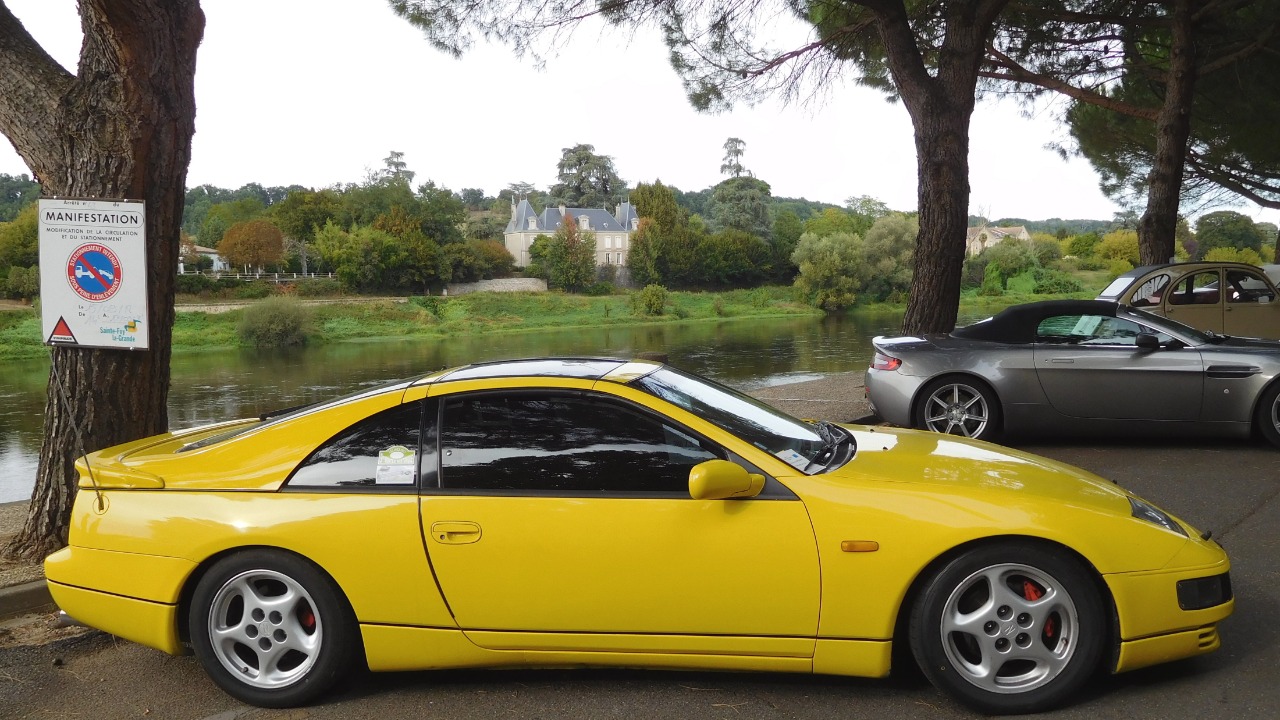
The 300ZX Twin Turbo raised standards for Japanese sports cars with advanced technology and strong turbocharged performance.
It helped intensify the high-performance rivalry of the 1990s.
BMW E39 M5

The E39 M5 redefined what a sports sedan could be by combining luxury comfort with serious V8 performance and balanced handling.
It became a benchmark that influenced performance sedans for decades.
More From Fast Lane Only: