Honda built its reputation on reliability and efficiency, but over the years the company also created some of the most respected driver-focused sports cars in automotive history. Lightweight construction, high-revving engines, balanced chassis tuning, and advanced engineering helped these cars earn admiration far beyond their horsepower figures.
These Honda performance machines surprised enthusiasts with their precision, responsiveness, and engineering quality.
Honda NSX
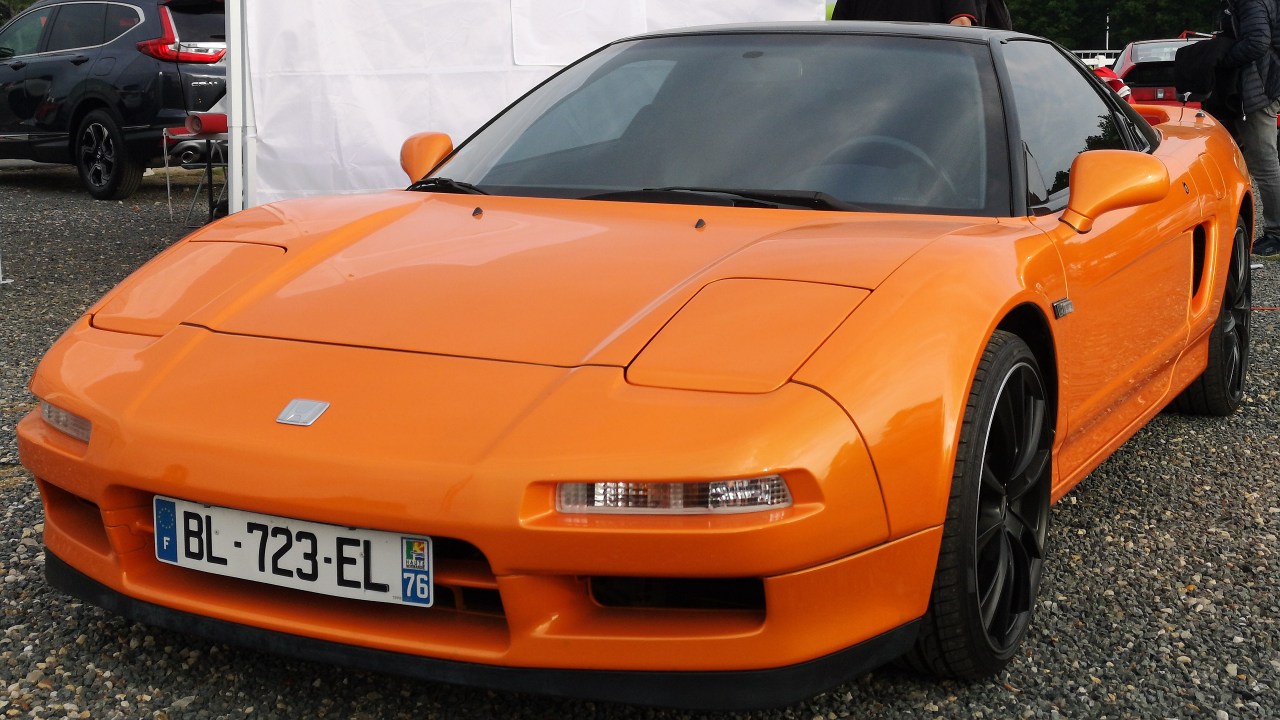
The Honda NSX shocked the automotive world by proving a supercar could deliver exotic performance while remaining reliable and comfortable enough for everyday driving. Developed with input from racing legend Ayrton Senna, the NSX featured lightweight aluminum construction, a mid-engine layout, and incredibly balanced handling. Its naturally aspirated V6 engine delivered smooth power and impressive throttle response, while the precise steering and visibility made it less intimidating than European rivals. Enthusiasts admired how Honda combined precision engineering with durability, creating a car that could challenge Ferrari on the track while requiring far less maintenance and offering exceptional long-term ownership reliability.
Honda S2000
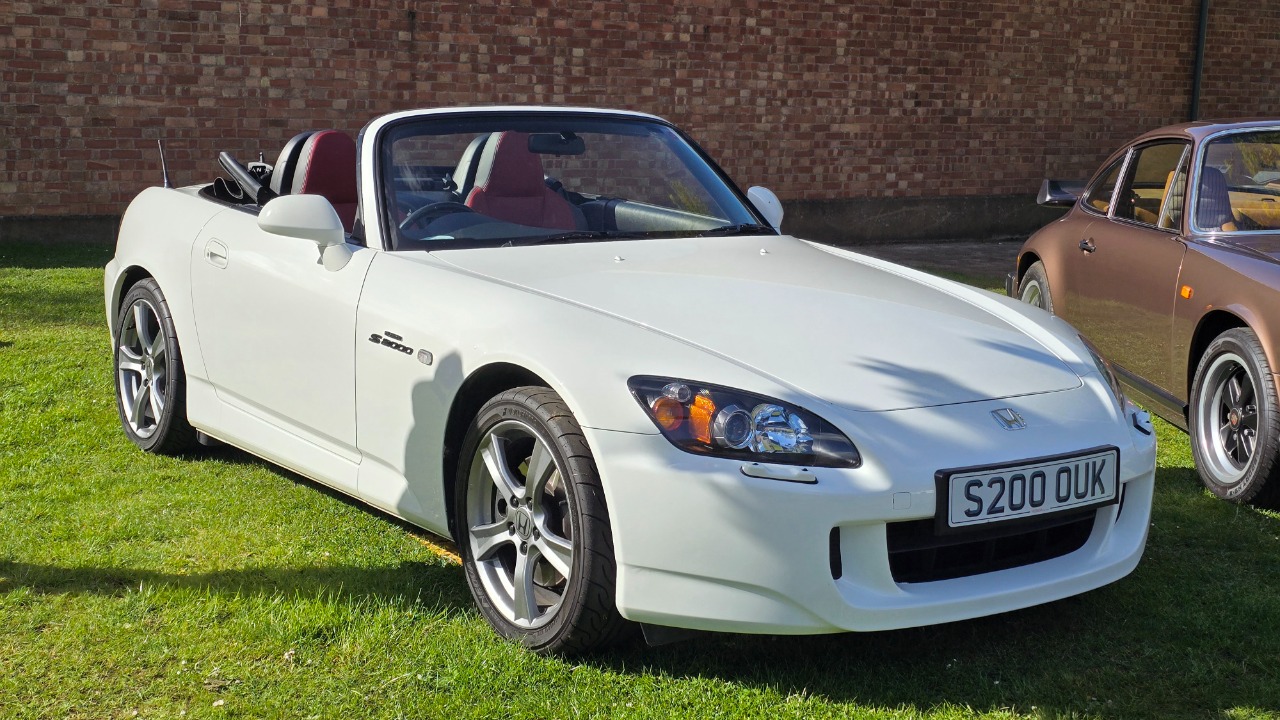
The Honda S2000 became legendary because of its high-revving naturally aspirated engine and exceptional chassis balance. Its 2.0-liter VTEC engine could rev to extremely high RPM levels while producing sharp throttle response and a thrilling driving experience. The lightweight rear-wheel-drive platform gave the car excellent agility and cornering precision, while the six-speed manual transmission became known as one of the best ever installed in a production sports car. Drivers loved the direct steering feel and predictable handling characteristics. Even years after production ended, the S2000 remains one of the most respected Japanese sports cars because of its precision engineering and engaging character.
Honda Integra Type R
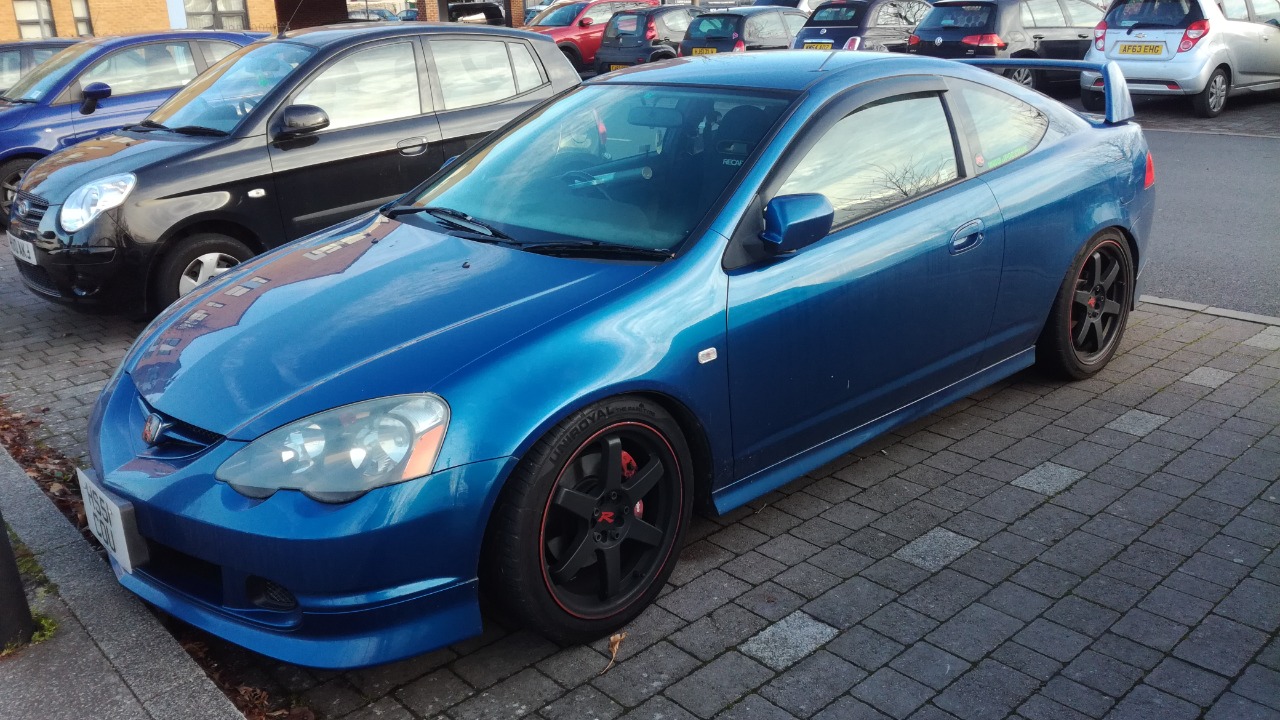
The Honda Integra Type R surprised enthusiasts by showing how precise engineering could transform a front-wheel-drive coupe into a world-class performance car. Honda focused heavily on weight reduction, chassis rigidity, suspension tuning, and engine responsiveness rather than relying on massive horsepower. The high-revving VTEC engine delivered strong power at high RPM, while the limited-slip differential improved cornering grip and stability. Drivers praised the sharp steering response, excellent balance, and race-inspired feel. Many enthusiasts still consider the Integra Type R one of the finest handling front-wheel-drive cars ever built because of its lightweight construction and extraordinary engineering precision.
Honda Civic Type R
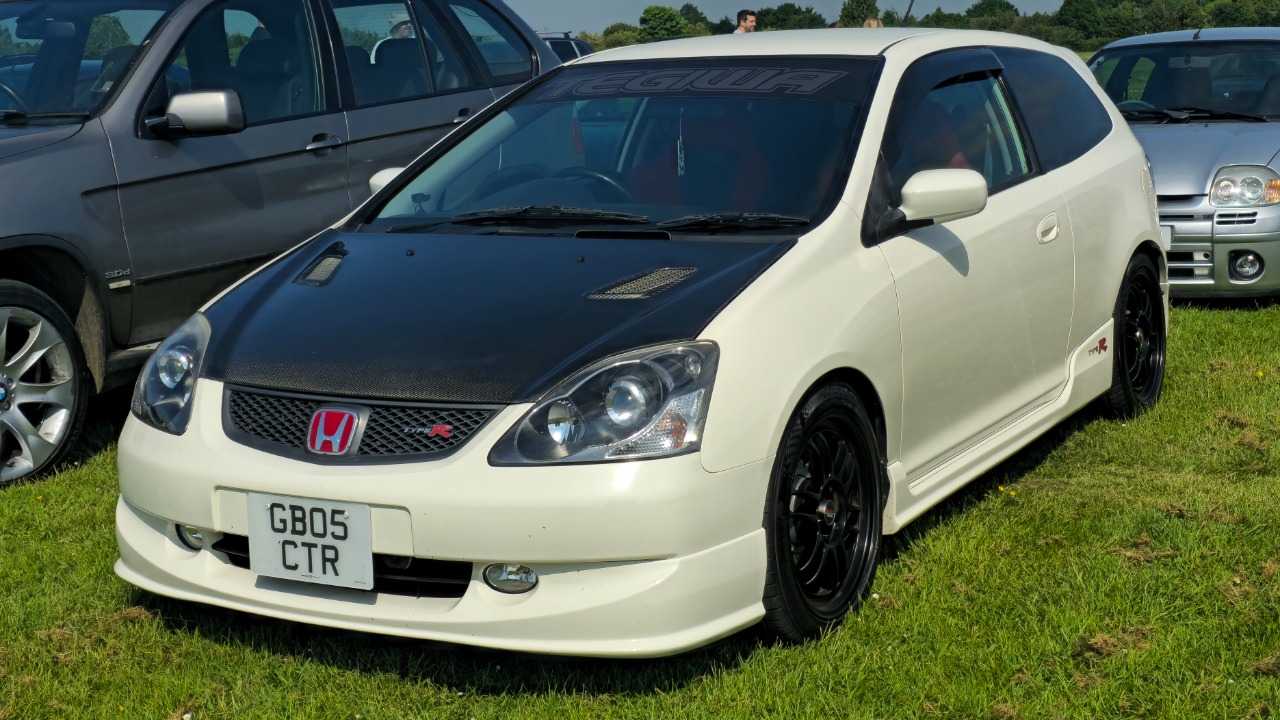
The Honda Civic Type R pushed front-wheel-drive performance to levels many people thought were impossible for a practical hatchback. Turbocharged power, advanced suspension tuning, aggressive aerodynamics, and a limited-slip differential allowed it to achieve incredible cornering speed and track capability. Honda engineers focused on responsiveness and precision instead of only increasing horsepower numbers. Drivers consistently praised the sharp steering, stable chassis, and confident braking performance. The manual transmission added to the car’s engaging driving experience. The Civic Type R became globally respected because it combined everyday practicality with engineering precision capable of competing against much more expensive sports cars on track.
Honda Prelude SH

/YouTube.
The Honda Prelude SH impressed enthusiasts with advanced handling technology and balanced chassis tuning during the 1990s. Its Active Torque Transfer System improved cornering stability and reduced understeer, helping the coupe feel more agile and responsive than many competitors. The Prelude also featured precise steering and a smooth high-revving engine that delivered enjoyable performance without excessive power. Honda’s attention to suspension geometry and driving balance made the car feel refined and engaging on winding roads. Many drivers appreciated how the Prelude SH delivered sophisticated engineering and sporty handling in a stylish coupe that remained practical and reliable for daily use.
Honda CR-X Si
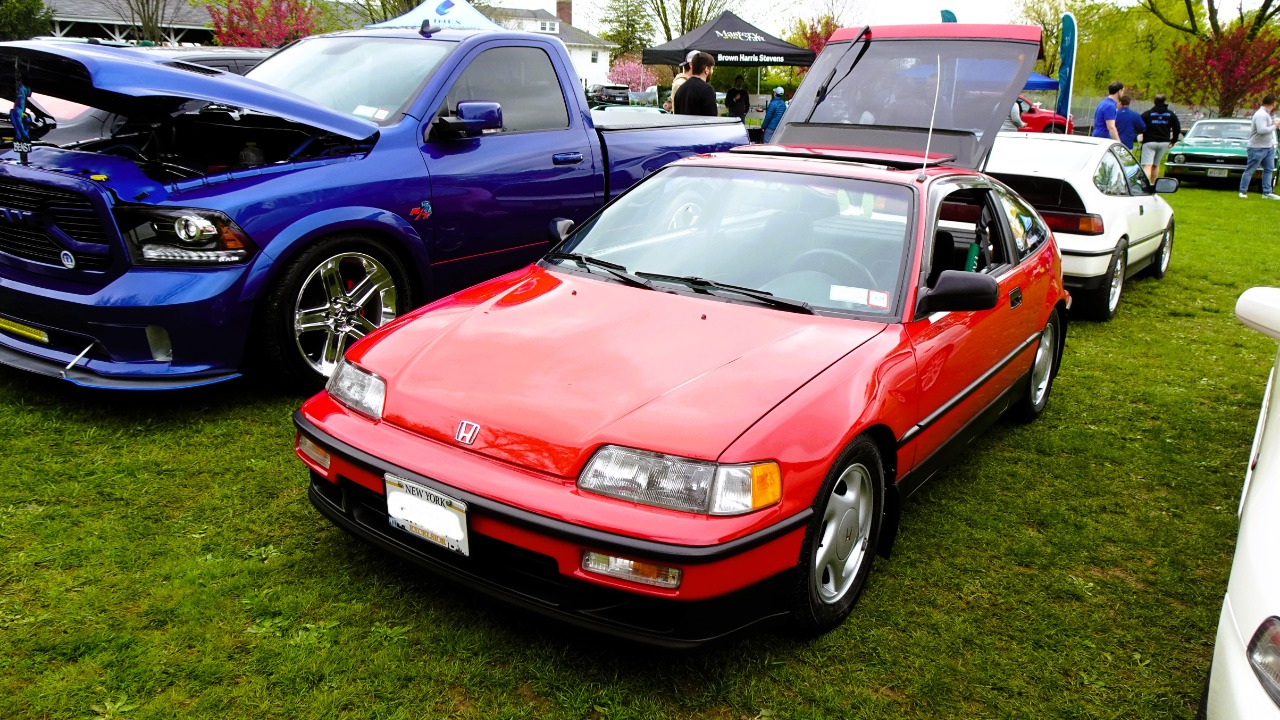
The Honda CR-X Si became famous for delivering exciting performance through lightweight engineering rather than large horsepower numbers. Its compact body and low curb weight allowed the small hatchback to feel extremely responsive and agile during spirited driving. The rev-happy engine paired perfectly with the lightweight chassis, creating lively acceleration and excellent fuel efficiency at the same time. Drivers loved the sharp steering and playful handling characteristics, which made the car entertaining on both city streets and twisty roads. The CR-X Si demonstrated Honda’s ability to maximize performance through intelligent engineering, balance, and simplicity rather than relying on brute force.
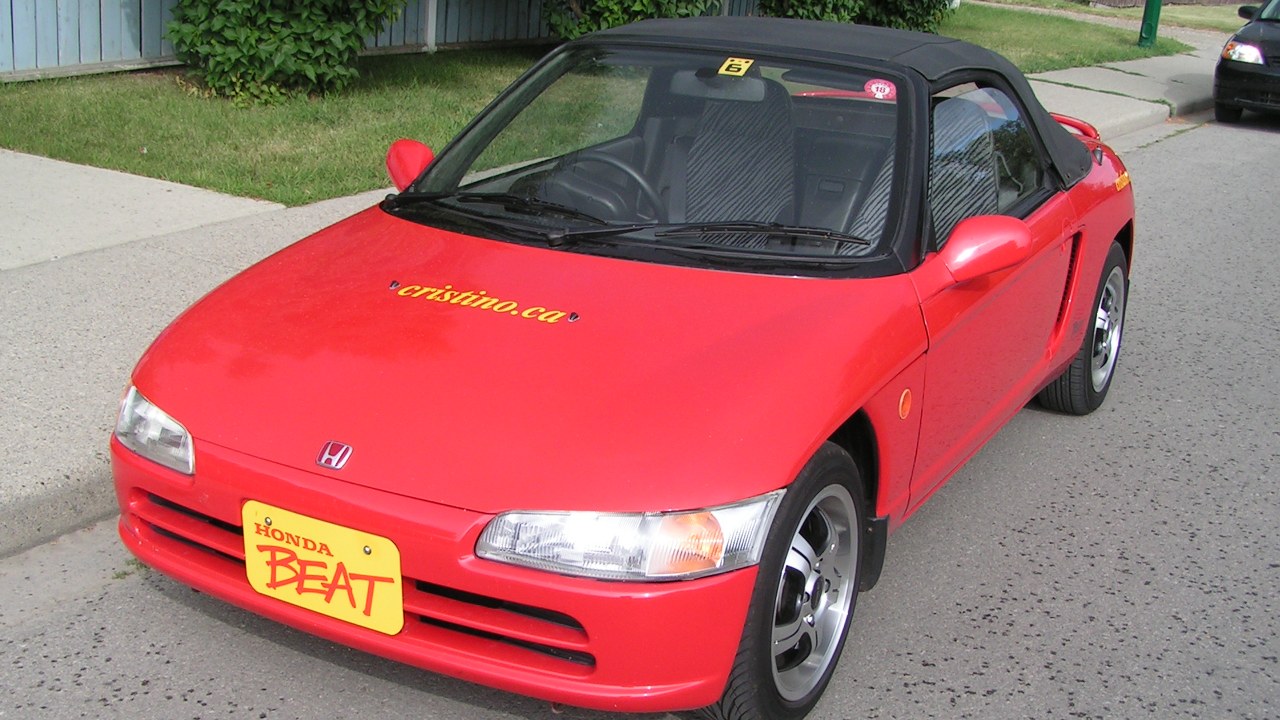
Honda Beat
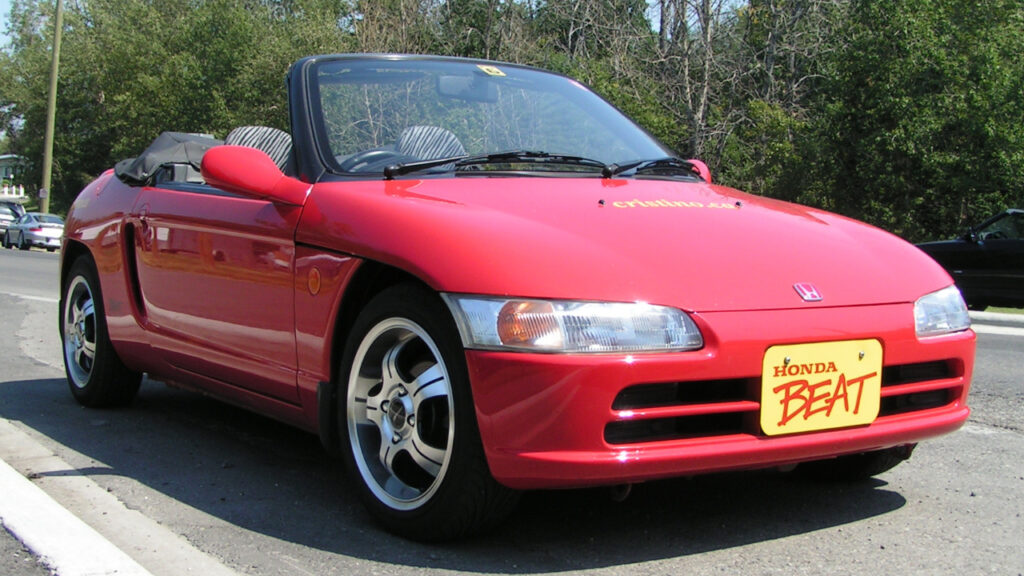
The Honda Beat surprised enthusiasts by delivering genuine sports car enjoyment in an extremely small kei-car package. Despite its tiny size and modest engine output, the Beat used a mid-engine layout and lightweight construction to create impressive agility and responsiveness. Its naturally aspirated engine revved enthusiastically, while the open-top design enhanced the driving experience and sense of speed. Drivers appreciated the car’s playful handling and balanced chassis, which made it fun even at lower speeds. The Beat became a cult favorite because it showed how careful engineering and lightweight design could create an engaging sports car without requiring massive horsepower.
Honda Accord Coupe V6
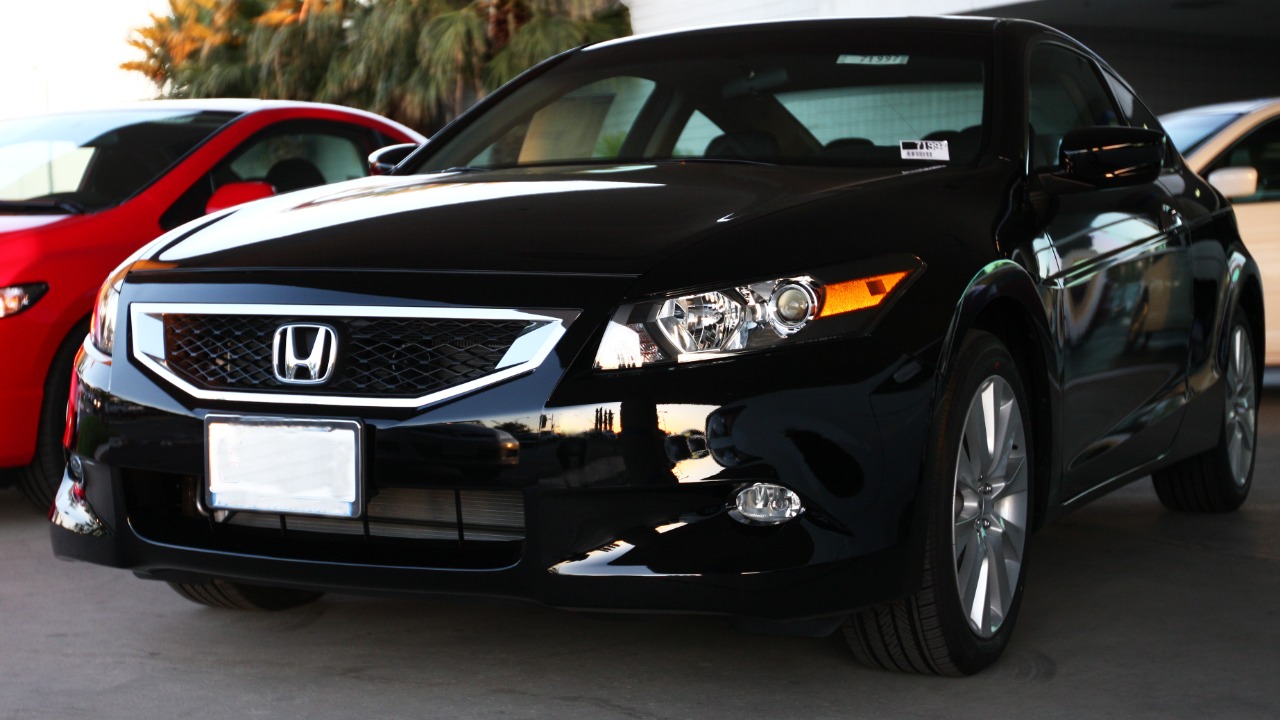
The Honda Accord Coupe V6 surprised many drivers by combining everyday comfort with unexpectedly strong performance. Its powerful V6 engine delivered smooth acceleration and solid highway speed, while the coupe body style gave it a sportier personality than the standard sedan. Some versions even offered a manual transmission, which appealed to enthusiasts looking for a practical but engaging car. Honda engineers tuned the suspension to provide confident handling without sacrificing ride comfort. The Accord Coupe V6 earned respect because it blended reliability, refinement, and enjoyable performance in a package that remained affordable and usable as a daily driver.
More From Fast Lane Only: