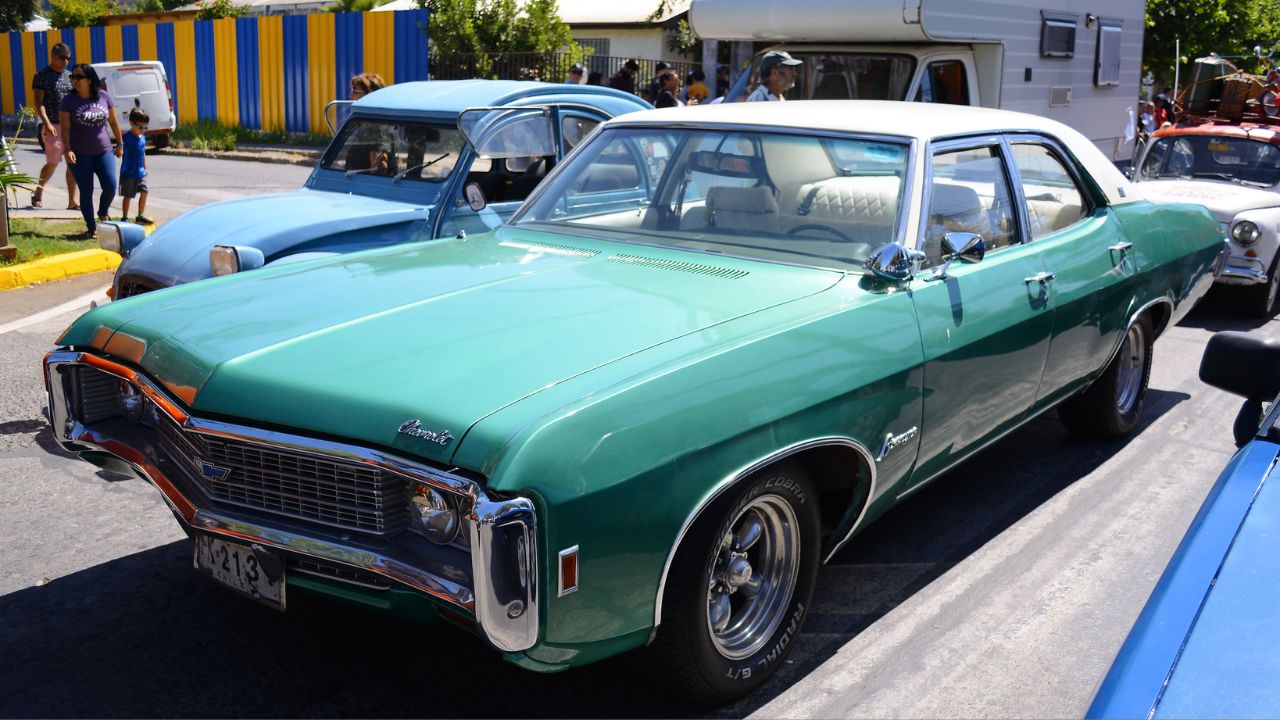
The 1969 Chevrolet Biscayne is a classic muscle car that often flies under the radar, overshadowed by more popular models like the Impala and Chevelle. Despite its unassuming exterior, this vehicle packs a punch thanks to its big-block engine, allowing it to achieve impressive low 13-second quarter-mile times straight from the factory. This article delves into the legacy, performance, and cultural significance of the Biscayne, revealing why it deserves a place in the hearts of car enthusiasts.
The Biscayne Legacy
The Chevrolet Biscayne was introduced in 1958 as a full-size car, aimed primarily at the budget-conscious buyer looking for a reliable family sedan. Over the years, it evolved from a simple workhorse to a more performance-oriented vehicle, particularly in the late 1960s when muscle cars were gaining traction in the American automotive landscape. While the Biscayne shares its platform with the more glamorous Impala and the sporty Chevelle, it was marketed as a no-frills option focused on practicality rather than luxury.
During its production run, the Biscayne targeted families and individuals needing space without sacrificing performance. Unlike its siblings, which were offered with a myriad of luxury options and features, the Biscayne’s appeal lay in its straightforward design and affordability. This positioning allowed Chevrolet to cater to a diverse market, offering a vehicle that was both functional and surprisingly powerful.
The 1969 Model Year
The 1969 Chevrolet Biscayne underwent significant updates that distinguished it from earlier models. The most noticeable changes included a revised front-end design, featuring a more aggressive and angular look that was in line with the muscle car aesthetic of the time. The body retained its large, boxy shape, but with cleaner lines and a slightly longer wheelbase that improved stability and handling. Inside, the 1969 model offered a more modern dashboard layout, with a focus on driver comfort and visibility.
For the 1969 model year, buyers could choose from various trim levels, with the base model providing essential features while higher trims offered additional comfort options. However, the real draw was the availability of the powerful big-block engine, which set the Biscayne apart from its competitors. The combination of its sporty appearance, spacious interior, and impressive performance made the 1969 Biscayne a compelling choice for those seeking a balance of practicality and power.
The Big-Block Engine
One of the standout features of the 1969 Biscayne was the introduction of the 427 cubic inch big-block engine, which delivered a staggering 425 horsepower and 460 lb-ft of torque. This powerhouse engine was part of Chevrolet’s Mark IV big-block family and was designed for performance enthusiasts looking for a thrilling driving experience. The specs alone make it clear why the Biscayne was capable of low 13-second quarter-mile times, placing it firmly in the realm of serious muscle cars.
In comparison to other engine options available for the Biscayne, such as the smaller 307 and 350 cubic inch engines, the 427 big-block stood out in terms of performance metrics. While other options provided adequate power for daily driving, they couldn’t match the raw horsepower and torque that the big-block engine offered. This made the Biscayne particularly appealing to those who wanted a vehicle that could double as a family car during the week and a performance machine on the weekends.
Performance Capabilities
The Biscayne’s ability to run low 13-second quarter-mile times is a testament to its performance capabilities. Factors such as weight distribution, aerodynamics, and the sheer power of the big-block engine all contributed to its impressive acceleration. Weighing in at around 3,500 pounds, the Biscayne was surprisingly light for a full-size car, allowing it to achieve a power-to-weight ratio that rivaled many contemporary muscle cars.
Real-world accounts from owners and enthusiasts further emphasize the Biscayne’s performance. Many owners report that the car delivered exhilarating acceleration and a thrilling driving experience, often catching other drivers off guard thanks to its unassuming appearance. Competing against contemporaries such as the Ford Mustang and Dodge Charger, the Biscayne held its own, proving that performance could come from unexpected places. For a deeper dive into its impressive performance records, check out this Hot Rod article.
The Sleeper Factor
The concept of the “sleeper” car is an essential part of muscle car culture, and the 1969 Biscayne exemplifies this perfectly. A sleeper is a vehicle that appears to be ordinary or unremarkable on the outside but possesses extraordinary performance capabilities under the hood. The Biscayne’s understated design, devoid of flashy stripes or aggressive spoilers, allowed it to blend in with everyday traffic while still packing a formidable punch.
Stories from Biscayne owners often highlight the thrill of surprising unsuspecting challengers at stoplights. With its subtle styling, many drivers underestimated the Biscayne’s capabilities, only to be left in the dust when the light turned green. These experiences have solidified the Biscayne’s reputation as a true sleeper in the muscle car community, providing countless anecdotes of victories against more ostentatious rivals. For a glimpse into some of these stories, you can watch this YouTube video showcasing the thrilling experiences of Biscayne owners.
Collectibility and Market Trends
In recent years, the 1969 Biscayne has seen a resurgence in interest among classic car collectors. Its unique blend of performance and understated styling has made it a desirable addition to many collections. Currently, prices for well-maintained models can vary widely based on condition, mileage, and modifications, but they generally fall within a reasonable range compared to other classic muscle cars. Factors such as the rarity of the big-block option and the overall condition of the vehicle play significant roles in determining market value.
As trends in classic car collecting evolve, the Biscayne stands out due to its performance capabilities and sleeper status. Many collectors appreciate the car’s history and its place in the muscle car narrative, which has led to a growing community of enthusiasts. Insights from collectors indicate a strong appreciation for the Biscayne, not just as a vehicle but as a symbol of an era when American manufacturers prioritized performance and innovation in their designs. For those looking to delve deeper into the current market trends, resources like Autoevolution provide valuable information on pricing and desirability.
Cultural Impact and Media Presence
The 1969 Chevrolet Biscayne has made notable appearances in films and television, further cementing its place in automotive culture. While it may not have the flashy reputation of other muscle cars, its portrayal as a “sleeper” has resonated with audiences. The car symbolizes the hidden potential that lies within unassuming vehicles, a theme commonly explored in various media. Owners often share their own stories that reflect the car’s character and its impact on their lives.
In automotive culture, the Biscayne serves as a reminder that performance can be found in unexpected places. Its understated design allows it to fly under the radar, making it a favorite among enthusiasts who appreciate the thrill of surprising others with its capabilities. The cultural significance of the Biscayne as a performance vehicle hidden in plain sight ensures that it will remain an enduring symbol for generations of car lovers.
More from Fast Lane Only