Muscle cars have evolved through different eras—starting from raw 1960s power, through the emissions-restricted 1970s, the revival years of the 1980s–1990s, and into today’s modern supercharged and technologically advanced machines. Despite changing regulations and design philosophies, certain models from each era continue to attract strong enthusiast attention because of their performance, styling, or cultural impact.
Here are 10 muscle cars from across different eras that still stand out today.
Ford Mustang Shelby GT500 (1967)

The 1967 Shelby GT500 represents the golden era of muscle cars, combining a big-block V8 with aggressive styling and racing heritage. It became an instant icon of American performance during the peak horsepower years. Enthusiasts still admire it today for its raw, mechanical feel and timeless design that defined the muscle car identity.
Chevrolet Chevelle SS 454 (1970)
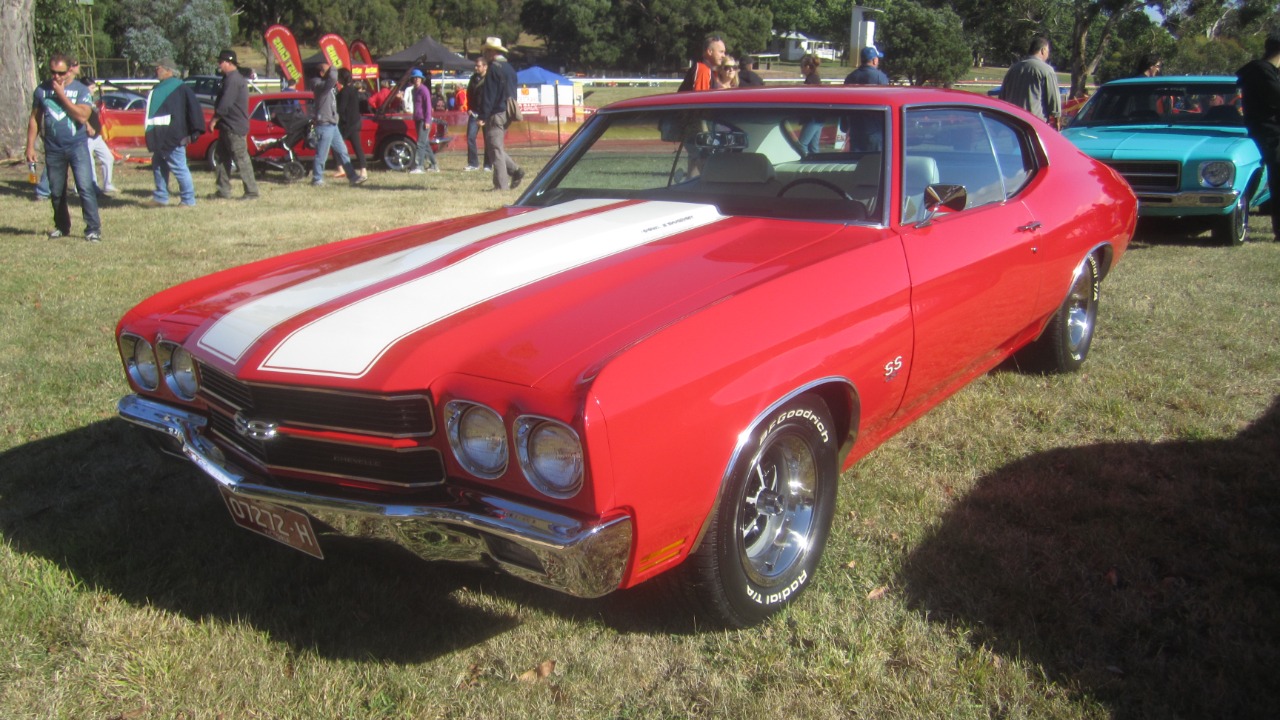
The 1970 Chevelle SS 454 is one of the most powerful factory muscle cars of the classic era, known for its massive big-block engine and brutal straight-line acceleration. It represents the peak of early muscle car excess before emissions regulations changed the industry. Today it remains highly sought after by collectors and enthusiasts.
Dodge Charger R/T (1970)

The 1970 Dodge Charger R/T is famous for its aggressive styling and powerful V8 engines. It became a cultural icon through movies and racing history, symbolizing the height of Dodge performance design. Enthusiasts still value it for its bold presence and classic muscle car attitude.
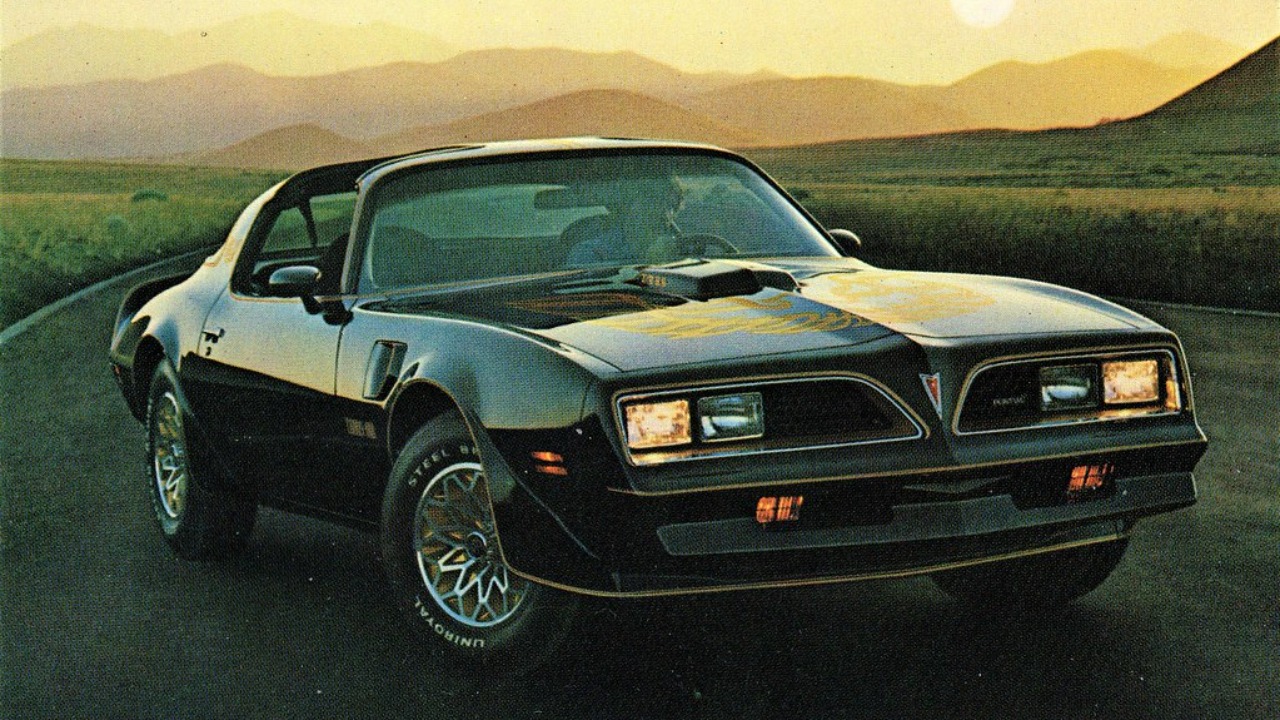
Pontiac Firebird Trans Am (1977)

The 1977 Firebird Trans Am represents the late muscle car era, where emissions rules reduced power but style remained strong. It became famous in pop culture and remains recognizable today. Enthusiasts appreciate its design and the way it kept muscle car spirit alive during difficult years.
Chevrolet Camaro Z28 (1987)

The 1987 Camaro Z28 marks the revival era of muscle performance, bringing back stronger V8 power and improved tuning. It helped restart interest in American performance cars during the 1980s. Enthusiasts still value it for its balance of classic muscle styling and modern performance improvements.
Ford Mustang GT (1995)

The 1995 Mustang GT represents the 1990s muscle revival, with improved chassis tuning and a strong V8 that brought back excitement to the Mustang name. It helped bridge the gap between older muscle cars and modern performance models. Enthusiasts appreciate it as a foundation for later Mustang performance evolution.
Dodge Viper RT/10 (1996)

The 1996 Dodge Viper RT/10 pushed muscle-inspired performance into a raw, uncompromising sports car form with a massive V10 engine. It delivered extreme power with minimal driver assistance. Enthusiasts still admire it for its brutal simplicity and analog driving experience.
Chevrolet Camaro SS (2010)
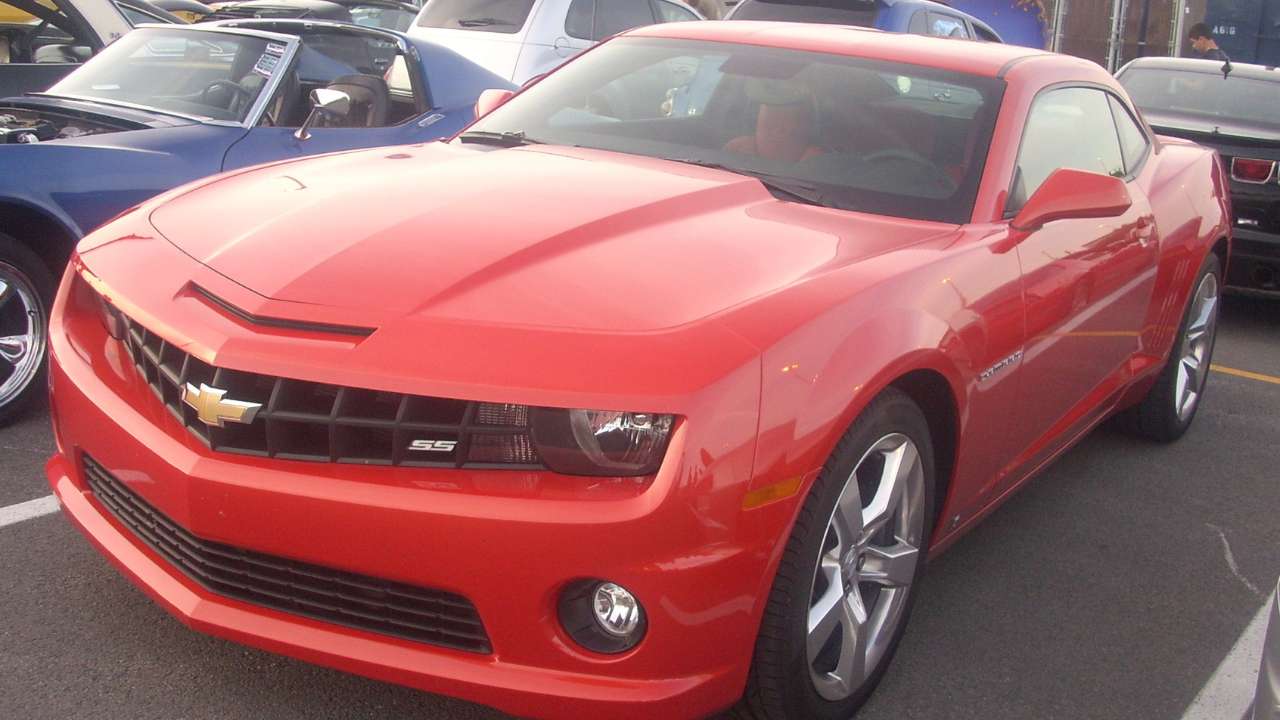
The 2010 Camaro SS represents the modern revival of American muscle styling with retro-inspired design and powerful V8 performance. It brought muscle cars into a new era of technology and refinement. Enthusiasts continue to value it for blending nostalgia with modern performance capability.
Ford Mustang Shelby GT500 (2020)
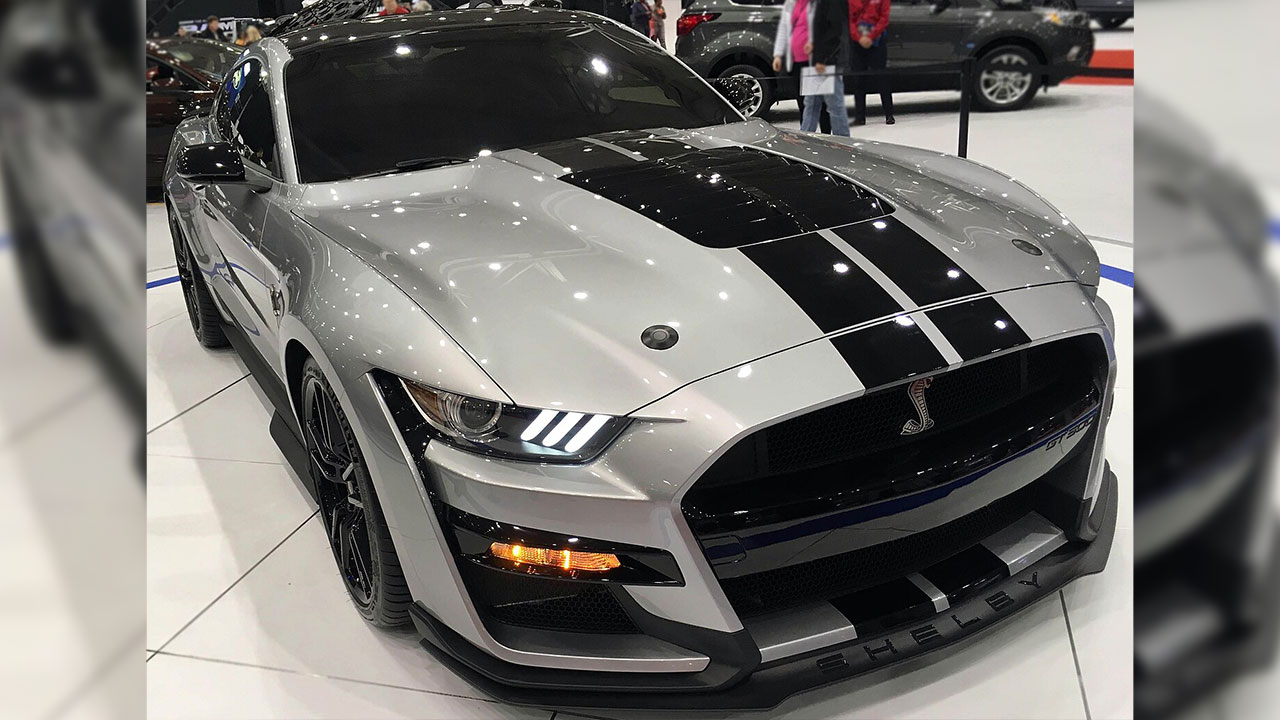
The 2020 Shelby GT500 is one of the most powerful Mustangs ever built, featuring a supercharged V8 and advanced dual-clutch transmission. It represents modern muscle at its most extreme. Enthusiasts admire it for combining track-ready engineering with massive horsepower.
Dodge Challenger SRT Hellcat (2015)
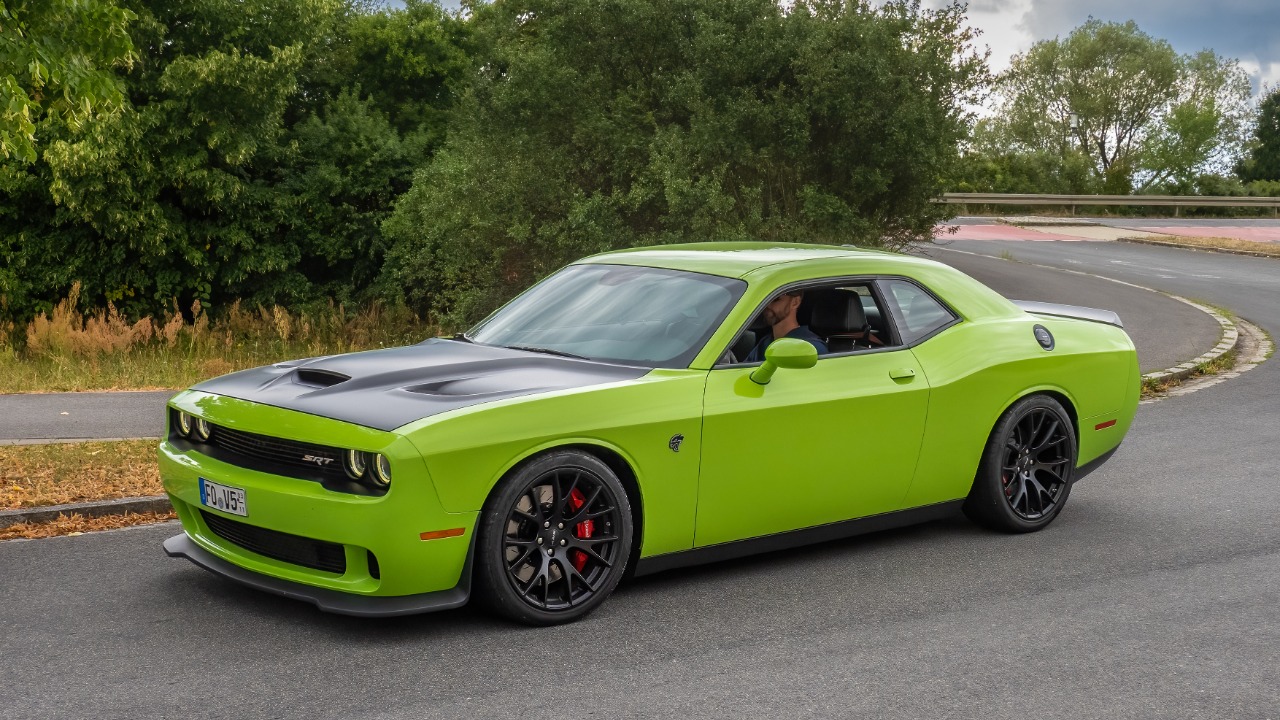
The 2015 Hellcat redefined modern muscle cars with over-the-top horsepower and aggressive design. It revived the idea of American excess in performance form. Enthusiasts still celebrate it for making extreme straight-line speed accessible from a factory production car.
More From Fast Lane Only: