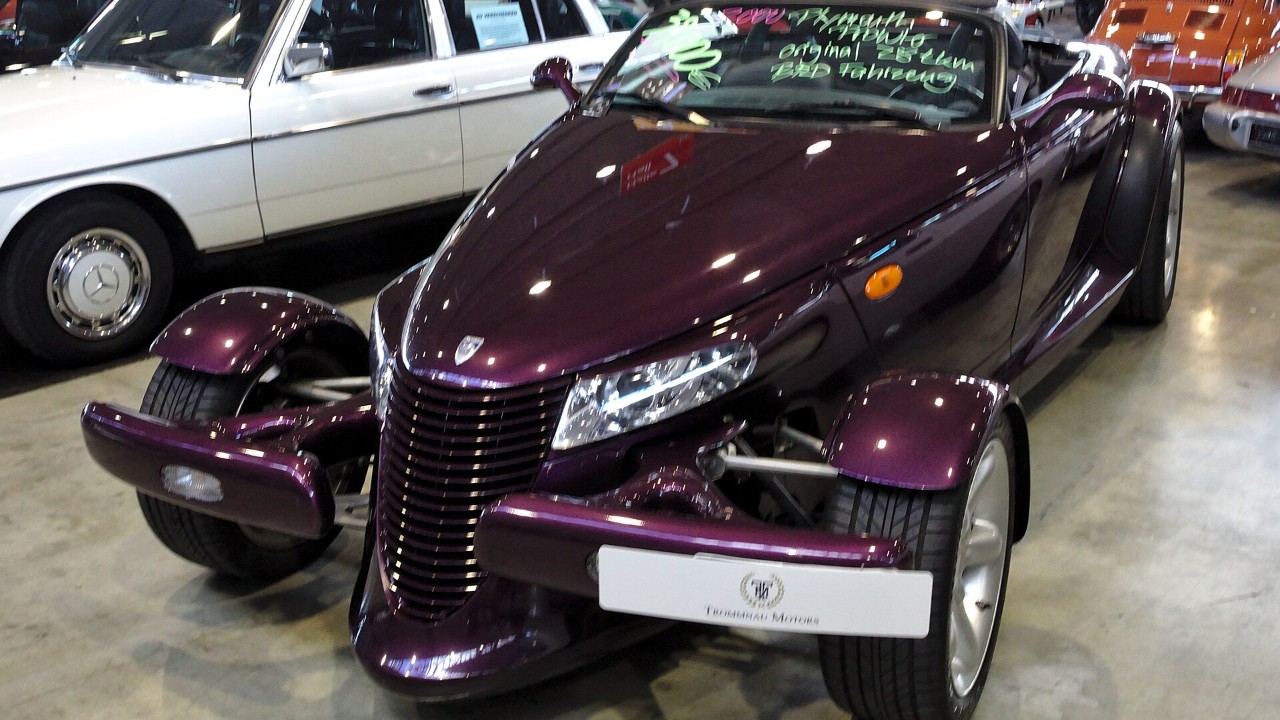
The 1990s were a golden era for Japanese performance engineering. Turbocharging, lightweight design, and motorsport-inspired development created cars that delivered huge performance gains from relatively small engines. Many of these machines became icons because they were fast, tunable, and built with a level of engineering that still earns respect today.
Here are 7 turbocharged Japanese legends that defined the decade.
Nissan Skyline GT-R R34
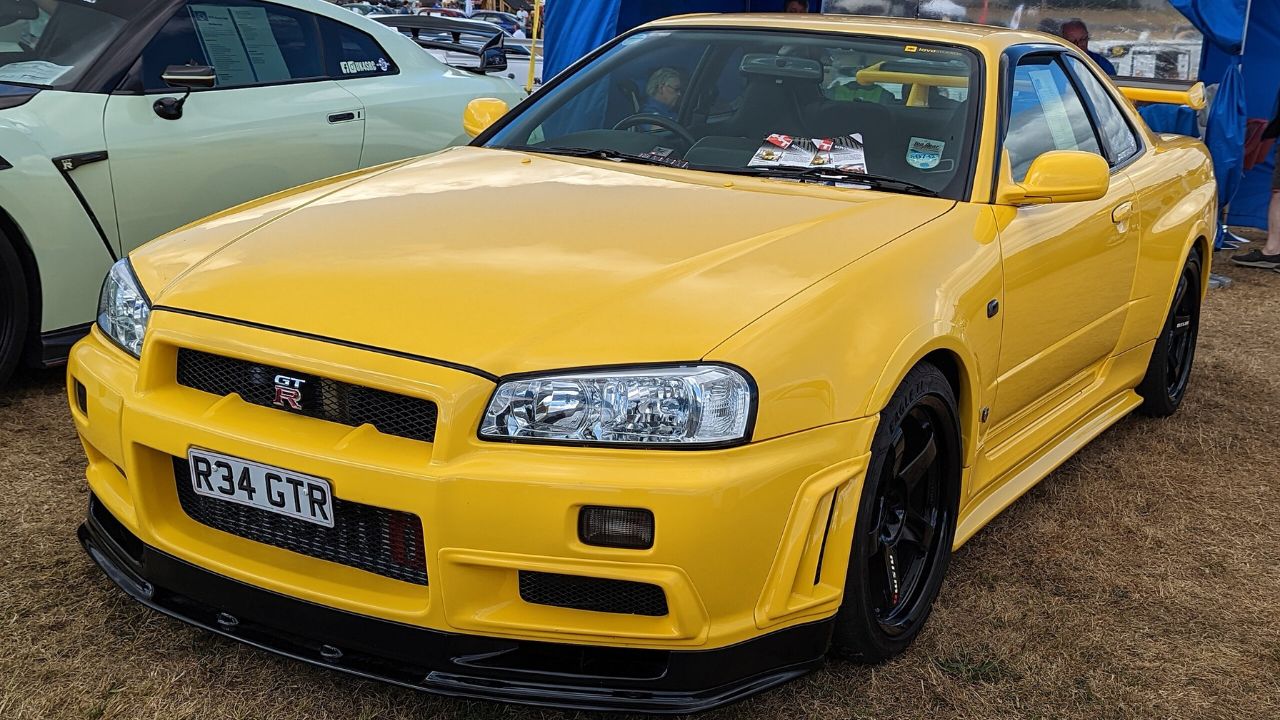
The Nissan Skyline GT-R became one of the most respected performance cars of the 1990s because of its advanced AWD system and legendary twin-turbo RB26 engine. It dominated racing circuits and quickly earned the nickname “Godzilla” for destroying competition both on the street and track. The GT-R combined cutting-edge technology with brutal acceleration and tuning potential that few rivals could match. Enthusiasts around the world admired its balance of speed, handling, and reliability. Even decades later, the Skyline GT-R remains one of the most iconic Japanese turbocharged performance machines ever created during the golden era of JDM engineering.
Toyota Supra Mk4
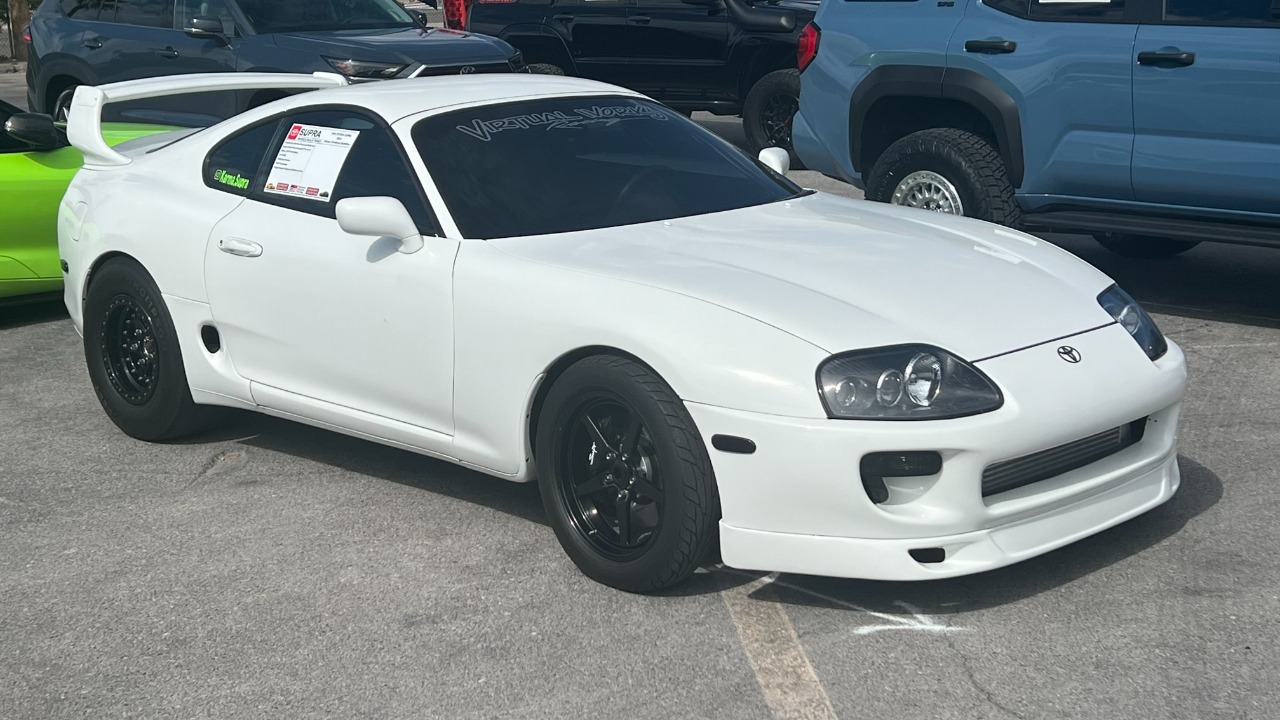
The Toyota Supra Mk4 became legendary thanks to its twin-turbocharged 2JZ-GTE inline-six engine, which earned a reputation for incredible durability and tuning capability. During the 1990s, the Supra represented the peak of Toyota’s performance engineering and quickly became a global icon among enthusiasts. Its smooth styling, strong acceleration, and ability to handle massive power upgrades made it one of the most desired Japanese sports cars ever built. The Supra gained even more popularity through motorsports and pop culture appearances, helping cement its place as one of the defining turbocharged legends that made the 1990s unforgettable for performance car fans everywhere.
Mazda RX-7 FD
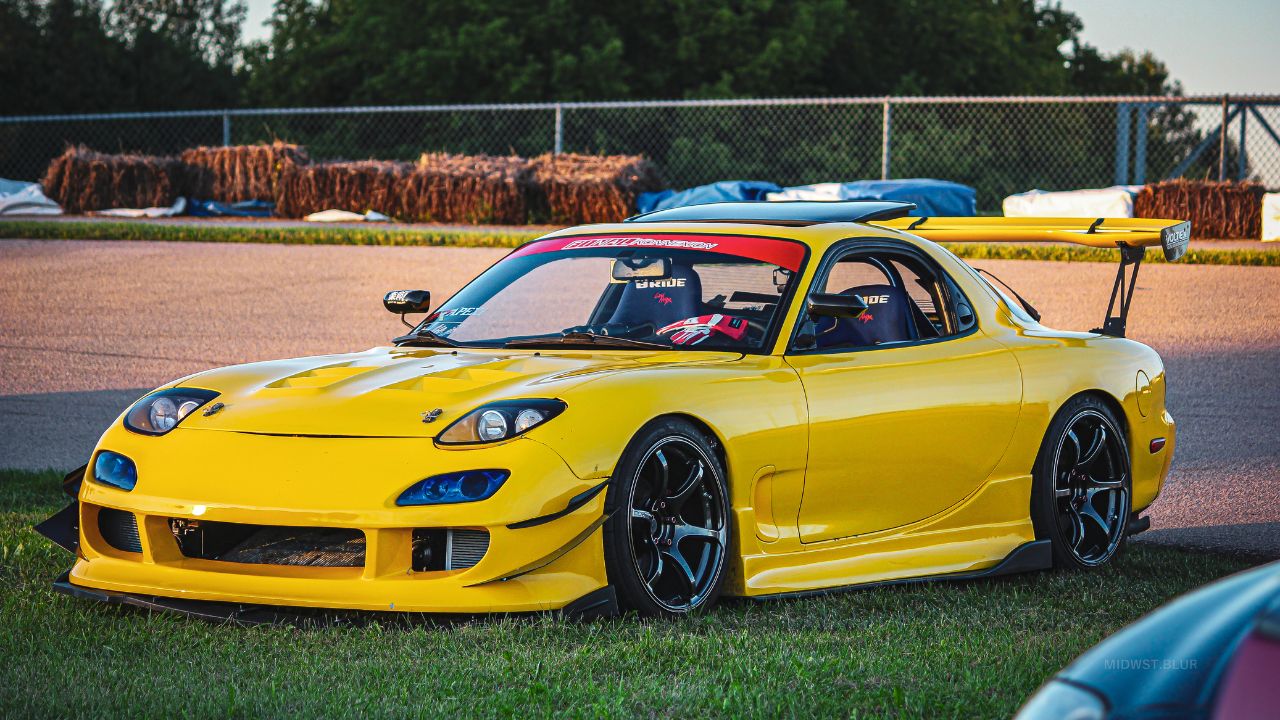
The Mazda RX-7 FD stood out during the 1990s because of its lightweight design and unique twin-turbo rotary engine. Unlike traditional piston engines, the rotary powerplant delivered high-revving performance and a driving experience unlike anything else on the road. The RX-7 became famous for its near-perfect balance, sharp handling, and sleek styling that still looks modern today. Enthusiasts loved its agility and responsiveness, especially on winding roads and racetracks. Although rotary engines required careful maintenance, the RX-7 earned legendary status because it perfectly captured the spirit of Japanese performance engineering during the golden age of 1990s sports cars.
Mitsubishi Lancer Evolution VI
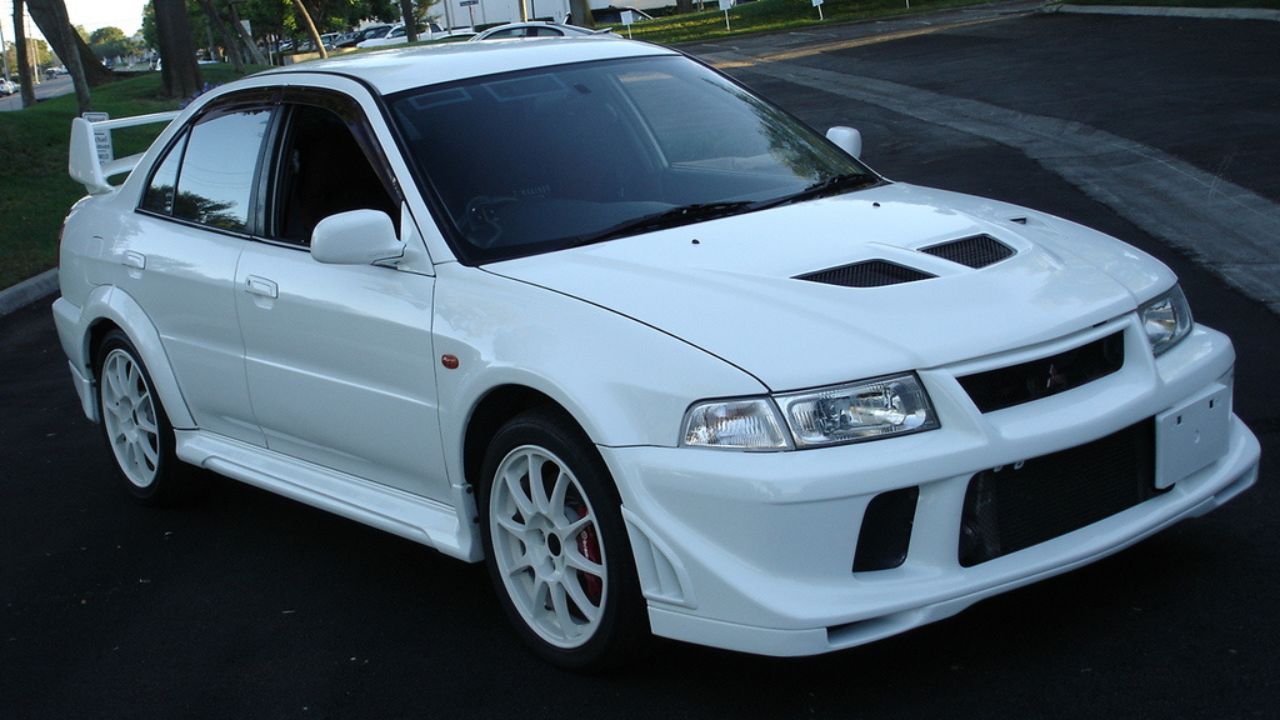
The Mitsubishi Lancer Evolution VI became one of the most aggressive rally-inspired performance sedans of the 1990s. Powered by a turbocharged four-cylinder engine and advanced AWD system, the Evo delivered incredible grip and acceleration in almost any driving condition. Its success in the World Rally Championship helped build a loyal fanbase among enthusiasts who admired its raw performance and race-ready character. The Evolution VI felt fast, responsive, and highly capable even against more expensive sports cars. It represented Mitsubishi’s commitment to rally technology and became one of the most respected turbocharged Japanese legends of its era.
Subaru Impreza WRX STI
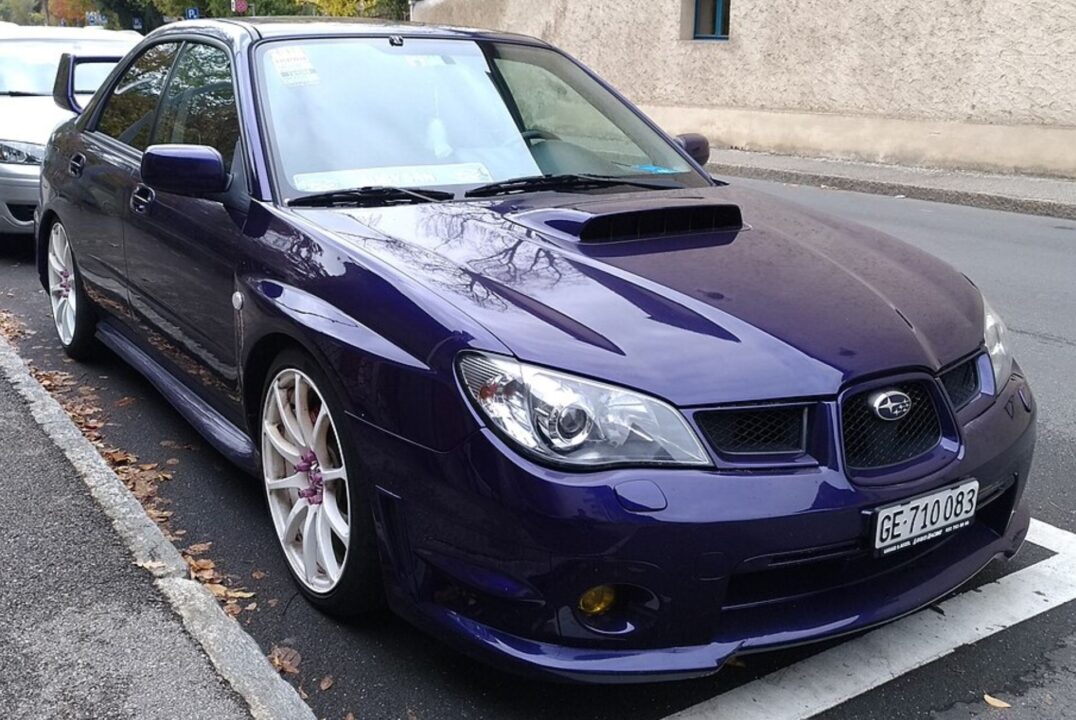
The Subaru Impreza WRX STI became famous during the 1990s for bringing rally-car performance to ordinary roads. Its turbocharged boxer engine and symmetrical AWD system gave the car exceptional traction and acceleration, especially in poor weather conditions. Subaru’s rally success made the WRX STI a hero among driving enthusiasts who wanted a practical car capable of serious performance. The STI developed a reputation for aggressive turbo response, sharp handling, and a loud performance character that made it instantly recognizable. It remains one of the most beloved Japanese turbocharged cars ever produced and a defining symbol of 1990s rally-inspired performance.
Honda NSX
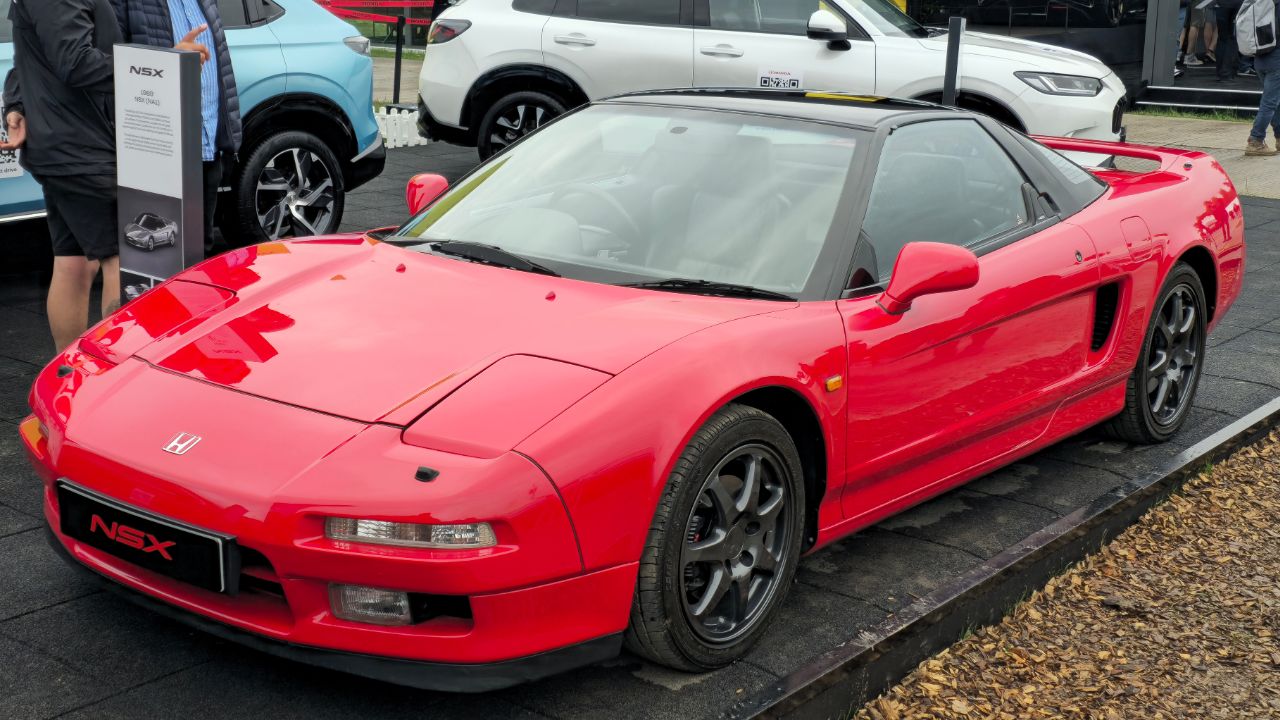
The Honda NSX changed the supercar world during the 1990s by combining exotic performance with Honda reliability and precision engineering. While naturally aspirated rather than turbocharged, the NSX deserves recognition because it influenced an entire generation of Japanese performance cars. Its lightweight aluminum body, mid-engine layout, and race-inspired handling made it a serious rival to European exotics. Developed with input from Ayrton Senna, the NSX delivered an engaging driving experience without sacrificing comfort or usability. It proved that Japanese automakers could compete directly with Ferrari and Porsche, helping define the unforgettable performance era of the 1990s.
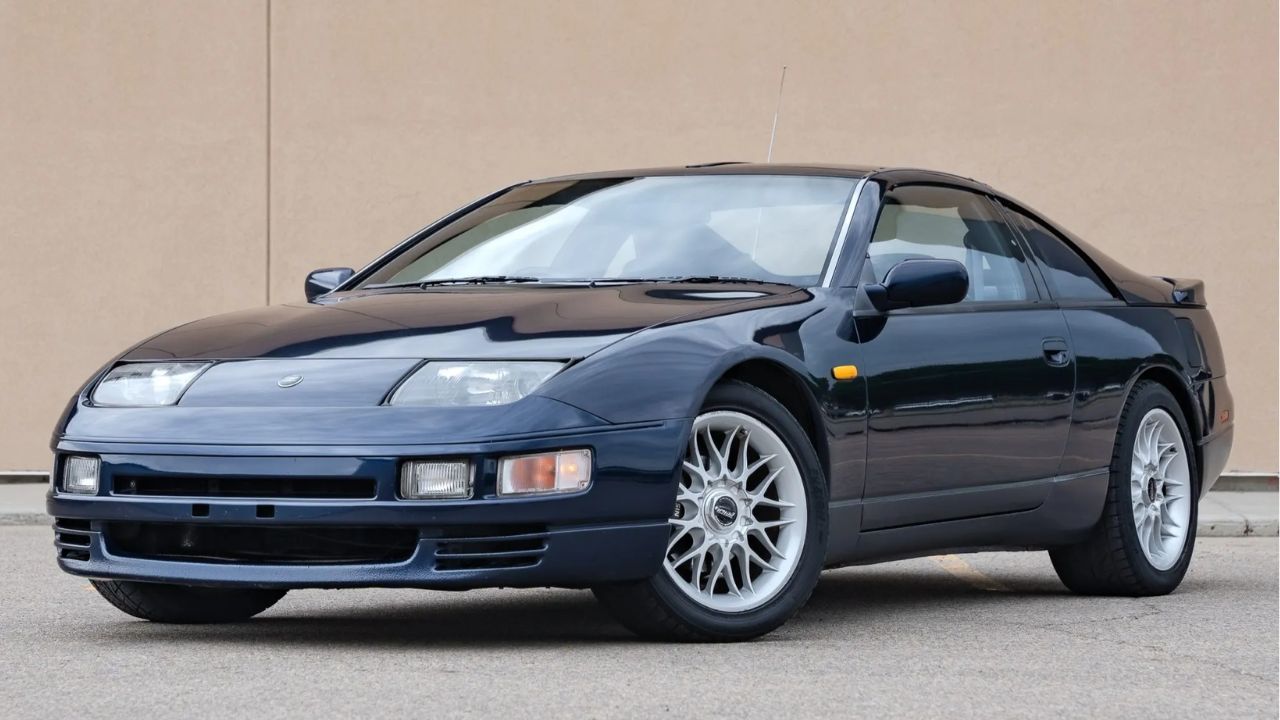
Nissan 300ZX Twin Turbo
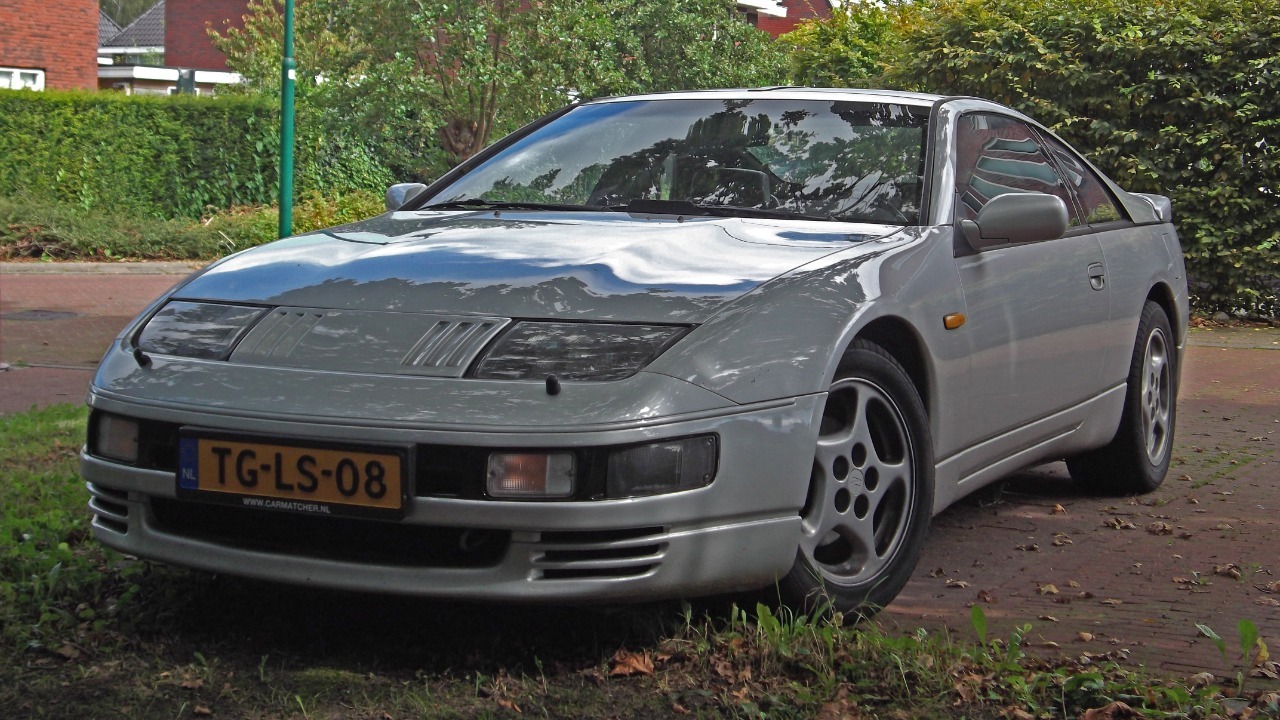
The Nissan 300ZX Twin Turbo became one of the most advanced Japanese sports cars of the 1990s thanks to its powerful twin-turbo V6 engine and modern styling. Nissan equipped the car with advanced technology features and strong high-speed performance that made it competitive with global sports car rivals. The 300ZX delivered smooth power, confident handling, and impressive highway speed, making it popular among enthusiasts seeking both performance and comfort. Its futuristic design and turbocharged powertrain helped it stand out during the golden age of Japanese performance cars, earning lasting respect as one of the decade’s true legends.
More From Fast Lane Only: