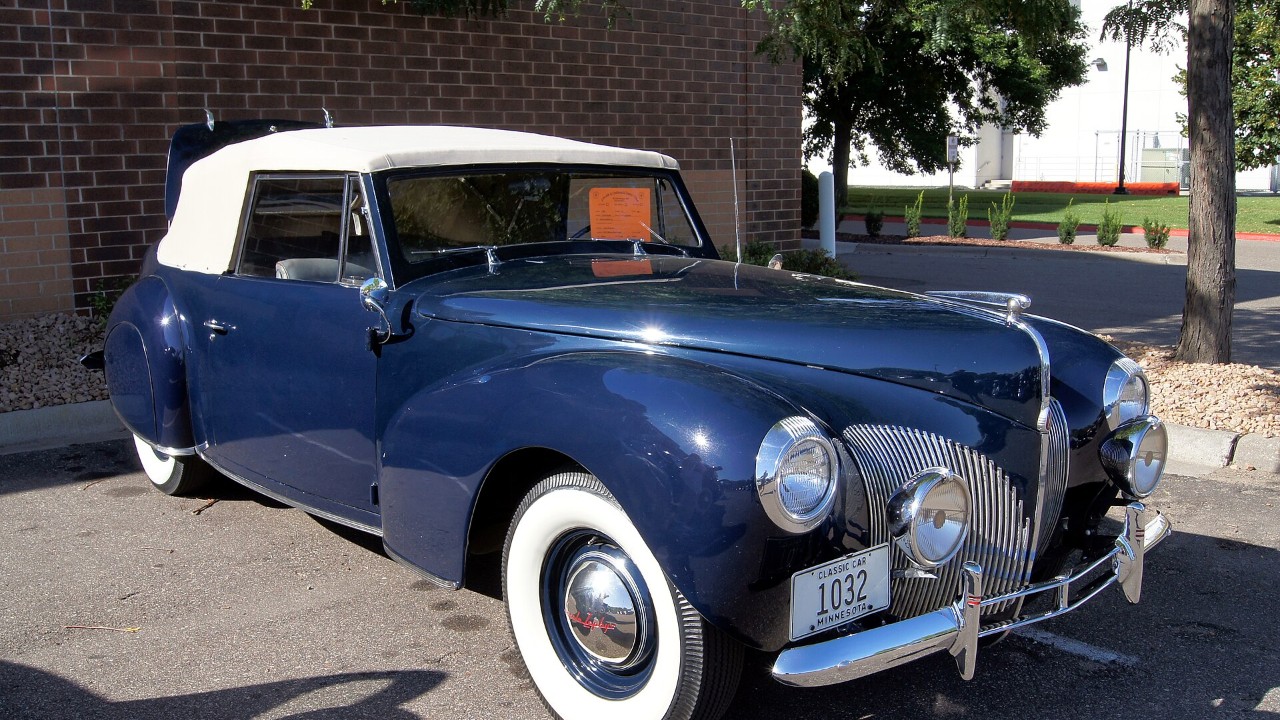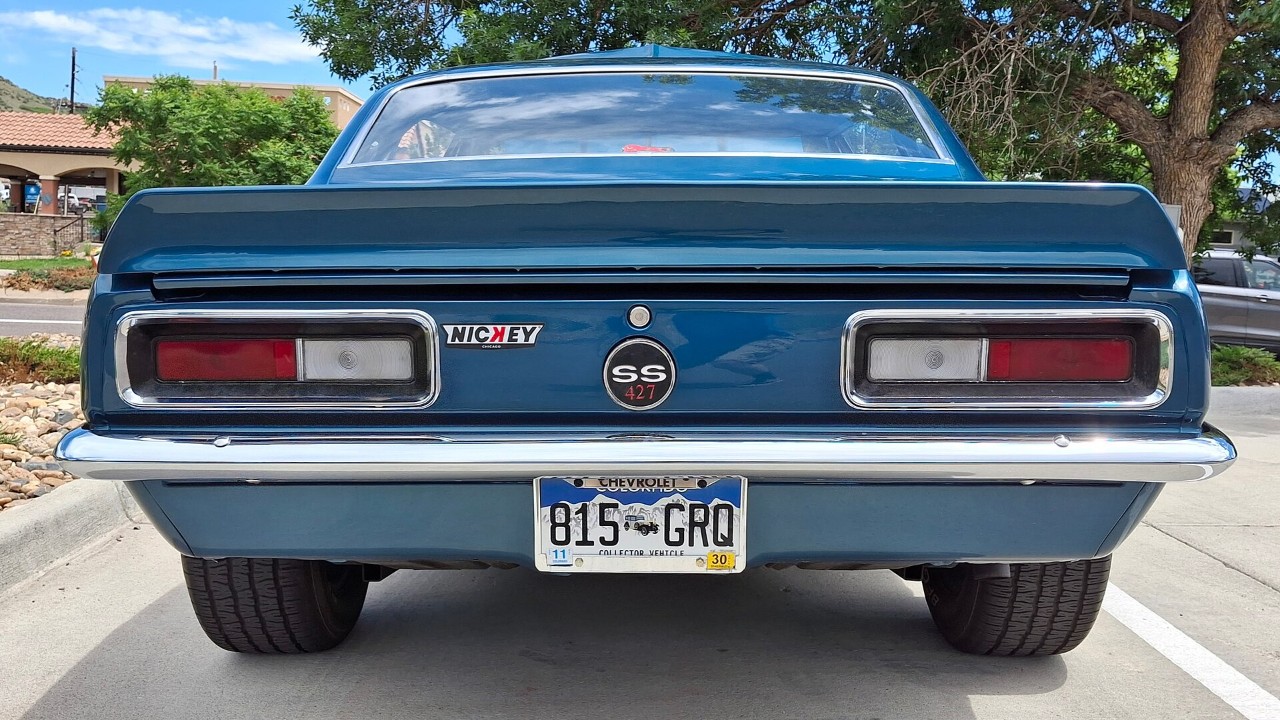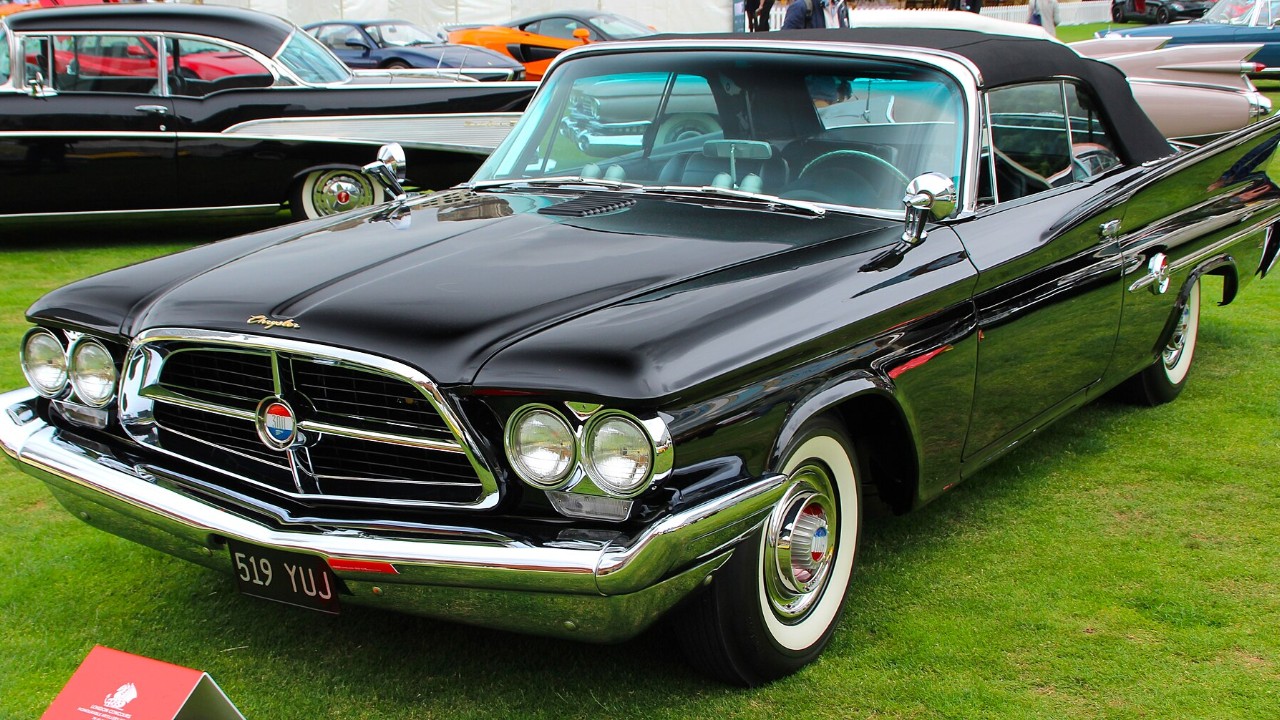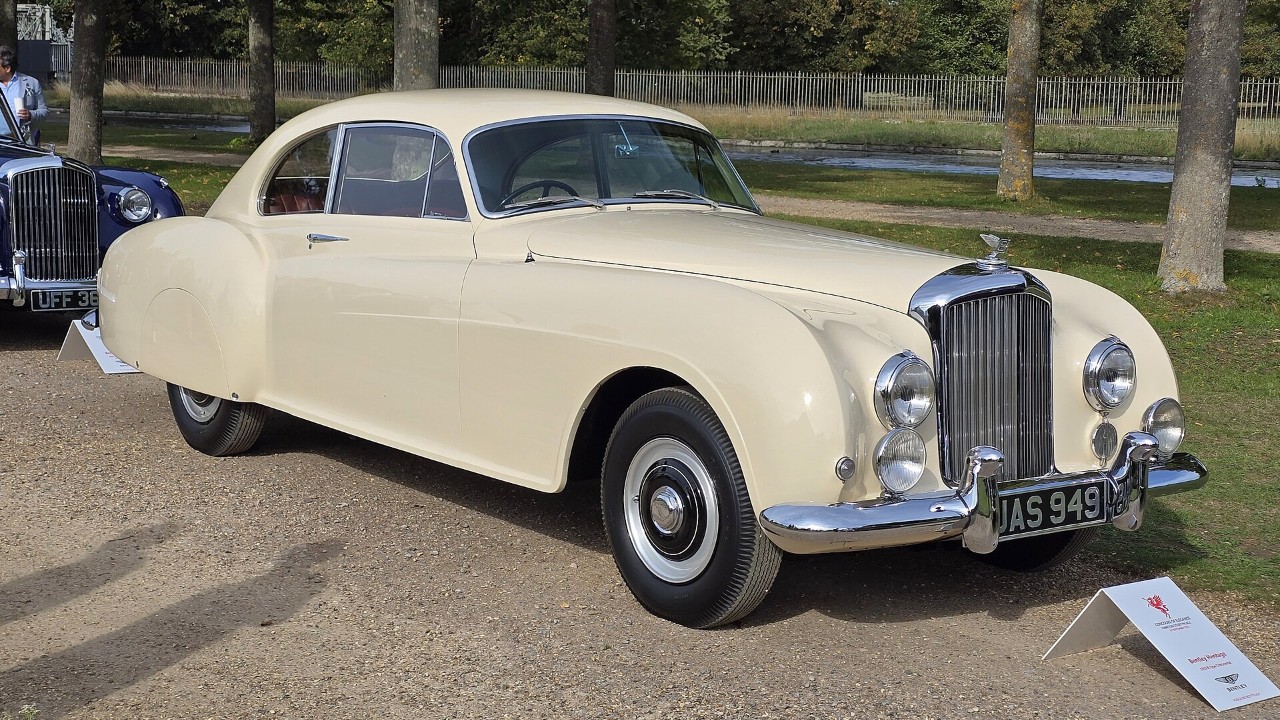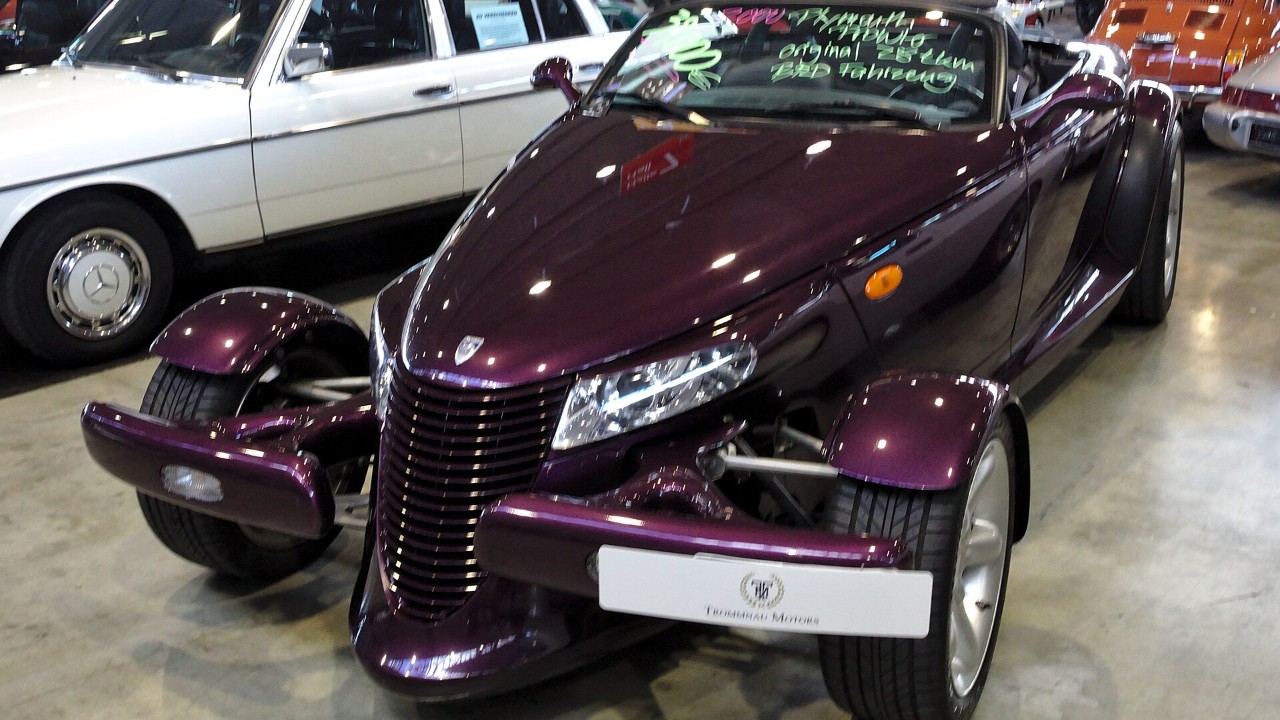
This topic refers to performance cars built mainly in the 1970s to early 1980s, when fuel shortages, stricter emissions laws, and rising fuel economy demands forced automakers to reduce engine power. Even with lower horsepower, these cars stayed important because of their design identity, racing influence, turbo experimentation, and long-term impact on American performance culture.
Pontiac Trans Am (1977–1981)
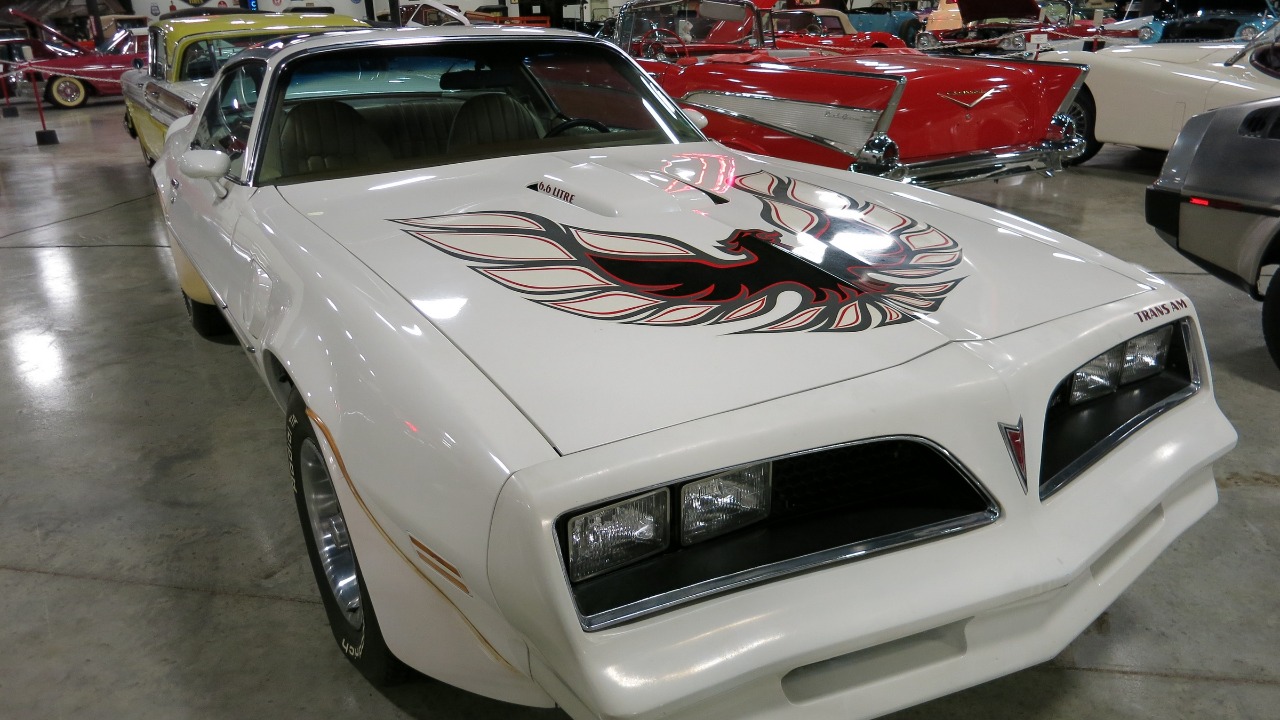
The Pontiac Firebird Trans Am became a symbol of late-70s American performance even during the gas-crisis slowdown, using detuned V8 engines that prioritized emissions compliance over raw output. Despite reduced horsepower, it remained popular due to its aggressive styling, cultural fame in movies and media, and strong enthusiast following, later gaining renewed performance through aftermarket upgrades.
Chevrolet Camaro Z28 (1970s–1980s)
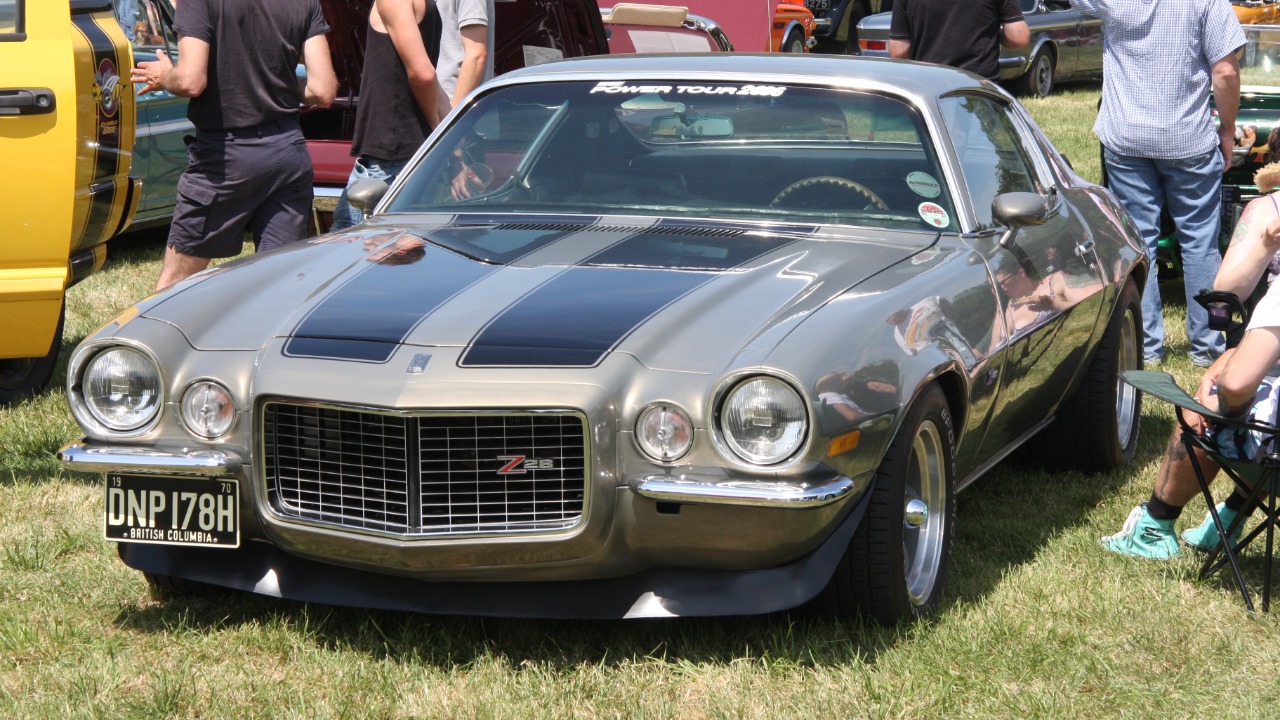
The Chevrolet Camaro Z28 continued to represent performance during a time of declining factory horsepower by focusing on handling improvements and limited V8 options. Even though emissions rules reduced its straight-line speed, it stayed relevant through its strong aftermarket support and its role in keeping the Camaro name alive through a difficult automotive era.
Ford Mustang II Cobra II (1976–1978)
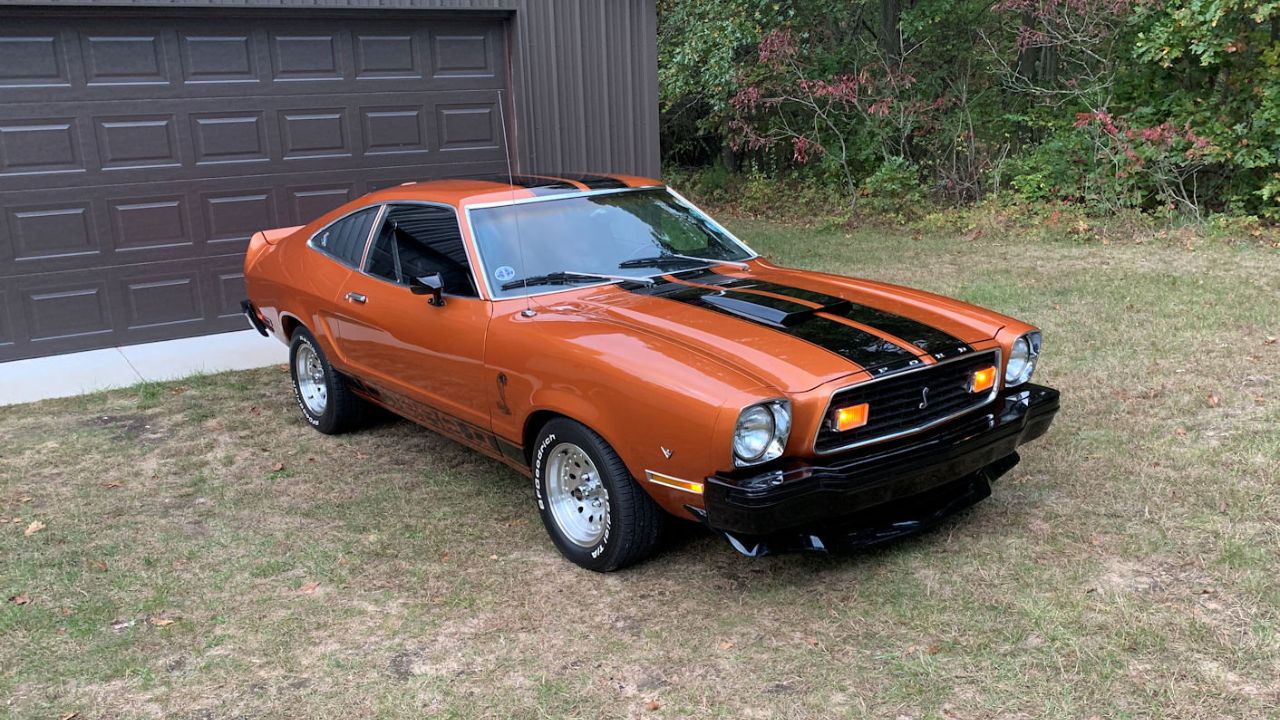
The Ford Mustang II Cobra II package reflected Ford’s response to fuel economy pressures by downsizing engines and focusing on efficiency and lighter construction. While it lacked classic Mustang power, it remained important because it kept the Mustang name active during a period when many performance cars disappeared entirely.
Dodge Charger (Late 1970s)
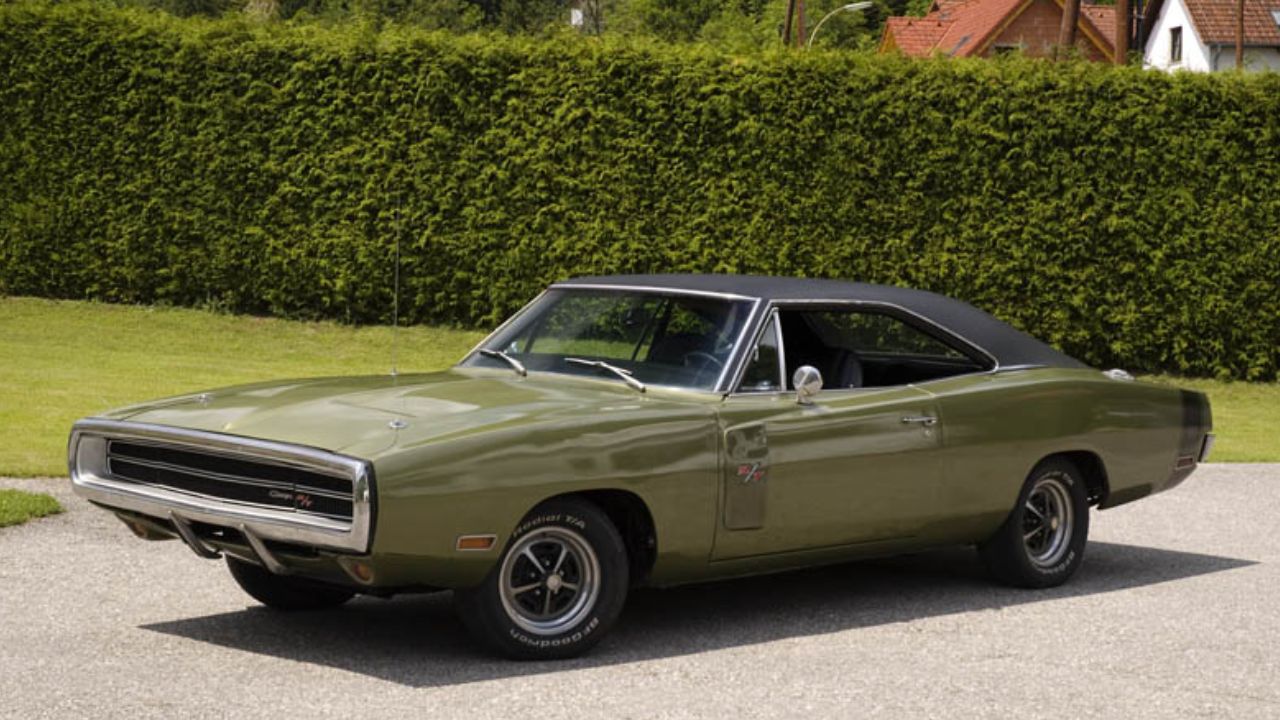
The Dodge Charger of the late gas-crisis era shifted away from big horsepower toward smaller, emissions-friendly engines that reduced performance significantly. Even so, it stayed relevant because of its recognizable nameplate and continued presence in Dodge’s lineup, preserving the Charger identity during a challenging time for muscle cars.
Chevrolet Corvette C3 (Late 1970s–1980s)
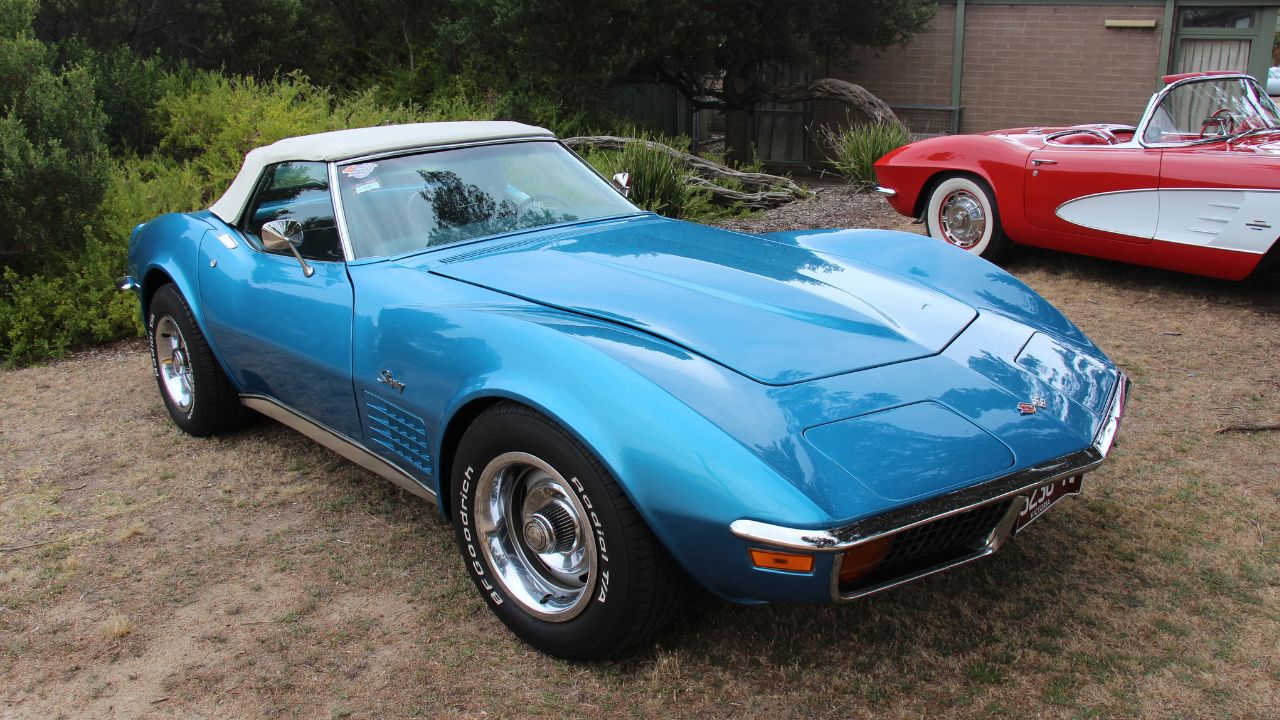
The Chevrolet Corvette C3 suffered major power reductions due to emissions restrictions, with performance dropping compared to earlier generations. However, it remained relevant as America’s flagship sports car thanks to its evolving design, improved chassis tuning over time, and strong enthusiast support that kept the Corvette name alive.
Pontiac Firebird Formula (1970s–1980s)
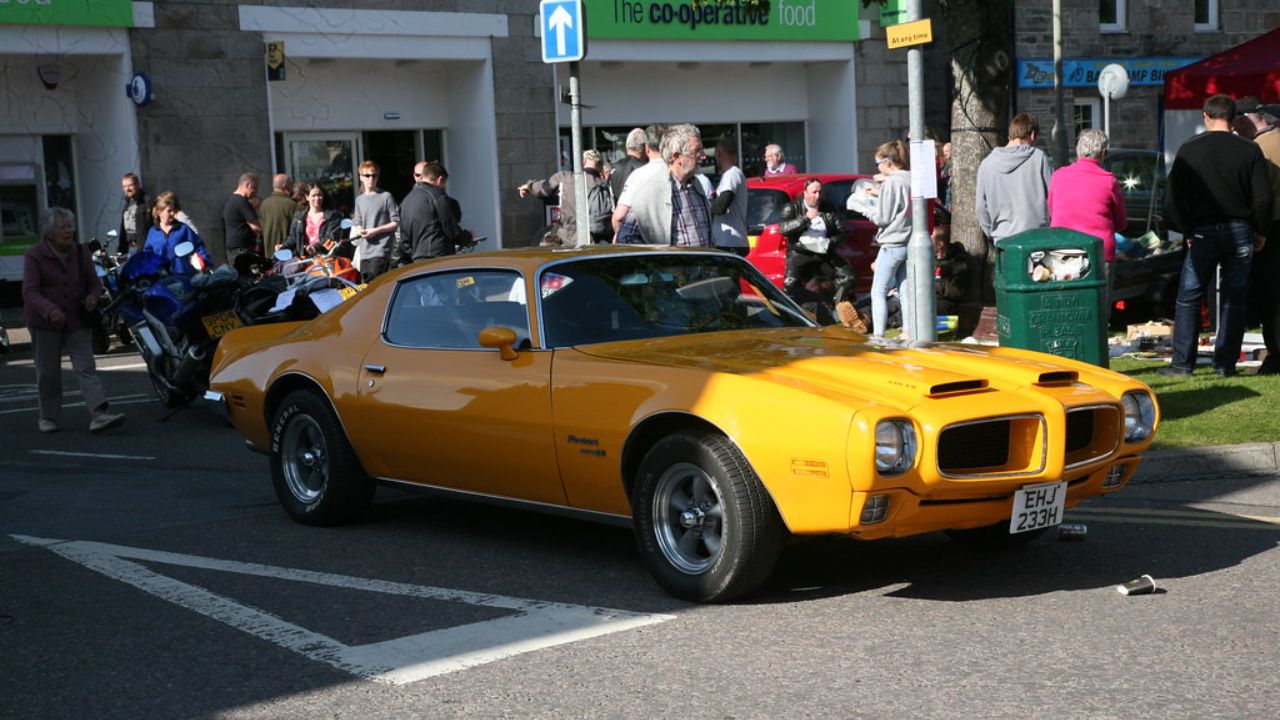
The Pontiac Firebird Formula served as a balanced performance option during the gas-crisis years, offering modest V8 power with a focus on style and drivability. It stayed relevant by giving buyers a middle-ground choice between base models and higher-performance Trans Am variants in a restricted performance era.
Ford Thunderbird Turbo Coupe (1983–1988)
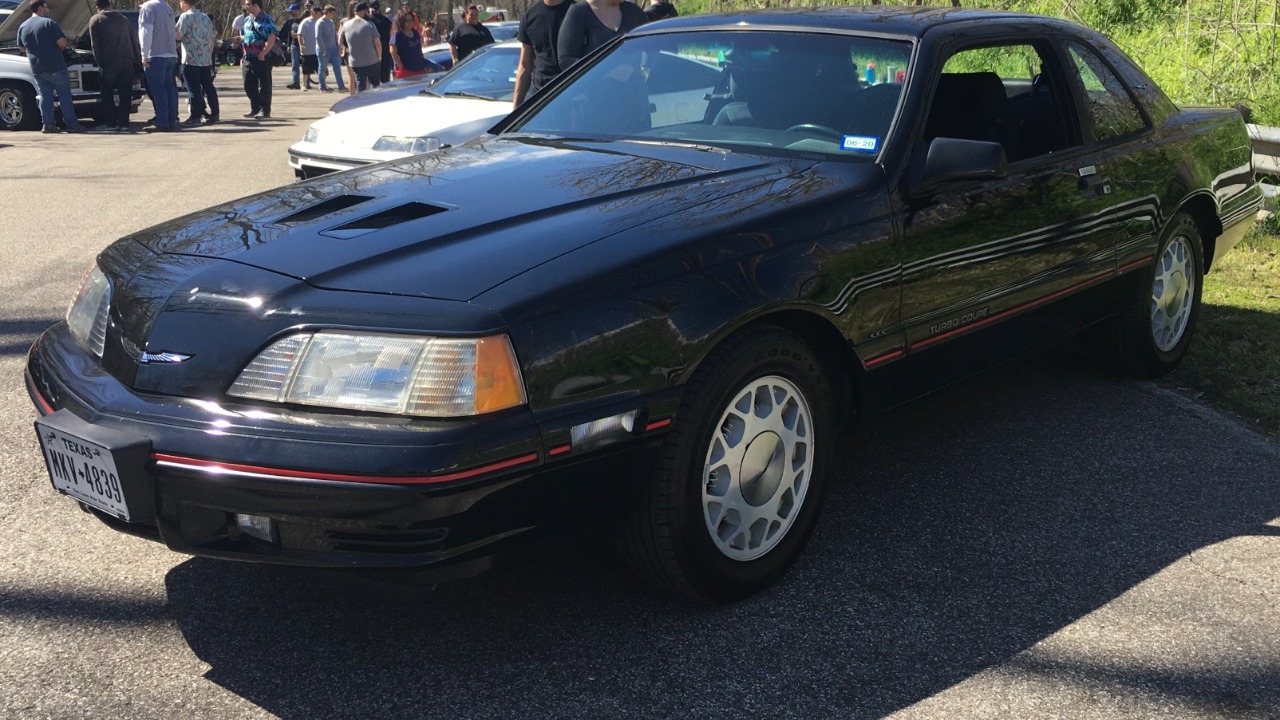
The Ford Thunderbird Turbo Coupe introduced turbocharged four-cylinder performance as an alternative to large engines affected by fuel regulations. It remained relevant because it brought modern turbo technology into mainstream American cars and delivered surprisingly strong performance for its time.
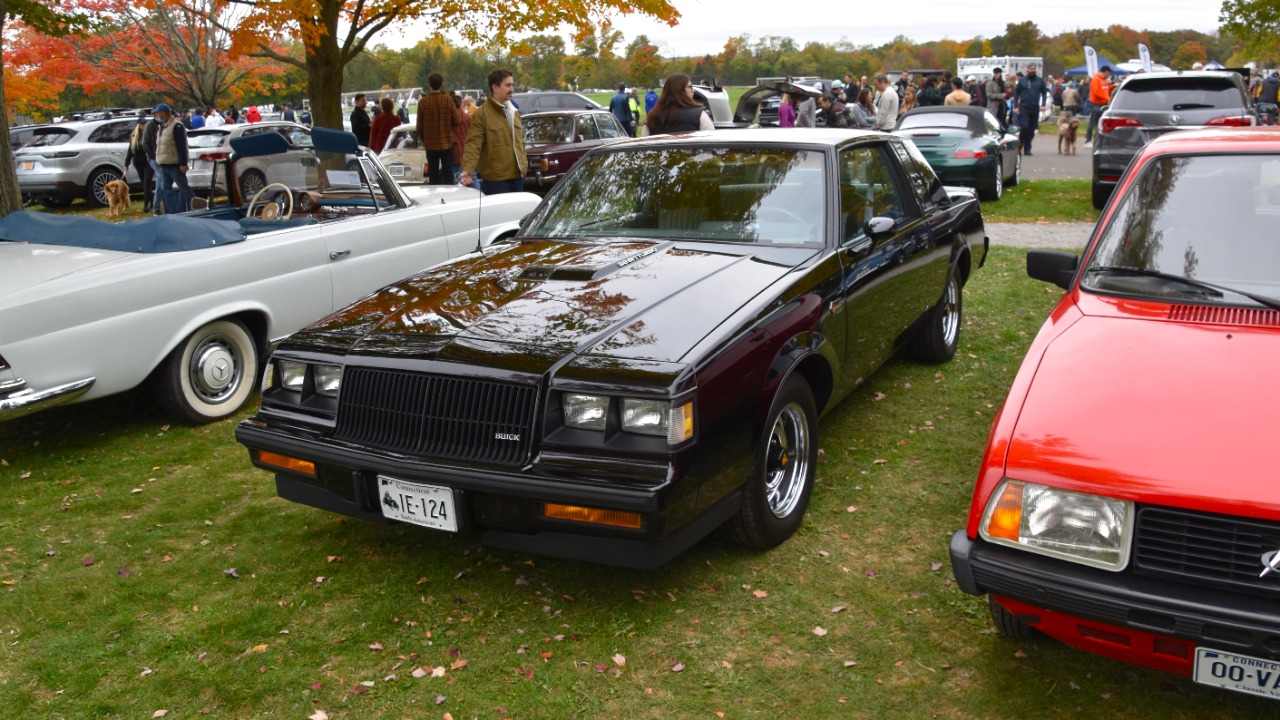
Buick Grand National (1984–1987)
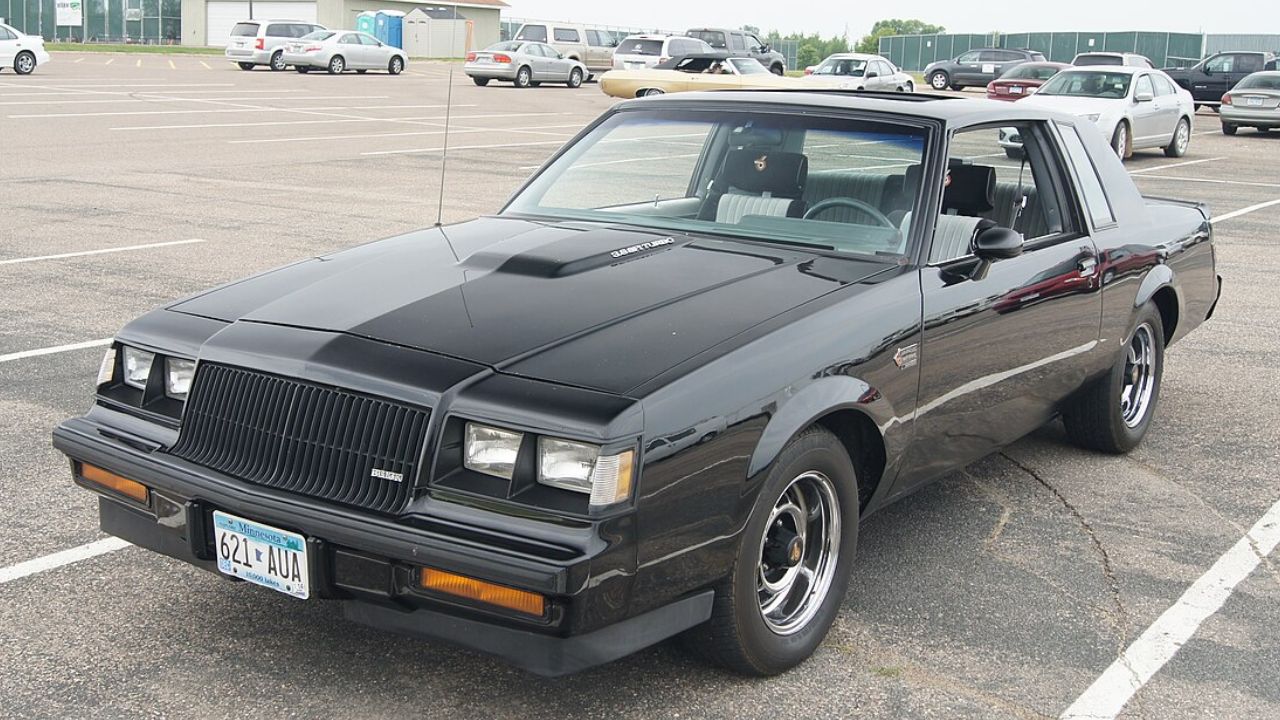
The Buick Regal Grand National used a turbocharged V6 instead of a traditional V8, proving that smaller engines could still deliver serious performance. It became famous for its straight-line speed and sleeper appearance, making it one of the most legendary post-gas-crisis performance cars.
Chevrolet Monte Carlo SS (1983–1988)
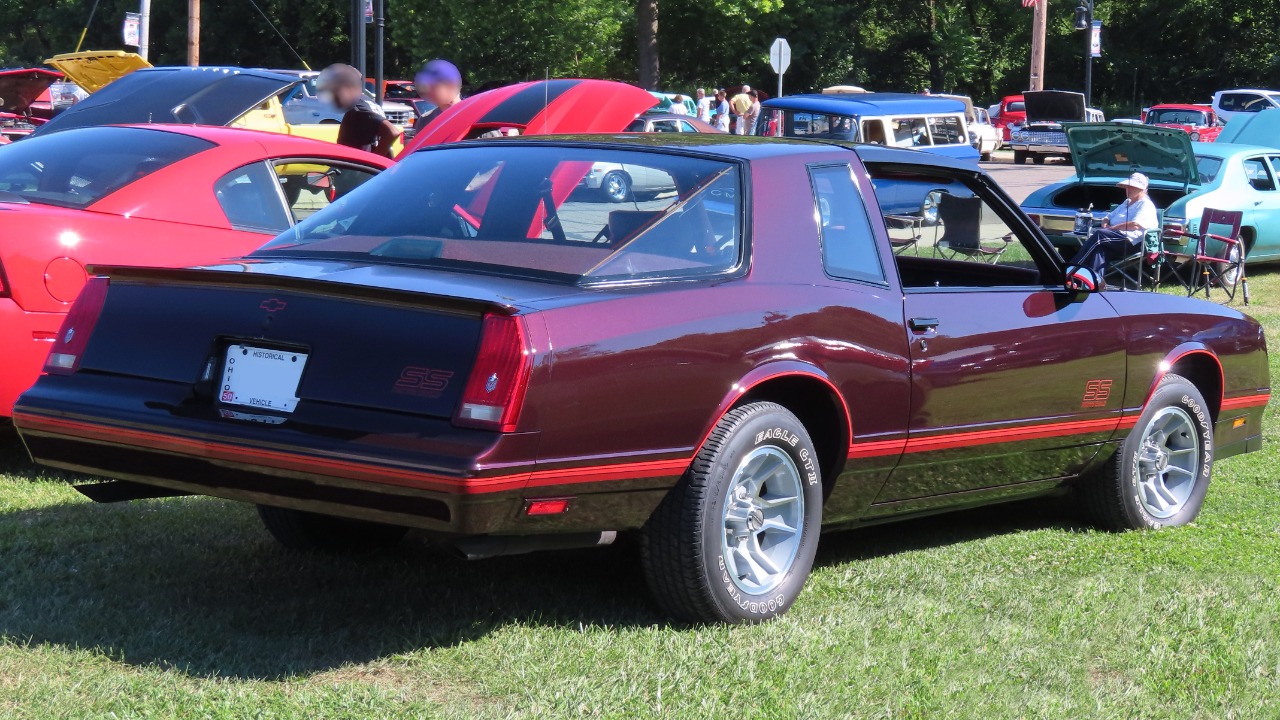
The Chevrolet Monte Carlo SS brought NASCAR-inspired styling and V8 performance back into a time of limited horsepower. While not as powerful as pre-crisis muscle cars, it stayed relevant through its racing connection, aerodynamic design, and strong cultural presence in American performance history.
More From Fast Lane Only: