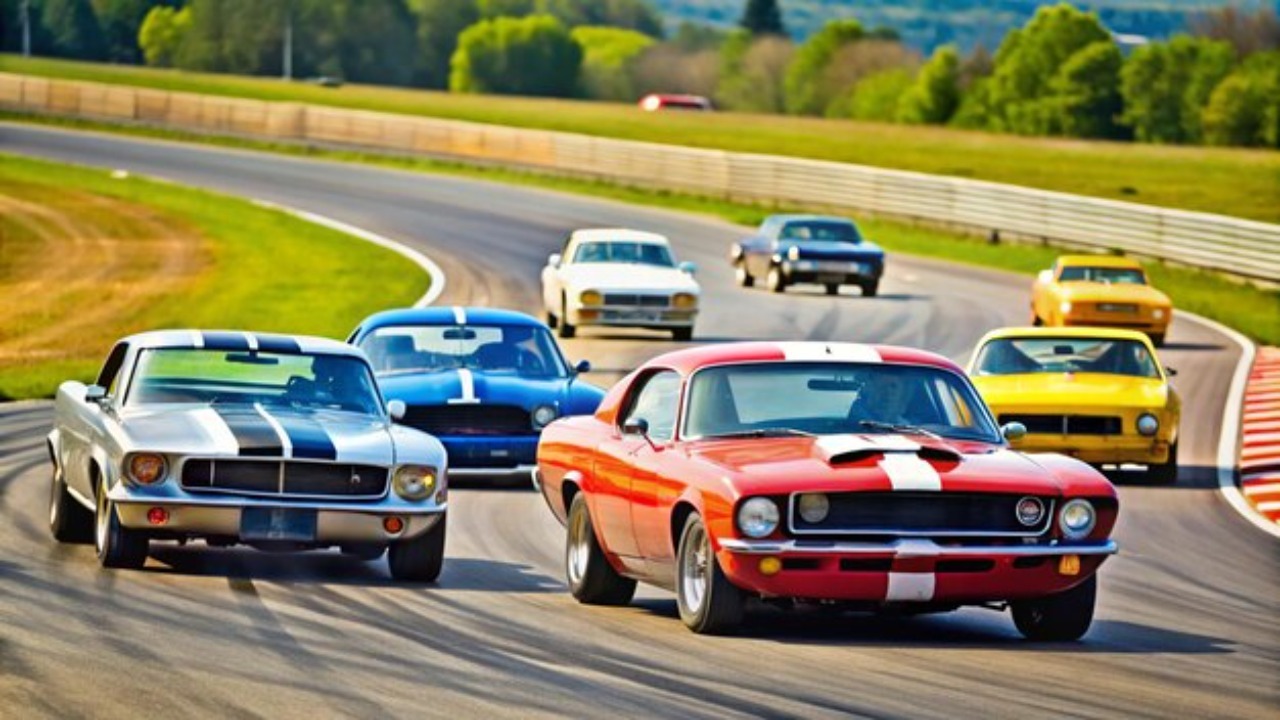
Muscle cars are renowned for their powerful V8 engines and the roar that turns heads. However, not all models stayed true to this legacy. Some iconic muscle cars were released with engines that seemed out of place. Let’s take a look at 10 muscle cars that sported unexpected engine choices.
Ford Mustang II with the 2.3L Inline-4
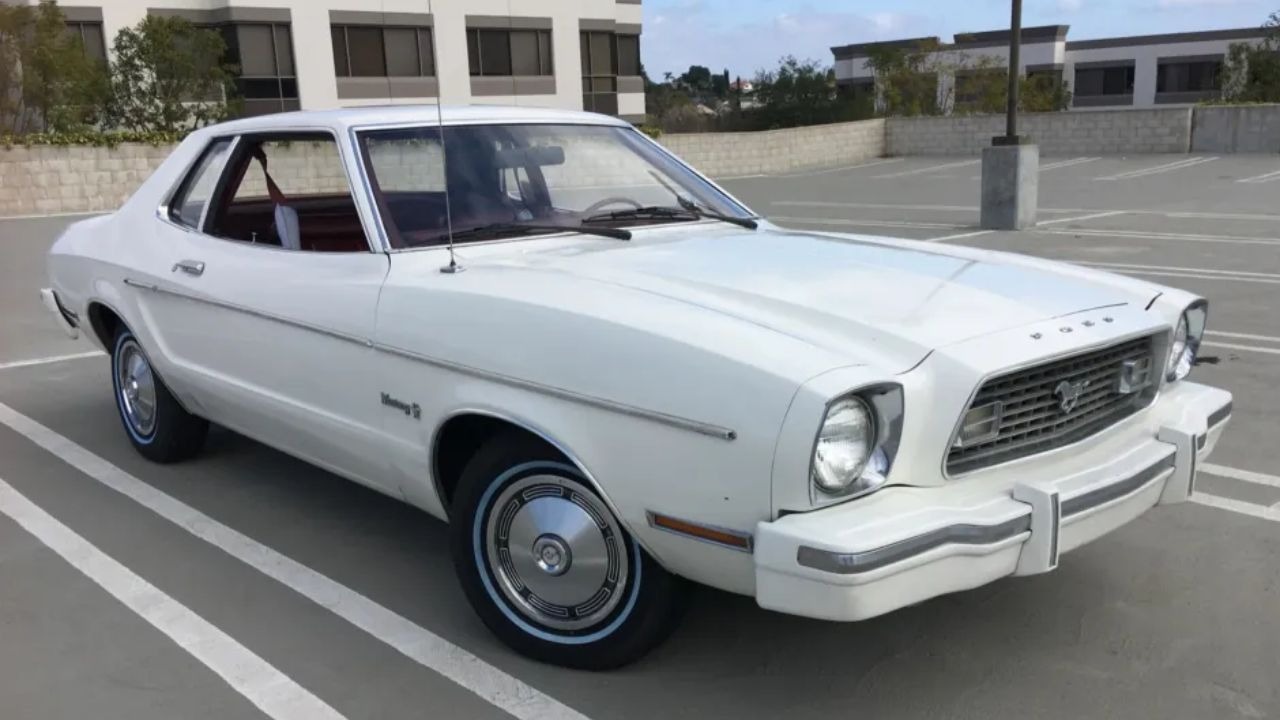
The Ford Mustang II was introduced during a time of stringent emissions regulations and fuel crises. It came with a 2.3L inline-4 engine, a far cry from the powerful V8s that the Mustang was known for. While it offered better fuel efficiency, it lacked the power and performance that muscle car enthusiasts craved.
Chevrolet Camaro Berlinetta with the 2.8L V6
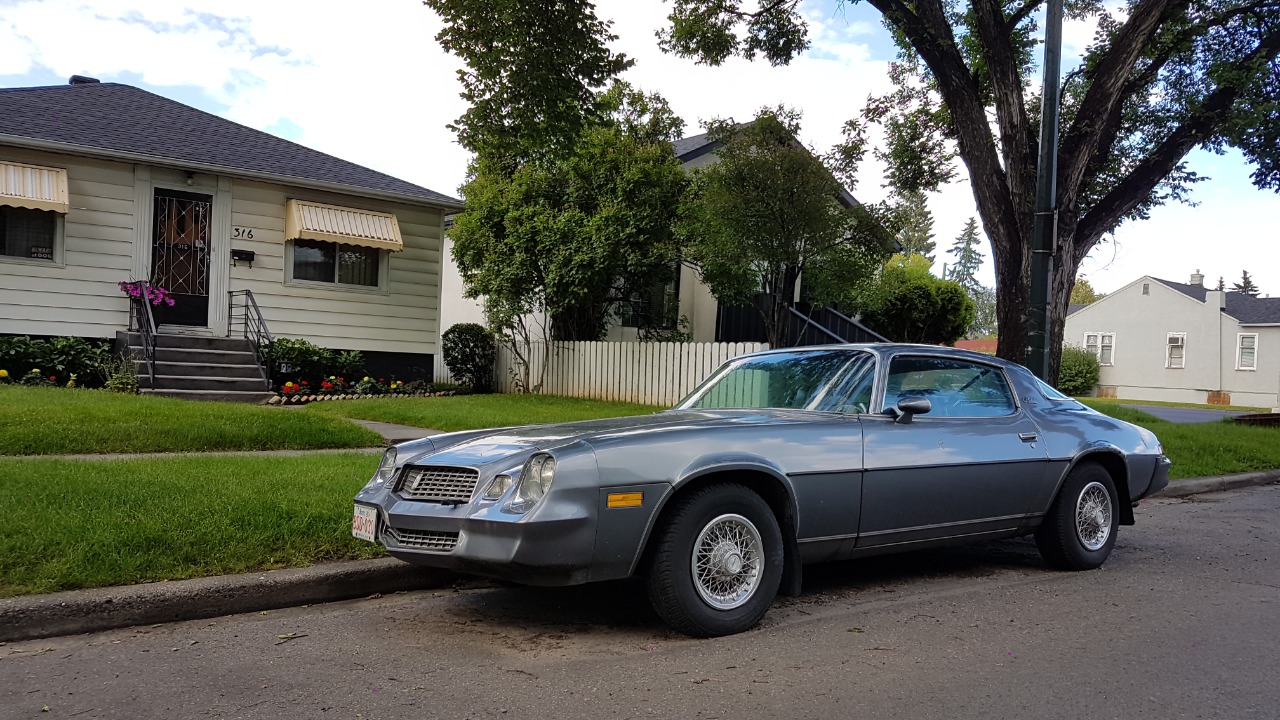
The Chevrolet Camaro Berlinetta of the early 1980s was marketed as a luxury variant. It featured a 2.8L V6 engine, focusing more on comfort than performance. While this choice catered to a different audience, it was not what traditional muscle car fans expected from a Camaro. Read more about American muscle cars.
Pontiac Firebird with the 2.5L Iron Duke
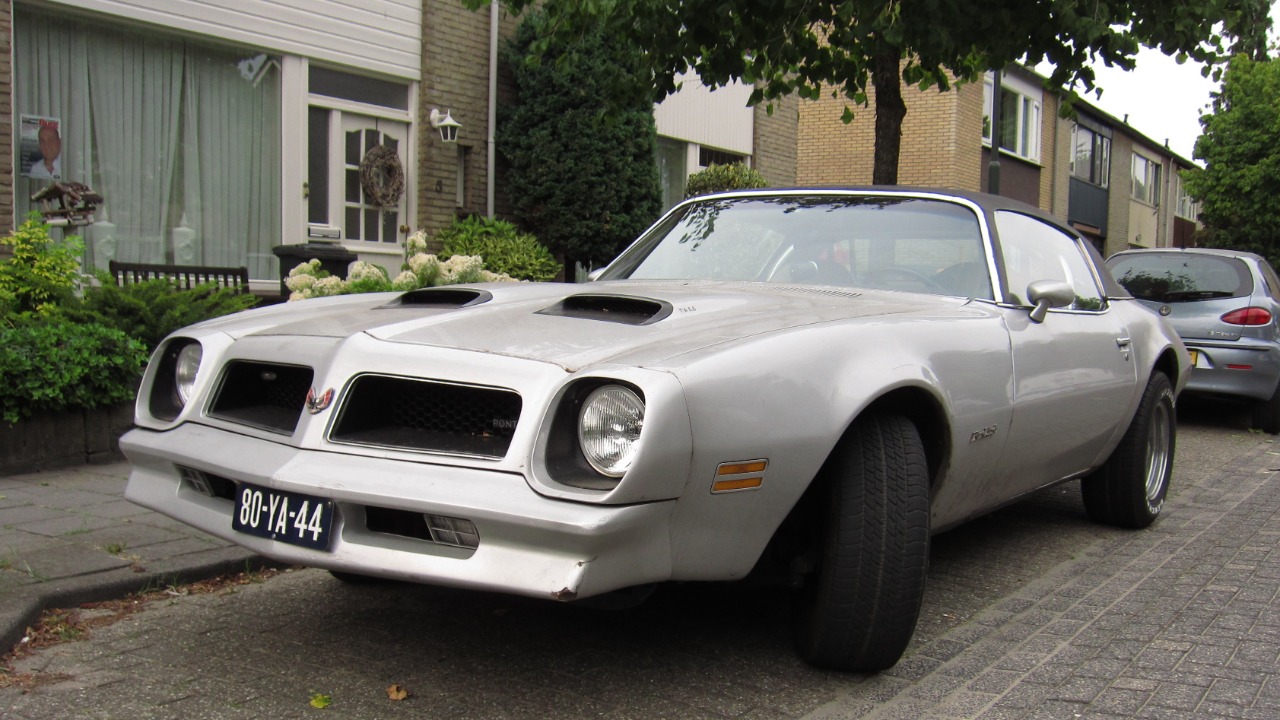
The Pontiac Firebird was another victim of the fuel economy era. The 2.5L Iron Duke engine was fuel-efficient but lacked power. This configuration was a departure from the Firebird’s high-performance roots, leaving many enthusiasts longing for more.
Dodge Challenger with the 2.2L Turbo I4
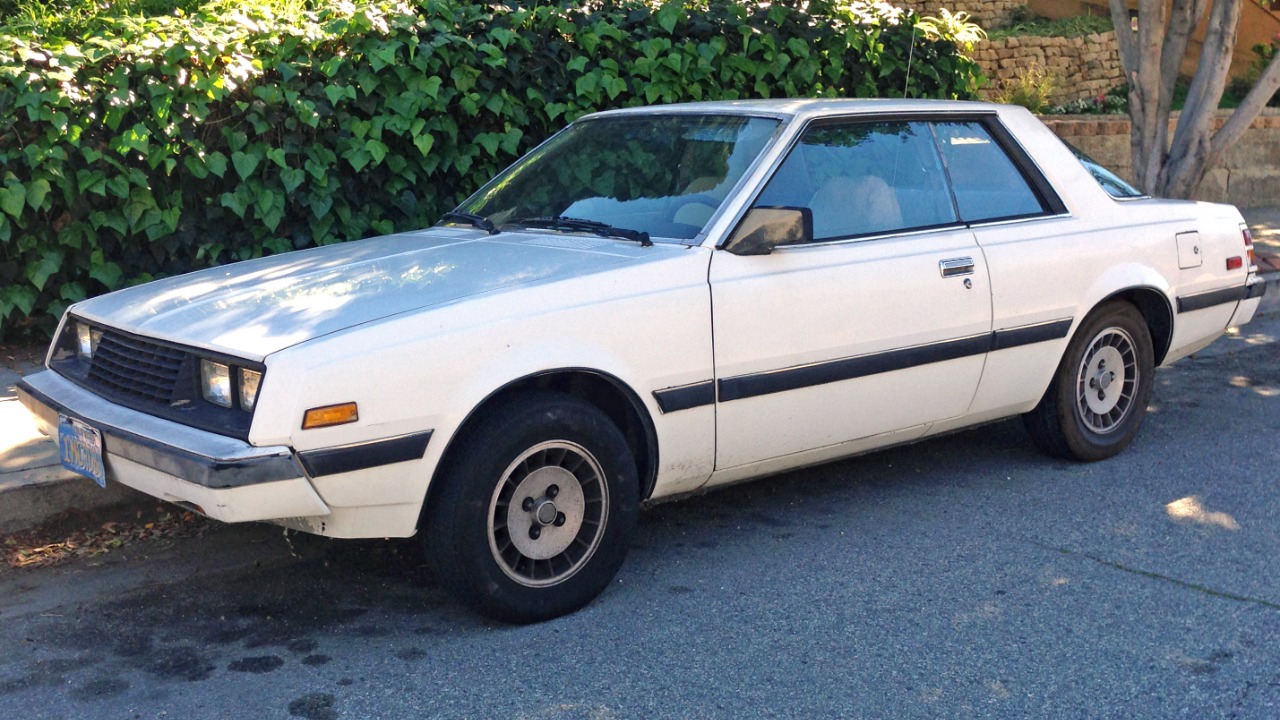
The Dodge Challenger was known for its aggressive styling and powerful engines. However, the 1980s saw a shift with the introduction of a 2.2L Turbo I4 engine. While the turbo added some excitement, it still fell short of delivering the muscle that the Challenger name implied.
Plymouth Barracuda with the 3.7L Slant-Six
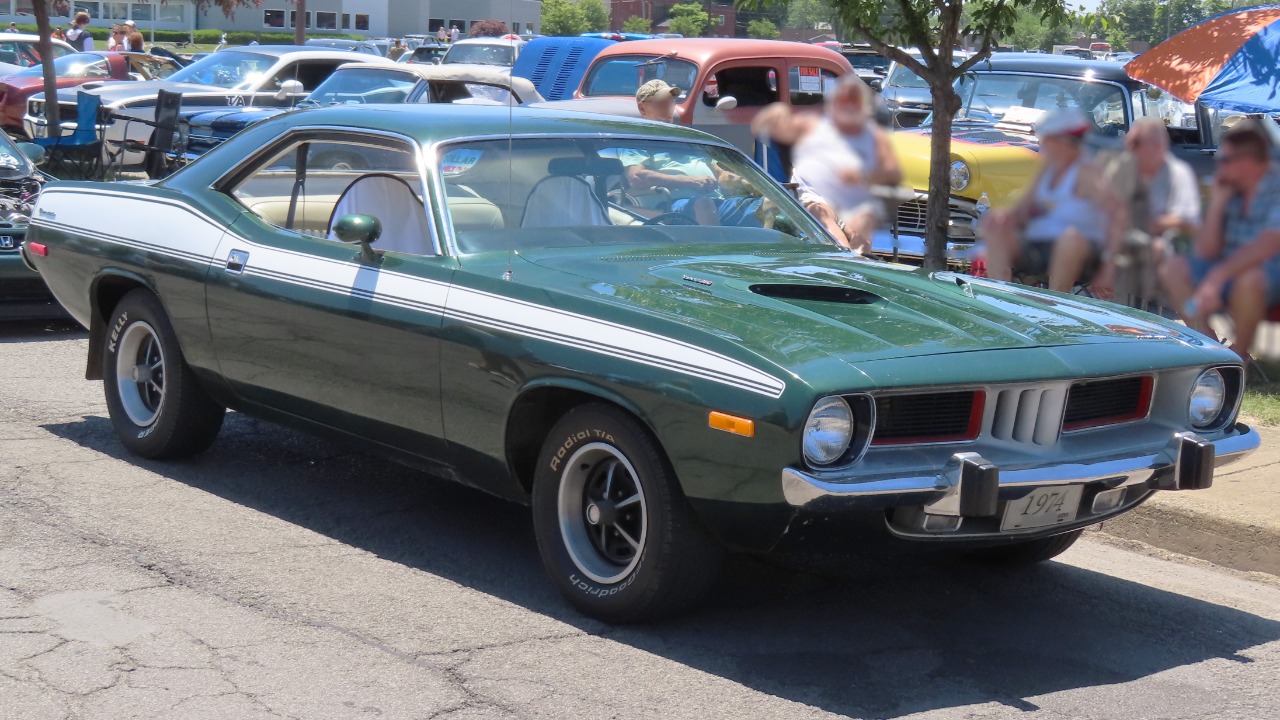
The Plymouth Barracuda is legendary in the muscle car world. However, the 3.7L Slant-Six engine option was more suited for economy than performance. Although it was reliable, it didn’t satisfy those looking for the raw power expected from a Barracuda.
AMC Javelin with the 4.2L Inline-6
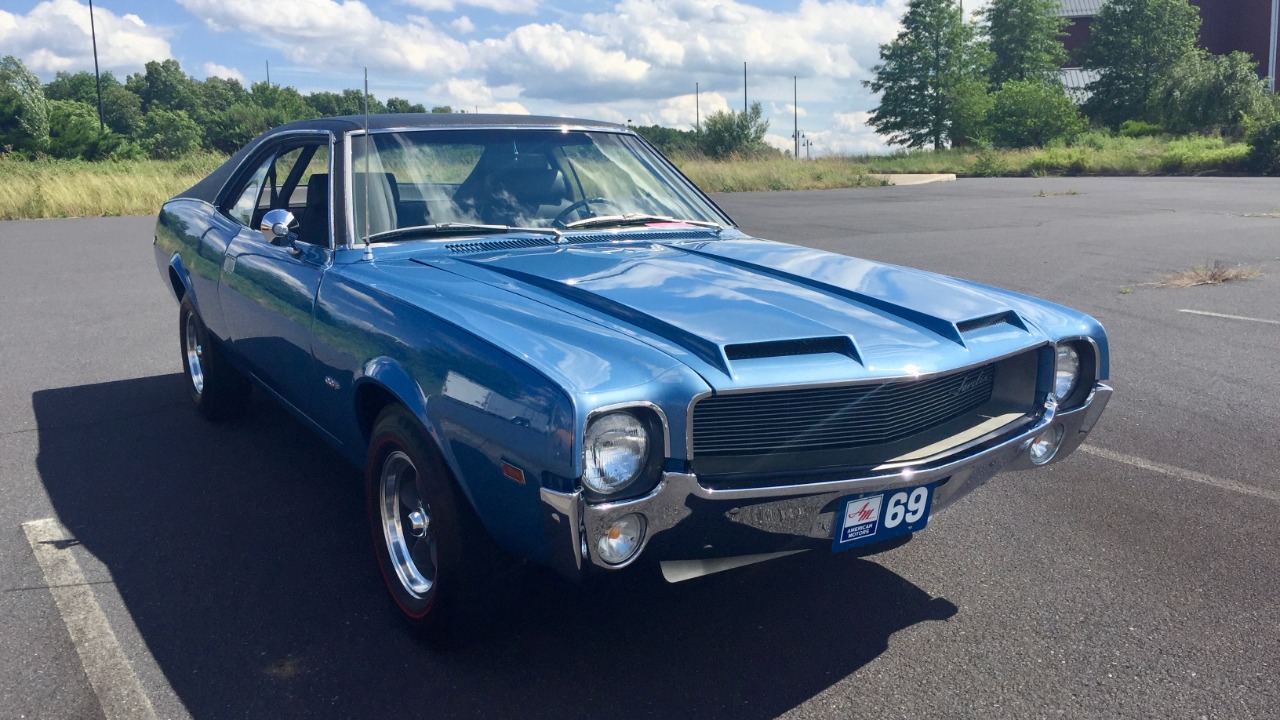
The AMC Javelin was another muscle car that experimented with smaller engines. The 4.2L inline-6 engine was efficient but didn’t deliver the muscle car performance enthusiasts anticipated. This choice reflected the broader trend of prioritizing fuel efficiency over raw power during that era.
Mercury Cougar with the 3.8L V6
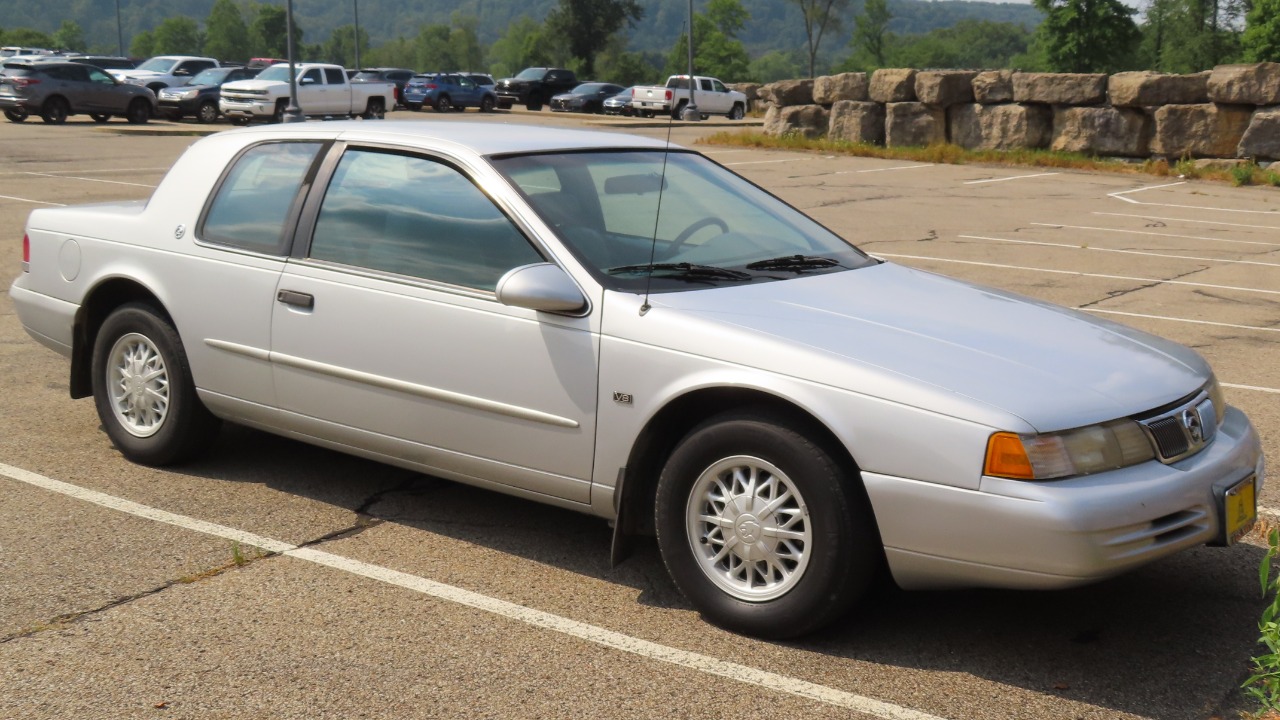
The Mercury Cougar was known for its blend of luxury and performance. However, the 3.8L V6 engine option did little to excite muscle car purists. While it offered a smooth ride, it lacked the punch that Cougar fans had come to expect.
Oldsmobile 442 with the 3.8L V6
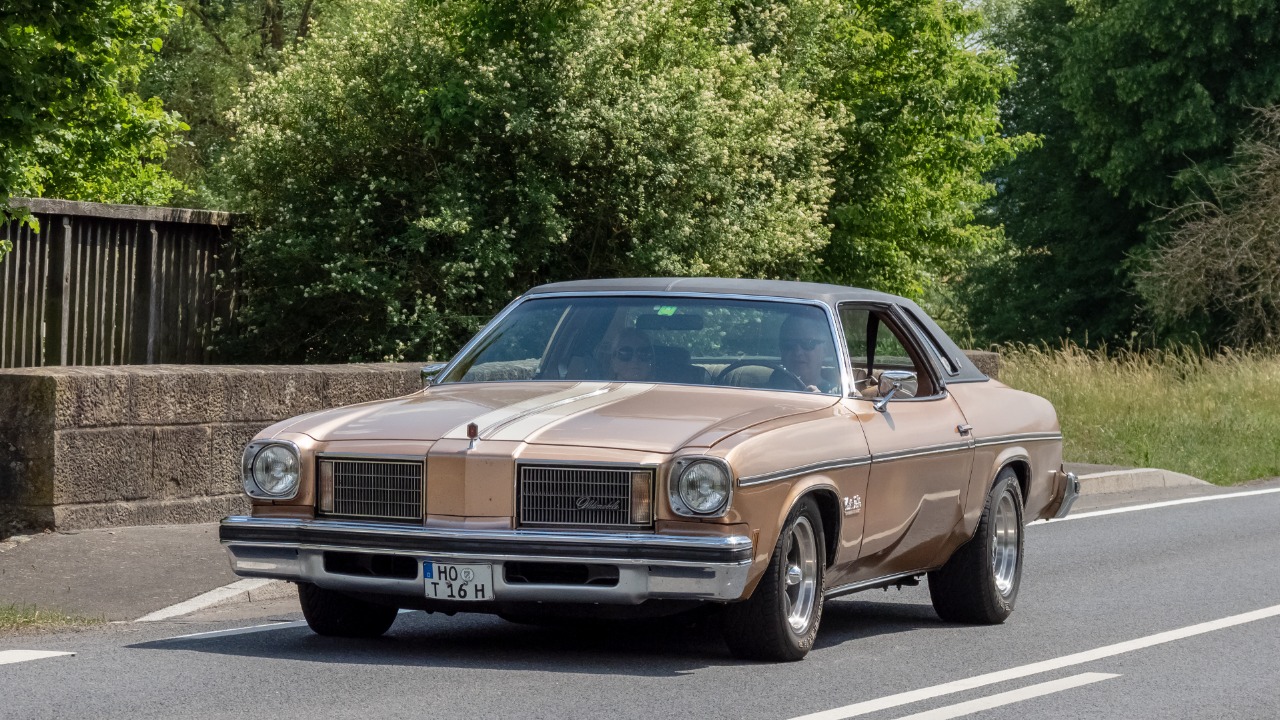
The Oldsmobile 442 was a symbol of muscle car prowess. However, the introduction of a 3.8L V6 engine was a move away from its high-performance heritage. This engine choice was more about economy than the exhilarating performance that the 442 badge promised.
Buick Gran Sport with the 3.8L Turbo V6
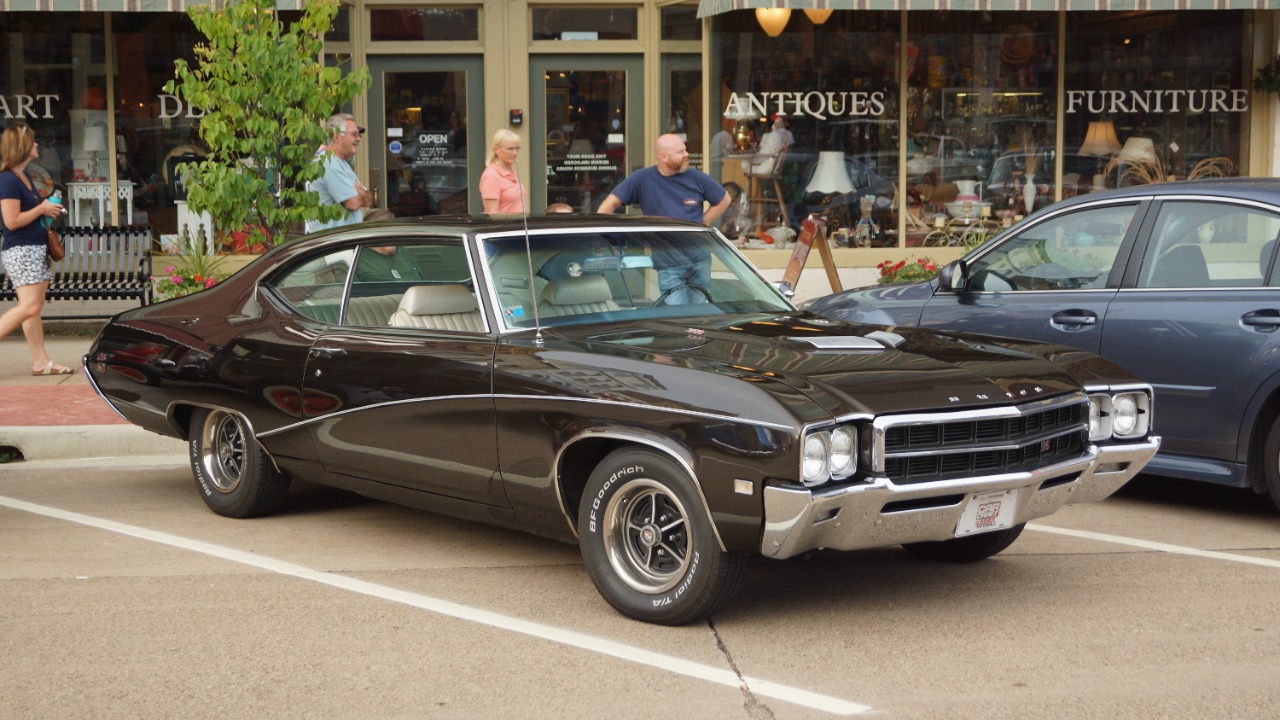
The Buick Gran Sport’s 3.8L Turbo V6 engine was an attempt to combine turbocharging with lighter engines. While it offered some performance benefits, it didn’t quite measure up to the classic muscle car expectations. Learn more about the Buick Gran Sport’s history.
Chevrolet Chevelle Malibu with the 3.3L Inline-6
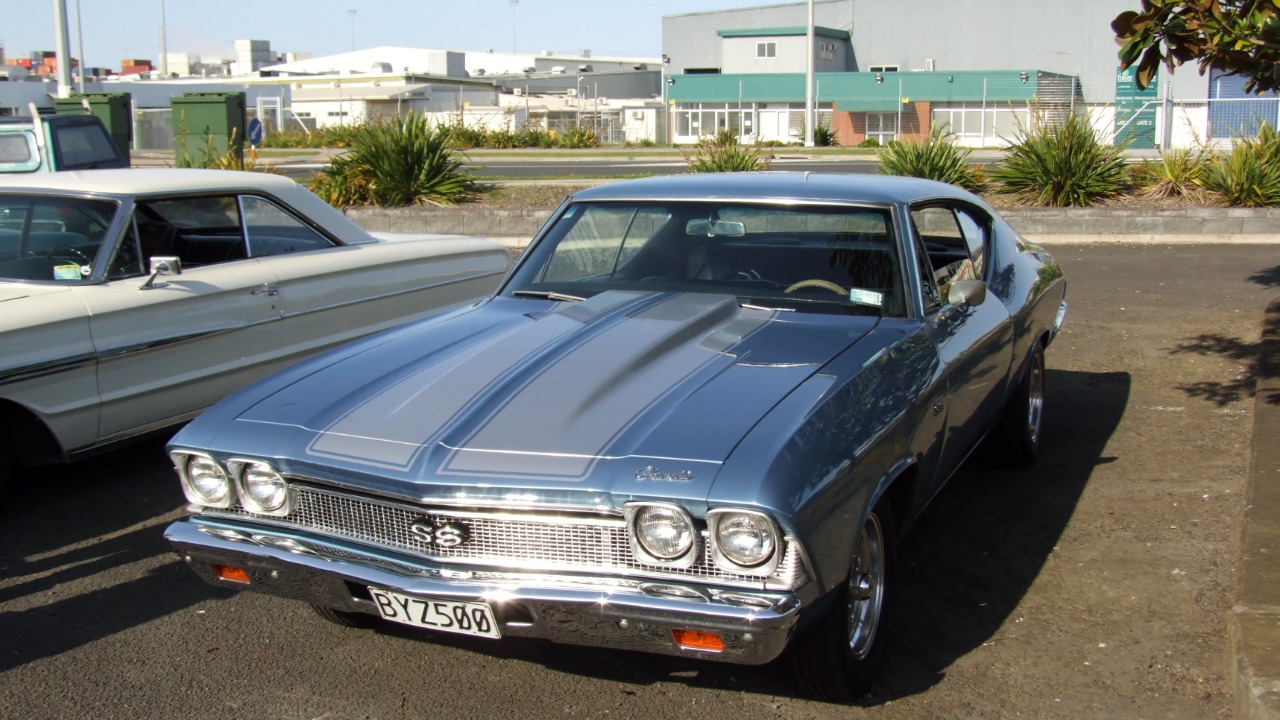
The Chevrolet Chevelle Malibu’s 3.3L inline-6 engine was another example of the muscle car adapting to changing times. Although it provided a more economical option, it didn’t deliver the performance muscle car enthusiasts were looking for. For a deeper dive into muscle car engines, check this source.