Performance trucks were once seen as contradictions, built more for hauling than outright speed. Yet a handful of bold manufacturers decided to ignore expectations and chase acceleration numbers instead. The results shocked competitors, enthusiasts, and sometimes even their own brands. These ten performance trucks caught the industry completely off guard.
GMC Syclone
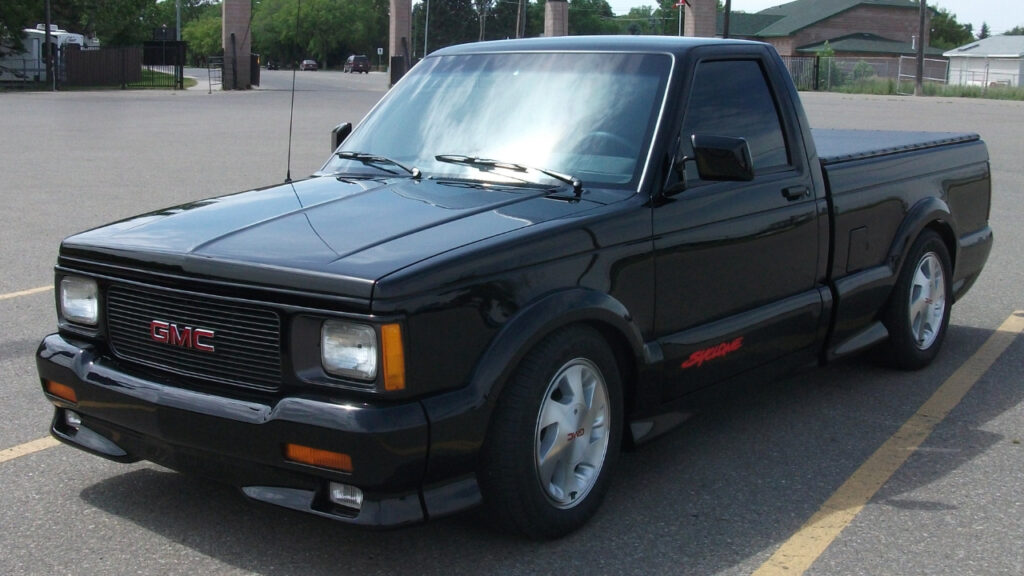
When the Syclone arrived with a turbocharged 4.3-liter V6 and all-wheel drive, few expected it to outrun contemporary sports cars. Its 0–60 times embarrassed V8 muscle machines of the early 1990s. Limited production made it even more surprising in hindsight. It proved a compact pickup could deliver supercar-level acceleration without warning the segment first.
Ford F-150 SVT Lightning
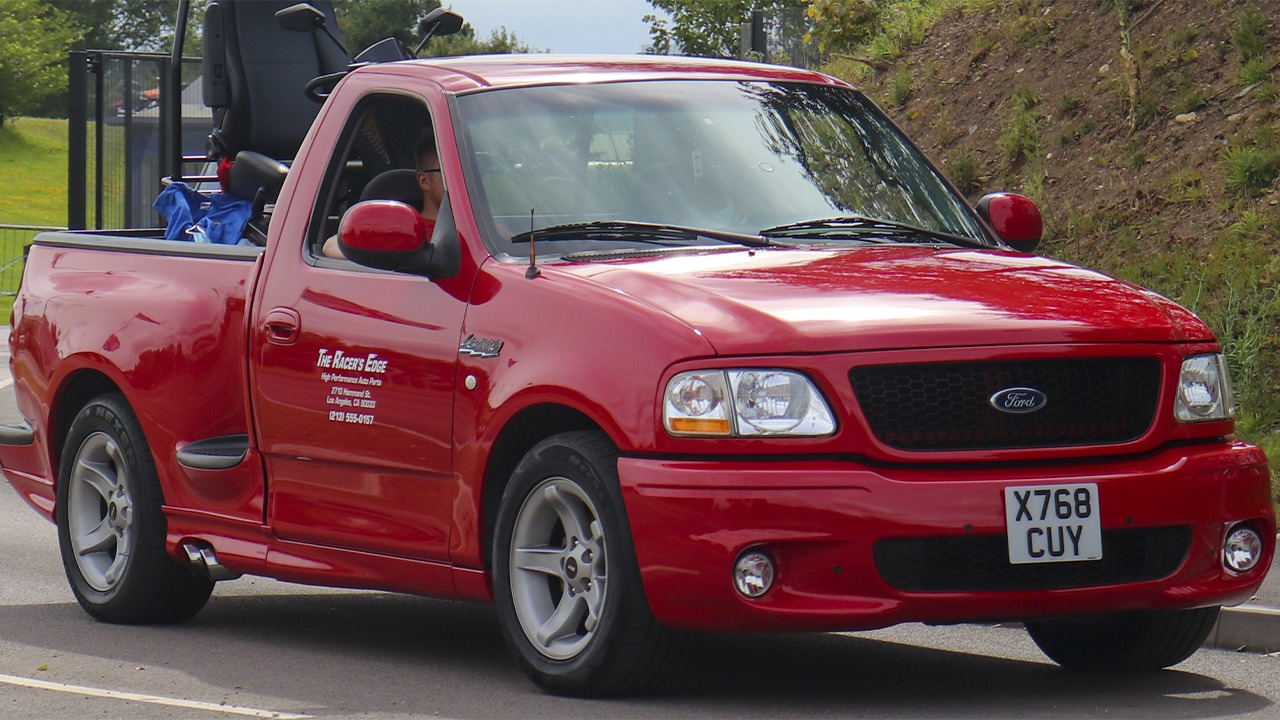
Ford’s first Lightning transformed the familiar F-150 into a street-focused performance machine. A tuned 5.8-liter V8, lowered suspension, and improved handling created a genuine factory hot rod. It arrived before performance trucks were widely accepted. The Lightning established that full-size pickups could chase speed as seriously as coupes.
Dodge Ram SRT-10
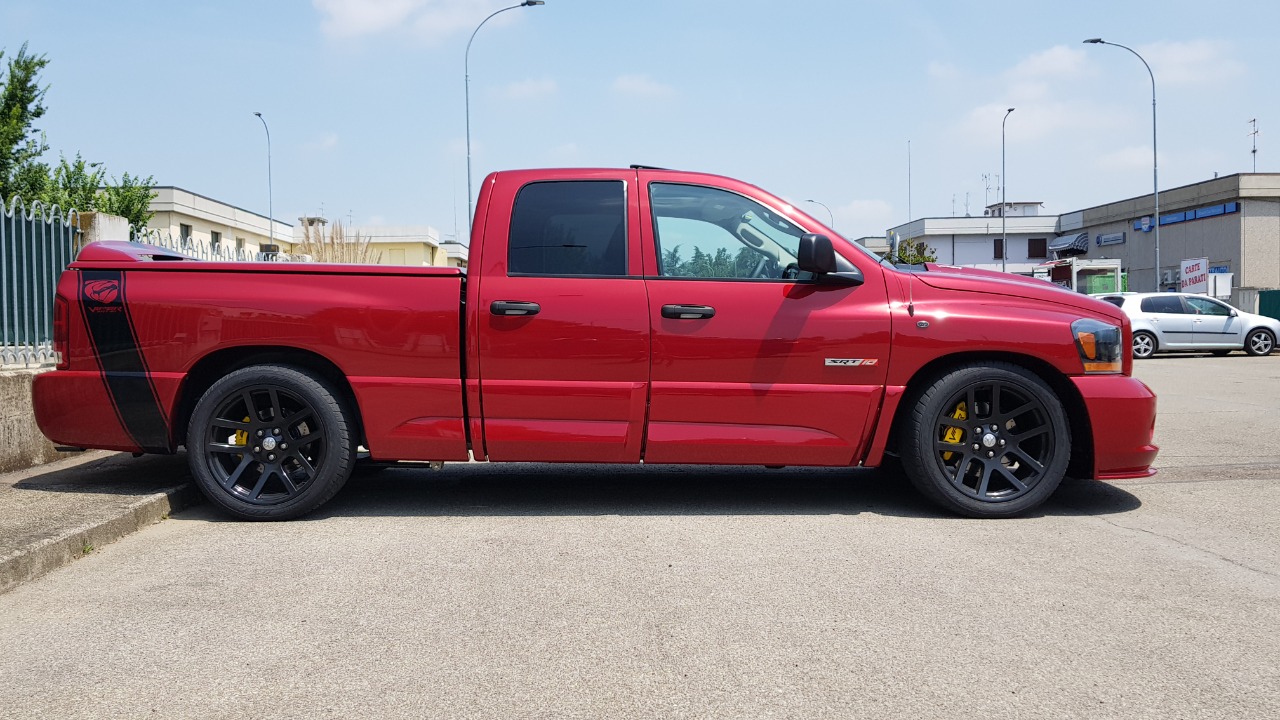
Installing a Viper-sourced 8.3-liter V10 into a Ram pickup felt excessive, and that was the point. The Ram SRT-10 delivered massive horsepower and record-setting top speed for a production truck. Its sheer displacement shocked even seasoned enthusiasts. Dodge proved outrageous engine swaps could make a heavy pickup genuinely quick.
Chevrolet Silverado SS

The Silverado SS combined a 6.0-liter V8 with all-wheel drive and sport-tuned suspension. It looked relatively subtle compared to rivals, yet delivered serious straight-line punch. Many underestimated it until they experienced its torque-rich acceleration. It quietly reinforced Chevrolet’s commitment to factory-built performance trucks.
Toyota Tacoma X-Runner
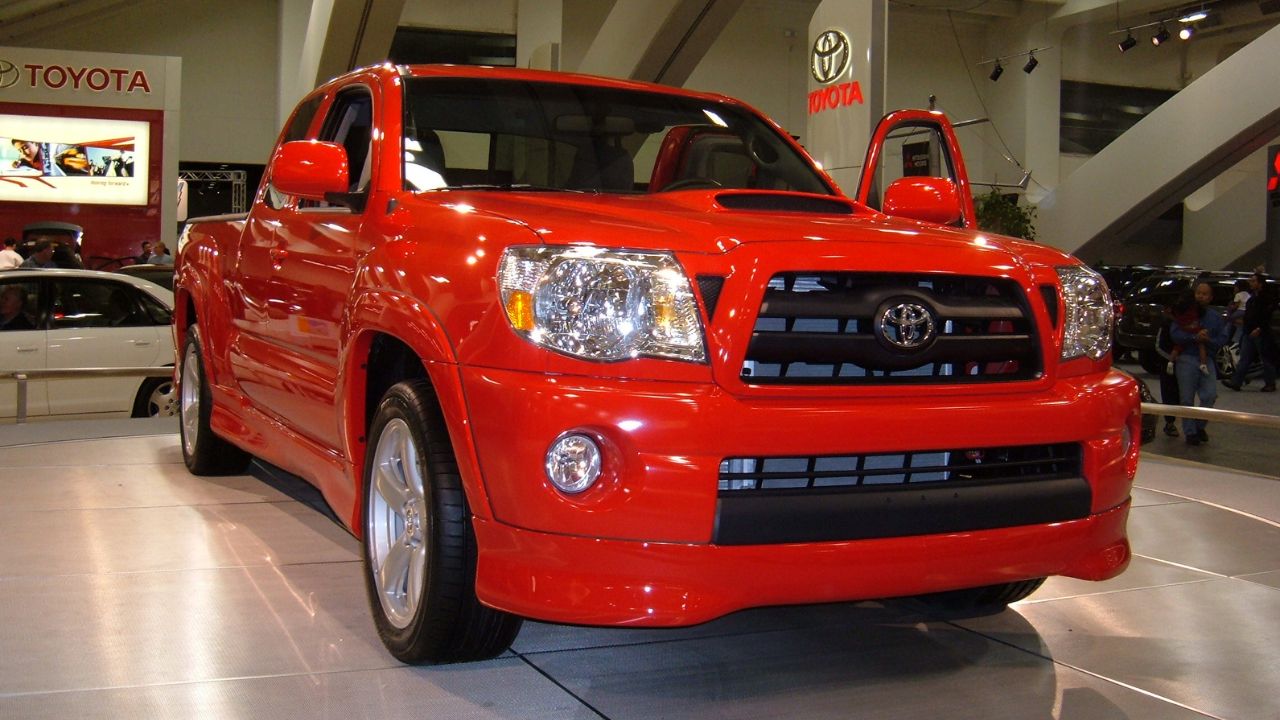
Toyota’s X-Runner focused on cornering ability rather than brute horsepower. A lowered stance, sport suspension, and a strong V6 gave it balanced road manners rare for pickups. It surprised drivers who expected only straight-line performance from the segment. The X-Runner showed handling could be just as disruptive as raw speed.
Ford F-150 Raptor
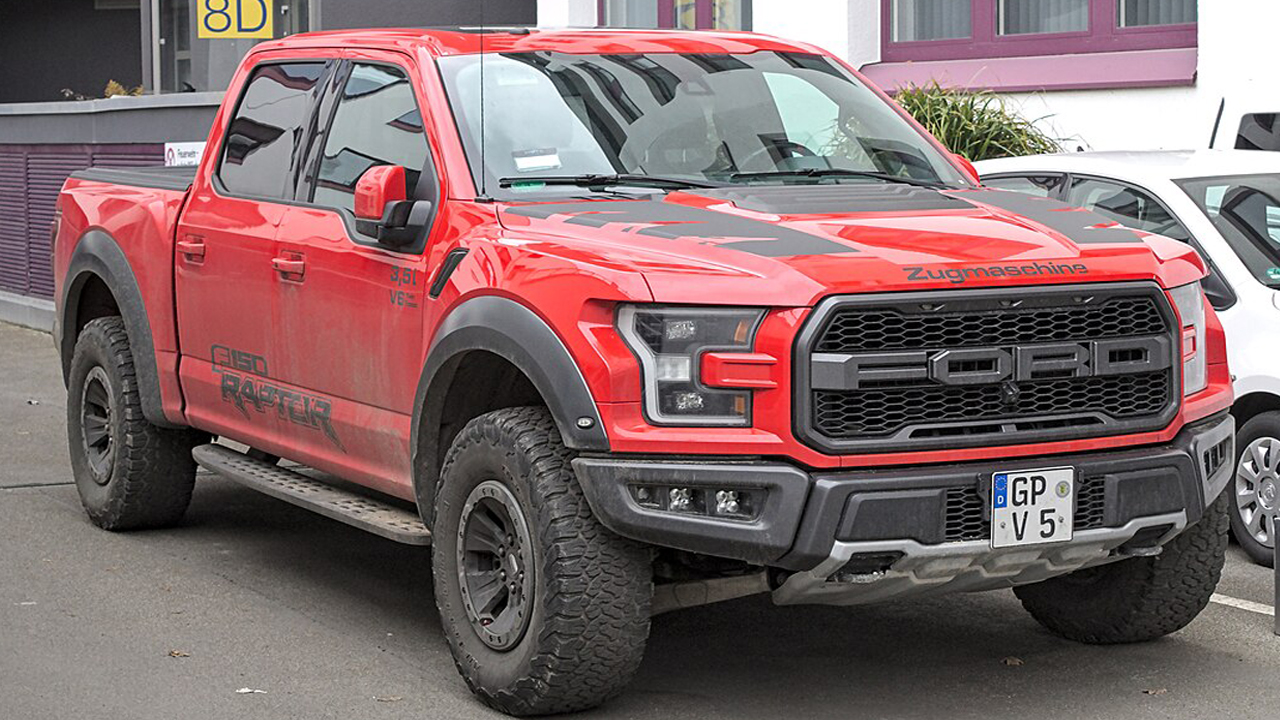
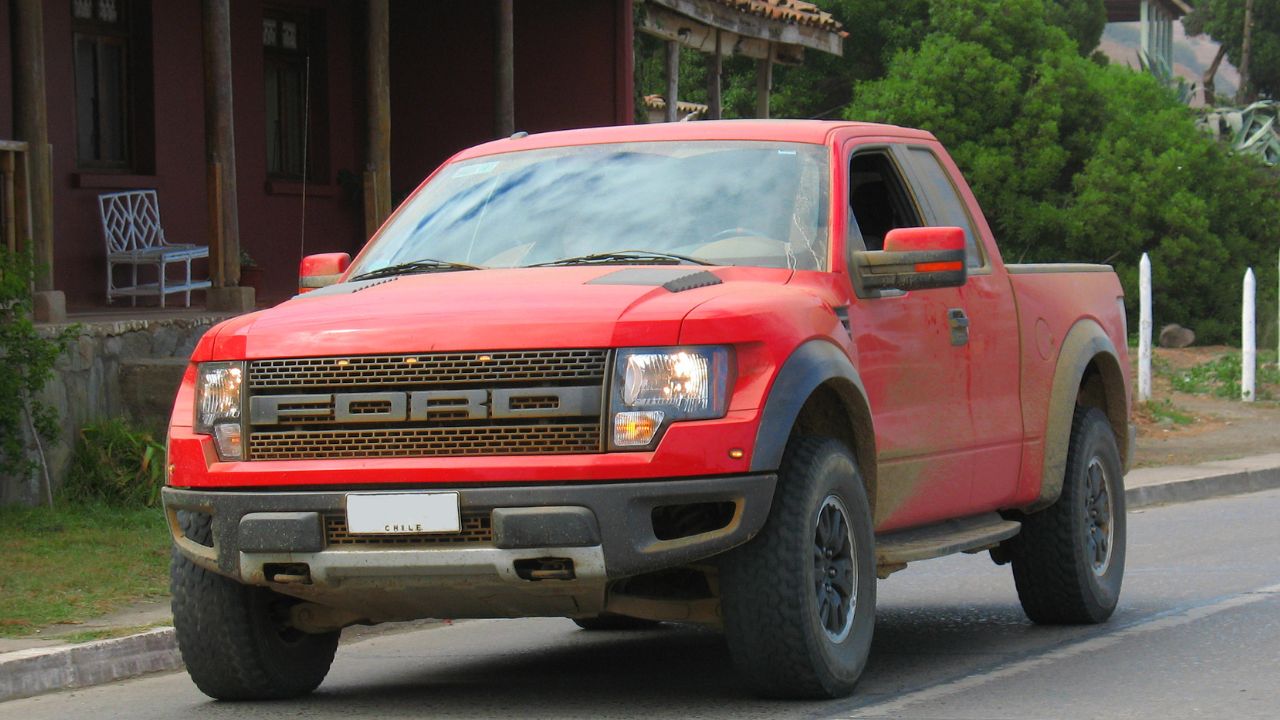
The original Raptor redefined off-road performance with long-travel suspension and desert-ready durability. While not the fastest truck in a straight line, it delivered speed across rough terrain few factory vehicles could match. Its capability shocked traditional pickup buyers. The Raptor expanded the idea of what performance truly meant.
Shelby F-150 Super Snake
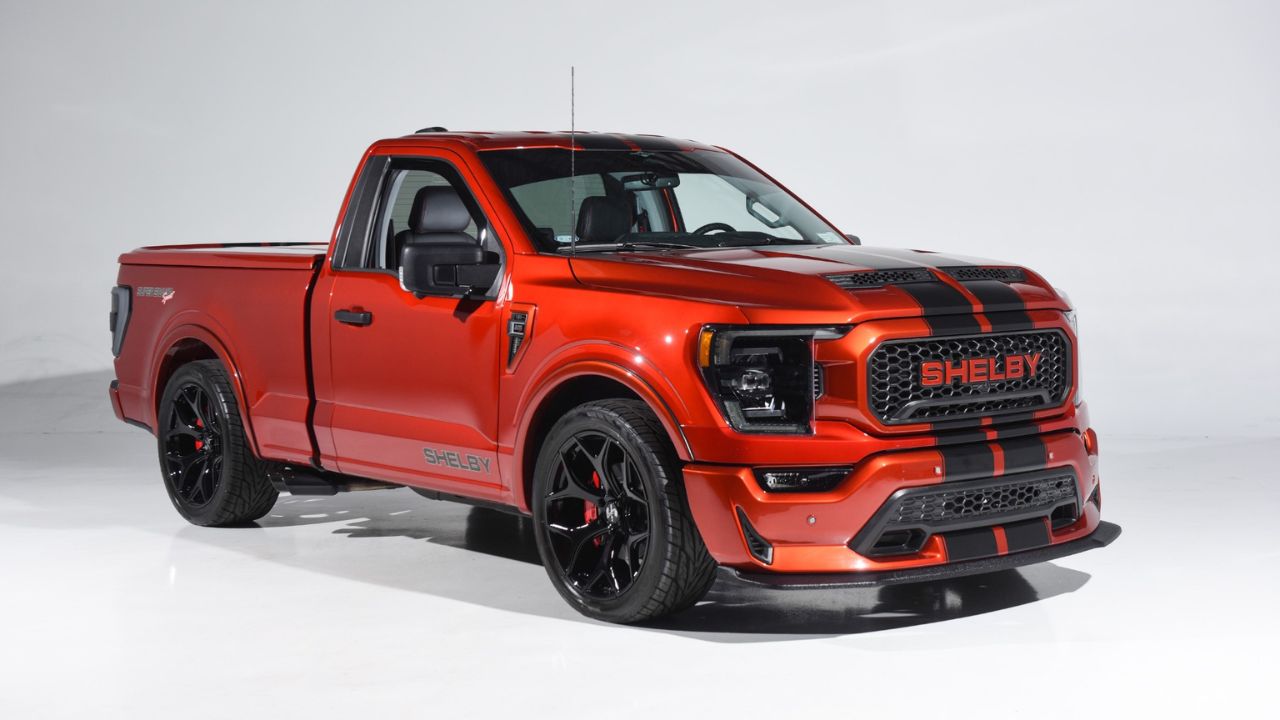
The Shelby F-150 Super Snake took an already capable full-size pickup and injected it with serious supercharged performance credibility. Producing well over 700 horsepower in some configurations, it transformed the F-150 into a street-dominating machine. Its aggressive styling, lowered stance, and upgraded suspension made it clear this wasn’t a cosmetic package. When it debuted, it reminded the industry that traditional American pickups could rival muscle cars in straight-line speed without sacrificing their truck identity.
Dodge Dakota R/T
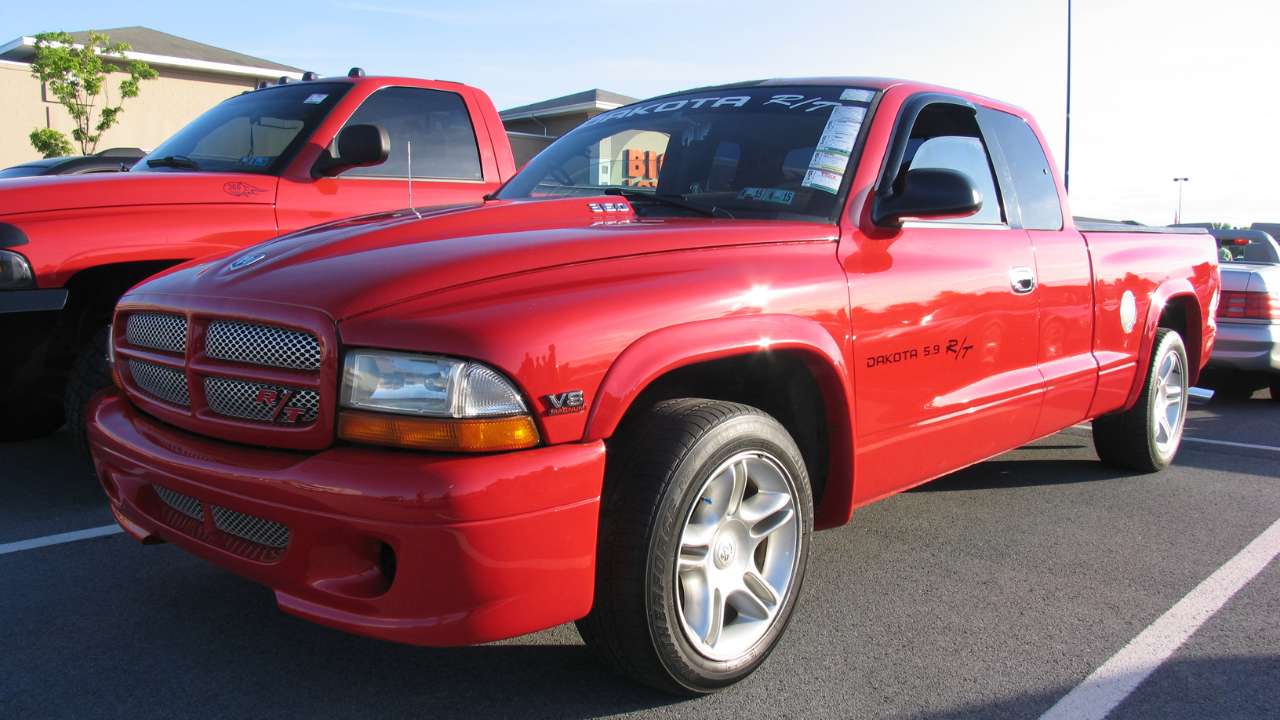
The Dakota R/T squeezed a 5.9-liter Magnum V8 into a midsize pickup body. Its lighter weight compared to full-size rivals made it feel eager and responsive. It delivered surprising speed in a practical, affordable package. Dodge demonstrated that performance didn’t require the largest truck in the lineup.
Nissan Frontier NISMO
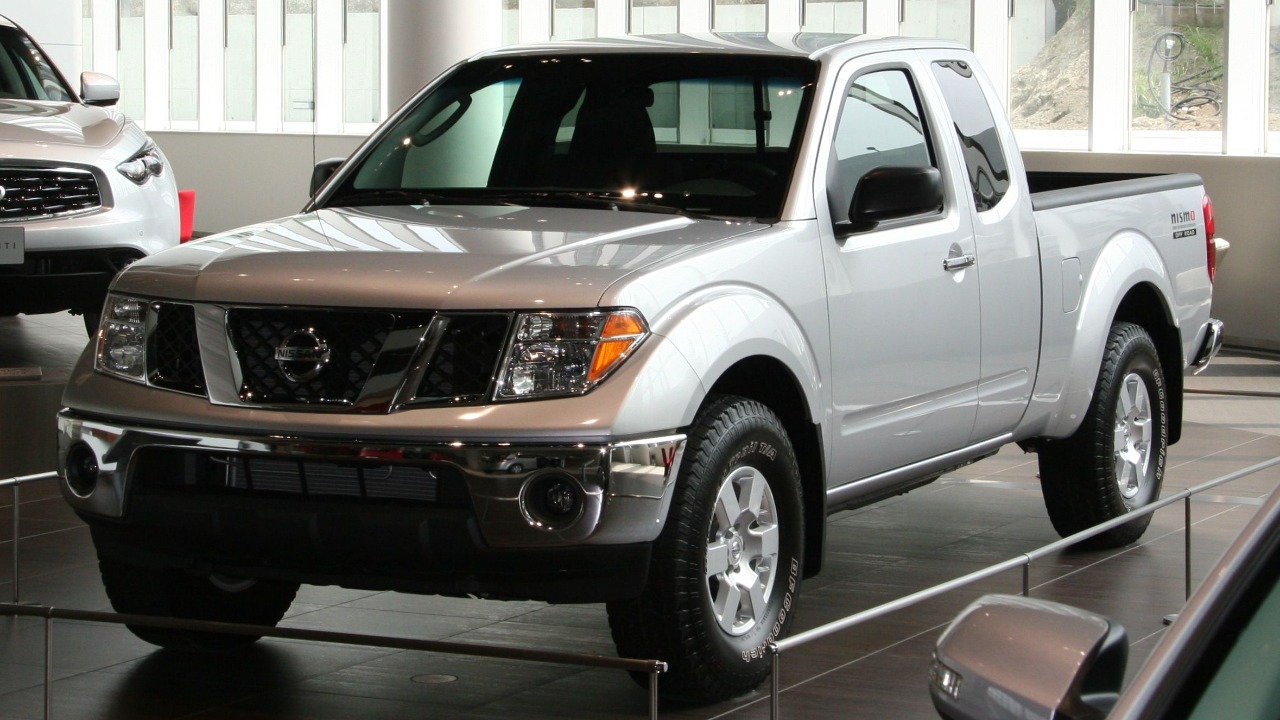
Nissan’s NISMO variant brought upgraded suspension, off-road tuning, and aggressive styling to the Frontier. While not built solely for drag strips, it emphasized capability and sharper responses. It showed Japanese brands could play in the performance-truck arena seriously. The NISMO badge added credibility where few expected it.
HSV Maloo R8
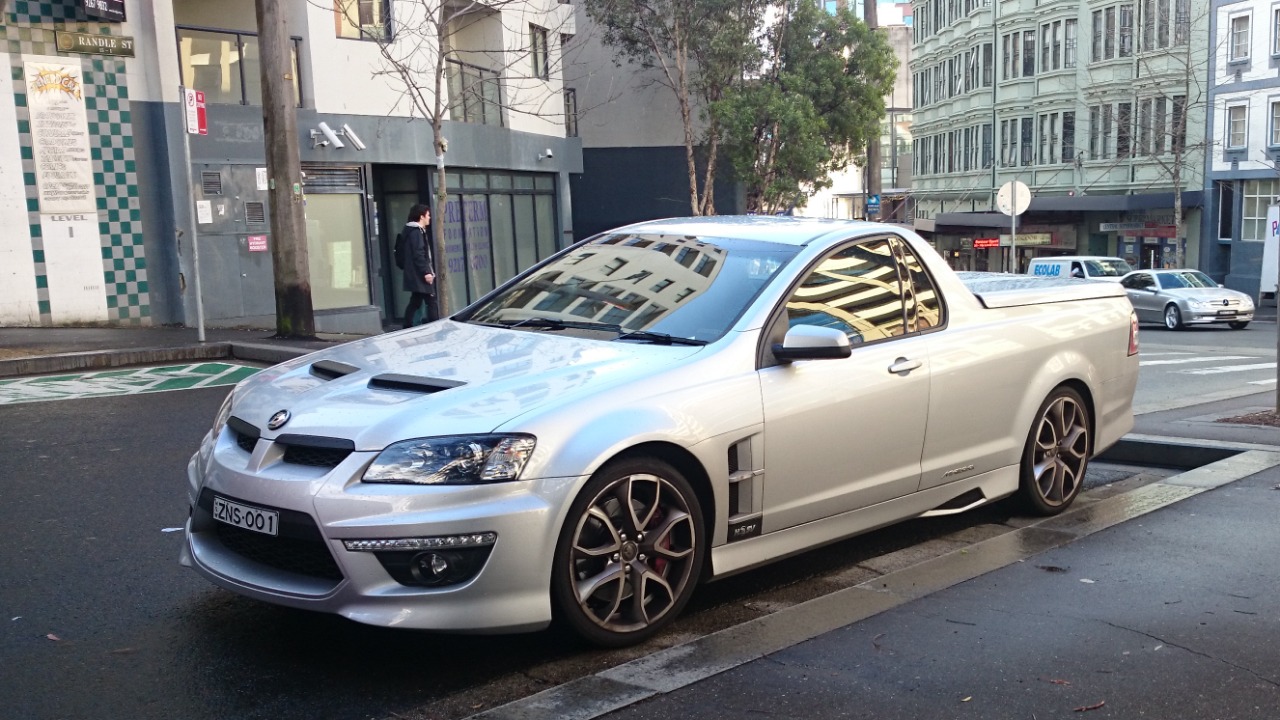
Australia’s HSV Maloo R8 paired a Corvette-derived V8 with a lightweight ute platform. Its acceleration rivaled dedicated sports cars despite its cargo bed. The combination of practicality and serious power stunned global observers. It proved performance trucks weren’t limited to North America.
More from Fast Lane Only