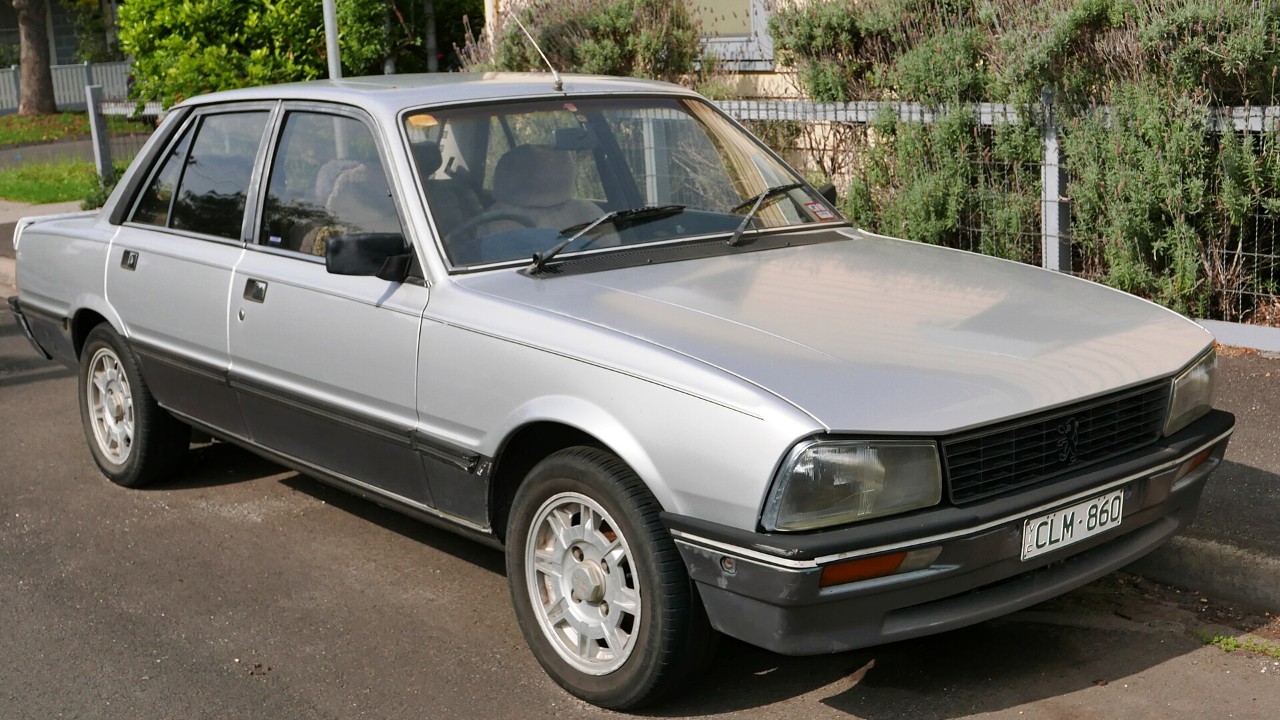
The fuel crisis of the 1970s reshaped the auto industry almost overnight, forcing manufacturers to rethink power, efficiency, and performance. Many muscle cars disappeared, detuned into shadows of their former selves. Yet a handful of machines refused to surrender their identity entirely. These seven surviving performance legends carried real attitude through an era that tried to extinguish it.
Pontiac Trans Am
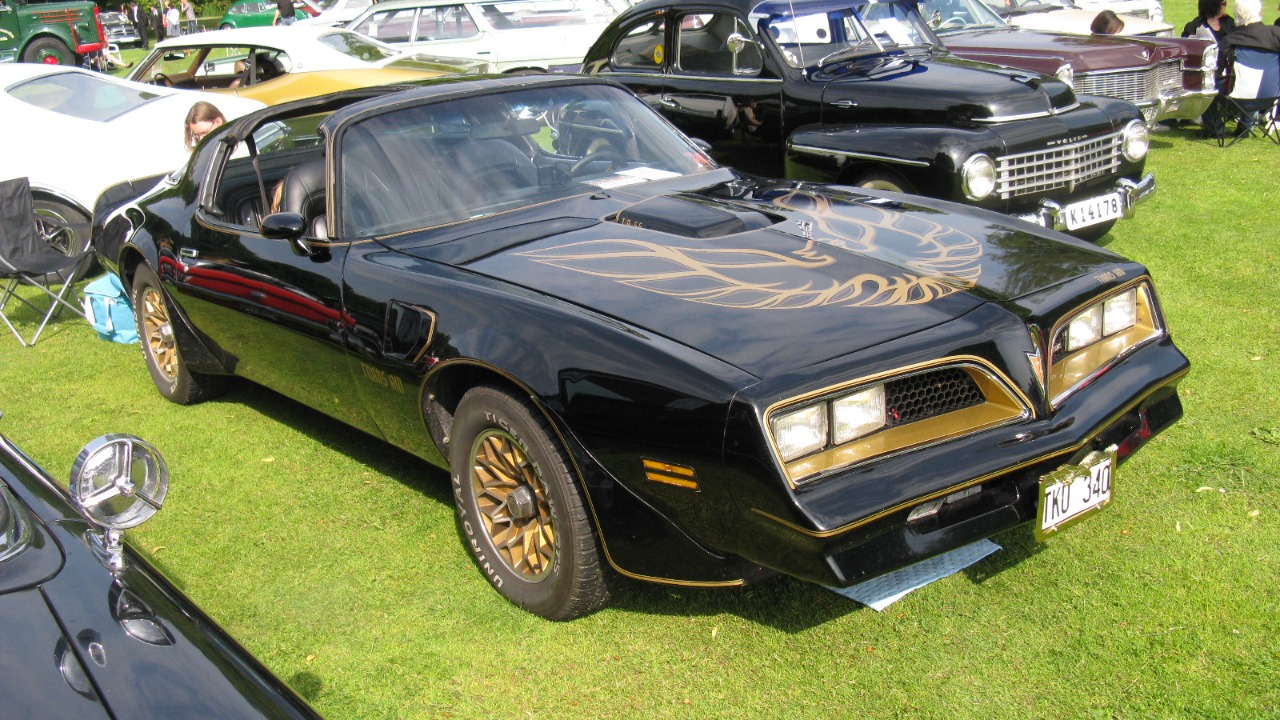
At a time when horsepower ratings were falling fast, the 1977 Trans Am kept visual aggression alive with flared fenders, hood scoops, and unmistakable presence. Its 6.6-liter V8 no longer produced early-’70s numbers, but it still delivered strong low-end torque and authentic rear-wheel-drive character. Pop culture exposure amplified its rebellious image and kept showroom interest alive. It became proof that performance spirit could survive even when raw output declined dramatically.
Chevrolet Corvette C3

The late-’70s Corvette C3 navigated tightening emissions regulations while preserving America’s sports car identity. Power figures dipped compared to earlier big-block years, yet the lightweight fiberglass body and V8 layout maintained credible straight-line pace for the period. The 1978 pace car edition celebrated endurance racing heritage during a challenging decade. It kept the Corvette name aligned with performance credibility when many rivals faded away.
Porsche 911 Turbo 930
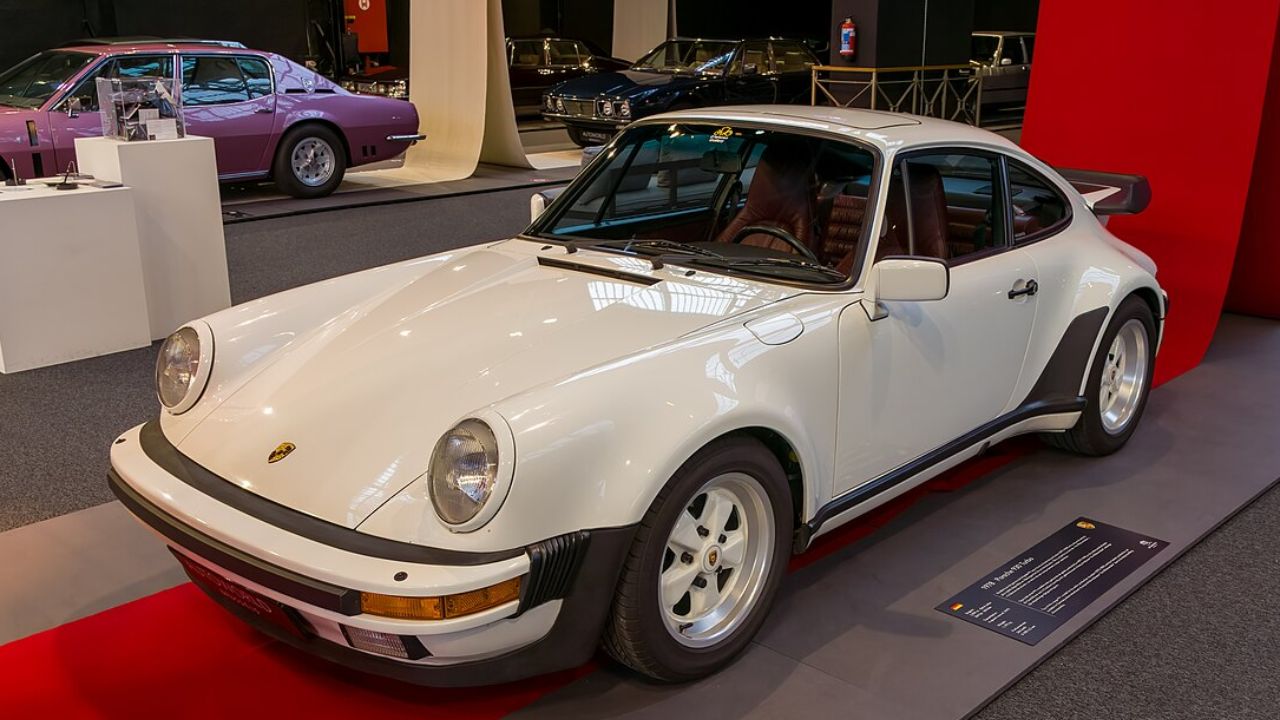
While many manufacturers downsized engines, Porsche introduced forced induction to amplify performance within regulatory limits. The 930 Turbo’s turbocharged flat-six delivered dramatic boost that felt explosive and slightly intimidating for the era. Its wide body, whale-tail spoiler, and stiff suspension reinforced its serious intent. It demonstrated that engineering innovation could preserve thrilling acceleration even as emissions standards tightened globally.
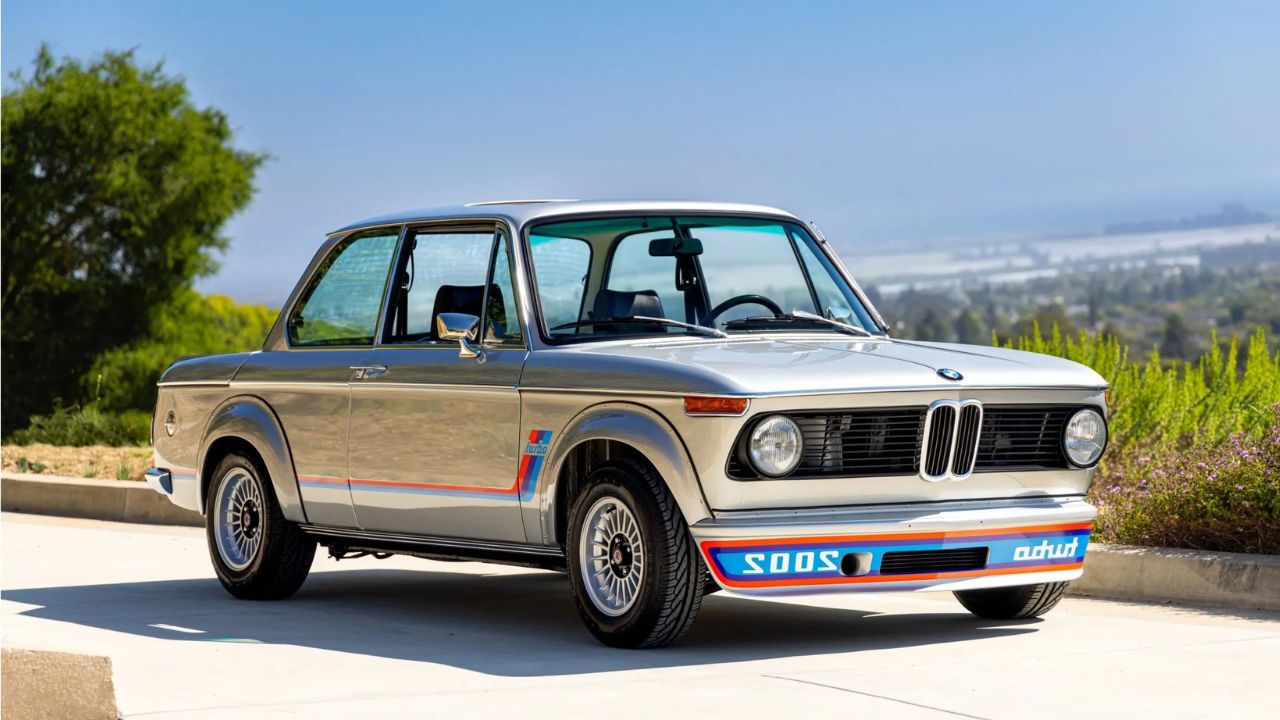
BMW 2002 Turbo
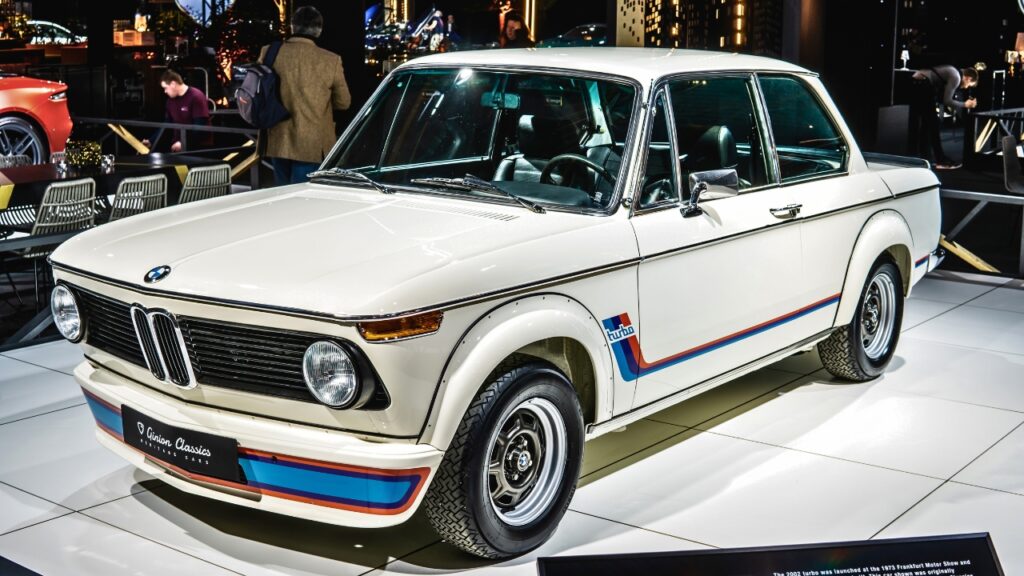
The 2002 Turbo arrived just as fuel concerns intensified, making its launch bold and slightly controversial in Europe. Its compact dimensions and turbocharged four-cylinder produced sharp acceleration relative to larger-displacement rivals. Although production numbers were limited, it showed manufacturers could combine efficiency, lighter weight, and genuine performance. It foreshadowed a future where smaller engines would deliver meaningful speed without relying on massive fuel consumption.
Datsun 280Z
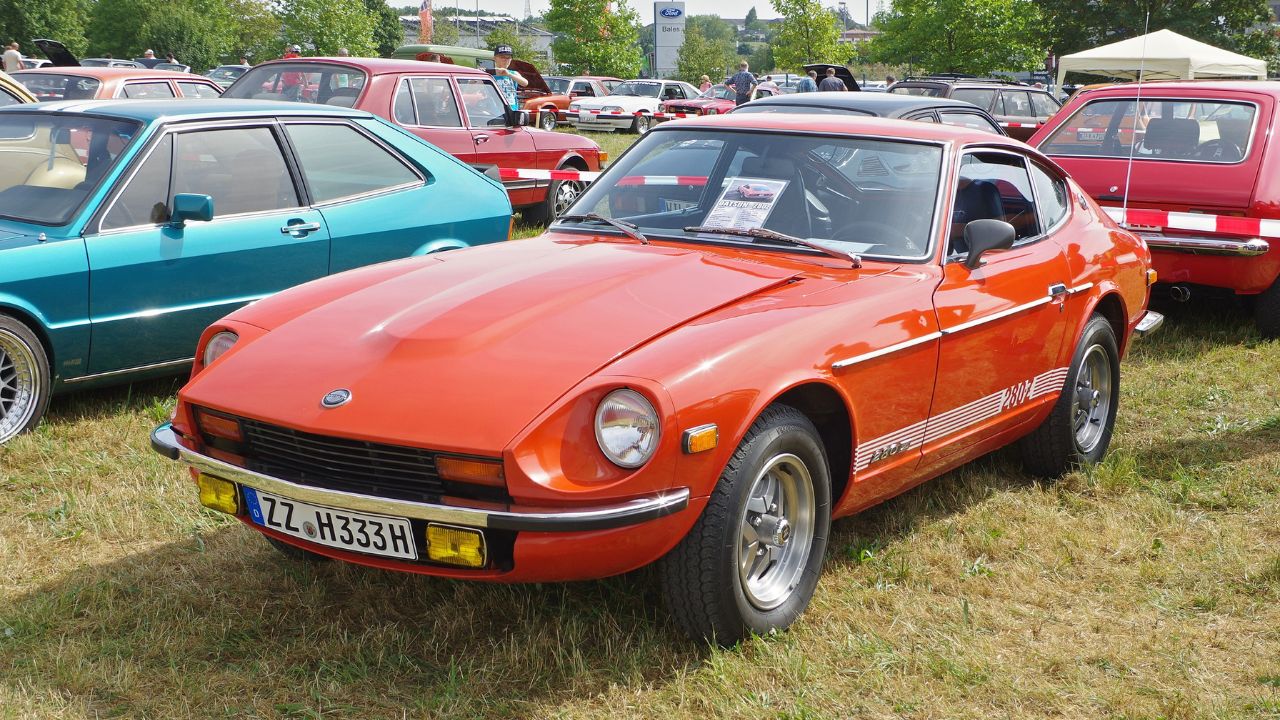
The 280Z replaced carburetors with fuel injection, improving drivability while complying with stricter emissions rules. Its inline-six provided smooth, reliable power that felt refined compared to many domestic offerings of the time. Balanced handling, independent suspension, and relatively light weight preserved its sports car credentials. It quietly sustained affordable performance enthusiasm while traditional muscle cars struggled to adapt.
Ferrari 308 GTB

The 308 GTB maintained Ferrari’s exotic performance identity during an era dominated by fuel economy headlines. Its mid-mounted V8 delivered responsive power and high-revving character, even as global regulations tightened. Sharp styling and race-derived engineering kept it aspirational and credible. It proved European performance brands could adapt without sacrificing emotional appeal or driver engagement.
Lotus Esprit Series 1
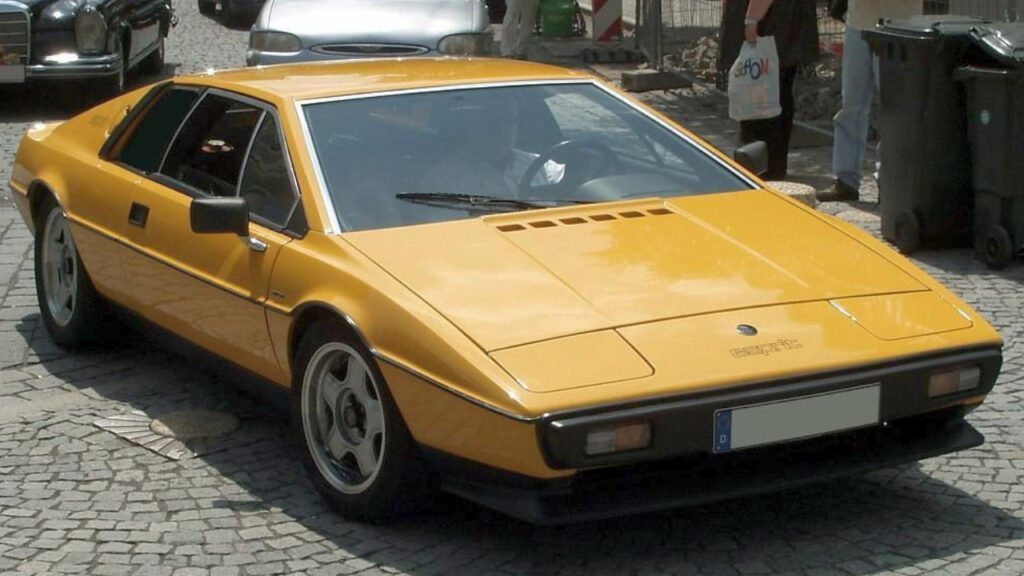
The Lotus Esprit Series 1 embraced lightweight construction rather than brute force to survive the fuel-conscious decade. Its four-cylinder engine prioritized balance and efficiency while the chassis delivered exceptional handling precision. Distinctive wedge styling made it unmistakable on the road. It demonstrated that agility and smart engineering could preserve true performance spirit when displacement and horsepower were no longer easy answers.
More from Fast Lane Only