Japanese performance cars built their reputations on balance, tuning potential, and everyday usability. But some models became so synonymous with modification culture that keeping them stock almost felt unusual. As horsepower builds escalated and social media amplified project cars, subtle upgrades gave way to louder statements. These eight Japanese sports cars became nearly impossible to modify quietly.
Toyota Supra MK4
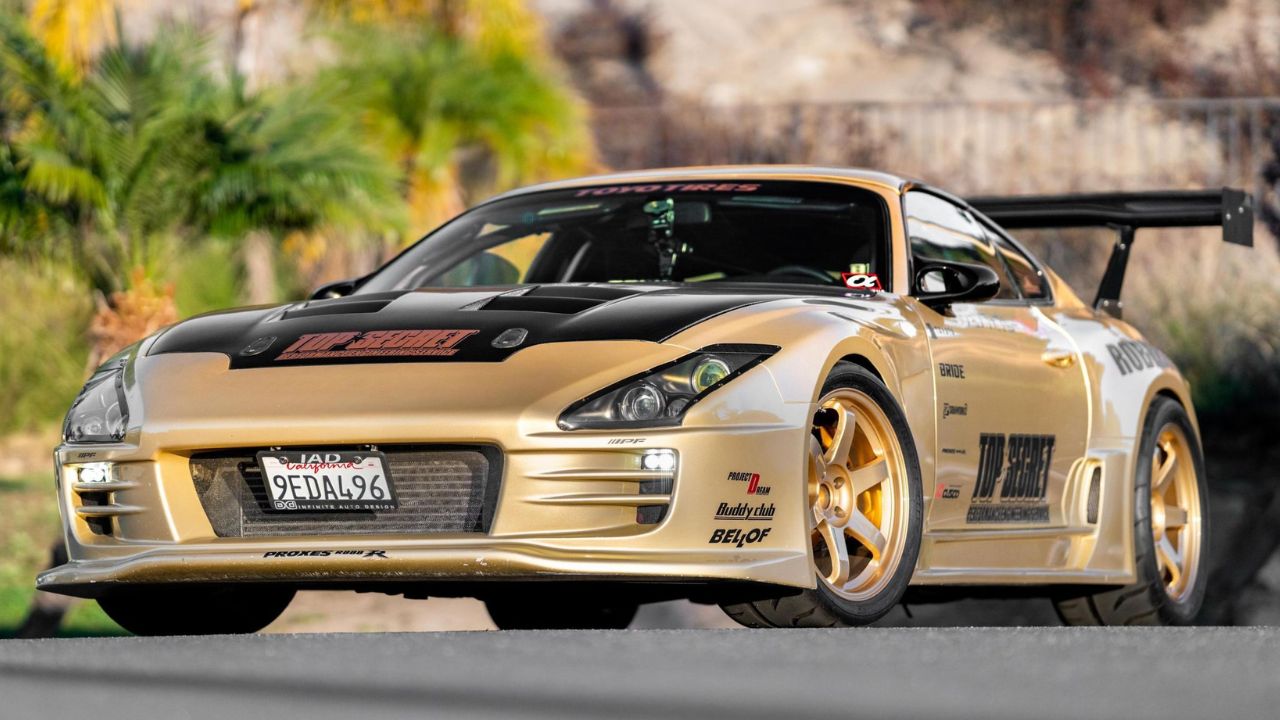
The MK4 Supra’s 2JZ-GTE engine became legendary for absorbing massive horsepower increases with relatively minor internal upgrades. What began as simple bolt-on modifications quickly evolved into four-digit builds dominating street and drag scenes. The platform’s strength encouraged owners to chase ever-larger turbo setups. Subtle enhancements rarely stayed subtle for long. Once the aftermarket unlocked its potential, quiet modifications gave way to unmistakable performance statements and unmistakable turbo noise.
Nissan Skyline GT-R R34
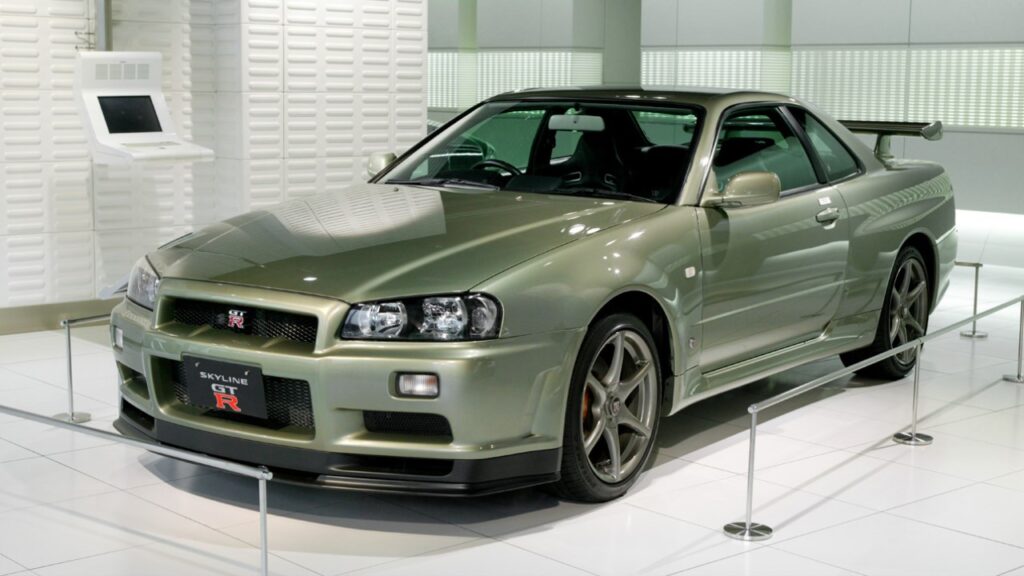
The R34 GT-R arrived with advanced technology and immense tuning headroom straight from the factory. Its RB26DETT engine responded aggressively to boost increases, making high-horsepower builds common rather than exceptional. As global demand grew, heavily modified examples became icons of street and track culture. Wide-body kits and large turbos replaced understated factory lines. Modifying an R34 discreetly became nearly impossible once its reputation for extreme builds solidified.
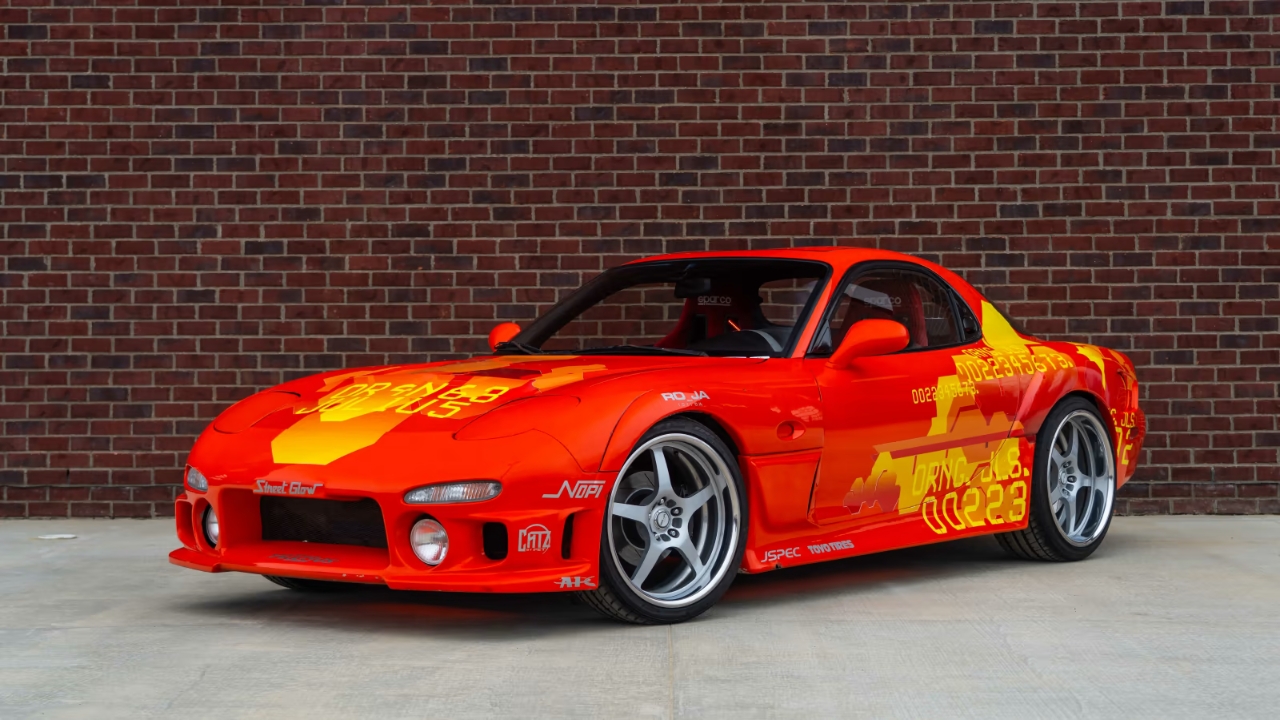
Mazda RX-7 FD
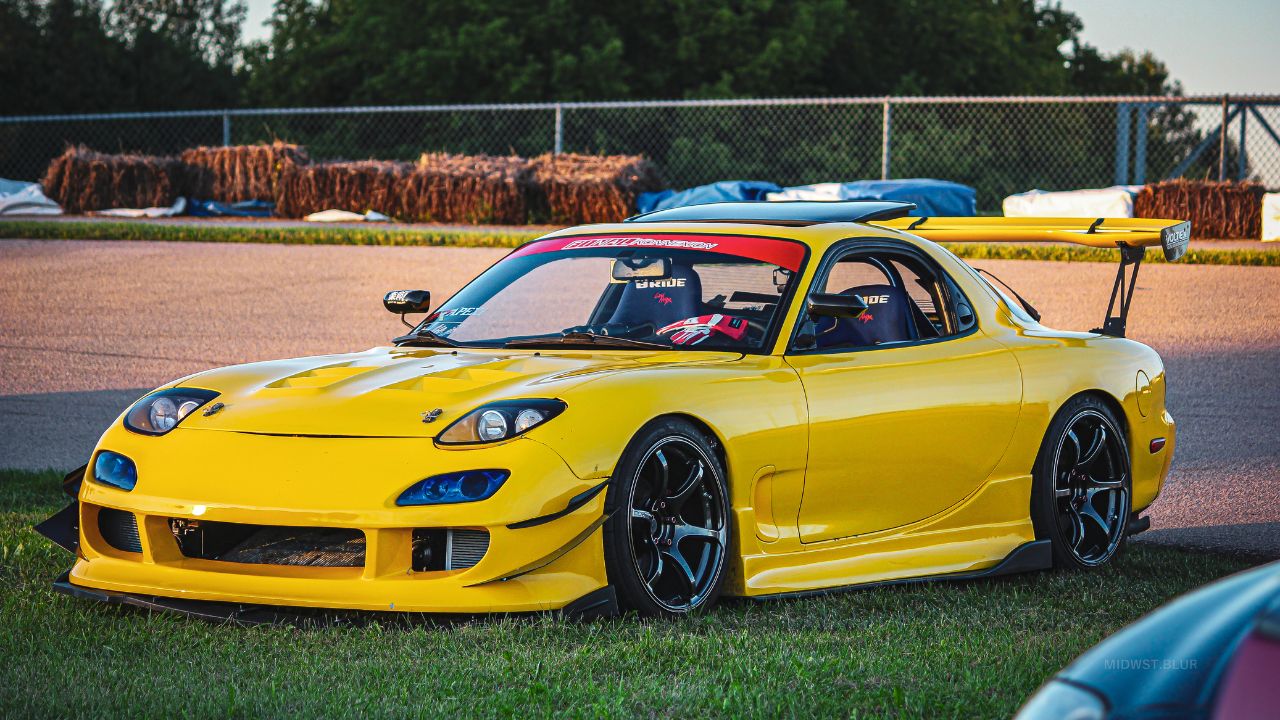
The FD RX-7’s lightweight chassis and twin-rotor turbo engine made it a natural tuning canvas. Rotary specialists extracted impressive power gains, but reliability improvements often required significant mechanical changes. Larger turbo systems, aggressive exhaust setups, and dramatic aero additions became common. The car’s sharp styling only amplified the visual impact of modifications. Over time, restraint faded as owners leaned into bold builds that matched the engine’s high-revving personality.
Mitsubishi Lancer Evolution IX
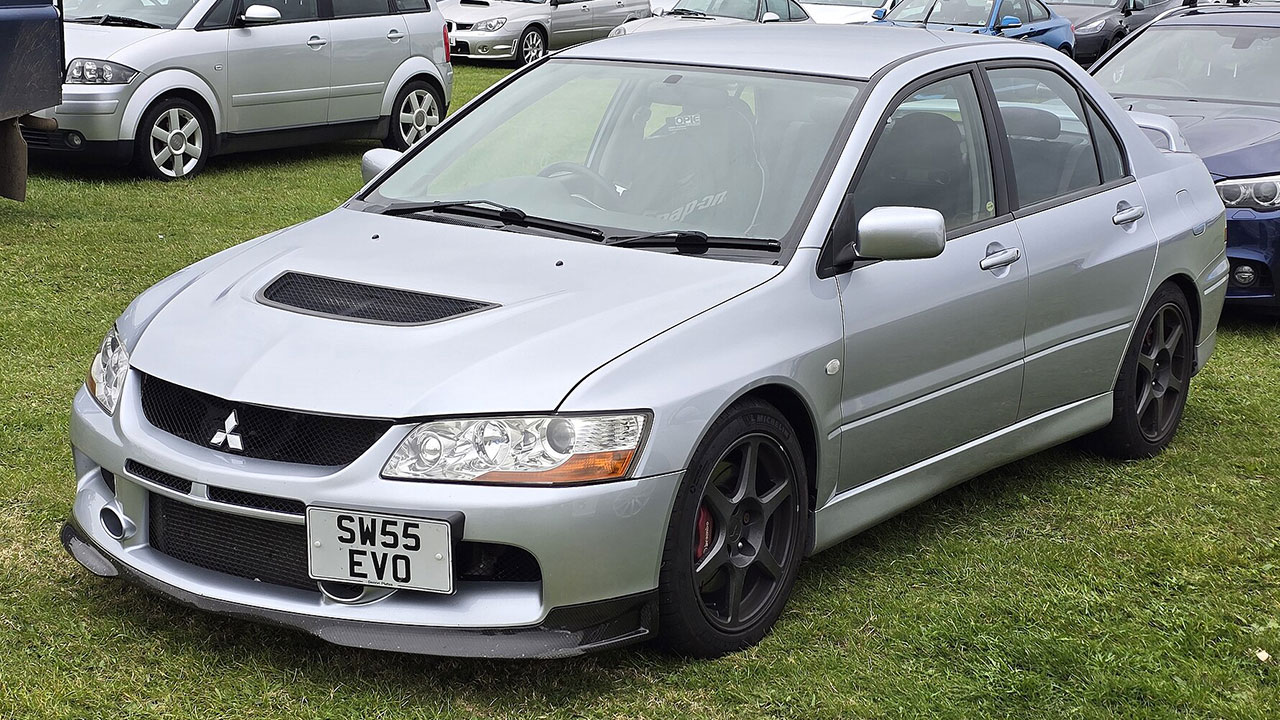
The Evolution IX’s turbocharged 4G63 engine delivered immediate gains with basic tuning changes. Larger intercoolers, upgraded fuel systems, and louder exhaust systems quickly followed modest ECU flashes. Its rally-bred image encouraged aggressive setups rather than subtle refinement. All-wheel-drive traction made high-output builds usable on the street. Quiet modifications rarely satisfied owners once they realized how easily triple-digit horsepower gains were achievable.
Subaru Impreza WRX STI
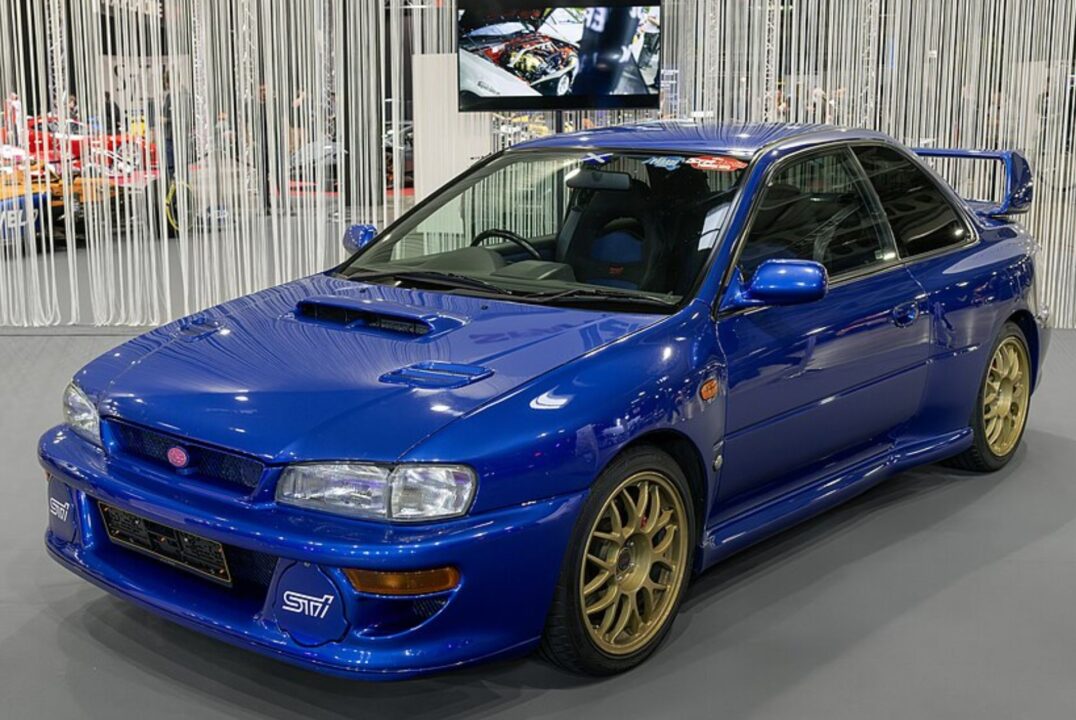
The WRX STI became synonymous with aftermarket culture almost immediately after reaching American roads. Turbo upgrades, unequal-length header rumble, and distinctive blow-off valve sounds made discretion difficult. The platform’s accessible tuning ecosystem encouraged experimentation at every budget level. Even mild builds tended to advertise their presence audibly. Over time, loud exhaust notes and visible modifications became part of the STI identity rather than exceptions.
Honda S2000
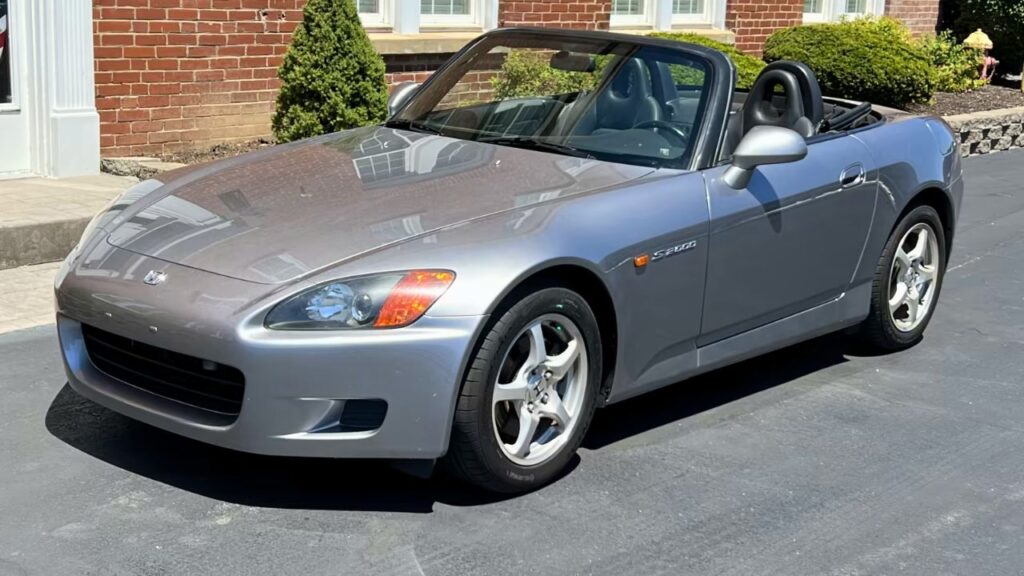
The high-revving S2000 initially attracted purists who appreciated its balanced factory setup. Yet forced-induction kits and engine swaps soon transformed many examples into far more aggressive machines. Turbochargers and superchargers altered both performance and sound dramatically. Suspension modifications and aggressive wheel setups further shifted the car’s character. What began as subtle tuning frequently escalated into highly visible, high-output builds that redefined the roadster’s personality.
Toyota GR86
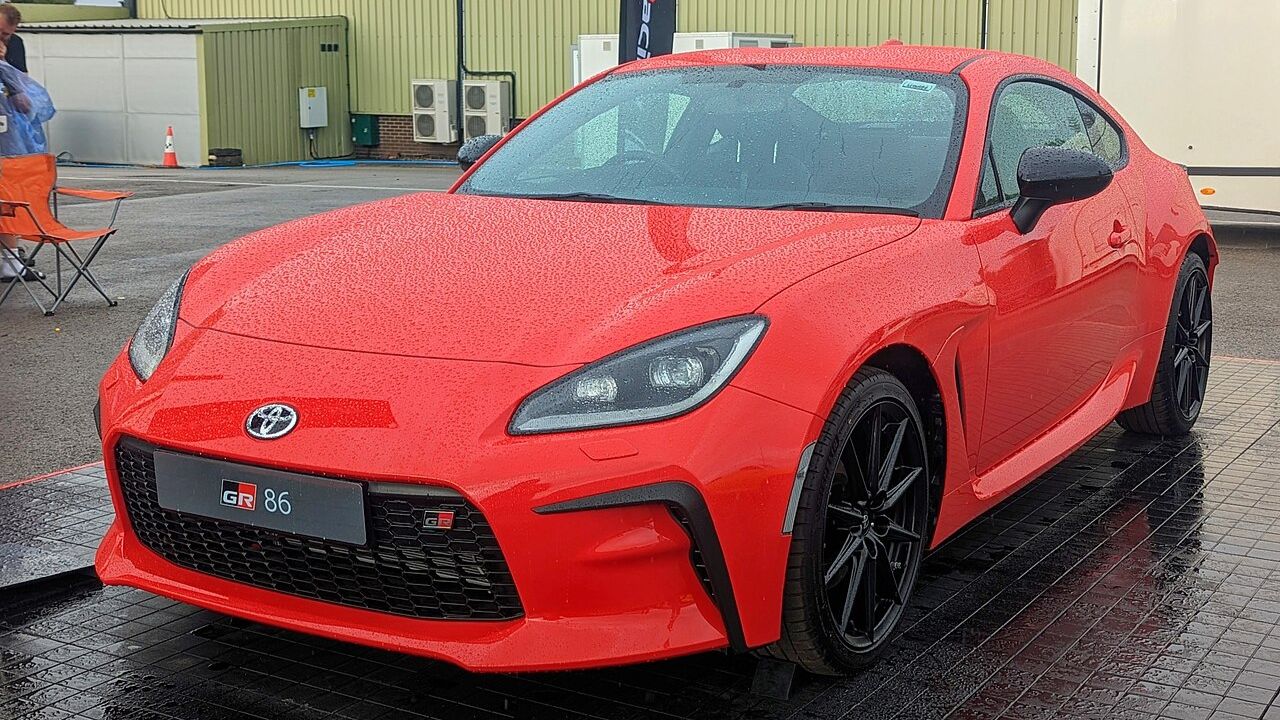
The GR86’s affordable price and rear-wheel-drive layout made it an instant favorite for modification. Forced-induction kits, wide-body conversions, and track-focused suspension upgrades appeared almost immediately after launch. Owners often prioritized personality over restraint, transforming daily drivers into attention-grabbing builds. Even mild exhaust upgrades changed its tone noticeably. The platform’s youth hasn’t limited its transformation into a highly expressive tuning canvas.
Nissan 350Z
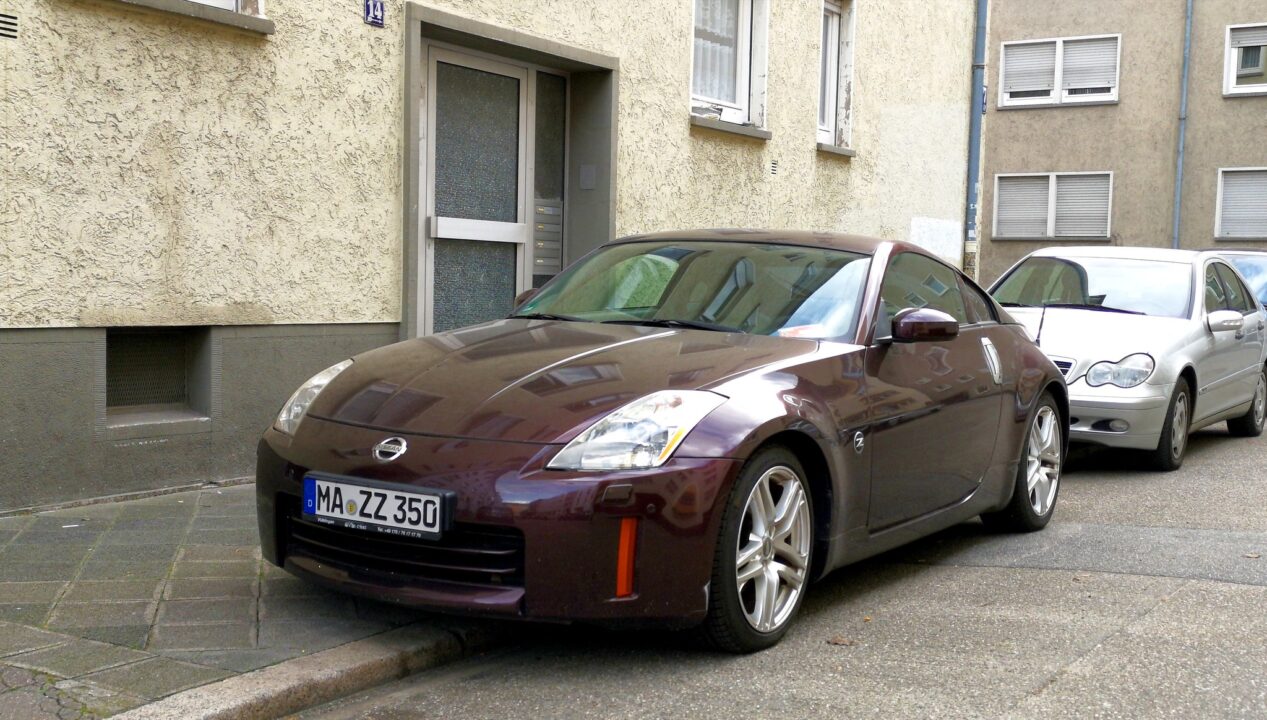
The 350Z’s strong VQ V6 and rear-wheel-drive layout positioned it perfectly within tuner culture. Engine swaps, turbo kits, and drift-focused suspension setups quickly became commonplace. Loud exhaust systems and aggressive aero packages defined its presence at meets and events. As prices dropped on the used market, experimentation increased dramatically. Modifying a 350Z subtly became rare as bold styling and audible performance upgrades took center stage.
More from Fast Lane Only