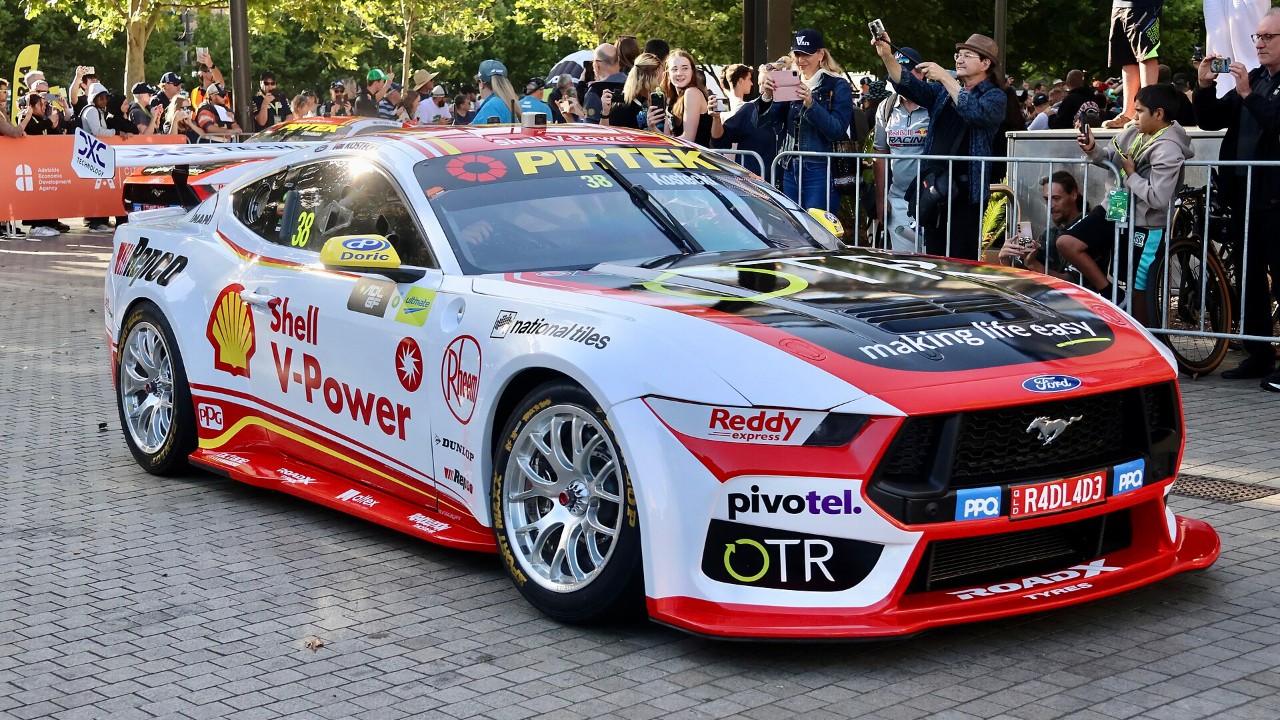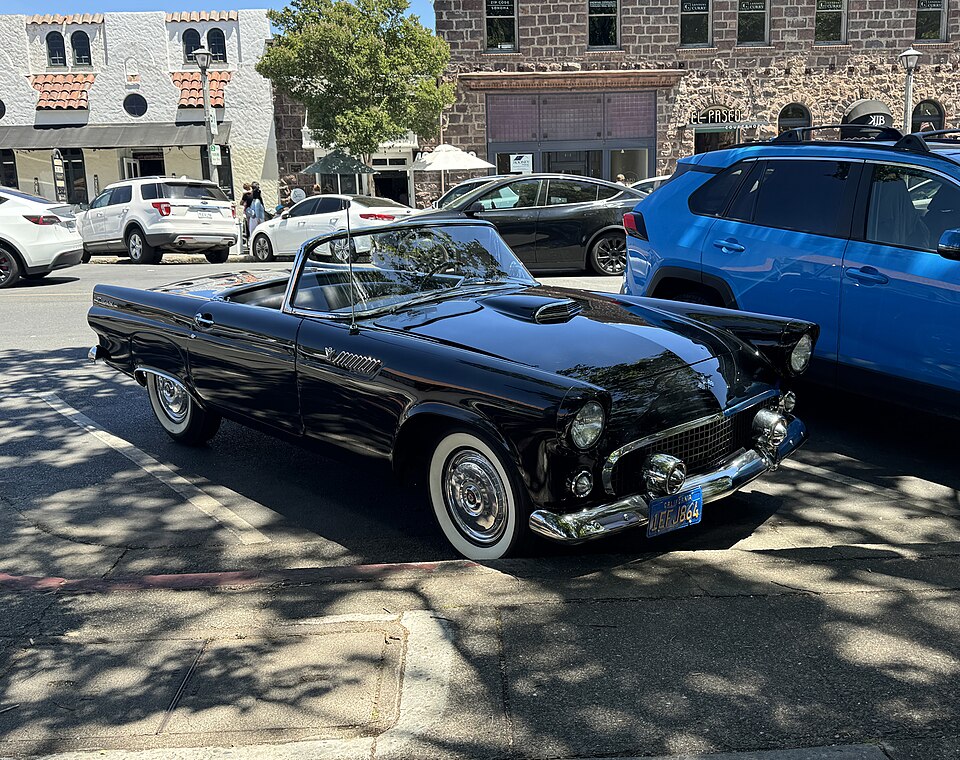
After World War II, America entered a period of rapid economic growth, suburban expansion, and highway development. Automobiles became more than transportation—they shaped where people lived, worked, traveled, and spent their free time. These ten postwar automobiles helped define that transformation and reflected the changing needs and ambitions of American drivers.
Chevrolet Bel Air
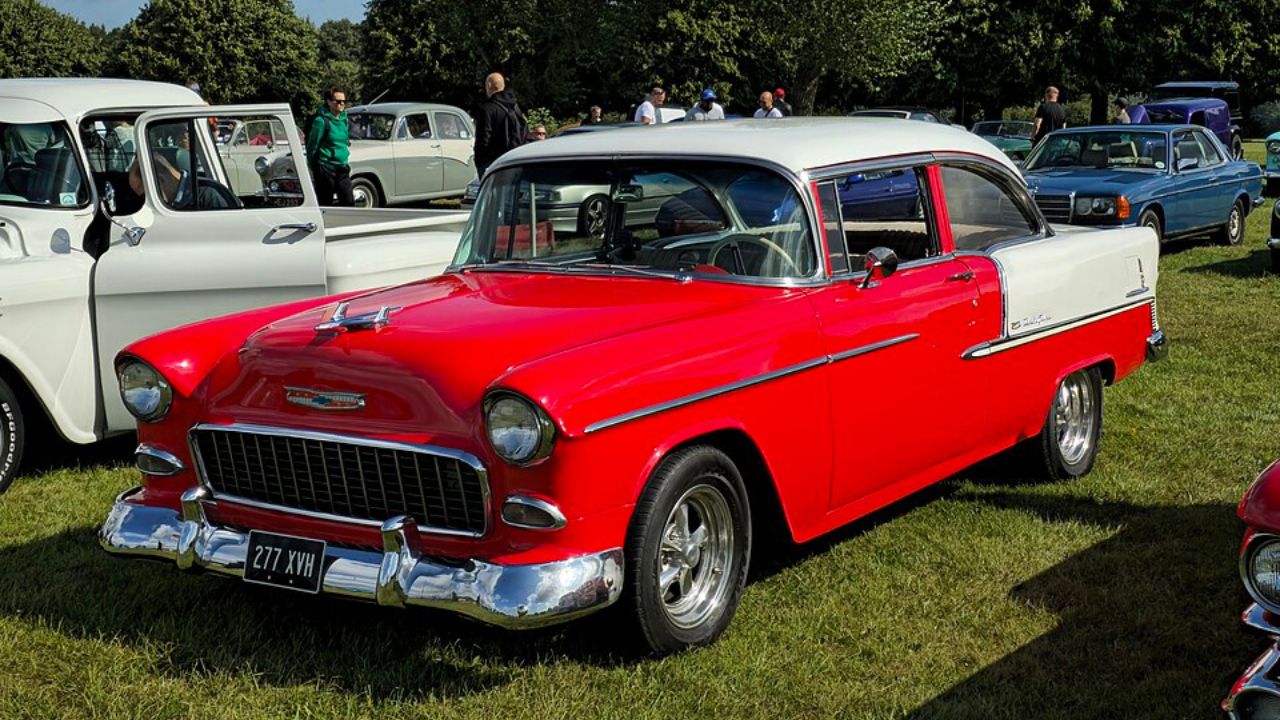
The Chevrolet Bel Air became one of the defining automobiles of postwar America. Its attractive styling, comfortable interior, and available V8 engines made it appealing to growing families and younger buyers alike. As suburban neighborhoods expanded, cars like the Bel Air became essential parts of everyday life. Its popularity helped establish the American full-size car as a symbol of prosperity and freedom.
Ford Thunderbird
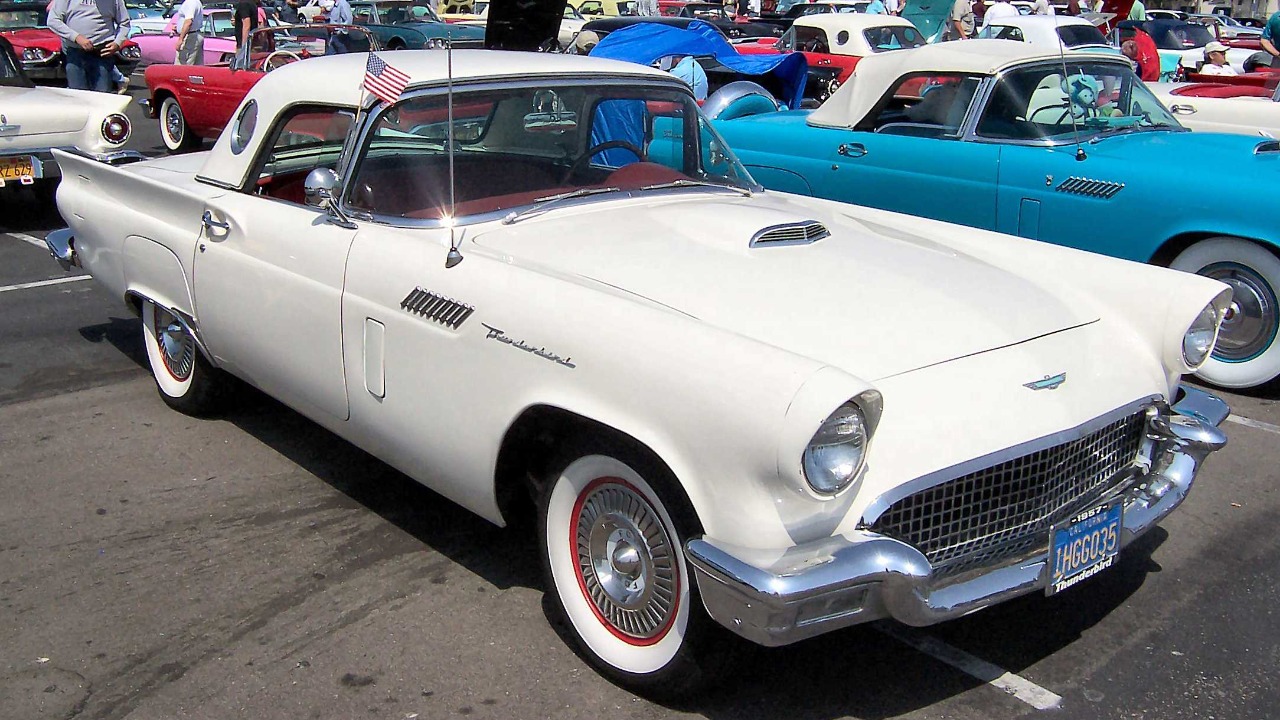
The Ford Thunderbird introduced a new type of personal automobile to American buyers. Its two-seat configuration, V8 power, and stylish body gave drivers something more exciting than a conventional family sedan. It also helped create the personal-luxury market that would grow throughout the following decades. The Thunderbird demonstrated that Americans increasingly wanted automobiles that expressed individuality as well as practicality.
Chevrolet Corvette
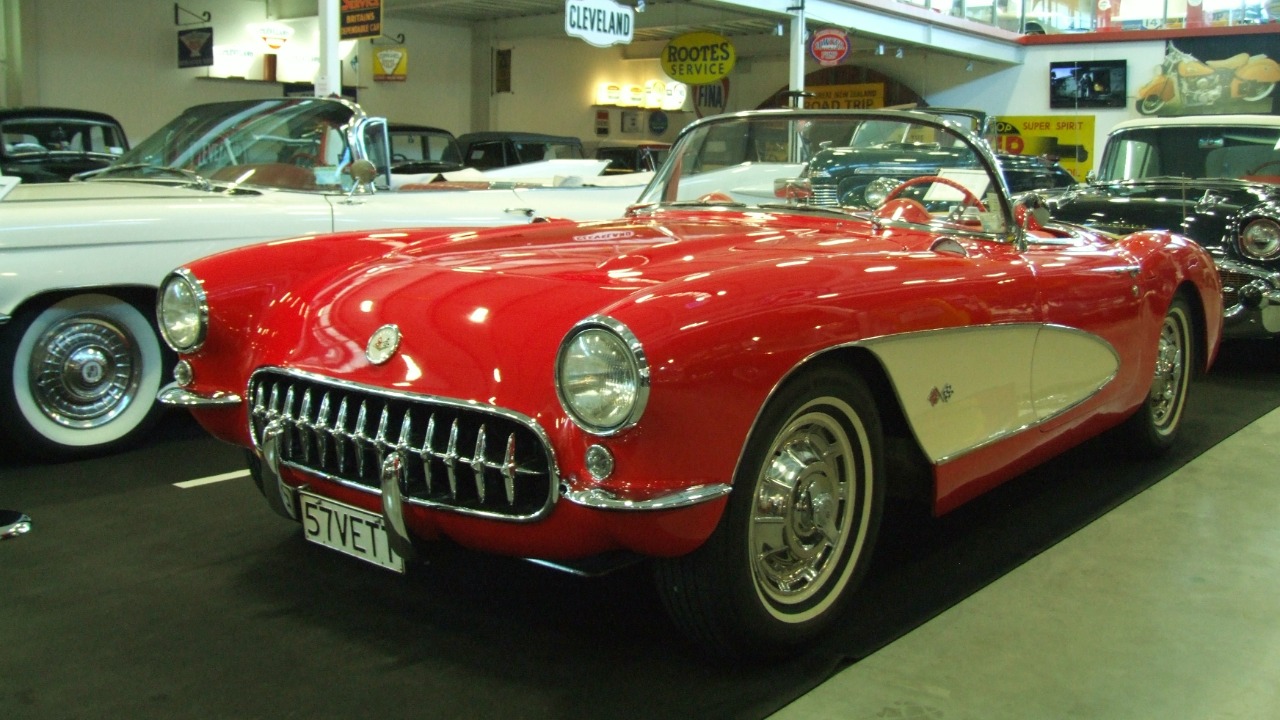
The Chevrolet Corvette helped establish an American identity in the sports-car market. Its fiberglass body, two-seat layout, and increasingly powerful V8 engines offered a distinctly domestic interpretation of performance. The Corvette also reflected America’s growing interest in leisure driving and road trips. Its continued success demonstrated that sports cars could become an important part of mainstream American automotive culture.
Ford Mustang
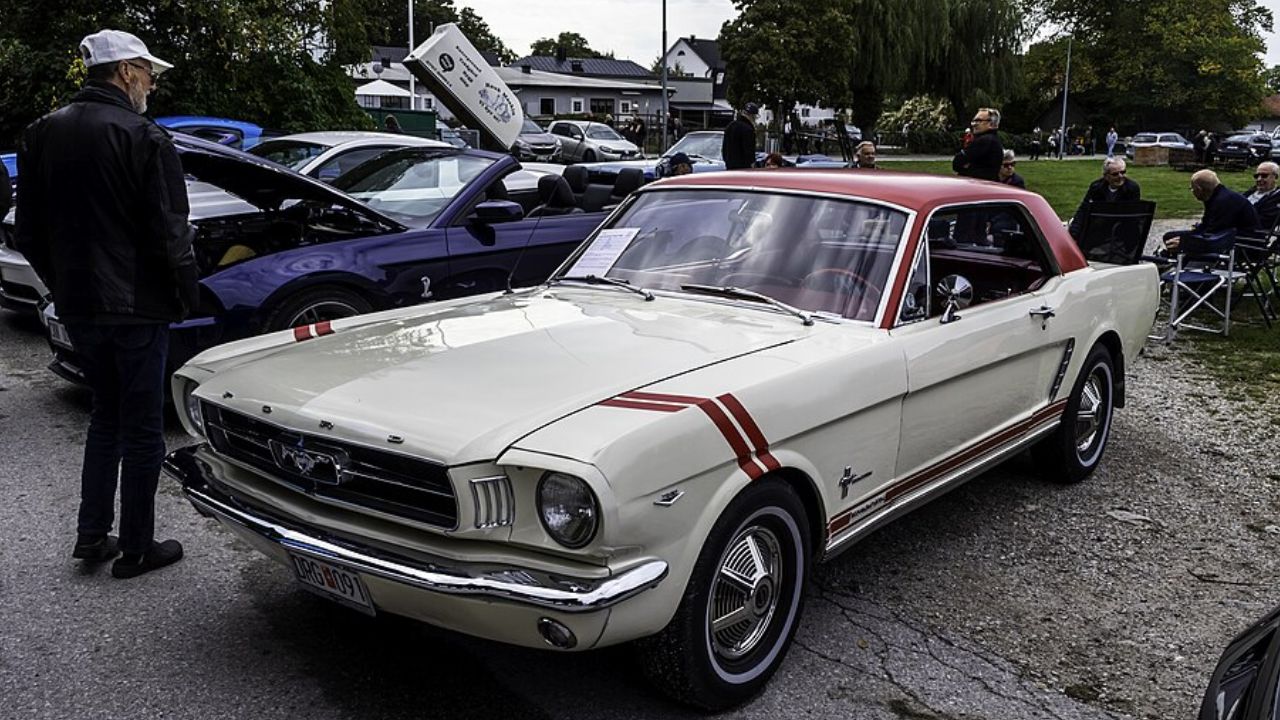
The Ford Mustang transformed the American automobile market when it arrived in 1964. Its affordable price, sporty styling, compact dimensions, and wide range of options attracted an enormous audience. The Mustang created the modern pony-car formula and encouraged competitors to develop similar models. It showed that performance-inspired styling could be packaged into a vehicle accessible to ordinary American buyers.
Chevrolet Impala
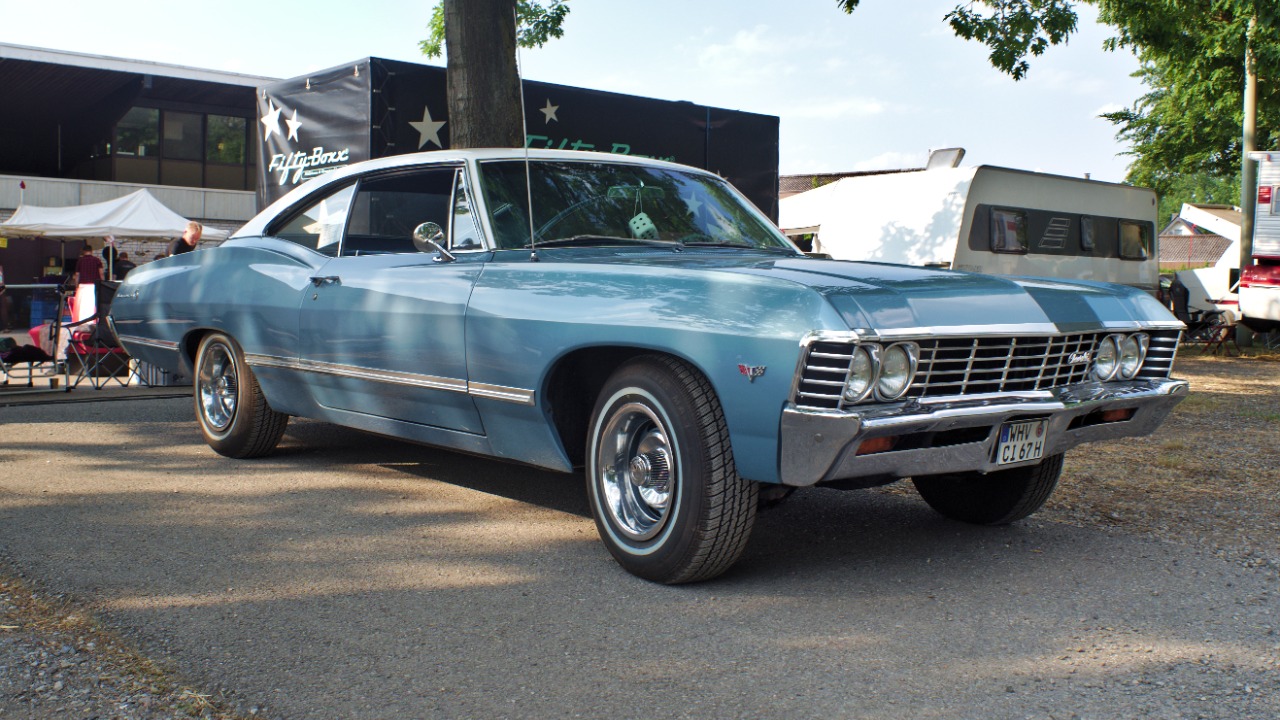
The Chevrolet Impala became one of America’s most recognizable full-size cars. Its spacious interior, comfortable ride, and broad selection of engines made it suitable for families, commuters, and long-distance travelers. During the 1960s, its popularity reflected the increasing importance of personal automobiles in suburban America. The Impala became a familiar sight on expanding highways and residential streets across the country.
Jeep CJ-5
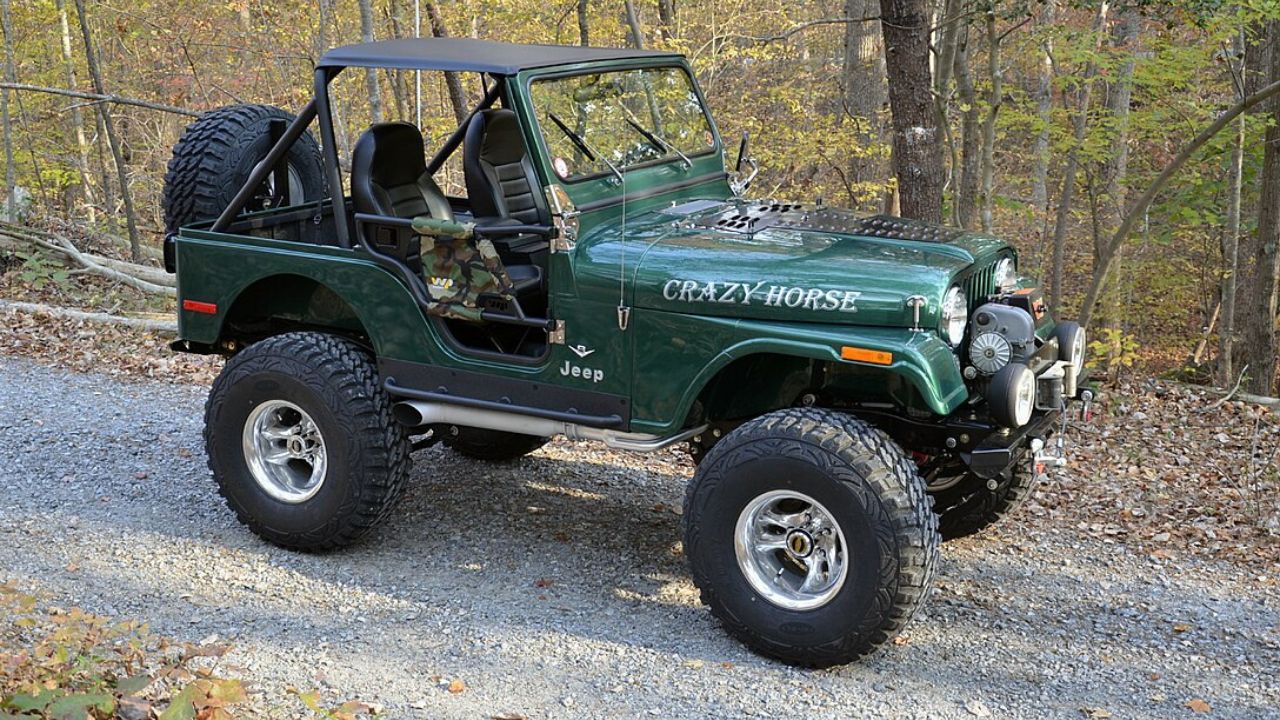
The Jeep CJ-5 helped bring four-wheel-drive capability into civilian life. Its compact dimensions, rugged construction, and off-road ability made it useful for farms, rural communities, and recreational drivers. As Americans became increasingly interested in outdoor activities, the CJ-5 helped establish the idea that a vehicle could serve both practical and recreational purposes. Its influence can still be seen in today’s SUVs.
Volkswagen Beetle
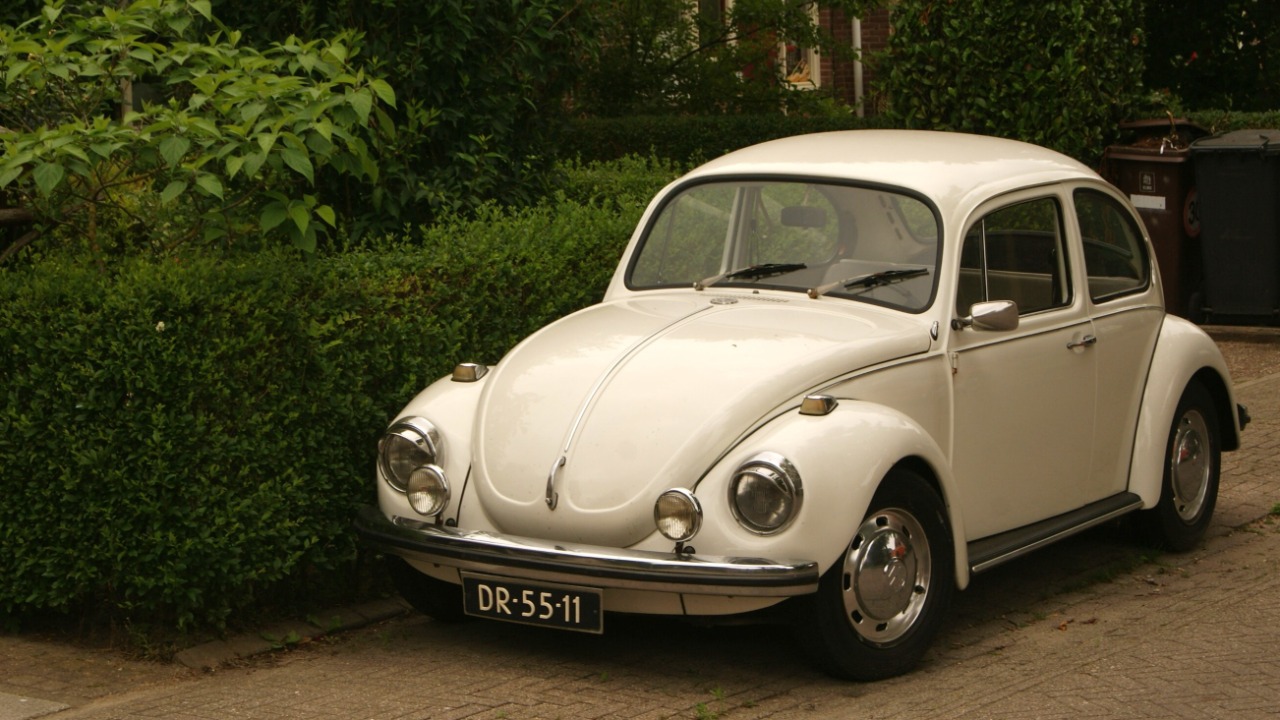
The Volkswagen Beetle offered Americans an affordable alternative to large domestic automobiles. Its compact size, economical engine, and distinctive design made it especially appealing to buyers looking for something different. The Beetle became a major cultural presence during the 1960s and 1970s. Its success demonstrated that the American market was becoming more receptive to smaller and more efficient automobiles.
Chevrolet Suburban
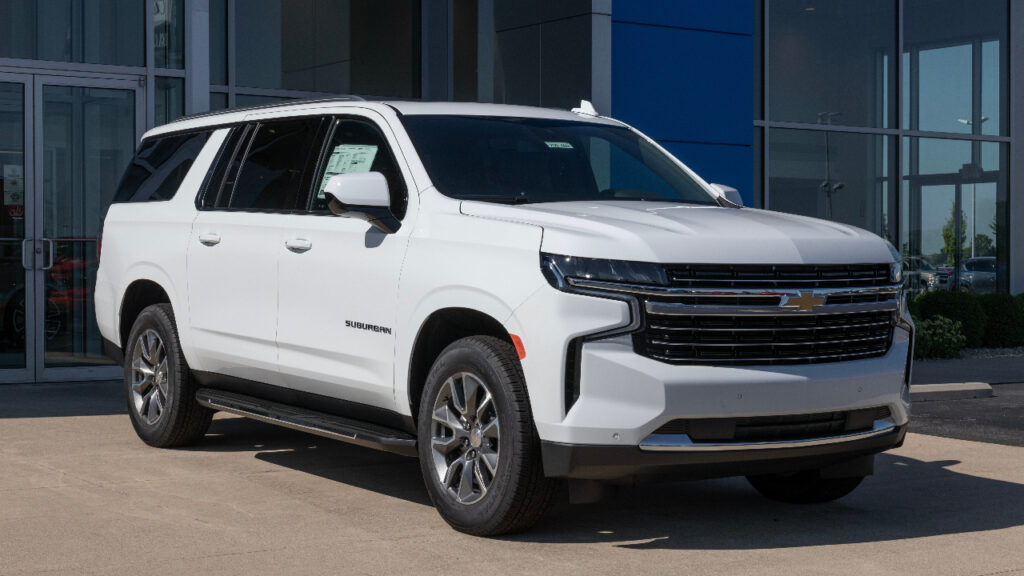
The Chevrolet Suburban helped establish the formula of combining passenger seating with substantial cargo capacity. Its truck-based construction made it useful for families, businesses, and outdoor activities. Over time, this basic concept evolved into the modern SUV. The Suburban’s long production history demonstrates how a practical postwar vehicle concept could eventually influence an entire category of American transportation.
Chrysler 300
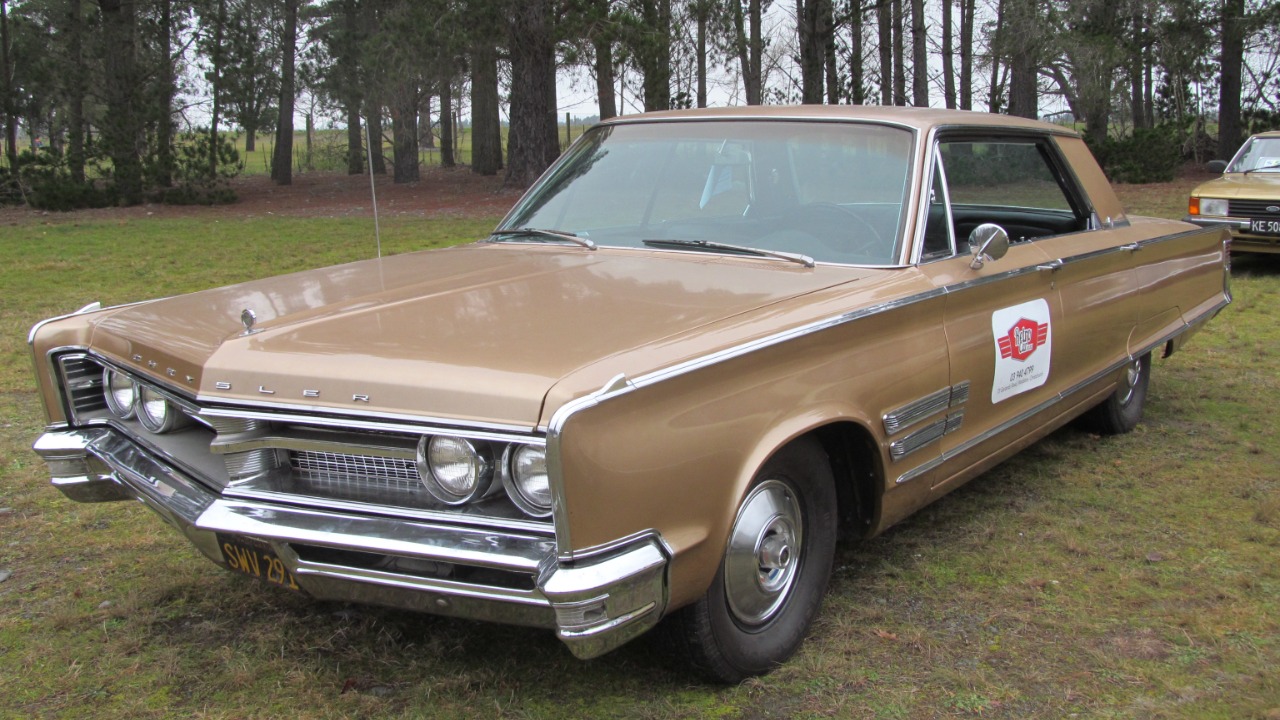
The Chrysler 300 combined luxury, styling, and serious V8 performance in a single package. It helped demonstrate that a comfortable American automobile could also deliver impressive speed. The model’s performance-oriented character influenced the development of later muscle cars and personal luxury vehicles. It represented the growing American desire for cars that could serve multiple purposes without sacrificing performance.
Pontiac GTO
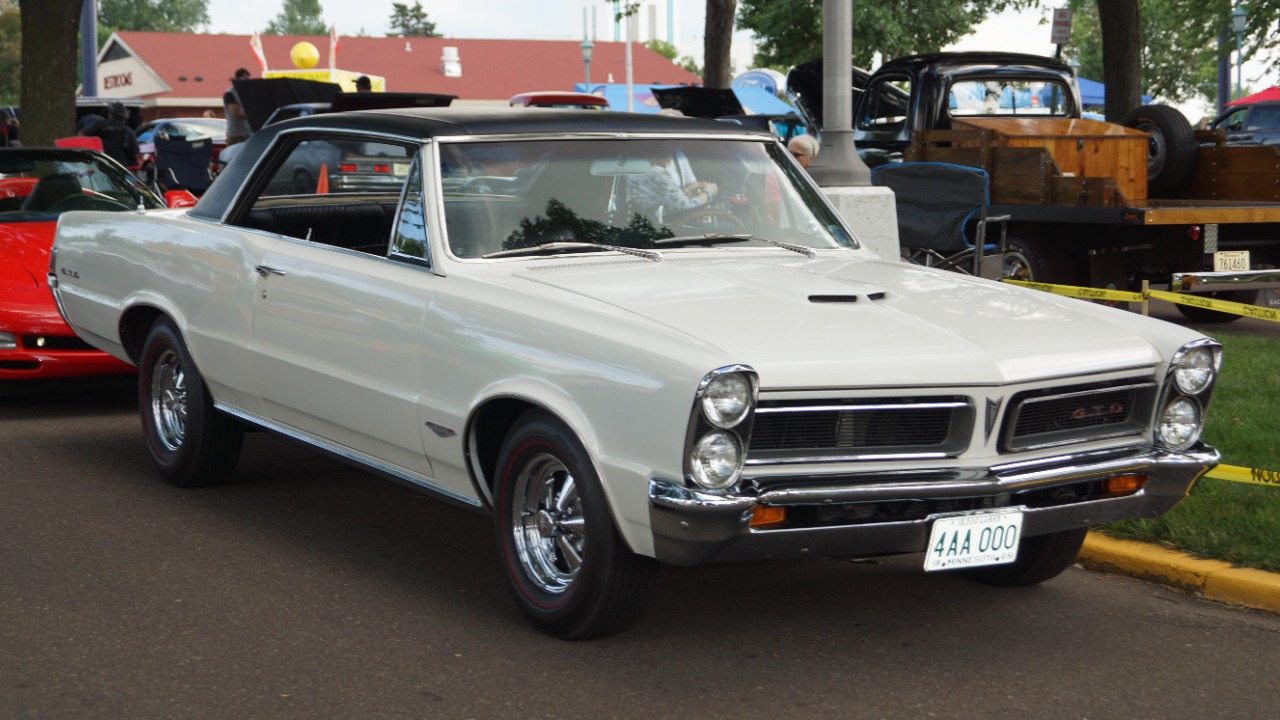
The Pontiac GTO helped launch the classic American muscle-car era. By placing a large-displacement V8 into a midsize car, Pontiac created a formula that quickly spread throughout Detroit. The GTO encouraged manufacturers to build increasingly powerful performance cars for younger buyers. Its influence extended beyond the model itself, helping change the way Americans thought about speed, affordability, and everyday automobiles.
More from Fast Lane Only