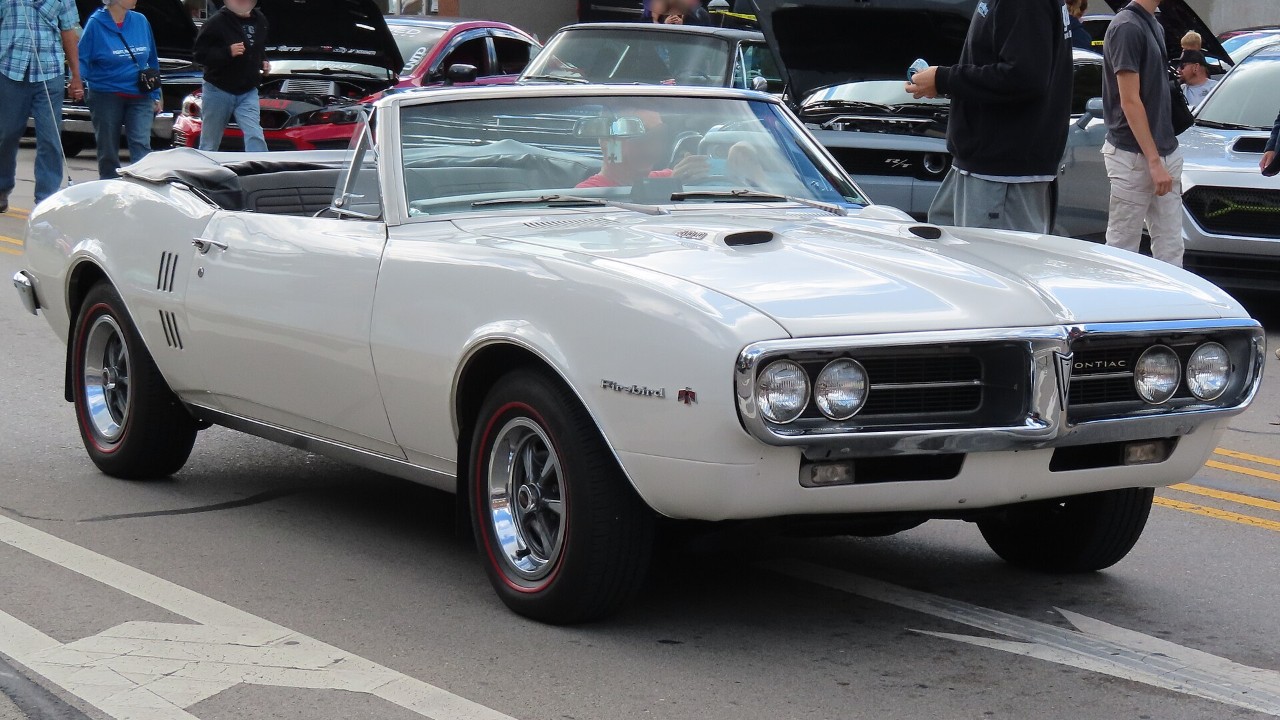
The analog performance era of sports cars was defined by mechanical engagement, where drivers connected intimately with their machines. These vehicles offered raw and unfiltered driving experiences, emphasizing tactile feedback and precision. Here, I highlight ten standout models that encapsulated this spirit, each one a testament to the joy of driving without the distractions of modern technology.
Porsche 911 (964)
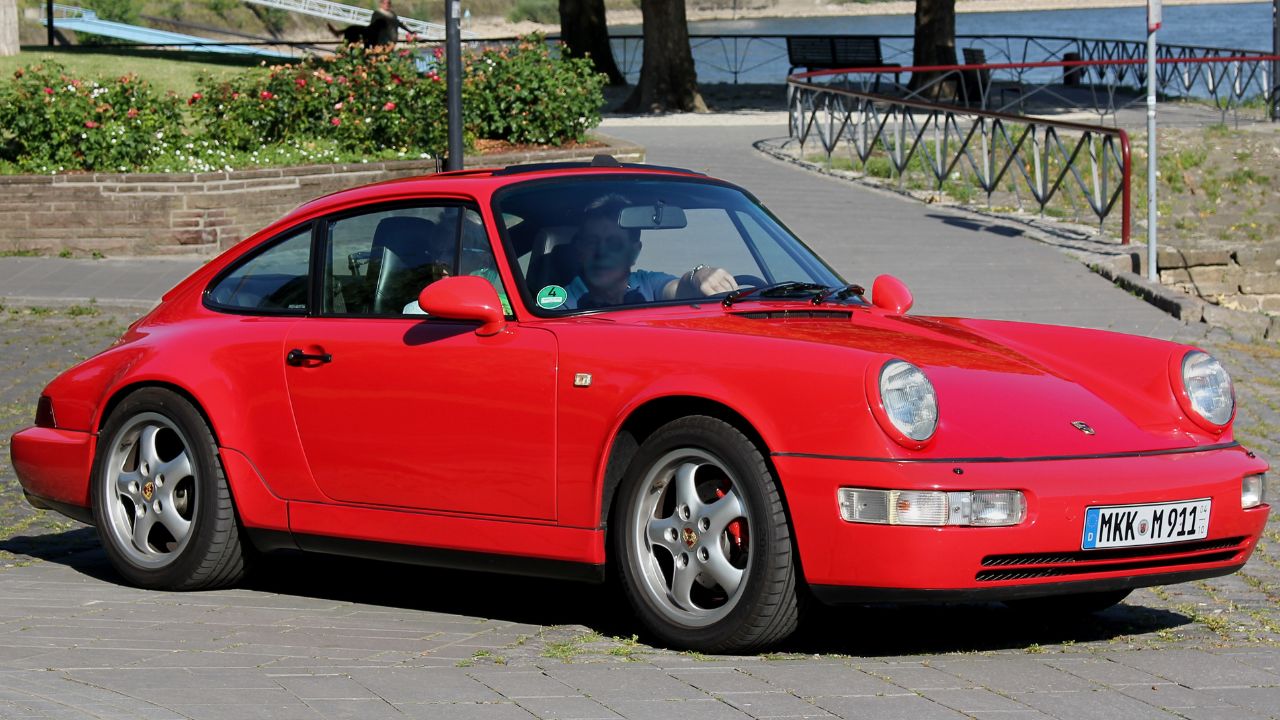
The Porsche 911 (964), produced from 1989 to 1994, is often heralded as the quintessential 911 for purists. With its classic shape and rear-engine layout, this model marked a significant evolution in the series while retaining the analog feel that enthusiasts cherish. The 964 introduced all-wheel drive, enhancing grip without compromising the visceral driving experience. Its 3.6-liter flat-six engine provides a soundtrack that resonates with every acceleration, making it a joy to rev through the gears. The mechanical steering and connected pedals give the driver a sense of control that modern cars often lack. For anyone seeking a genuine connection with their car, the 964 remains a top choice.
Mazda RX-7 (FC3S)
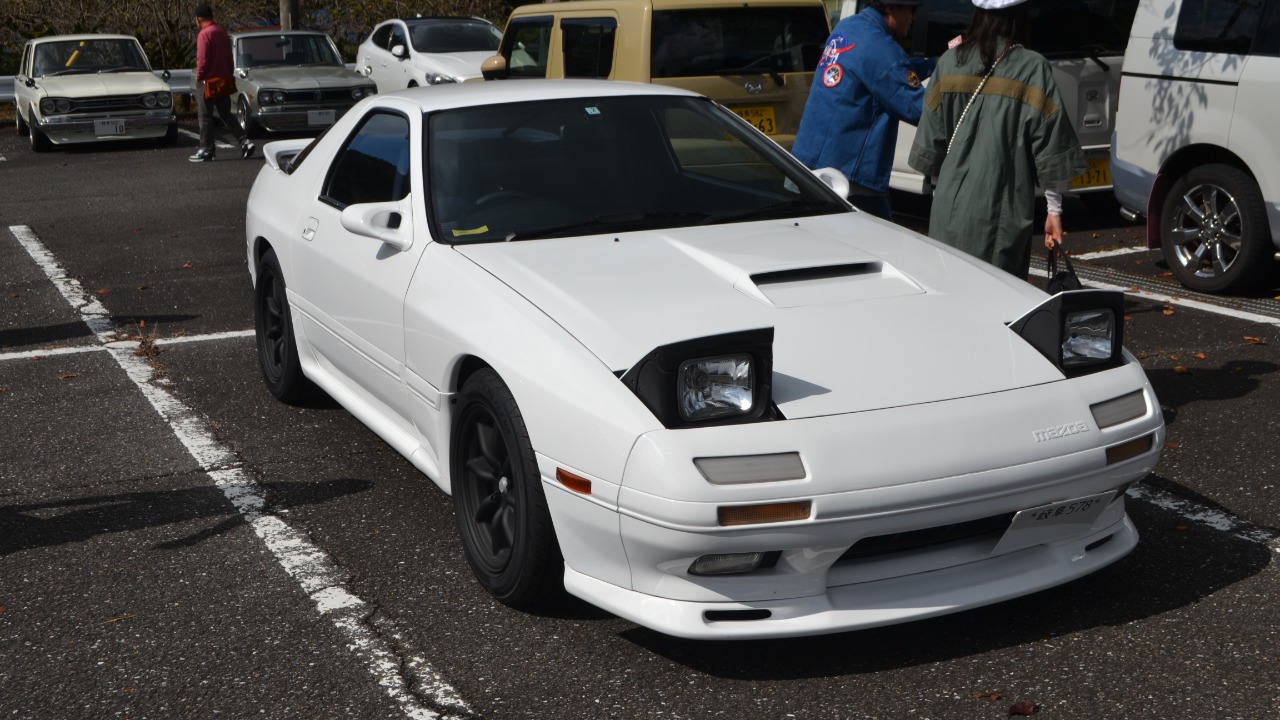
The Mazda RX-7 (FC3S), produced from 1986 to 1992, is a celebration of rotary engine performance and lightweight design. This sports car is known for its agile handling and balanced chassis, which make it a favorite among driving enthusiasts. The 1.3-liter twin-rotor engine may seem small, but it delivers impressive power and revs eagerly, providing an exhilarating driving experience. The RX-7’s design emphasizes simplicity, keeping distractions to a minimum while maximizing driver engagement. Its rear-wheel-drive layout and near-perfect weight distribution ensure that every corner feels like a dance. The RX-7 is not just a car; it’s an invitation to explore the road ahead.
Toyota Supra MKIV
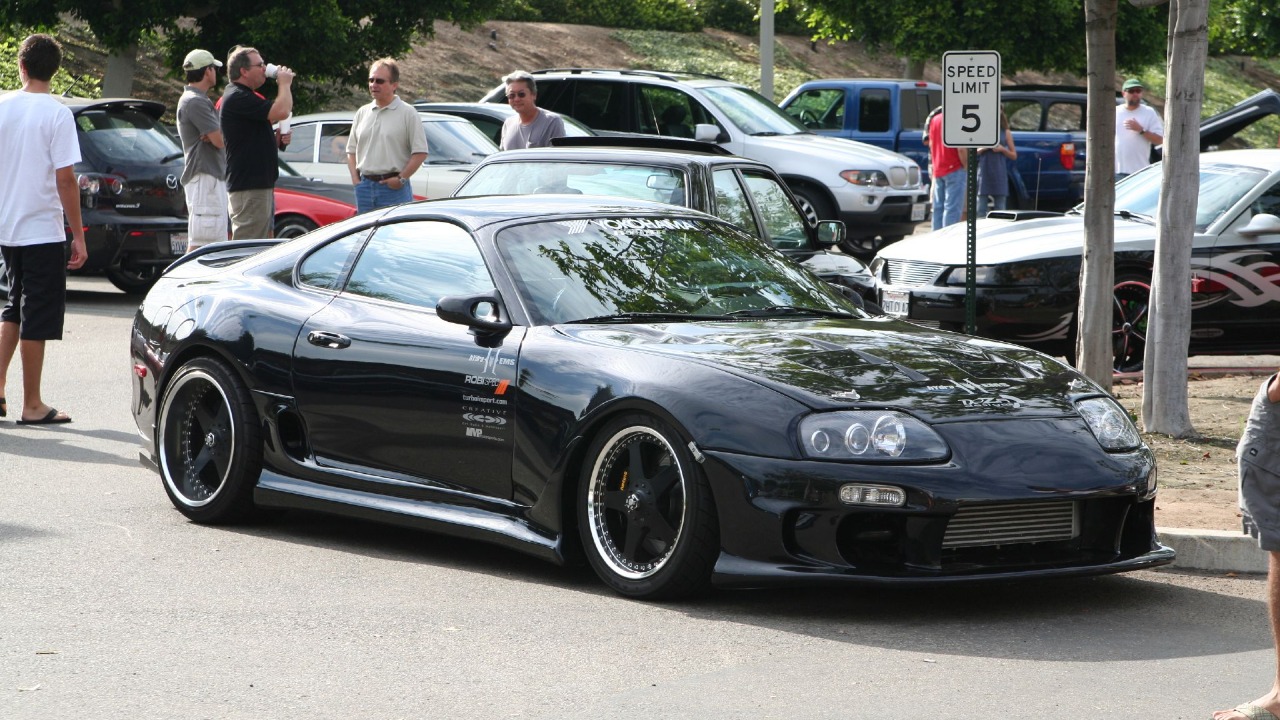
The Toyota Supra MKIV, produced from 1993 to 2002, has become an icon in the sports car community. Known for its robust 2JZ-GTE engine, this car is a masterclass in power and reliability. With a turbocharged inline-six engine, it offers thrilling acceleration and a rewarding driving experience. The MKIV’s aerodynamic design and rear-wheel-drive layout contribute to its excellent handling characteristics. It’s no surprise that this model has become a favorite for tuners and collectors alike. The Supra’s mechanical nature allows drivers to feel every aspect of the road, making it a timeless classic that continues to capture hearts worldwide. Check out more about its legacy in this insightful article.
Nissan 300ZX (Z32)
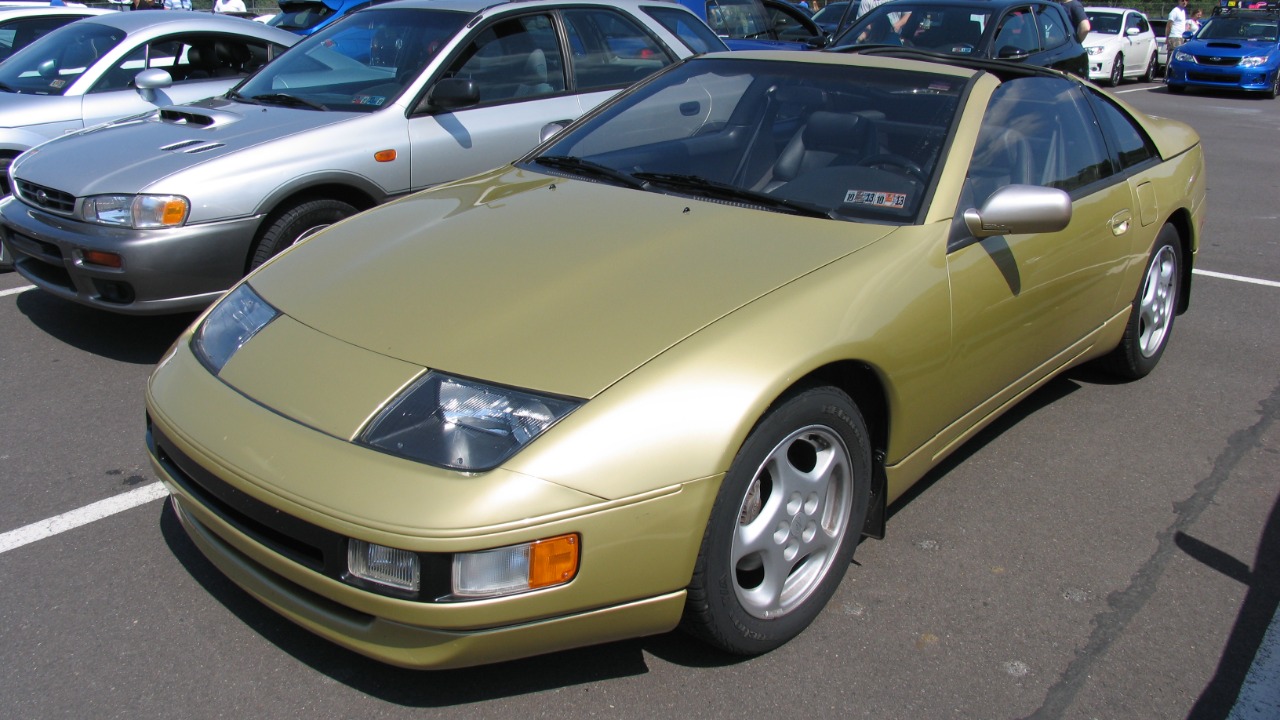
The Nissan 300ZX (Z32), produced from 1989 to 2000, combines cutting-edge technology with analog driving pleasure. Featuring a 3.0-liter V6 engine, it provides ample power and a thrilling soundtrack as it reaches its redline. This model’s sleek lines and wide stance give it an aggressive appearance that matches its performance. The 300ZX also introduced advanced features like active aerodynamics and a multi-link suspension, yet it still feels connected to the road. The hydraulic steering system delivers precise feedback, allowing drivers to feel every nuance of their driving environment. It’s a car that embodies the spirit of the ’90s, where performance and style met in perfect harmony.
Ford Mustang GT (Fox Body)
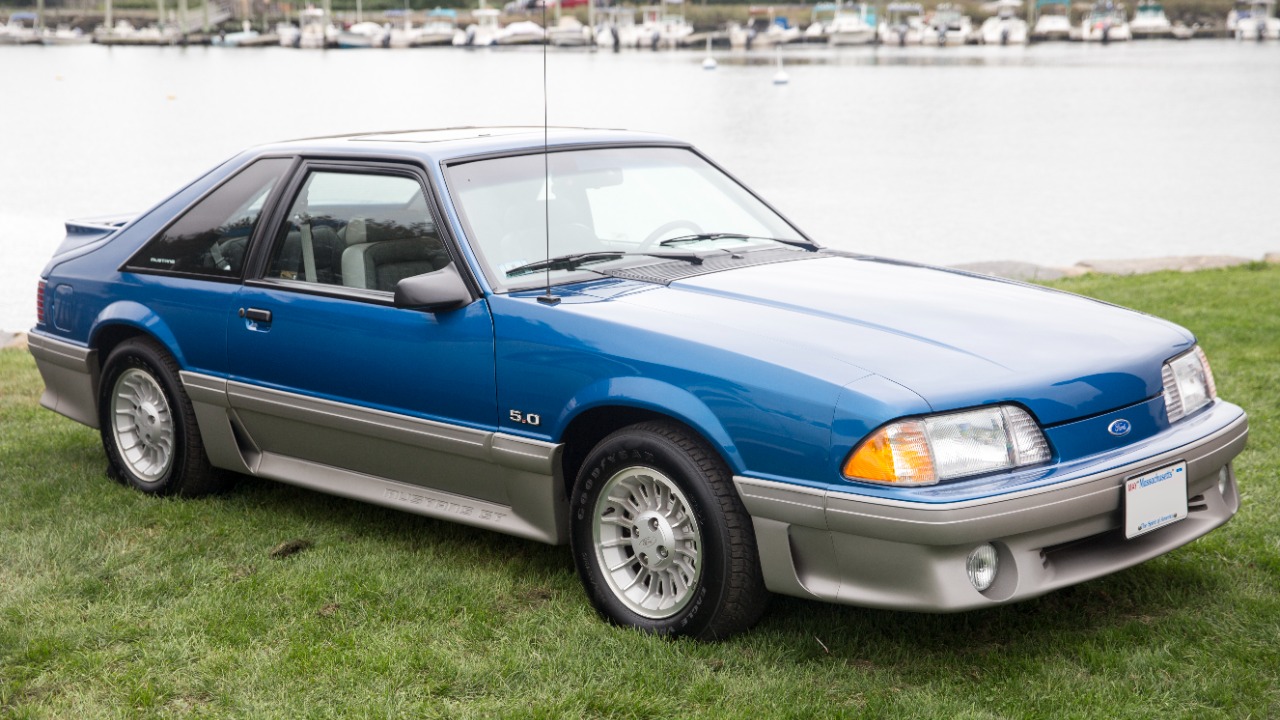
The Ford Mustang GT (Fox Body), produced from 1979 to 1993, represents an era of American muscle that is both raw and mechanical. With its classic V8 engine, this car offers a visceral driving experience that is hard to replicate. The lightweight body and rear-wheel-drive layout create a dynamic that encourages spirited driving, whether on a winding road or a straightaway. The Mustang GT’s interior is straightforward, prioritizing the driving experience over luxury features. This focus on performance has made it a favorite among enthusiasts who appreciate the thrill of driving a true American classic. I find it fascinating how this model continues to resonate with collectors today, as evidenced by discussions in enthusiast groups.
Chevrolet Corvette C4
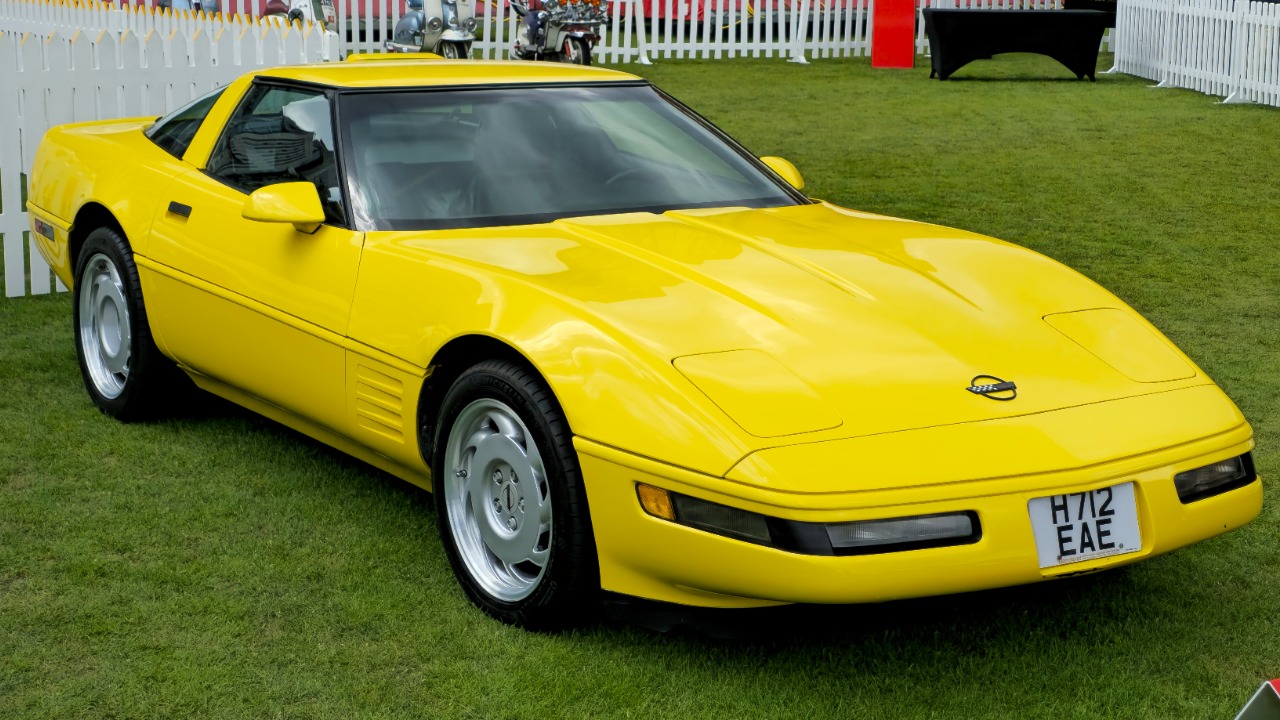
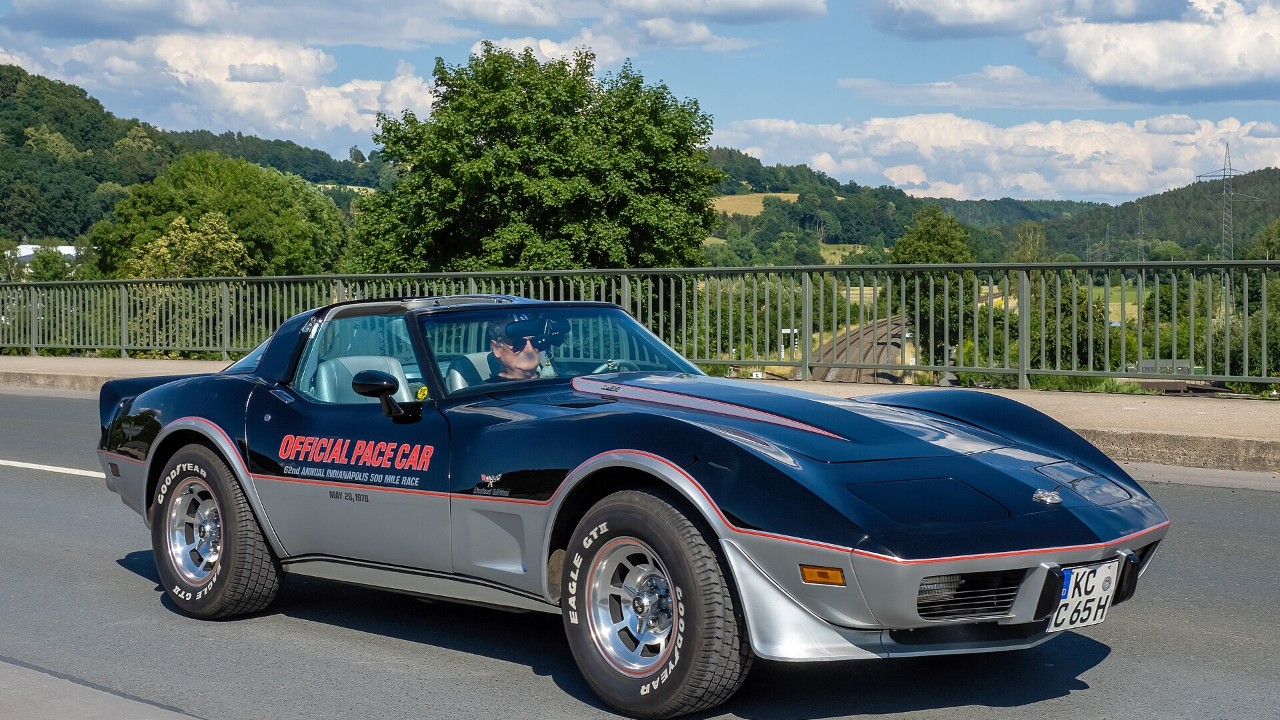
The Chevrolet Corvette C4, produced from 1984 to 1996, marked a significant step forward for America’s sports car. With its sleek, angular design and lightweight fiberglass body, the C4 introduced performance that rivaled European counterparts. The LT1 engine, introduced in 1992, offered a potent V8 experience that provided exhilarating acceleration. The Corvette’s mechanical setup ensures that every input from the driver is felt through the steering wheel and pedals, making it a true driver’s car. The C4’s straightforward dashboard and lack of excessive technology keep the focus on the driving experience. It’s a model that has stood the test of time and remains a favorite among sports car enthusiasts.
BMW M3 (E30)
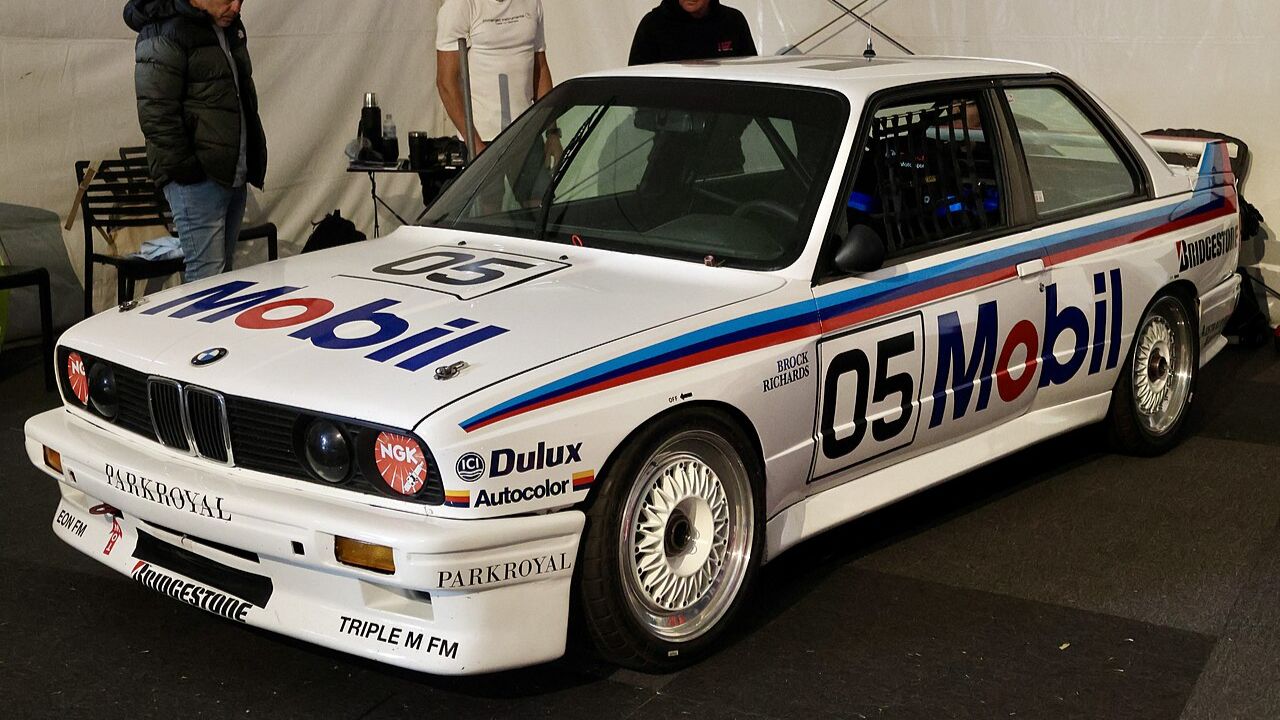
The BMW M3 (E30), produced from 1982 to 1994, is often regarded as one of the best driver’s cars ever made. With its lightweight construction and high-revving inline-four engine, the E30 M3 delivers a raw and engaging performance that few cars can match. The steering is precise, providing feedback that enhances the connection between the driver and the road. This model’s balanced chassis allows for playful handling, making it a joy on twisty roads or the racetrack. The E30 has become a cultural icon, often celebrated in motorsport circles and among collectors. Its enduring popularity is a testament to the mechanical purity that defines the analog performance era.
Honda NSX (NA1)
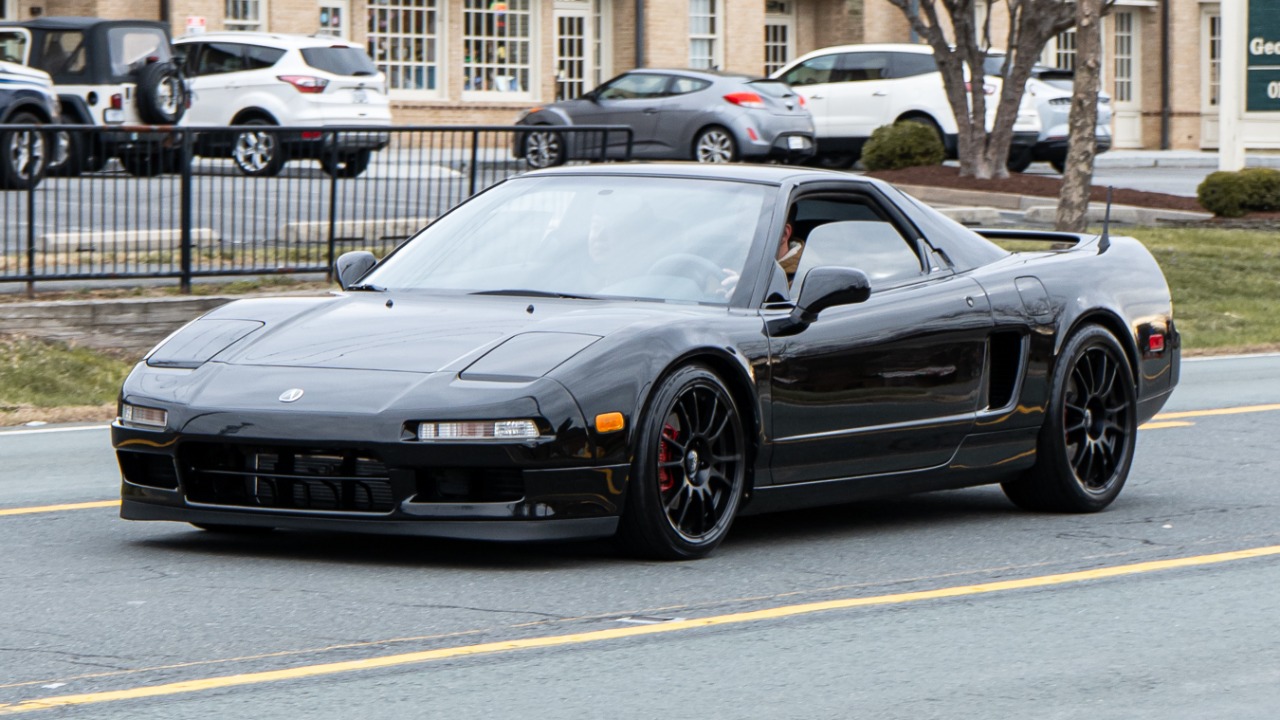
The Honda NSX (NA1), produced from 1990 to 2005, is a groundbreaking sports car that blends reliability with exhilarating performance. Powered by a mid-mounted V6 engine, the NSX offers exceptional balance and handling. Its aluminum construction keeps the weight down, enhancing agility without compromising comfort. The NSX was designed with input from F1 legend Ayrton Senna, making it a marvel of engineering that prioritizes driver engagement. The mechanical feel of the steering and throttle response allows you to connect with the car in a way that is often lost in modern vehicles. The NSX remains a benchmark for what a true sports car should be.
Alfa Romeo Spider (Series 4)
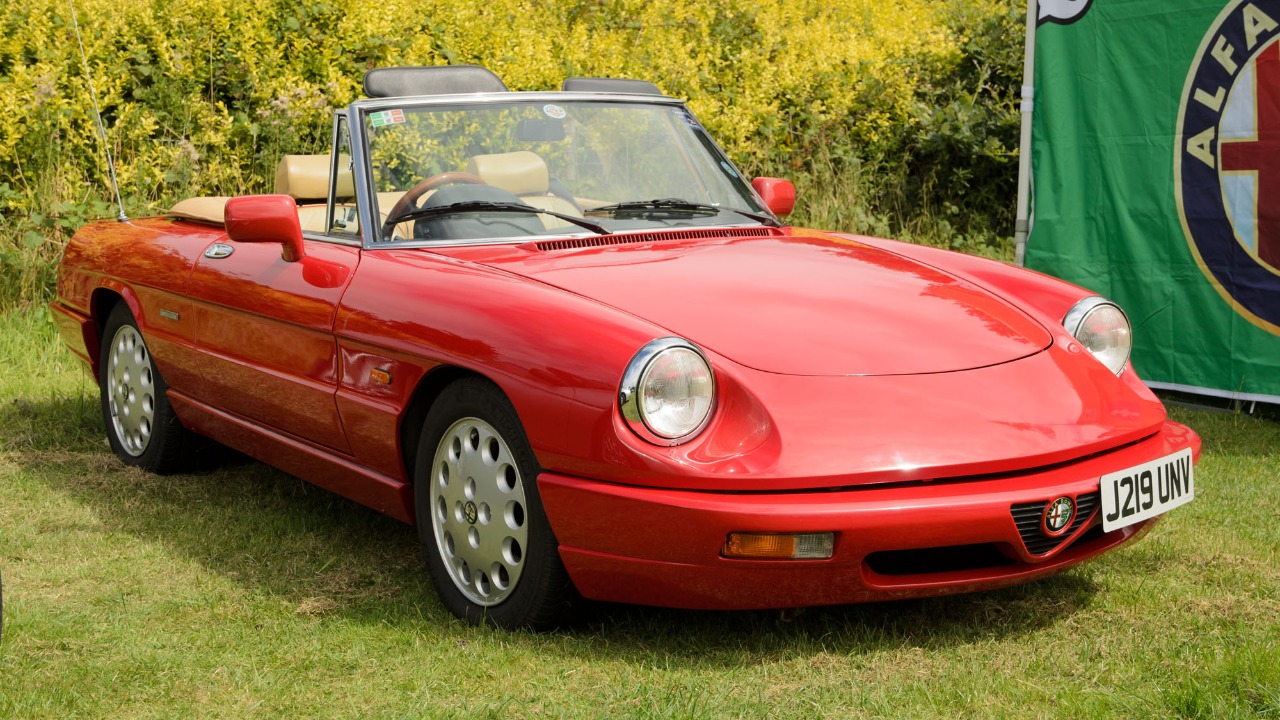
The Alfa Romeo Spider (Series 4), produced from 1983 to 1990, is a classic Italian roadster that embodies the spirit of driving. With its timeless design and engaging performance, the Spider offers a mechanical experience that captivates enthusiasts. The 2.0-liter inline-four engine delivers a spirited drive, while the lightweight chassis enhances its nimble handling. The manual transmission allows for direct engagement with the powertrain, making every shift a rewarding experience. The Spider’s classic lines and open-top design invite you to enjoy the wind in your hair as you navigate through scenic routes. This model is a true testament to the joy of driving, reflecting the passion of Italian automotive design.
Lotus Elise Series 1
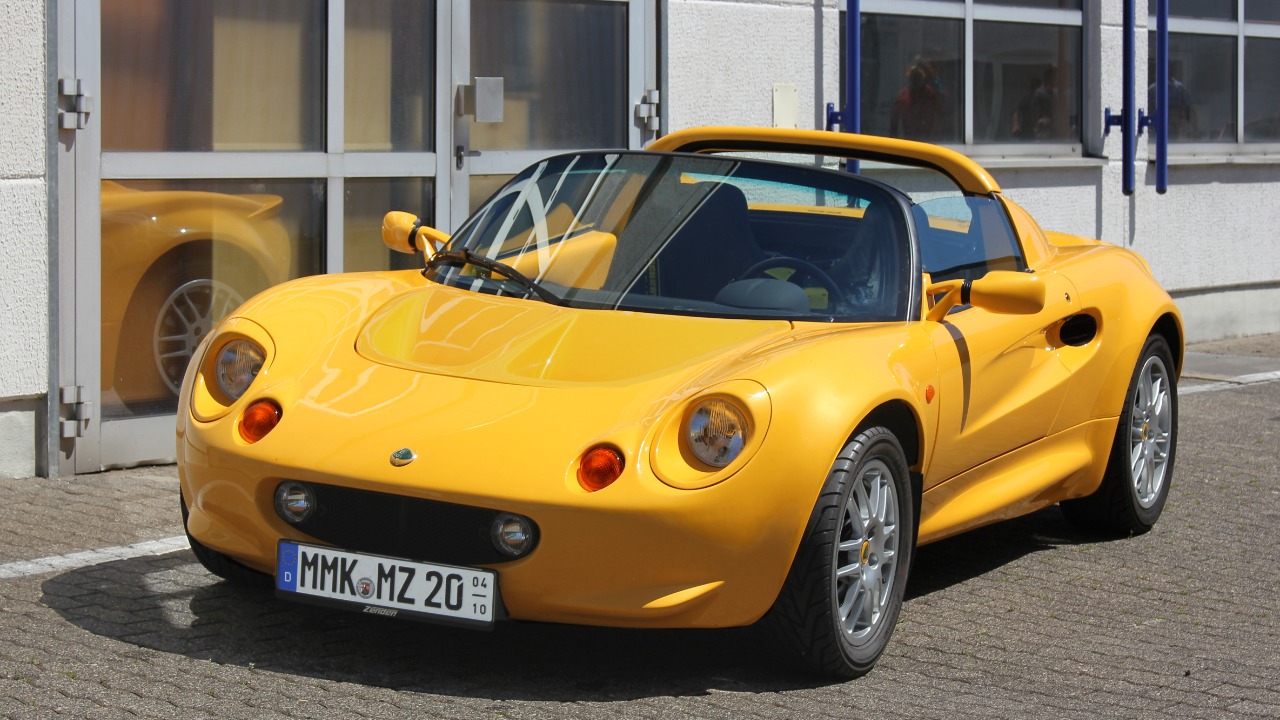
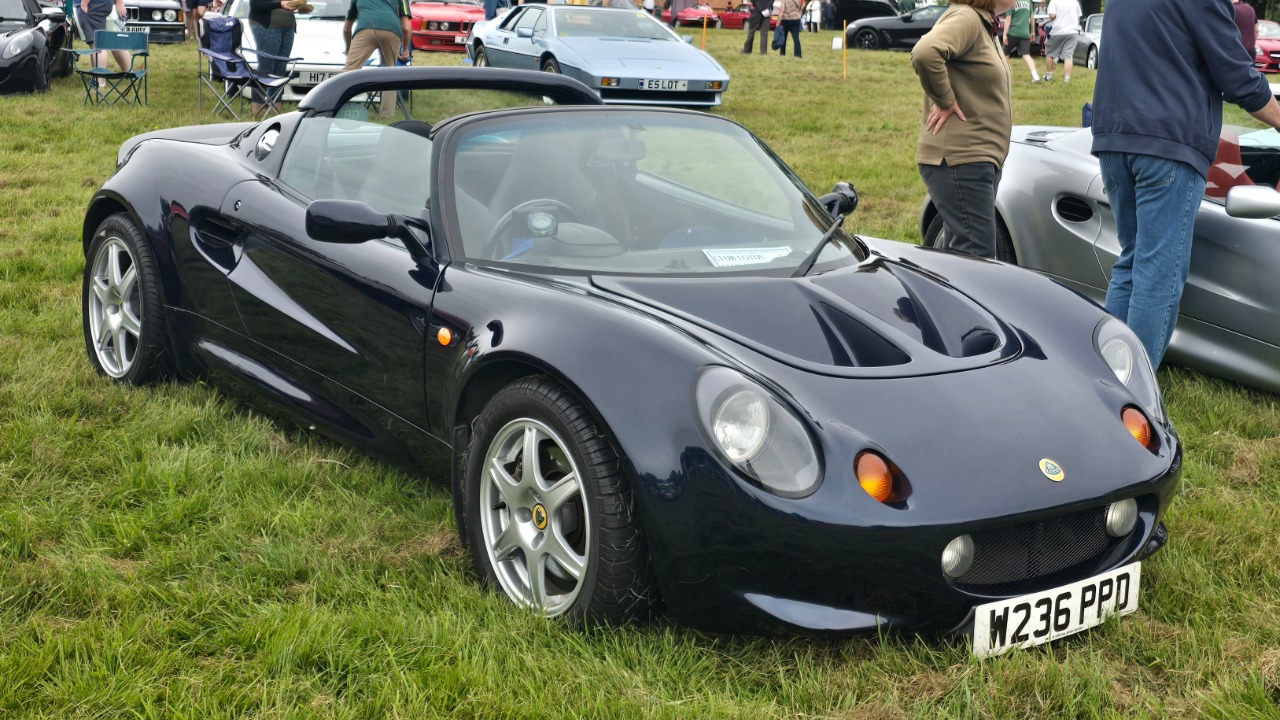
The Lotus Elise Series 1, produced from 1996 to 2001, is a lightweight sports car that offers a pure driving experience. With a weight of just over 1,500 pounds, its agile handling and responsive steering make it a favorite among driving purists. Powered by a 1.8-liter inline-four engine, the Elise emphasizes performance without the need for excessive horsepower. The minimalist interior focuses on the essentials, allowing the driver to connect with the car and the road. Every curve and bump is felt through the chassis, creating an exhilarating driving experience. The Elise’s philosophy of lightness and simplicity is a refreshing reminder of what makes driving enjoyable, making it a must-try for any car enthusiast.
More from Fast Lane Only
- Unboxing the WWII Jeep in a Crate
- 15 rare Chevys collectors are quietly buying
- 10 underrated V8s still worth hunting down
- Police notice this before you even roll window down
*Research for this article included AI assistance, with all final content reviewed by human editors.