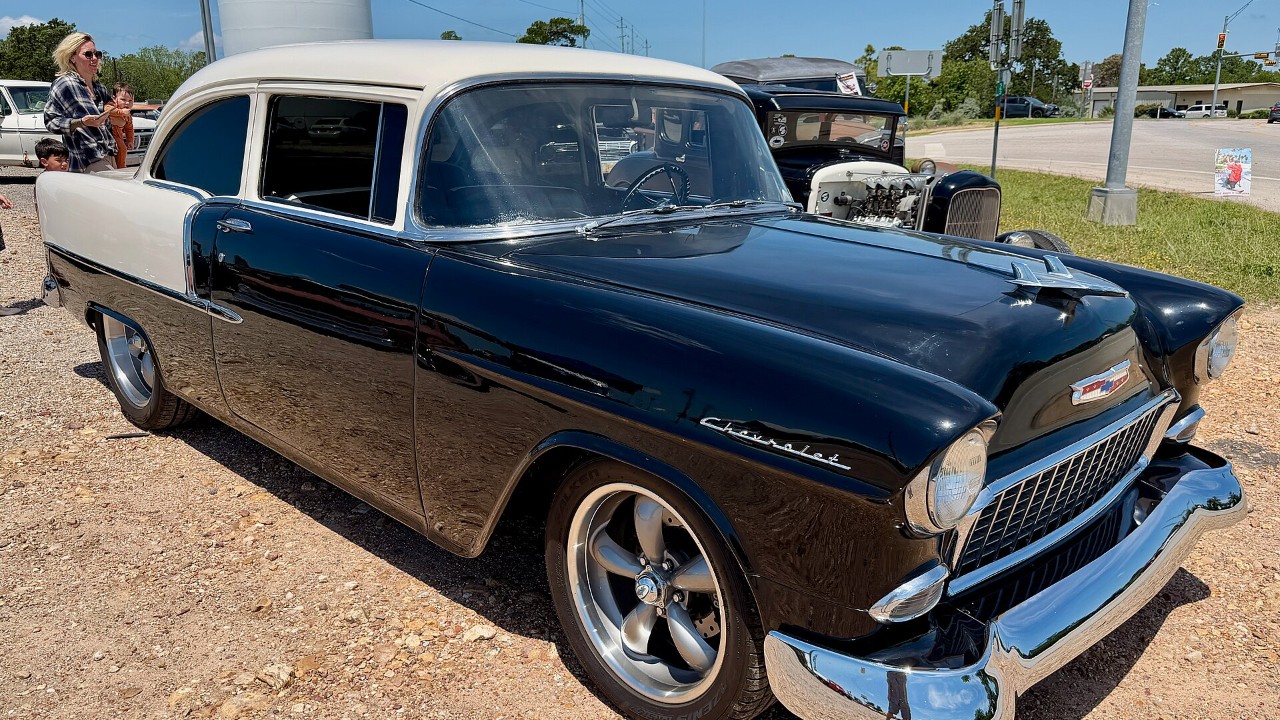
The late 1980s to the late 1990s marked a transformative period in automotive history, where performance and engineering excellence reached new heights. The cars from this era are not just machines; they are icons—symbols of innovation, speed, and style. Enthusiasts today still chase these legendary models, each with its own story and legacy that continues to captivate the automotive world.
Porsche 959
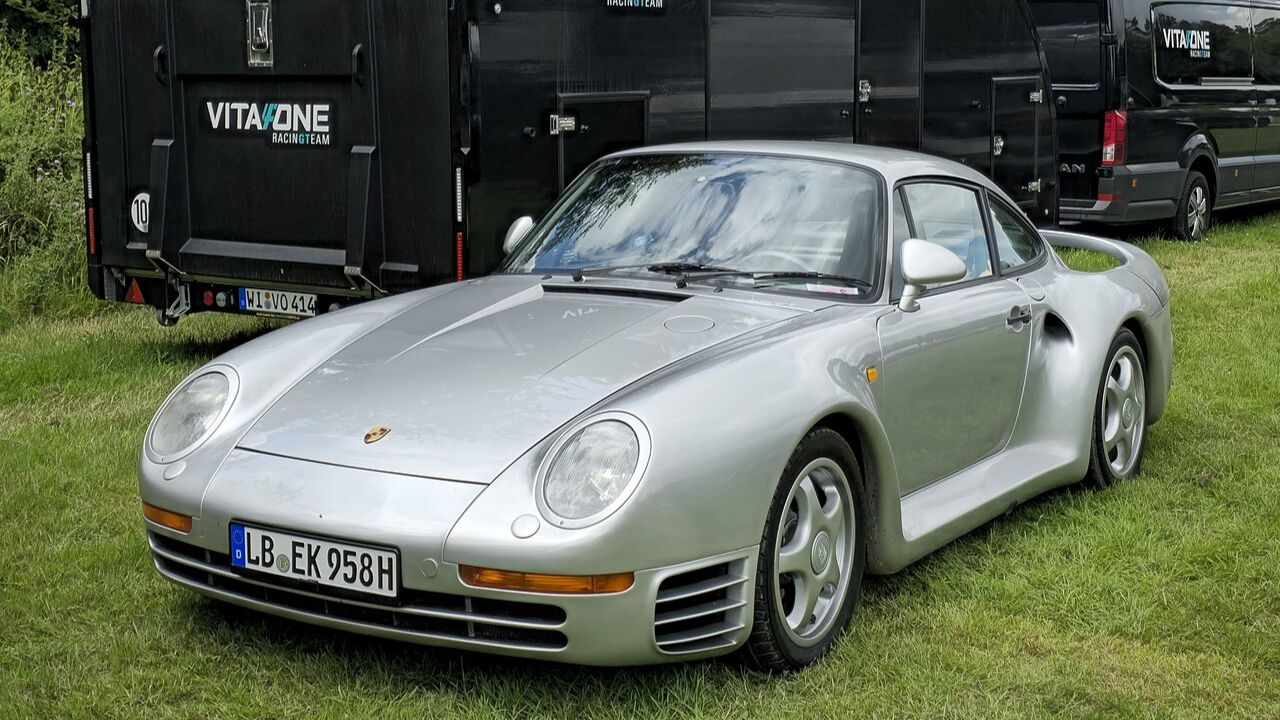
The Porsche 959, produced from 1986 to 1989, was a groundbreaking supercar that combined performance with advanced technology. With a twin-turbocharged flat-six engine producing 450 horsepower, the 959 could accelerate from 0 to 60 mph in just 3.6 seconds, a feat that was revolutionary for its time. Its all-wheel-drive system provided unparalleled handling, making it a favorite among driving enthusiasts.
Despite its impressive stats, the 959 was produced in limited numbers, with only 337 units built. This rarity, combined with its unique blend of technology and performance, makes the Porsche 959 a coveted collector’s item. The car’s legacy lives on, influencing modern supercars and remaining a dream for many. For a deeper look into the fascination surrounding cars like the 959, check out this article.
Ferrari F40

Launched in 1987 to celebrate Ferrari’s 40th anniversary, the Ferrari F40 is often hailed as one of the purest supercars ever made. With a lightweight carbon fiber body and a twin-turbo V8 engine producing 471 horsepower, it was designed for speed and performance. The F40 could reach 60 mph in just 3.8 seconds and boasts a top speed of 201 mph. Its minimalist design and racing heritage have contributed to its legendary status.
The F40’s significance extends beyond its performance. It was the last Ferrari personally approved by Enzo Ferrari before his passing, adding to its allure. Today, the F40 remains a symbol of the brand’s racing roots and is highly sought after by collectors. For those interested in the deeper automotive culture, this book provides insights into the era: read more.
Lamborghini Diablo
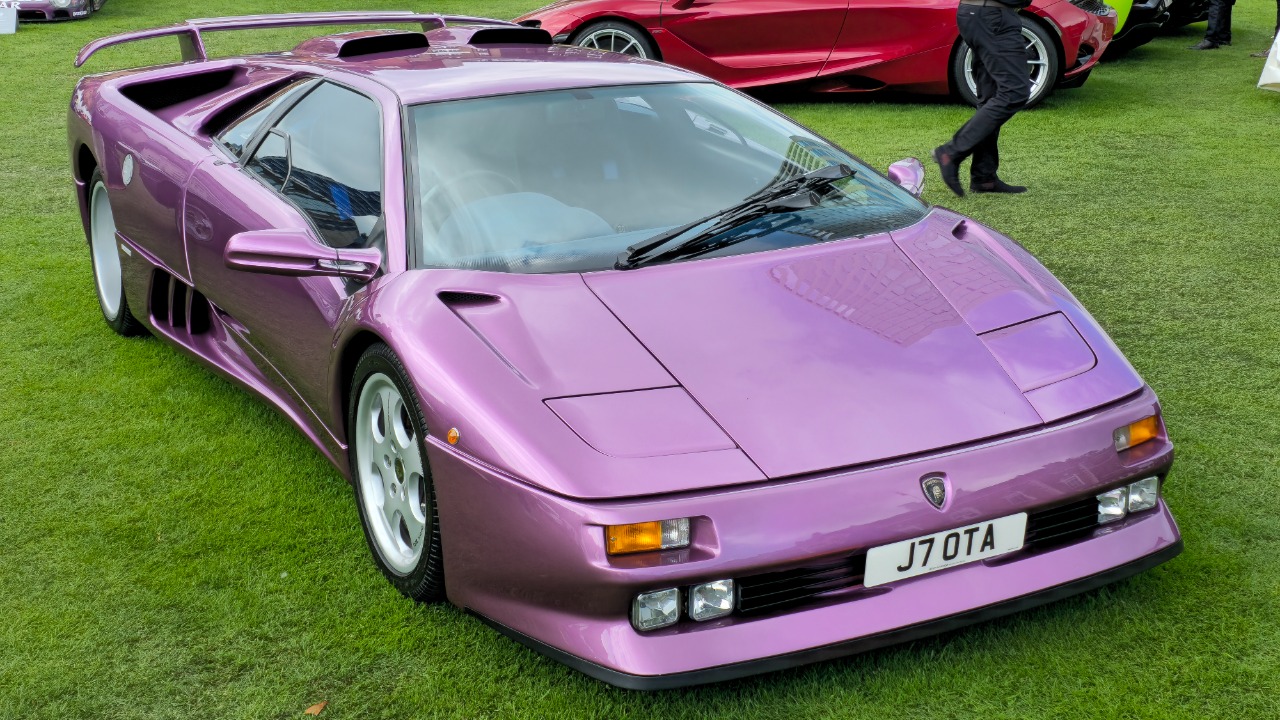
Unveiled in 1990, the Lamborghini Diablo took the supercar world by storm with its striking design and powerful performance. Equipped with a mid-mounted V12 engine that produced up to 600 horsepower in later models, it could sprint from 0 to 60 mph in about 4 seconds. Its aggressive lines and scissor doors became iconic features that defined the Lamborghini brand during the 1990s.
The Diablo was the first Lamborghini capable of exceeding 200 mph, a milestone that solidified its place in automotive history. With a production run until 2001, it remains a symbol of excess and performance, attracting collectors and enthusiasts alike. The fascination with such performance icons is well documented in various automotive literature, including this comprehensive resource available here.
Nissan Skyline GT-R (R32)
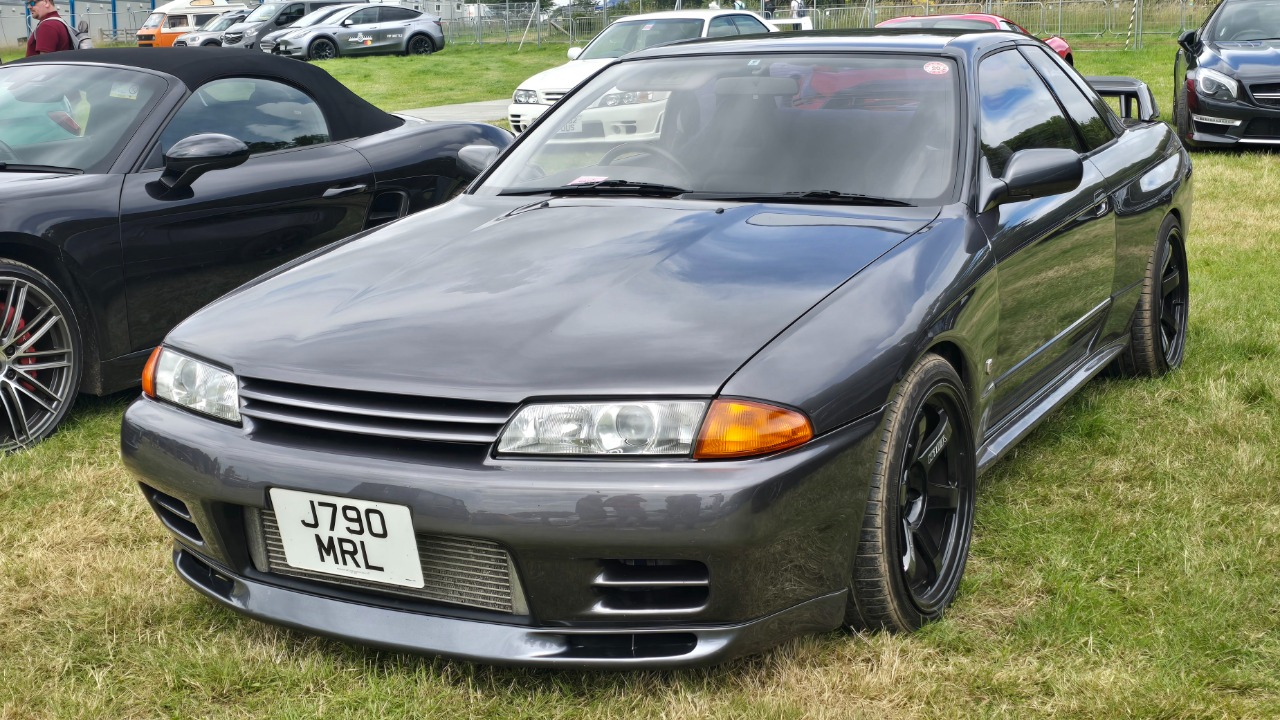
The Nissan Skyline GT-R (R32), produced from 1989 to 1994, is a cornerstone of Japanese performance car history. Powered by the RB26DETT engine, a 2.6-liter inline-six twin-turbocharged powerhouse, it delivered 280 horsepower and was equipped with the ATTESA all-wheel-drive system. This technology provided exceptional handling and stability, making the R32 a formidable competitor on both the street and the racetrack.
Known as “Godzilla” in Australia, the R32’s reputation was solidified through its success in motorsport, particularly in Group A racing. Its blend of performance, technology, and accessibility has made it a favorite among car enthusiasts and collectors. The R32’s legacy continues to influence modern Nissan models and Japanese sports cars. To appreciate the depth of this era, enthusiasts often turn to detailed accounts in automotive books, such as this one: find out more.
Acura NSX
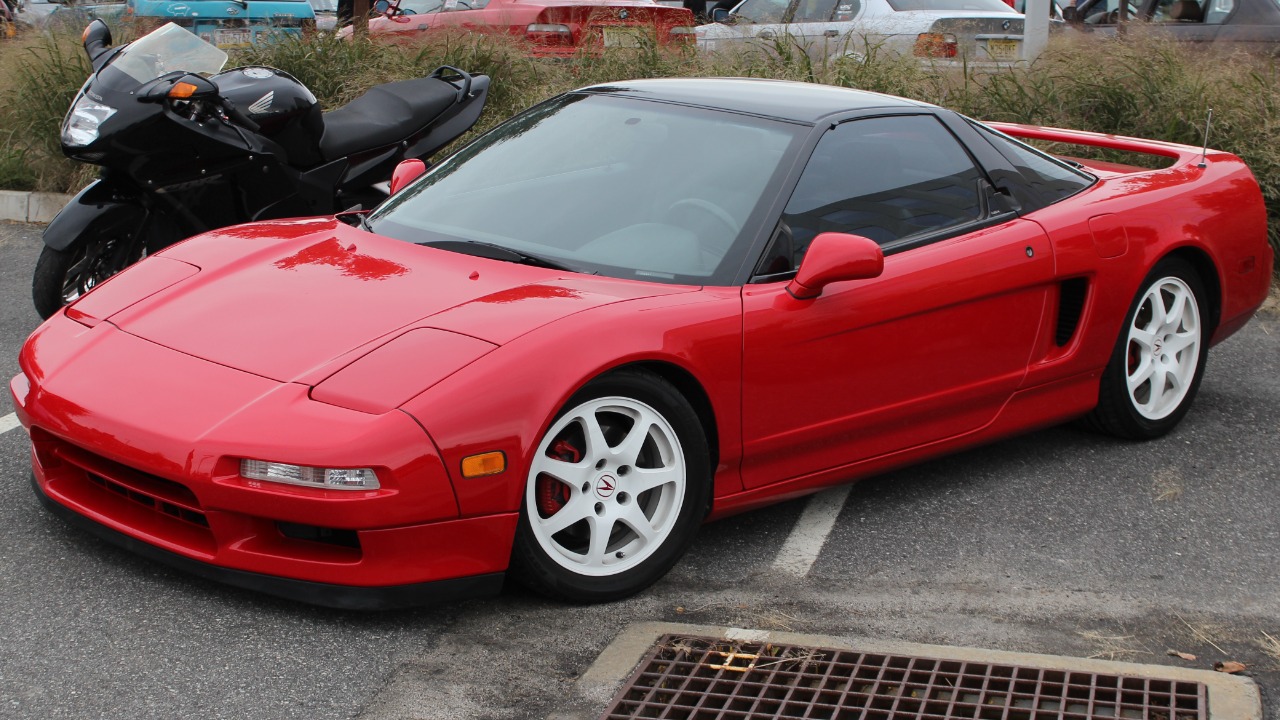
The Acura NSX, introduced in 1990, was a revolutionary sports car that showcased Honda’s engineering prowess. Featuring a mid-engine layout and a naturally aspirated V6, it produced 270 horsepower while weighing less than 3,000 pounds. The NSX was notable for its aluminum construction, which contributed to its lightweight design, enhancing performance and handling.
Developed with input from Formula 1 champion Ayrton Senna, the NSX was praised for its balance and agility. It was a game-changer, proving that Japanese manufacturers could compete with European supercars. The NSX’s legacy continues today, with enthusiasts eager to own a piece of this automotive history, making it a sought-after classic in the years to come.
Ford Mustang SVT Cobra
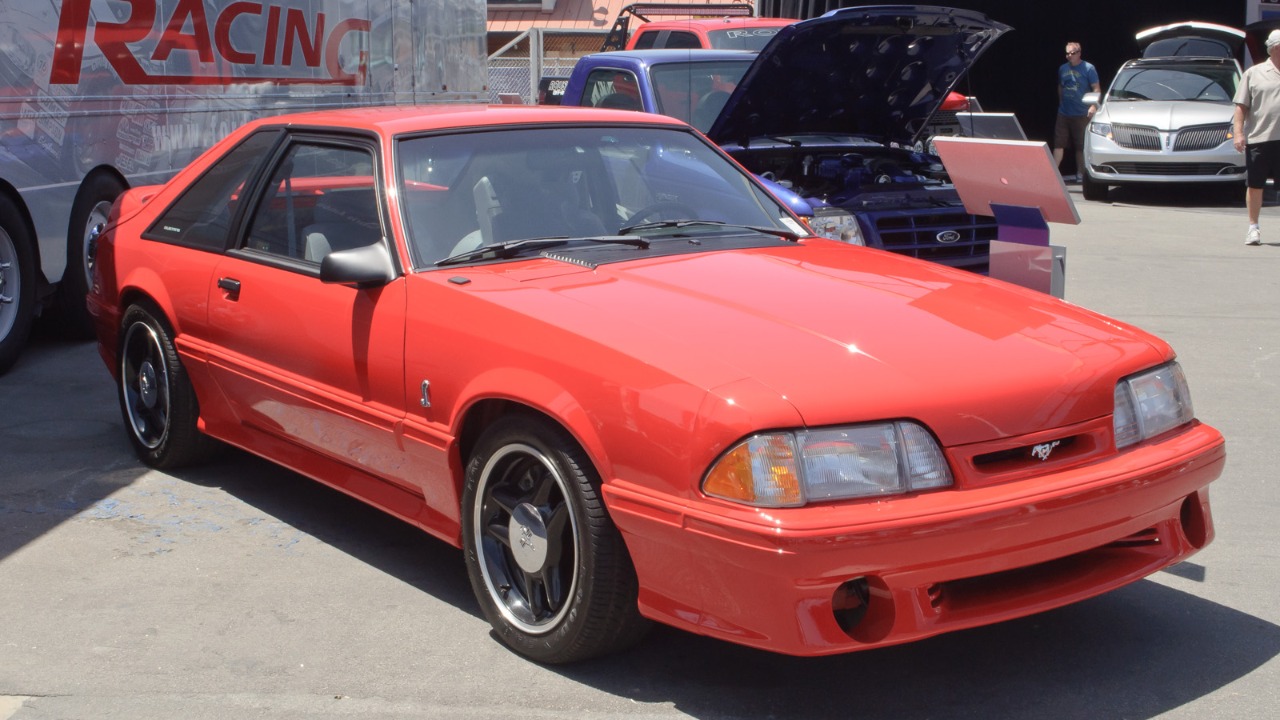
The Ford Mustang SVT Cobra, particularly the models from 1993 to 1998, stands as a testament to American muscle. With a supercharged 4.6-liter V8 engine, the Cobra produced between 305 to 320 horsepower, offering exhilarating performance that appealed to a broad audience. Its unique styling and aggressive stance were complemented by features like a sport-tuned suspension and larger brakes.
The Cobra models were pivotal in reviving the Mustang brand during the 1990s, offering modern performance while honoring its muscle car roots. The limited production numbers and distinctive features make the SVT Cobra a desirable option for collectors and enthusiasts alike. The Mustang’s influence in automotive culture is undeniable, as seen in various community discussions and fan gatherings.
Mazda RX-7 (FD3S)
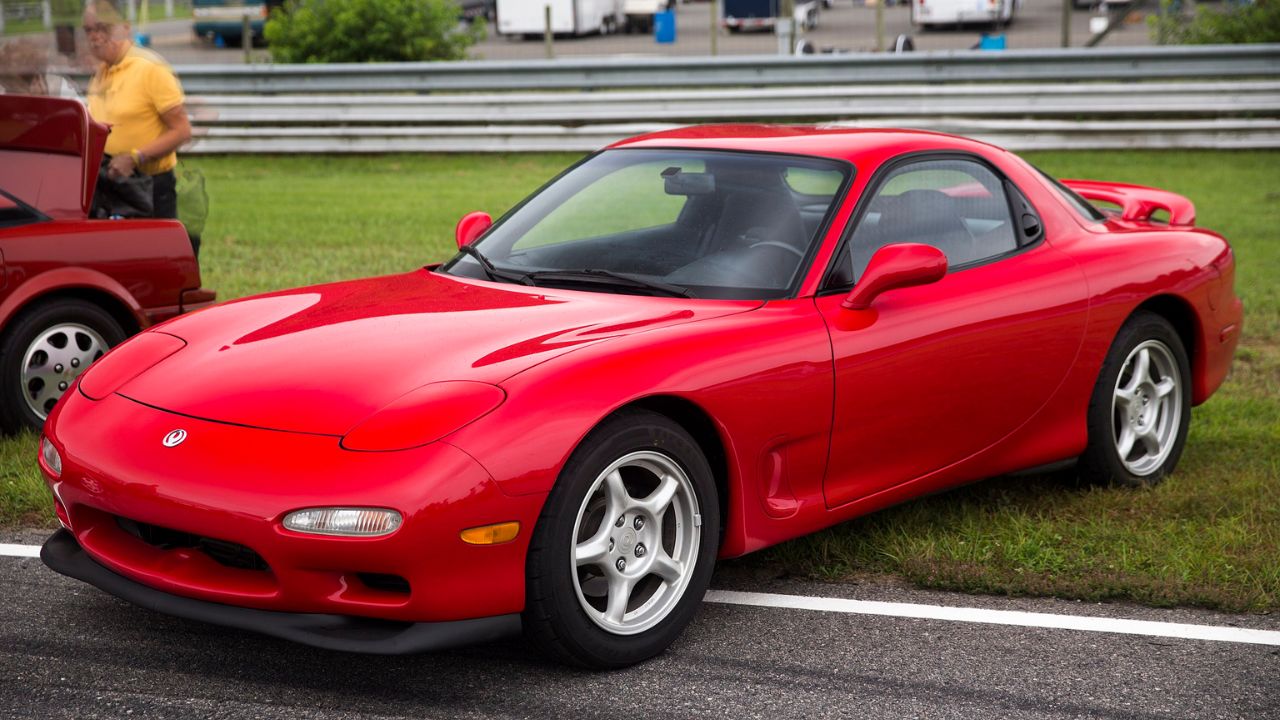
The Mazda RX-7 (FD3S), produced from 1992 to 2002, is renowned for its lightweight, balanced chassis and rotary engine, offering a unique driving experience. The 1.3-liter twin-rotor engine produced up to 276 horsepower, delivering power in a way that was distinct from traditional piston engines. Its agile handling and responsiveness made it a favorite among driving purists.
The RX-7 featured a sleek design and a focus on performance, making it a standout in the sports car market during the 1990s. Its racing pedigree, combined with the rotary engine’s unique characteristics, has ensured that the RX-7 remains a beloved choice among car enthusiasts. The RX-7’s legacy is celebrated at various car shows and gatherings, where fans continue to share their passion for this iconic vehicle.
Chevrolet Corvette ZR-1
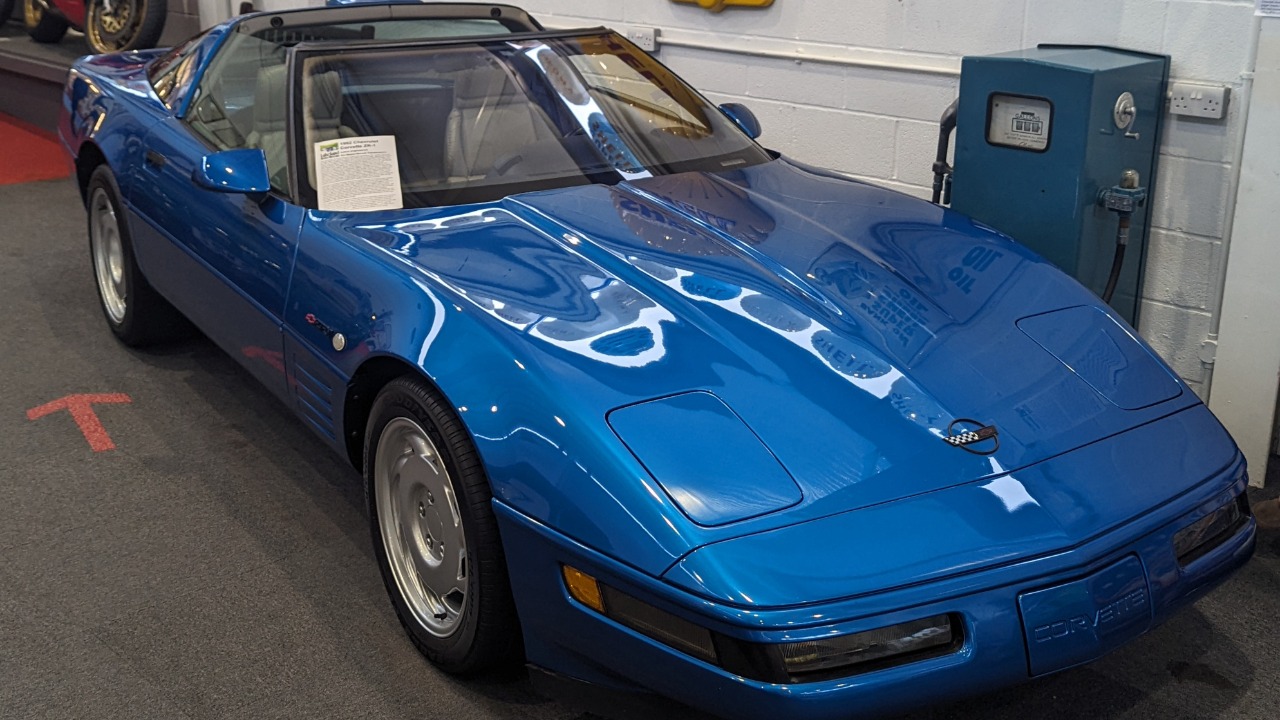
The Chevrolet Corvette ZR-1, produced between 1990 and 1995, was a bold statement in American performance engineering. Often referred to as the “King of the Corvettes,” it featured a supercharged 5.7-liter V8 engine that produced a staggering 375 horsepower initially, with later models reaching up to 405 horsepower. With a top speed of over 180 mph, the ZR-1 was a serious contender against European supercars.
The ZR-1’s lightweight composite body and advanced aerodynamics contributed to its impressive performance. This model not only set the standard for American sports cars but also changed perceptions of what a Corvette could achieve. Today, the ZR-1 is a sought-after collector’s item, celebrated for its unique blend of performance and style.
Toyota Supra MKIV
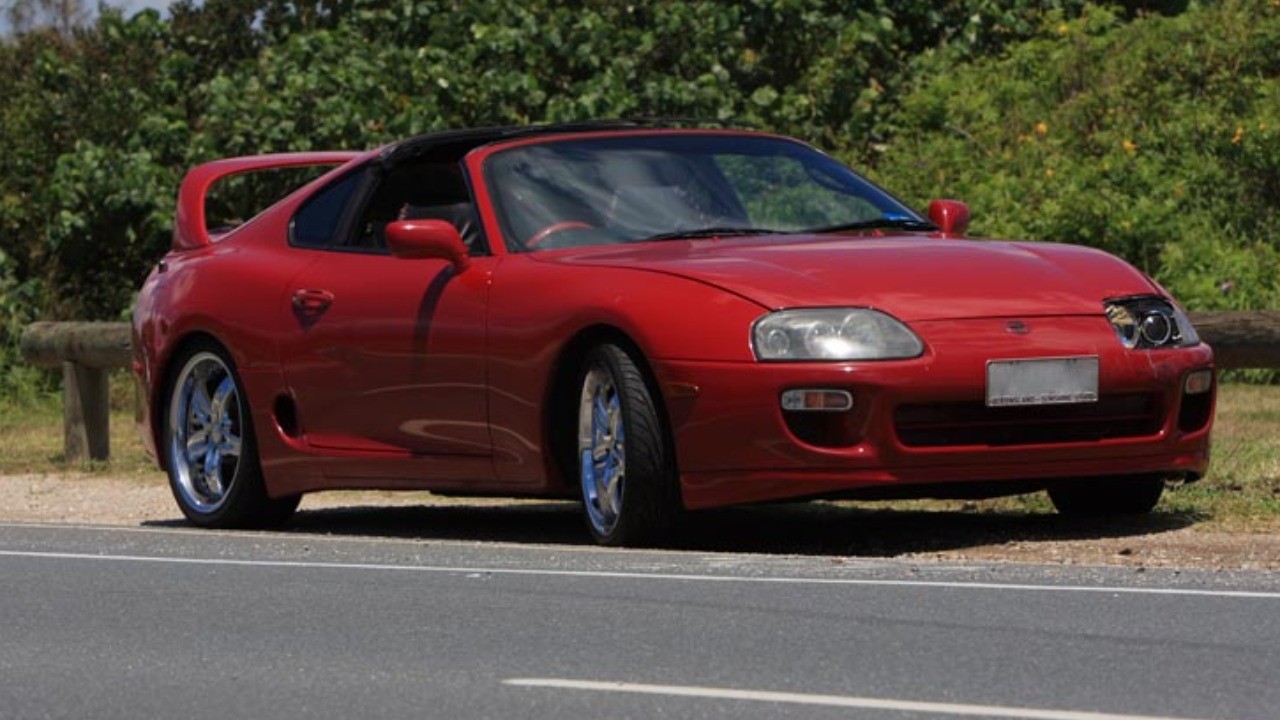
The Toyota Supra MKIV, produced from 1993 to 2002, became an icon of Japanese performance cars. Its legendary 2JZ-GTE inline-six engine, known for its robustness, produced 276 horsepower and was capable of much more with aftermarket modifications. The MKIV’s sleek design and powerful performance made it a staple in car culture, especially in racing circles.
With its turbocharged powerplant and rear-wheel drive, the Supra offered an exhilarating driving experience that remains unmatched. Its legacy was further solidified through appearances in films and video games, inspiring a new generation of enthusiasts. The Supra’s community is vibrant, with owners and fans sharing their passion at events around the world.
Subaru Impreza WRX STI
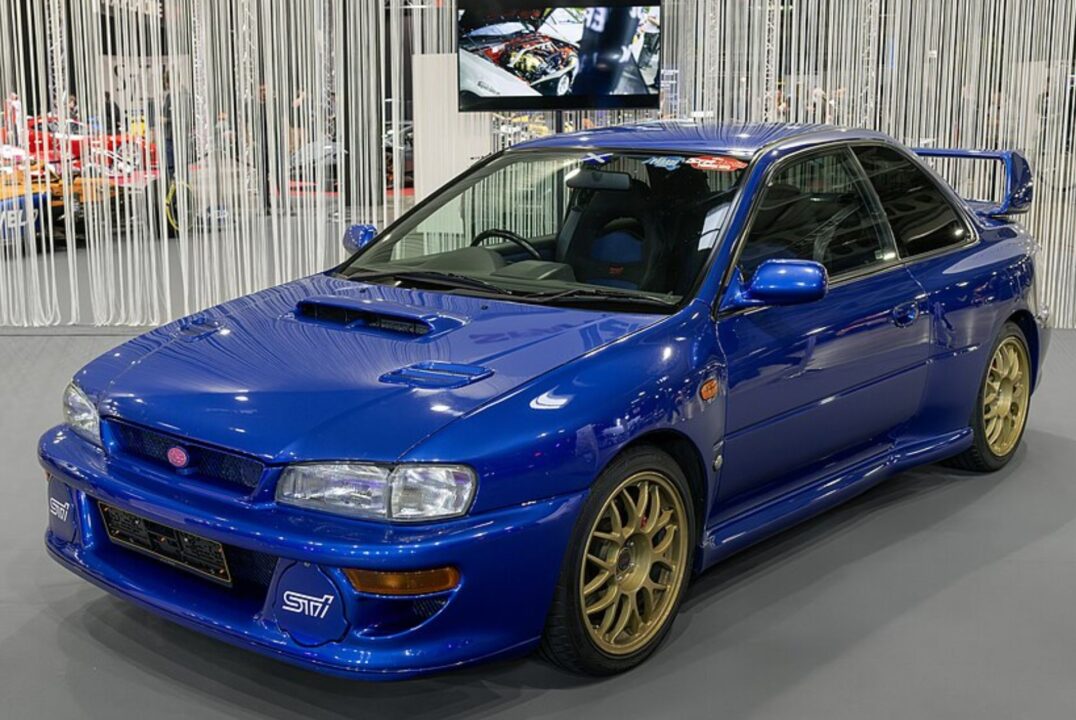
The Subaru Impreza WRX STI, particularly popular in the late 1990s, is synonymous with rally racing and performance. Equipped with a turbocharged flat-four engine producing around 276 horsepower, it was designed for both on-road and off-road performance. Its all-wheel-drive system provided outstanding traction, making it a formidable competitor in various racing disciplines.
The WRX STI’s rally heritage and distinctive styling have made it a favorite among car enthusiasts. Its success in motorsport has created a loyal fanbase, eager to modify and personalize their vehicles. Today, the Impreza WRX STI continues to be celebrated for its performance capabilities, making it a sought-after model for those who appreciate rally-inspired cars.
BMW M3 (E30)
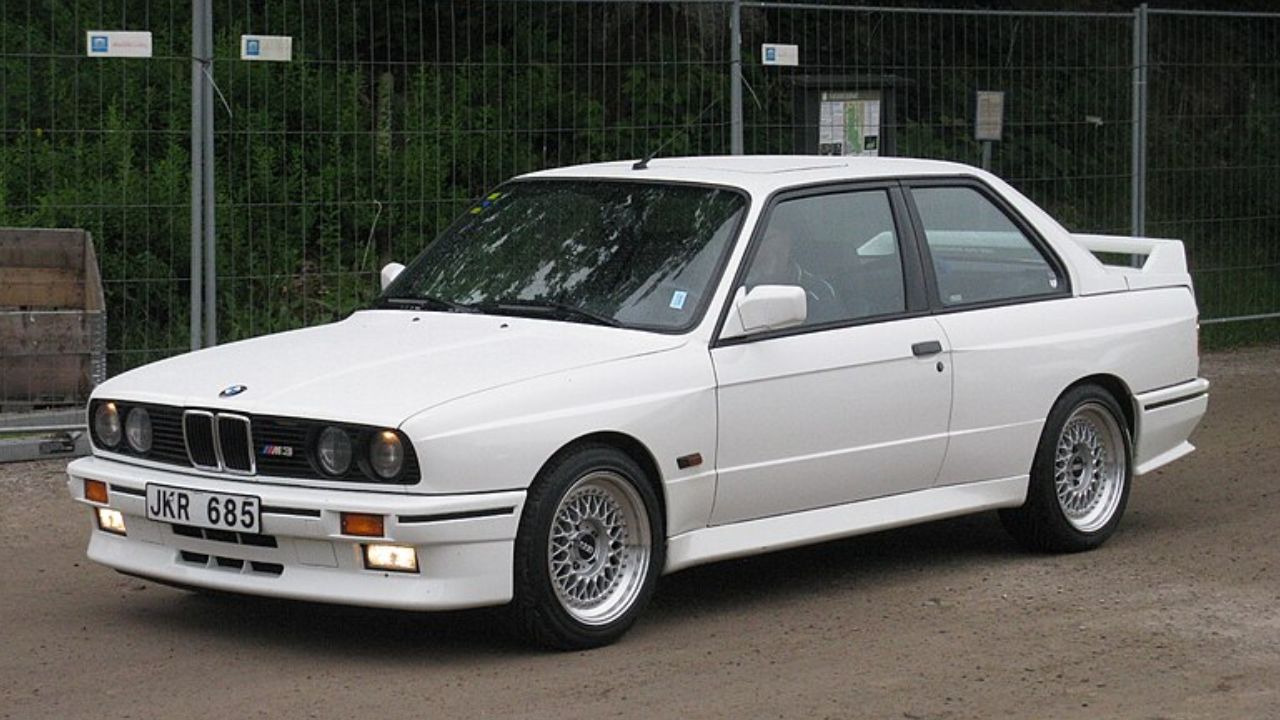
The BMW M3 (E30), produced from 1982 to 1994, is often regarded as one of the best driver’s cars ever made. Its 2.3-liter inline-four engine produced 192 horsepower, and its lightweight construction gave it a remarkable power-to-weight ratio. The E30 M3 is celebrated for its balanced handling and engaging driving dynamics, making it a favorite on both the road and the racetrack.
Its boxy design and distinctive flared fenders have made it a classic among car enthusiasts. The E30 M3’s racing success in various championships has solidified its status in automotive history. Today, this model remains highly sought after, with collectors and enthusiasts valuing its unique blend of performance and heritage.
Dodge Viper RT/10
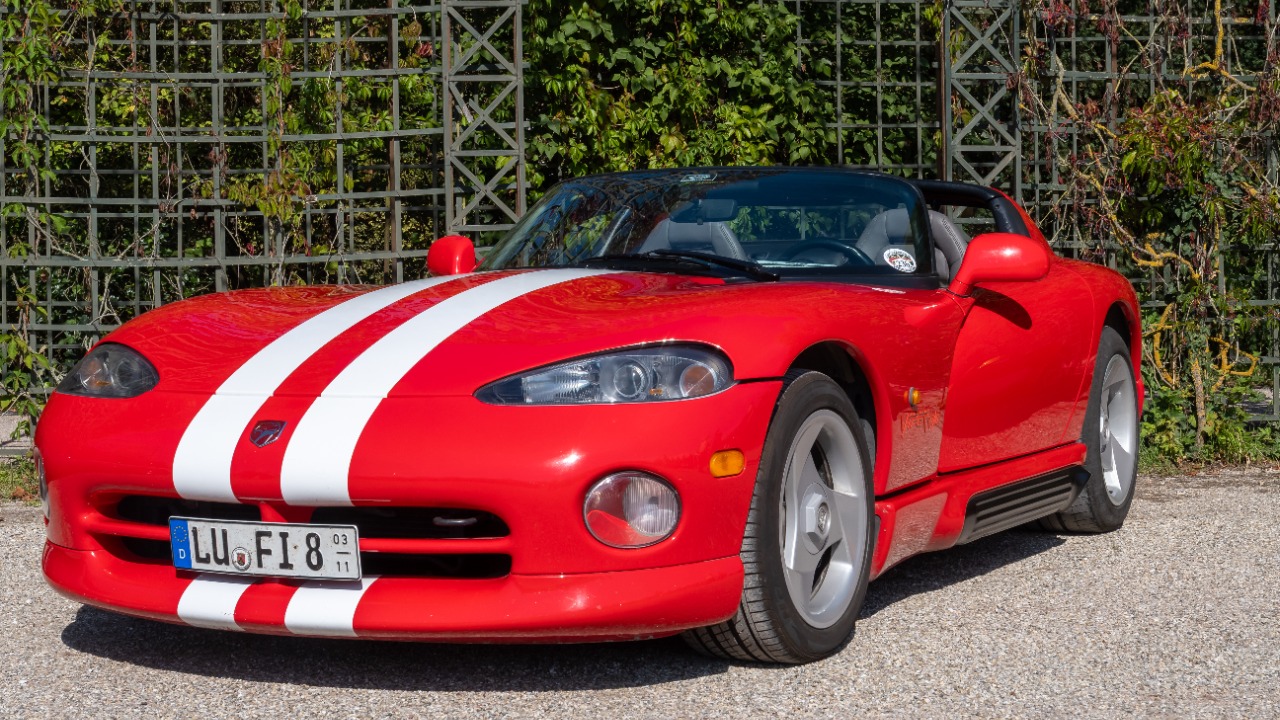
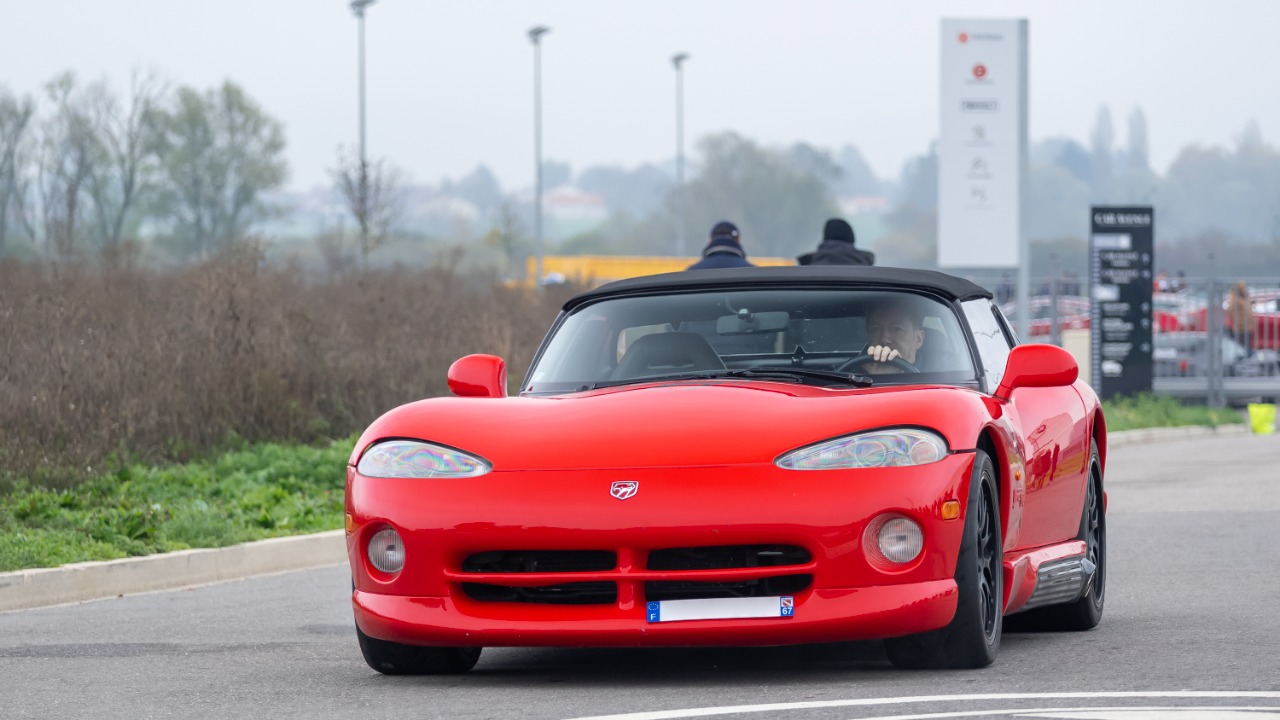
The Dodge Viper RT/10, introduced in 1992, redefined American sports cars with its raw power and minimalist design. Equipped with an 8.0-liter V10 engine producing 400 horsepower, the Viper was designed for performance enthusiasts seeking an adrenaline rush. Its aggressive styling and lack of electronic aids made it a thrilling drive but required skill and attention.
The Viper RT/10’s open-top design and distinctive looks set it apart from its competitors, capturing the essence of American muscle. Its limited production and racing pedigree have contributed to its desirability among collectors. The Viper’s legacy continues to influence modern sports cars, ensuring its place in automotive history.
More from Fast Lane Only
- Unboxing the WWII Jeep in a Crate
- 15 rare Chevys collectors are quietly buying
- 10 underrated V8s still worth hunting down
- Police notice this before you even roll window down
*Research for this article included AI assistance, with all final content reviewed by human editors.