Saab has always had a habit of making engineering decisions that seemed strange—until they worked. Shaped by limited resources and a refusal to follow convention, the company consistently chose clever solutions over obvious ones. These bets often confused rivals and challenged industry norms, but many proved quietly brilliant over time. From aircraft to automobiles, Saab’s engineers weren’t afraid to rethink first principles. Here are ten of their most unusual—and inspired—engineering gambles.
The Birth of the Turbocharged Engine
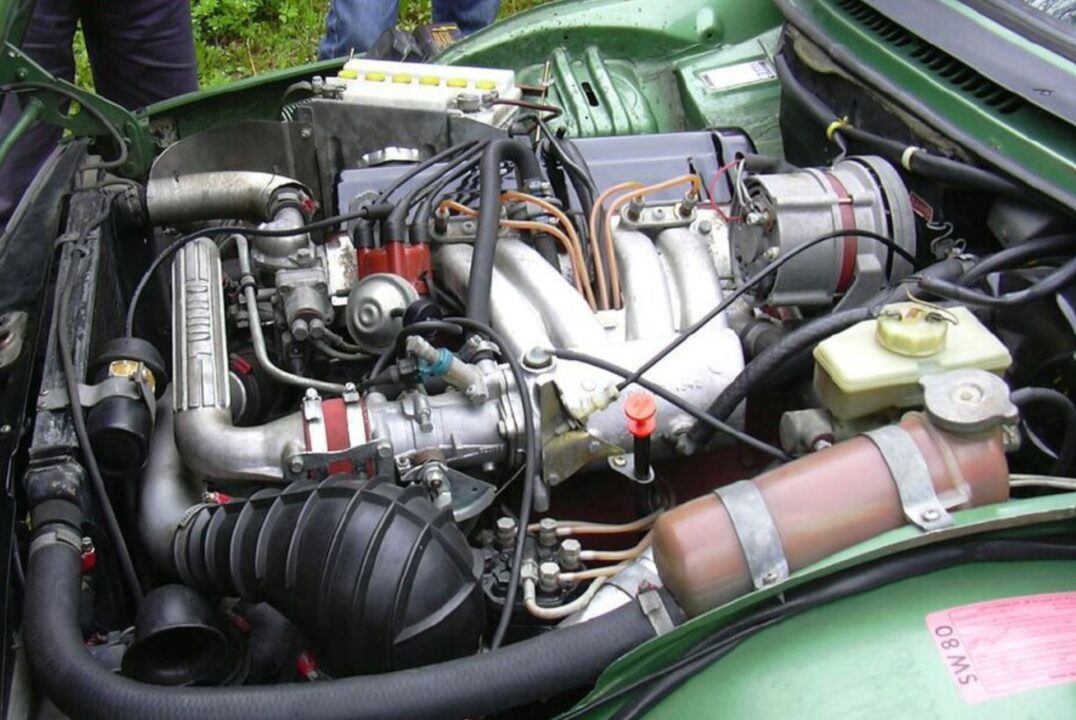
Saab’s journey into turbocharging began with the 1978 Saab 99 Turbo, a vehicle that boldly introduced turbo technology to everyday drivers. At a time when turbochargers were mostly reserved for high-performance sports cars, Saab recognized the potential to enhance engine efficiency and power for the mass market. By focusing on reliability and practicality, Saab set the stage for turbocharged engines to become a standard feature in modern vehicles.
This approach not only improved performance but also offered better fuel economy, a crucial factor during the energy-conscious era of the late 1970s. Saab’s pioneering move helped establish turbocharging as a staple in automotive engineering, influencing countless manufacturers to follow suit.
Saab’s Pioneering Safety Cage Design
Safety has always been a cornerstone of Saab’s engineering philosophy, and their innovative safety cage design is a testament to this commitment. In the mid-1970s, Saab introduced a reinforced passenger compartment paired with crumple zones to absorb impact energy. This design aimed to protect occupants during collisions by maintaining the integrity of the passenger space.
The effectiveness of Saab’s safety cage was demonstrated in models like the Saab 900, which was renowned for its robust construction. This approach to safety engineering has been widely adopted across the automotive industry, setting new standards for passenger protection.
Night Panel Dashboard Innovation
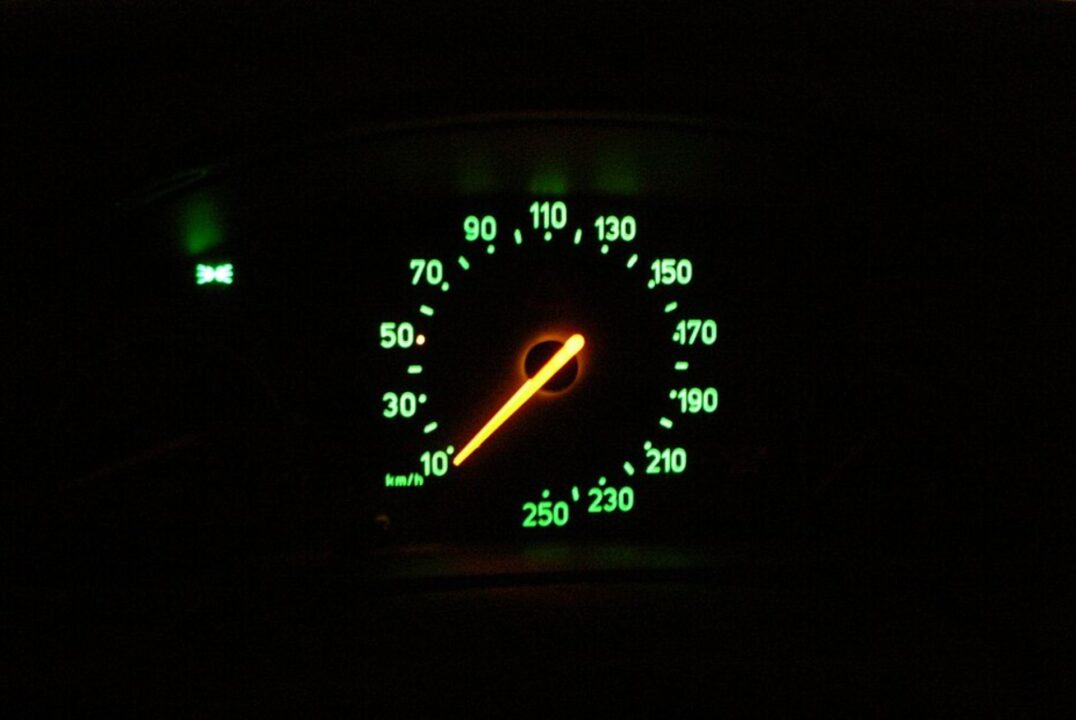
The Night Panel feature, first introduced in the Saab 9-5, showcased Saab’s dedication to driver comfort and focus. This innovation allowed drivers to dim all dashboard lights except the speedometer, reducing distractions during nighttime driving. By minimizing unnecessary illumination, Saab aimed to enhance driver concentration and reduce eye strain on long journeys.
Night Panel is a prime example of Saab’s human-centric design philosophy, prioritizing the driver’s experience. This simple yet effective feature has influenced other manufacturers to consider driver comfort and attention in their dashboard designs.
The Saab Trionic Engine Management System
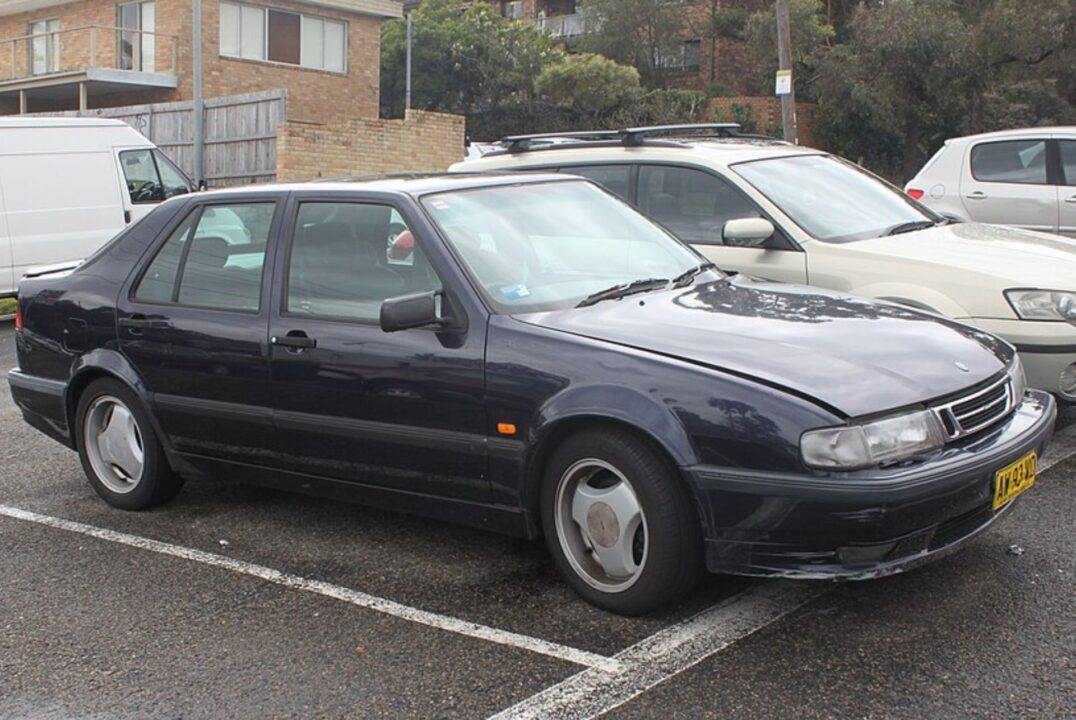
In the early 1990s, Saab unveiled the Trionic engine management system, a groundbreaking technology that combined ignition, fuel injection, and turbo boost control. This system used ion-sensing technology to optimize engine performance and emissions, setting a new benchmark for efficiency and environmental responsibility.
The Saab 9000 was among the first to benefit from this advanced system, which adapted to different driving conditions and fuel qualities. Trionic was a significant leap forward in engine management, influencing the development of modern electronic control systems used by numerous car manufacturers today.
Saab’s Iconic Aircraft-Inspired Cockpit
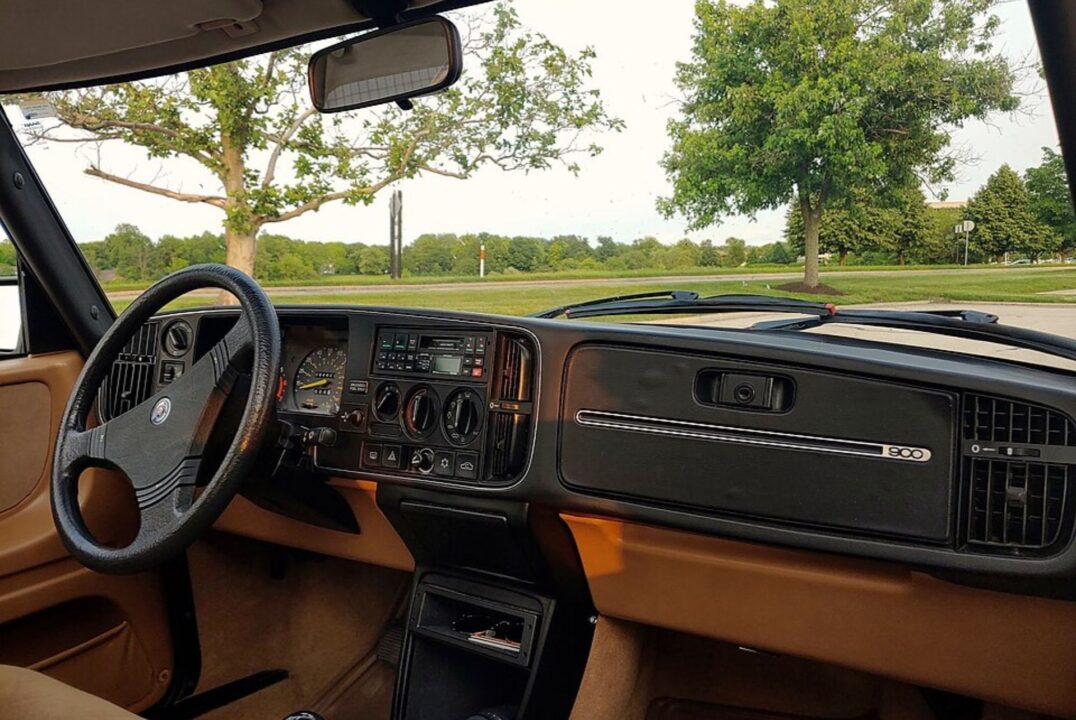
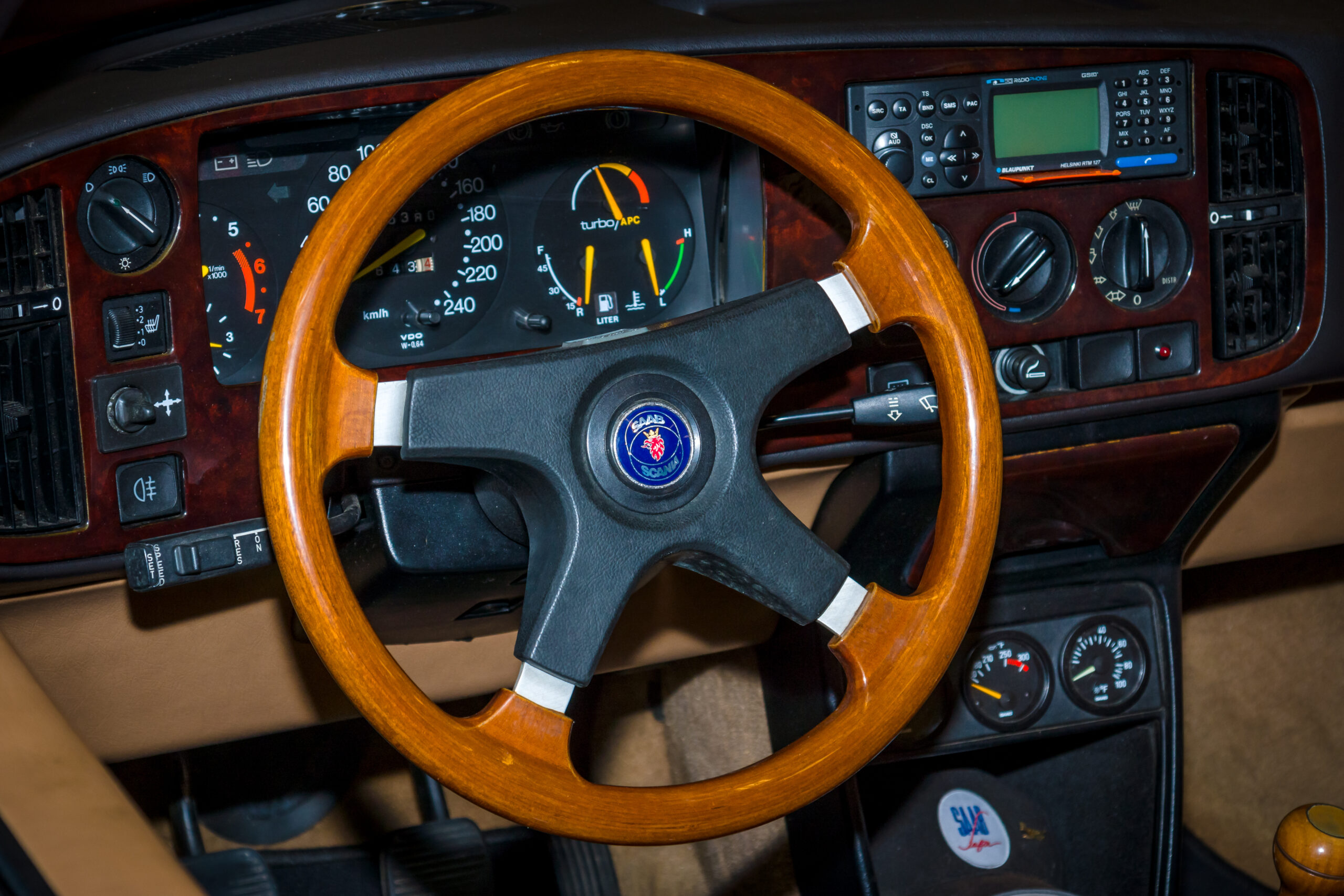
Saab’s roots in aviation significantly influenced their vehicle design, particularly in the cockpit layout. The aircraft-inspired cockpit, first seen in the Saab 900, featured ergonomically placed controls and instruments within easy reach of the driver. This design was intended to enhance the driving experience by prioritizing functionality and ease of use.
The cockpit’s design philosophy emphasized intuitive operation, allowing drivers to focus on the road. Saab’s unique approach has inspired other automakers to adopt similar ergonomic principles, underscoring the lasting impact of Saab’s aviation heritage on car design.
The Introduction of Active Head Restraints
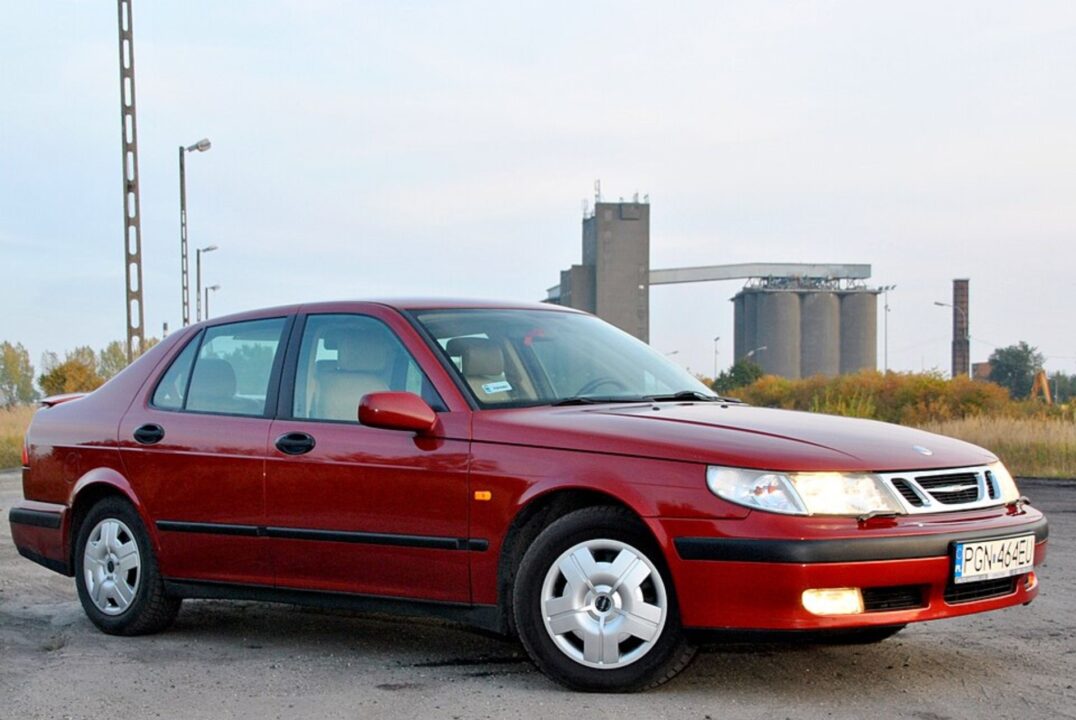
Saab continued its tradition of safety innovation with the introduction of Active Head Restraints (SAHR) in the late 1990s. These head restraints were designed to move forward and upward during a rear-end collision, reducing the risk of whiplash injuries. This proactive safety feature demonstrated Saab’s commitment to occupant protection beyond standard requirements.
The Saab 9-5 was among the first vehicles to feature SAHR, setting a new standard for head restraint systems. The concept has since been adopted by many car manufacturers, highlighting Saab’s role as a leader in automotive safety innovation.
Saab’s Unique Front-Wheel Drive Adaptation
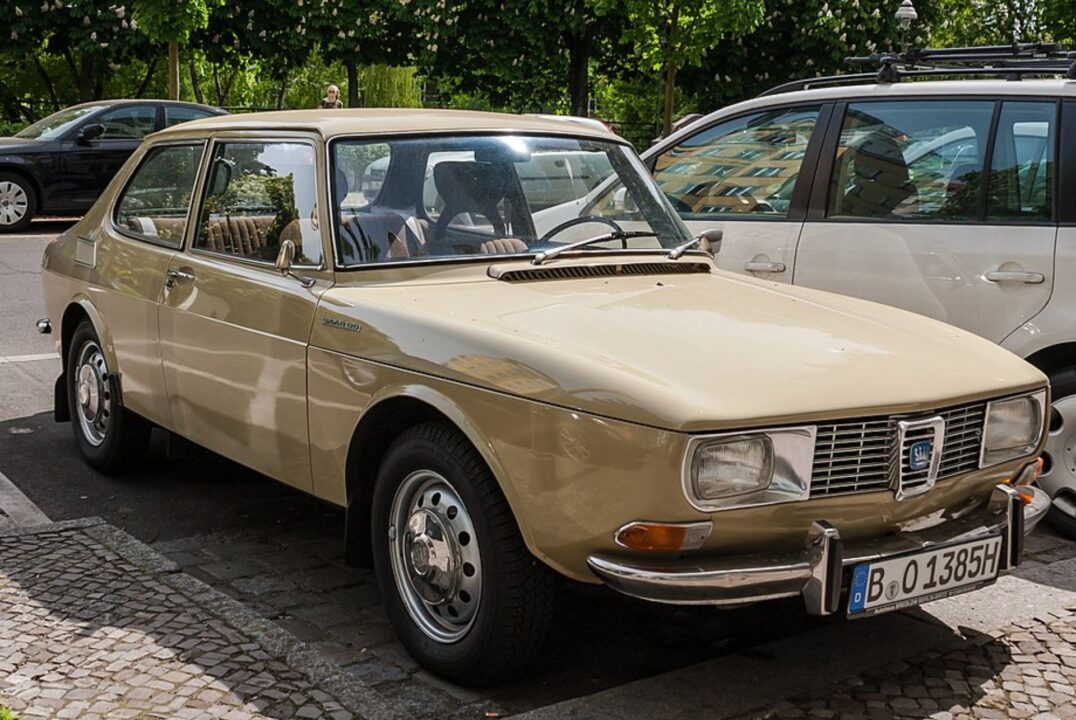
Saab was an early adopter of front-wheel drive technology, which they first implemented in the Saab 99. By placing the engine and drivetrain over the front wheels, Saab improved traction and stability, especially in adverse weather conditions. This configuration also allowed for more interior space, enhancing passenger comfort.
The success of Saab’s front-wheel drive models demonstrated the advantages of this layout, contributing to its widespread adoption across the automotive industry. Today, front-wheel drive remains a popular choice for many vehicles, owing much to Saab’s innovative adaptation.
The Development of the Saab Variable Compression Engine
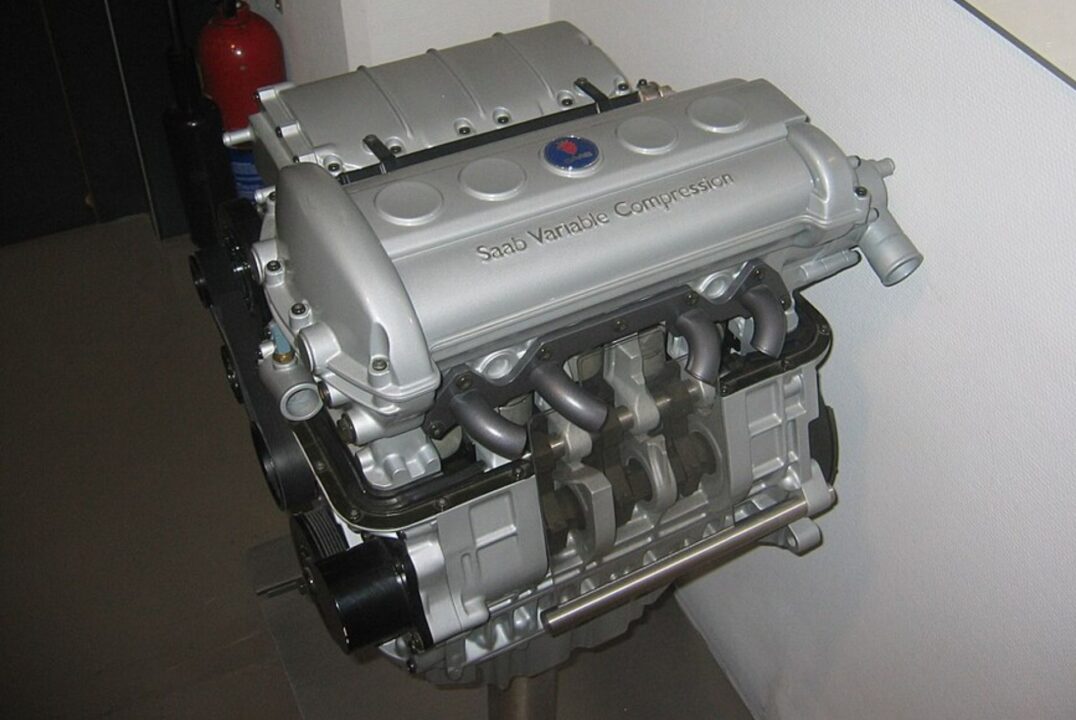
Saab’s commitment to engineering excellence was exemplified by their work on the variable compression engine, known as the SVC (Saab Variable Compression). This engine could adjust its compression ratio in real-time, optimizing performance and fuel efficiency based on driving conditions.
Although the SVC engine never reached production, it showcased Saab’s forward-thinking approach to engine design. The concept of variable compression has since been realized by other manufacturers, with Saab’s pioneering efforts paving the way for future innovations in engine technology.
Saab’s Groundbreaking Head-Up Display
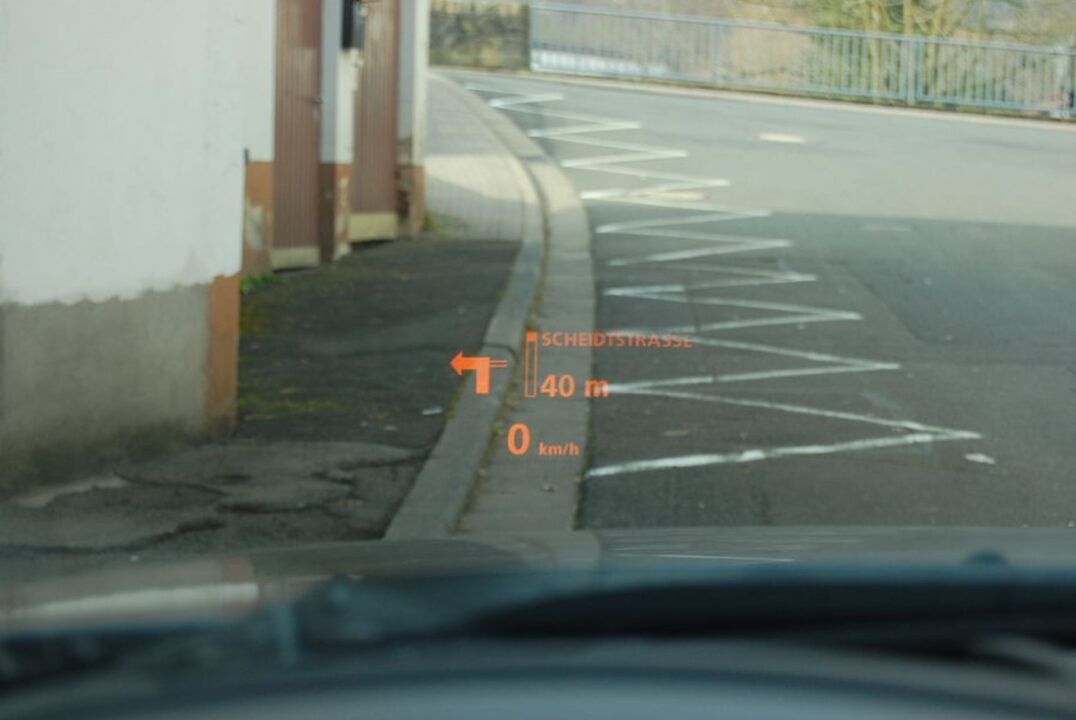
Saab was among the first automakers to introduce a head-up display (HUD) in their vehicles, reflecting their commitment to enhancing driver awareness and safety. The HUD projected essential information, such as speed and navigation directions, onto the windshield, allowing drivers to keep their eyes on the road.
This feature, first seen in the Saab 9-5, was designed to minimize distractions and improve reaction times. Saab’s early adoption of HUD technology set a precedent that many other manufacturers have followed, recognizing the benefits of this innovative display system.
The Implementation of the Saab Sensonic Transmission System
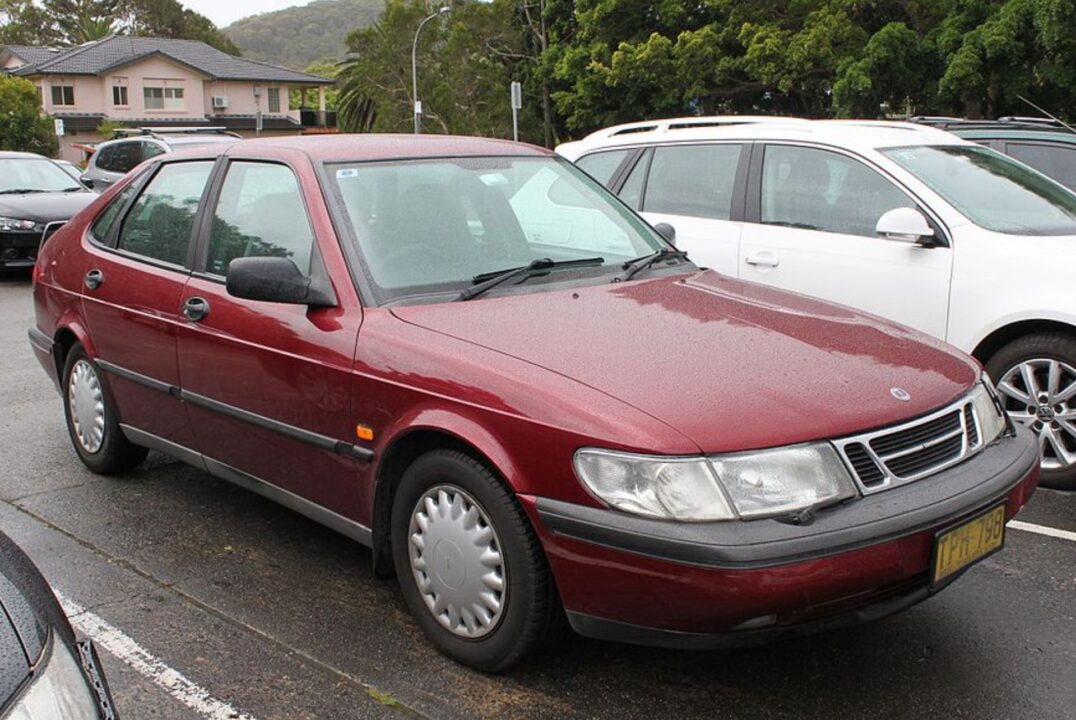
In the mid-1990s, Saab introduced the Sensonic transmission system, a unique blend of manual and automatic transmission technologies. This system allowed drivers to change gears manually without a clutch pedal, providing the control of a manual gearbox with the convenience of an automatic.
The Saab 900 was one of the models equipped with Sensonic, appealing to drivers who wanted a more engaging driving experience without the hassle of a clutch. Although the system was eventually discontinued, it remains a testament to Saab’s inventive spirit and willingness to explore unconventional engineering solutions.
More from Fast Lane Only