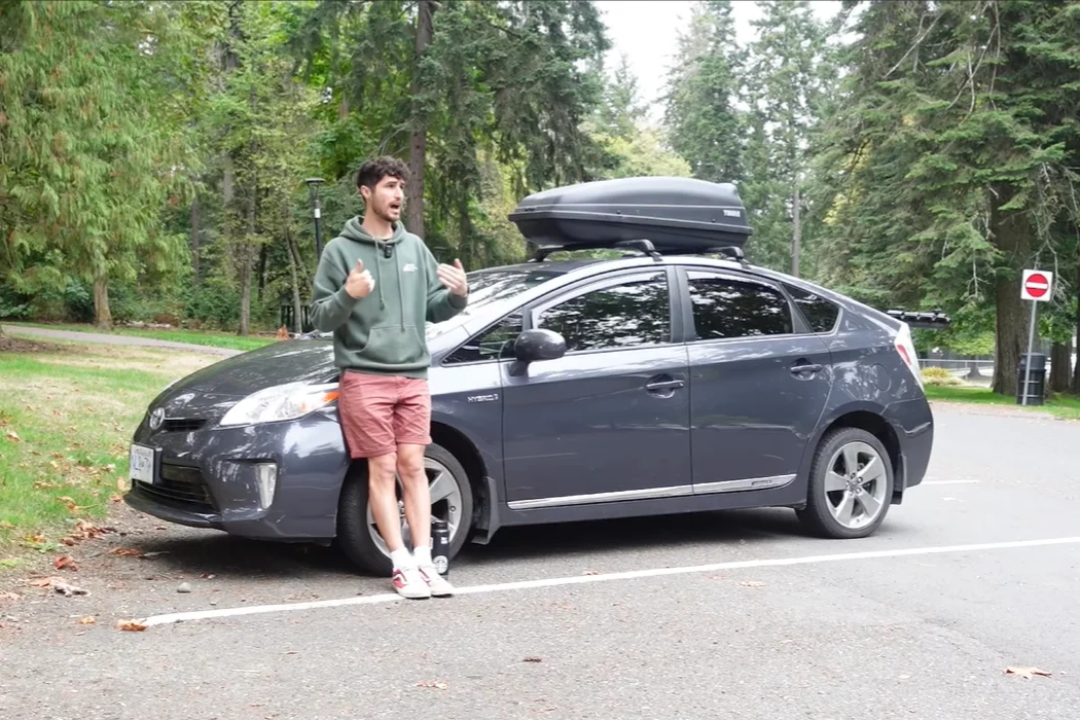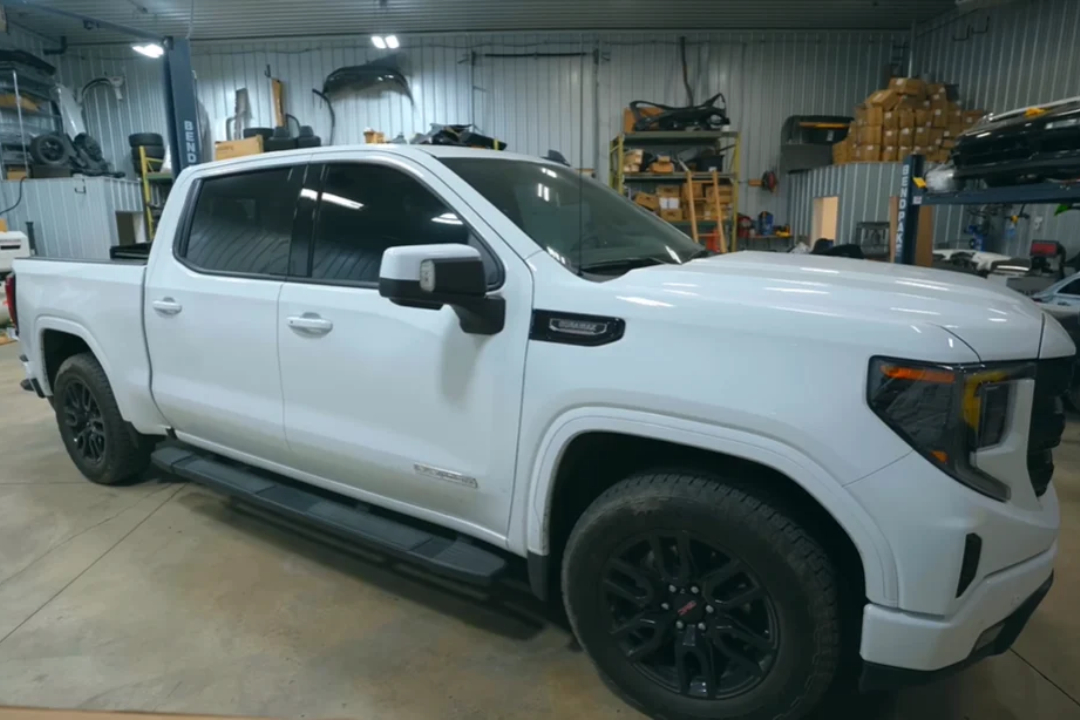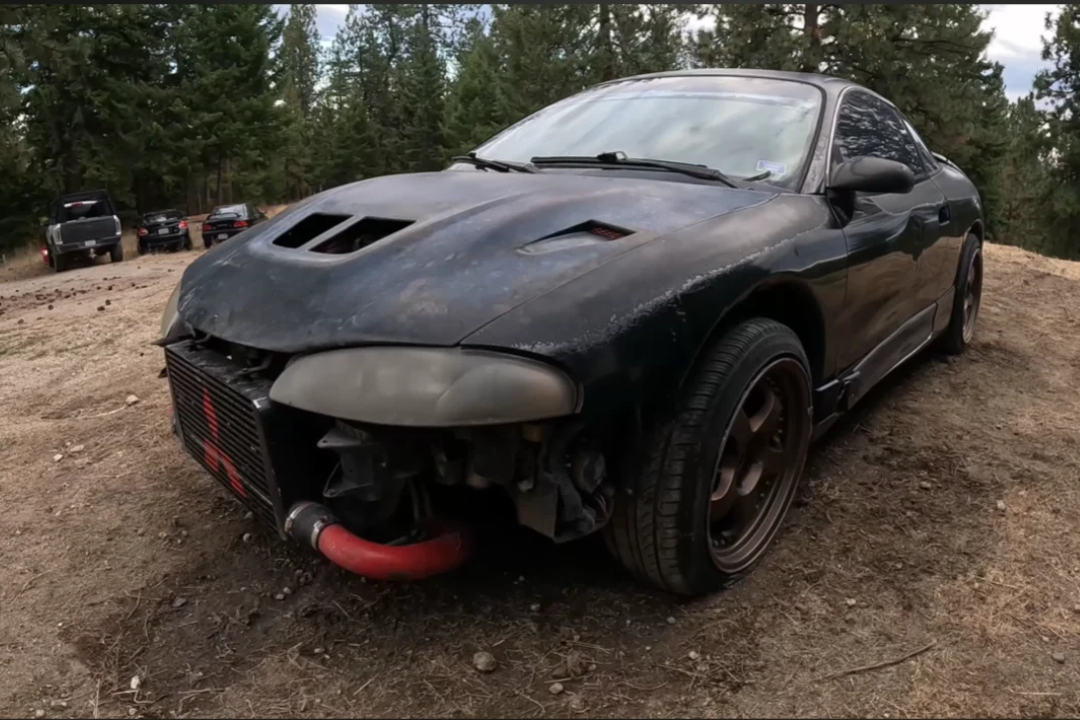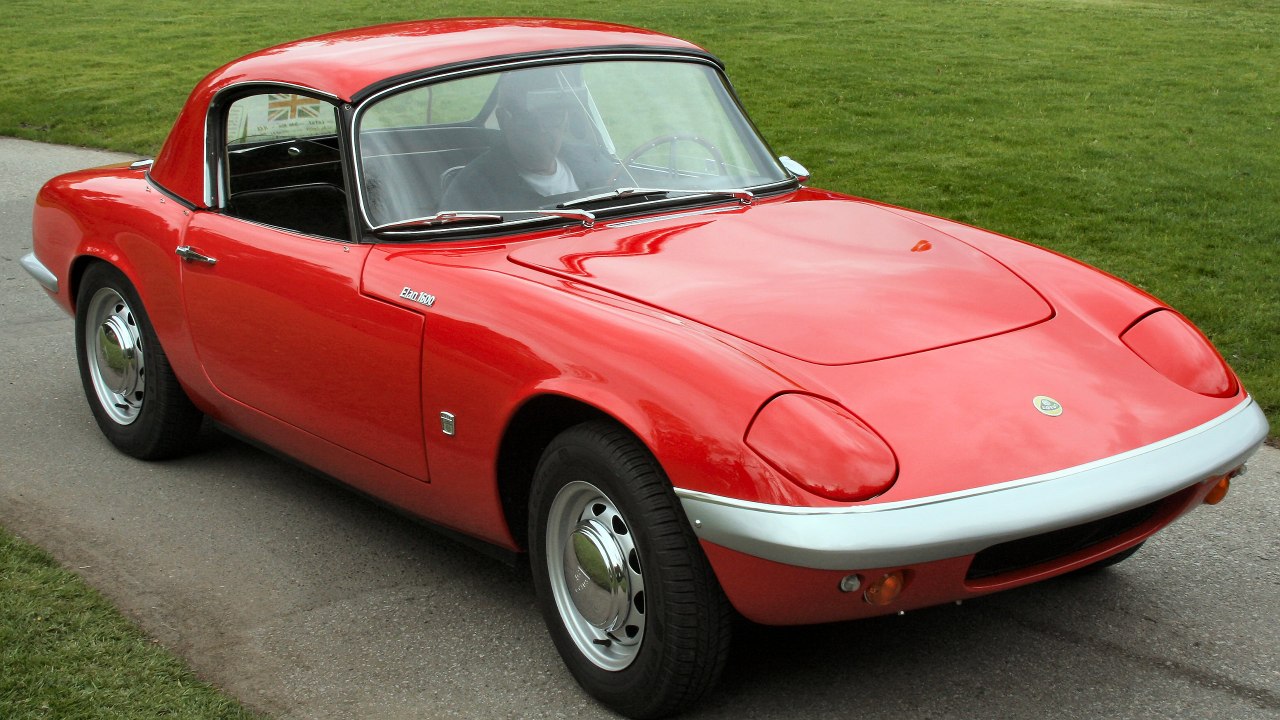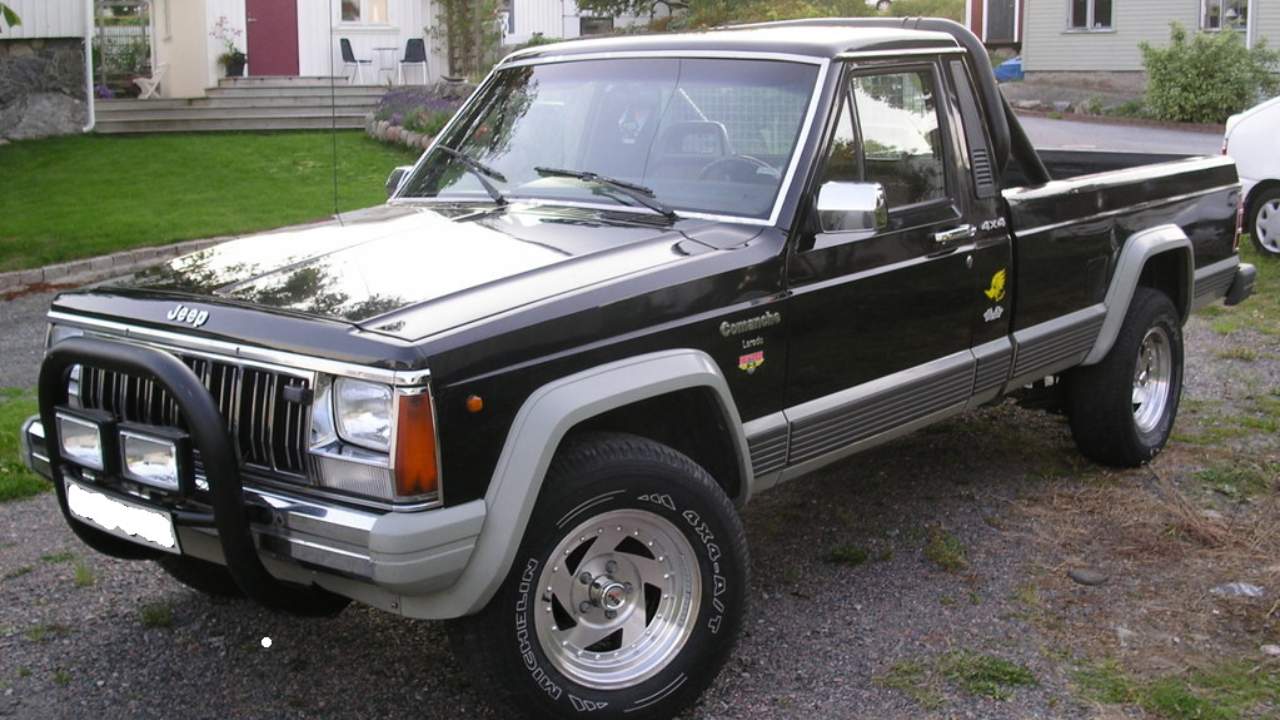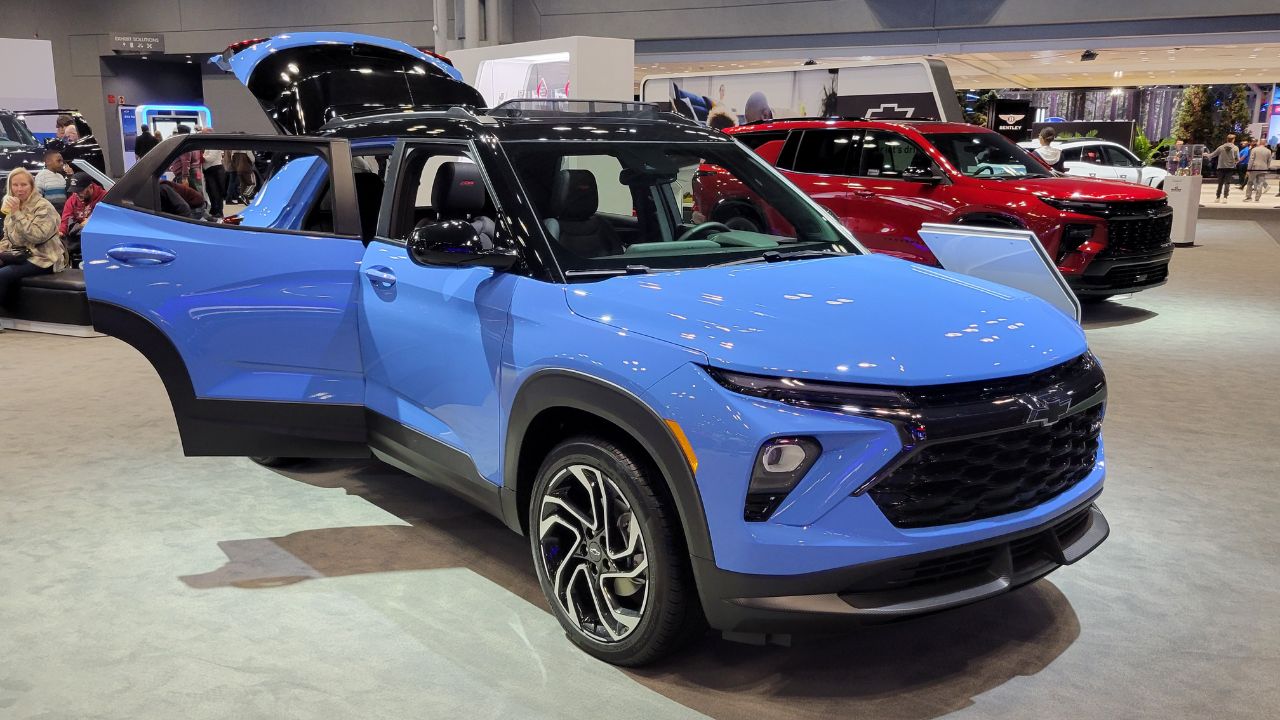
You expect to see certain vehicles in showrooms, on highways, maybe in your neighbor’s driveway. Yet some cars keep turning up in places that feel almost surreal, from abandoned church halls to sunbaked deserts and quiet suburban streets. Here are 10 vehicles that keep showing up in unexpected places, and what their strange second lives reveal about how you use, value, and sometimes simply forget the machines you build.
Bentley Flying Spur in a Chengdu, China parking lot
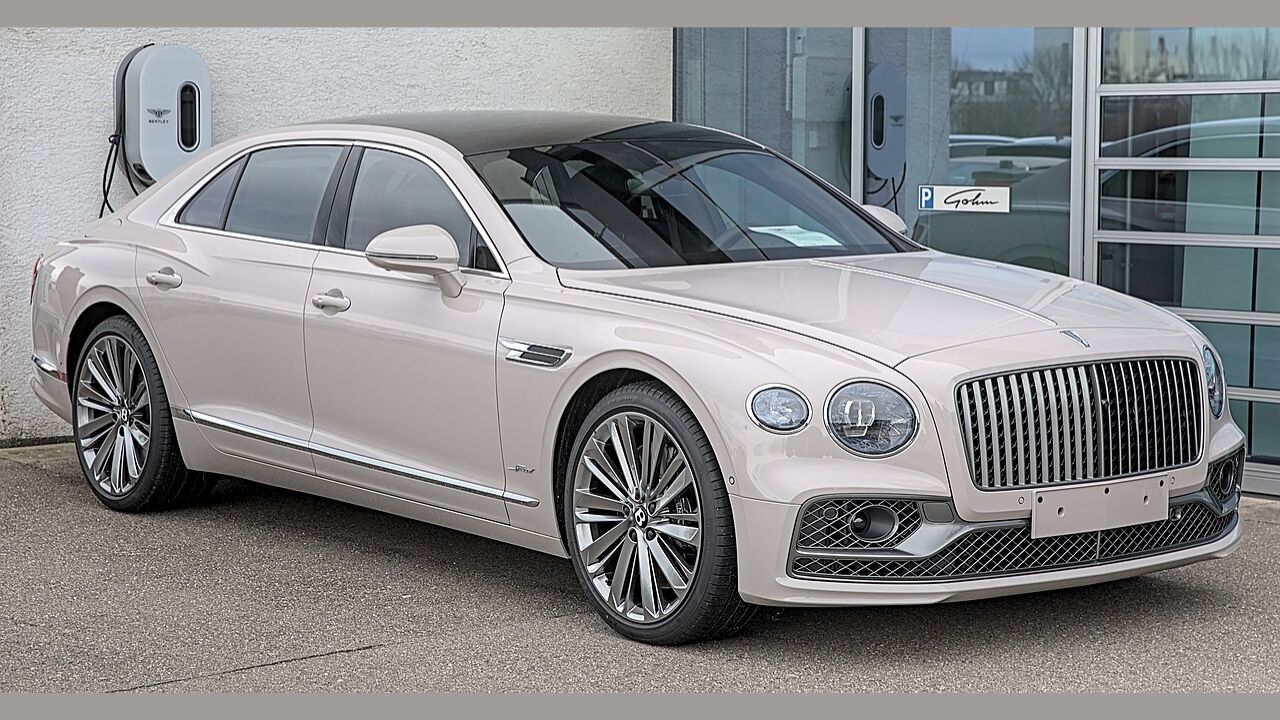
The Bentley Flying Spur is the sort of luxury sedan you expect to spot outside a five-star hotel, not sitting neglected in a dusty corner of a Chinese parking complex. Yet reports of a Flying Spur abandoned in Chengdu, China, with layers of grime and unpaid tickets, show how even six-figure cars can end up as static scenery. One account notes that Either the owner is in prison or relying on false paperwork, leaving the car in limbo.
For you as a driver or policymaker, that kind of abandonment raises questions about asset tracking, unpaid debts, and how cities handle high-value vehicles that no one claims. A forgotten Bentley Flying Spur is more than a curiosity, it is a symbol of how fast fortunes can change and how legal gray zones can turn a prestige car into a long-term parking problem.
Volkswagen and Audi cars abandoned in the Mojave Desert
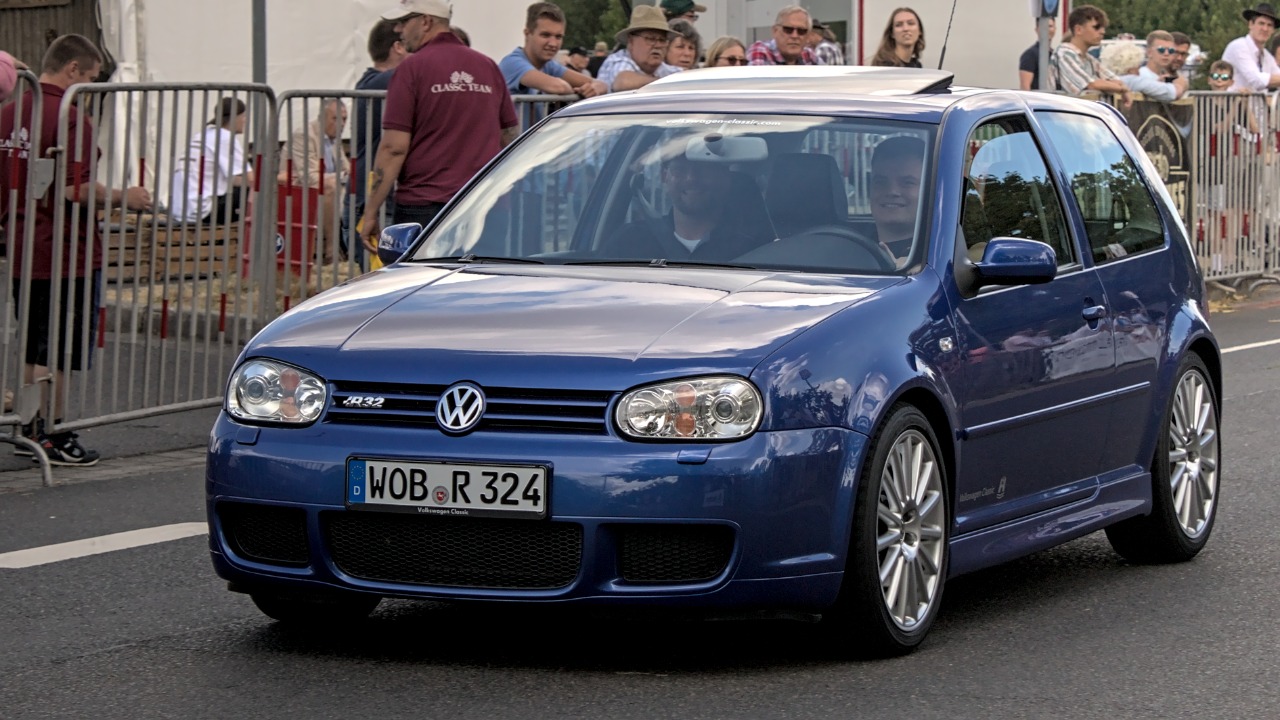
There Are Volkswagen and Audi Cars Abandoned In The Mojave Desert, and the sight is as eerie as it sounds. Instead of blending into traffic, rows of Volkswagens and Audi Cars Abandoned In The Mojave Desert sit under brutal sun, their paint fading and plastics baking. One investigation into There Are Volkswagen units left there explains And Here, Why corporate logistics and regulatory issues can strand entire fleets.
While the Mojave Desert is usually associated with dunes and Joshua trees, these cars turn it into a de facto storage yard. For environmental regulators and nearby communities, the stakes include fluid leaks, visual blight, and the precedent it sets for treating remote land as a dumping ground. For you as a consumer, it is a reminder that supply-chain decisions can leave brand-new vehicles aging in the middle of nowhere.
Toyota Land Cruiser 40 and 70 series in Brazil and the Middle East, Africa

The Toyota Land Cruiser 40 and 70 series are the opposite of abandoned exotics, they are workhorses that refuse to disappear. In one discussion of long-lived models, an enthusiast post, marked as Edited, points out that Another example of durability is the Toyota Land Cruiser still running in Brazil and the Middle East, Africa, often decades after leaving the factory. A linked thread on some old trucks highlights how the 40 and 70 series keep working where roads barely exist.
When you see these boxy Land Cruisers hauling people and cargo in remote villages, they feel almost out of time, like rolling artifacts. Their presence in such harsh environments shows how reliability can outweigh modern styling or tech. For aid groups, miners, and farmers, the stakes are literal mobility, if these trucks stop, supply lines and medical access can break down overnight.
Secret collection of Ferraris, Fords and Lancias in a church

A Secret collection of RAREST Ferraris, Fords and Lancias discovered inside a church might sound like urban legend, yet investigators found exactly that, a stash of classic metal hidden behind religious walls. Coverage of the Secret collection describes how the RAREST machines sat for years, dust-covered yet remarkably intact, after being moved out at the owner’s building.
For you as a car fan, the idea that Ferraris, Fords and Lancias can quietly age in a church hall is both thrilling and frustrating. It highlights how private collectors sometimes treat heritage vehicles as hoarded assets rather than cultural artifacts. When such caches surface, they can reshape auction markets, museum collections, and debates over whether historically important cars should be hidden or shared.
Toyota Camry and Nissan Altima as unmarked police cars

The Toyota Camry and Nissan Altima are the definition of anonymous commuter sedans, which is exactly why they keep appearing as unmarked police cars in places you would not expect. One driver described how, at a local enforcement event, “Of all things to catch my eye, the unmarked Toyota Camry and Nissan Altima with their lights on were the stars of the show,” a detail shared in a discussion of sneaky enforcement vehicles.
When everyday sedans hide light bars and radios, they change how you read traffic around you. For police departments, the stakes involve balancing deterrence with public trust, blending in can help catch dangerous drivers but may also fuel suspicion about surveillance. For you as a motorist, it is a reminder that the most ordinary-looking car in your mirror might be anything but.
Chevrolet Trailblazer and Buick Encore GX built far from Detroit
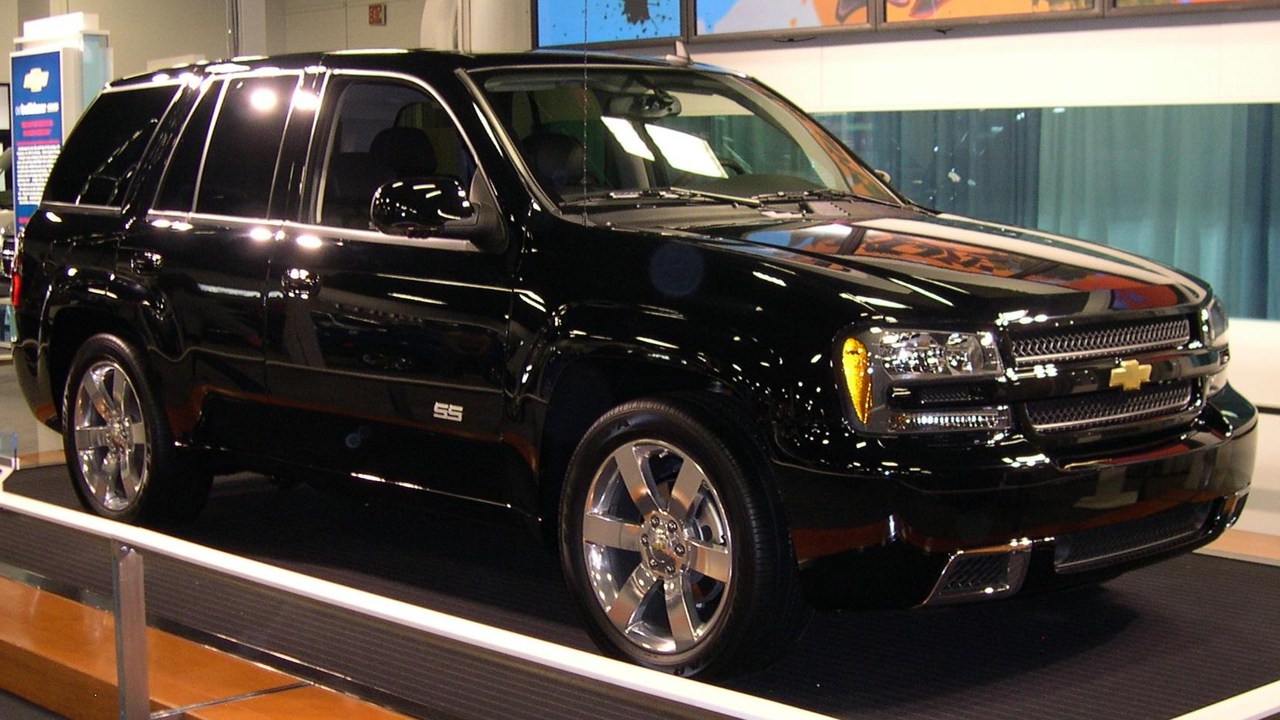
The Chevrolet Trailblazer and Buick Encore GX might wear badges tied to Detroit, yet they are Vehicles Built in Unexpected Places. A manufacturing overview notes that Chevrolet Trailblazer and Buick Encore GX production is located in overseas plants, far from the Motor City image many buyers still hold. One gallery of Vehicles Built in such locations highlights how globalized your supply chain has become.
Seeing these crossovers on local streets, you might assume they rolled out of a Midwestern factory, but their passports tell a different story. For workers and trade negotiators, the stakes include where jobs land and how tariffs shape pricing. For you as a buyer, it raises questions about whether “built here” still matters, or if quality and value now outweigh geography in your decision-making.
Mercedes Benz GLB quietly assembled outside Germany

The Mercedes Benz GLB looks every bit the compact German SUV, yet its assembly location can surprise you. Instead of emerging solely from traditional German plants, the GLB is part of a wave of premium models built in factories scattered across other continents, a trend grouped with the Mercedes Benz GLB in the same overview of unexpected production sites as the Audi Q7 and Q8. That list of Unexpected Places shows how even luxury brands chase cost efficiencies and local-market access.
When you spot a GLB in a suburban driveway, you are seeing the end result of complex global planning. For local economies, hosting a Mercedes plant can mean thousands of jobs and supplier contracts. For regulators and unions in traditional hubs, the shift raises concerns about losing high-skill positions, even as brands insist that diversified production keeps them competitive worldwide.
Audi Q7 and Q8 from nontraditional plants

The Audi Q7 and Q8 are big, tech-heavy SUVs that project German engineering, yet their build locations are not always where you might guess. They appear alongside other models in the same survey of Audi units produced in factories far from their spiritual home, underscoring how Audi now leans on nontraditional plants to serve regional demand. In that context, the mention of Audi highlights how flexible the brand has become about geography.
For you as a buyer, the badge still signals a certain standard, regardless of which country stamped the VIN plate. Yet for governments competing to host these plants, the stakes involve tax incentives, infrastructure, and long-term commitments. The Q7 and Q8 turning up in driveways worldwide are rolling proof that prestige manufacturing is no longer tied to a single nation.
Jeep Renegade emerging from overseas factories
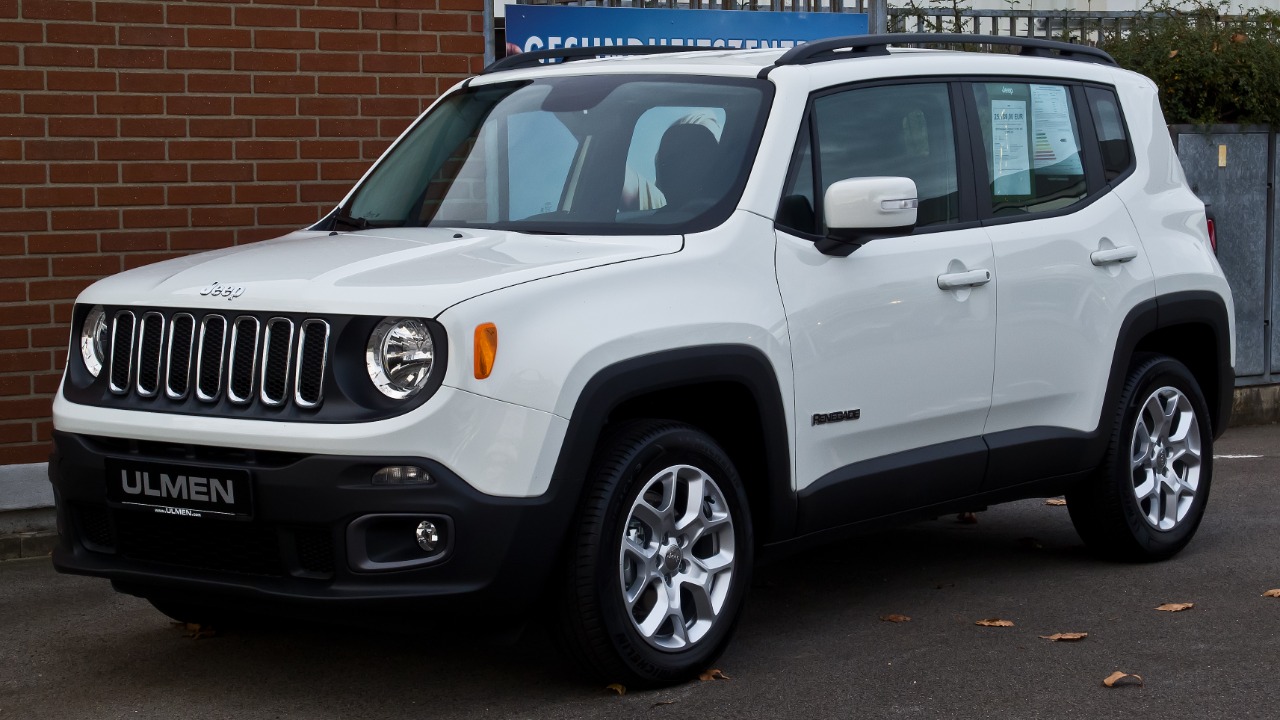
The Jeep Renegade trades heavily on American off-road mythology, but its production story is more complicated. Rather than being built only in the United States, the Renegade is one of the compact SUVs assembled in overseas facilities, a detail that places it firmly among vehicles whose origins might surprise you. In the same rundown of globalized models, the Jeep Renegade sits beside crossovers like the Volvo XC40, illustrating how shared platforms and multinational ownership shape where your Jeep is born.
Spotting a Renegade on a rural trail, you might assume it rolled out of a classic Jeep plant, yet its assembly line could be thousands of miles away. For brand purists, that raises questions about authenticity. For Stellantis and its investors, the stakes are efficiency and market reach, proving that the Jeep name can sell even when the factory gate is on another continent.
Volvo XC40 built in surprising regions
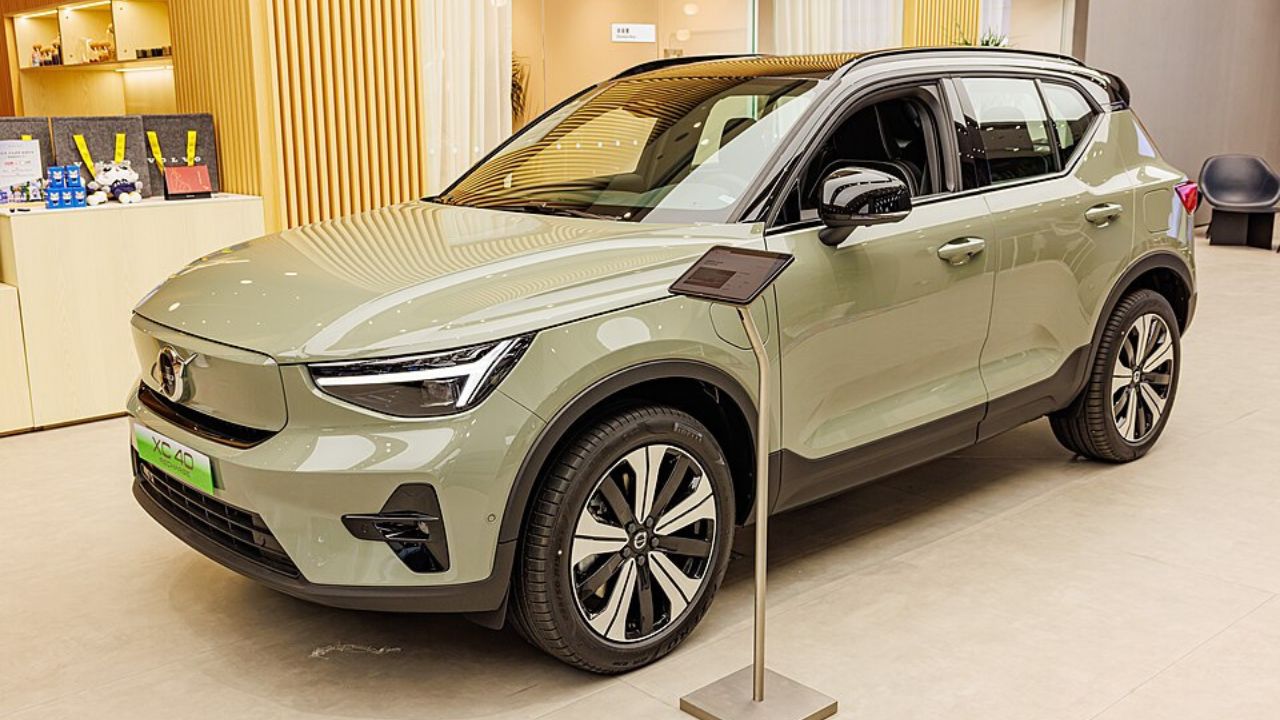
The Volvo XC40 is marketed as a Scandinavian-styled compact SUV, but its production footprint stretches well beyond Sweden. It appears in the same group of crossovers built in plants that might not match your mental picture of Volvo’s homeland, reinforcing how the company now splits XC40 assembly across multiple regions. That inclusion in a list of globally produced models, alongside Chevrolet Trailblazer and Buick Encore GX, underlines how flexible modern manufacturing has become.
When you see an XC40 parked outside a city apartment, you are looking at a product shaped by international logistics as much as Nordic design. For host countries, landing XC40 production can mean new training programs and supplier networks. For you as a customer, the unexpected build location may matter less than Volvo’s safety reputation, yet it quietly reflects how carmaking has turned into a border-crossing enterprise.
More from Fast Lane Only