You probably remember the first car that really meant something to you, but some vehicles end up meaning far more to the whole world than anyone expected. They start as practical tools, movie props, or niche experiments and then quietly rewrite culture, technology, or even city planning. Here are seven machines that grew far beyond their original brief, reshaping how you move, dream, and even watch movies.
Ford Model T

The Ford Model began as a straightforward attempt to build a reliable car for ordinary people, yet it became The Pioneer of Mass Production that reshaped global industry. By perfecting the moving assembly line, the Ford Model T slashed costs and put car ownership within reach of workers who once could only dream of it. In detailed histories of Automotive Icons, you see how that production breakthrough influenced everything from appliance factories to smartphone plants.
For you as a modern driver, the Model T’s legacy shows up in the expectation that complex products should keep getting cheaper and more accessible. Traffic-choked suburbs, roadside motels, and drive-through restaurants all trace back to the moment this simple machine scaled up. When you look at today’s electric cars or ride-hailing fleets, you are still living in the world the Ford Model T accidentally created, where mobility is treated as a mass-market right rather than a luxury.
Volkswagen Beetle

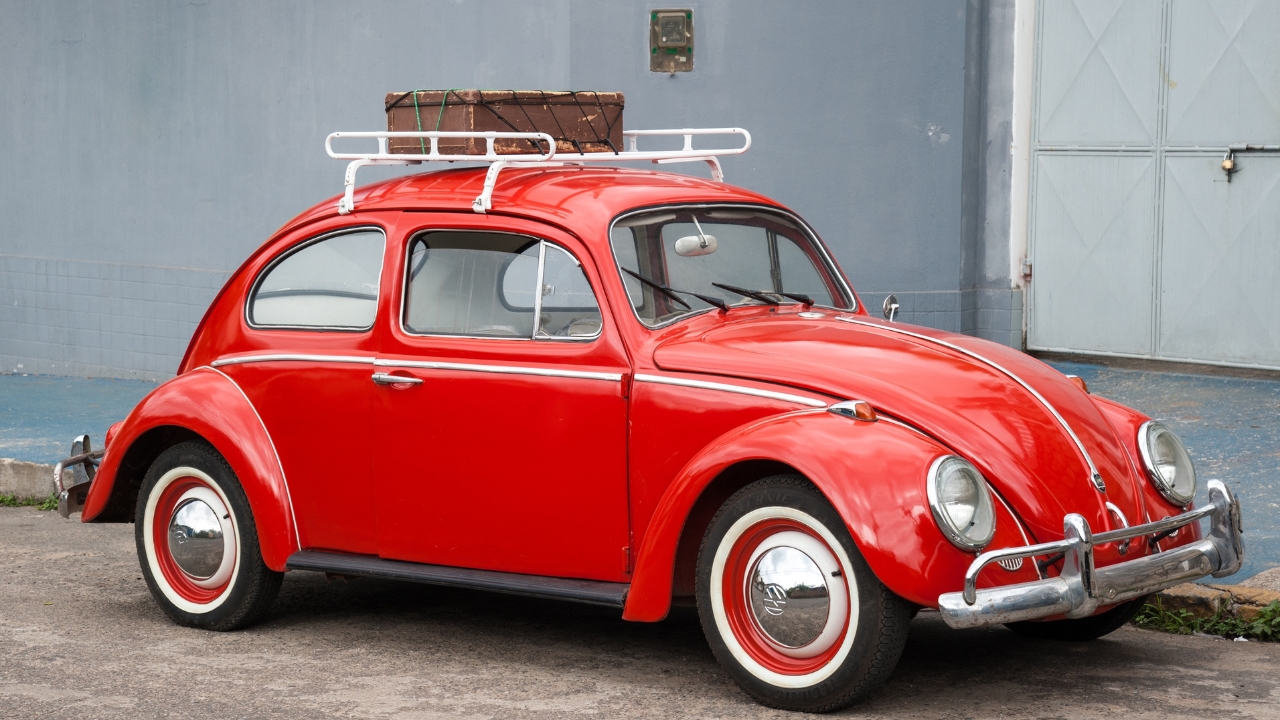
The Volkswagen Beetle was conceived as basic transportation, but it evolved into a rolling symbol of personality and protest. Early on, its air-cooled engine and compact footprint made it a practical answer to crowded European streets. Over time, the Beetle’s unmistakable shape and durability helped it become a global favorite, with Volkswagen Beetle fans keeping it loved for decades.
Pop culture sealed its transformation from car to character. Movies like Herbie turned the Beetle into a friend you could root for, not just a way to get to work. When you see one today, you probably do not think about engineering first, you think about personality, stickers on the bumper, and road trips. That emotional connection shows how a modest people’s car became a universal shorthand for individuality and charm.
Chevrolet Suburban
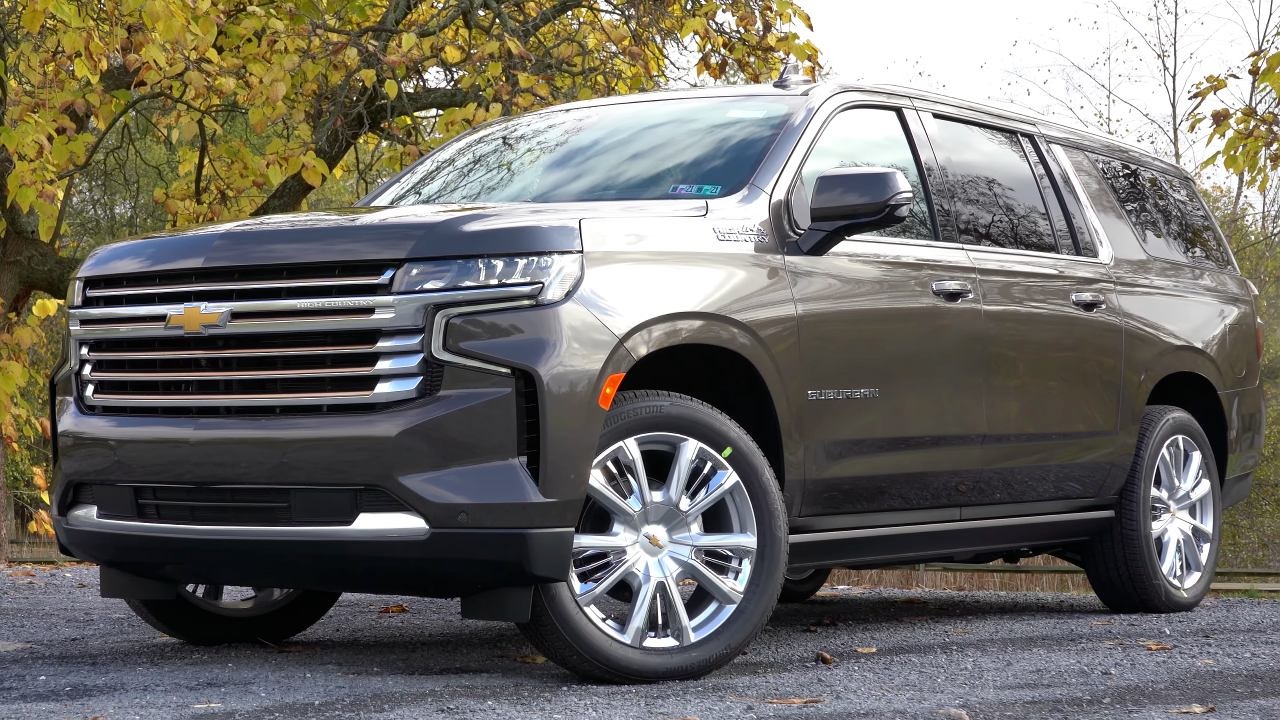
The Chevrolet Suburban started life as a practical hauler, yet it quietly became one of the most influential family vehicles on the planet. Long-running production data lists the Chevrolet Suburban as a 1935–present nameplate, making it one of the longest-produced vehicle lines anywhere. That kind of continuity means generations have grown up seeing the Suburban as the default answer for big families, work crews, and government convoys.
For you, the Suburban’s rise explains why large SUVs dominate so many roads and parking lots. Its mix of passenger space, towing ability, and comfort set expectations that rivals rushed to match, reshaping everything from fuel-economy rules to how cities design parking spaces. What began as a simple “carry everyone and everything” truck turned into a template for modern suburban life, influencing how far you live from work and how you plan vacations.
Ford Mustang
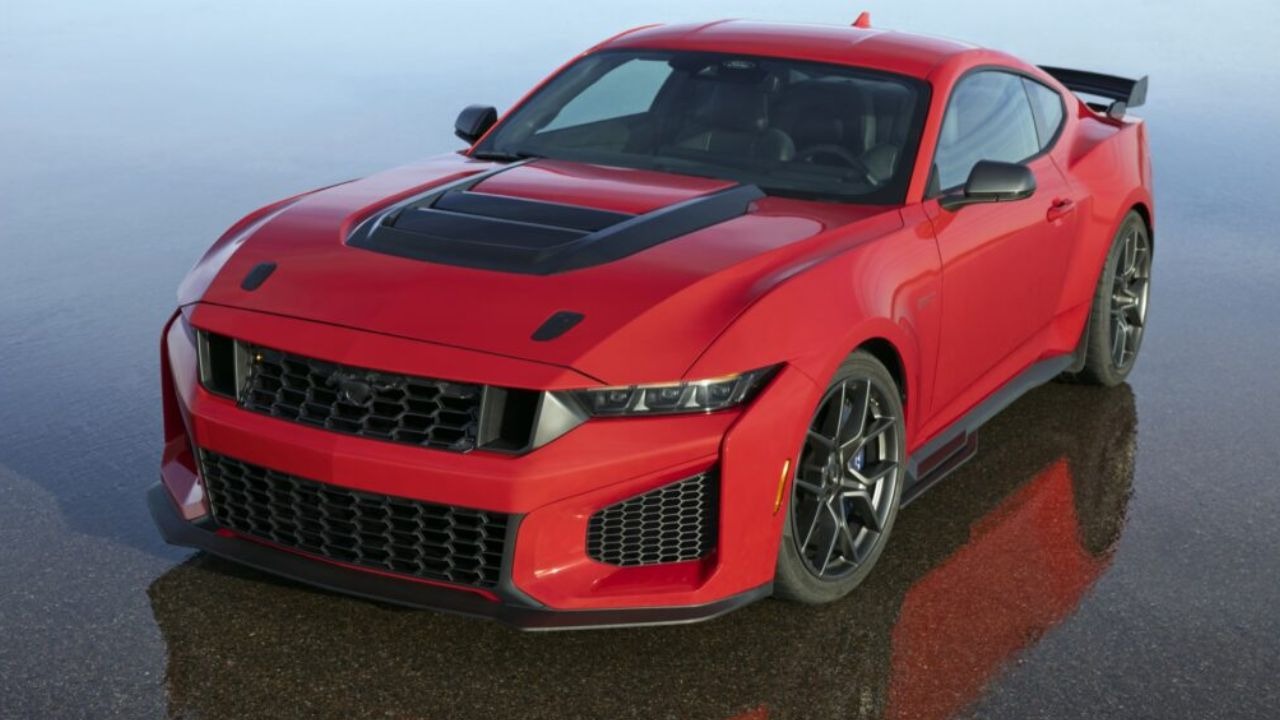
The Ford Mustang was introduced as an affordable sporty coupe, but it quickly became a cultural touchstone. Histories of cars that changed the industry describe how the Ford Mustang, introduced in 1964, galvanized the American market and inspired an entire “pony car” segment. Later research into dream cars found that They determined that the Ford Mustang was the most desired dream car in the world by virtue of 116,686,707 searches, proof that its appeal has not faded.
When you picture freedom on four wheels, there is a good chance a Mustang silhouette pops into your mind. It helped democratize performance, letting younger buyers enjoy speed and style without supercar money. That shift nudged other brands to chase the same formula, giving you a market full of attainable performance cars and cementing the Mustang as far more than a single model year success.
Toyota Prius
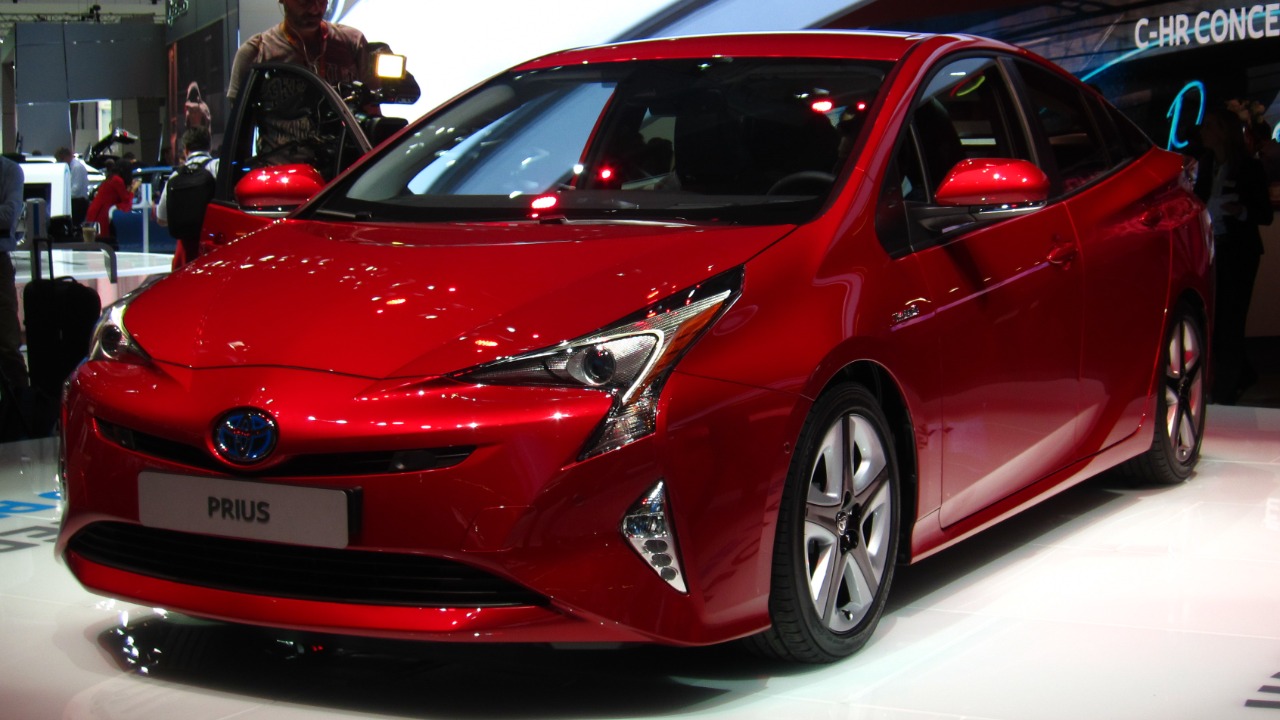
The Toyota Prius began as a cautious experiment in hybrid power, yet it ended up changing how you think about fuel and emissions. Analysts looking at transformative vehicles describe the Toyota Prius as The Hybrid That Changed Everything, noting that When the Toyota Prius launched in 1997, few predicted its eventual impact. Its combination of gasoline and electric power proved that efficiency could be viable for everyday driving, not just a lab exercise.
Once celebrities and early adopters embraced the Prius, it became a rolling statement about environmental awareness. You might not drive one, but its success pushed nearly every major brand to develop hybrids and rethink fuel consumption targets. The car that started as a niche eco option ended up steering the entire industry toward electrification, influencing the choices you see in showrooms today.
DeLorean DMC-12

The DMC sports car was initially a risky startup project, but the DMC name became legendary thanks to a time-traveling role. Lists of famous movie cars highlight the DMC in Back To The Future as one of the most recognizable screen machines, with DMC and Back To The Future now inseparable in popular memory. In reality, the car’s production run was short and troubled, yet its gullwing doors and stainless body were perfect for cinema.
For you as a viewer, the DeLorean shows how a commercial flop can still reshape culture. It turned a failed business into a nostalgic icon, fueling fan conventions, replica builds, and even talk of revivals. The car’s on-screen life has lasted far longer than its time on the assembly line, proving that narrative power can give a vehicle a second, much bigger existence than its creators ever imagined.
Aston Martin DB5
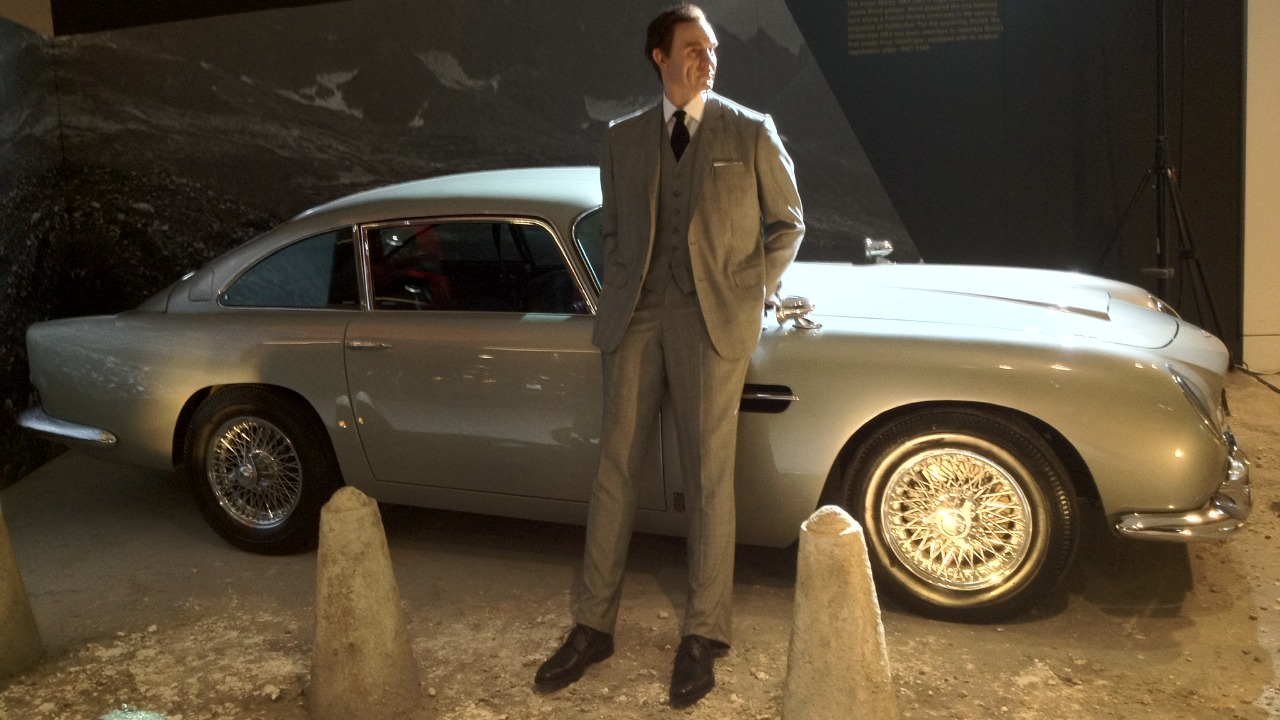
The Aston Martin DB5 was engineered as a refined grand tourer, but one casting decision transformed it into the ultimate spy car. Film historians point to the 1964 movie Goldfinger, where the Goldfinger Aston Martin became inseparable from James Bond’s image. Analyses of cinematic vehicles note how the Aston Martin in Goldfinger turned a niche luxury brand into a global household name.
When you see a silver DB5 today, you probably think of ejector seats and gadgets before horsepower figures. That association has real-world consequences, boosting brand prestige and influencing how carmakers chase product placement deals. The DB5’s journey from elegant coupe to cultural shorthand for sophistication shows how a single movie role can elevate a car into something far greater than its original spec sheet.
More from Fast Lane Only