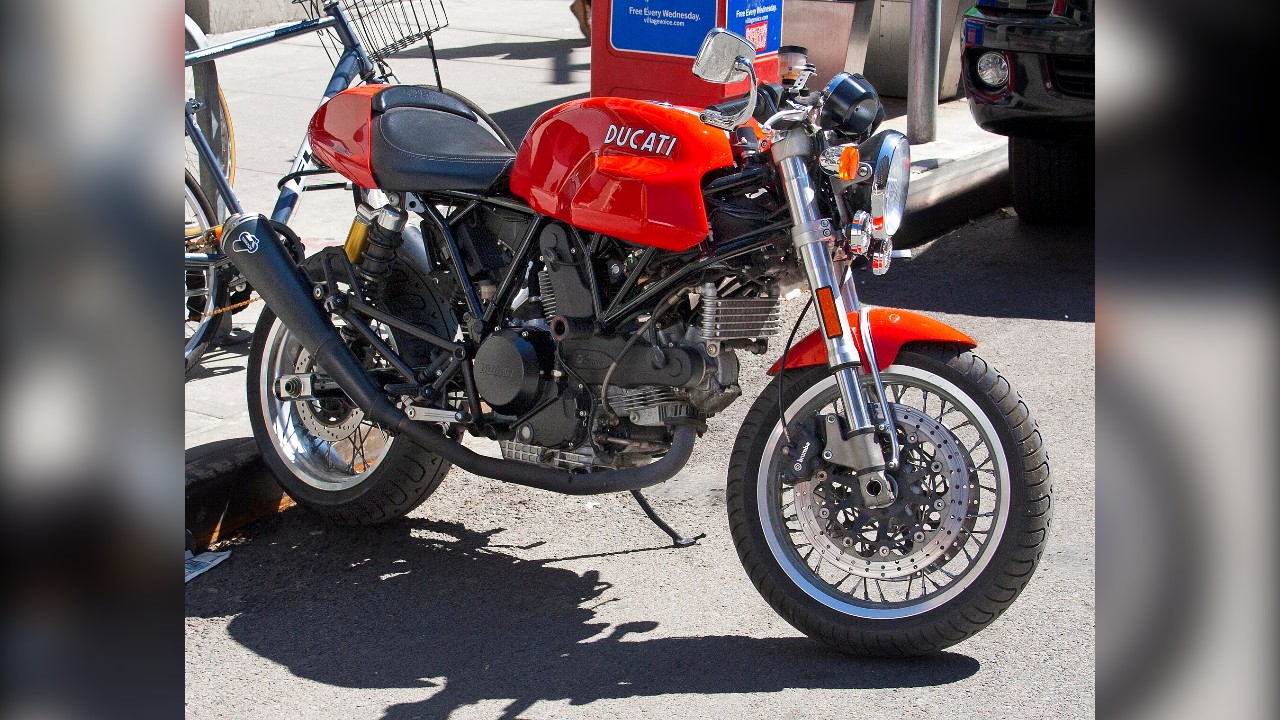
The Ducati Sport 1000 looked like a 1970s café racer, and that look hid how hard it could run. Ducati has a long habit of this. Some of its bikes were dressed as tourers, cruisers or retro toys, yet they went faster than their image suggested.
Ducati’s reputation rests on its superbikes and its race wins. That fame tends to cast a shadow, though. As a result, a bike that wasn’t a flagship often got judged by its looks, its price or its engine size instead of its stopwatch numbers.
These are our picks for nine Ducatis that were faster than anyone admitted at the time. The verdict is our opinion. The speeds, test numbers and specs behind it come from period road tests, Ducati’s own figures and reference guides, and we left out any number we couldn’t check.
1. 2006–2009 Ducati Sport 1000
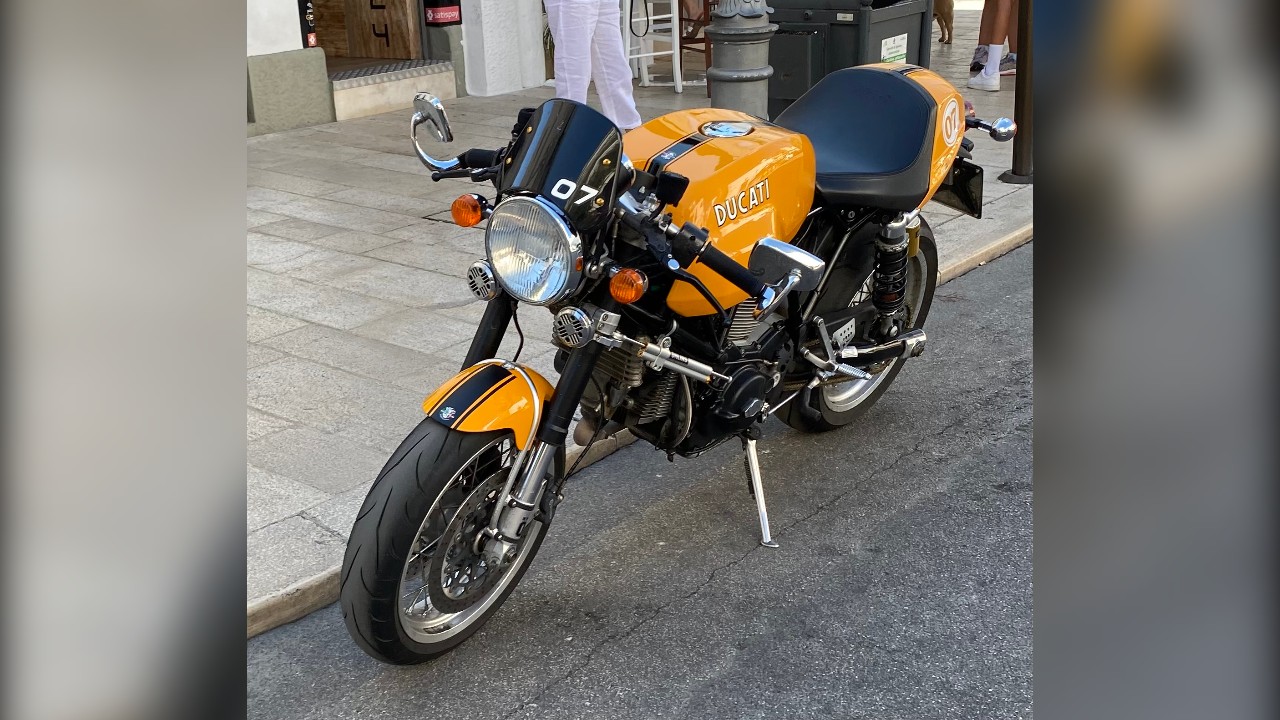
Ducati revealed its SportClassic family at the 2003 Tokyo Motor Show, and the Ducati Sport 1000 went on sale for the 2006 model year. Designer Pierre Terblanche also drew it after the 1973 750 Sport and the 750 Imola Desmo. The first version was a true single-seater, with a dry clutch, one rear shock and low clip-on bars.
The engine was the part people underrated. It was a 992 cc air-cooled, two-valve V-twin, a design many riders saw as old-fashioned. Even so, it made 91 bhp at 8,000 rpm. In fact, that’s a lot of shove for a bike sold mainly on nostalgia.
Later, in 2007, the Sport 1000 became a two-seater with a wet clutch, taller bars and twin rear shocks. Our take: buyers saw a retro toy, but the clip-ons and the 91-bhp twin made it a proper fast road bike. If you want the purest one, look for the 2006 single-seat version.
2. 1977 Ducati 900 Darmah SD
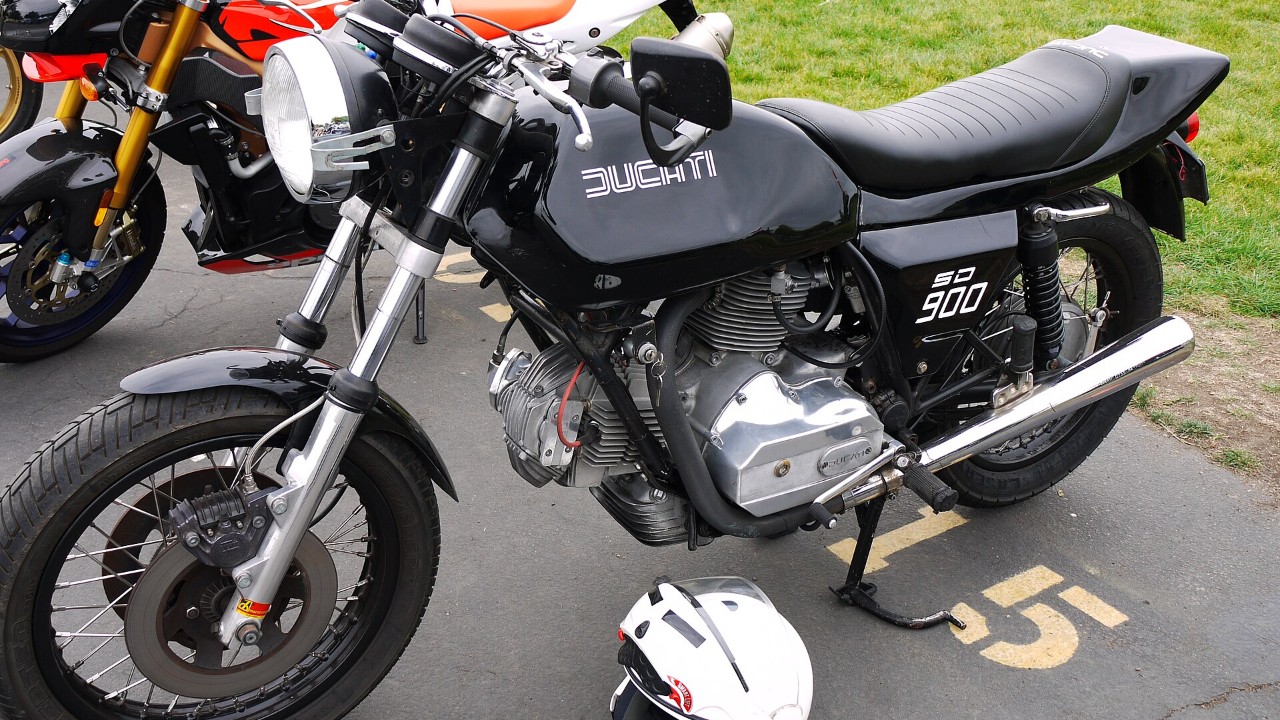
Ducati introduced the 900 SD Darmah in 1977 to succeed where its 860 series had failed. It was a comfortable, electric-start road bike. Underneath, though, it used an 864 cc desmodromic bevel-drive twin that an Australian magazine called virtually identical to the 900SS engine, with smaller carburetors.
That magazine’s numbers are the surprise. Testers at Old Bike Australasia recorded a standing quarter mile in 13.6 seconds and a top speed of 184.5 km/h. Then a Darmah raced the 1979 Castrol Six Hour at Amaroo Park and ran regular 59-second laps before a broken throttle cable stopped it.
Ducati built 1,610 of the original 1977 model, and close to 5,600 Darmahs of all types through 1982. In our view, it’s the touring Ducati that could keep up with the sports bikes. If you shop for one, the electric start is the feature that makes it easy to live with.
3. Ducati 1098S Tricolore
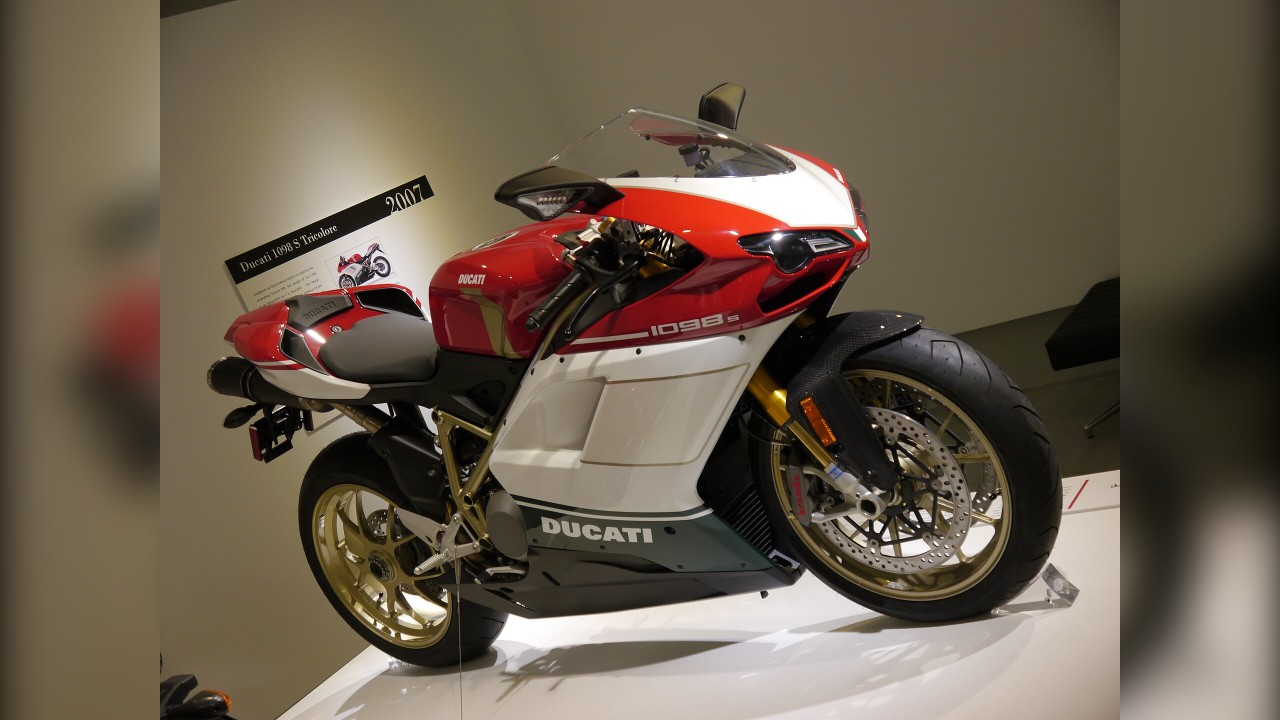
The Tricolore in our photo is a 1098S dressed in Italy’s three colors. Underneath, the 1098S itself had Öhlins suspension at both ends and forged wheels. Ducati claimed 160 bhp at the crank from the 1,099 cc twin and 171 kg dry.
When Cycle World tested a 1098S in 2007, the magazine said its numbers “quite frankly blew us away.” With optional Termignoni pipes and a chip, it made 150 hp at the rear wheel. Then it ran 0-60 mph in 2.58 seconds and the quarter mile in 9.845 seconds at 145.64 mph.
Top speed was the only letdown, and that was down to gearing. The test bike hit its rev limiter at 174 mph in sixth. However, the editors estimated about 180 mph with a smaller rear sprocket. Our take: it was faster than the price tag suggested, since the tested bike started at $19,995.
4. 1965 Ducati Mach 1 250
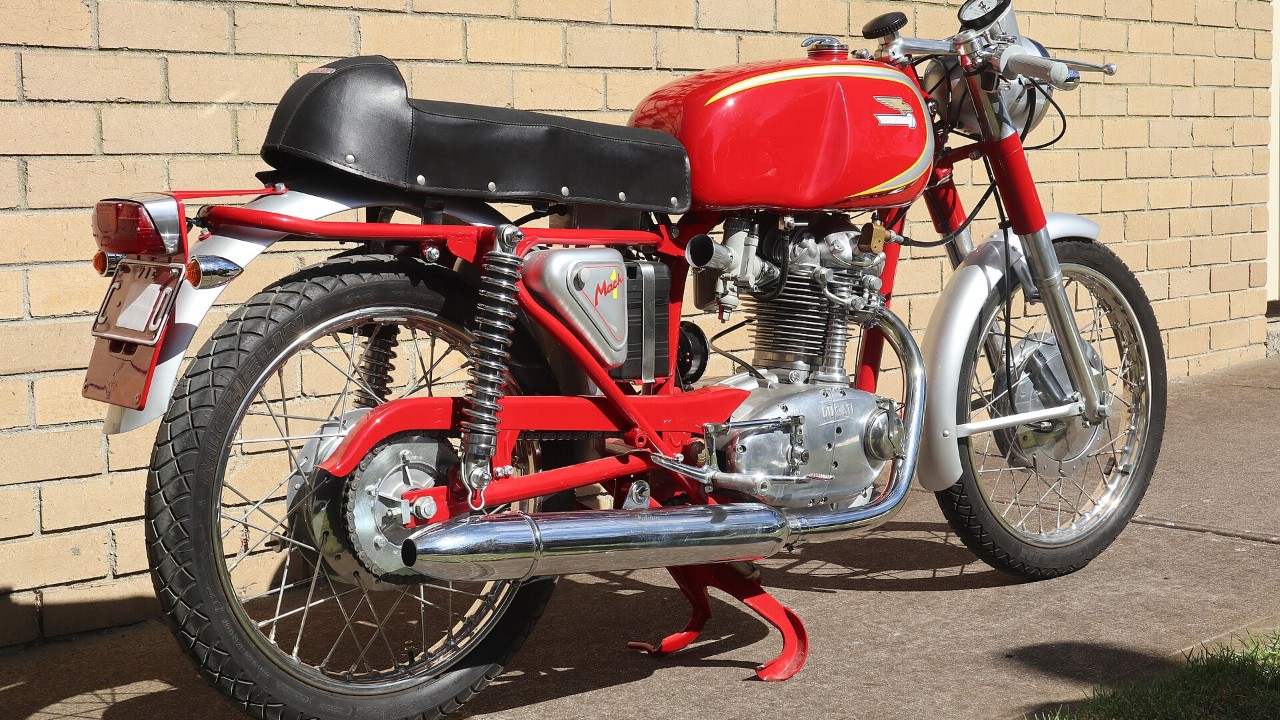
The Mach 1 took a small engine and tuned it hard. Its 248.6 cc single used an overhead cam and made 27.6 hp at 8,500 rpm.
Ducati also gave it a five-speed gearbox with a wet clutch. That let a rider keep the single near the top of its rev range. As a result, we think the Mach 1 was far quicker in real riding than its 250 badge suggested.
Ducati built the Mach 1 from 1964 to 1966. In our view, it’s the small Ducati that taught riders not to judge a bike by its displacement. You can trace that idea through our list of Ducati desmo models from the 125 racer to the Panigale.
5. 1986 Ducati 750 F1 Montjuich
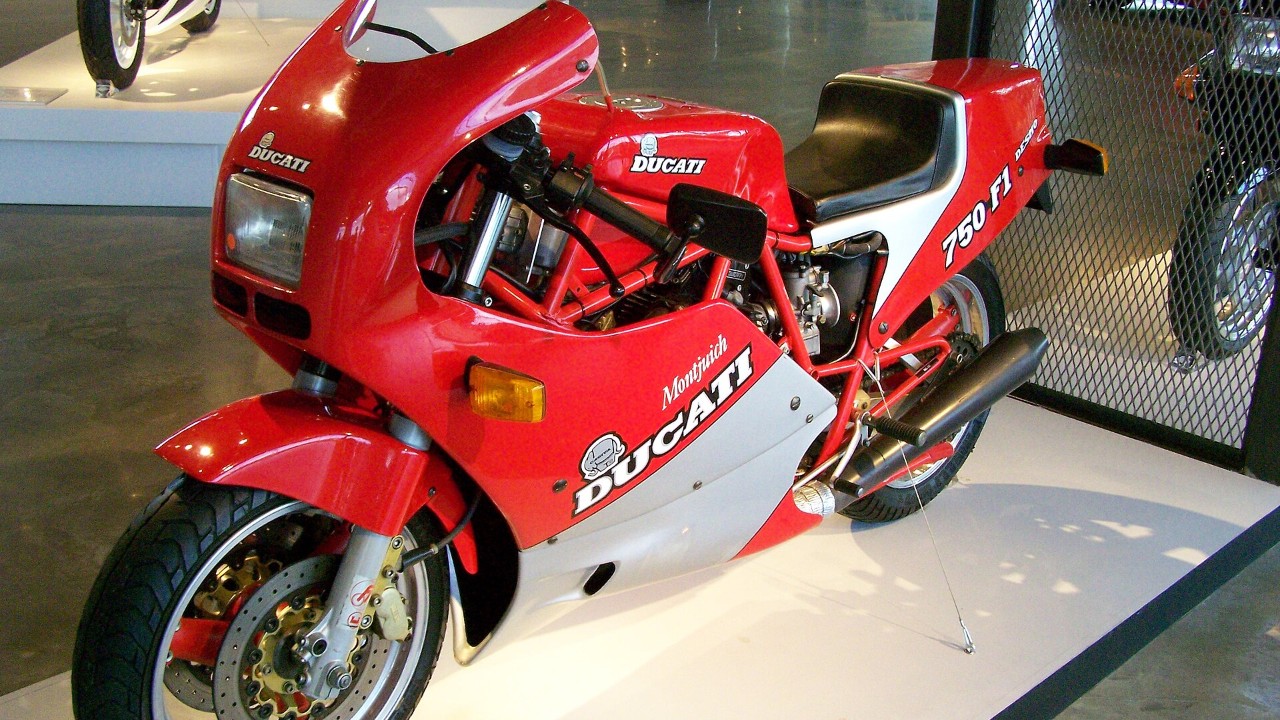
The Montjuich was the race-replica version of the 750 F1. Ducati built 200 of them in 1986, and only 10 were sold in the U.S. Also, each one carried a 750 cc desmo V-twin, weighed 367 pounds dry and cost $8,800.
On paper, it was just a two-valve twin. Then Cycle World rode one and called it “the quickest production Twin Cycle World has ever tested.” The magazine said it covered the quarter mile in the high elevens. Meanwhile, an Italian magazine measured about 75 hp at the rear wheel.
The bike also reached 145 mph on the long straights at the La Carrera event. In fact, Cycle World called that “a nearly incredible figure for a 750 Twin.” Our take: few people expected that kind of pace from Ducati’s oldest engine layout in 1986.
6. 2021 Ducati Diavel 1260 Lamborghini
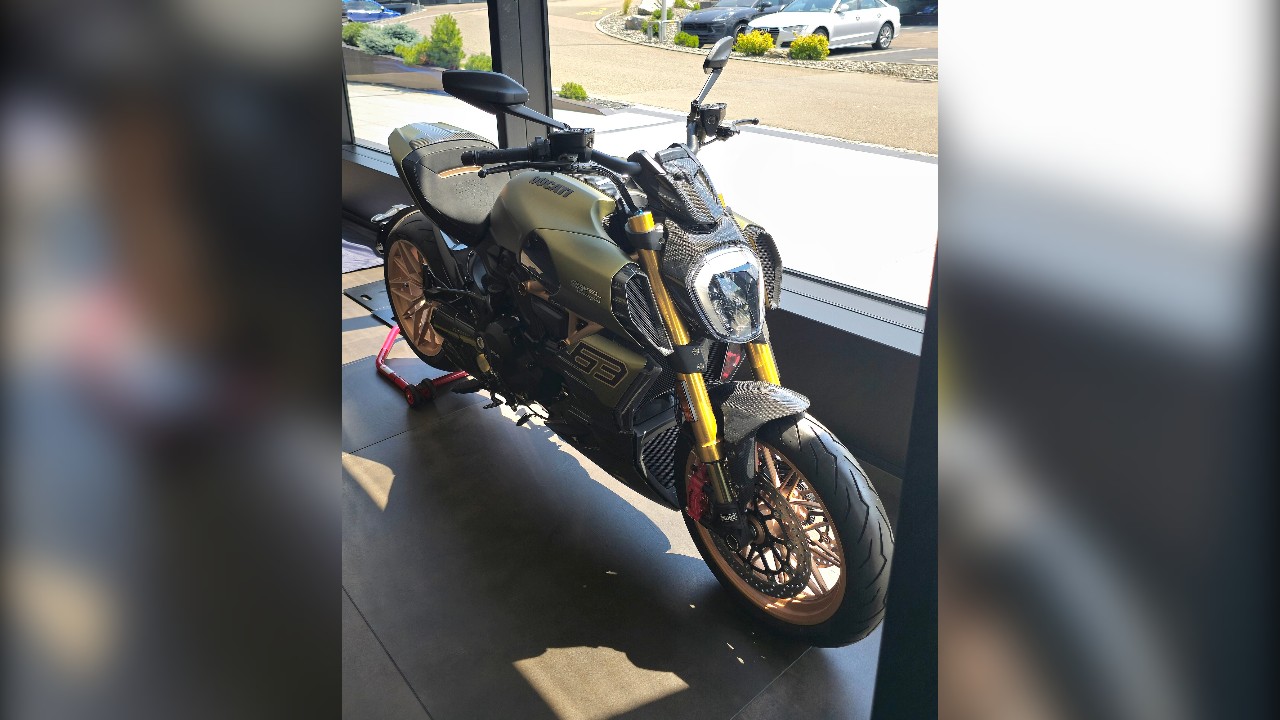
Ducati first showed the Diavel at the EICMA show in Milan in November 2010. It was a cruiser by shape. Still, it used a retuned version of the Testastretta twin from the 1198 superbike, and that set the tone for every Diavel since.
Later, the Lamborghini edition took that idea further. According to Cycle News, its 1,262 cc Testastretta DVT made 157 hp at 9,500 rpm and 95 lb-ft of torque. Ducati also added forged wheels and carbon-fiber bodywork, and styled it after the Lamborghini Sián FKP 37.
Production was limited to 630 bikes, a nod to Lamborghini’s founding in 1963. U.S. sales began in January 2021 at $31,995. In our view, people bought it for the paint, yet a superbike-derived twin sits underneath.
7. 1973 Ducati 750 Sport
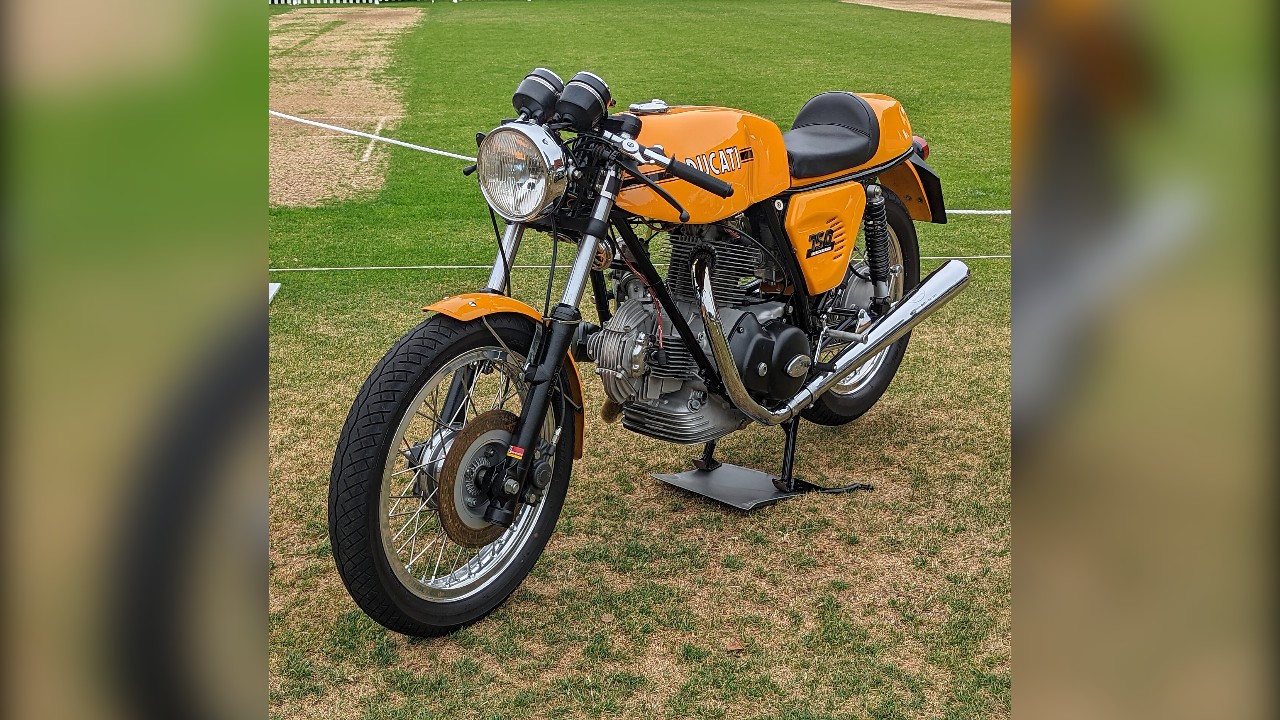
The 750 Sport first appeared in Italy in September 1972. It shared its engine with the GT750 touring bike. However, higher-compression pistons and 32 mm open carburetors gave the Sport a five-horsepower edge over the GT.
Per Motorcycle Classics, the 748 cc bevel-drive twin had a claimed 62 hp at 8,200 rpm. Because the bike weighed only 402 pounds dry, it could reach 124 mph. It cost $2,500 new, and its long, narrow tank, clip-ons and rearsets told you what it was for.
Fabio Taglioni’s 90-degree layout gave the engine perfect primary balance. That smoothness made the speed feel easy, which is why we think riders underrated it. The magazine lists today’s values at $15,000 to $35,000.
8. Ducati 748 R
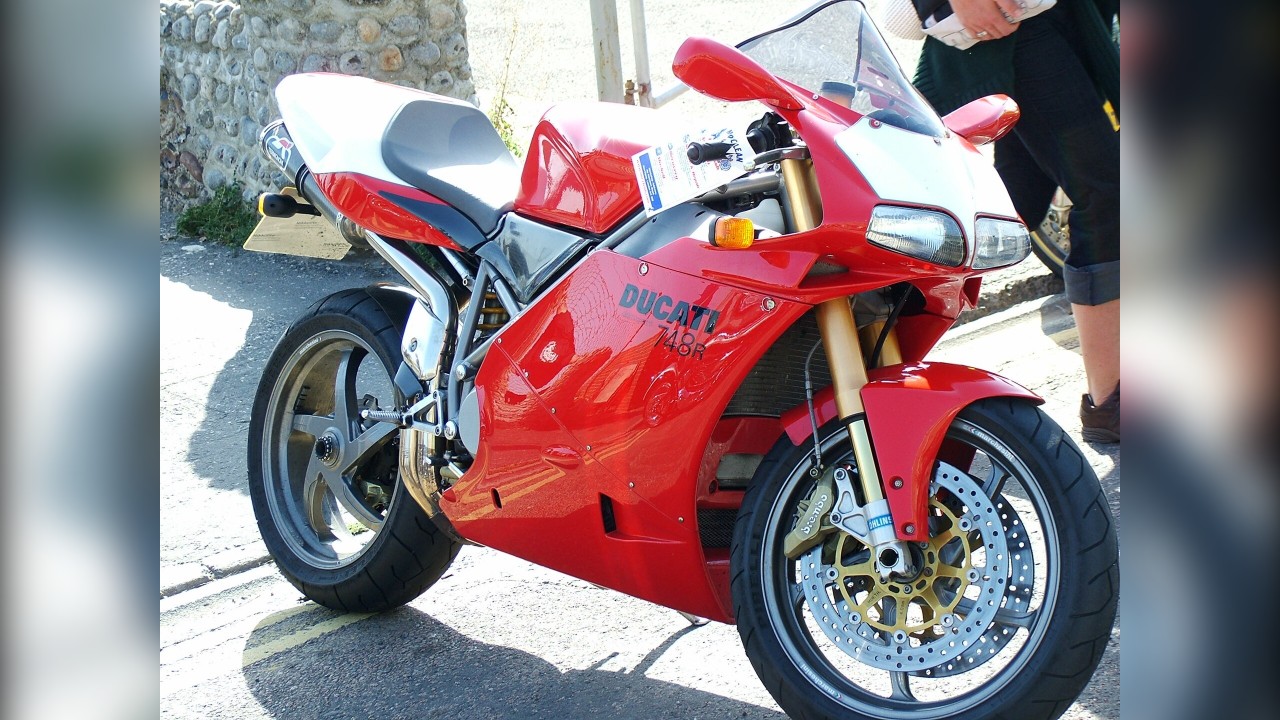
The 748 was the smaller-displacement sibling of the 916. Massimo Tamburini styled both, and they shared nearly every part. However, the 748’s smaller pistons helped its engine rev more quickly, up to 11,500 rpm.
The 748 R sat at the top of the range as a racing homologation model, with its first examples in 2000. It used titanium connecting rods and valves, shower-style injectors and a basic slipper clutch. As a result, it made 106 hp, and its top speed reached 158 mph.
That’s a lot from 748 cc. Our take: in the 916’s shadow, the 748 R looked like the junior model, yet it was the sharper race tool. If you want one, check that the Öhlins suspension and titanium parts are still original. Our list of Ducatis still worth collecting covers more of that era.
9. 2010 Ducati Hypermotard 1100 Evo SP
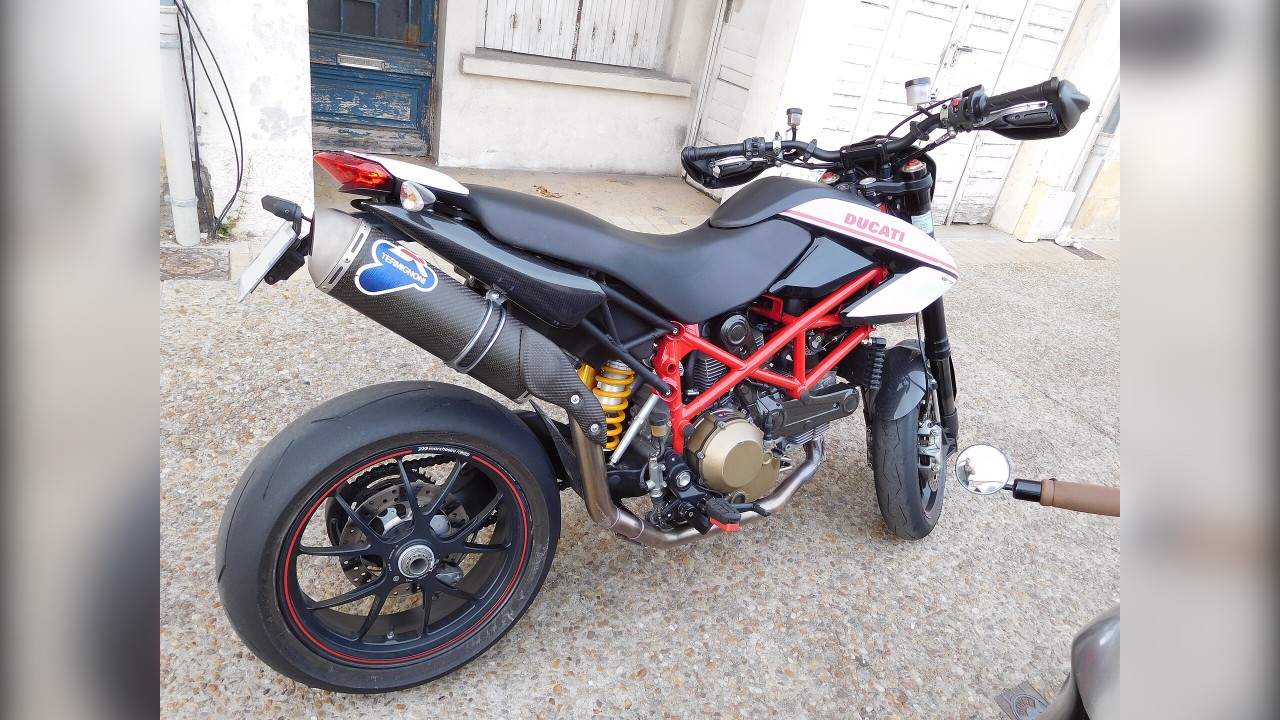
Pierre Terblanche’s Hypermotard first appeared at EICMA in November 2005 and won Best of Show there. For 2010, the 1100 Evo got a new engine that dropped the Dual Spark ignition. It made 95 bhp at 7,500 rpm.
The Evo SP, by comparison, was the sporty version. It got taller 50 mm Marzocchi forks, an adjustable Öhlins rear shock, Pirelli Diablo Supercorsa SP tires and full carbon-fiber bodywork. Its seat sat 875 mm high, 30 mm above the standard Evo’s.
At first glance, many riders saw a tall, upright fun bike. In our view, the SP’s suspension and tires made it a real canyon weapon. The Evo SP weighed 171 kg, one kilogram less than the standard 1100 Evo.
More from Fast Lane Only