Some cars come and go, but a few leave such a lasting impression that they never really disappear from the spotlight. Whether it’s because of their design, performance, cultural impact, or just the way they made people feel behind the wheel, these cars earned a permanent spot in gearhead history. They’re the kind of rides that show up on posters, in movies, and at car shows decades after they rolled off the assembly line. These are the machines we’ll always remember—and probably always want to drive.
1967 Chevrolet Camaro
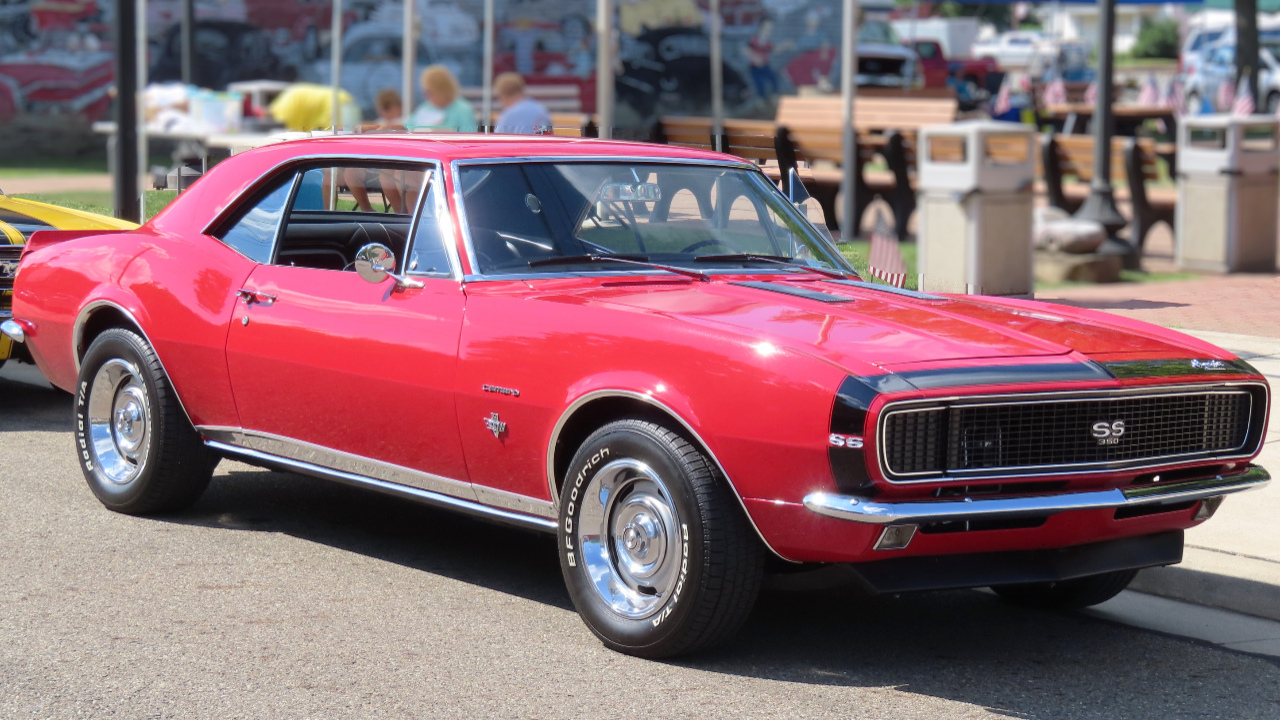
Chevrolet’s answer to the Mustang arrived in 1967 and immediately made a name for itself. In fact, nearly 221,000 Camaros sold in that first year alone.
The Camaro offered everything from a modest straight-six to a tire-melting 396 cubic-inch V8, plus the race-bred Z/28 package built for SCCA competition. It quickly forged its own identity in the muscle car era and remains a symbol of American performance and style.
1955 Mercedes-Benz 300SL Gullwing
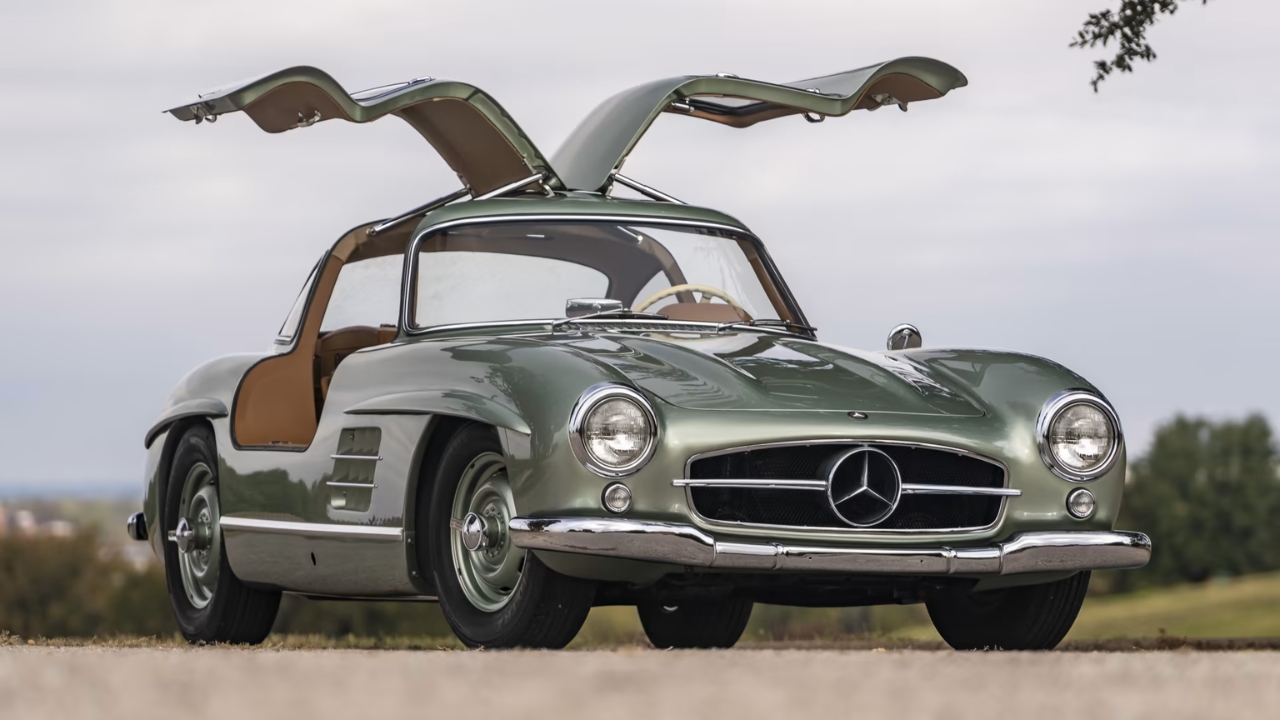
This German icon turned heads with its upward-opening “gullwing” doors and racecar roots. Unveiled in the mid-1950s, the 300SL was the first production car with direct fuel injection, giving its 3.0L straight-six an impressive 215 horsepower and a 155 mph top speed.
That made it the fastest production car of its day. Beyond the numbers, the Gullwing’s jet-age looks and advanced engineering made it one of the earliest supercars and a 1950s dream machine that still captivates car lovers today.
1964½ Ford Mustang
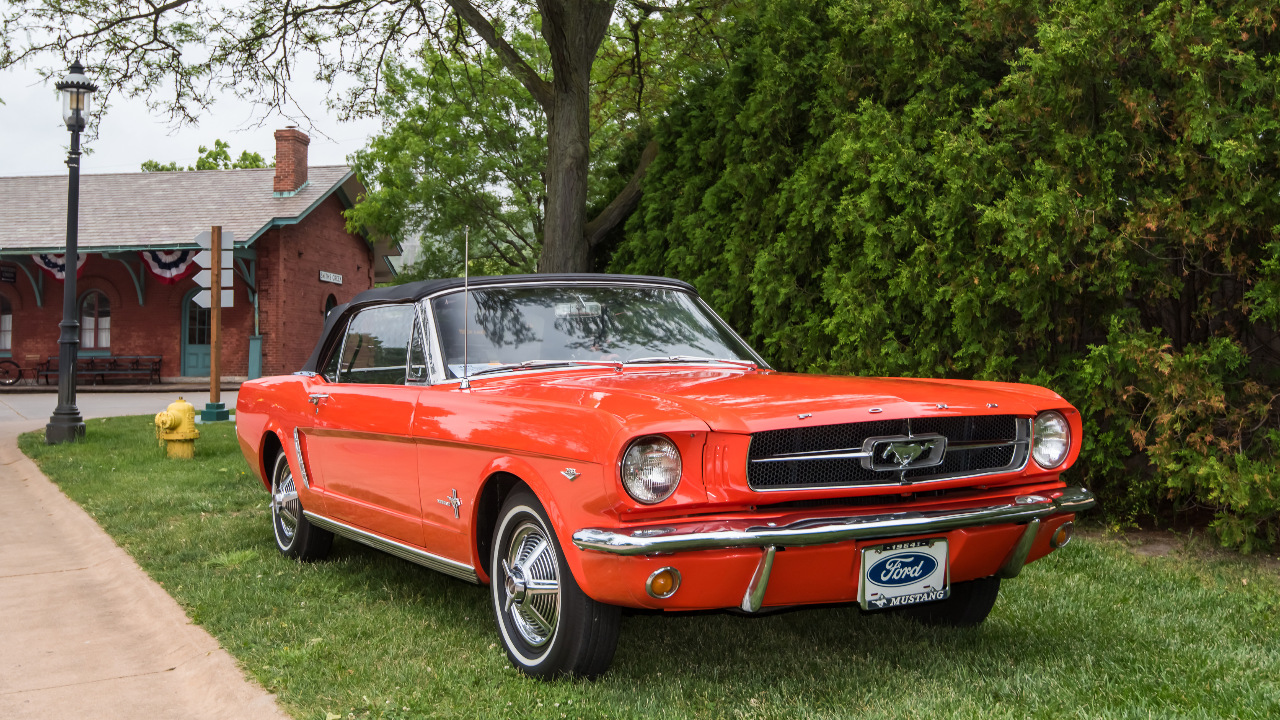
Ford kicked off the pony car craze with the Mustang’s debut in April 1964, and the response was nothing short of epic. The “1964½” Mustang (as fans call the early ’64 launch models) broke sales records – over 418,000 sold in the first year – and blew past the million mark within 18 months.
It wasn’t just a sales wonder; the Mustang offered V8 power in a sleek, affordable package that symbolized freedom and fun. From day one, the Mustang was an American icon on wheels, and it’s been winning hearts for generations since.
1970 Dodge Charger
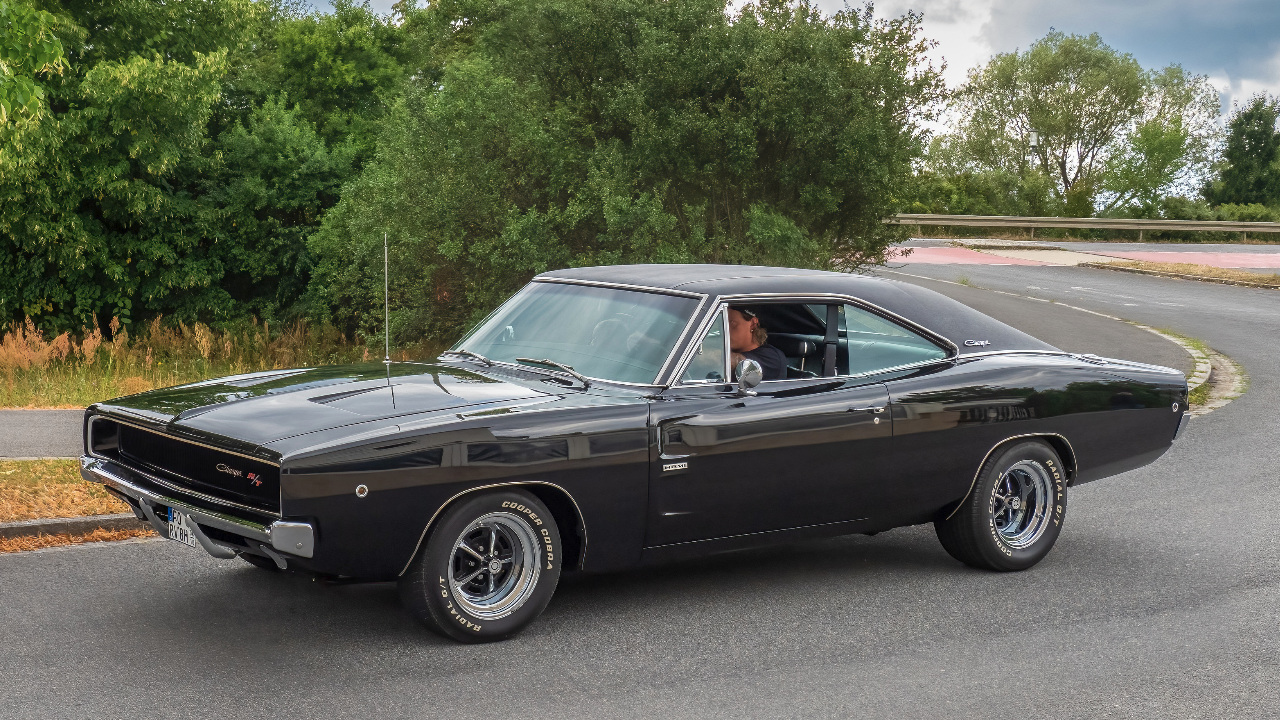
Few cars scream “muscle” like a ’70 Charger. Dodge’s heavyweight muscle coupe had the looks (that long nose and menacing grille) and the guts to back it up. The R/T version came standard with a 440 Magnum V8, and if that wasn’t enough, you could opt for the legendary 426 Hemi rated at 425 horsepower.
This Charger could light up the quarter-mile and even pop a wheelie on screen (remember Dom Toretto’s Charger in Fast & Furious?). With its ferocious performance and unmistakable style, the ’70 Charger earned its place as a pop culture legend.
1961 Jaguar E-Type
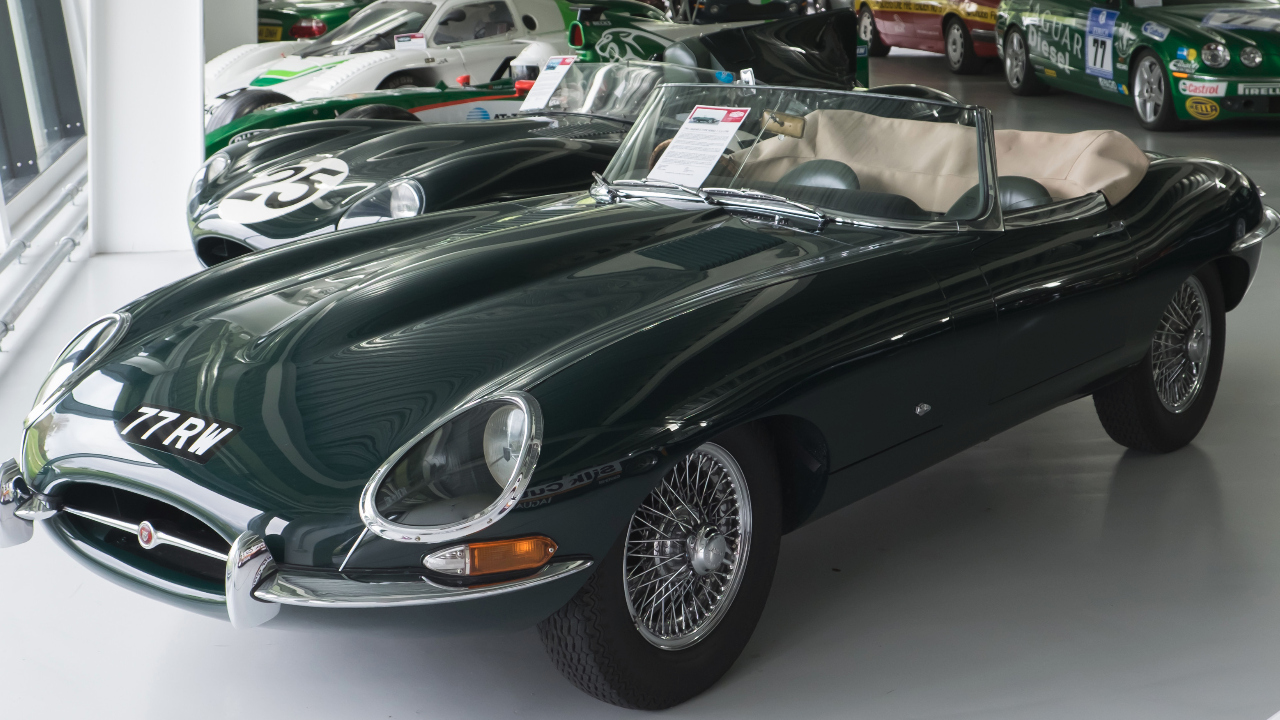
When the Jaguar E-Type hit the scene in 1961, Enzo Ferrari famously called it “the most beautiful car ever made”. One look at those silky lines and you understand why. But the E-Type wasn’t just a pretty face — it could reach a then-astonishing 150 mph thanks to a 3.8-liter inline-six and a lightweight design derived from Jaguar’s Le Mans-winning racers.
It also sported cutting-edge features like four-wheel disc brakes. Blending style and speed at a relatively attainable price, the E-Type became a 1960s icon. Decades on, it’s still revered as a high point of 1960s sports car design.
1969 Pontiac GTO “The Judge”
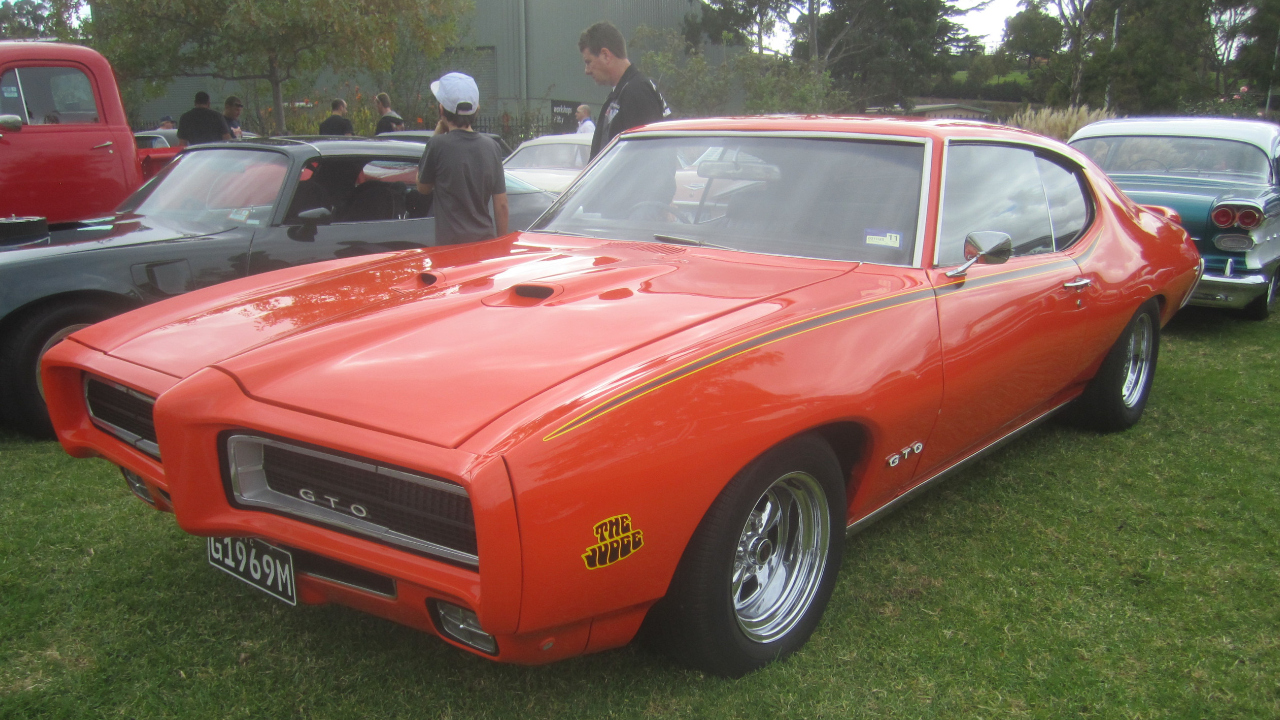
By 1969 the muscle car wars were raging, and Pontiac decided to let “The Judge” lay down the law. This special edition GTO got its name from a catchphrase on Rowan & Martin’s Laugh-In, and it stood out with eye-catching graphics and an outrageous orange paint job.
Under the hood, The Judge meant business: it came standard with a Ram Air III 400 V8 pumping out 366 horsepower (with an even hotter Ram Air IV optional for speed junkies). The result was a tire-shredding ride and an instant classic that represents the wild, fun-loving side of late-’60s American muscle.
1957 Chevrolet Bel Air

No list of iconic cars is complete without the ’57 Chevy. With its tailfins, chrome accents, and two-tone paint, the Chevrolet Bel Air defined 1950s cruising cool. It was the car you’d see packed with the family at the drive-in on a Saturday night.
And it had some muscle behind the style: Chevy’s 283 cubic-inch small-block V8 could be fitted with fuel injection to hit 283 horsepower– one horsepower per cubic inch, a bragging right back then. The ’57 Bel Air has become an American pop culture icon that still represents the optimistic, sock-hop spirit of its era.
1973 Porsche 911 Carrera RS
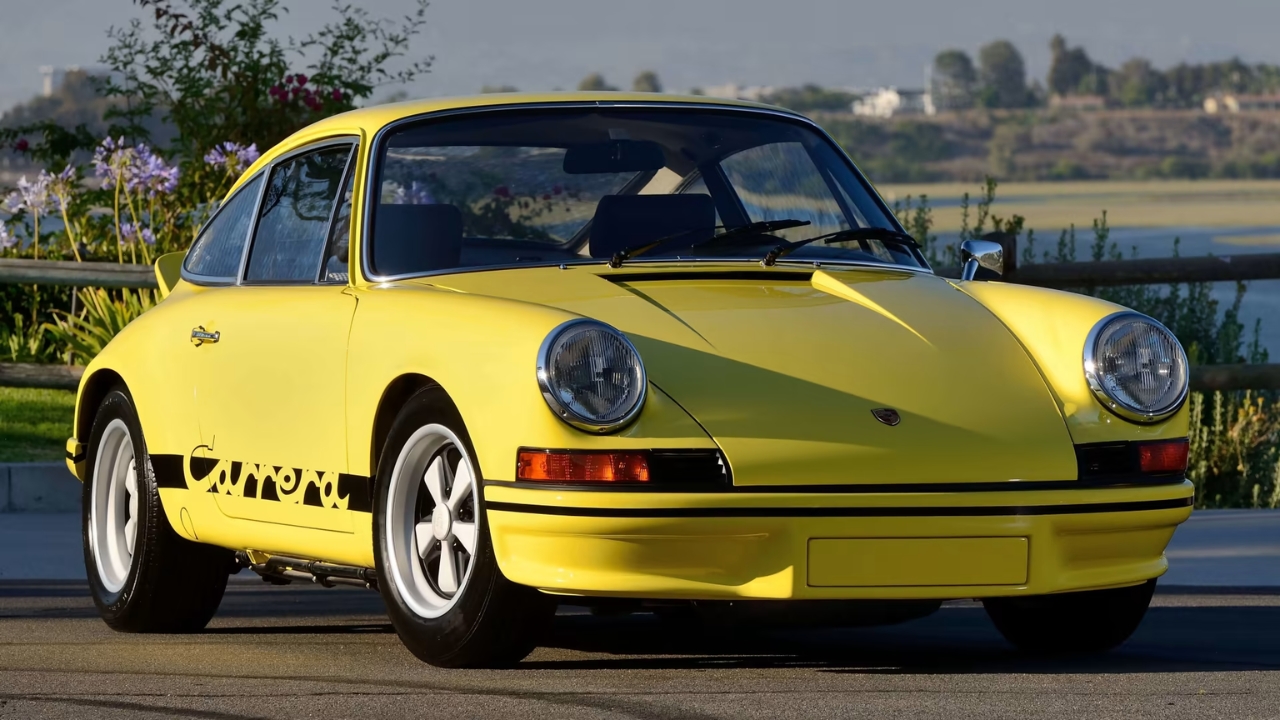
Porsche’s 911 has many legendary variants, but mention “1973 Carrera RS” and you’ll get a knowing nod from every car fan. Built as a limited-run homologation special (only 1,580 made) to go racing, the Carrera RS 2.7 introduced the iconic “ducktail” rear spoiler – the first on a production car – and packed a 210 horsepower flat-six into a featherweight body.
It could blitz the track and still drive home afterward. The 2.7 RS was the ultimate evolution of the early 911, laying the groundwork for every hardcore Porsche that followed.
1966 Shelby Cobra 427
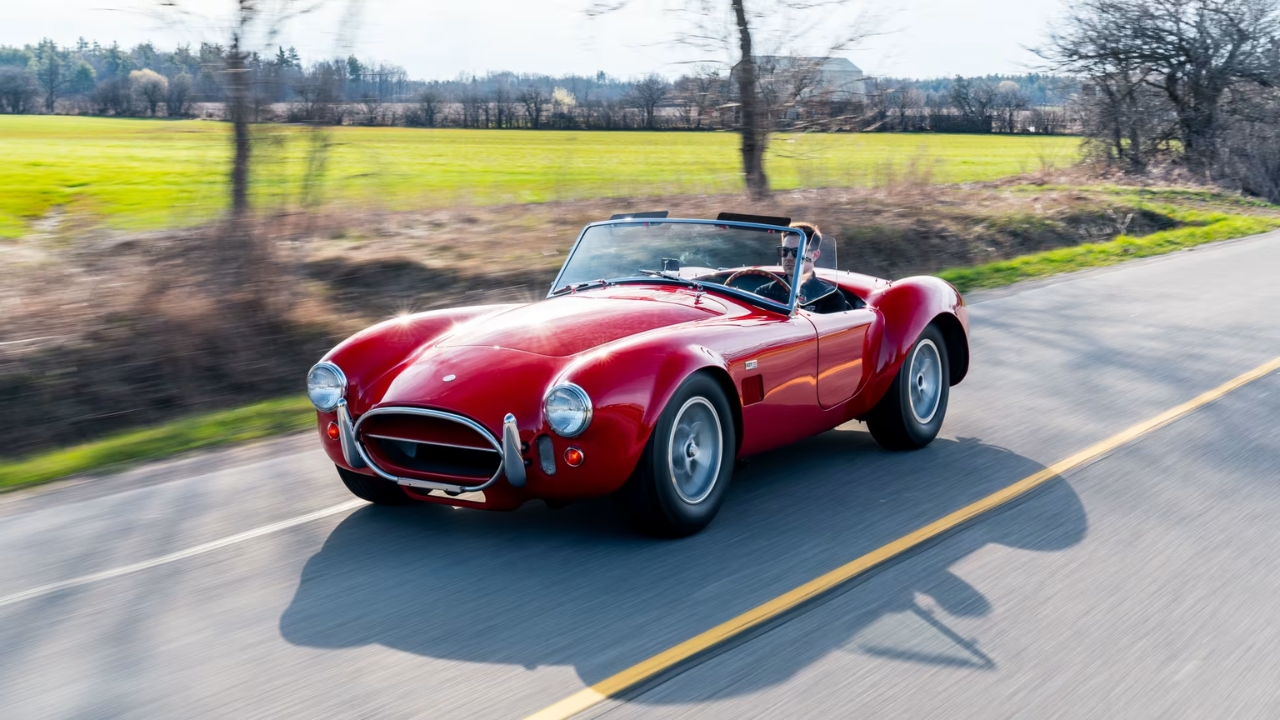
Carroll Shelby’s formula was simple: take a light British roadster and stuff it full of American V8. The result? The Shelby Cobra 427, an American rocket that redefined performance. With a 7.0-liter Ford V8 cranking out over 400 hp and a curb weight around 2,400 lbs, the Cobra’s power-to-weight ratio was off the charts. 0 to 60 mph came in just over 4 seconds – nearly unheard of in its era.
It was raw, unfiltered and brutal. Today, the 427 Cobra is an enduring legend and a reminder that sometimes the wildest ideas create the coolest cars.
1948 Tucker 48
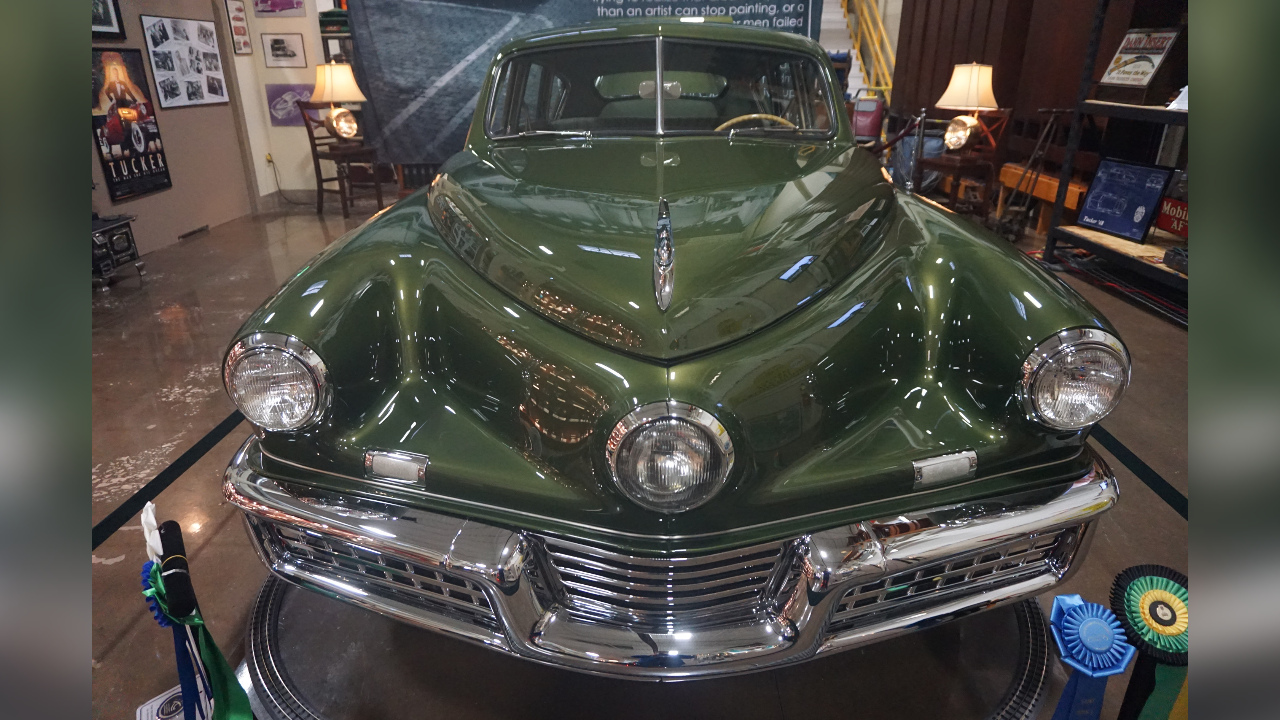
Preston Tucker’s ill-fated sedan is proof that sometimes the greatest cars come from the biggest dreams. The 1948 Tucker – often called the Tucker Torpedo – was packed with features way ahead of its time, like a rear-mounted engine and a “Cyclops” center headlight that turned with the steering, plus a focus on passenger safety. Unfortunately, only 51 Tuckers were built before the company was shut down.
Today, the Tucker 48 has achieved mythic status as a symbol of ingenuity and defiance – even getting its own Hollywood biopic – and it remains a fascinating “what-if” in car history.
*This article was developed with AI-powered tools and has been car-fully, I mean carefully, reviewed by our editors.