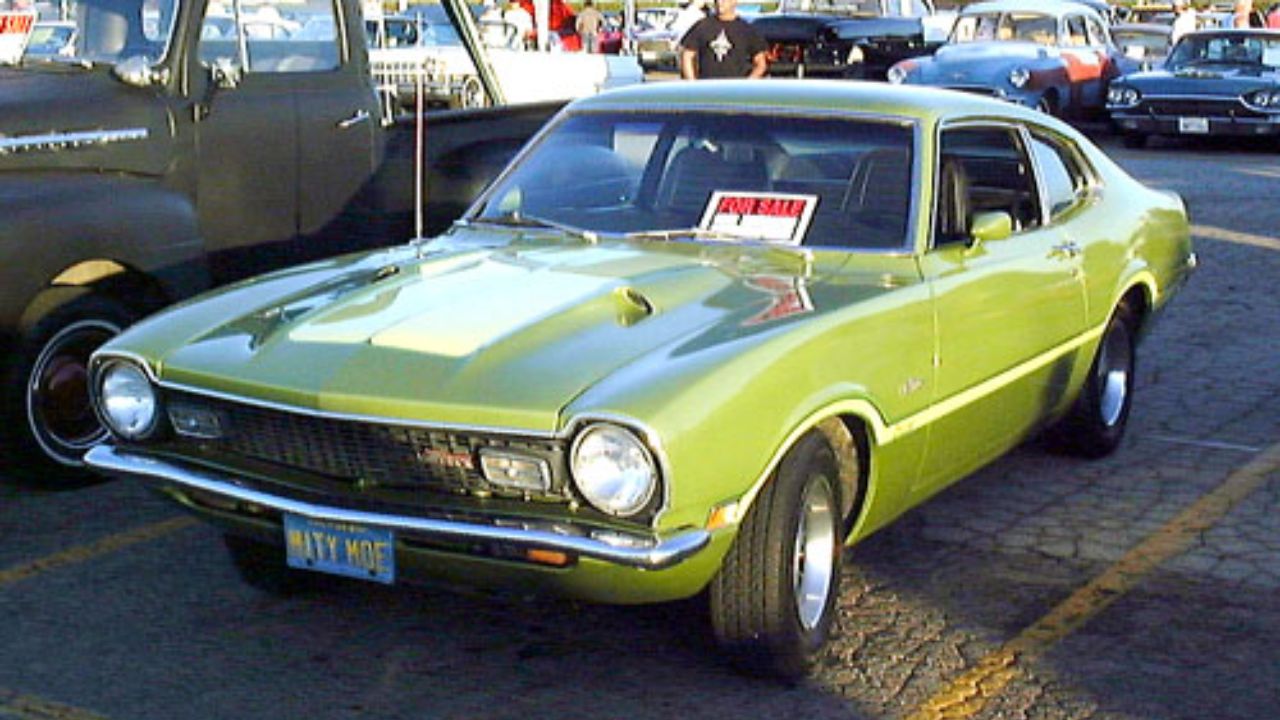
The 1970 Ford Maverick Grabber, often overshadowed by its muscle car counterparts, made waves with its surprising speed and agility. This compact car not only appealed to budget-conscious buyers but also provided an exhilarating driving experience that caught many off guard.
Background of the Ford Maverick
The Ford Maverick was introduced in 1969 as a response to the growing demand for compact cars in a rapidly changing automotive landscape. As gas prices rose and consumers began to prioritize fuel efficiency, Ford aimed to create a vehicle that embodied affordability and practicality for everyday drivers. The Maverick’s debut marked a significant shift in the market, as it filled a niche that was often neglected by larger, more powerful vehicles.
Positioned against rivals like the Chevrolet Nova and Plymouth Duster, the Maverick carved out a unique space in the automotive world. While many compact cars of the era compromised on performance to achieve lower prices, the Maverick promised a balanced blend of efficiency and enjoyment. This made it especially appealing to a demographic of consumers who sought reliability without sacrificing the thrill of driving.
The Grabber Package: A Game Changer
The introduction of the Grabber package in 1970 marked a pivotal moment for the Maverick. Featuring distinctive styling upgrades such as a bold front spoiler, racing stripes, and a more aggressive stance, the Grabber was designed to appeal to a younger audience looking for sportiness in a compact package. Performance enhancements included upgraded suspension and a variety of engine options, notably the powerful 302 V8, which significantly boosted the car’s performance metrics.
The name “Grabber” itself became synonymous with the Maverick’s sporty character, capturing consumer interest from the outset. Initial sales figures reflected this enthusiasm, as many drivers flocked to dealerships to secure their own Grabber. The combination of affordability and sporty flair made the Maverick Grabber a compelling choice for those who wanted a taste of performance without the hefty price tag associated with traditional muscle cars.
Performance Specs that Surprised Drivers
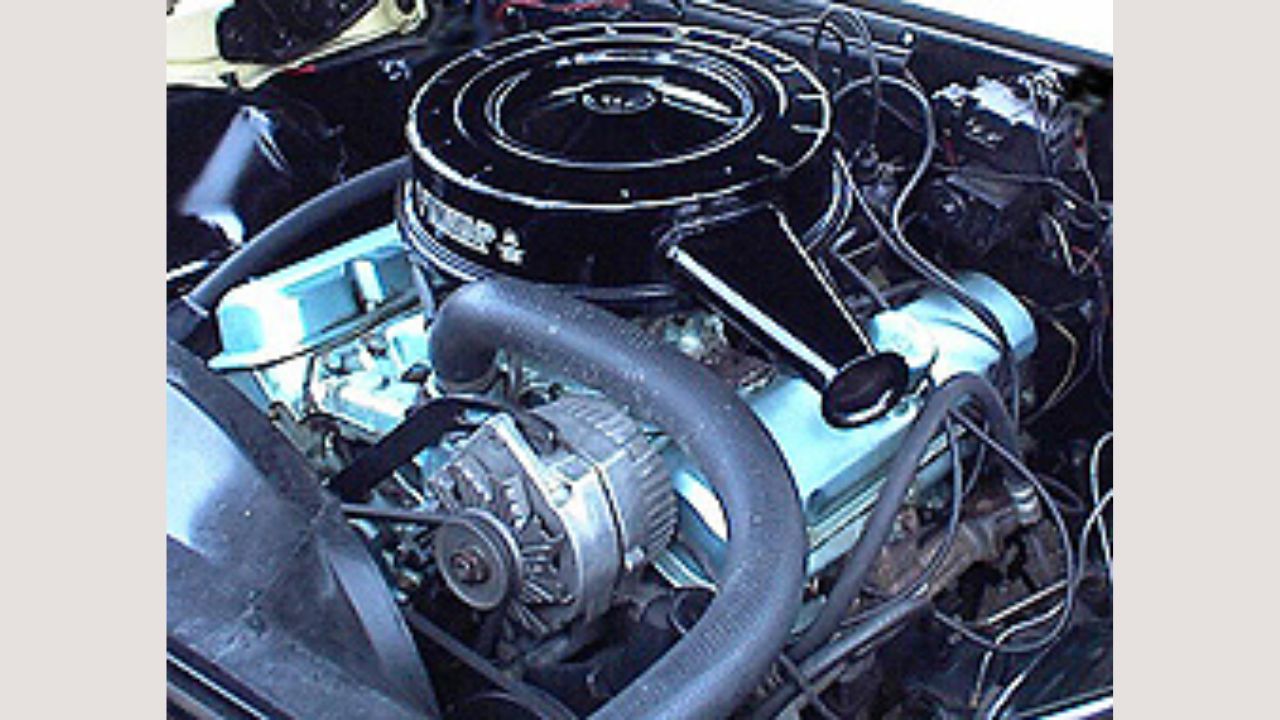
Under the hood, the 1970 Maverick Grabber offered several engine options tailored to various performance needs. The standout was undoubtedly the 302 cubic inch V8, which delivered an impressive horsepower rating and allowed the Grabber to accelerate from 0 to 60 mph in just over eight seconds—a remarkable feat for a compact car of its time. This level of performance positioned the Maverick Grabber favorably against contemporaries like the Chevrolet Nova and even some of the more established muscle cars.
What truly set the Grabber apart was its handling characteristics. The suspension upgrades provided a responsive driving experience, allowing for confident cornering and stability at higher speeds. This combination of acceleration and handling surprised many drivers who might have initially viewed the Maverick as just another compact car. It showcased that smaller vehicles could indeed deliver exhilarating performance without compromising on practicality.
Design and Aesthetic Appeal
The exterior design of the Maverick Grabber was a statement in itself. With its bold lines, available vibrant color options like Grabber Blue and Grabber Green, and eye-catching decals, it turned heads wherever it went. The Grabber package emphasized its sporty persona with features like a blacked-out grille and unique hood stripes, creating a visual identity that set it apart from the standard Maverick.
Inside, the Grabber continued to impress with a driver-focused dashboard layout and comfortable seating designed for a spirited driving experience. The attention to detail in the interior created an inviting atmosphere, allowing drivers to feel connected to the car. This blend of style and function resonated with consumers, making the Maverick Grabber not just a means of transportation, but an enjoyable driving companion.
Market Position and Competition
The Maverick Grabber faced tough competition from vehicles like the Chevrolet Nova and Plymouth Duster, but its unique positioning as an affordable sporty compact gave it an edge. Priced competitively, the Grabber appealed to budget-conscious buyers who were looking for performance without breaking the bank. This pricing strategy was essential in attracting a diverse customer base, from young drivers to families looking for a second car.
Advertising played a crucial role in promoting the Grabber’s performance aspects. Ford’s marketing campaigns highlighted its agility and speed, effectively drawing attention to its capabilities. Many buyers were enticed by the notion that they could own a car that offered excitement and practicality, which further solidified the Maverick Grabber’s status in the market.
Real-World Driving Experience
Drivers’ testimonials often reflect the Maverick Grabber’s surprising capabilities. Many owners have shared stories of how the car exceeded their expectations in both performance and handling. One driver recounted a memorable road trip, praising the Grabber for its responsiveness and comfort during long drives. Others have noted the thrill of taking sharp corners with ease, a testament to its well-engineered suspension.
The Grabber’s reputation among enthusiasts continues to thrive today, with many owners expressing a sense of pride in their vehicles. Stories of spirited weekend drives and participation in local car shows highlight the Grabber’s enduring appeal. This community of drivers and enthusiasts contributes to the Maverick’s legacy, as they celebrate the car’s unique blend of sportiness and practicality.
Legacy of the Maverick Grabber
The legacy of the Maverick Grabber is significant in automotive history. As vintage car enthusiasts seek out models from the past, the Grabber has gained renewed interest, often fetching impressive prices at auctions. Its unique design and performance characteristics have solidified its place in the hearts of collectors who appreciate its blend of style and functionality.
Moreover, the Maverick’s influence can be seen in modern muscle cars and compact performance vehicles. The spirit of the Grabber lives on in cars that prioritize both affordability and exhilarating driving experiences. As younger generations discover classic cars, the Maverick Grabber serves as a perfect entry point, showcasing the joys of driving a vehicle that defies expectations.
Challenges and Criticisms
While the Maverick Grabber has its share of admirers, it is not without its challenges. Common issues faced by owners include rust problems, particularly in older models, and difficulties in sourcing original parts for restoration projects. Some critics have noted that while the Grabber offered impressive performance for a compact car, it occasionally fell short compared to higher-end muscle cars in terms of overall build quality and refinement.
The fuel crises of the 1970s also played a role in impacting the car’s popularity. As fuel prices surged, the demand for larger V8 engines dwindled, prompting a shift in consumer preferences. Despite these challenges, the Maverick Grabber has managed to maintain a dedicated following, with many enthusiasts focusing on restoring and preserving these unique vehicles.
Current Trends and Restoration Scene
The current market for vintage Ford Mavericks, including the Grabber, has shown a fascinating trend. Prices for well-preserved models have steadily increased, as collectors recognize the value of owning a piece of automotive history. Restoration projects have become popular among enthusiasts, with many opting for upgrades that enhance performance while maintaining the car’s classic appeal.
Popular modifications include engine swaps with more modern powertrains, suspension upgrades for improved handling, and cosmetic enhancements to achieve a more aggressive look. Events and gatherings, such as those organized within Facebook groups like this one, celebrate the Maverick and its legacy, offering a platform for enthusiasts to share their passion and showcase their vehicles.
As interest in classic cars continues to grow, the Maverick Grabber remains a standout example of how a compact car can deliver a thrilling driving experience while appealing to a broad audience. Its legacy lives on, as more people discover the charm and excitement that the 1970 Ford Maverick Grabber has to offer.
More from Fast Lane Only