You know the feeling: you sign the papers, take that first drive, and feel sure you picked the right car. Then the months roll by, problems stack up, and you realize the model you trusted does not fit your life at all. These 11 vehicles looked like safe bets when buyers drove them home, but owner data and early resale patterns show how quickly that confidence can crack.
Land Rover Discovery Sport

The Land Rover Discovery Sport is the clearest example of a model that wins you over in the showroom, then sends you back to the classifieds. According to an Oct highlights breakdown, 28.3% of its owners sell it within the first year, a stunning figure for a new vehicle. That means more than one in four people who thought they were buying a long term family SUV decide to cut their losses almost immediately.
When a model turns over that quickly, it points to deeper problems than simple buyer’s remorse. You might be drawn in by the Discovery Sport’s badge, cabin, and off road image, but frequent early resale suggests frustrations with reliability, running costs, or day to day comfort. For you as a shopper, that 28.3% figure is a bright red flag that this is a model to test very carefully, and to avoid unless the price and warranty are both extremely strong.
Land Rover Discovery

The Land Rover Discovery, a close relative of the Discovery Sport, shows a different kind of reality check once you buy in. A review of worst depreciating cars lists the Land Rover Discovery with a 60.9% drop in value, and even truncates the brand as “Land Rov” in its data. That 60.9% hit means your expensive SUV can lose well over half its value in a short ownership window, even if it still looks and feels premium from the driver’s seat.
Deep depreciation like that affects more than bragging rights. It can trap you in a loan, wipe out equity you expected to roll into your next car, and make it hard to sell if problems appear. You might feel confident paying a luxury price on day one, but the used market is sending a blunt message about long term trust in the Discovery. If you still want one, you are usually better off letting someone else take that 60.9% fall and buying used.
Ford Escape (2013–2019)

The Ford Escape attracted buyers with its modern styling, turbocharged engine options, and practical compact SUV footprint. It felt like a confident choice for families wanting versatility without stepping into a larger vehicle. Strong sales numbers and wide availability reinforced the idea that it was a safe, mainstream decision.
As miles accumulated, some owners encountered transmission hesitation, coolant intrusion concerns in certain engines, and electronic glitches. Repair visits began to chip away at early confidence. What once felt like a straightforward, dependable crossover sometimes required more attention than buyers initially expected.ay to day comfort, reliability, and value, not just the spec sheet.
Nissan Pathfinder (2013–2020)

The Nissan Pathfinder reinvented itself as a comfortable, family-focused crossover with three rows and smooth highway manners. Buyers felt confident in its practicality, generous interior space, and competitive pricing compared to larger SUVs.
However, certain CVT-related concerns and drivetrain complaints surfaced over time. Towing performance sometimes strained components more than anticipated. Owners who expected traditional SUV durability occasionally faced repair costs that changed their perception of long-term reliability.routine sets in. If your home or workplace charging is not rock solid, or if software updates keep changing how the car behaves, the tech that impressed you at delivery can start to feel like a burden. Before committing, you should map your charging options, check resale patterns, and talk to owners who have lived through at least one winter with the same model.
Chevrolet Equinox (2010–2017)

The Chevrolet Equinox appealed to buyers seeking affordability and fuel efficiency in a compact SUV. It appeared to strike a practical balance between comfort and operating costs, making it an easy, confident purchase.
Oil consumption issues in specific four-cylinder engines caught some owners off guard. Engine repairs and increased maintenance needs challenged the assumption that mainstream crossovers always deliver simple, low-cost ownership experiences.
BMW 328i (2012–2016)

The BMW 328i blended sportiness with luxury in a way that inspired strong buyer confidence. Turbocharged performance and refined interiors made it feel like a rewarding long-term investment.
As warranty coverage expired, high-pressure fuel pumps, cooling systems, and electronic components sometimes required costly attention. Owners learned that premium driving dynamics can come with premium maintenance expectations.
like a bad match for your real life. If you are tempted by a performance compact, make sure you budget for consumables like brakes and tires, and check how owners rate noise levels and ride quality on rough roads.
Jeep Compass (2017–2021)

The redesigned Jeep Compass offered bold styling and available four-wheel drive, attracting buyers who wanted adventure-ready branding in a compact format. It felt like a confident step into the Jeep lifestyle.
Over time, transmission tuning complaints and electronic quirks in certain models surfaced. Interior wear and drivability concerns reduced some owners’ enthusiasm. Initial excitement occasionally gave way to practical frustrations.
Audi Q7 (2011–2015)
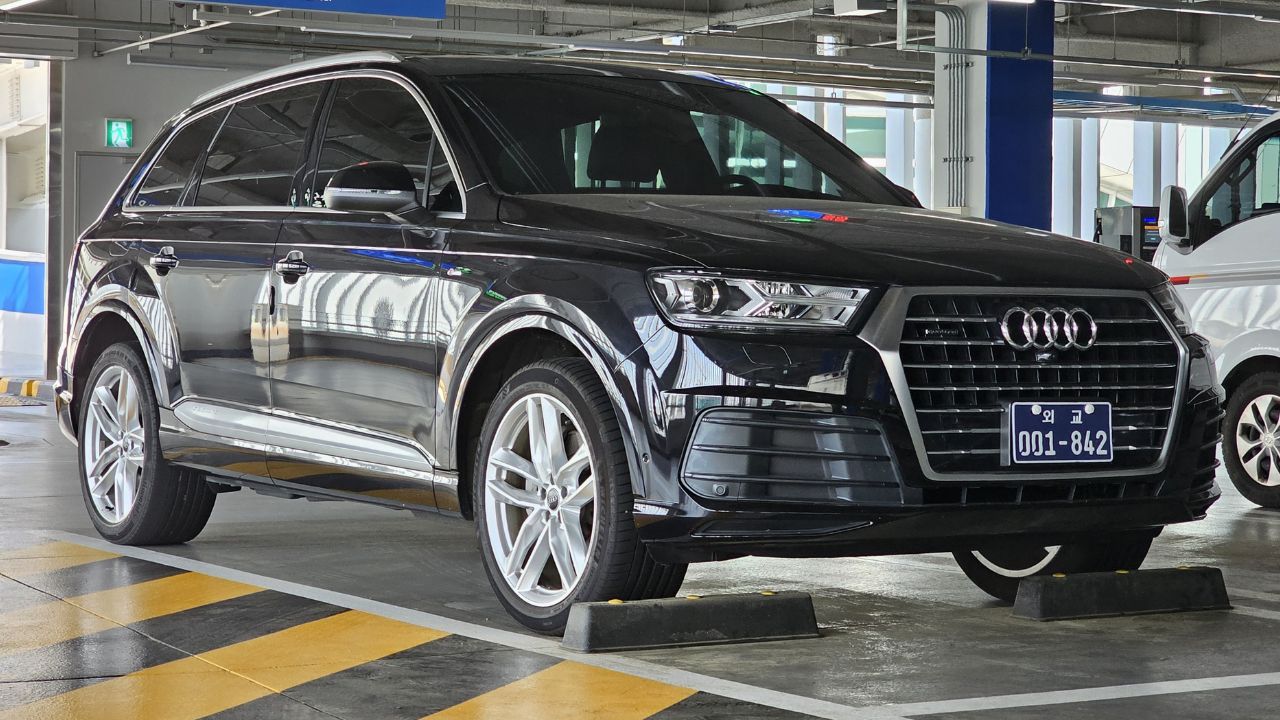
The Audi Q7 delivered upscale comfort and three-row versatility with European road manners. Buyers felt reassured by its solid build quality and premium features.
As mileage increased, air suspension components, timing chain issues, and electrical systems demanded attention. Maintenance complexity and parts pricing reshaped ownership expectations for many families.brakes, scheduled service, and insurance before you decide.
Dodge Dart (2013–2016)

Image Credit:
order_242 from Chile – Dodge Dart 2.0 Rallye 2014- CC BY-SA 2.0 / wikipedia
The Dodge Dart returned with modern styling and multiple engine options, attracting buyers who felt confident in its value proposition. It appeared competitive in a crowded compact segment.
Transmission and electrical issues in certain versions led to repeated service visits. What seemed like a promising comeback story sometimes resulted in unexpected long-term ownership challenges.n planned.
Mercedes-Benz E350 (2010–2016)
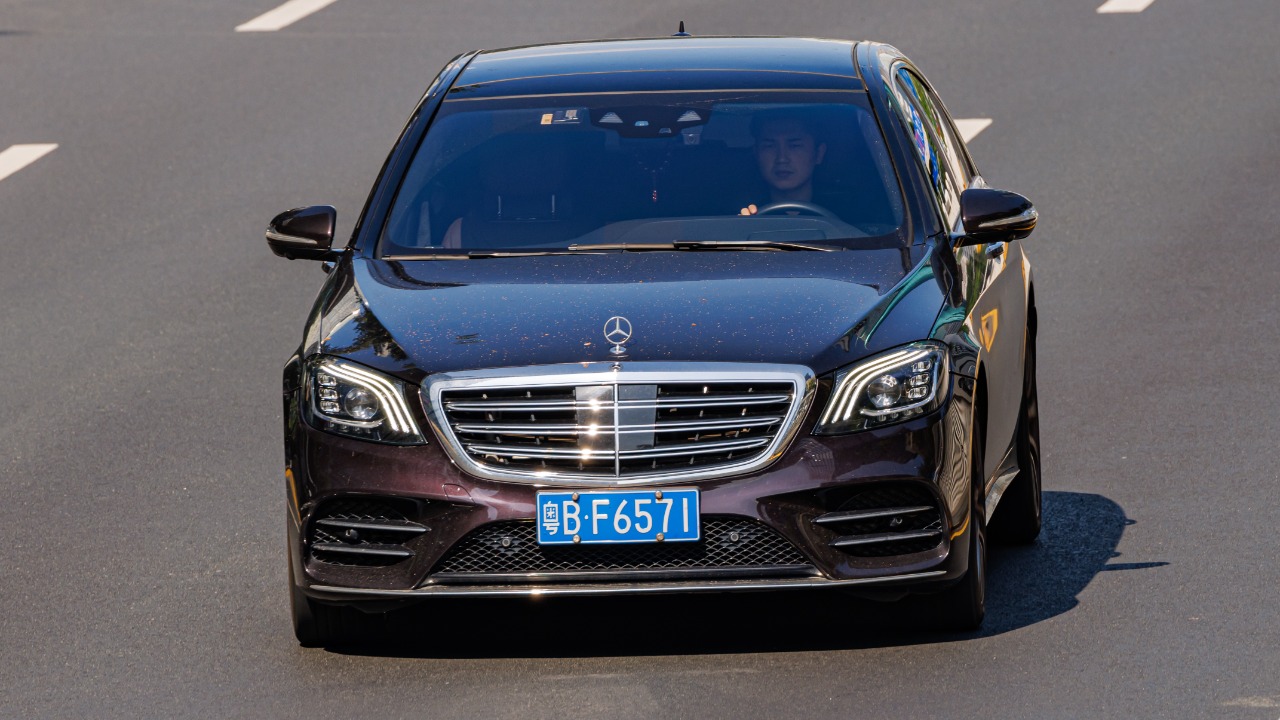
The Mercedes-Benz E350 carried a reputation for refined performance and executive-level comfort. Buyers felt secure investing in a well-established luxury nameplate.
After warranty coverage ended, suspension components, electronics, and maintenance intervals increased ownership costs. Confidence in the brand sometimes met the reality of premium upkeep requirements.fs.
Subaru Forester (2014–2018)

The Subaru Forester appealed with all-wheel drive, practicality, and a reputation for safety. Buyers felt confident it would serve reliably in all climates and conditions.
Certain model years experienced oil consumption concerns and CVT-related complaints. While many examples remained dependable, some owners discovered that even practical crossovers can bring unexpected maintenance lessons.
More from Fast Lane Only