Big-block engines were all the rage during the muscle car era, offering immense power and speed. However, not all of these vehicles made practical sense. Here’s a look at 12 big-block cars that, for various reasons, seemed like odd choices for these massive engines.
Pontiac GTO Judge

The Pontiac GTO Judge was designed to be an affordable muscle car, yet its big-block engine made it anything but. The Judge was equipped with a 400 cubic inch Ram Air III V8, offering impressive power but at a cost that contradicted its budget-friendly image. The performance was undeniable, but the hefty price tag and poor fuel economy made it an impractical choice for many.
Plymouth Road Runner Superbird
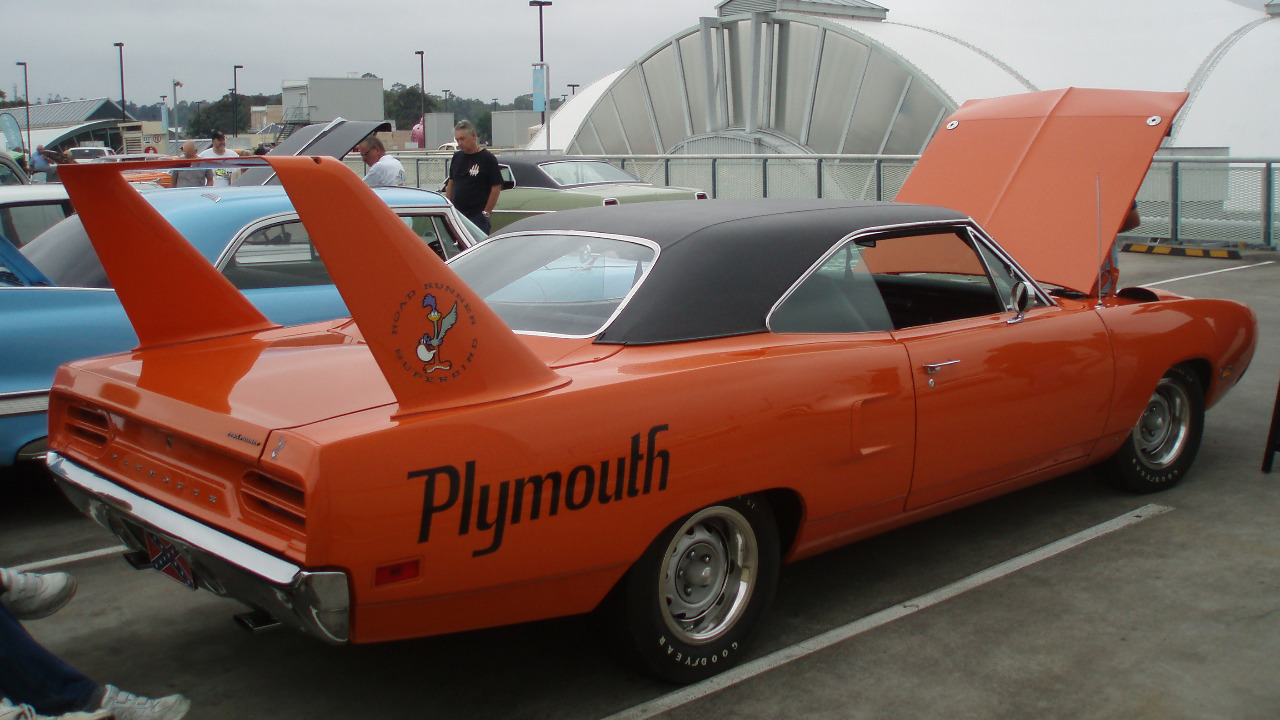
The Plymouth Road Runner Superbird was a sight to behold with its massive rear wing and aerodynamic design. However, the big-block engine made it a gas guzzler, which was a drawback outside the racetrack. Intended for NASCAR dominance, the Superbird’s practicality on regular roads was questionable, leading to its limited production and eventual discontinuation.
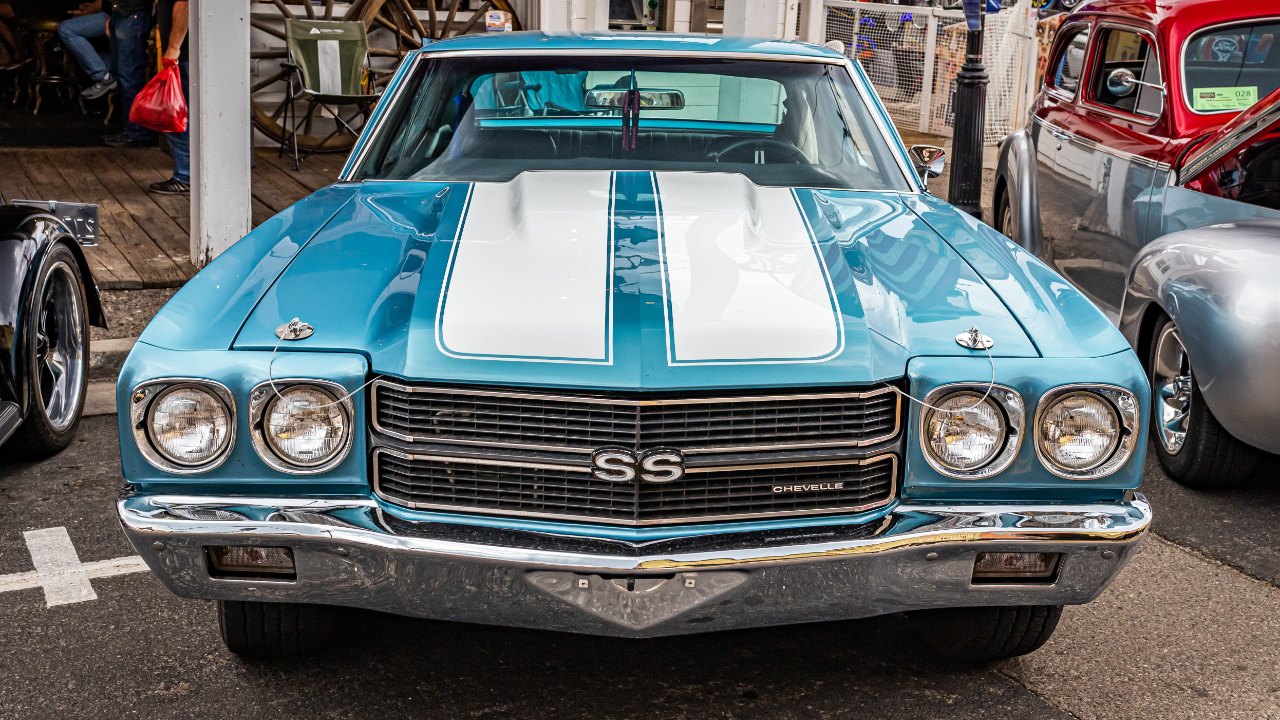
Chevrolet Chevelle SS 454

The Chevrolet Chevelle SS 454 was a powerhouse on wheels, equipped with one of the most potent engines of its time. However, the massive 454 cubic inch engine, while providing exhilarating speed, was overkill for daily driving. It consumed fuel at an alarming rate and was expensive to maintain, making it a dubious choice for anyone not strictly seeking performance.
Ford Torino Cobra

The Ford Torino Cobra was another muscle car that seemed to prioritize power over practicality. Its 429 cubic inch V8 engine delivered impressive speed, but its size and weight hindered maneuverability. Moreover, its fuel economy was poor, making it a less sensible option for those not committed to its high-performance capabilities.
Dodge Charger Daytona

With its distinctive nose cone and rear wing, the Dodge Charger Daytona was designed to excel on the racetrack. While its big-block engine delivered speed, it was impractical for everyday use. The modifications necessary for its aerodynamic performance made it unwieldy and inefficient on normal roads, limiting its appeal outside of competitive racing.
Oldsmobile 442 W-30

The Oldsmobile 442 W-30 was another example of a muscle car that seemed excessive for regular use. Its 455 cubic inch V8 provided potent acceleration, but the car’s overall weight and size made it cumbersome to handle. The big-block engine was a fuel hog, making the 442 W-30 a costly endeavor for daily drivers.
Buick GSX

The Buick GSX was a high-performance variant of the Skylark, featuring a massive 455 cubic inch engine. While it offered thrilling performance, its size and weight made handling challenging. The poor fuel economy and expensive maintenance costs further detracted from its practicality, making the GSX an unrealistic choice for many car enthusiasts.
AMC Rebel Machine

The AMC Rebel Machine was an attempt by American Motors Corporation to enter the muscle car market. Equipped with a 390 cubic inch V8, it delivered solid performance but lacked the finesse and handling of its competitors. Its big-block engine made it inefficient, and the Rebel Machine struggled to find a place in a market dominated by more refined options.
Mercury Cyclone Spoiler II

The Mercury Cyclone Spoiler II was built with NASCAR in mind, featuring a powerful engine and aerodynamic design. However, its big-block engine made it impractical for everyday driving. The car’s modifications for speed reduced its utility on regular roads, making it a niche choice that didn’t resonate with the average consumer.
Chrysler 300 Hurst
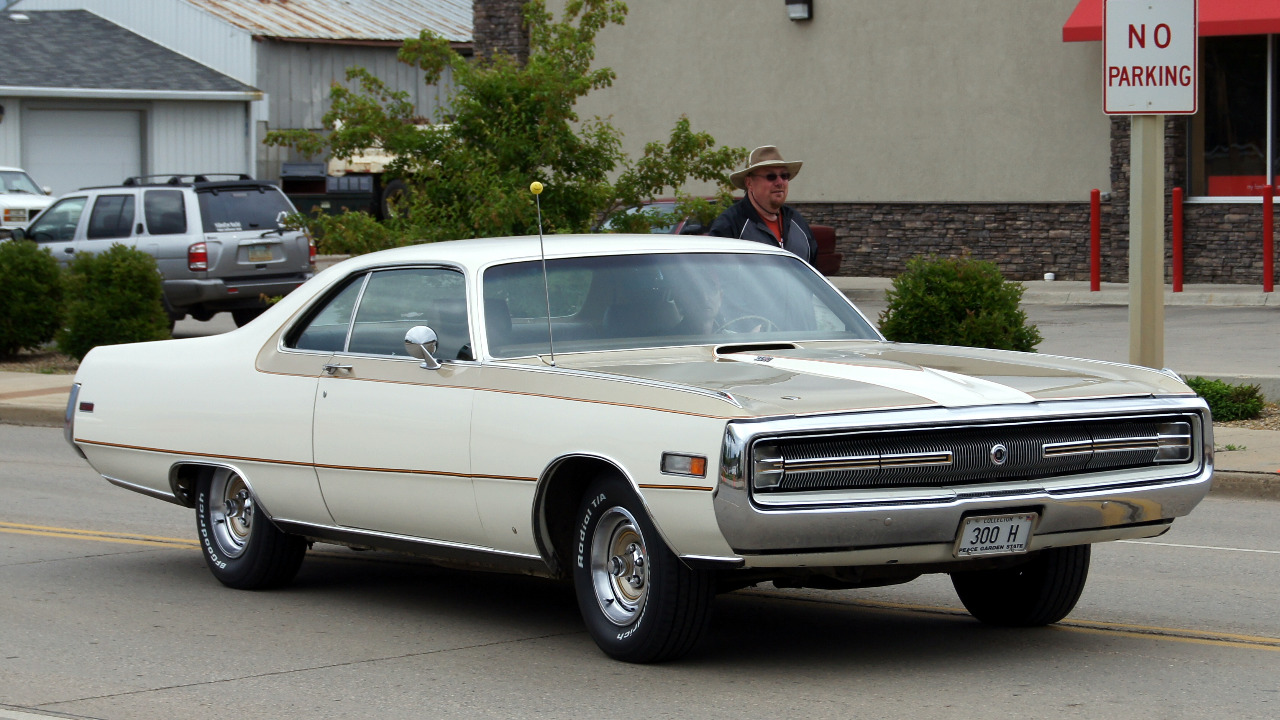
The Chrysler 300 Hurst was a luxury coupe with a big-block engine, blending performance with comfort. However, the combination seemed mismatched, as the 440 cubic inch V8 engine’s power was excessive for a luxury vehicle. The car’s weight and size made it unwieldy, and its fuel economy suffered, making it an impractical choice for many.
Cadillac Eldorado

The Cadillac Eldorado was known for its luxury, but its big-block engine seemed unnecessary for a car focused on comfort and style. The 500 cubic inch V8 offered ample power, but at the cost of fuel efficiency and handling. The Eldorado’s emphasis on luxury over performance made the big-block engine a questionable choice.
Lincoln Continental Mark III

The Lincoln Continental Mark III was a luxury coupe with a 460 cubic inch V8 engine, providing more power than needed for a vehicle of its class. The emphasis on luxury and comfort clashed with the big-block engine’s capabilities, resulting in poor fuel economy and handling. The Mark III’s focus on opulence over performance made its engine choice seem out of place. For more insights into why some big-block cars seemed impractical, check out this article.