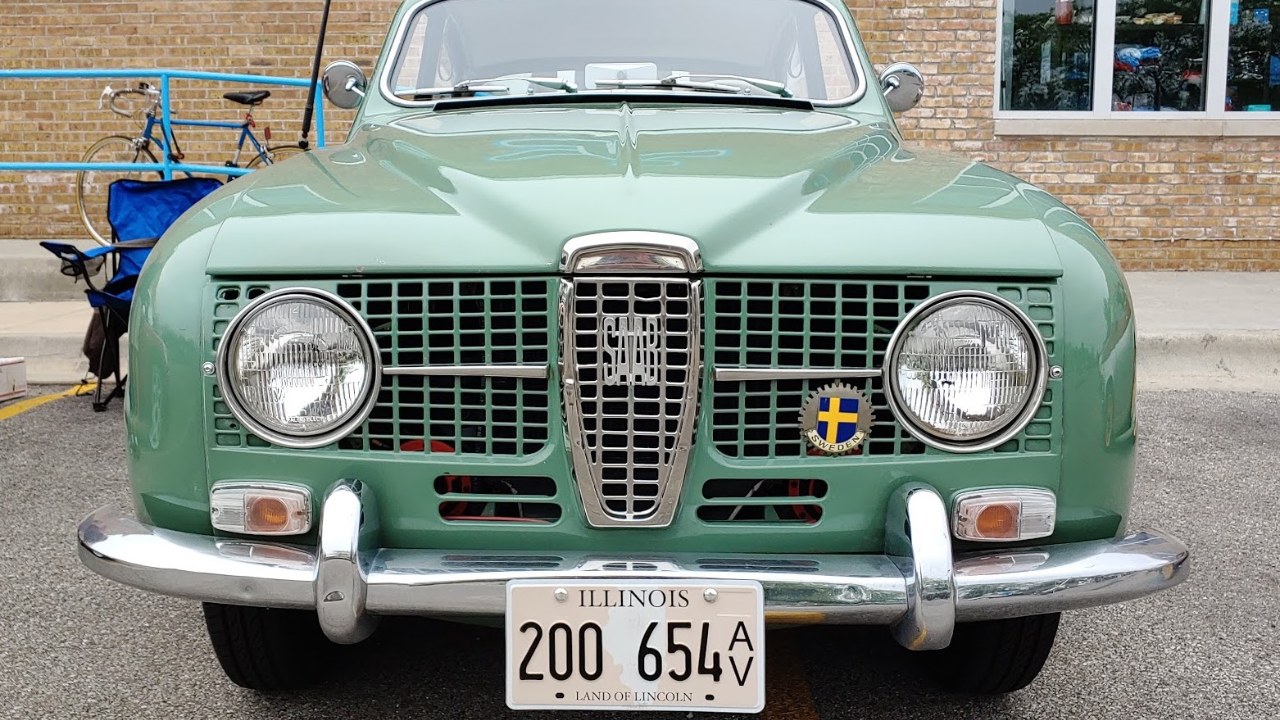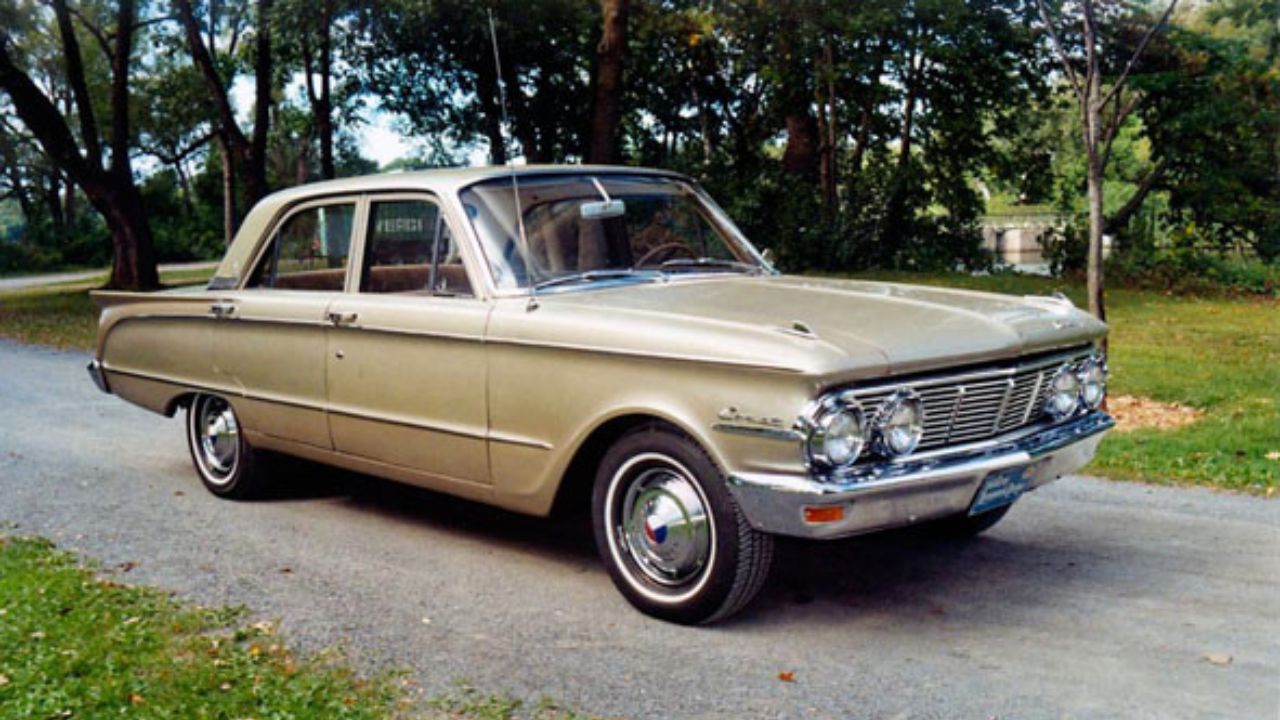
The Ford Mustang and Chevrolet Camaro usually dominate conversations about pony cars, but they were far from alone. Several other models competed for buyers with sporty styling, compact dimensions, and available performance engines. Some disappeared quickly, while others became overshadowed by better-known rivals. These ten forgotten pony cars deserve another look from enthusiasts.
Mercury Cougar
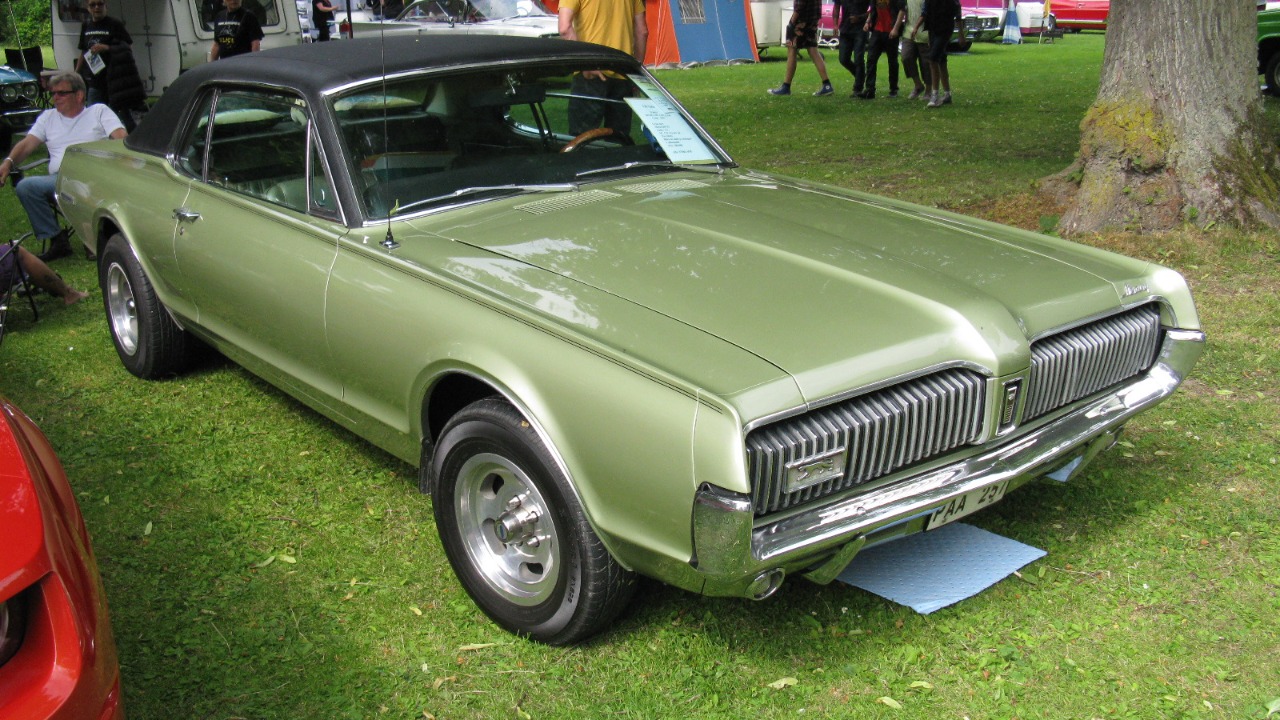
The Mercury Cougar offered a more refined alternative to the Mustang while sharing much of its basic architecture. Its hidden headlights, long hood, and elegant styling gave it a distinctive identity, while available V8 engines provided serious performance. The Cougar became especially interesting to buyers who wanted muscle-car capability with a more upscale personality. Today, early examples remain some of the most recognizable forgotten pony cars.
AMC Javelin
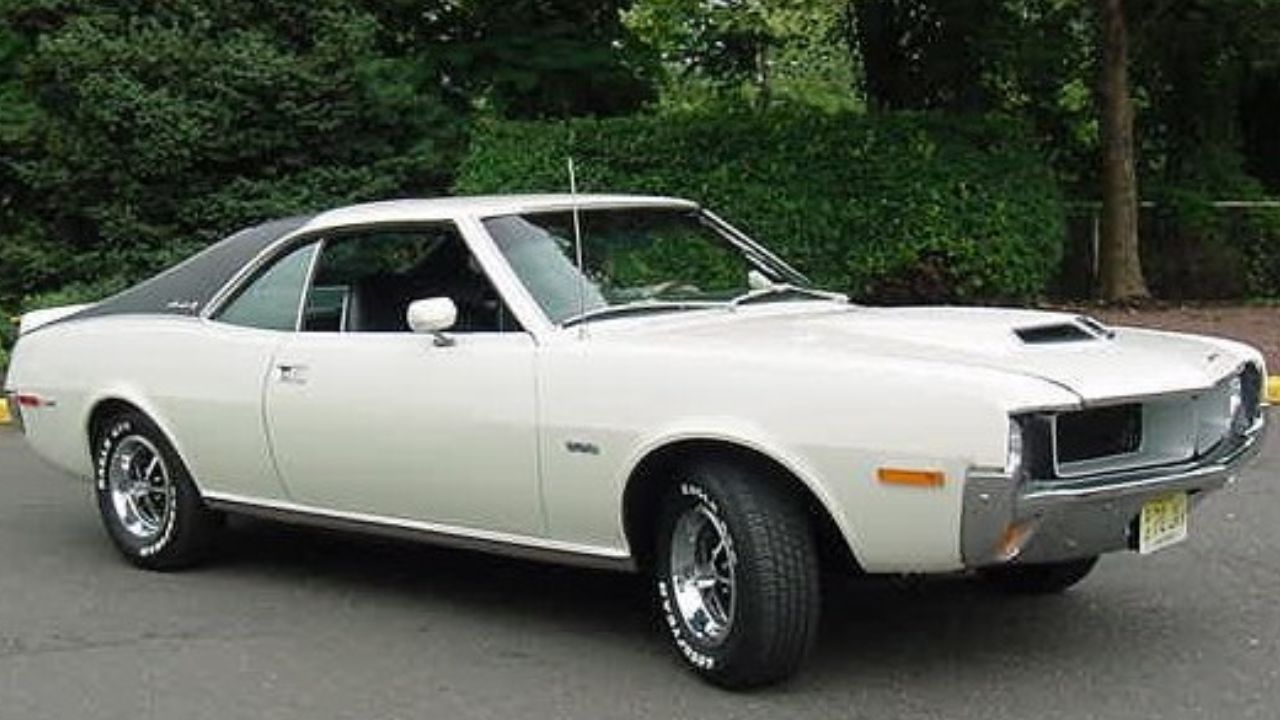
The AMC Javelin gave American Motors a genuine competitor in the rapidly expanding pony-car market. Its long hood, fastback roofline, and available V8 engines created a strong combination of style and performance. Unlike some competitors, the Javelin developed its own unmistakable identity rather than simply copying the Mustang formula. Its relative rarity today makes clean examples particularly interesting at classic-car events.
Plymouth Barracuda
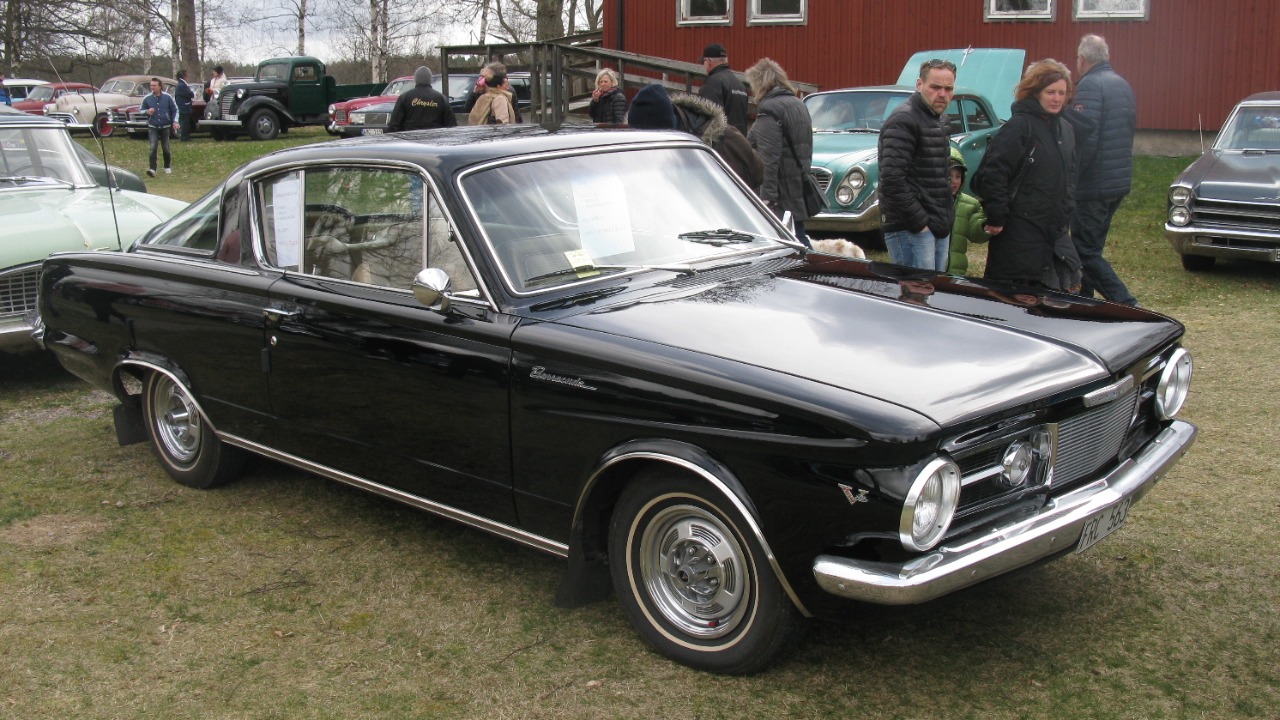
The Plymouth Barracuda arrived before the Mustang and helped establish the basic formula that would define the pony-car segment. Its compact dimensions and fastback styling gave it a sporty personality, while later versions gained increasingly powerful V8 engines. The Barracuda eventually became a serious muscle car, but its early role in creating the market is sometimes forgotten. Its unusual history makes it especially important to enthusiasts.
Dodge Challenger
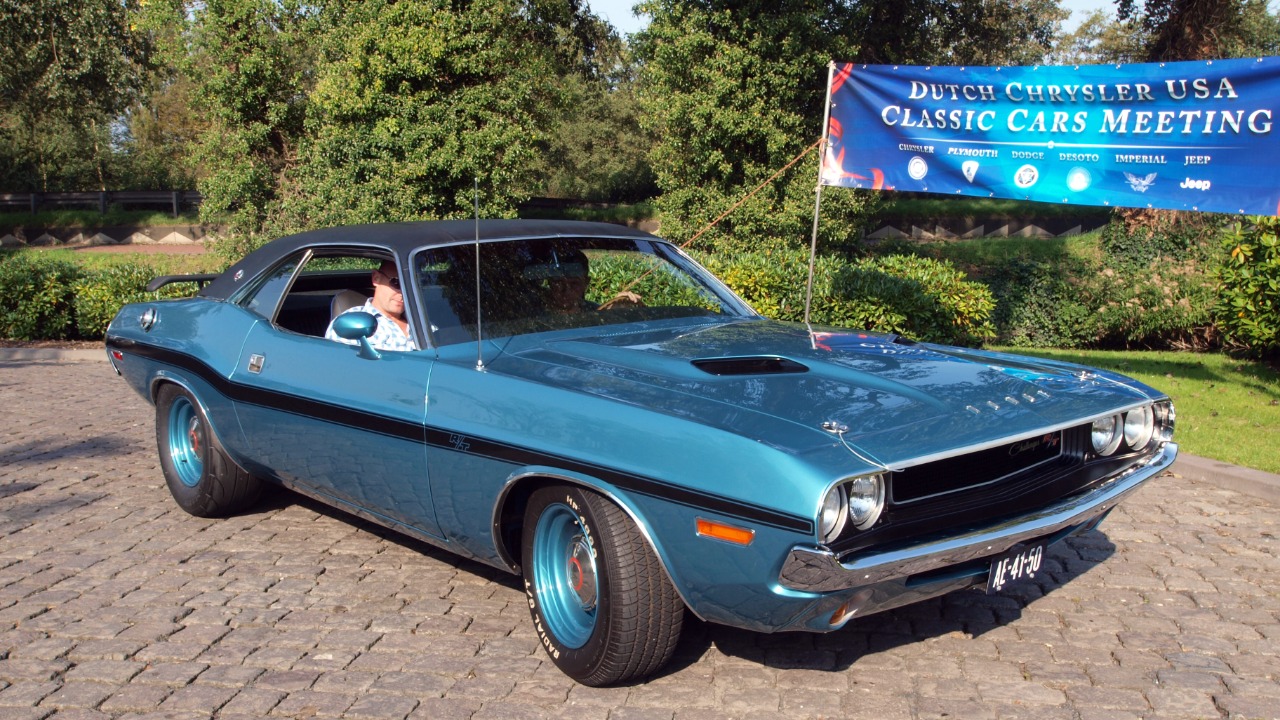
The Dodge Challenger entered the pony-car market with aggressive styling and a huge range of performance options. Its long hood, short rear deck, and powerful V8 engines made it an instant standout among American performance cars. Although the Challenger is now famous, its original role as a relatively late entry into the pony-car competition is sometimes overlooked. Today, classic examples remain highly recognizable and collectible.
Pontiac Firebird
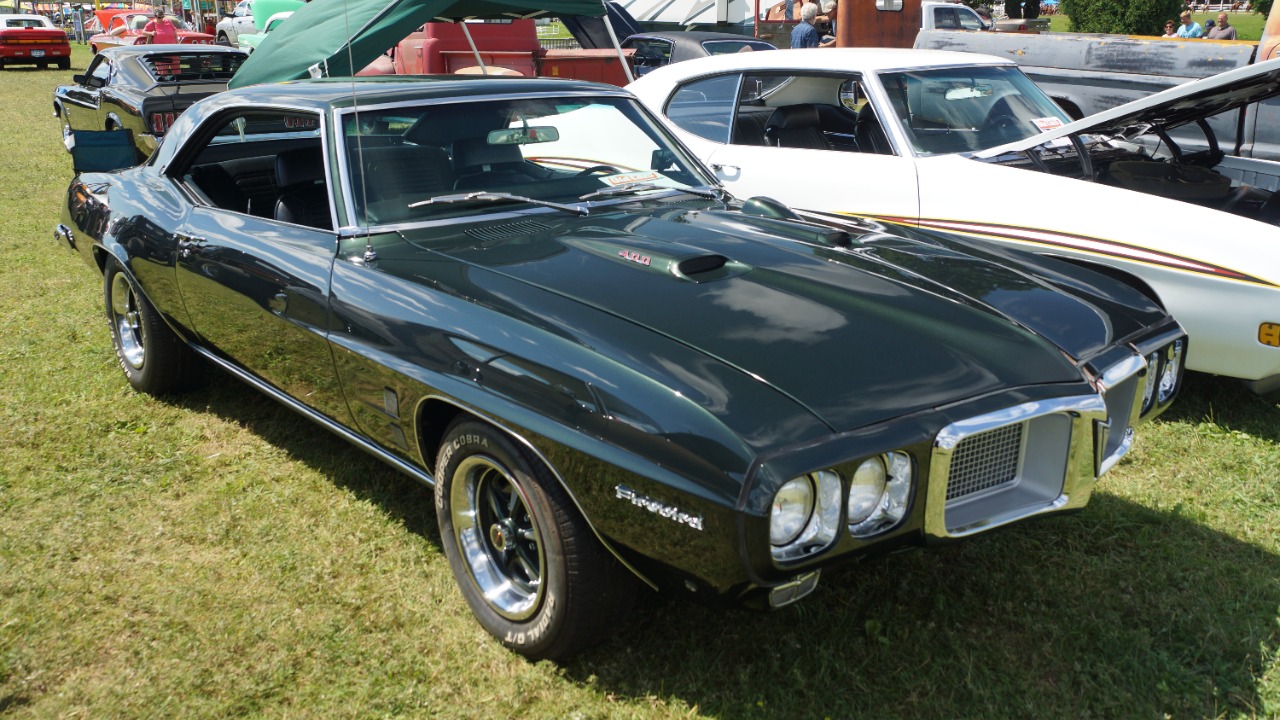
The Pontiac Firebird gave General Motors another answer to the growing demand for sporty compact coupes. Sharing its basic architecture with the Camaro, it developed a distinct personality through Pontiac-specific styling, engines, and performance packages. The Firebird eventually became strongly associated with the Trans Am, but the broader lineup included many less famous versions. Those overlooked models demonstrate how varied the original Firebird range actually was.
Oldsmobile F-85 Cutlass
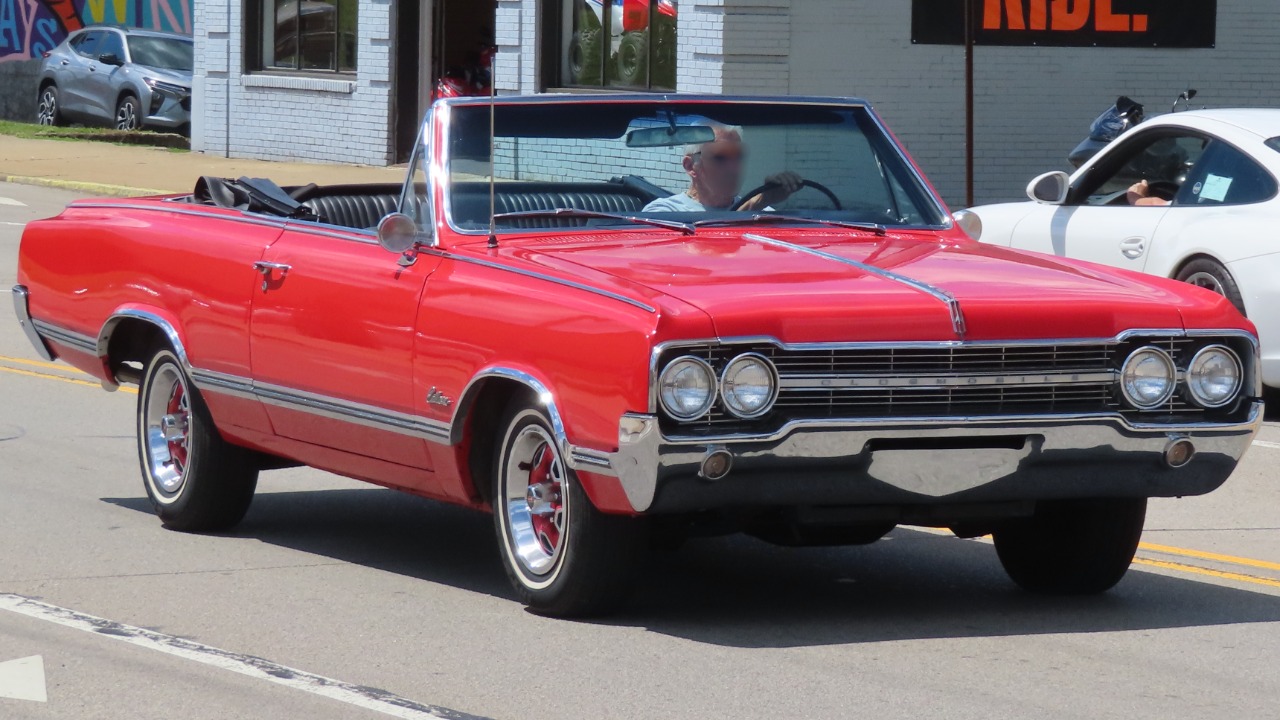
The Oldsmobile F-85 Cutlass occupied an unusual position between compact family car and emerging performance coupe. Its lightweight platform could be equipped with V8 power, giving it more performance potential than its conservative image suggested. While it never achieved the fame of the Mustang, the F-85 helped demonstrate that smaller Oldsmobiles could provide genuine performance. Its understated personality makes it an interesting forgotten entry in the pony-car story.
Mercury Comet
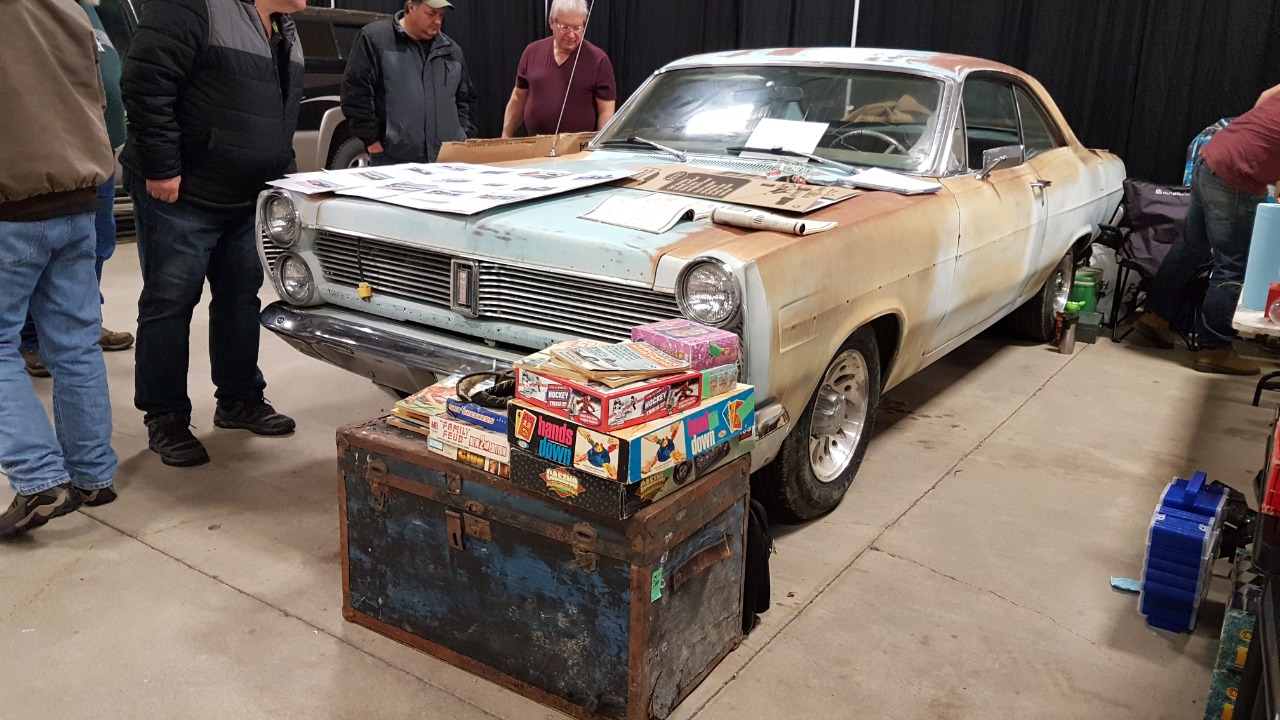
The Mercury Comet began as a compact car but gained a performance identity through powerful engine options and sporty versions. Its relatively small body provided a useful platform for V8 performance, especially when equipped with Mercury’s more aggressive packages. The Comet often gets overlooked because of its changing role within Mercury’s lineup. Enthusiasts who know the model recognize it as an important link between compact cars and the emerging muscle-car era.
Ford Falcon Sprint
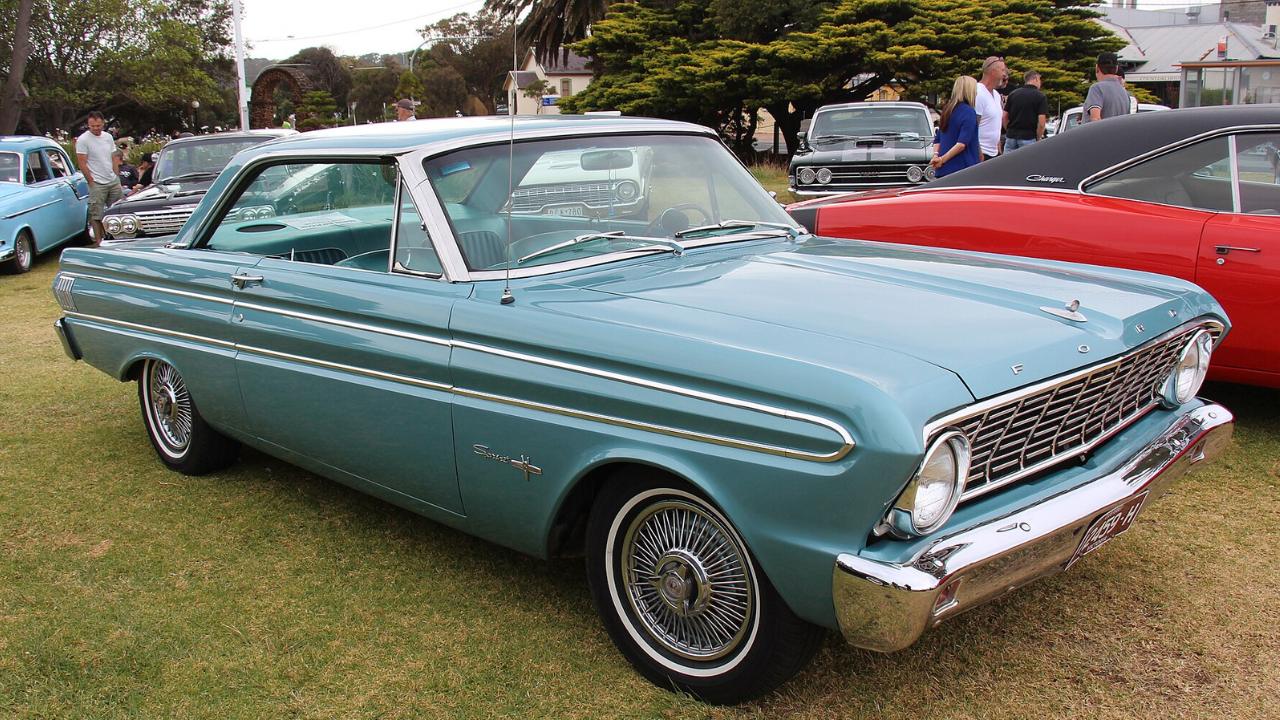
The Ford Falcon Sprint transformed a practical compact platform into a surprisingly capable performance car. Its V8 engine and sporty equipment gave buyers an alternative to larger and more expensive performance models. Although the Falcon was primarily known as an economical family car, the Sprint version demonstrated its hidden potential. Its understated appearance makes surviving examples particularly interesting to enthusiasts who enjoy overlooked Ford performance models.
AMC AMX
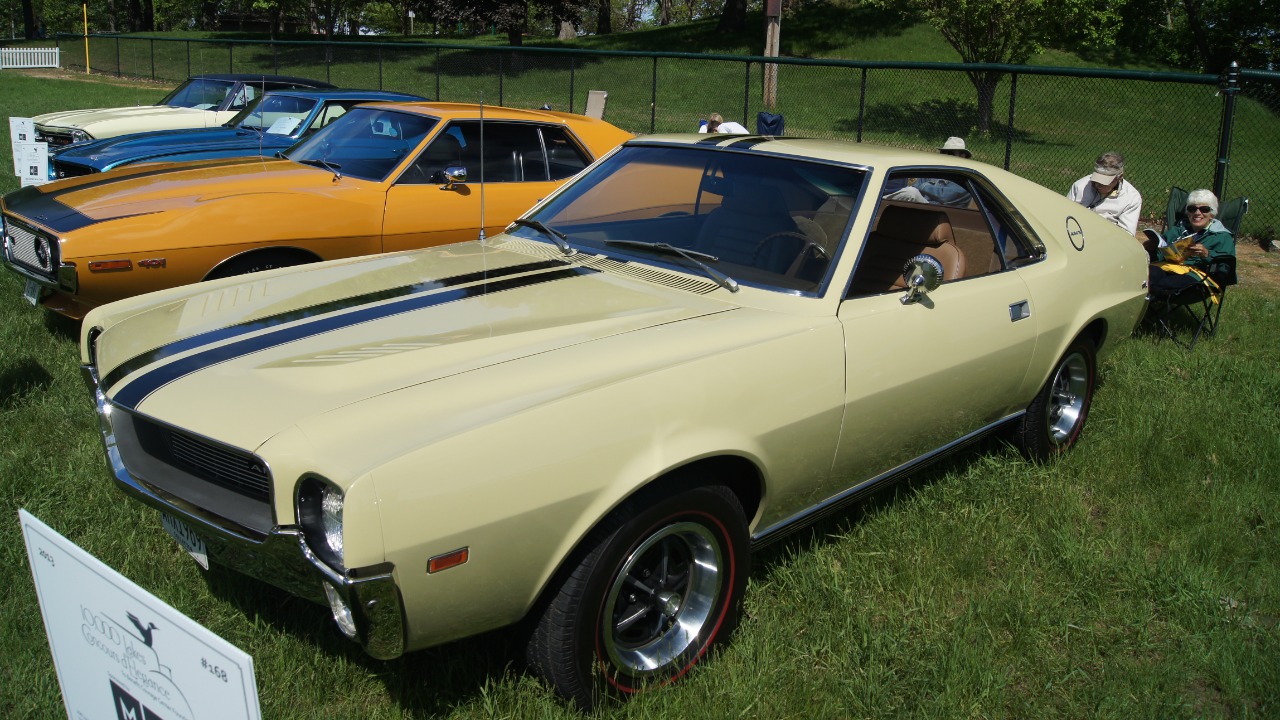
The AMC AMX took the pony-car formula in a shorter, more performance-focused direction. Unlike many competitors, it used a two-seat configuration and emphasized sporty handling alongside V8 power. Its compact body and distinctive styling made it immediately recognizable, while limited production helped make it uncommon today. The AMX remains one of the most unusual American performance cars of its era and an important part of AMC’s history.
Pontiac Tempest
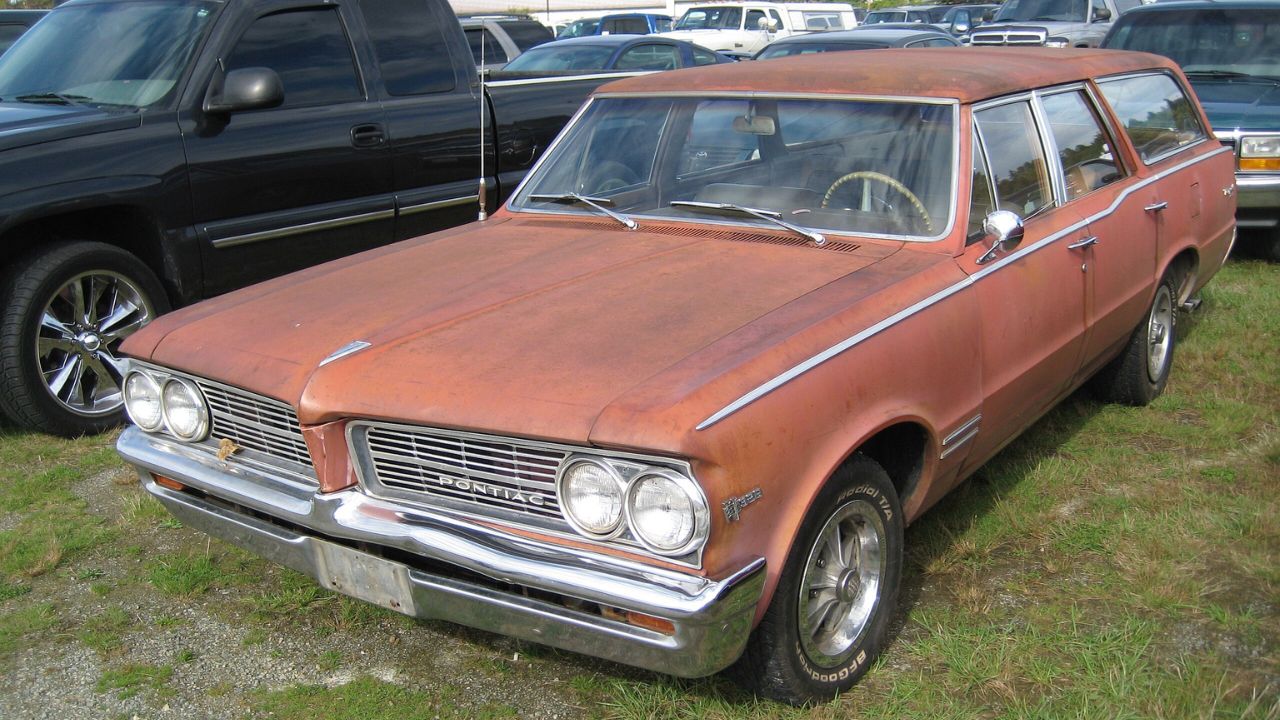
The Pontiac Tempest started as a compact and practical model, but certain versions developed serious performance potential. Its innovative drivetrain and later V8 options helped Pontiac experiment with smaller performance cars before the GTO became famous. Although the Tempest is rarely mentioned when discussing pony cars, it helped create the foundation for Pontiac’s growing performance image. Its lesser-known status makes it a fascinating choice for knowledgeable enthusiasts.
More from Fast Lane Only
- Unboxing the WWII Jeep in a Crate
- 15 rare Chevys collectors are quietly buying
- 10 underrated V8s still worth hunting down
- Police notice this before you even roll window down
*Research for this article included AI assistance, with all final content reviewed by human editors