The 1950s changed the automobile forever. Manufacturers experimented with new body styles, powerful engines, advanced suspension systems, and futuristic technology. Some cars introduced ideas that later became industry standards, while others simply challenged what buyers expected from American and European automobiles. These twelve classics helped make the decade one of automotive history’s most important eras.
Chevrolet Corvette
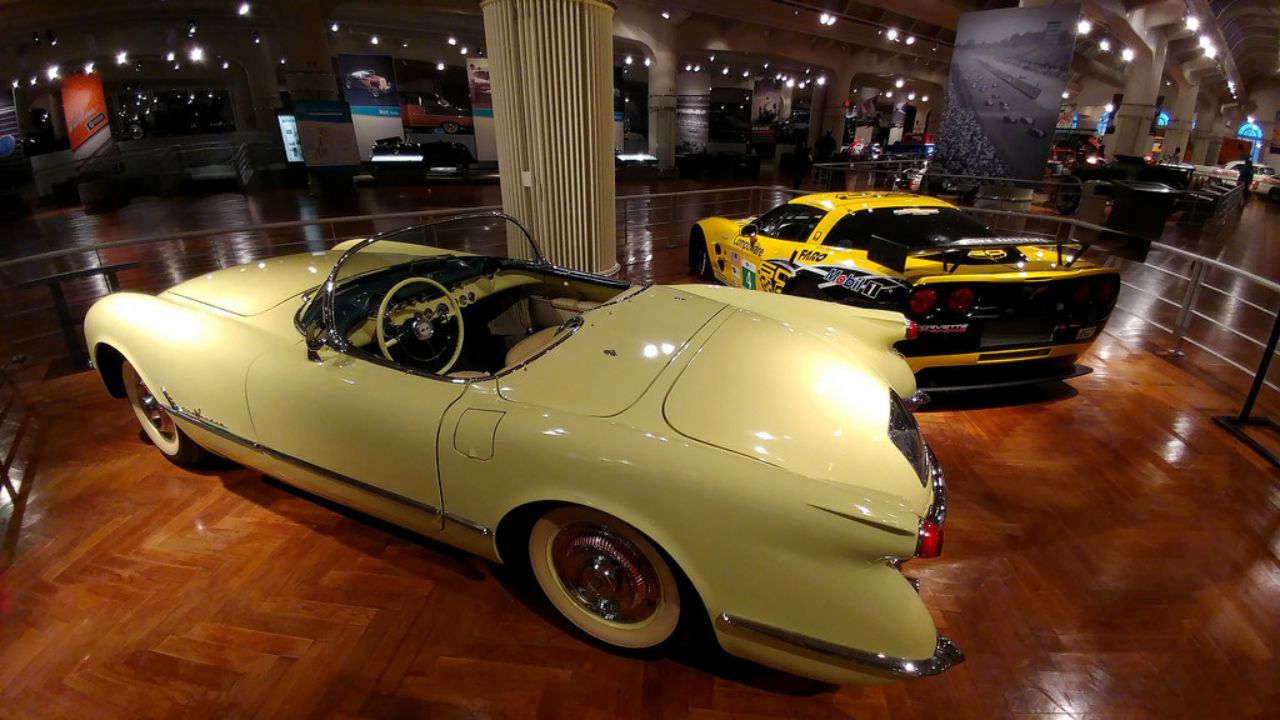
The Chevrolet Corvette challenged the idea that America could not build a serious sports car. Its lightweight fiberglass body, compact proportions, and increasingly powerful engines gave Chevrolet a genuine performance identity. The Corvette evolved rapidly during the 1950s, eventually receiving the small-block V8 that transformed its capabilities. Its arrival established a sports-car nameplate that would become one of America’s most enduring automotive icons.
Ford Thunderbird
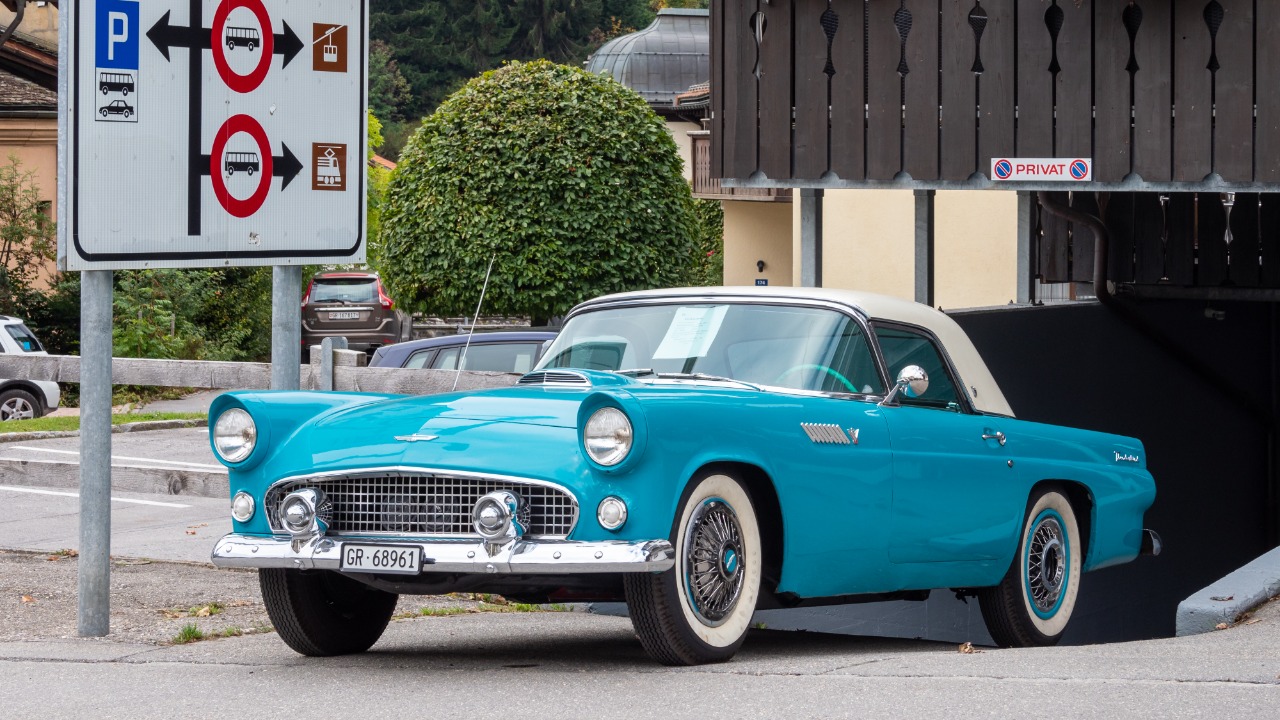
The Ford Thunderbird introduced a distinctly American interpretation of the two-seat sports car. Instead of focusing solely on performance, Ford emphasized comfort, style, and effortless cruising. The combination created the personal-luxury formula that would influence countless future vehicles. Its attractive proportions, V8 power, and comfortable interior made the Thunderbird appealing to buyers who wanted something sportier than a sedan without sacrificing everyday usability.
Citroën DS
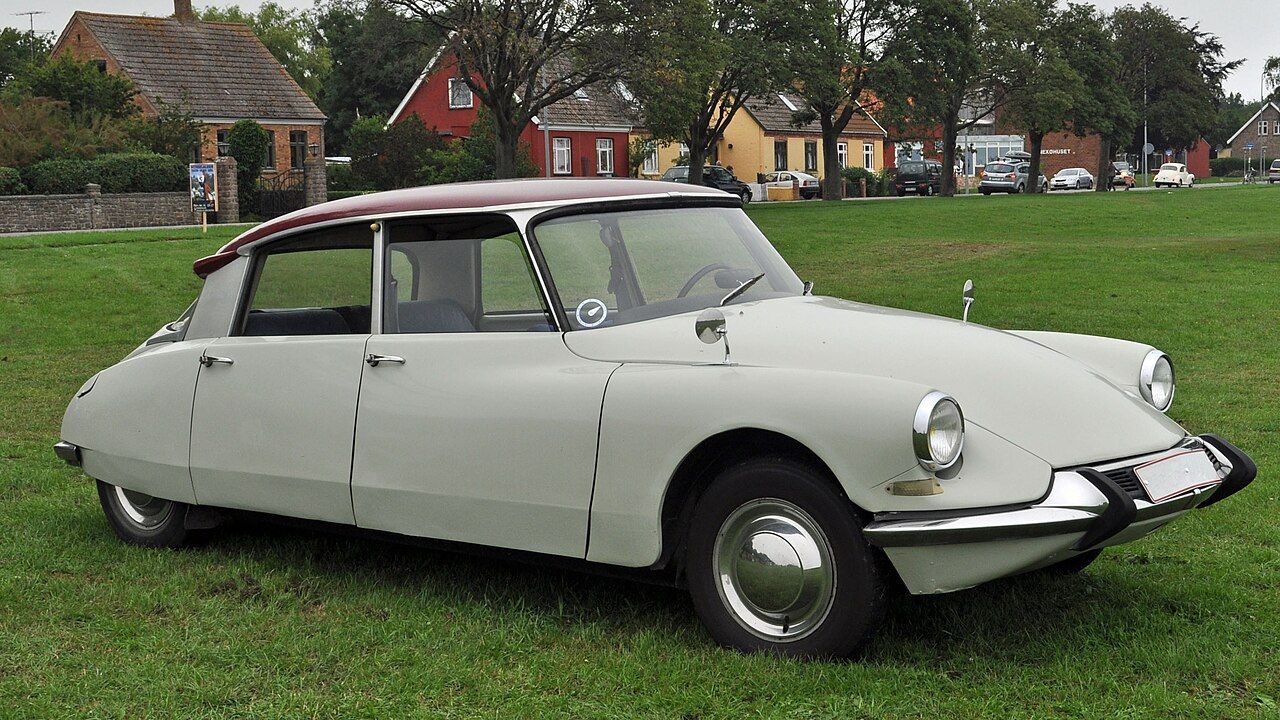
The Citroën DS looked like nothing else when it appeared, but its significance went far beyond futuristic styling. Its hydropneumatic suspension provided an unusually smooth ride, while advanced braking and steering systems demonstrated Citroën’s willingness to experiment. The DS showed that a production automobile could combine radical design with sophisticated engineering. It became one of the decade’s clearest examples of technology moving automotive design into unfamiliar territory.
Mercedes-Benz 300 SL

The Mercedes-Benz 300 SL brought racing-inspired engineering directly to the road. Its lightweight tubular space frame required distinctive gullwing doors, while fuel injection helped its inline-six produce impressive performance. The car demonstrated how competition technology could influence a road-going sports car. Its dramatic appearance and advanced mechanical design made the 300 SL one of the most important European performance cars of the decade.
BMW 507
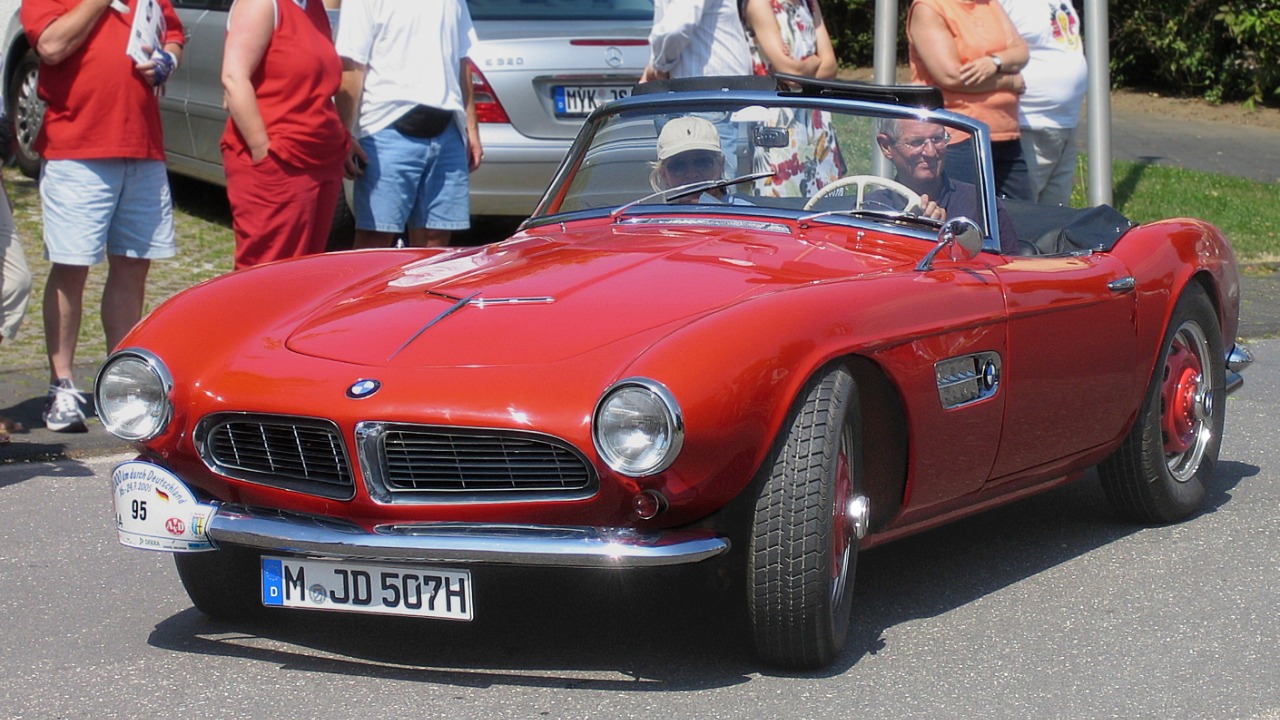
The BMW 507 offered a different interpretation of the European sports car, combining elegant styling with a sophisticated V8 engine. Its low production numbers made it exclusive, while its aluminum body and carefully developed chassis demonstrated BMW’s engineering ambitions. Although it was expensive when new, the 507 became an important symbol of postwar German automotive design. Its influence continues to be recognized by collectors and designers.
Chevrolet Bel Air
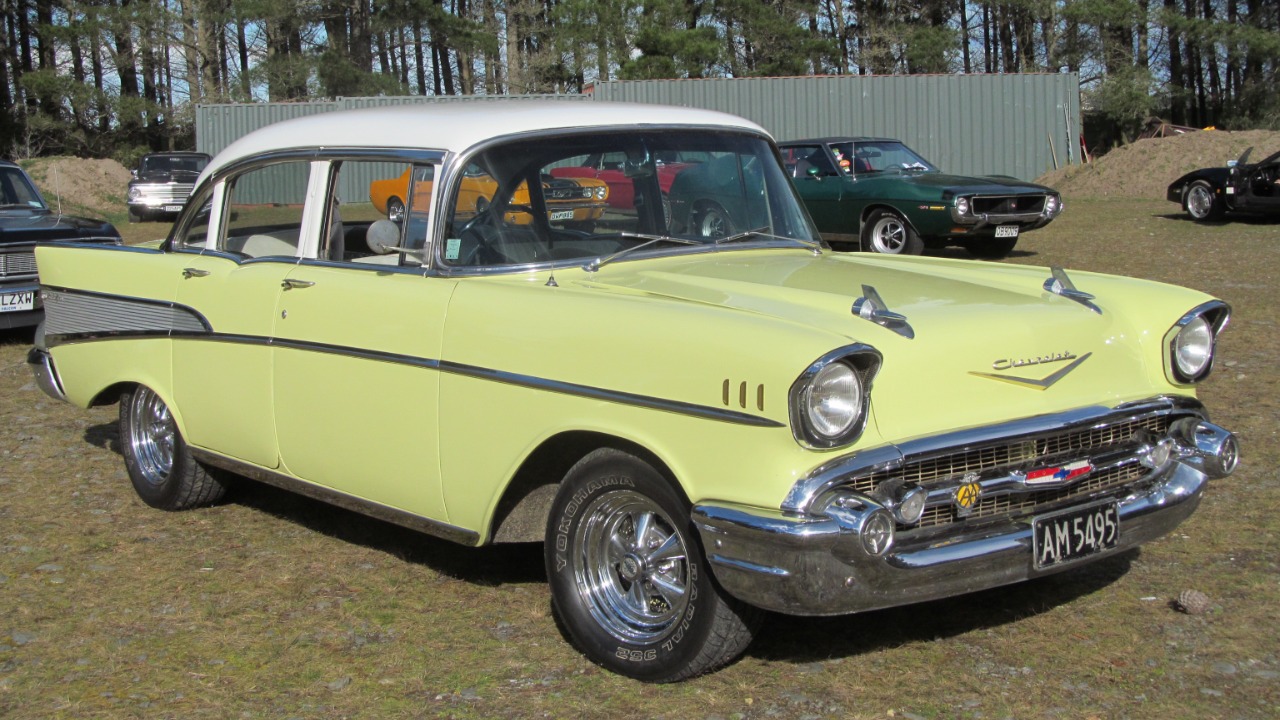
The Chevrolet Bel Air became one of the defining symbols of 1950s American optimism. Its dramatic chrome, tailfins, two-tone paint schemes, and available V8 engines reflected the decade’s fascination with speed and futuristic design. More importantly, the Bel Air showed how automobiles were becoming cultural objects rather than simple transportation. Its enormous popularity helped establish the American full-size car as a centerpiece of postwar consumer culture.
Chrysler 300
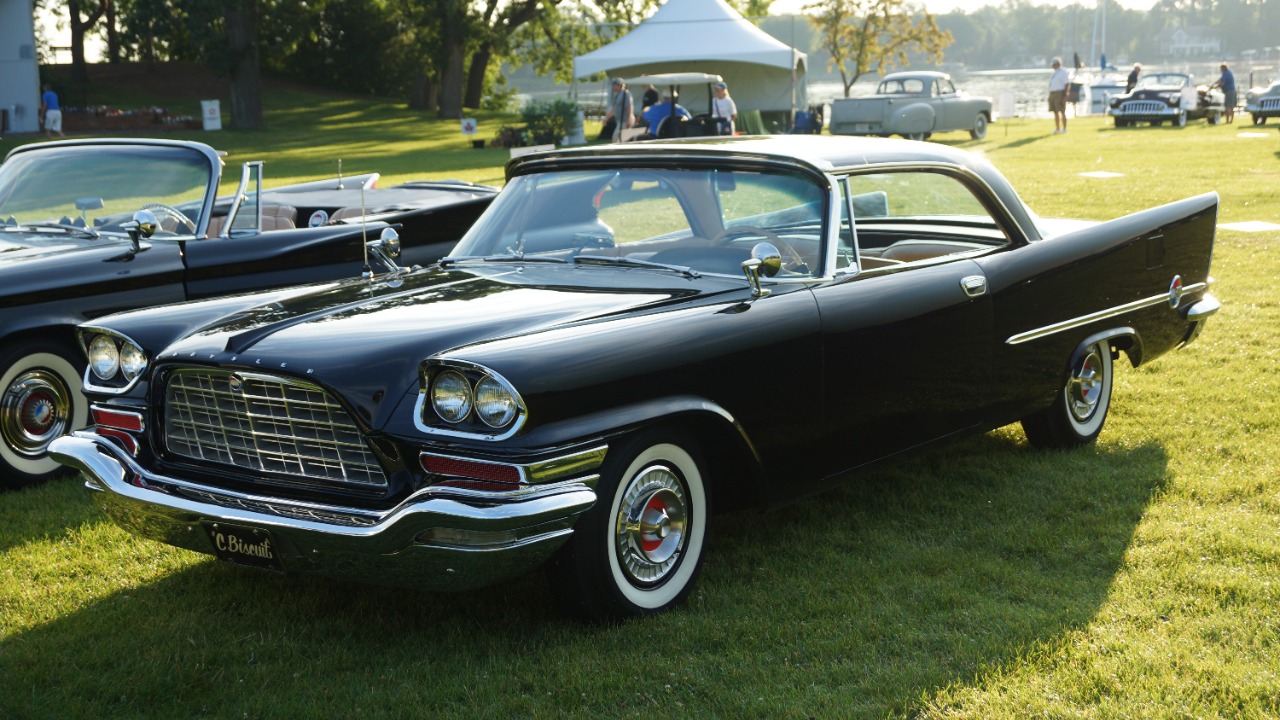
The Chrysler 300 demonstrated that a large American luxury car could also deliver serious performance. Its powerful Hemi V8, distinctive styling, and competition-inspired engineering gave it a unique position in the market. The car effectively created an early high-performance luxury formula, combining comfort with impressive speed. That approach would later influence generations of performance sedans and grand touring automobiles.
Volkswagen Beetle
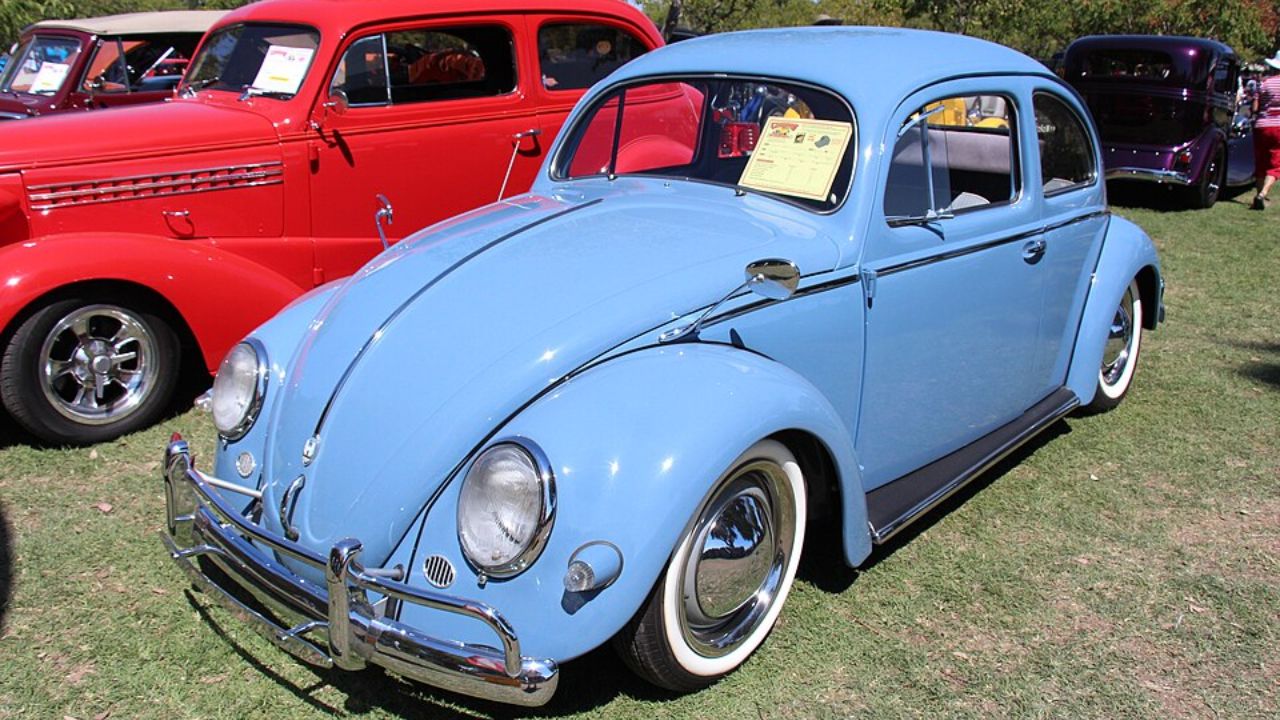
The Volkswagen Beetle challenged conventional ideas about what a mass-market automobile needed to be. Its rear-mounted air-cooled engine, compact dimensions, and simple construction created a remarkably distinctive package. The Beetle’s design prioritized practicality and manufacturing efficiency rather than American-style excess. Its worldwide success demonstrated that small, economical cars could achieve enormous popularity even during an era dominated by large vehicles.
Studebaker Golden Hawk
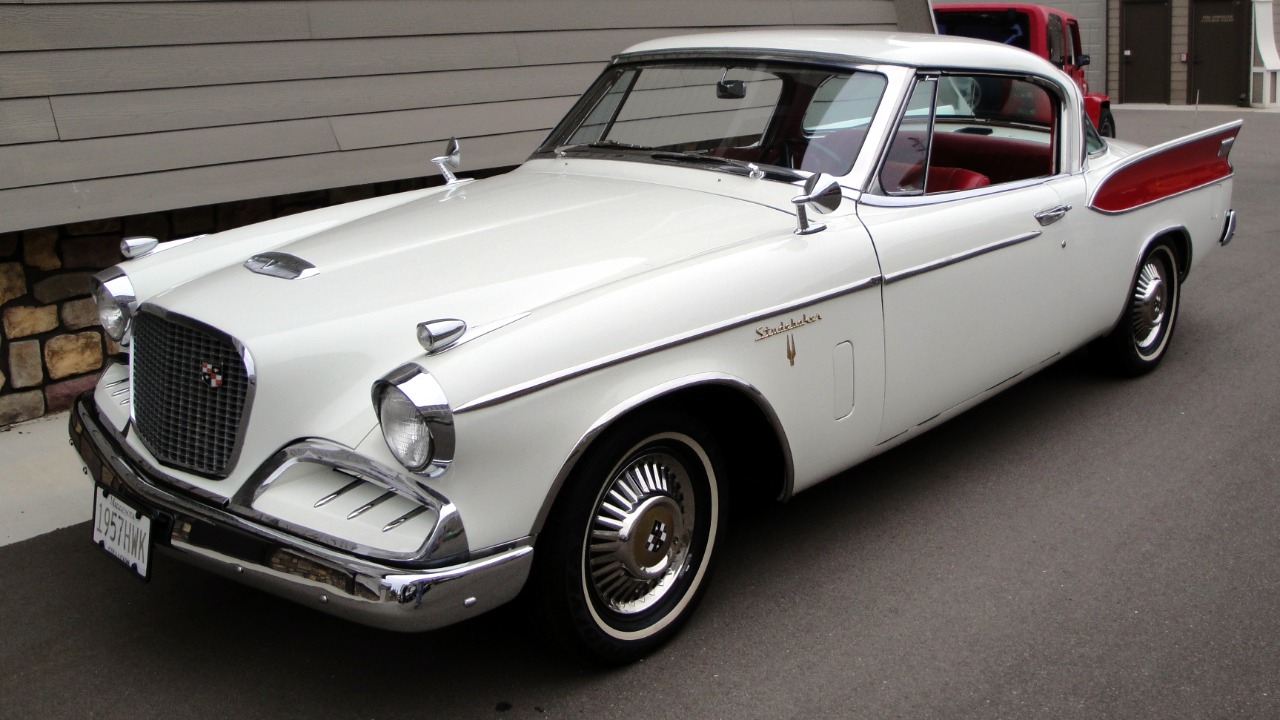
The Studebaker Golden Hawk proved that a smaller independent manufacturer could still create an exciting performance car. Its dramatic styling combined with a powerful V8 gave it a distinctive personality among larger Detroit competitors. The Golden Hawk’s proportions and European-influenced design helped separate it from conventional American cruisers. It remains an important example of Studebaker’s willingness to challenge mainstream automotive thinking.
Austin-Healey 100
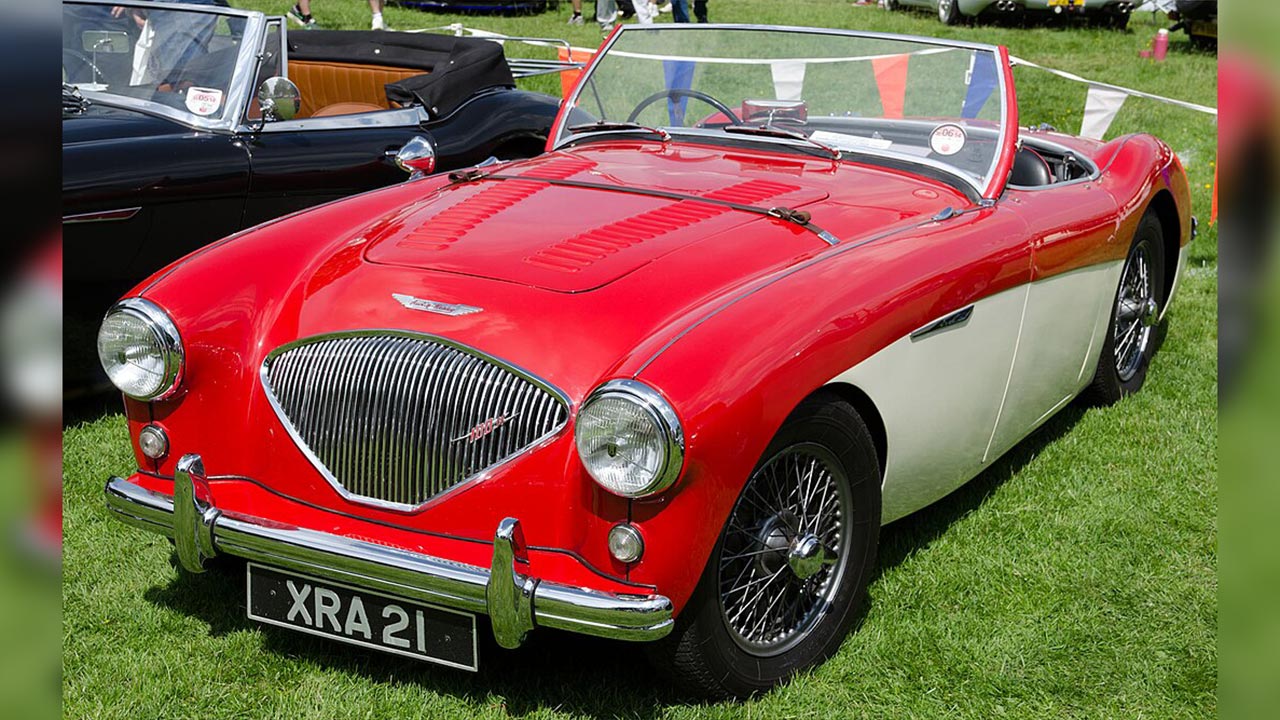
The Austin-Healey 100 helped establish the formula for the affordable British roadster. Its lightweight body, compact dimensions, and four-cylinder engine delivered engaging performance without requiring exotic technology. The car proved that driving enjoyment could come from low weight and simplicity rather than enormous horsepower. Its success helped strengthen Britain’s position in the international sports-car market during the postwar period.
Porsche 356
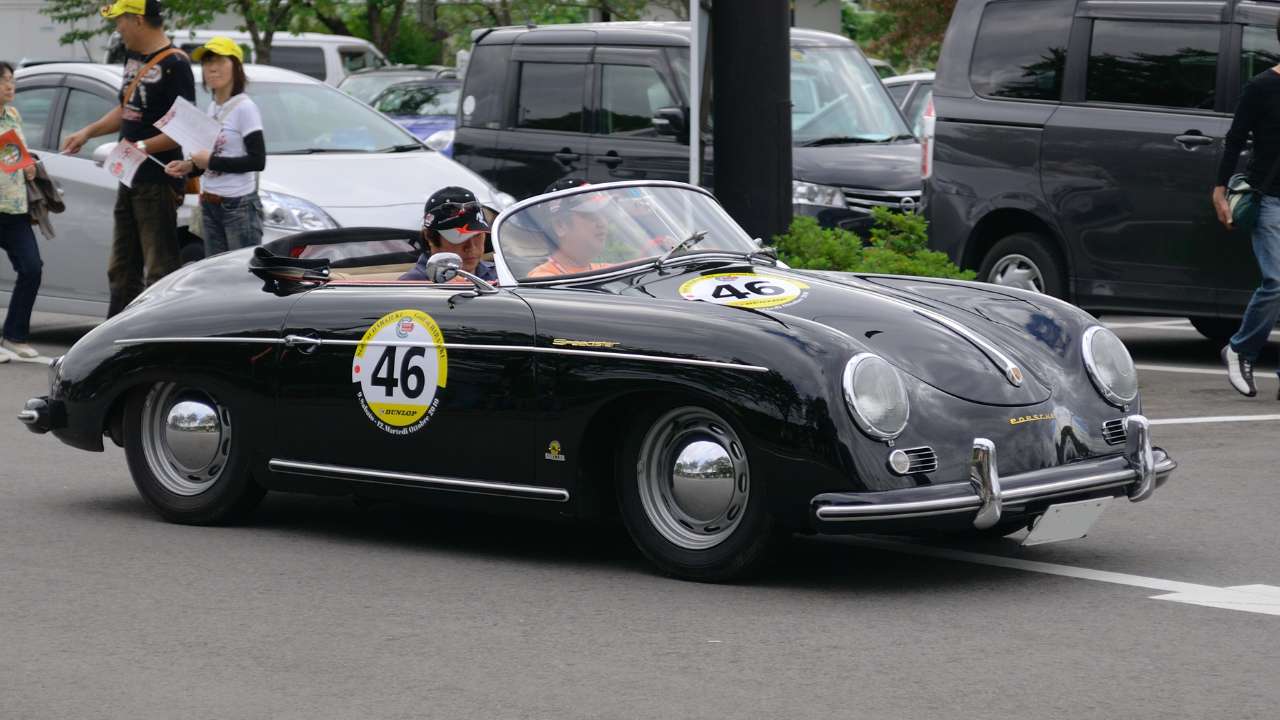
The Porsche 356 established the foundation for Porsche’s long-running sports-car identity. Its lightweight construction, rear-mounted engine, and compact proportions created a distinctive driving experience. Continuous development during the 1950s improved its performance and refinement while retaining the basic concept. The 356 demonstrated how careful engineering and evolutionary development could create a sports car capable of competing with much larger and more powerful automobiles.
Chevrolet Nomad

The Chevrolet Nomad challenged the traditional idea of what a family station wagon could look like. Its sleek two-door body, distinctive roofline, and connection to Chevrolet’s popular passenger-car styling made it dramatically more stylish than ordinary utility wagons. The Nomad showed that practicality and design could coexist. Today, it remains one of the most recognizable American wagon designs from the 1950s.
More from Fast Lane Only
- Unboxing the WWII Jeep in a Crate
- 15 rare Chevys collectors are quietly buying
- 10 underrated V8s still worth hunting down
- Police notice this before you even roll window down
*Research for this article included AI assistance, with all final content reviewed by human editors