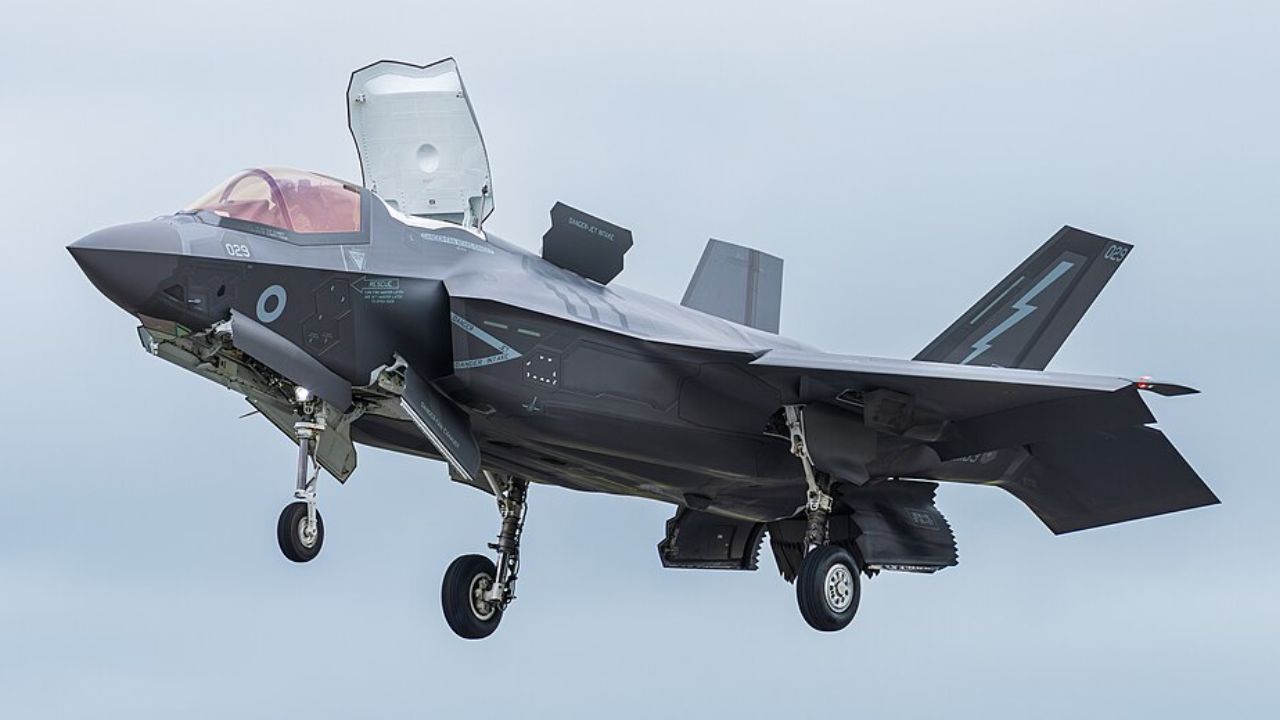
Throughout aviation history, the United States has been at the forefront of fighter jet development, producing some of the fastest aircraft ever built. These jets have not only set speed records but have also played crucial roles in military operations worldwide. Here is a look at 12 of the fastest fighter jets ever created by the U.S., showcasing their remarkable speeds and capabilities.
Lockheed SR-71 Blackbird
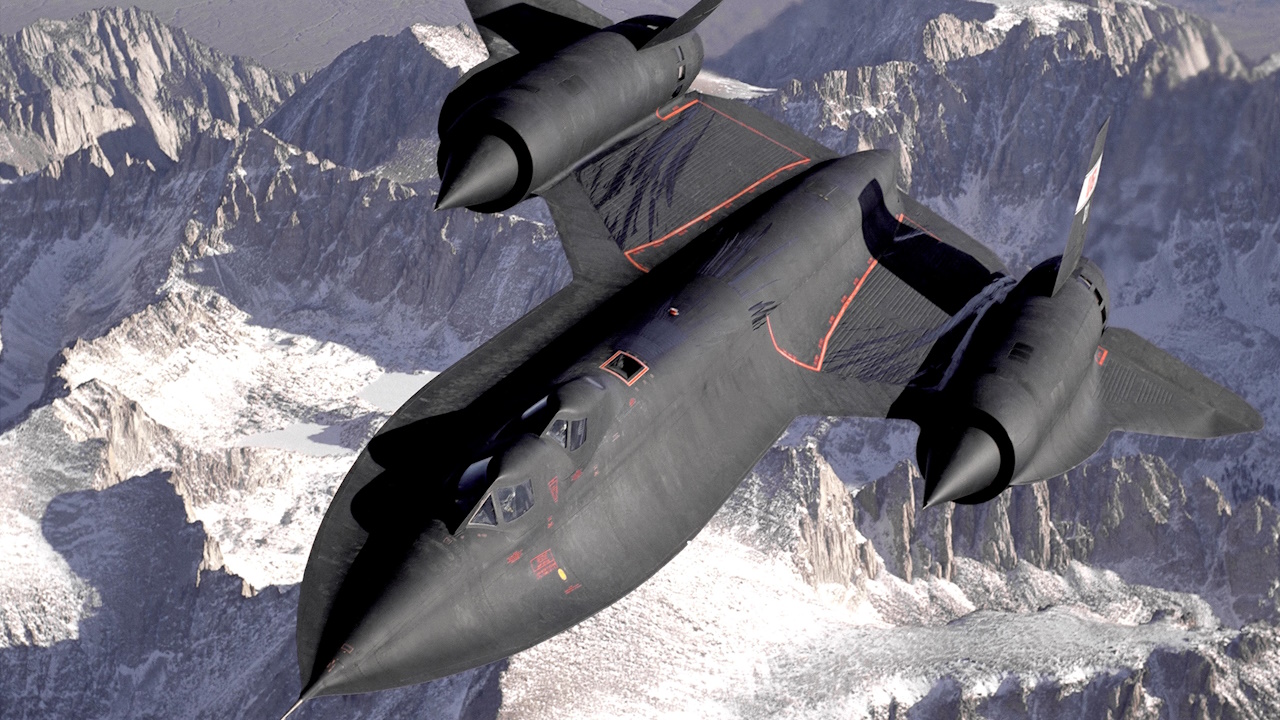
The Lockheed SR-71 Blackbird is renowned for its speed and stealth capabilities. Developed in the 1960s, this long-range reconnaissance aircraft could reach speeds exceeding Mach 3. Its ability to outpace threats made it invaluable during its service years. The SR-71’s titanium construction enabled it to withstand the high temperatures generated at such speeds, and its iconic design remains a symbol of aeronautical innovation.
Despite being retired in the late 1990s, the SR-71 still holds the record for the fastest air-breathing manned aircraft. Its legacy continues to influence modern aviation technology, and its missions provided vital intelligence during the Cold War era. The Blackbird’s achievements in speed and altitude remain unmatched by any other crewed aircraft.
North American X-15
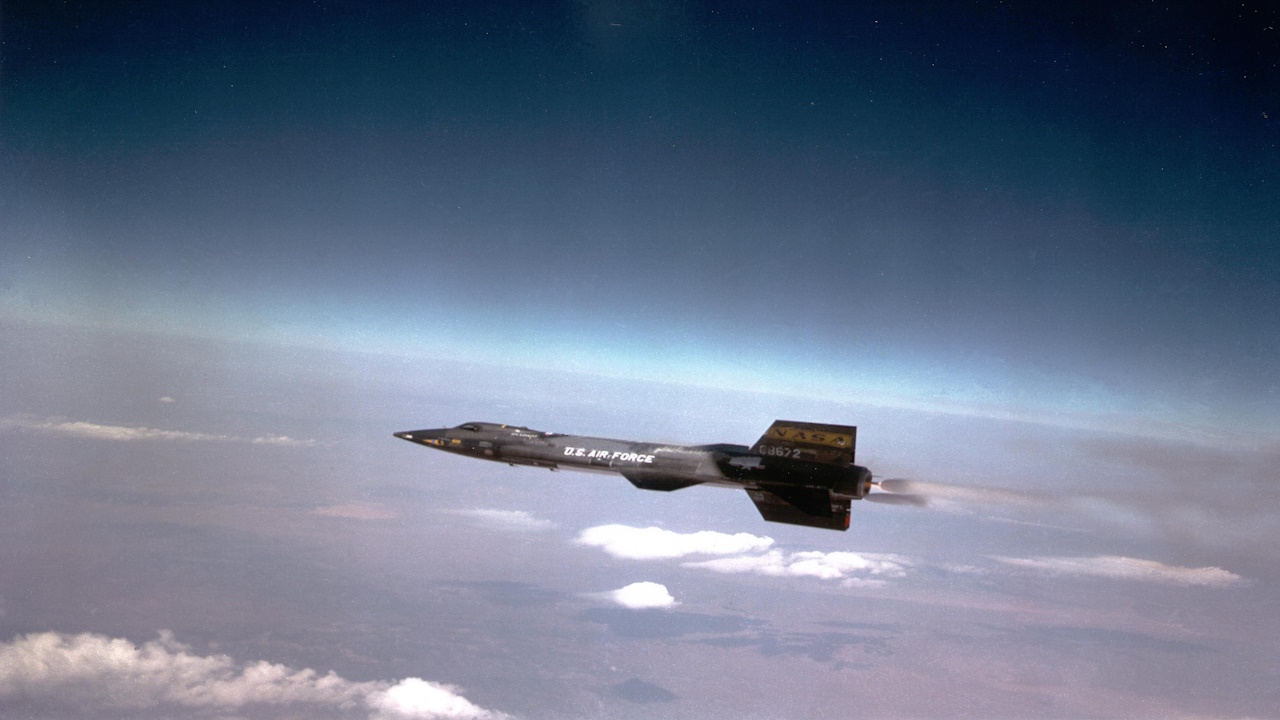
The North American X-15 was a rocket-powered aircraft that pushed the boundaries of speed and altitude. Developed in the late 1950s and early 1960s, the X-15 reached an astonishing top speed of Mach 6.72. Its primary purpose was to provide data and insights for future spaceflight, making it an essential part of NASA’s research into high-speed flight.
With only three aircraft built, the X-15 program achieved numerous milestones in aviation history. It helped establish the foundation for human space travel and set records that stood for decades. The X-15’s contributions to aerospace research were pivotal in advancing our understanding of hypersonic flight.
McDonnell Douglas F-15 Eagle
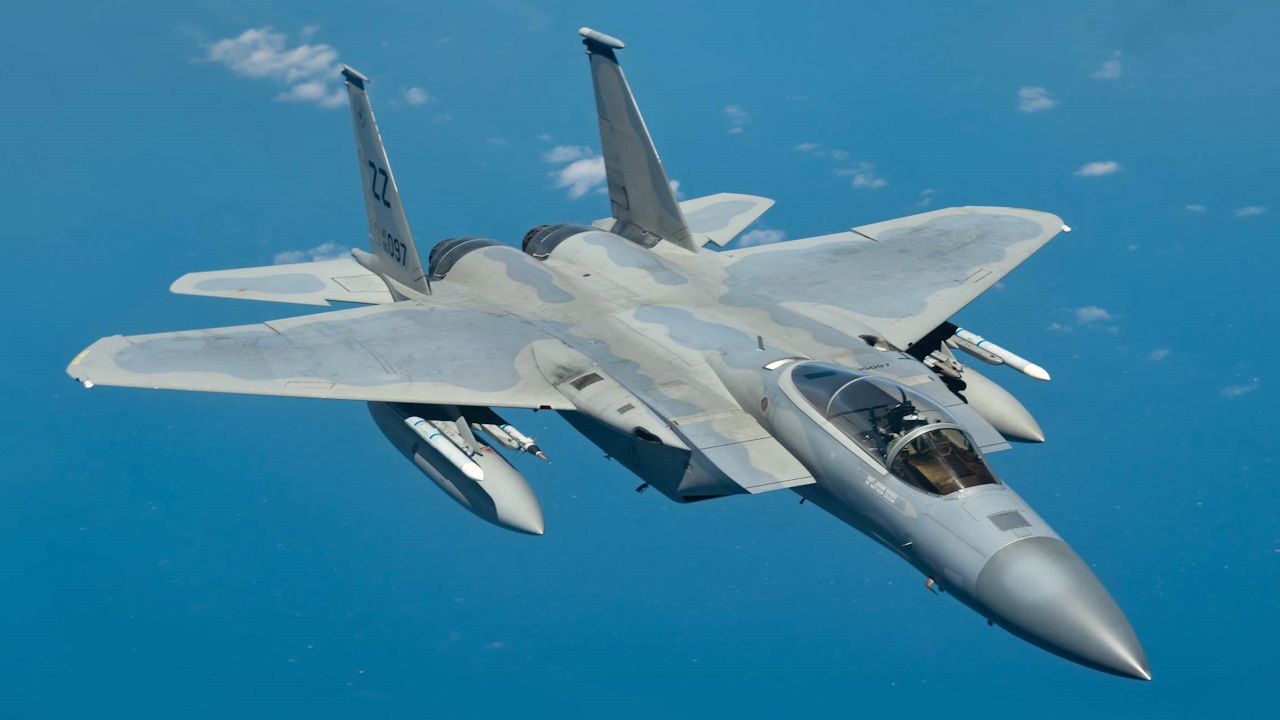
The F-15 Eagle is a twin-engine, all-weather tactical fighter known for its incredible speed and agility. First introduced in the 1970s, the F-15 can reach speeds of up to Mach 2.5. Its advanced avionics and weaponry have made it a mainstay in the U.S. Air Force and a formidable opponent in aerial combat.
Throughout its service, the F-15 has proven its superiority in numerous conflicts, achieving an impressive air combat record. Its ability to maintain air superiority has made it an integral part of the U.S. military’s strategic arsenal. Even today, upgraded versions of the F-15 continue to serve, showcasing its enduring design and performance.
Lockheed Martin F-22 Raptor
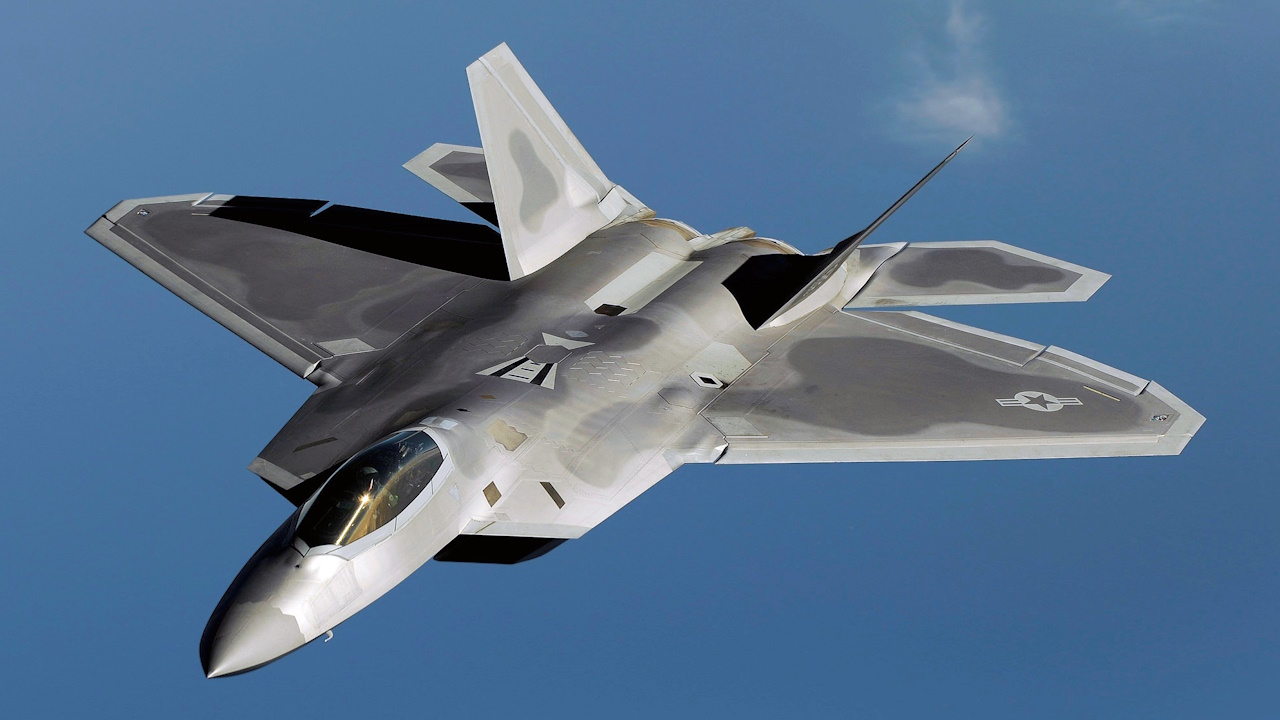
The F-22 Raptor is a fifth-generation fighter jet that combines stealth, speed, and precision. Capable of reaching speeds above Mach 2, the F-22 is designed for air superiority and ground attack missions. Its stealth technology allows it to evade enemy radar, providing a significant advantage in combat scenarios.
Since its introduction in the mid-2000s, the F-22 has set new standards for modern fighter jets. Its advanced avionics and supercruise capability enable it to engage threats at unprecedented ranges. Although production ended in 2011, the F-22 remains a critical component of the U.S. Air Force, demonstrating unmatched air dominance.
Boeing F/A-18E/F Super Hornet
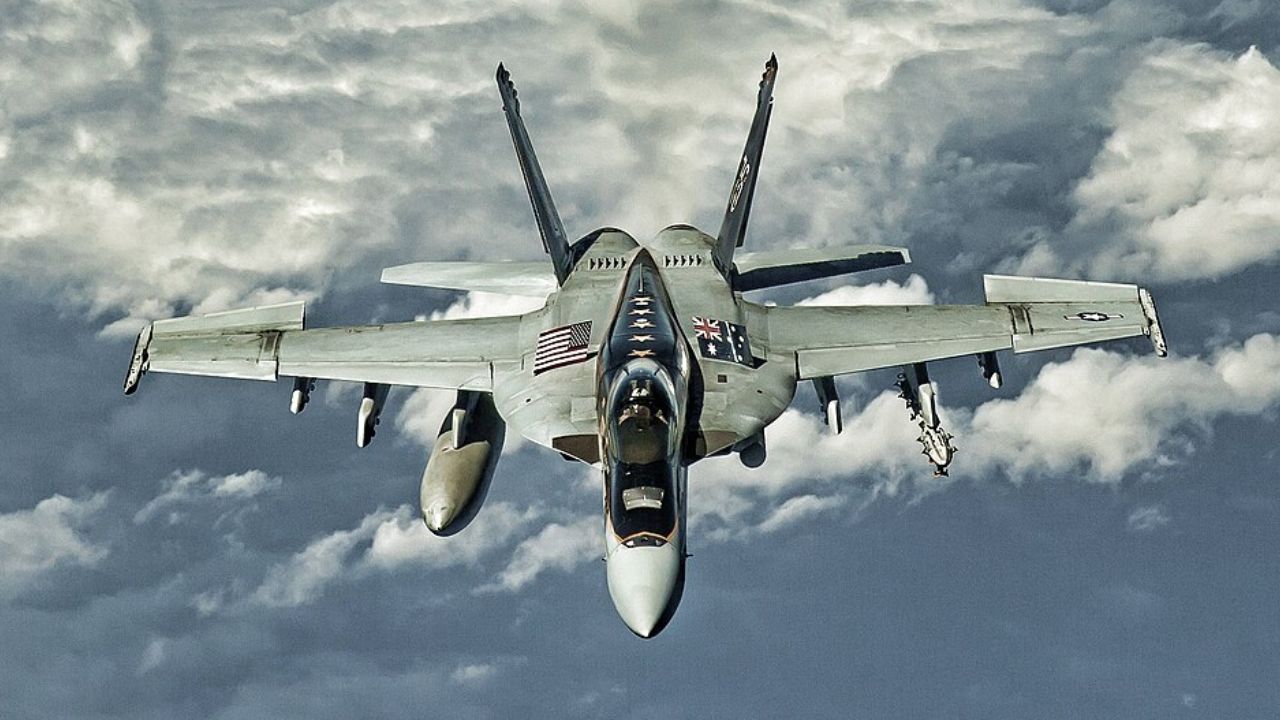
The Boeing F/A-18E/F Super Hornet is a versatile fighter jet known for its speed and adaptability. With a top speed of Mach 1.8, the Super Hornet serves as a multirole aircraft capable of performing various missions, from air superiority to ground attack. Its design allows for carrier-based operations, making it a key asset for the U.S. Navy.
Introduced in the late 1990s, the Super Hornet features advanced avionics and increased payload capacity compared to its predecessors. It has been deployed in numerous combat operations, demonstrating its effectiveness and reliability. The Super Hornet continues to be a crucial part of the U.S. military’s air capabilities.
General Dynamics F-111 Aardvark
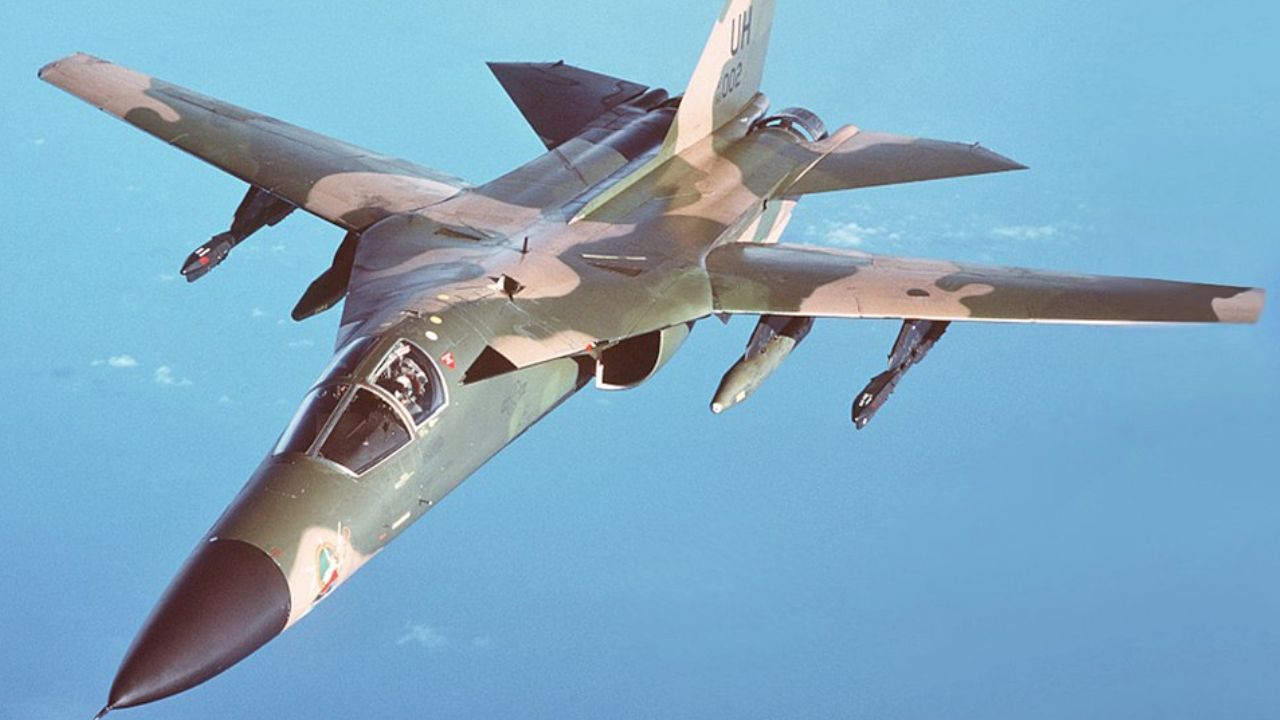
The F-111 Aardvark was a pioneering aircraft known for its variable-sweep wings and supersonic speed. Capable of reaching Mach 2.5, the F-111 served as a tactical bomber and reconnaissance aircraft. Its innovative design allowed it to perform low-level penetration missions with precision.
Entering service in the late 1960s, the F-111 played a vital role during the Vietnam War and other conflicts. Its ability to fly at high speeds and low altitudes made it a formidable platform for delivering strategic strikes. The F-111’s contributions to military aviation are remembered for their impact on subsequent aircraft development.
Lockheed Martin F-35 Lightning II
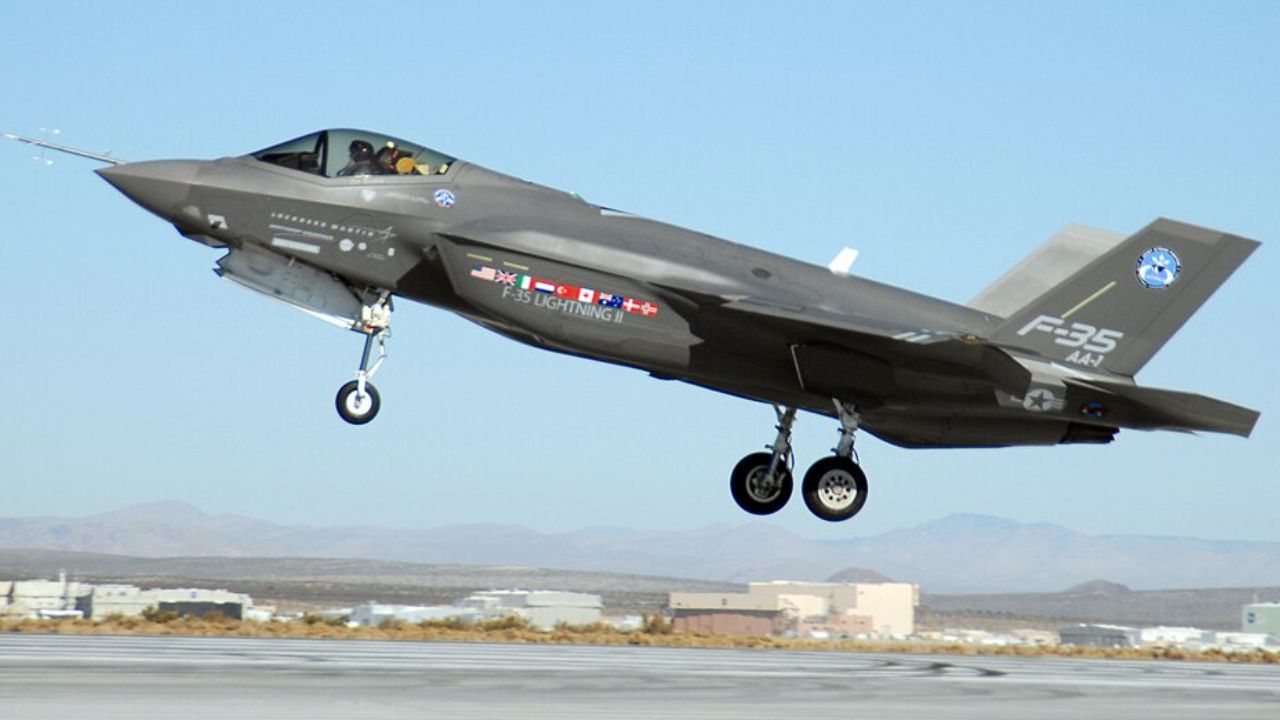
The F-35 Lightning II is a state-of-the-art multirole fighter jet known for its stealth and speed. With a top speed of Mach 1.6, the F-35 is designed to perform a variety of missions, from air superiority to electronic warfare. Its advanced avionics and network-centric capabilities make it a critical asset for modern warfare.
Since its introduction in the 2010s, the F-35 has been adopted by numerous allied nations, solidifying its role in global defense strategies. Its stealth technology and versatility have redefined the capabilities of modern fighter jets, providing a significant advantage in both offensive and defensive operations.
Northrop Grumman F-14 Tomcat
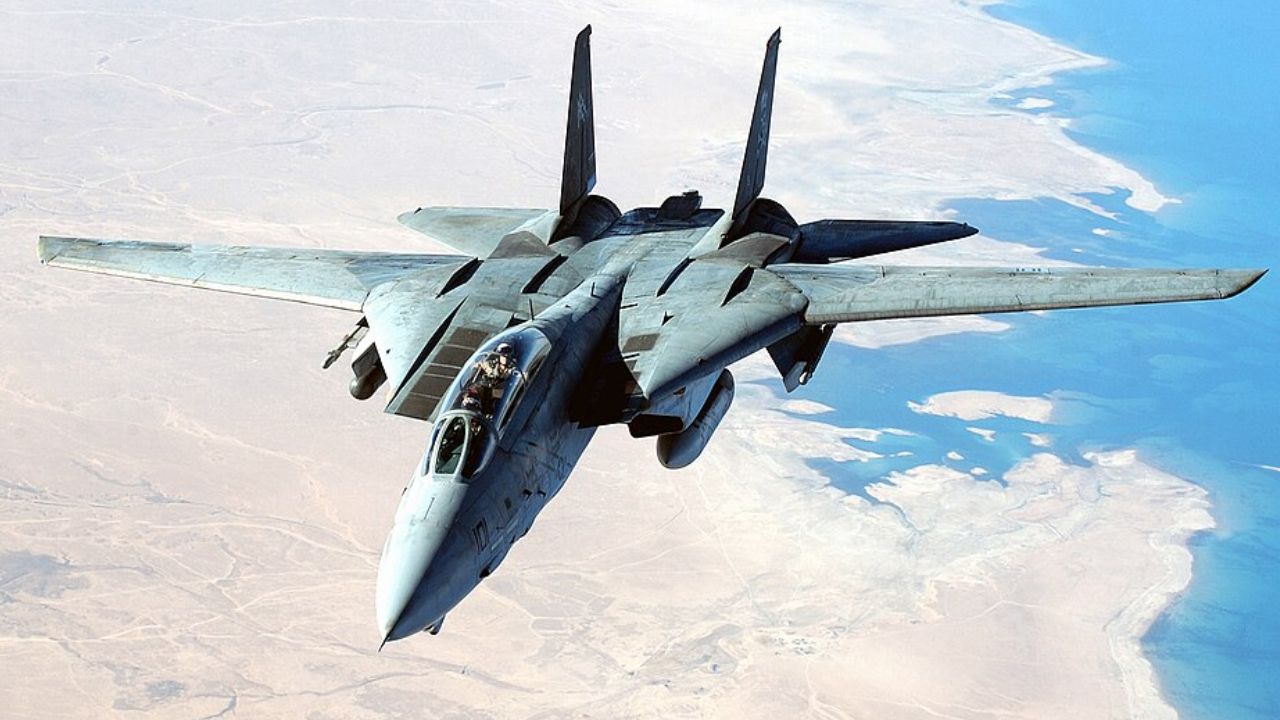
The F-14 Tomcat is an iconic fighter jet known for its speed and variable-sweep wings. Capable of reaching Mach 2.34, the F-14 was designed as a long-range interceptor for the U.S. Navy. Its role in defending carrier battle groups made it a key component of naval aviation.
First deployed in the 1970s, the F-14 gained fame for its role in popular culture and its performance in conflicts like the Gulf War. The Tomcat’s sophisticated radar and missile systems allowed it to engage multiple targets at long ranges. Although retired in 2006, the F-14 remains a legendary aircraft in the annals of aviation history.
McDonnell F-4 Phantom II

The F-4 Phantom II is a legendary fighter jet known for its speed and versatility. With a top speed of Mach 2.23, the F-4 served as a multirole aircraft capable of air-to-air and air-to-ground missions. Its robust design and adaptability made it a staple in the U.S. military and allied forces.
Since its introduction in the early 1960s, the F-4 has participated in numerous conflicts, including the Vietnam War and the Gulf War. Its ability to operate in various environments and roles showcased its flexibility and reliability. The F-4’s legacy continues to influence modern fighter jet designs and tactics.
Northrop YF-23
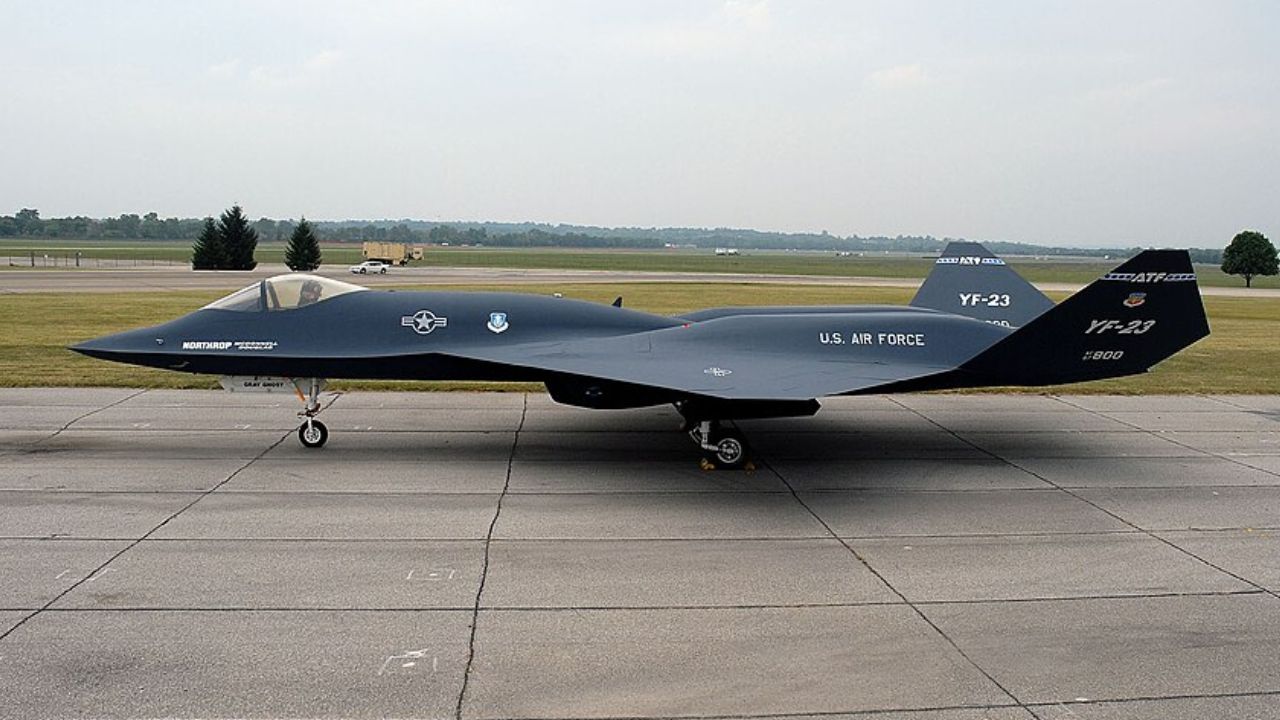
The Northrop YF-23 was a prototype stealth fighter developed in the late 1980s and early 1990s. Although it never entered production, the YF-23 demonstrated impressive capabilities, including a top speed of Mach 2.2. Its advanced stealth features and aerodynamic design provided insights into future stealth technology.
The YF-23 competed against the F-22 Raptor in the Advanced Tactical Fighter competition, ultimately losing the contract. Despite this, the YF-23’s innovative design influenced subsequent developments in stealth aircraft. Its performance and capabilities remain a testament to the advancements in aviation technology during the era.
Convair F-106 Delta Dart
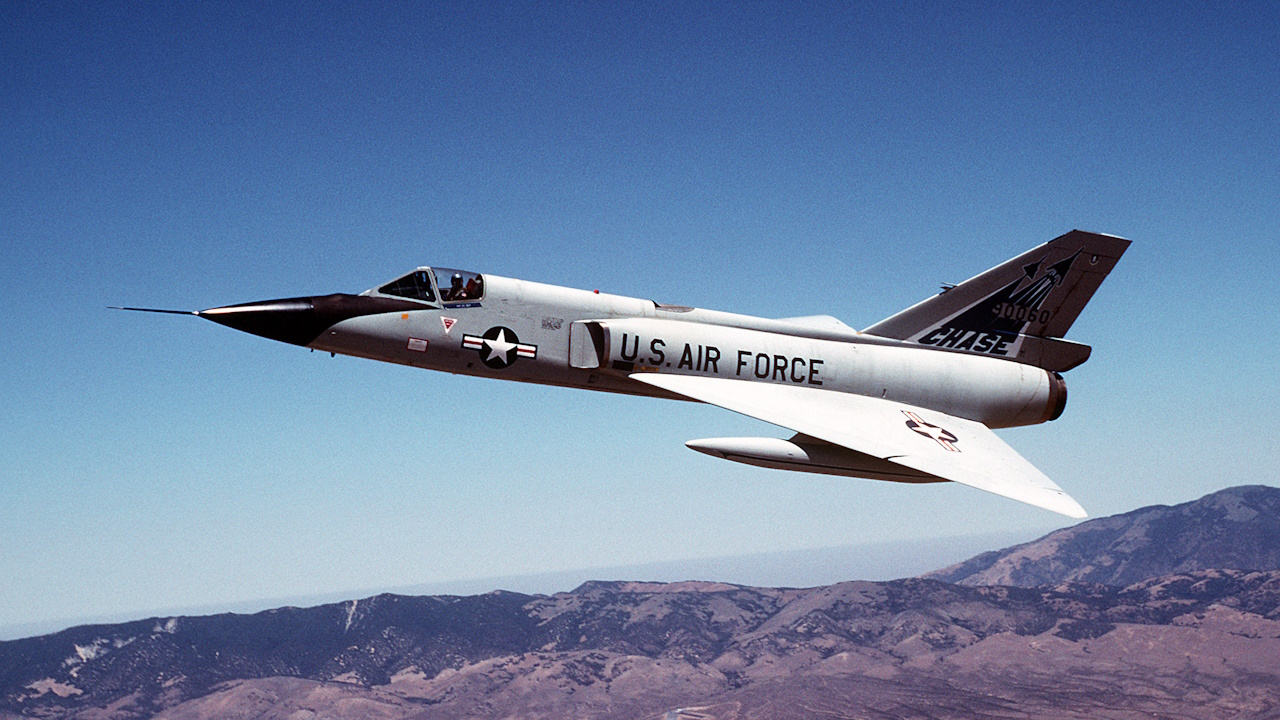
The Convair F-106 Delta Dart was an interceptor aircraft designed for high-speed performance. With a top speed of Mach 2.3, the F-106 was capable of intercepting and engaging enemy aircraft with precision. Its delta wing design and advanced radar systems made it a formidable asset during the Cold War.
Introduced in the late 1950s, the F-106 served as a primary interceptor for the U.S. Air Force. Its ability to operate at high speeds and altitudes contributed to its success in maintaining air defense. The F-106’s technological advancements helped pave the way for future interceptor designs.
Boeing B-1B Lancer
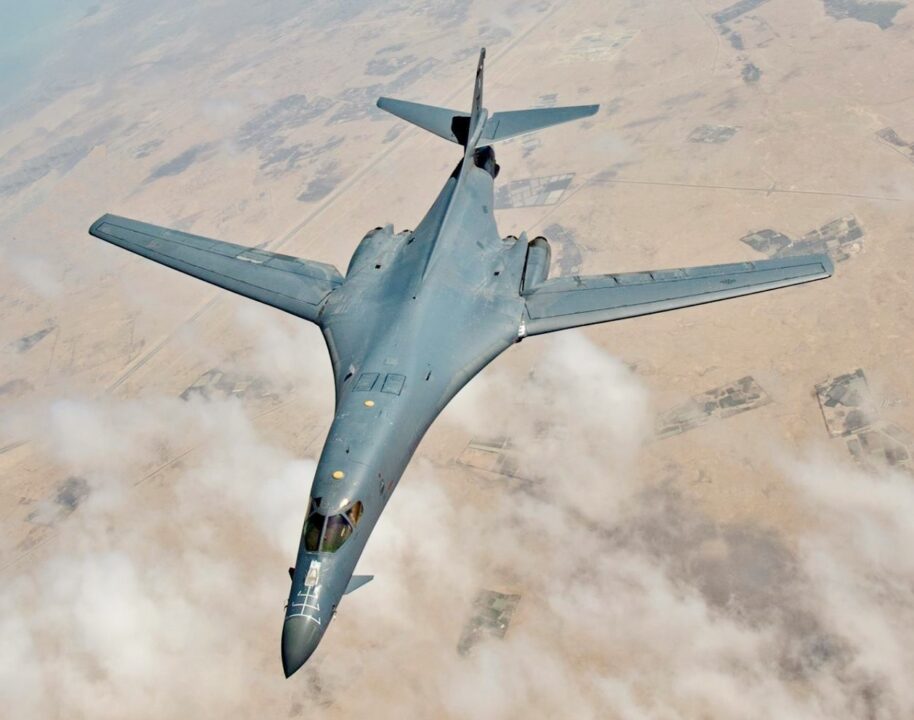
The Boeing B-1B Lancer is a supersonic bomber known for its speed and long-range capabilities. With a top speed exceeding Mach 1.2, the B-1B serves as a strategic bomber capable of delivering conventional and nuclear payloads. Its variable-sweep wings allow for efficient flight at various speeds and altitudes.
Since its introduction in the 1980s, the B-1B has played a crucial role in U.S. military operations, providing strategic bombing capabilities and flexibility. Its ability to penetrate enemy defenses and deliver precise strikes has made it an essential part of the U.S. Air Force’s bomber fleet. The B-1B continues to demonstrate its effectiveness in modern combat scenarios.
More From Fast Lane: