For years, bigger seemed better in the truck world. More towing capacity, more horsepower, and larger dimensions became the norm. Yet many owners eventually realized they rarely used all that capability. These trucks showed drivers that practicality, efficiency, and everyday usability often matter more than maximum specifications, causing many people to rethink what they actually needed from a pickup.
Ford Ranger (1998–2011)
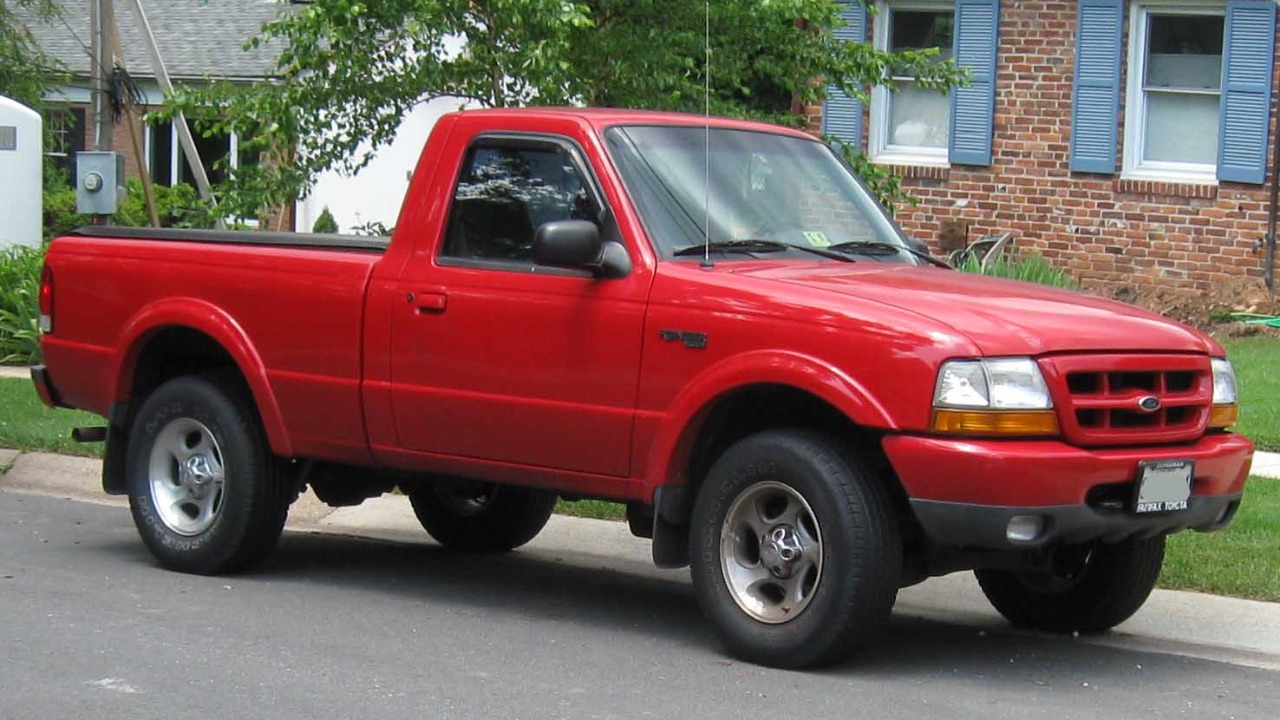
The Ford Ranger proved that a compact truck could handle most of the jobs owners encountered on a daily basis. Its manageable size made parking and maneuvering easier than in many full-size pickups, while its dependable mechanicals kept ownership costs reasonable. Owners used Rangers for commuting, hauling supplies, and weekend projects with few complaints. Many discovered they rarely needed the extra capability of larger trucks, making the Ranger a practical alternative that delivered exactly what they required.
Chevrolet Colorado (First Generation)
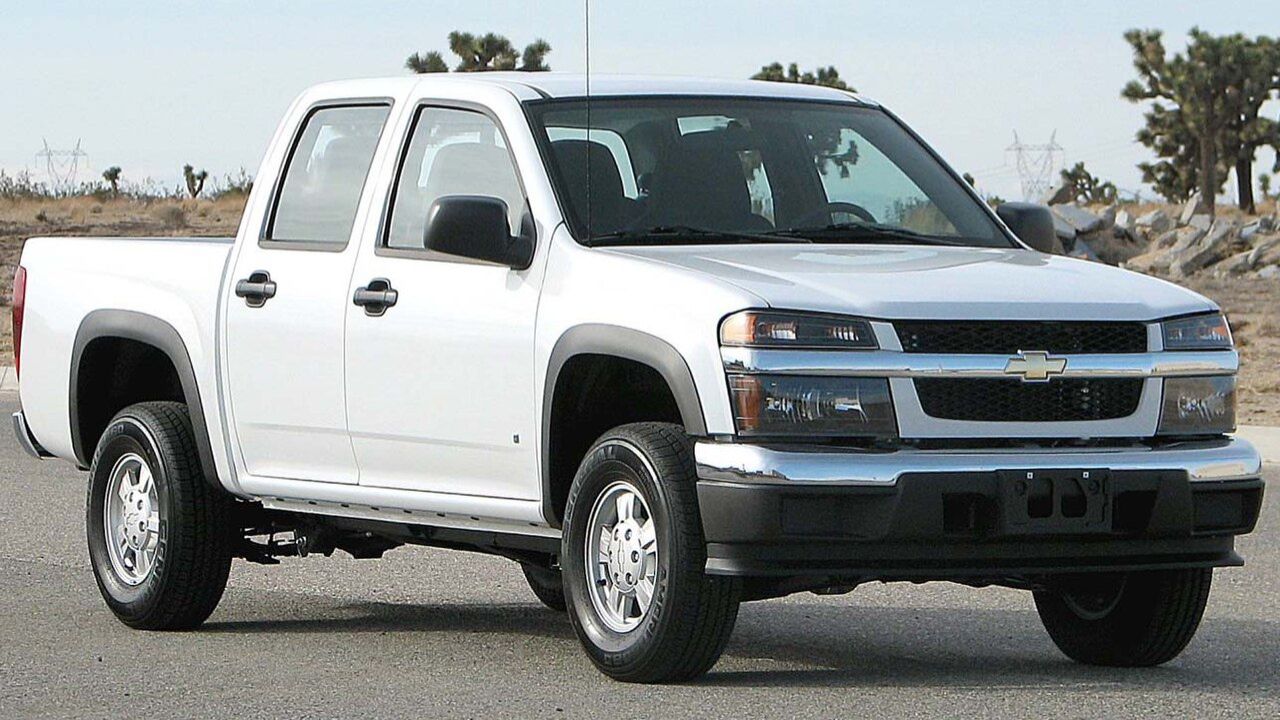
The first-generation Chevrolet Colorado showed that a midsize truck could provide useful capability without becoming oversized. It offered enough hauling and towing performance for most homeowners, small business owners, and outdoor enthusiasts. Owners appreciated its balance between practicality and comfort, finding it easier to live with than many full-size pickups. For countless drivers, the Colorado demonstrated that real-world usefulness often matters more than owning the biggest truck available on the market.
Nissan Frontier (D40)
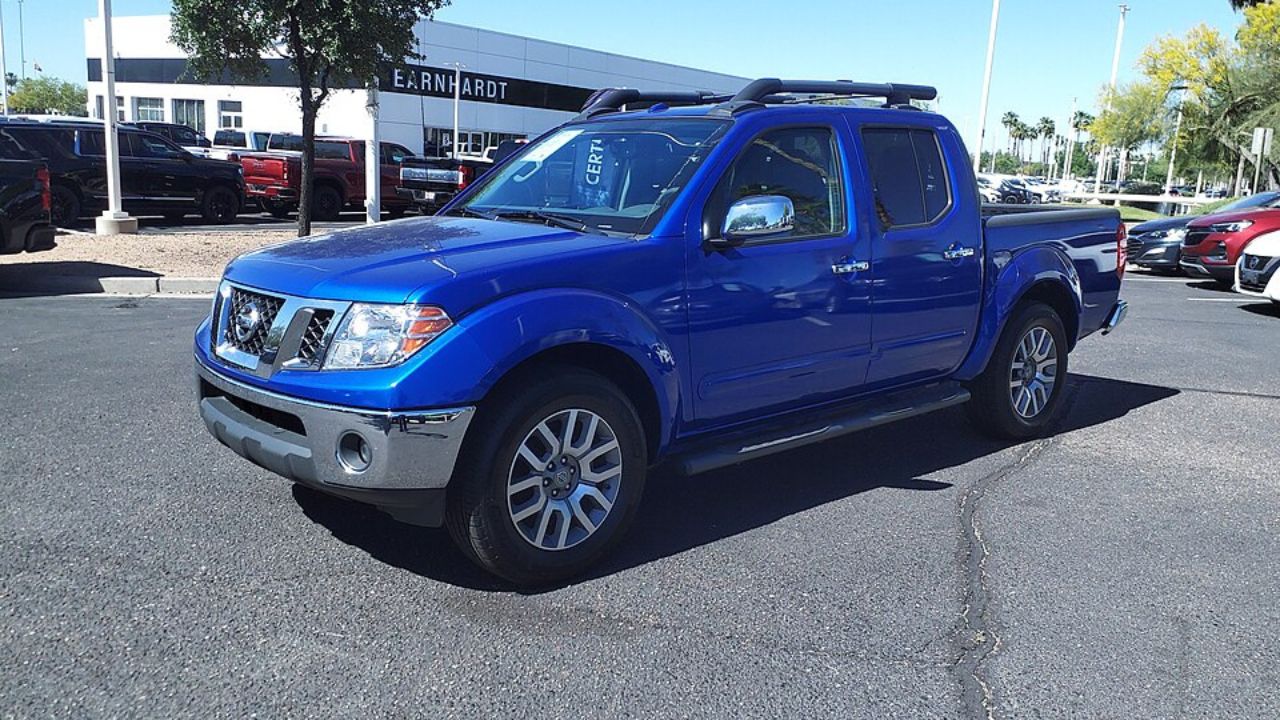
The Nissan Frontier earned respect by delivering genuine truck capability in a package that remained practical for everyday use. Owners frequently relied on it for towing recreational equipment, carrying work materials, and tackling outdoor adventures. Despite its midsize dimensions, it proved more than capable of handling demanding tasks. Many buyers who initially considered larger pickups eventually realized the Frontier met nearly all their needs while remaining easier to drive, park, and maintain over time.
Toyota Pickup (1984–1988)
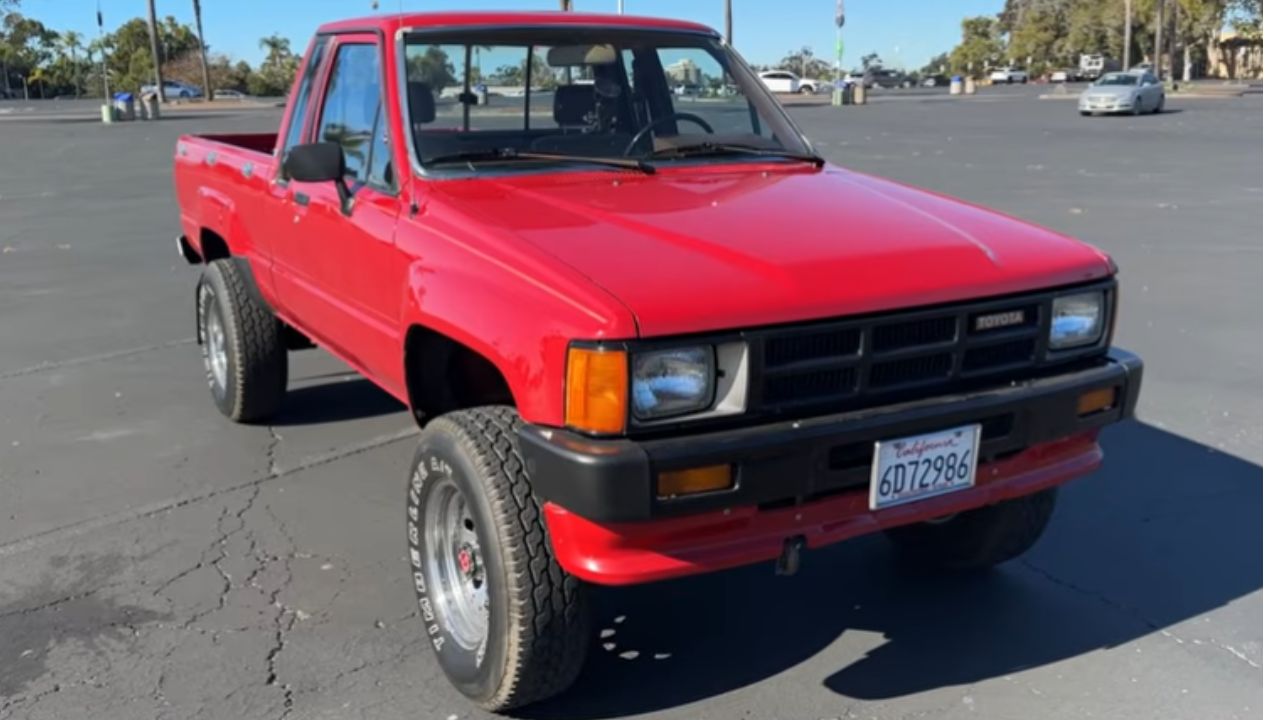
Doug DeMuro / youtube
The Toyota Pickup became legendary for accomplishing difficult tasks through reliability rather than brute force. Its simple design, durable construction, and modest dimensions helped it succeed in a variety of environments. Owners appreciated its ability to handle work duties and daily transportation with equal confidence. Even without impressive horsepower figures, it consistently got the job done. For many drivers, the Toyota Pickup demonstrated that durability and usefulness often matter more than maximum capability numbers.
Mazda B2300
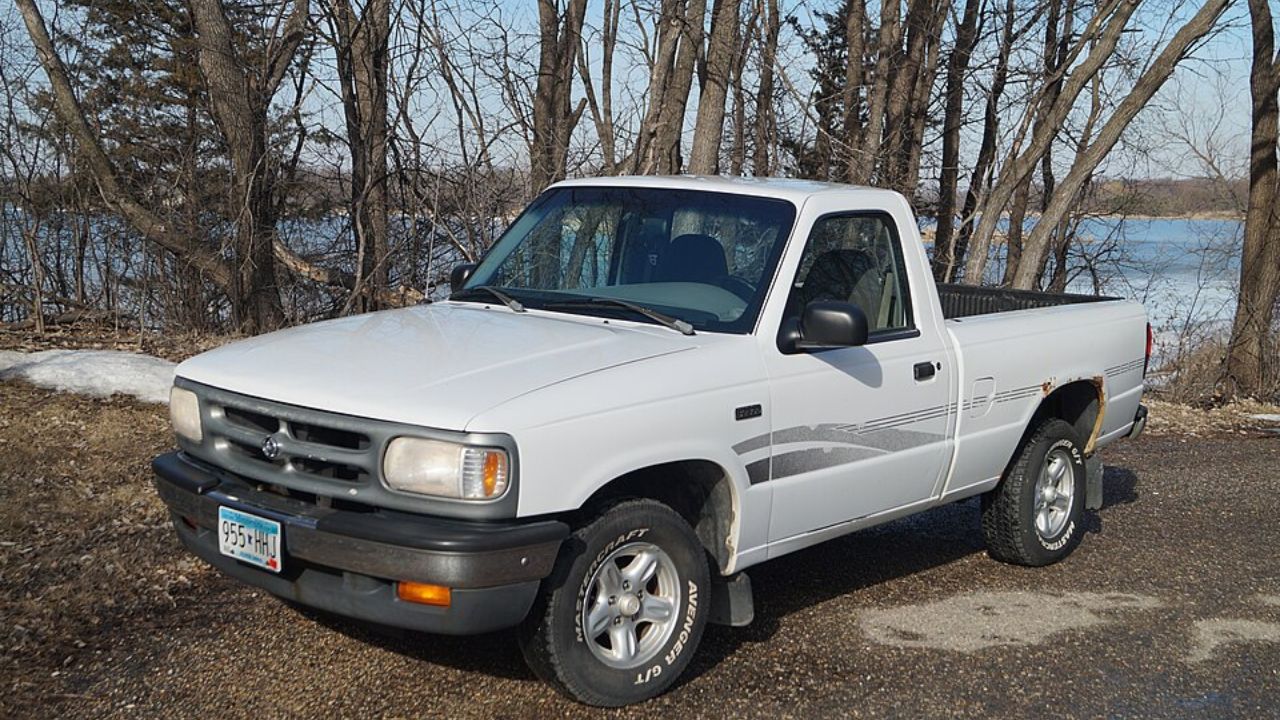
The Mazda B2300 focused on providing practical truck utility without unnecessary complexity. Owners valued its dependable operation, straightforward design, and affordable ownership costs. It handled daily errands, light hauling, and home improvement projects effectively while remaining easy to maneuver in crowded areas. Rather than chasing extreme capability, the B2300 concentrated on the tasks most truck owners actually performed. Its honest approach helped many people recognize that oversized pickups were often unnecessary for everyday needs.
Chevrolet S-10
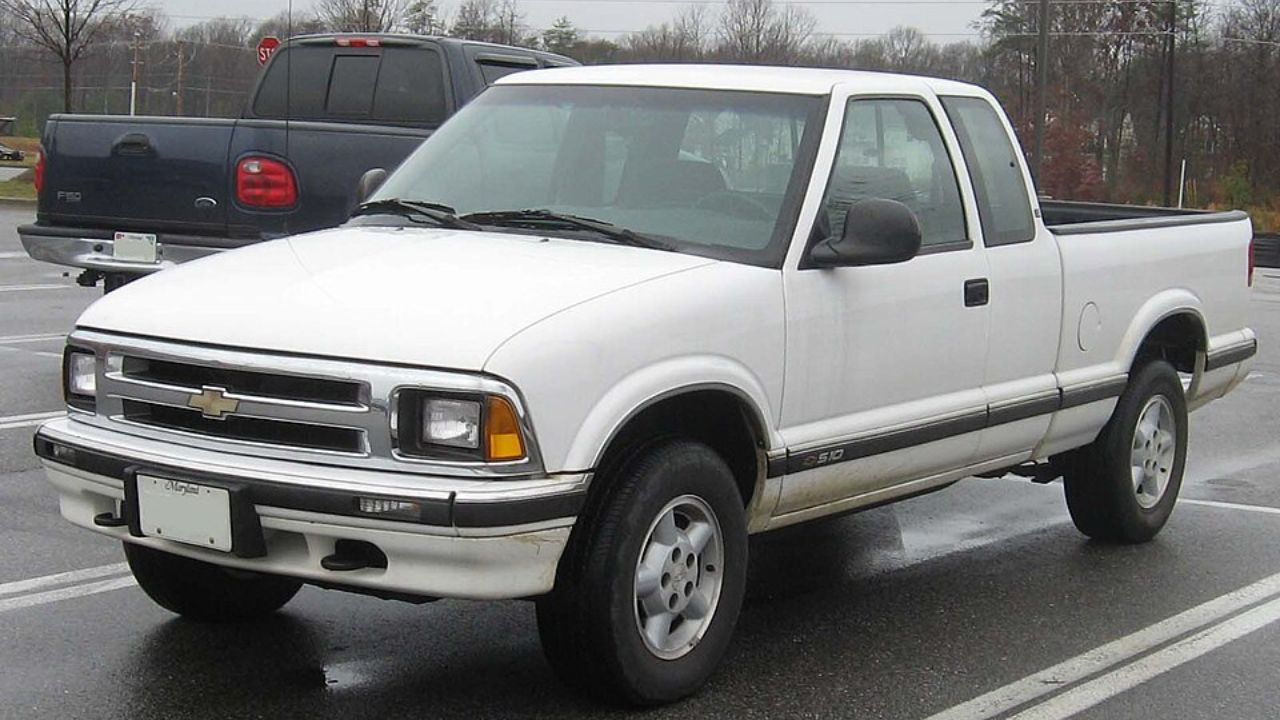
The Chevrolet S-10 spent years proving that compact pickups could satisfy the needs of a wide range of drivers. Its practical size, dependable performance, and versatility made it popular among homeowners and small business operators alike. Owners appreciated being able to haul supplies and equipment without dealing with the bulk of a full-size truck. Over time, many realized the S-10 delivered all the utility they required, making larger alternatives seem excessive.
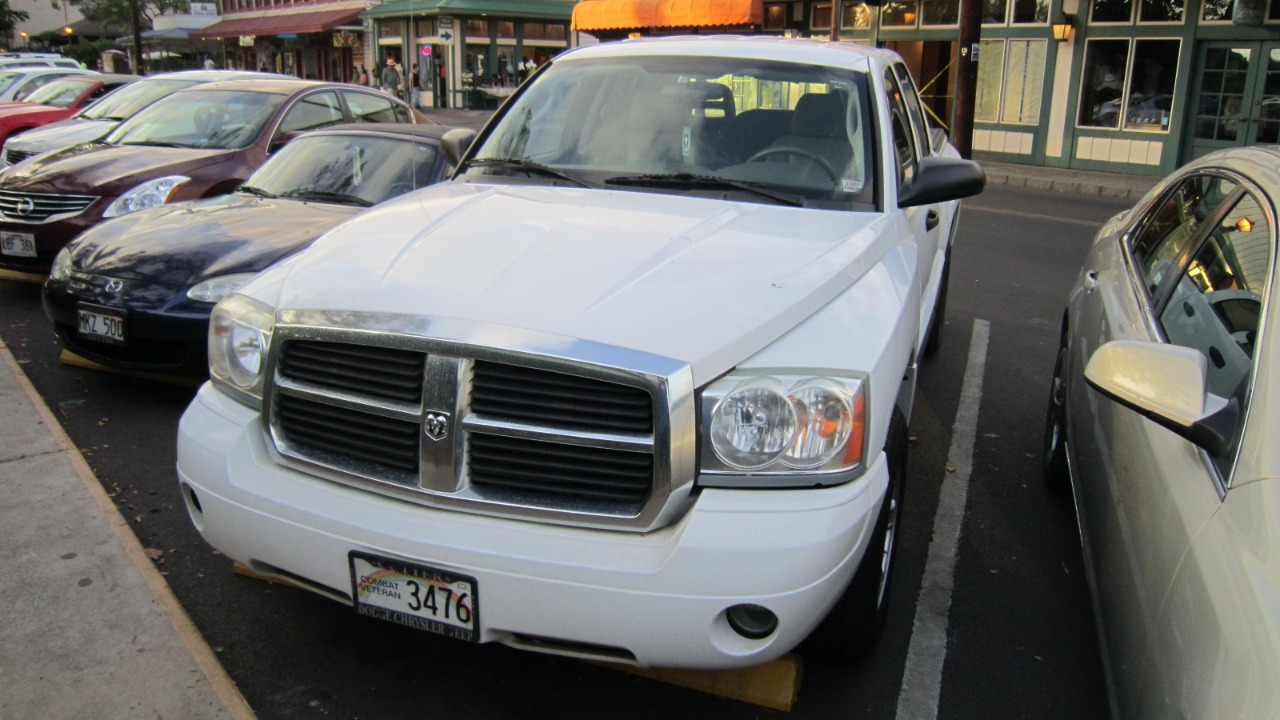
Dodge Dakota
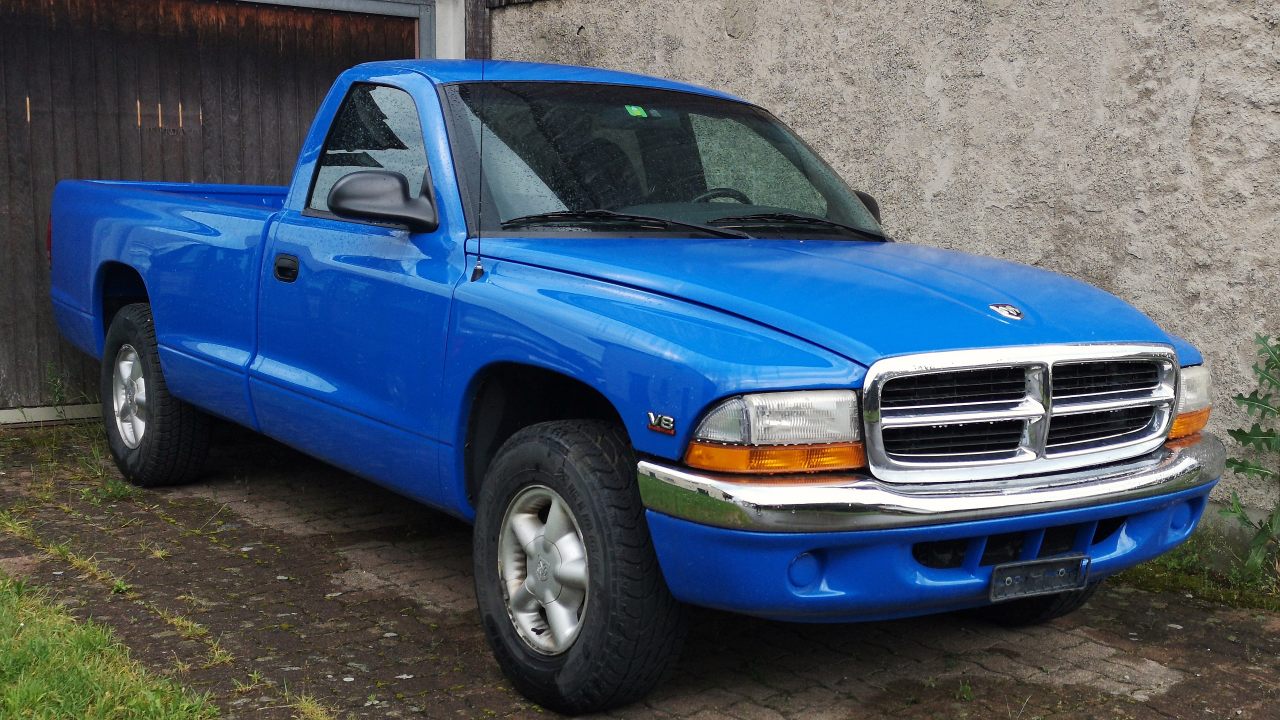
The Dodge Dakota successfully bridged the gap between compact and full-size pickups. It provided meaningful towing and hauling capability while remaining easier to drive than many larger trucks. Owners appreciated its versatility, using it for work responsibilities, family transportation, and recreational activities. The Dakota showed that a truck did not need massive dimensions to be highly capable. For many drivers, it represented the ideal balance between practicality, performance, and everyday usability.
GMC Canyon (First Generation)
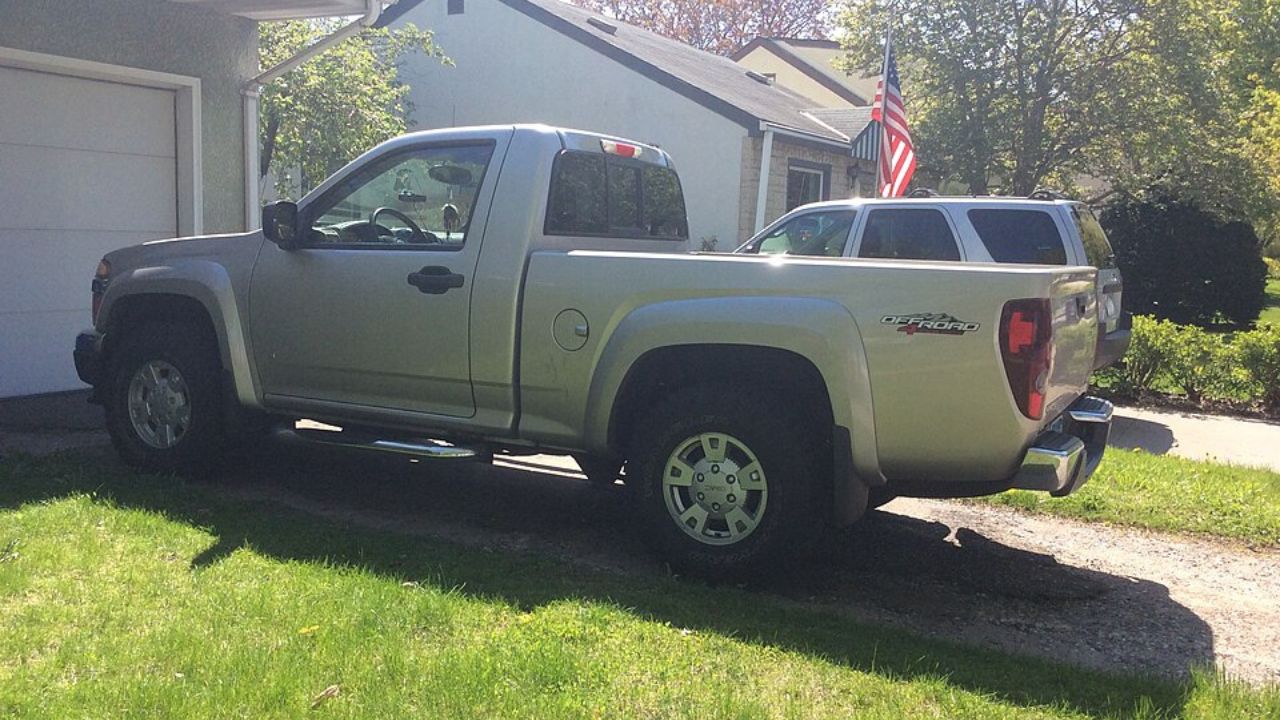
The first-generation GMC Canyon offered truck buyers a practical solution that avoided the drawbacks of increasingly large pickups. Its midsize design provided enough capability for hauling, towing, and daily transportation while remaining comfortable and manageable. Owners frequently praised its ability to handle real-world tasks without feeling oversized. By focusing on usable performance rather than maximum specifications, the Canyon encouraged many drivers to rethink how much truck they actually needed.
Isuzu Hombre
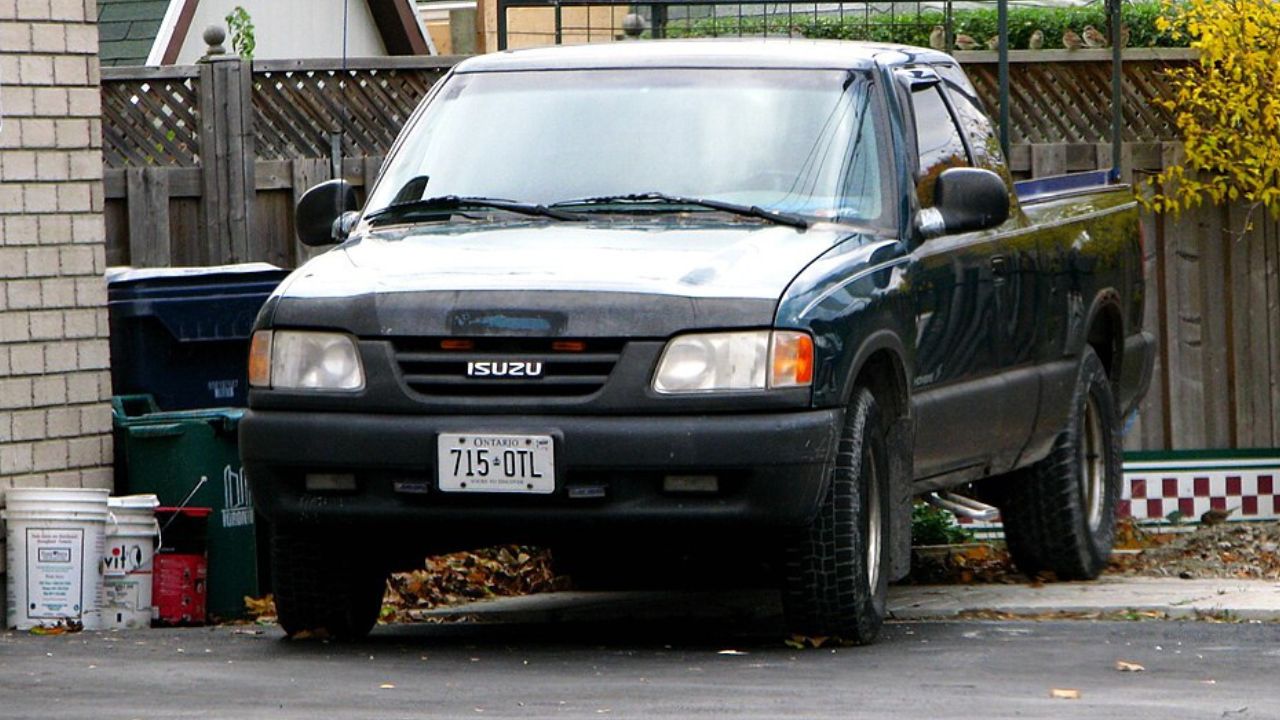
The Isuzu Hombre rarely attracted significant attention, but it quietly delivered dependable utility for owners who valued practicality. Its straightforward design and compact dimensions made it well suited for everyday hauling and transportation duties. Owners appreciated its affordability and ease of use, especially compared with larger trucks that offered more capability than they would ever utilize. The Hombre demonstrated that usefulness is often determined by meeting actual needs rather than impressive marketing claims.
More from Fast Lane Only
- Unboxing the WWII Jeep in a Crate
- 15 rare Chevys collectors are quietly buying
- 10 underrated V8s still worth hunting down
- Police notice this before you even roll window down
*Research for this article included AI assistance, with all final content reviewed by human editors