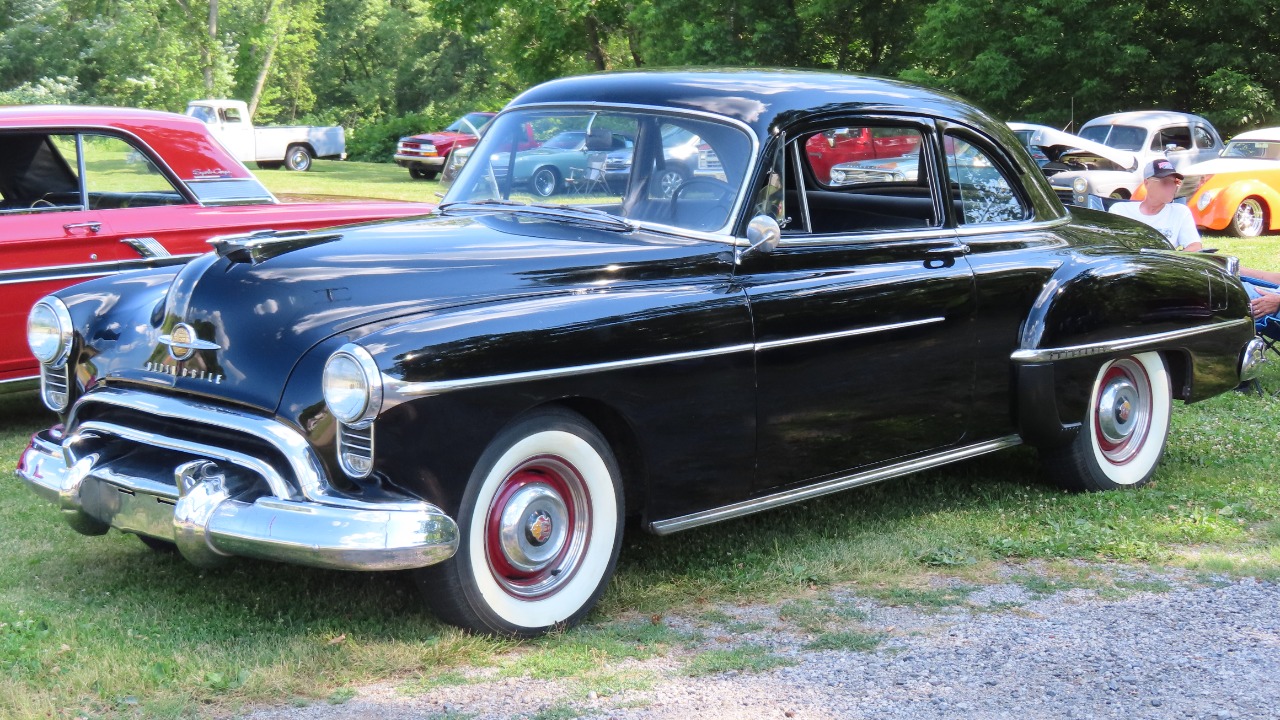
Oldsmobile built cars with a personality that is increasingly difficult to find today. Some were enormous cruisers, others were surprisingly sporty, and a few introduced technology that seemed unusual for their time. They were often designed around comfort, distinctive styling, and mechanical character rather than the efficiency and uniformity expected from modern cars. These twelve Oldsmobiles capture just how different American cars once were.
Oldsmobile 88
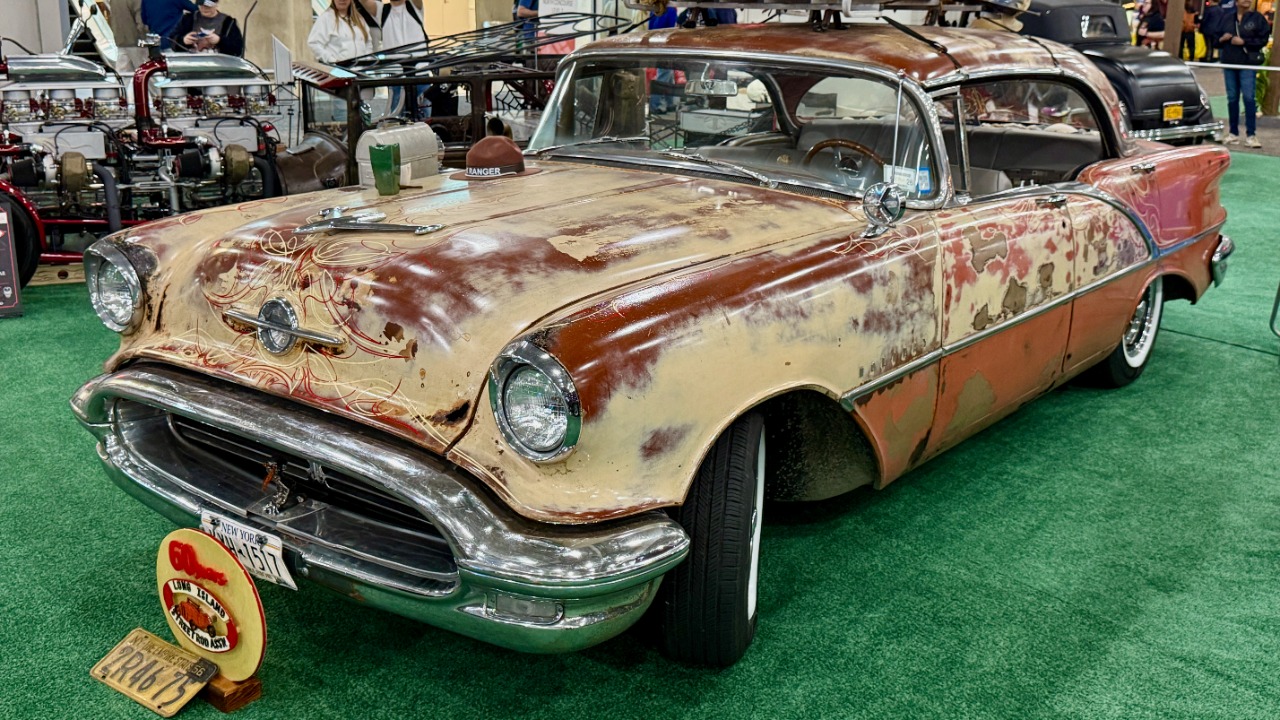
The Oldsmobile 88 became one of the brand’s longest-running nameplates, combining a spacious cabin with strong V8 power and effortless highway manners. It could serve as a family car, commuter, or comfortable long-distance cruiser without trying to be anything else. Its traditional proportions and body-on-frame construction on earlier generations give surviving examples a character that modern sedans simply cannot replicate.
Oldsmobile 98
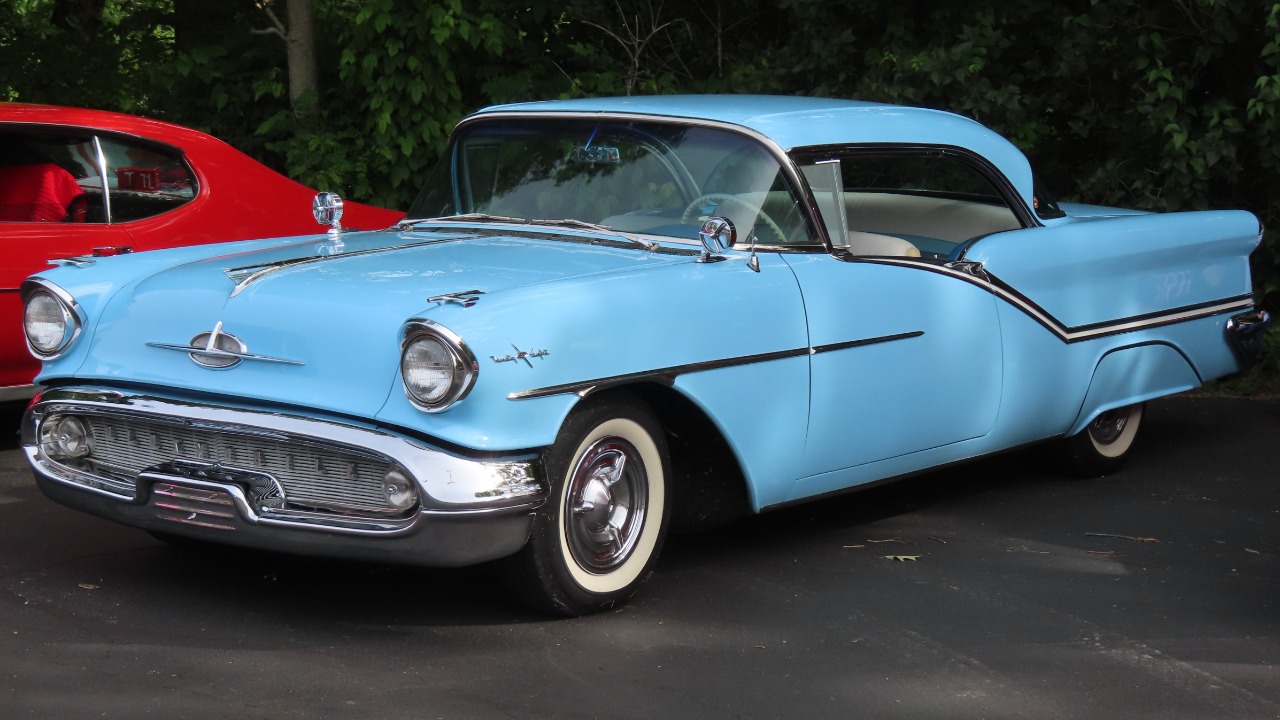
The Oldsmobile 98 represented American luxury at a time when size and comfort were major selling points. Its broad body, generous interior, plush appointments, and powerful engines made ordinary trips feel more substantial. Earlier versions could be remarkably imposing on the road. A well-preserved 98 today offers a glimpse at an era when a luxury sedan was expected to make a physical impression.
Oldsmobile Cutlass
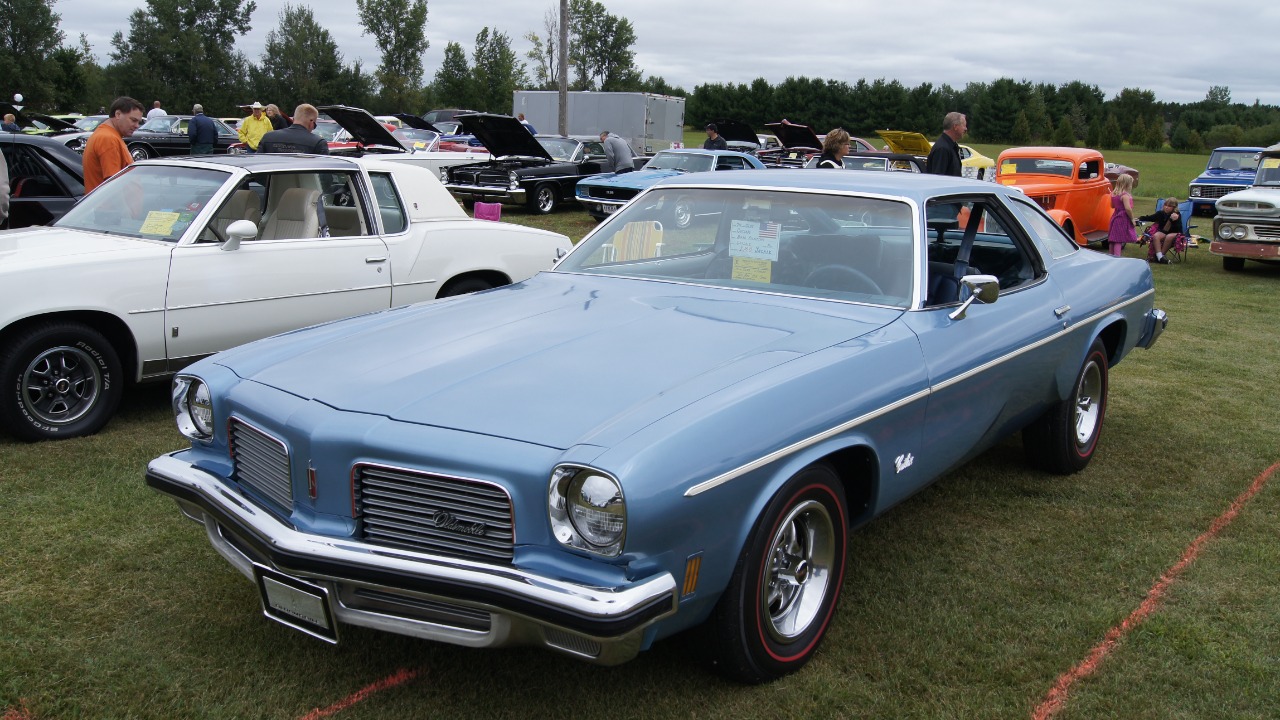
The Oldsmobile Cutlass became one of America’s most familiar personal cars, but its various generations offered far more character than the name suggests. Distinctive styling, comfortable interiors, and available V8 power helped make it a favorite across several decades. Unlike today’s highly standardized vehicles, different Cutlass generations could have remarkably different personalities while still carrying the same famous badge.
Oldsmobile Cutlass Supreme
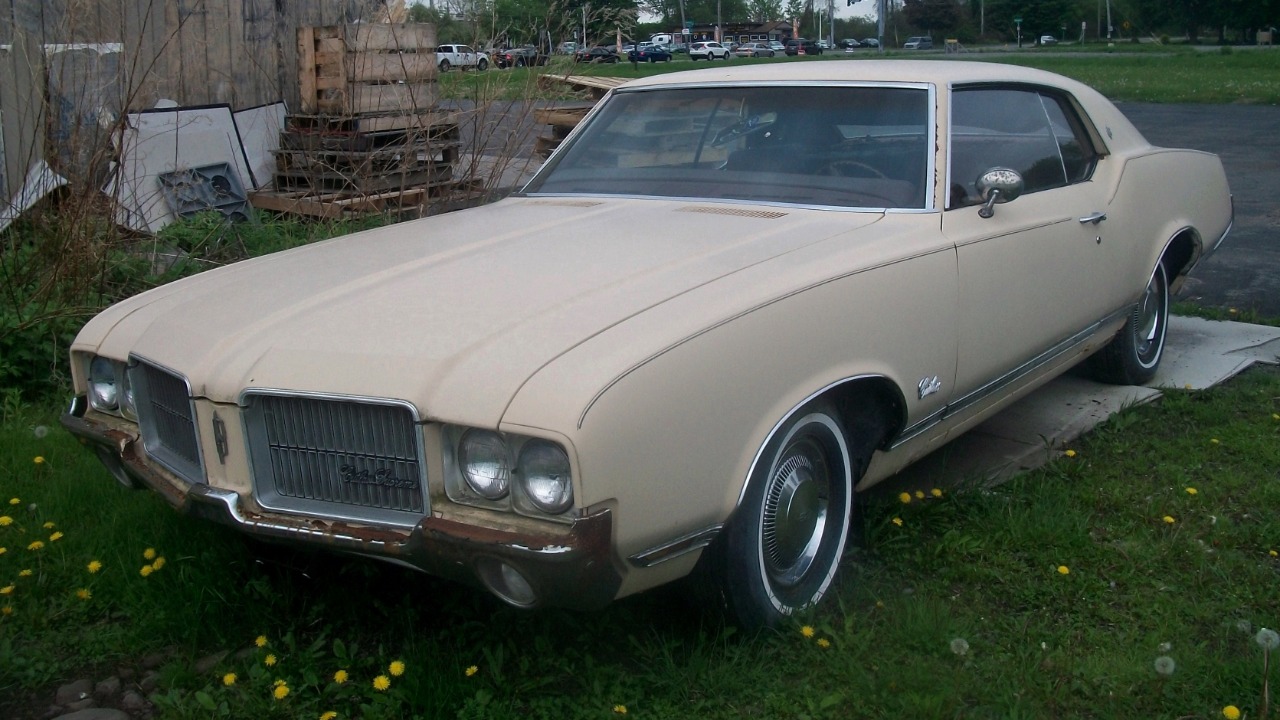
The Cutlass Supreme moved the Oldsmobile formula toward personal luxury with more sophisticated styling and a more comfortable interior. Its sweeping rooflines and long proportions gave it a distinctive presence on American roads. V8 power remained available, allowing the car to retain some performance character. It was an everyday luxury coupe that now represents a type of American car that has largely disappeared.
Oldsmobile 76
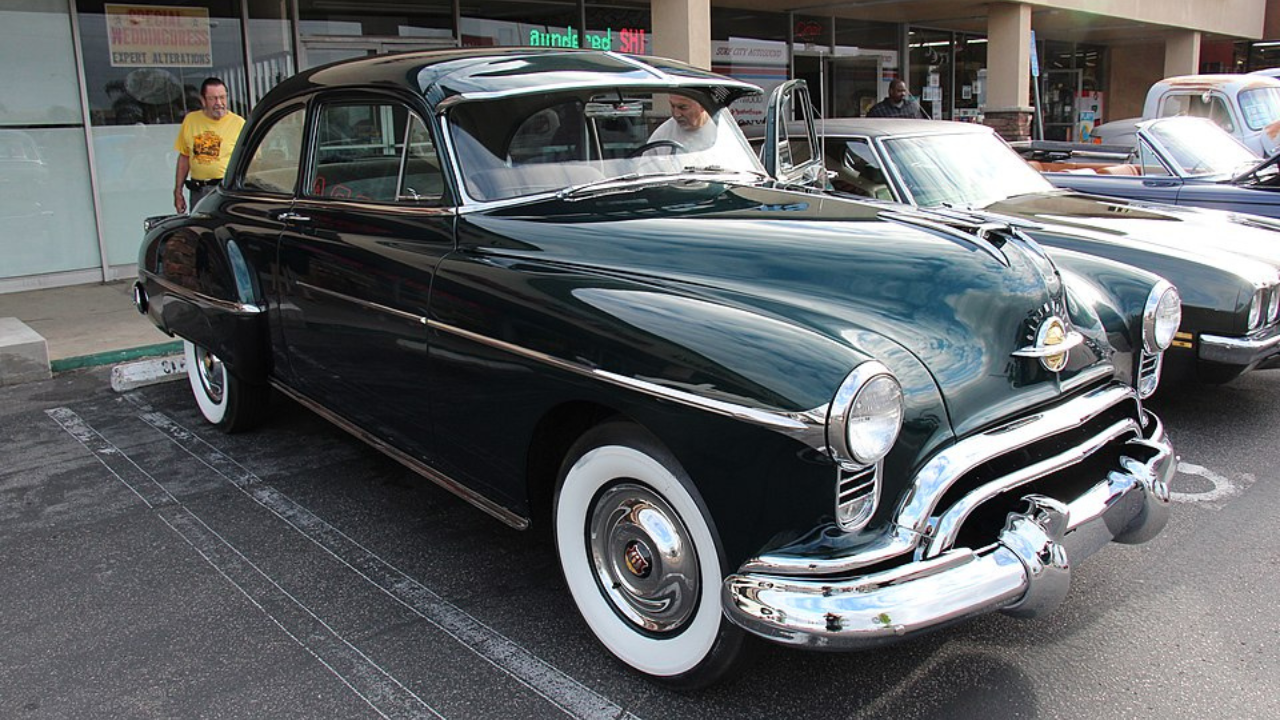
The Oldsmobile 76 was a full-size sedan built during an era when American manufacturers were embracing powerful engines and substantial construction. Its straightforward engineering reflected a time when mechanical simplicity was highly valued. The large cabin and conventional layout made it a practical family car as well. Surviving examples now provide a remarkable window into postwar American automotive design.
Oldsmobile Super 88
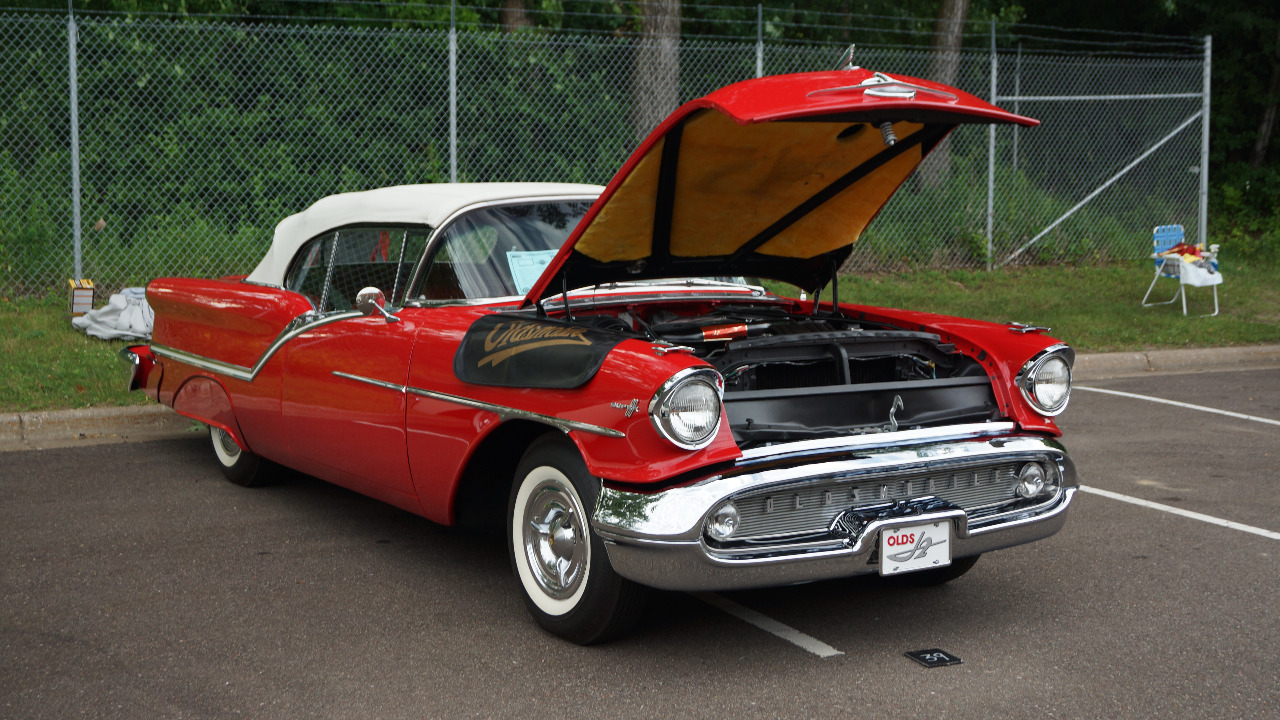
The Super 88 combined a substantial body with Oldsmobile’s increasingly powerful V8 engines, creating a comfortable car with plenty of highway performance. Its dramatic chrome, sweeping proportions, and spacious cabin captured the optimism of its era. It was never meant to be subtle. Today, a restored Super 88 can look almost impossibly large and elaborate compared with anything sold as a mainstream sedan.
Oldsmobile 98 Regency
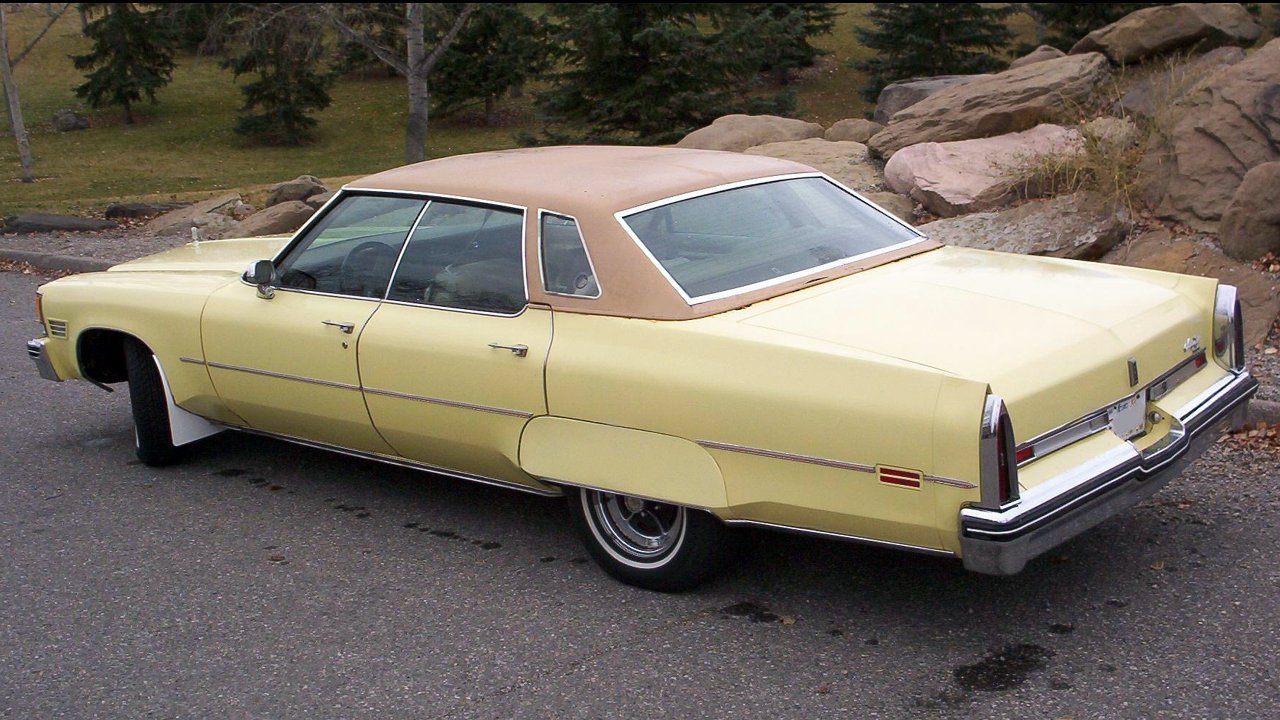
The 98 Regency brought an especially plush interpretation of Oldsmobile’s traditional full-size luxury formula. Soft seating, extensive trim, a smooth ride, and a large cabin made it feel more like a private lounge than ordinary transportation. Its formal styling also gave it considerable road presence. Cars like the Regency demonstrate how much emphasis American manufacturers once placed on comfort and visual prestige.
Oldsmobile Cutlass Calais
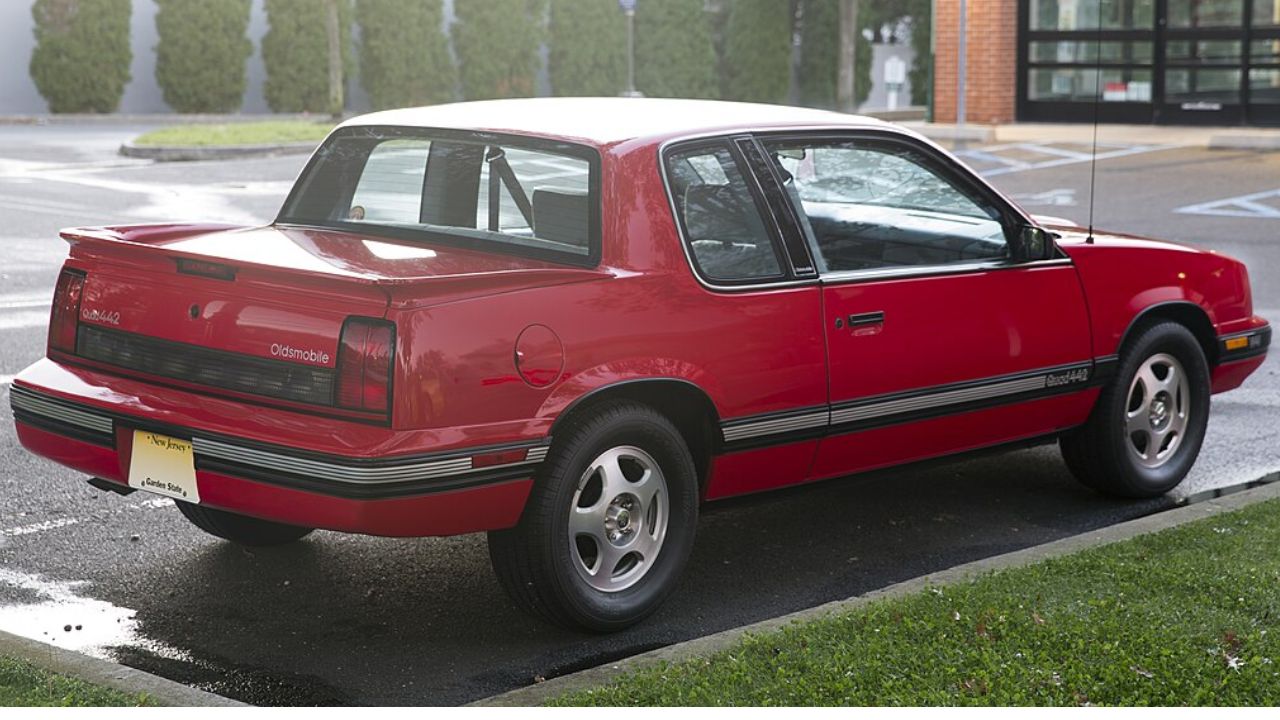
The Cutlass Calais represented a smaller and sportier side of Oldsmobile. Its compact dimensions made it easier to maneuver, while available performance-oriented versions gave it more personality than its practical appearance suggested. It was also representative of an era when manufacturers could offer multiple distinct body styles and trims within one model family. Clean examples are now increasingly unusual.
Oldsmobile Cutlass Ciera
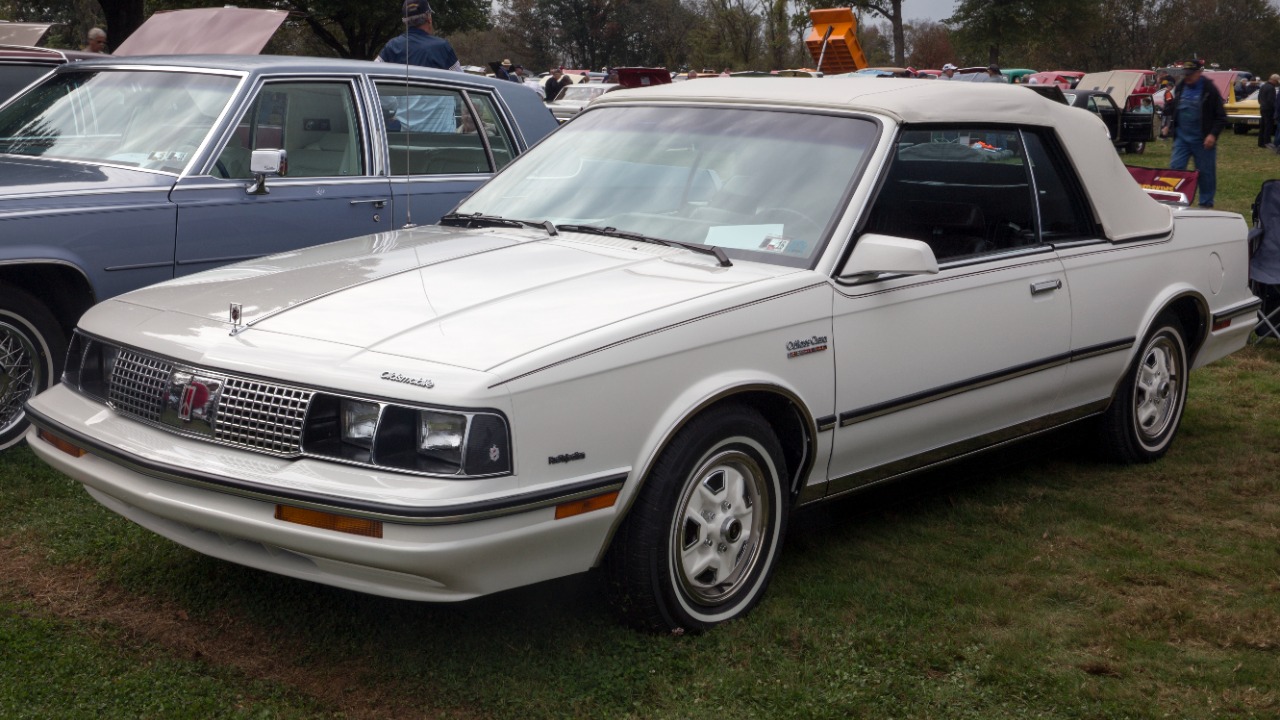
The Cutlass Ciera was built as practical family transportation, yet it has become an interesting reminder of how American manufacturers approached everyday cars during the 1980s and 1990s. Its comfortable cabin, upright proportions, and simple controls prioritized usability. Millions of ordinary miles were accumulated in these cars, but relatively few were preserved. That makes an original example surprisingly nostalgic today.
Oldsmobile Silhouette

The Oldsmobile Silhouette showed how dramatically the minivan could be transformed into something more upscale. Its rounded body, flexible interior, sliding doors, and available luxury equipment made it a practical family vehicle with a distinctly Oldsmobile personality. It reflected an era when even a family van could receive considerable attention to comfort and styling.
Oldsmobile Bravada
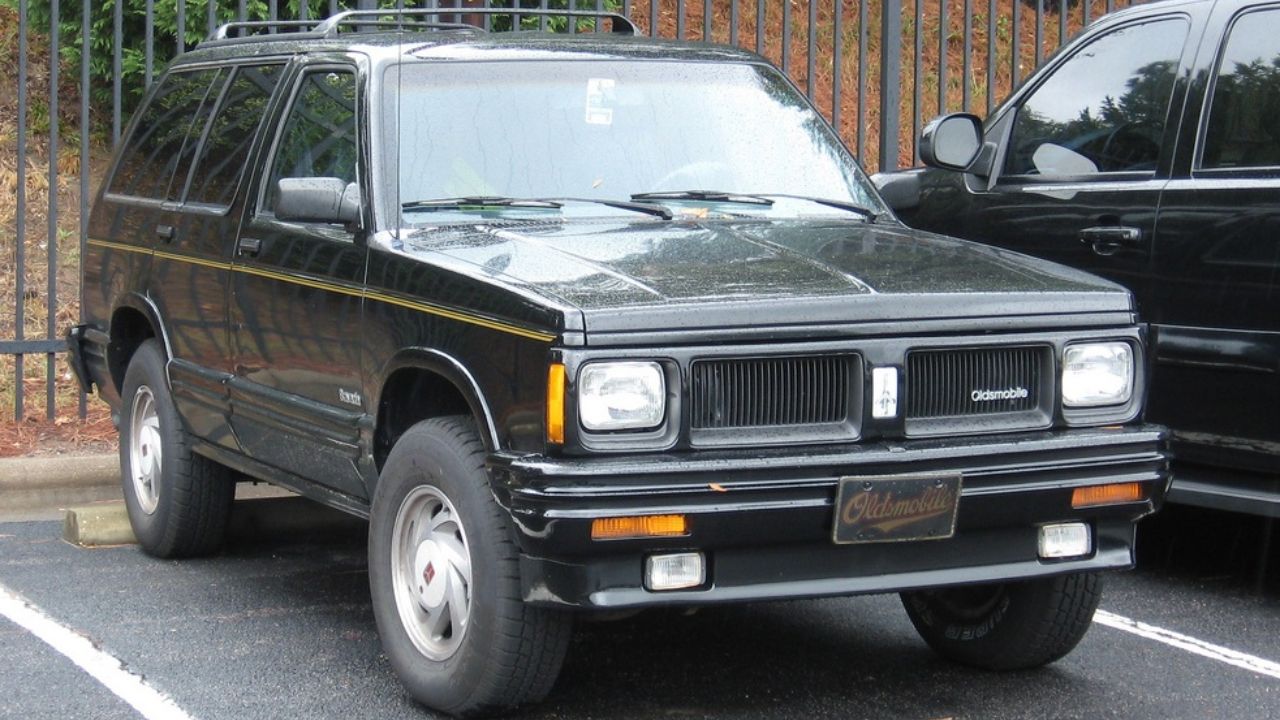
The Oldsmobile Bravada represented the brand’s move into the growing sport-utility market. Its truck-based foundation gave it genuine utility, while a more comfortable interior and Oldsmobile-specific styling aimed it at buyers who wanted something more refined. The Bravada now provides an interesting snapshot of the period when traditional American brands were adapting their identities to the SUV boom.
Oldsmobile Cutlass Cruiser
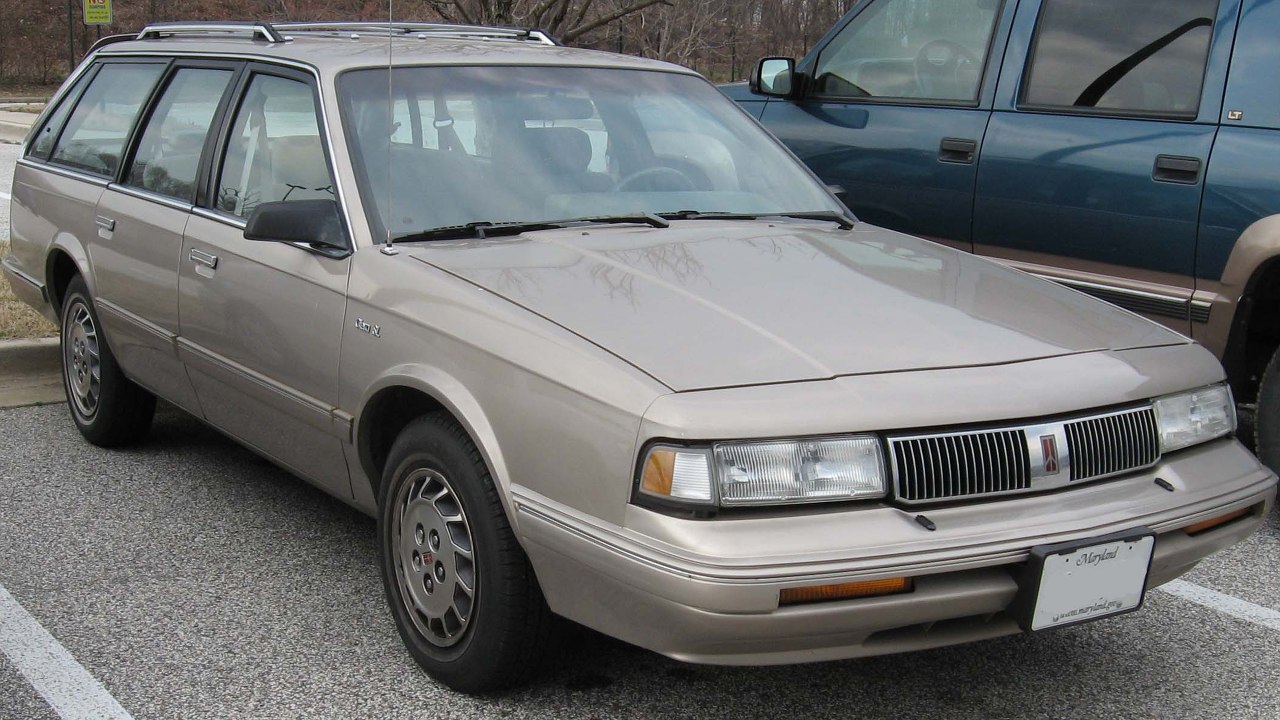
The Cutlass Cruiser combined the practicality of a station wagon with the comfortable character expected from Oldsmobile. Its long roof and useful cargo area made it ideal for families, road trips, and everyday hauling. It was rarely treated as something special when new, which is precisely why surviving examples are interesting today. The Cruiser represents a type of practical American wagon that has almost completely vanished.
More from Fast Lane Only
- Unboxing the WWII Jeep in a Crate
- 15 rare Chevys collectors are quietly buying
- 10 underrated V8s still worth hunting down
- Police notice this before you even roll window down
*Research for this article included AI assistance, with all final content reviewed by human editors