You are watching expectations shift almost overnight, as a new wave of cars and SUVs makes you question what a “normal” vehicle should offer. From long-range electric power to off-road comfort and digital-first buying, these 14 models show how quickly your baseline can change. Each one hints at what your next test drive, and even your next purchase experience, is likely to look like.
Nissan Ariya

The Nissan Ariya shows how Future Cars are turning electric crossovers into everyday family choices, not niche tech toys. In plans shared by Nissan North America,, power comes from two motors that target strong acceleration while keeping efficiency high. You feel the shift most in how calm and quiet your commute becomes, yet you still get all-wheel drive confidence when the weather turns bad.
This kind of dual-motor setup also changes what you expect from cabin space and tech. Flat battery packaging frees up legroom, while large touchscreens and connected services make software updates feel as normal as on your phone. When a mainstream brand treats an EV as a core model, it pushes you to see electric power as the default, not the exception.
Honda Passport TrailSport
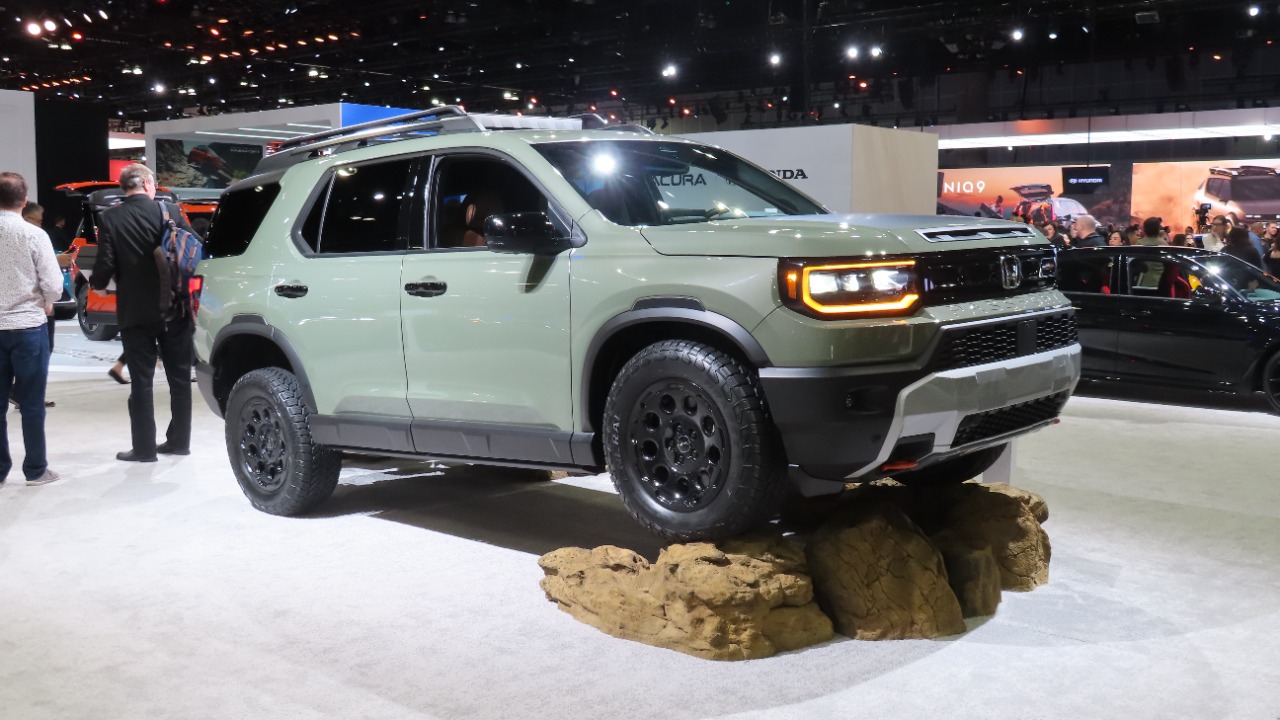
The Honda Passport TrailSport is built to convince you that a family SUV can be ready for dirt without turning into a stiff rock crawler. In a recent comparison of vehicles priced Under $75,000, the Honda Passport stood out as one of the Other contenders that blend everyday comfort with weekend capability. You get extra ground clearance, tougher tires, and skid plates, yet the interior still feels like a road-trip cruiser.
For you as a buyer, that mix resets the bar for what a mid-size SUV should handle. Instead of choosing between a soft highway ride and real trail hardware, you start to expect both. That expectation then spills over into how you judge rivals, from noise levels on gravel to how stable the suspension feels on broken pavement.
Genesis GV60
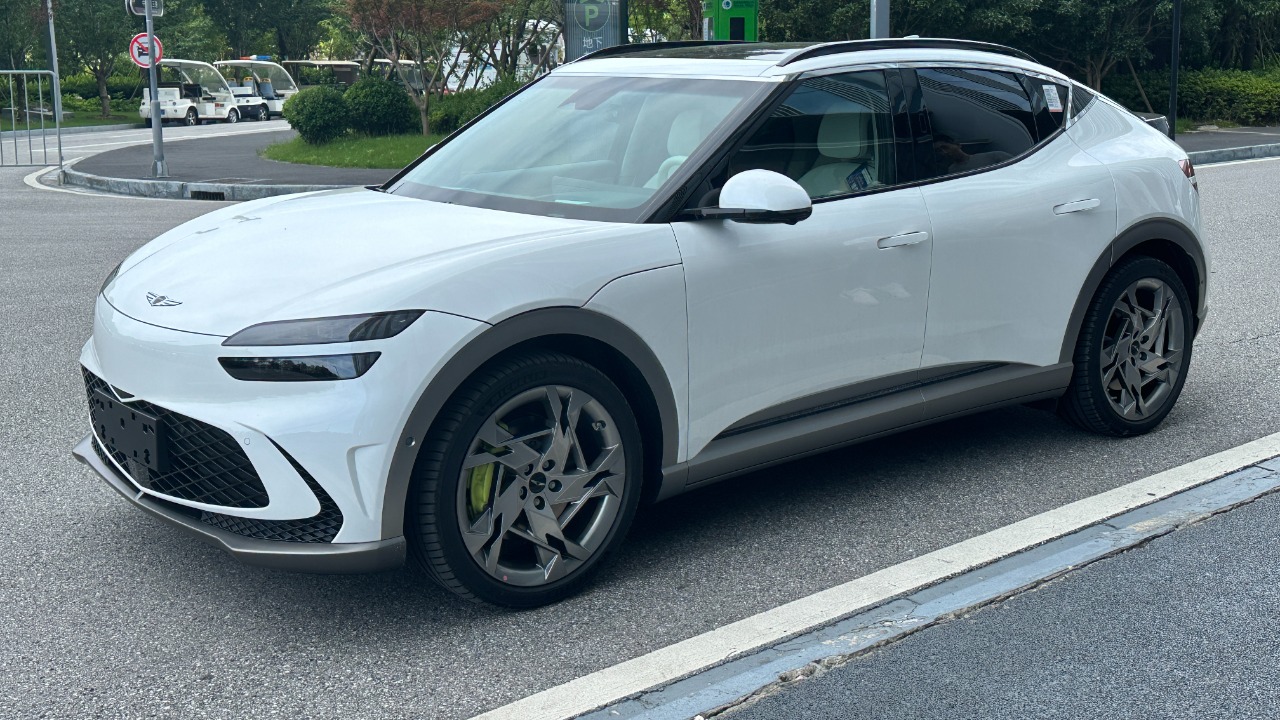
The Genesis GV60 is the kind of electric crossover that makes you rethink what “premium” means. Rather than just adding leather and chrome, it leans into clean design and advanced driver aids to make daily driving less tiring. In the same Under $75,000 group of Other contenders, the Genesis name appears alongside established luxury brands, which signals how quickly expectations are shifting.
Inside, the GV60 uses a minimalist layout and digital displays to keep your focus on the road rather than a clutter of buttons. Features like one-pedal driving and smart energy management help you stretch range without thinking about it. Once you experience that smooth, quiet power and the calm cabin, it becomes hard to accept older, noisier designs at similar prices.
Genesis GV70
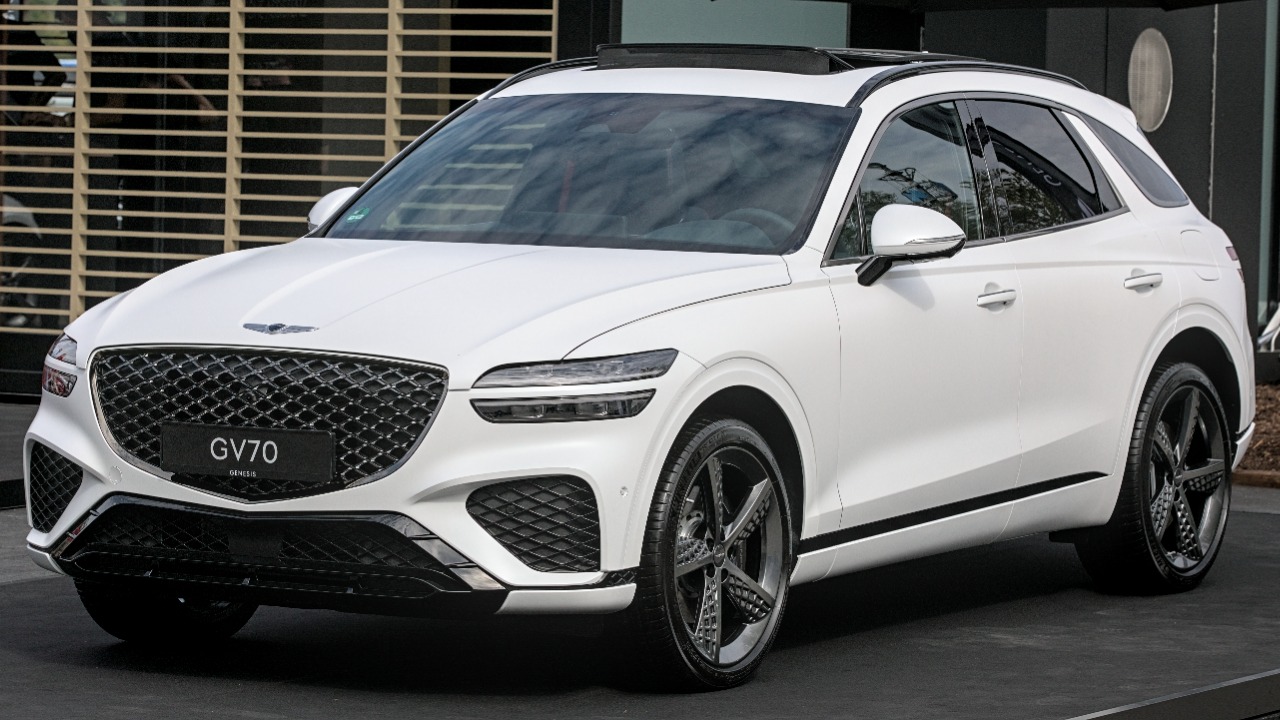
The Genesis GV70 targets buyers who want a compact luxury SUV that still feels special every time they drive it. As one of the Other contenders in the Under $75,000 category, it shows how far styling and interior quality have moved in a short time. You get bold lines outside and a cabin that mixes soft-touch materials with crisp screens, so the whole experience feels upscale before you even start the engine.
On the road, the GV70 balances quick acceleration with a quiet ride, which changes what you expect from a small SUV that still needs to handle school runs and grocery trips. When a model at this price point offers advanced safety tech, strong performance, and a refined interior, it pushes you to demand more from every future test drive.
Kia EV6 GT
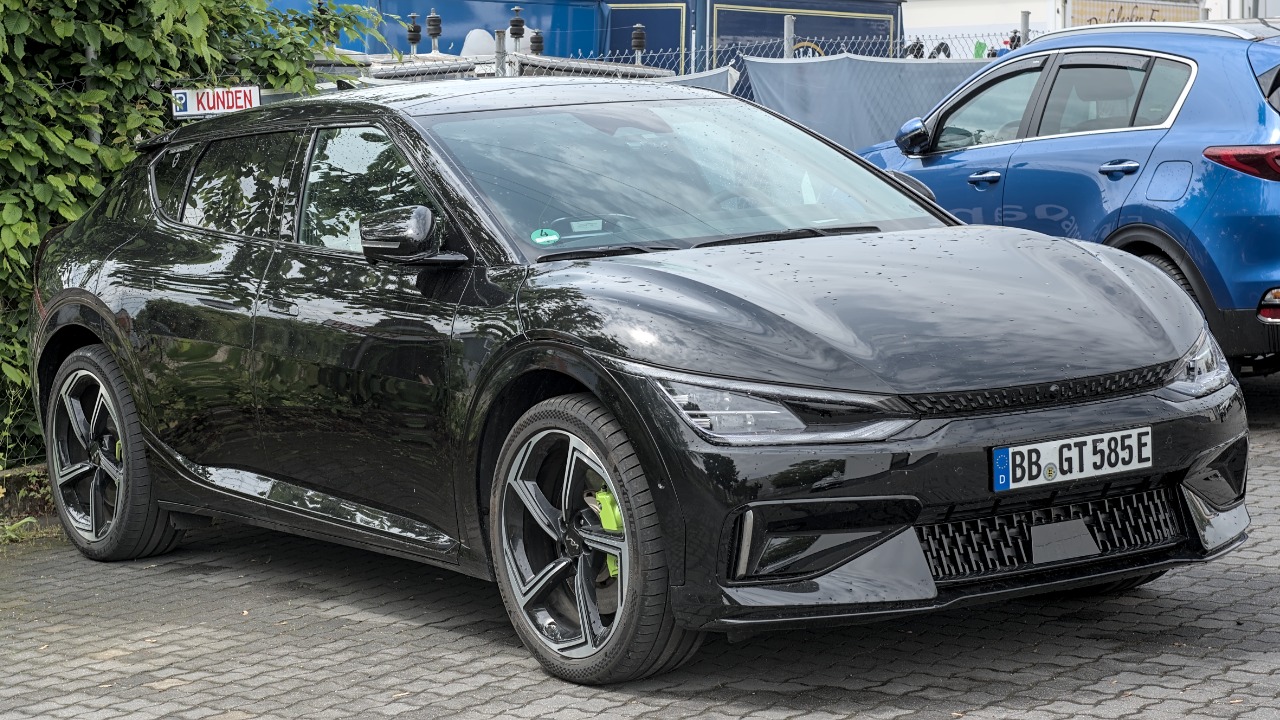
The Kia EV6 GT proves that an electric family car can feel like a performance machine without giving up practicality. As another Kia entry among the Other contenders in the Under $75,000 group, it uses powerful motors and a low-slung stance to deliver sports-car levels of speed. You still get four doors and seating for five, so daily use does not suffer.
That mix of speed and space shifts your expectations of what a family EV should deliver. Instead of seeing electric cars as slow or compromised, you start to see them as the quickest option on the lot. Once you feel instant torque in a roomy cabin, it becomes harder to accept sluggish acceleration or dated interiors in other models.
Toyota bZ4X
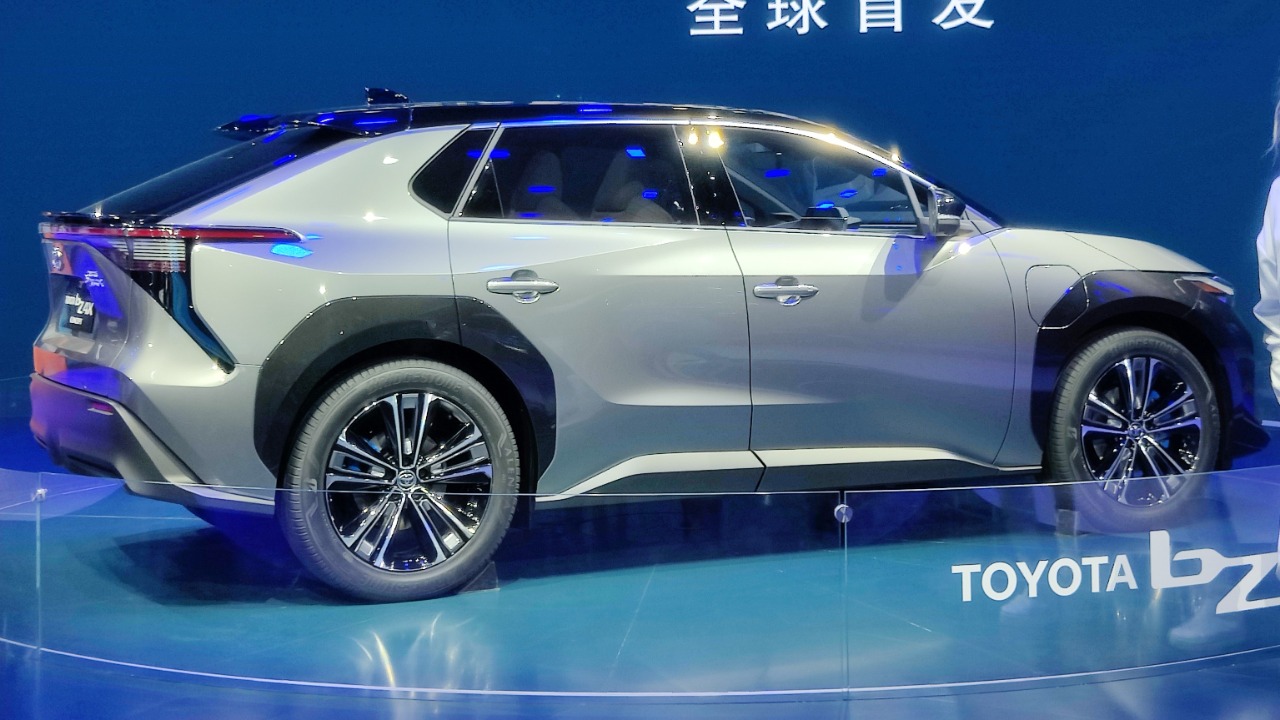
The Toyota bZ4X is designed to bring Toyota reliability into the electric age, which matters if you have been hesitant about battery-powered cars. As one of the Other contenders listed with the Kia and Genesis models Under $75,000, it shows how mainstream brands are moving beyond hybrids. You get a dedicated EV platform, a spacious interior, and a focus on efficiency.
For you, the big change is trust. When a company known for long-lasting engines backs a full electric SUV, it lowers the perceived risk of trying one. That confidence can reshape what you look for on a dealer lot, pushing you to compare battery warranties, charging times, and software support as closely as horsepower or cargo space.
Nissan LEAF
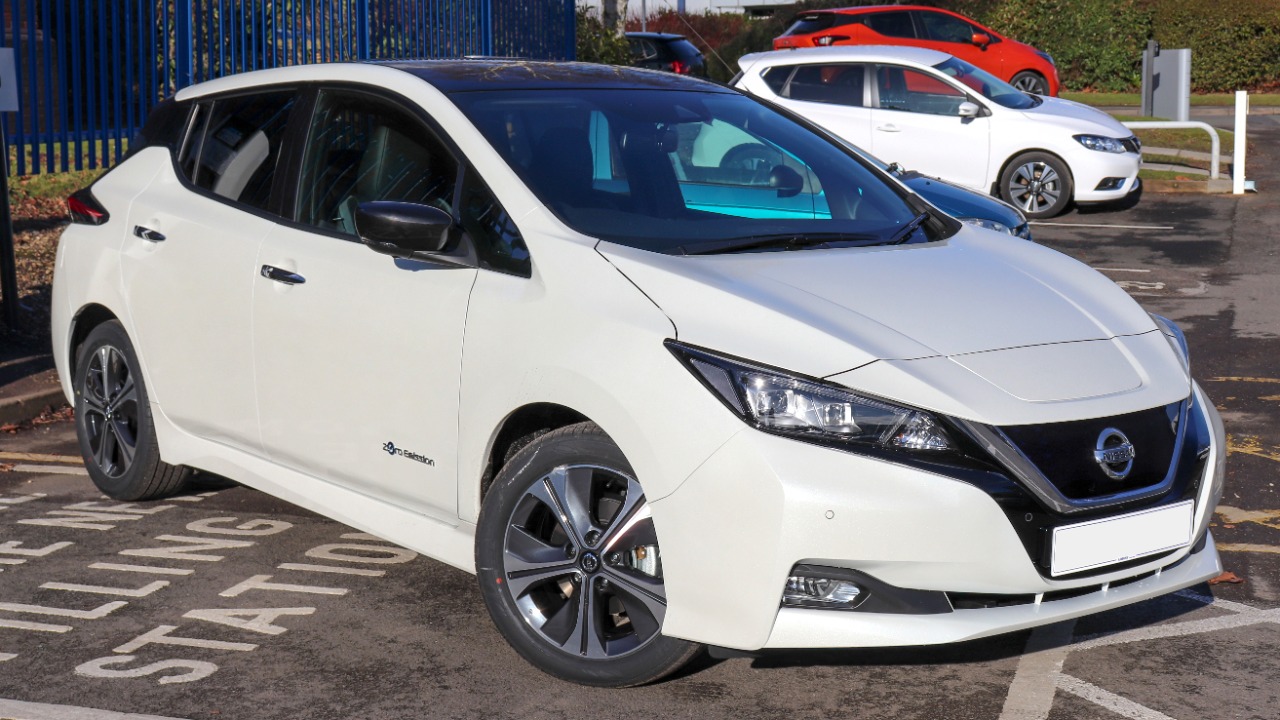
The Nissan LEAF has been around for years, yet it still plays a key role in shifting expectations about daily electric driving. As part of the Future Cars roadmap from Nissan North America,, the LEAF shows how steady improvements in range and charging can turn a compact hatchback into a realistic commuter for more people. You no longer need a luxury budget to drive electric.
By normalizing plug-in habits and quiet, low-cost commuting, the LEAF nudges you to see fuel stops differently. Instead of planning weekly gas runs, you start thinking about home outlets and public chargers near your workplace. That change in routine affects how you judge every future car, from energy costs to how often you need to stop on a long trip.
Nissan Maxima
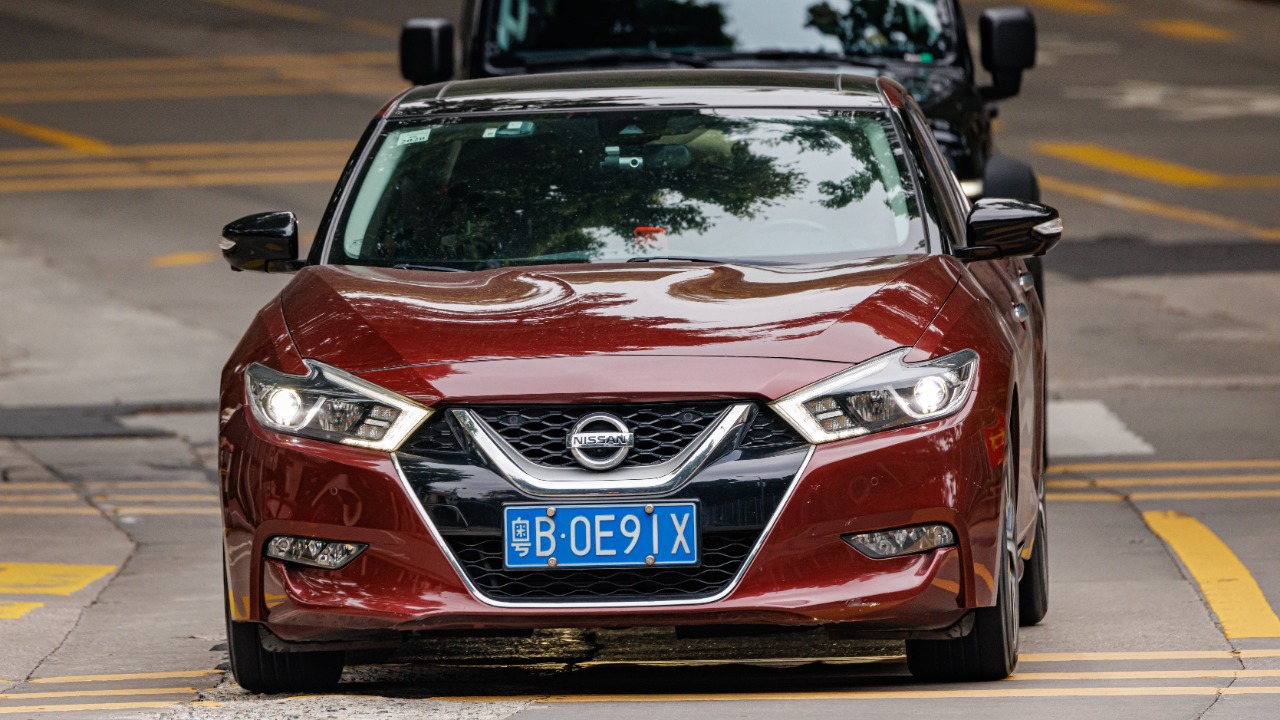
The Nissan Maxima has long pitched itself as a sportier sedan, and its future direction helps reset what you expect from four-door cars in a crossover-heavy market. In Future Cars planning shared by Nissan North America,, the Maxima is tied to more advanced powertrains and driver aids. That means a sedan can still feel exciting while offering modern safety and connectivity.
For buyers who are tired of tall SUVs, this matters. A lower center of gravity, sharper steering, and sleeker styling can make daily driving more fun without giving up comfort. When a familiar nameplate keeps evolving instead of fading away, it encourages you to keep sedans on your shopping list and expect more tech and efficiency from them.
Nissan Rogue

The Nissan Rogue is one of those crossovers you see everywhere, which is exactly why its upgrades change expectations so quickly. As part of the Future Cars push from Nissan North America,, the Rogue leans on efficient engines and advanced driver assistance to make long drives less tiring. You get features like adaptive cruise control and lane centering in a package aimed at families.
Because the Rogue sells in high numbers, any new tech it adds becomes something you soon expect in every rival. Once you get used to semi-automated help in traffic or clear 360-degree camera views for parking, it feels strange to step into a model that lacks them. That ripple effect is how one mainstream SUV can quietly raise the bar for the whole segment.
Kia EV9
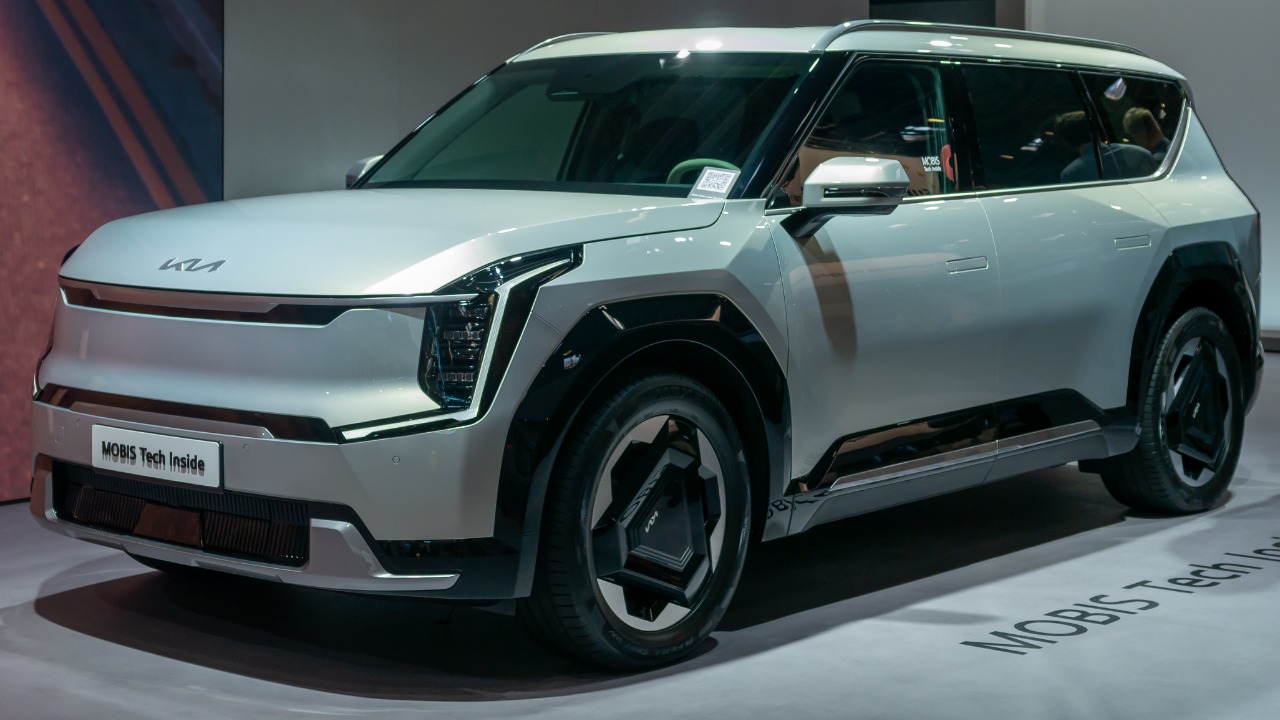
The Kia EV9 brings full-size SUV space into the electric world, which changes what you expect if you have a big family or tow toys. Built on the same electric mindset as the Kia EV6 GT, and appearing alongside Kia in the Under $75,000 discussions, the EV9 shows how three-row seating and strong towing can pair with battery power. You no longer have to choose between size and lower emissions.
For you, that means range and Charging access become central questions. Research into Automotive trends notes that 70% of US consumers still cite range anxiety, which makes large EVs a key test of trust. If the EV9 can cover family road trips without drama, it will reset what you believe a big SUV should deliver.
Honda Prologue
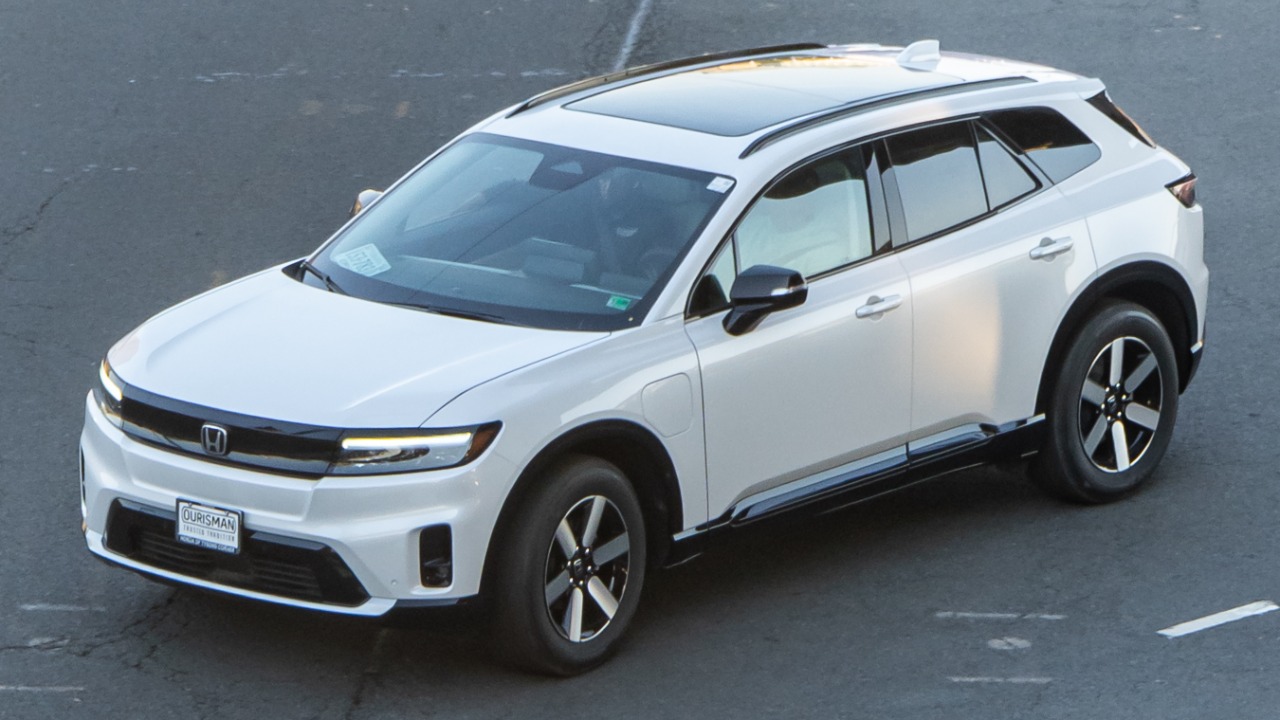
The Honda Prologue is Honda’s first mass-market electric SUV, and it aims to make the switch from gas as painless as possible. Built to sit alongside the Honda Passport in showrooms, it offers familiar Honda ergonomics with a battery pack and electric motors underneath. That means you get the driving position and controls you expect, but with quiet power and fewer moving parts to maintain.
For buyers, the Prologue helps bridge the gap between old habits and new tech. When a brand you already trust for reliability offers a full EV, you are more likely to compare lease deals, charging options, and total ownership costs. That comparison can push you to see electric models as the default choice for your next family vehicle.
Hyundai Ioniq 5

The Hyundai Ioniq 5 is one of the clearest examples of how electric design can change your sense of space and style. Its long wheelbase and short overhangs create a roomy cabin that feels more like a small living room than a traditional car interior. Flat floors and flexible seating let you slide and recline chairs in ways that would be impossible with a big transmission tunnel.
Beyond layout, the Ioniq 5 supports fast Charging that can top up the battery quickly on a road trip. That helps address the 70% of US consumers who still worry about range, as highlighted in recent Charging research. Once you see a family EV add hundreds of miles in the time it takes for a coffee break, your expectations for every future charger and vehicle change.
Tesla Model 3

The Tesla Model 3 has already shifted what many drivers expect from software, range, and performance, but its impact on the buying process may be even bigger. Research into how electric vehicles are reshaping the car buying journey shows that more shoppers want direct online ordering and over-the-air updates. The Model 3 helped normalize that by letting you configure and purchase the car almost entirely through a website or app.
When you get used to tracking delivery status on your phone and seeing new features appear after a software download, traditional dealer visits can feel outdated. Insights from electric vehicles research suggest that this digital-first mindset is spreading across brands. As more companies copy that model, you will expect transparent pricing, simple financing, and fewer hours spent in a showroom.
Ford Mustang Mach-E
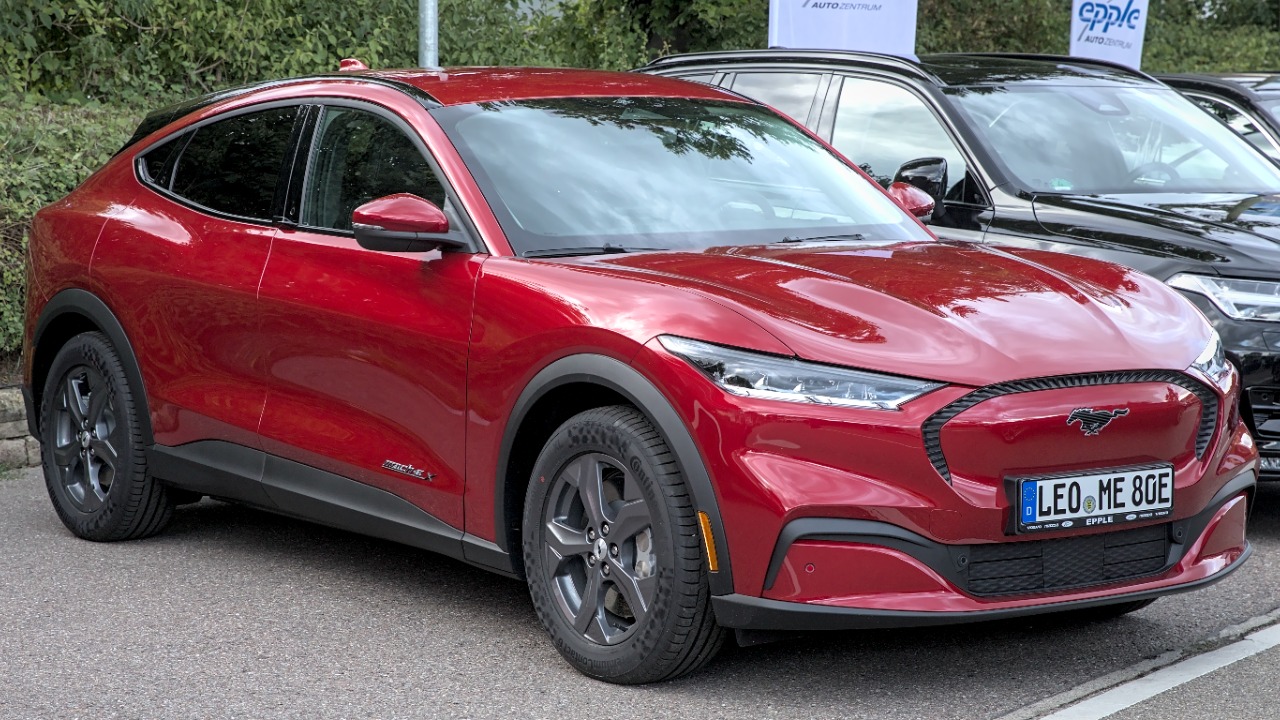
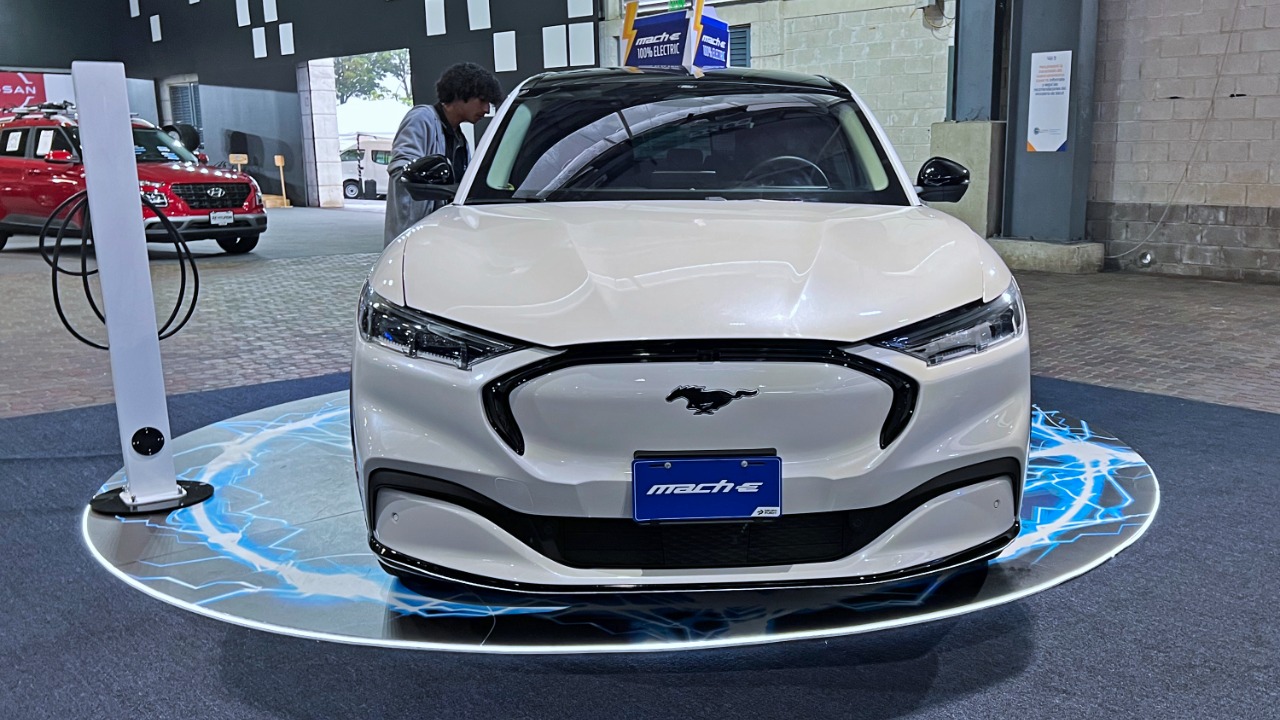
The Ford Mustang Mach-E takes a name linked to classic muscle and applies it to a modern electric crossover, which sends a strong signal about where performance is heading. You get quick acceleration, rear- or all-wheel drive, and a driving position that feels sportier than many SUVs. At the same time, the Mach-E offers a roomy rear seat and a practical hatch, so it fits daily life.
By attaching the Mustang badge to an EV, Ford tells long-time fans that electric power is not a compromise but a new form of fun. That move nudges you to judge future performance cars by how quickly they charge and how quiet they are, not just by exhaust sound. When even icons go electric, your baseline for what a thrilling car should be shifts almost overnight.
More from Fast Lane Only