Drivers are quietly voting with their feet, and some once-hyped models are now sitting on lots while shoppers move on. You see it in falling loyalty, discontinued nameplates, and heavy discounts that still do not move the metal. If you are trying to avoid a regret purchase, these nine cars show where buyers are walking away lately and why.
Jeep Wagoneer
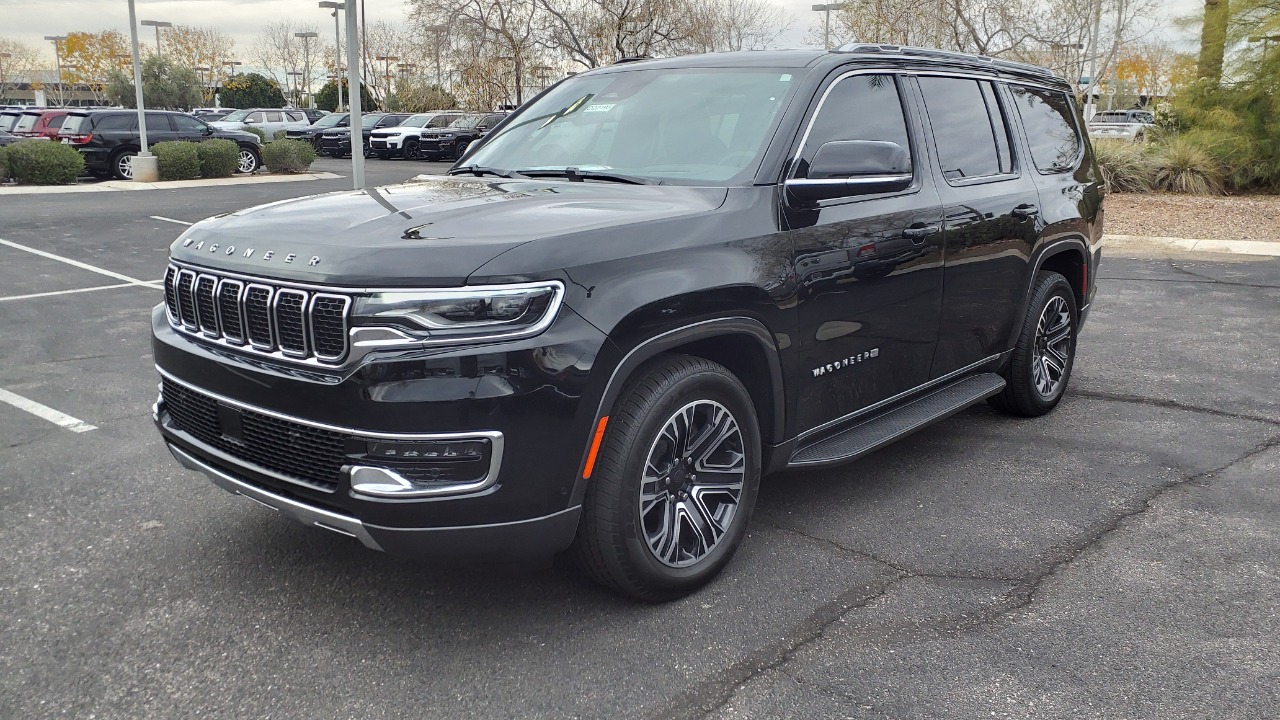
The Jeep Wagoneer was supposed to be a halo return for the brand, but shoppers are backing off. In a review of early 2025 results, the full-size Wagoneer landed in the Losers column, right alongside the Jeep Wagoneer and Grand Wagoneer. The report notes that the Jeep Wagoneer and Grand Wagoneer have never matched the popular core Jeep models, even with big marketing pushes.
For you as a buyer, that slump matters. Slow demand can mean large incentives now but weaker resale later, especially in a segment where fuel costs and size already limit interest. If you like the Wagoneer’s space, you may find a deal, yet you also risk owning a model that signals the moment shoppers decided huge, thirsty SUVs were no longer worth the trade-offs.
Jeep Grand Wagoneer
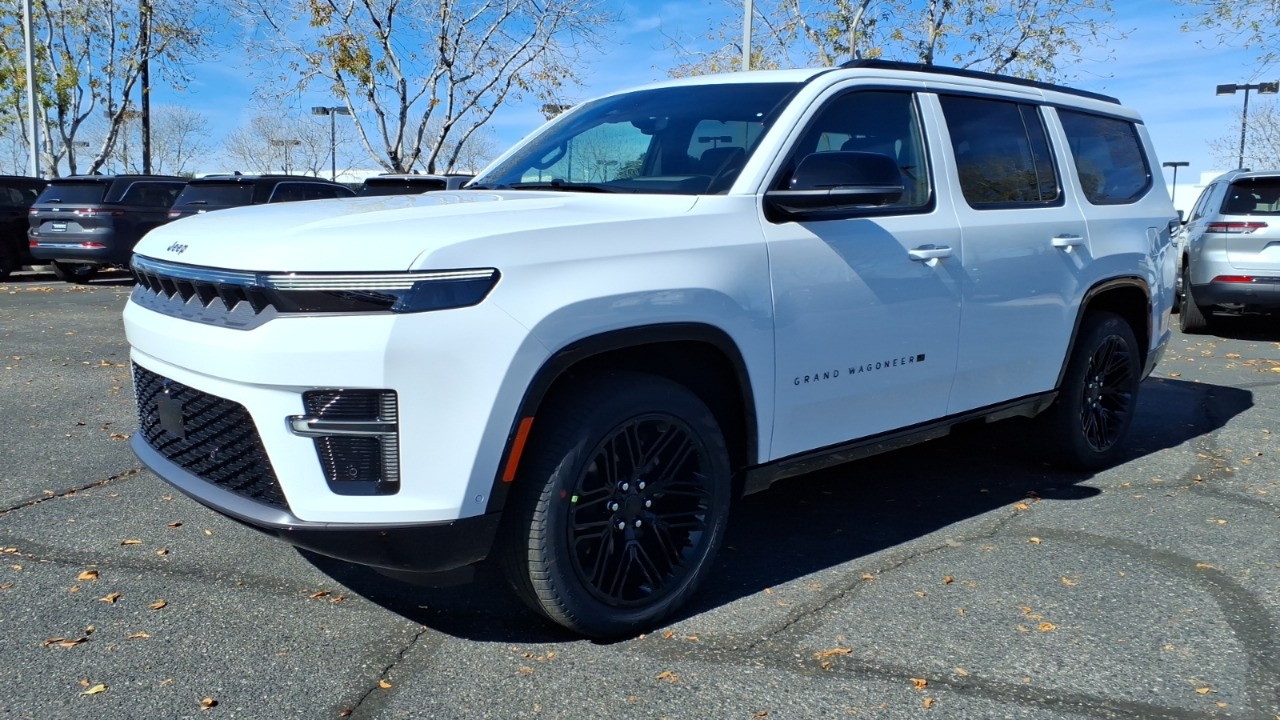
The Jeep Grand Wagoneer takes the Wagoneer formula and adds more chrome, more leather, and a much higher price, and that is exactly where buyers are pushing back. The same Q1 review that flagged the Wagoneer as a loser also called out the Jeep Wagoneer and as struggling to gain traction. When a brand’s most expensive SUV cannot keep up with demand for its cheaper siblings, that is a clear sign shoppers are walking away.
For you, the risk is paying luxury money for a model that behaves like a niche experiment. Heavy depreciation, high insurance, and premium fuel needs can stack up quickly. Many families are instead choosing three-row crossovers that cost less, ride softer, and do not feel like overkill in tight parking lots or city streets.
Tesla Model 3
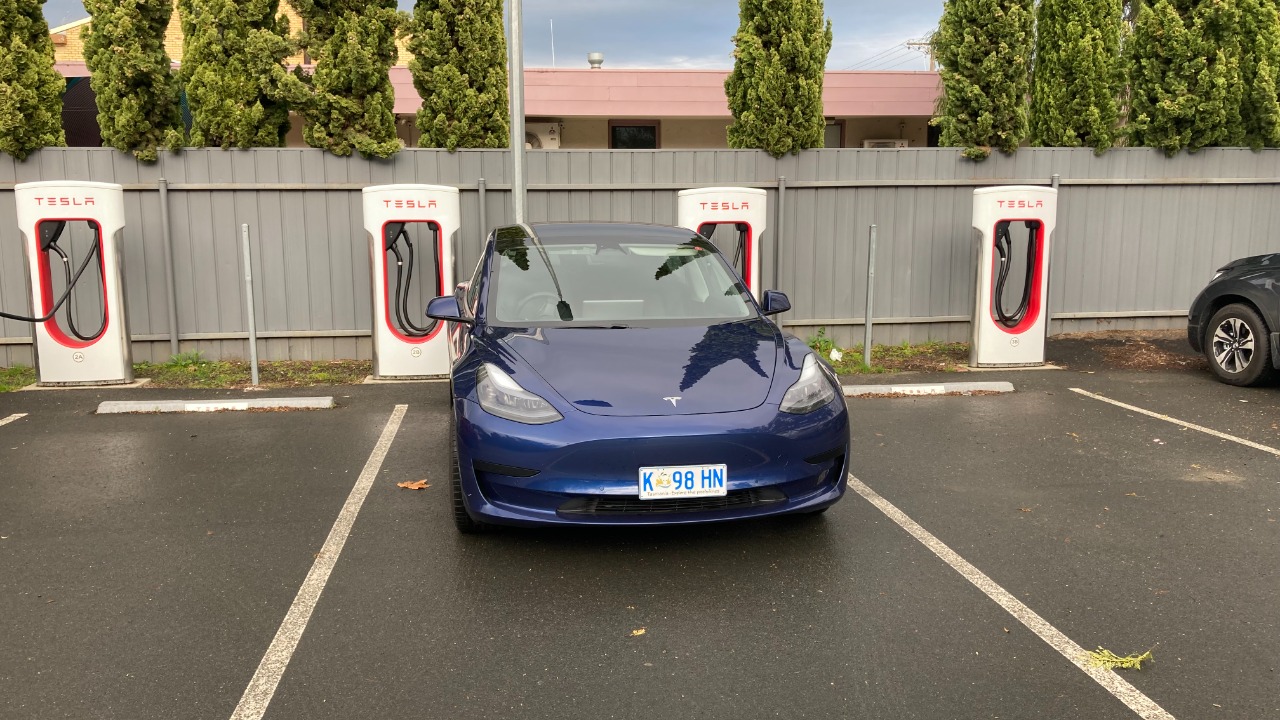
The Tesla Model 3 helped make EVs feel normal, but loyalty around the badge is slipping. A study of brand switching found that while overall loyalty is rising, former top performer Tesla is now an exception, with more owners leaving than before as some drivers choose EVs from other brands, according to Risk Solutions Automotive. That shift hits the Model 3 hardest, since it is the volume car that once locked people in.
For you, that means the Model 3 is no longer the automatic default if you want an electric sedan. Rivals now match or beat its range and charging speed, while some offer more traditional controls and better build quality. As more owners cross-shop and defect, resale values and lease terms can change, so you should weigh how long you plan to keep one.
Volvo EX30
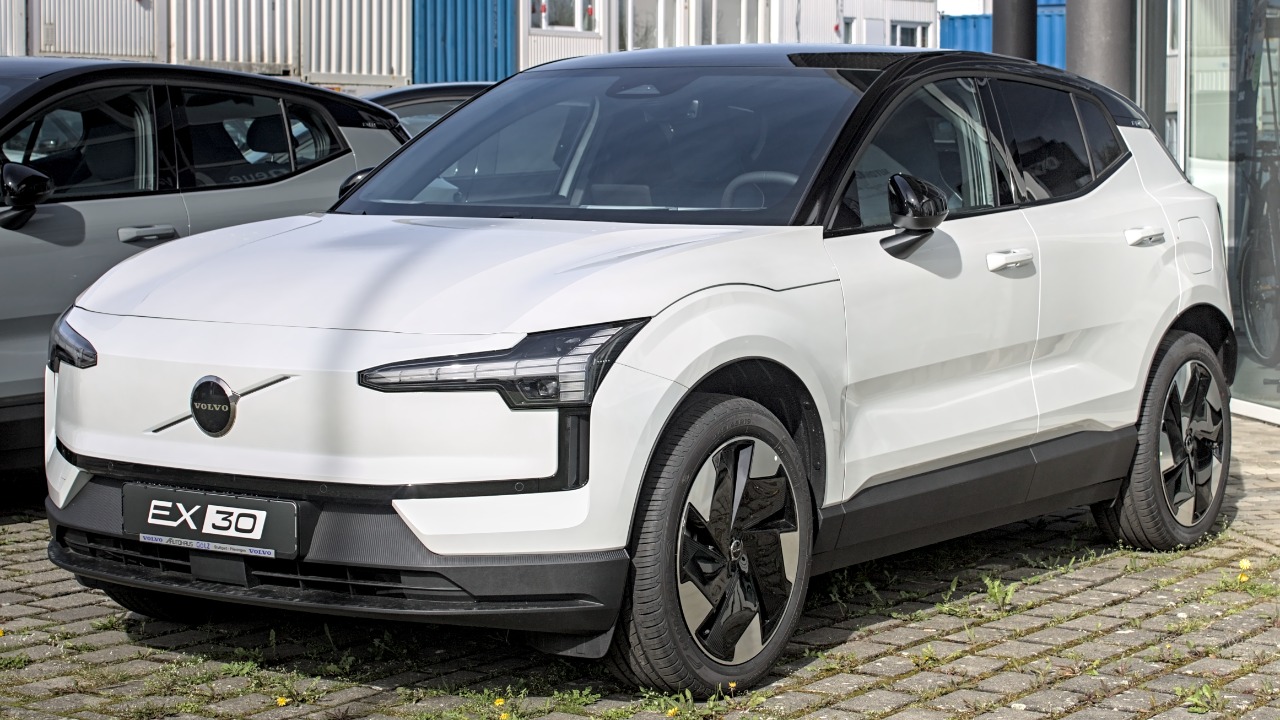
The Volvo EX30 arrived as a small, stylish EV, but buyers are already cooling on the broader battery push. One report on the brand’s performance said Volvo’s electric sales sank 32 percent as some shoppers turn their back. When a company leans hard into EVs and then sees that kind of drop, its newest electric crossover, including the EX30, feels the impact.
For you, that slump raises questions about long-term support, charging access, and resale. The EX30 still offers a clean cabin and quick acceleration, but if buyers keep walking away from small EVs, you could see bigger discounts now and softer demand in the used market later. That is good if you lease, less friendly if you plan to own for a decade.
Mitsubishi Mirage
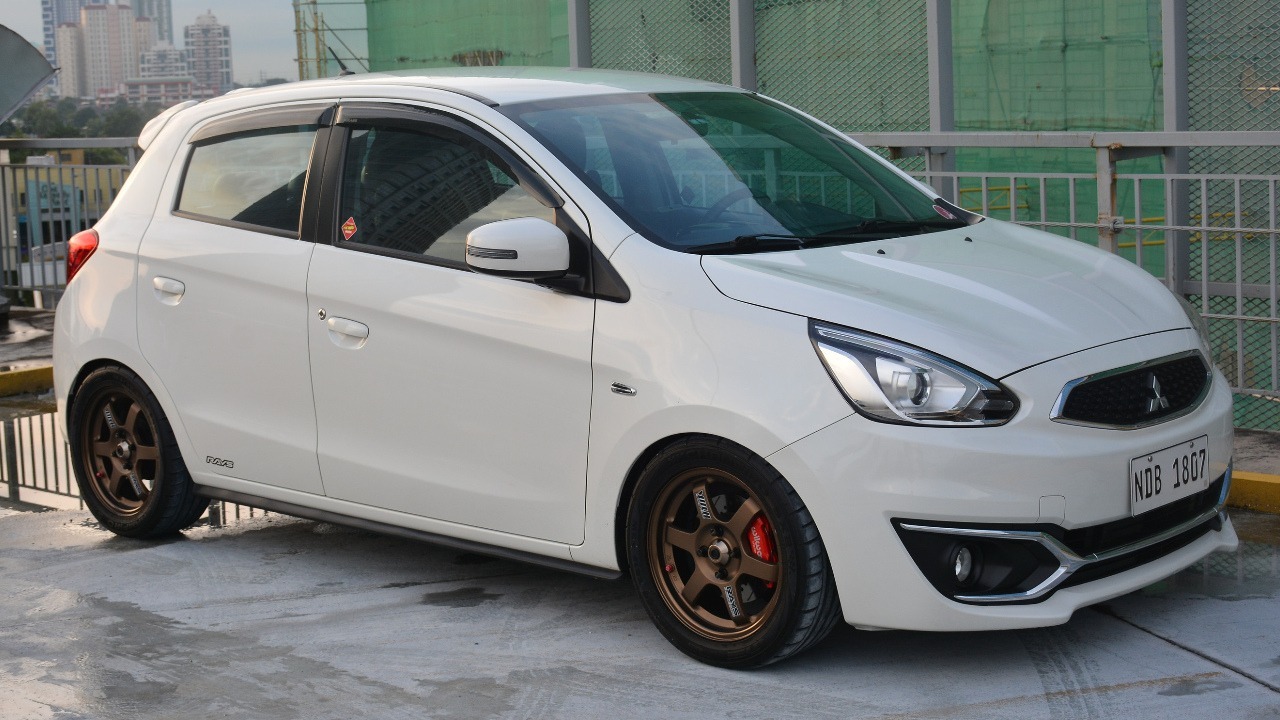
The Mitsubishi Mirage has long sold on price, not passion, and that bargain strategy has finally run out of road. In a General Discussion thread about discontinued models, owners note that with the Mitsubishi Mirage reaching the end of the road in The US, it joins a long list of small cars leaving showrooms. That decision reflects years of weak demand as buyers moved to crossovers with better safety ratings and more space.
If you are tempted by a leftover Mirage on the lot, you need to think beyond the low payment. Parts and dealer support should continue for a while, but a discontinued subcompact often loses value fast. The upside is simple ownership and high fuel economy; the downside is driving a car that symbolizes why automakers stopped betting on tiny gas hatchbacks.
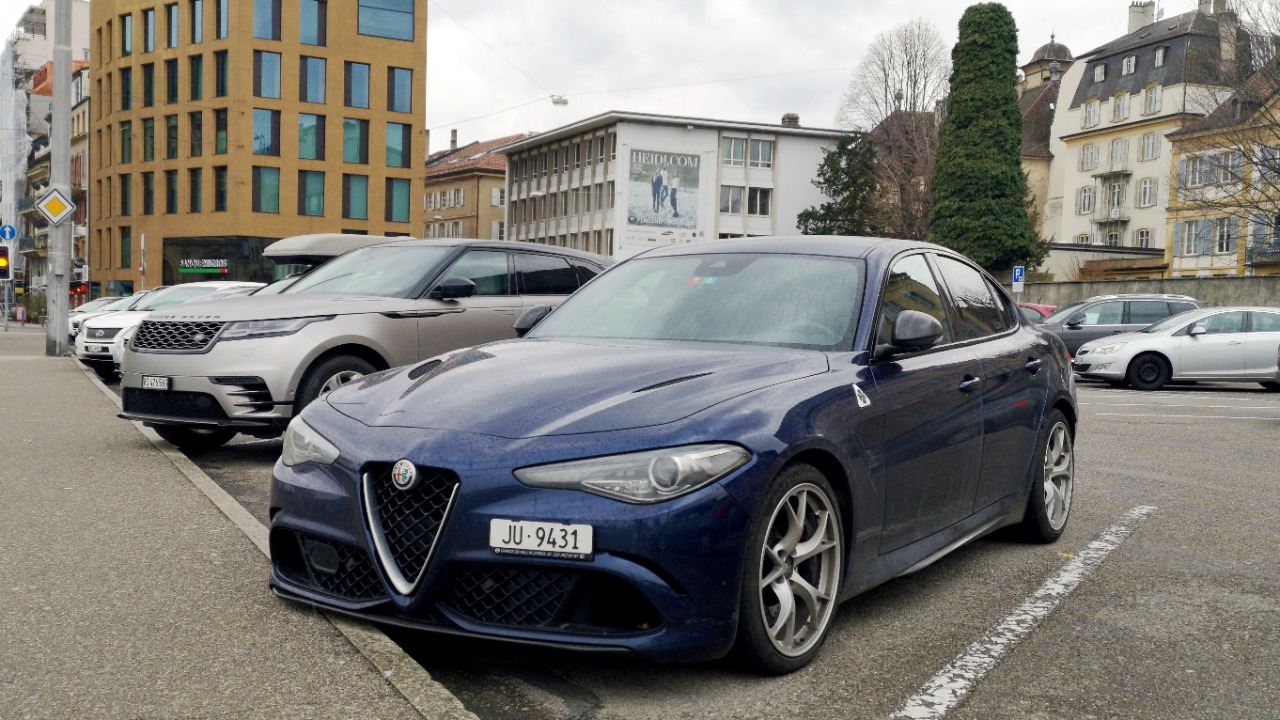
Alfa Romeo Giulia Quadrifoglio
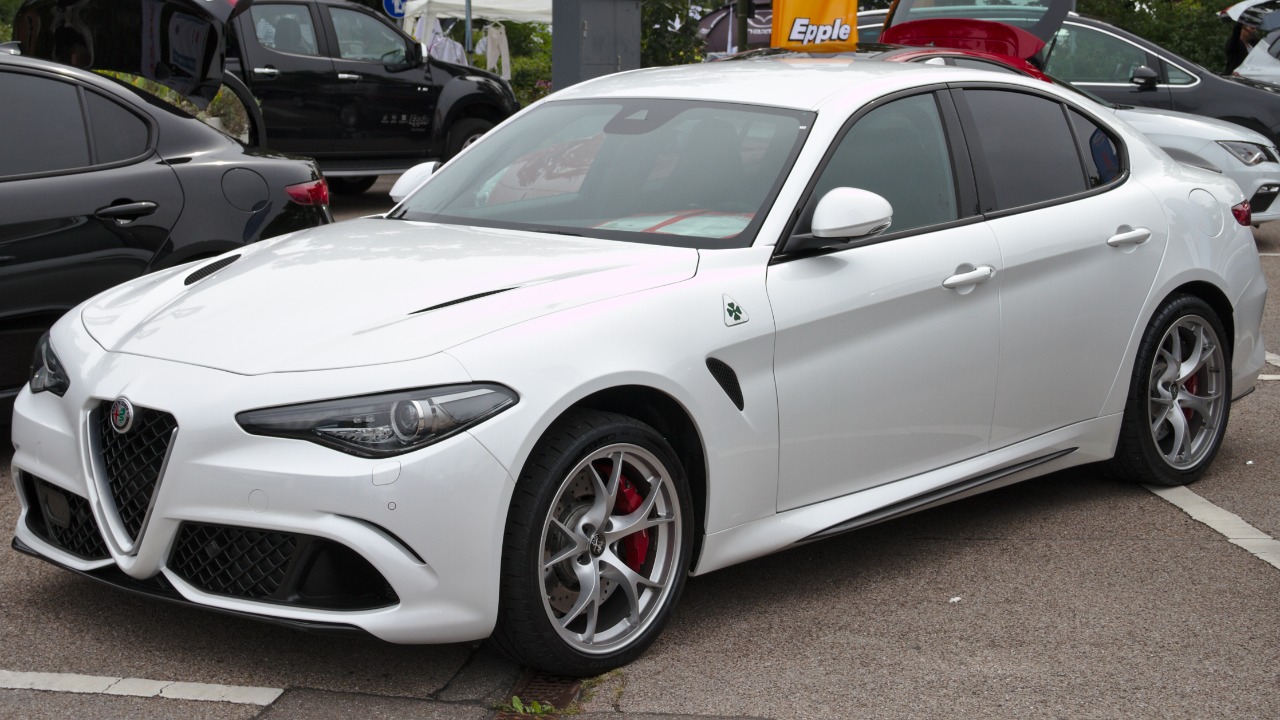
The Alfa Romeo Giulia Quadrifoglio is one of the most emotional sports sedans on sale, yet that has not kept buyers from drifting away. A farewell list of outgoing models notes that the Alfa Romeo Giulia Quadrifoglio should have sold better, with enthusiasts calling it “sad for me, great cars.” The problem is that passion did not translate into enough leases and loans to keep it safe.
For you, that sends a clear message about risk versus reward. The Giulia Quadrifoglio offers thrilling performance but comes with questions about long-term reliability, dealer coverage, and resale. When shoppers walk away from a car this good to drive, they are often choosing peace of mind over excitement, especially when German and Japanese rivals feel more predictable.
Ford Mondeo
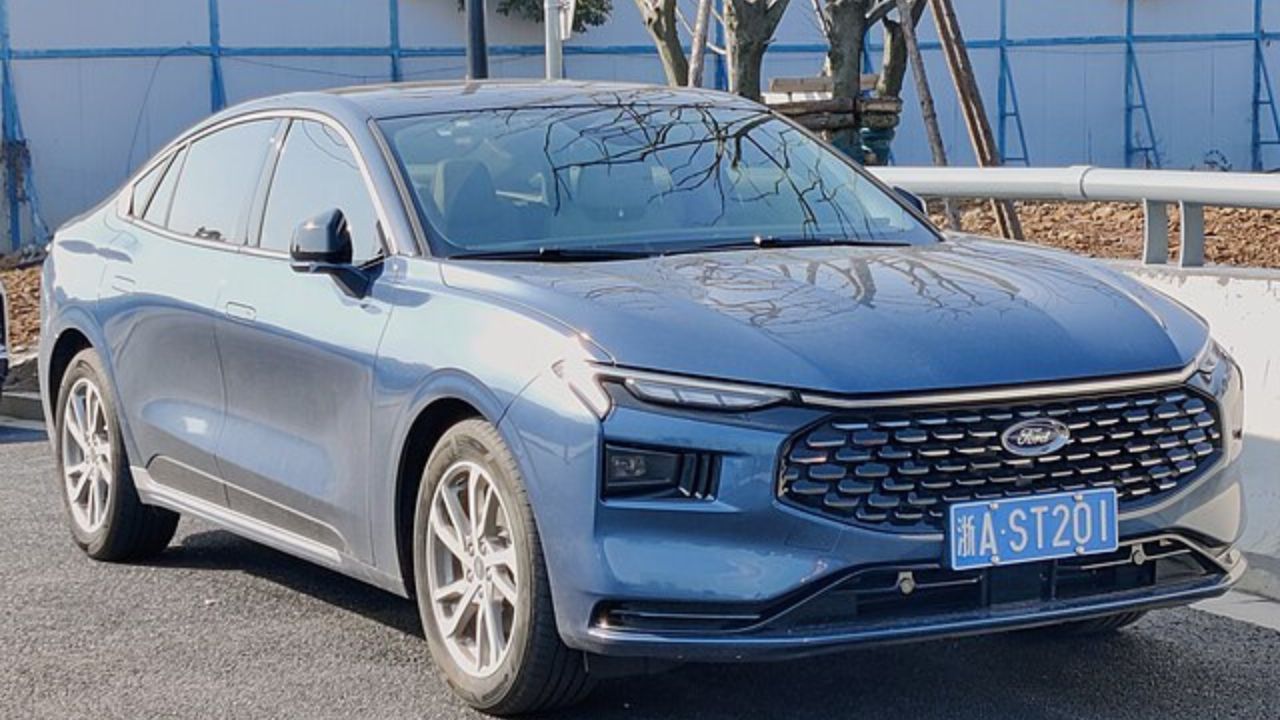
The Ford Mondeo is a sedan you may not see in North America, but its fate says a lot about where buyers are going. As Ford explained when it ended production in Europe, Purists in North America may not have liked the move, yet shoppers had already moved into the arms of SUVs and pickup trucks. The Mondeo’s quiet exit shows how far sedan demand has fallen.
Even if you never planned to buy a Mondeo, its story affects you. As sedans disappear, choice shrinks and pricing power shifts to crossovers. That can mean fewer low-slung family cars with good fuel economy and more tall vehicles that cost more to buy and run, especially if you live in a city where a compact sedan once made perfect sense.
Chevrolet Malibu
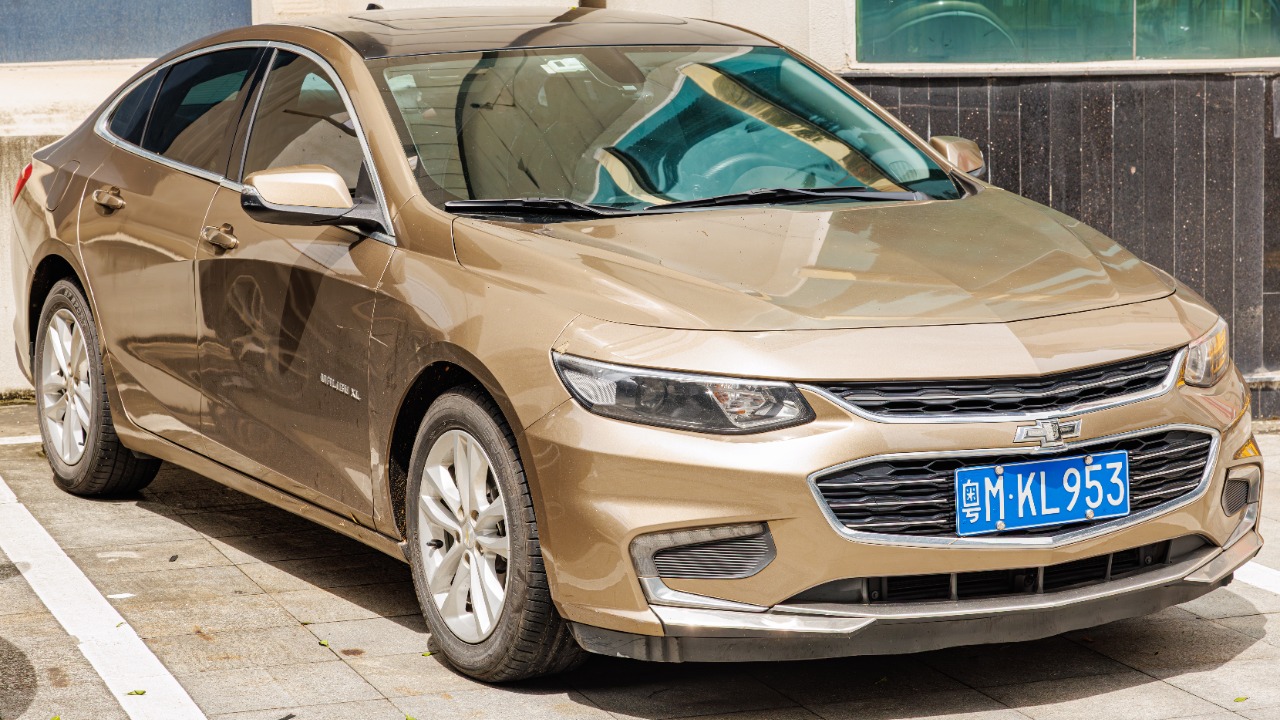
The Chevrolet Malibu has been a staple of rental fleets and family driveways, yet shoppers are drifting away from it as well. The brand’s own site now leans heavily on trucks and SUVs, while the Malibu feels like an afterthought next to high-profile models on Chevrolet pages. That shift in marketing mirrors what is happening on the ground, where crossovers like the Equinox and Blazer grab more attention.
For you, the Malibu’s slow fade means you may find big discounts, but it also hints that the nameplate could follow other sedans into retirement. If you want a mid-size car with long-term parts support and strong resale, you might look at brands that still treat sedans as core products rather than leftovers in a truck-first lineup.
Dodge Challenger
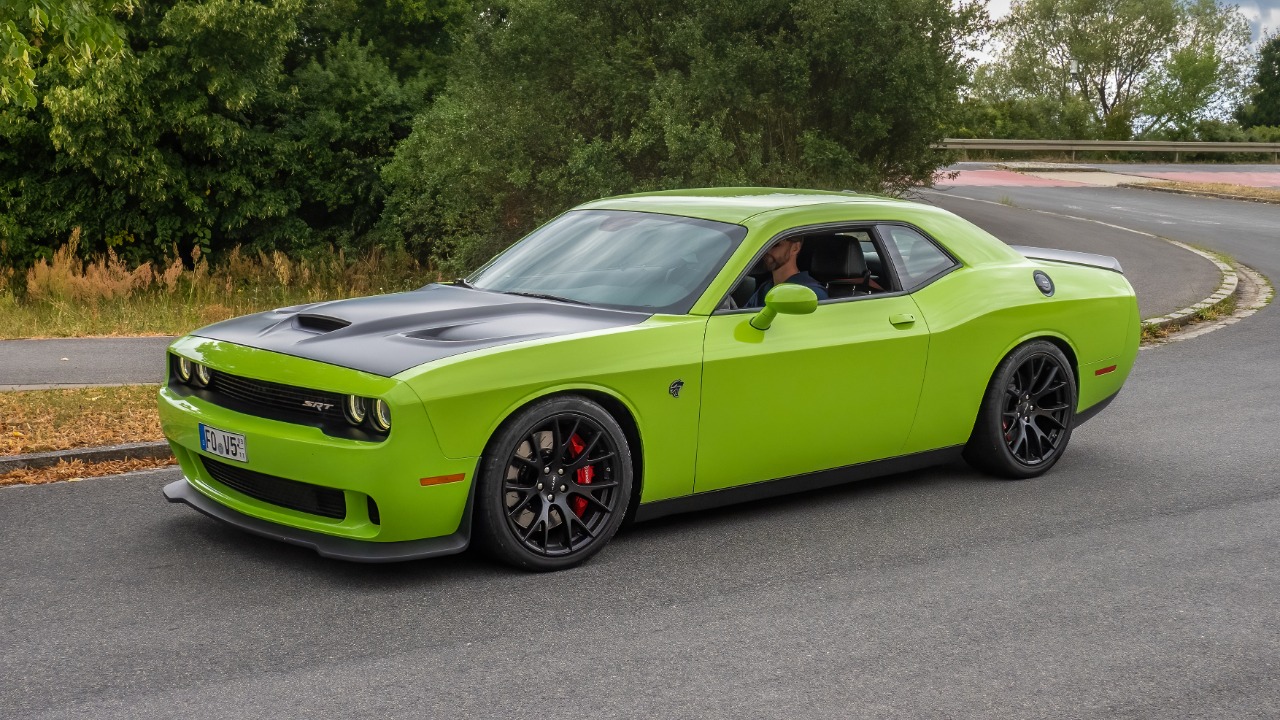
The Dodge Challenger built its image on loud V8s and straight-line speed, yet buyers are finally stepping away from that formula. A video breakdown of 2025 flops points to muscle cars that are already facing slow sales, big incentives, and resale headed south, with the host naming specific cars that flop. The Challenger sits right in that crosshair as regulations tighten and fuel costs stay high.
For you, the stakes are simple. If you want a last-hurrah V8, the Challenger can be tempting, but the market is signaling a turn toward smaller, more efficient performance cars and electric options. That shift can leave heavy coupes behind, both in dealer showrooms and on the used market, where values may not match the nostalgia.More from Fast Lane Only