
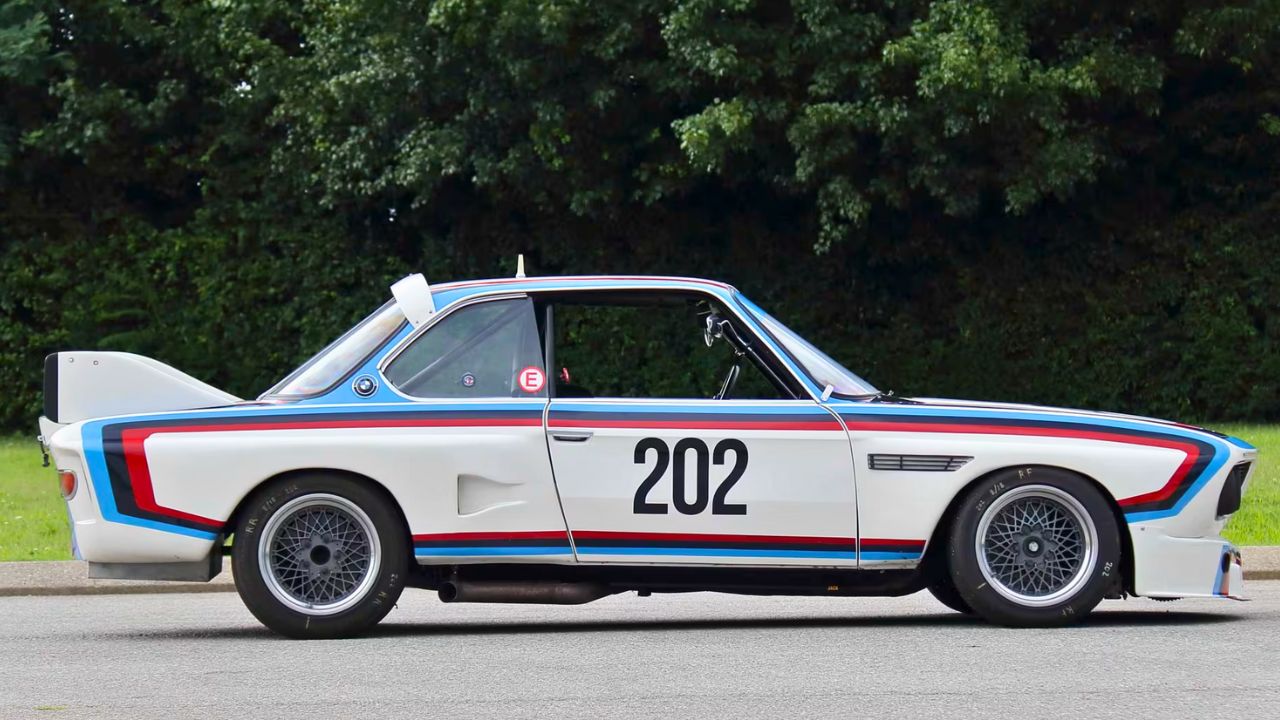
Some cars don’t need to move to make their point. You’ve seen them—the ones that just sit there and somehow look like they’re already doing 80. Maybe it’s the stance, the proportions, the tucked wheels, or a hood that hints at something serious underneath. These aren’t always the highest-horsepower machines from their time, but they all have that presence—that “don’t mess with me” posture baked right into the sheet metal.
This list rounds up 15 classic cars that still turn heads without turning a wheel. Some are iconic. Others fly under the radar. But all of them know how to sit still and still steal the show.
1. 1955 Mercedes-Benz 300SL Gullwing
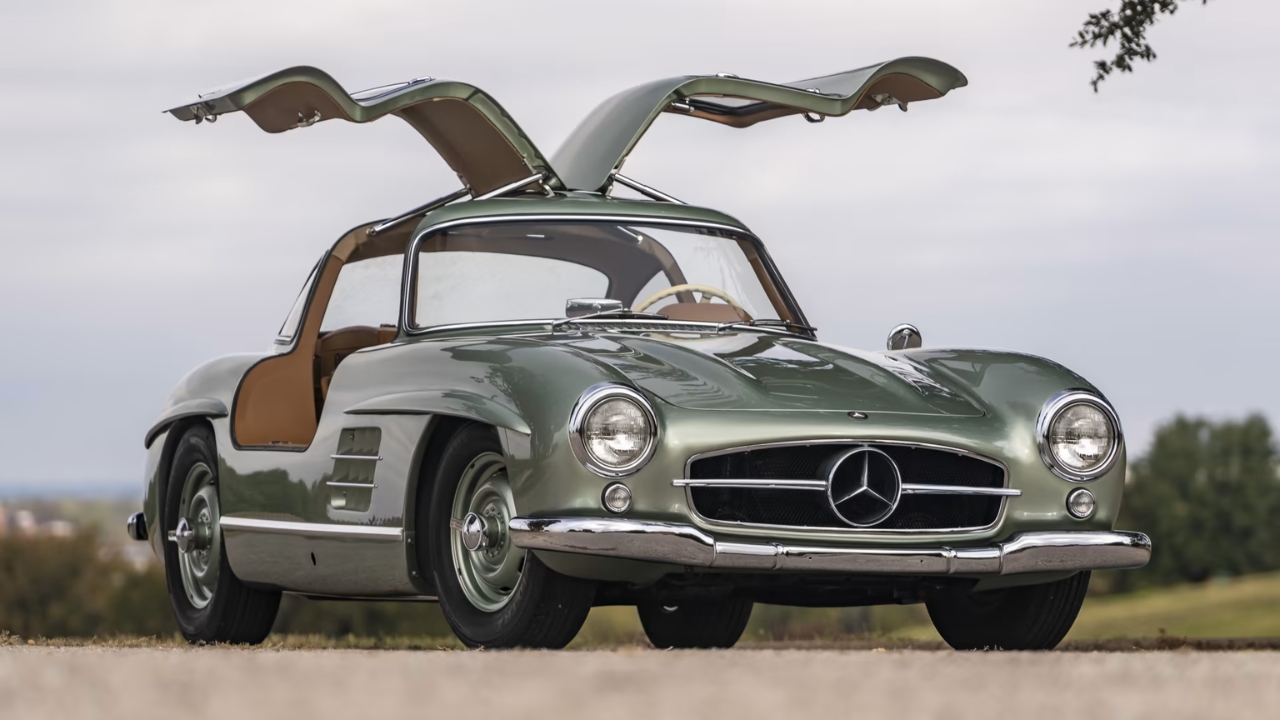
Nothing about the 300SL’s shape says slow. From the side vents to the long, sweeping fenders, it looks like it’s cutting through air even when parked. The gullwing doors didn’t just look cool—they were needed because of the high sills from the tubular space frame underneath.
Its 3.0-liter inline-six with direct injection was good for 215 hp, pushing the SL to a top speed of 160 mph—staggering for the 1950s. The ride was firm, and the swing axle rear suspension had its quirks. Inside, it was minimalist and mechanical, focused more on speed than comfort.
2. 1969 Chevrolet Camaro Z/28 RS
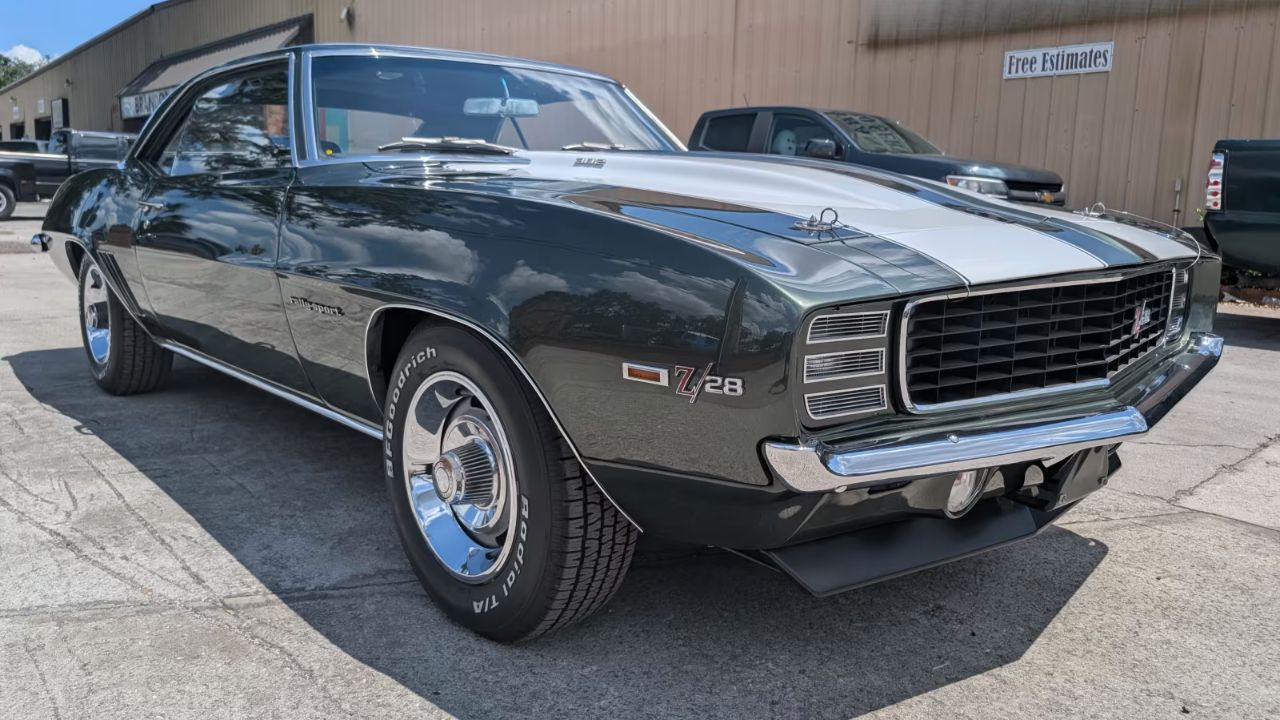
The Z/28 RS wasn’t loud in appearance, but it looked serious. Hidden headlights, wide track, and just the right amount of rake gave it that street-fighter vibe. It didn’t scream power—it just showed up looking ready.
The high-revving 302 V8 was underrated at 290 hp and made its power high in the rev range. It had a close-ratio 4-speed and F41 suspension with beefier sway bars. Inside, it was all black vinyl and business, with a tach front and center. It was built to run hard—and looked the part.
3. 1965 Aston Martin DB5
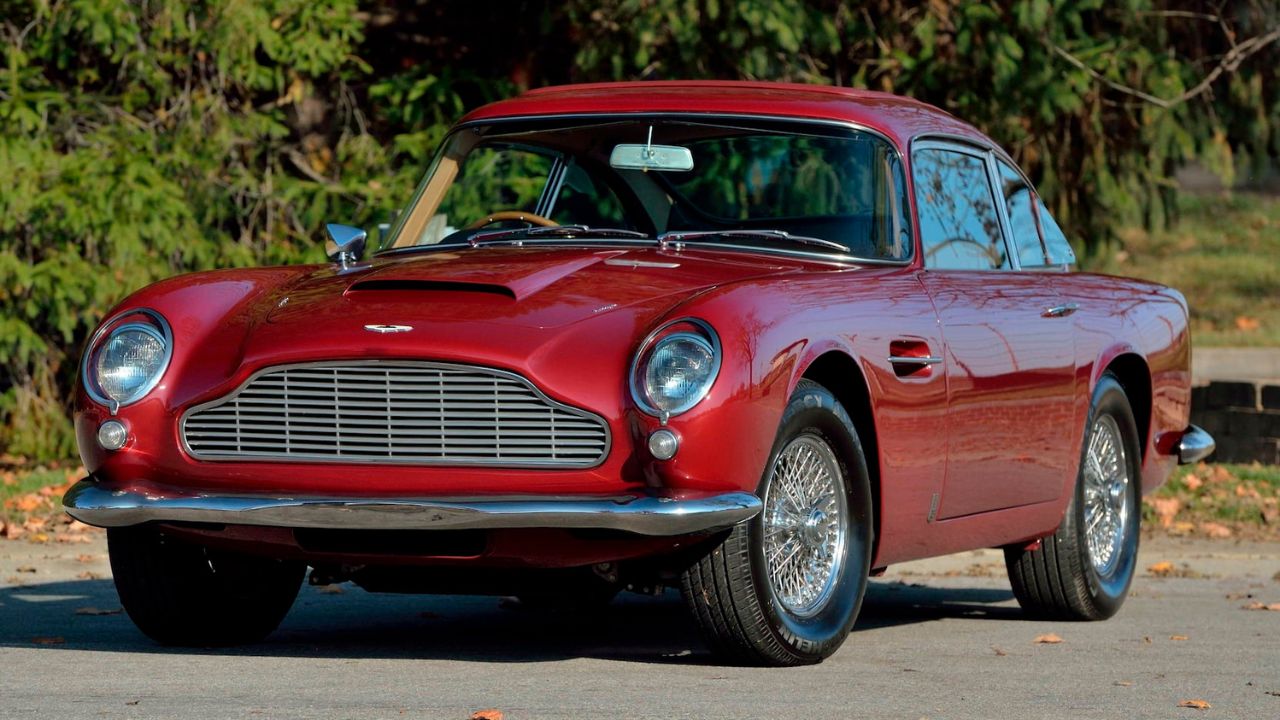
More than just the Bond car, the DB5 had that quiet kind of speed baked into every curve. The long hood, tight cabin, and wire wheels gave it elegance, but it also had muscle in the stance and proportions.
Powered by a 4.0-liter inline-six making 282 hp, it wasn’t a dragstrip monster, but on open roads it could keep up with just about anything from the era. The interior had polished wood, Smiths gauges, and Connolly leather—understated but refined. Even standing still, it carried itself like it was already moving.
4. 1966 Oldsmobile Toronado
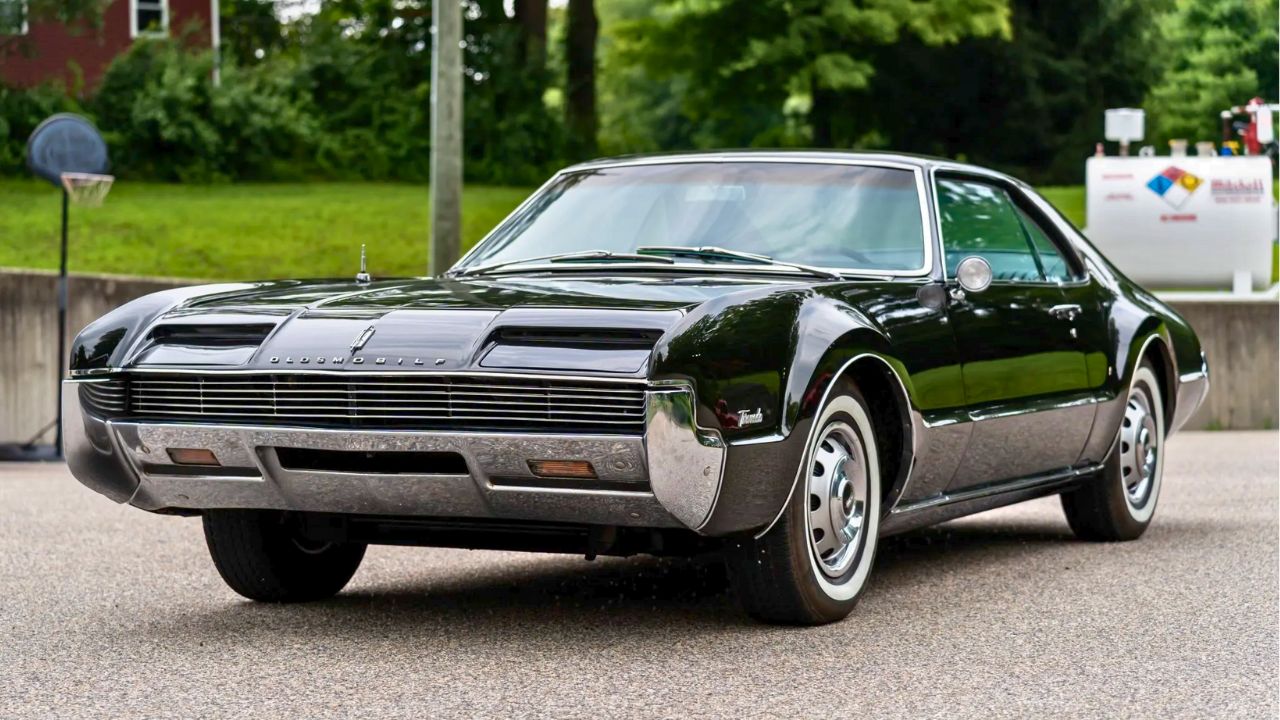
The Toronado had a look all its own. It sat low and wide, with sharp horizontal lines and a sloped rear roof that made it feel like it was built for speed—especially for a front-wheel-drive coupe. It looked fast in a way no other ’60s American car quite managed.
Underneath, it used torsion bars in the front and a rear beam axle with leaf springs. The 425-cubic-inch V8 made 385 hp and sent it to the front wheels through a TH-425 transmission. Inside was futuristic: sweeping dash, rotating drum speedo, and bucket seats set into a space-age layout.
5. 1972 BMW 3.0 CSL “Batmobile”
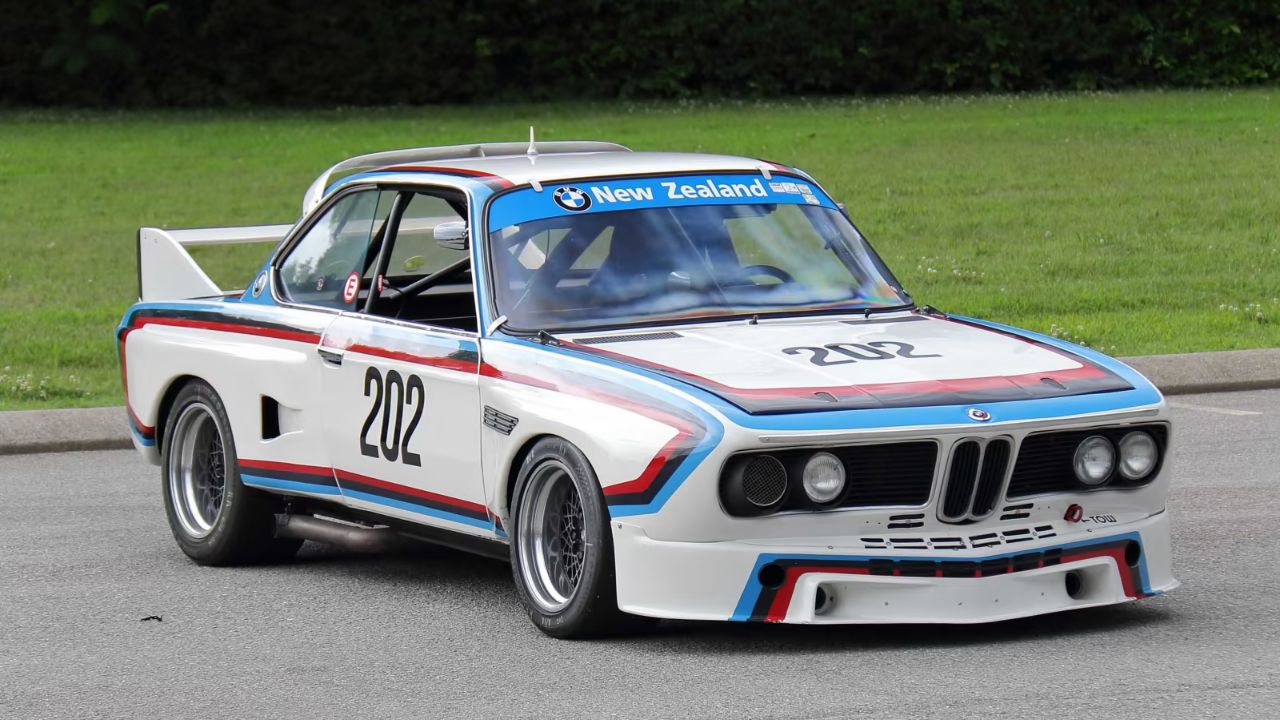
Even before it fires up, the 3.0 CSL Batmobile looks like it means business. The flared fenders, deep chin spoiler, roof spoiler, and signature rear wing weren’t just for show—they were wind tunnel tested and built for the European touring car circuit. It’s low, wide, and lean in a way that makes most ’70s coupes feel tame.
Under the hood, it had a 3.0-liter inline-six bumped to 206 hp, paired with a 4-speed manual. Suspension was fully independent, tuned for balance and precision. The interior stripped weight wherever possible, trading comfort for control. Even parked, it looks like it’s chasing lap times.
6. 1969 Dodge Charger Daytona
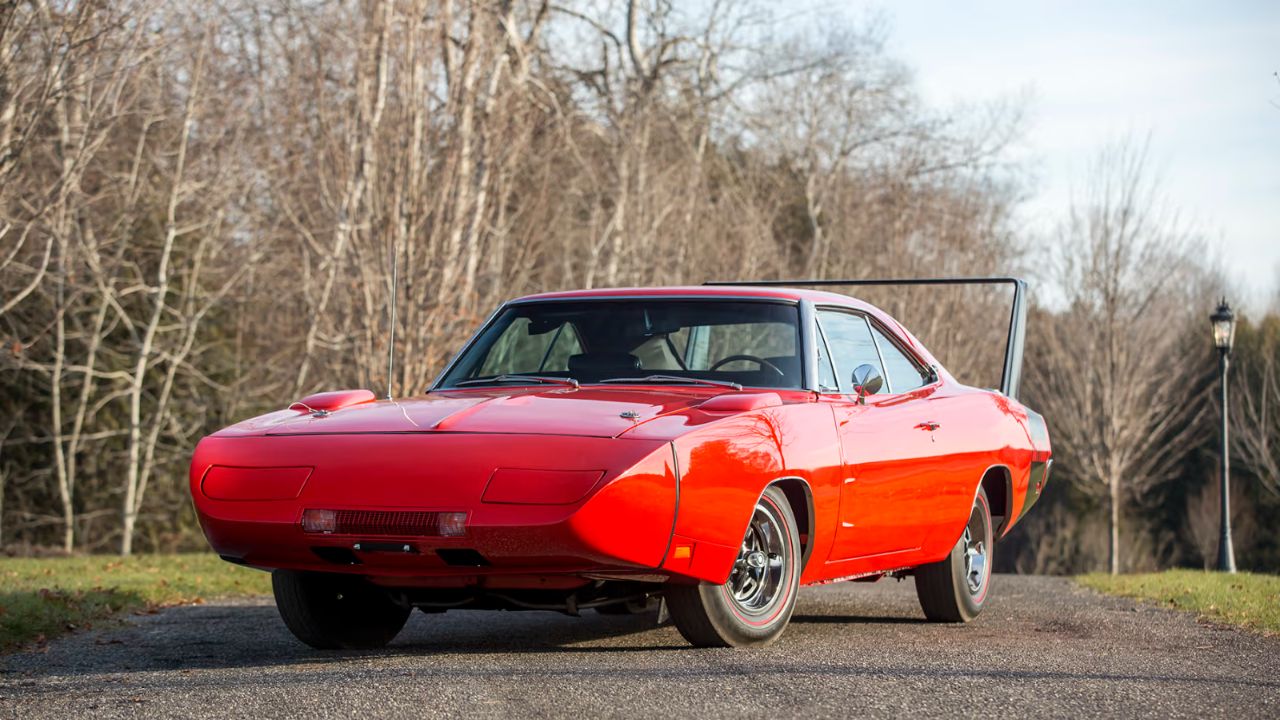
The Daytona wasn’t just built to race—it looked like it could outrun time itself. With its massive nose cone and towering rear wing, it cut through the air like nothing else on the street. Even parked, it looks like it’s pushing 200 mph.
Under the hood, you had options—most notably the 426 HEMI V8, backed by either a 4-speed manual or TorqueFlite automatic. Suspension was standard B-body fare with torsion bars up front and leaf springs out back, but the aero made all the difference. It was built for NASCAR but made its point at every red light.
7. 1971 De Tomaso Pantera
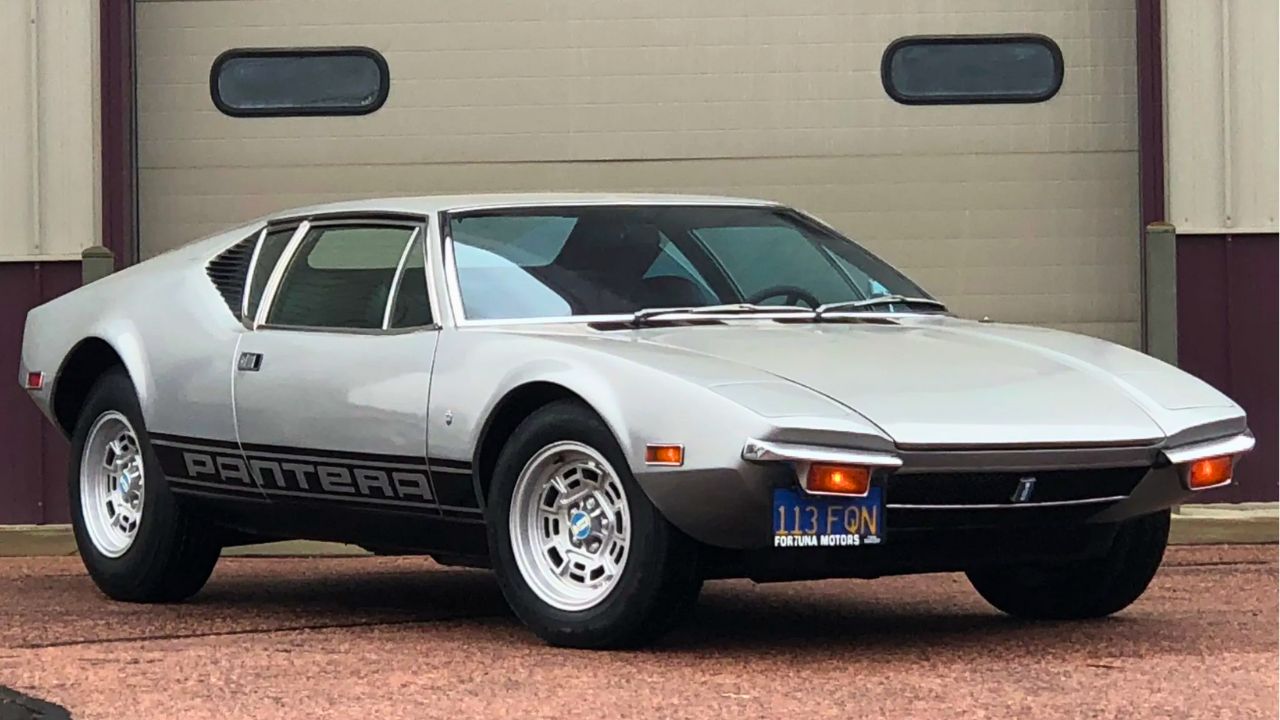
Mid-engine and Italian-built with a Ford 351 Cleveland V8—this car had presence. The Pantera’s wedge-shaped body and razor-sharp lines looked quick without even trying. It sat low, had flared wheel arches, and a stance that meant business.
Despite the exotic shape, it rode on independent suspension at all four corners and could hit 150 mph without needing a race team. Inside, it had simple gauges, leather buckets, and just enough insulation to remind you this was more than a race car—barely. If it looked fast, it’s because it was.
8. 1963 Chevrolet Corvette Sting Ray Split-Window
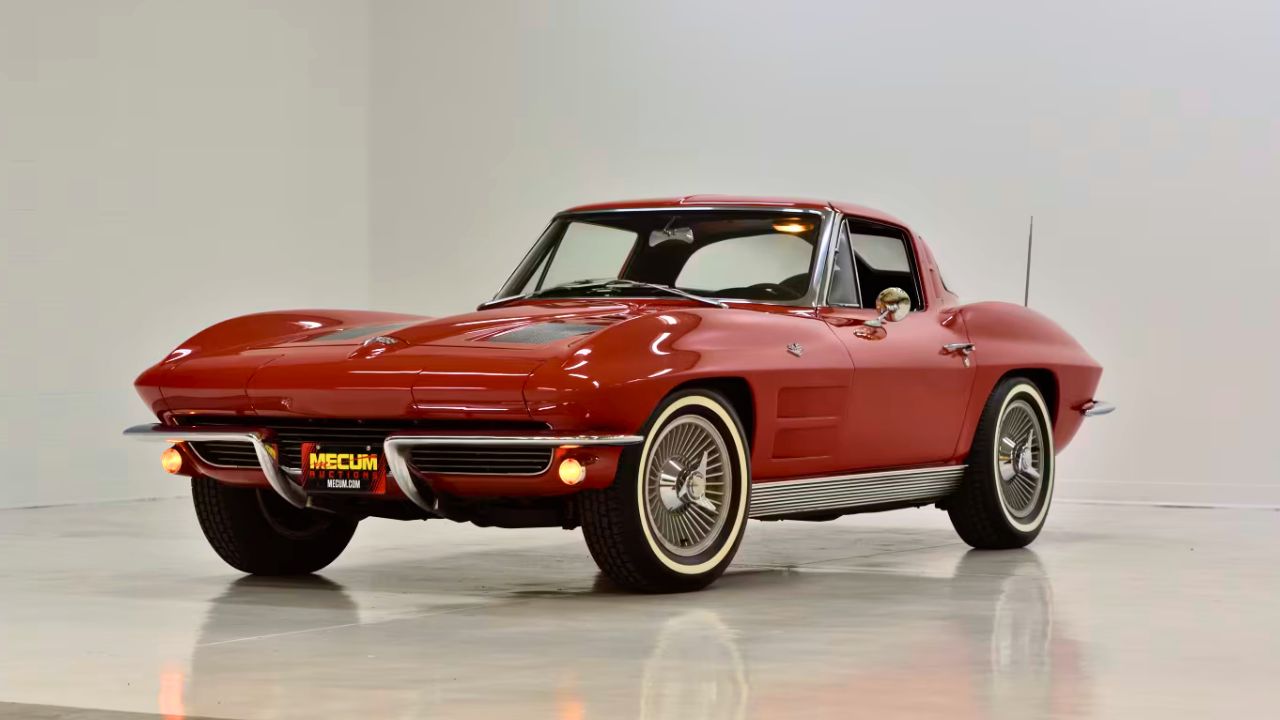
The split-window Sting Ray is one of those cars that turns heads before the engine even starts. Its tight proportions, fastback roofline, and hidden headlights give it a serious forward lean. It’s not overdone—it’s precise.
The ‘63 introduced independent rear suspension and a lightweight chassis that finally gave the Corvette real balance. Power came from a 327-cubic-inch V8 with outputs ranging from 250 to 360 horsepower. Inside, it was all brushed metal, low-slung seats, and a wraparound dash that looked like it belonged in a fighter jet.
9. 1970 Plymouth Barracuda AAR
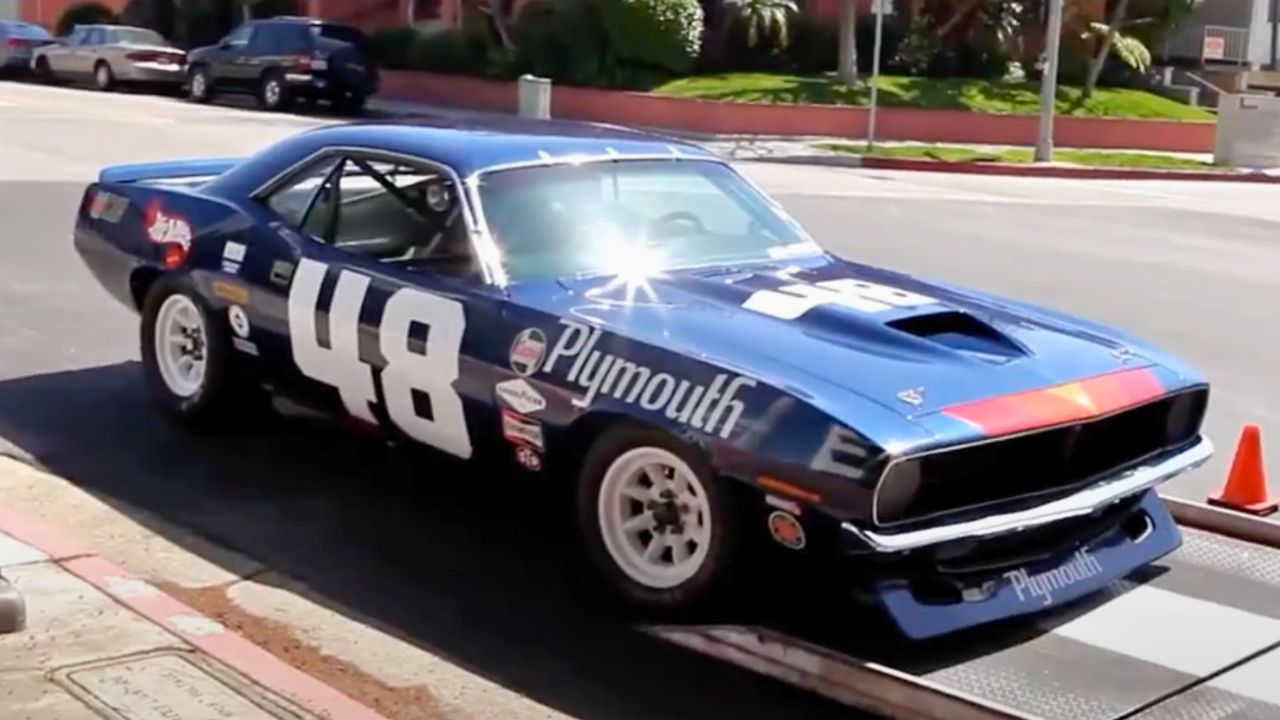
The AAR ‘Cuda had just the right mix of race-track grit and street cred. With its matte-black hood, aggressive stance, and side-exit exhaust, it looked like it never cooled off—even sitting still. It wasn’t a poser—it was built from Trans Am racing pedigree.
Powered by a 340-cubic-inch Six-Pack V8 and a heavy-duty suspension setup, it handled better than most muscle cars of the time. The rear sat slightly raised to clear wide Goodyear Polyglas GTs, giving it a forward pitch. Inside, it was all business—vinyl buckets, a no-nonsense dash, and not much else.
10. 1966 Ford GT40 Mk I
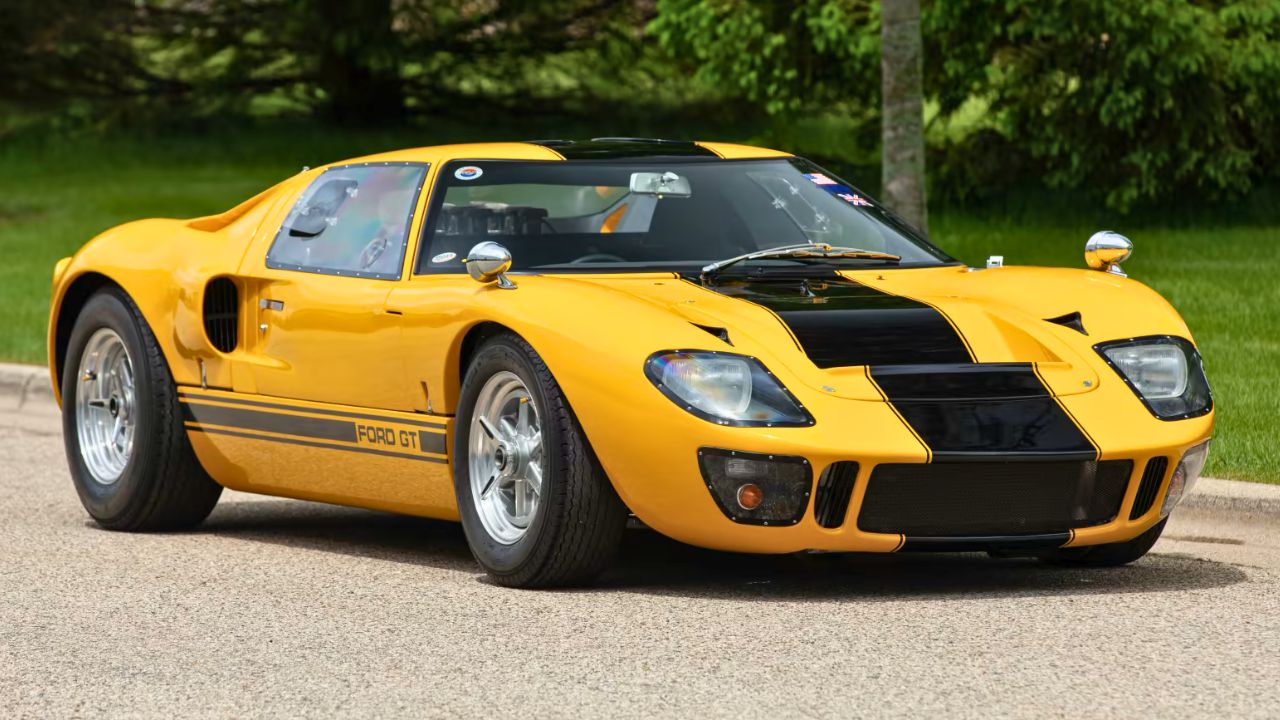
Built to humble Ferrari at Le Mans, the GT40 looks every bit as fast as its track record. Its compact, low-slung body and wide haunches don’t just suggest speed—they demand it. You could park it next to a modern supercar and it wouldn’t look out of place.
The Mk I came with a 289 V8, mounted midship, and a ZF 5-speed manual. It had independent suspension at all four corners, ventilated disc brakes, and a minimal cockpit with barely enough room for two. Every angle of this car was designed with speed in mind—and it shows.
11. 1971 Lamborghini Miura SV
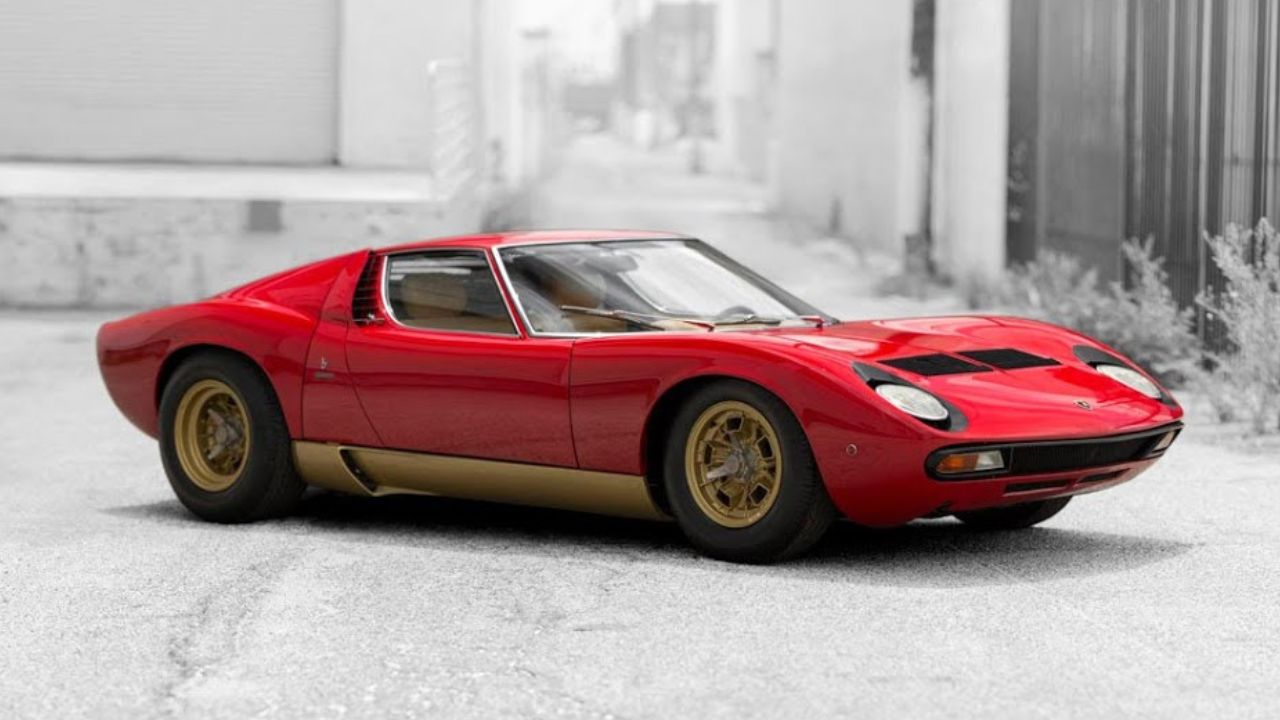
The Miura SV still has one of the best silhouettes in car history. That cab-rearward, mid-engine layout and long front fenders give it a predator’s crouch, like it’s ready to pounce. Even sitting in a garage, it looks like it’s going 80.
The SV variant had a 385-hp V12 mounted transversely behind the seats, paired with independent suspension and rear-wheel drive. The interior had a wraparound dash, toggle switches, and bucket seats covered in leather. The Miura didn’t need flash—it just needed a quick glance to get your attention.
12. 1967 Shelby GT500
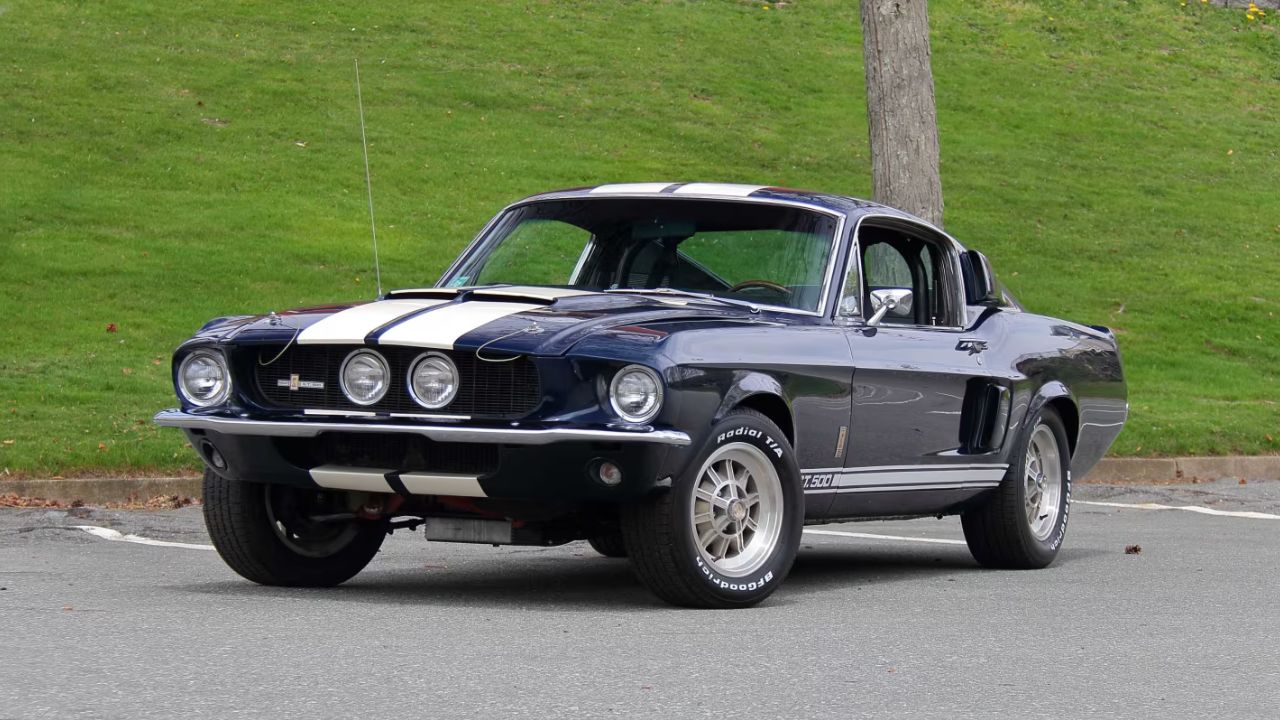
The GT500 took the already aggressive Mustang fastback and pushed it into muscle car territory. The elongated nose, dual racing stripes, and center-mounted fog lights made it look faster than the base Mustang before you even opened the hood.
Underneath, a 428 cubic-inch Police Interceptor V8 delivered real grunt, and it came with upgraded suspension bits to handle the extra weight. Inside, it had wood trim, Carroll Shelby badges, and a 140-mph speedometer that didn’t lie. It wasn’t just styled to look quick—it had the numbers to match.
13. 1973 Porsche 911 Carrera RS 2.7
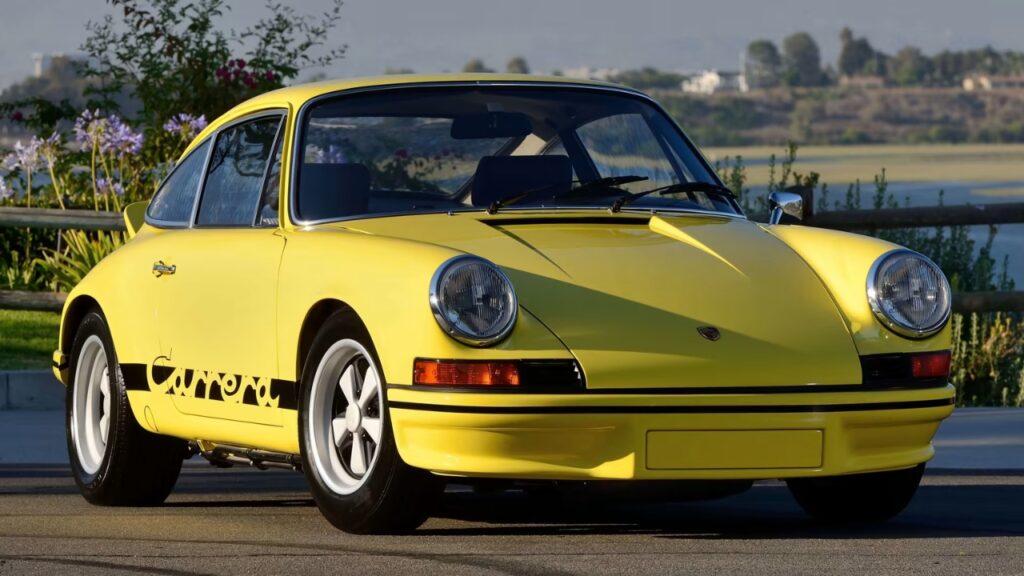
Lightweight, rear-engined, and fitted with that iconic ducktail spoiler, the 911 RS 2.7 looked fast without ever moving. Its shape was clean and functional, with just enough curve and aggression to suggest what it was capable of.
Weighing in at just over 2,100 pounds and putting down 210 hp, it didn’t need huge numbers to feel quick. It ran on torsion bar suspension, had upgraded brakes, and wider rear wheels for grip. The interior was all about the essentials—lightweight buckets, no frills. It had nothing to prove and didn’t try to.
14. 1968 AMC AMX
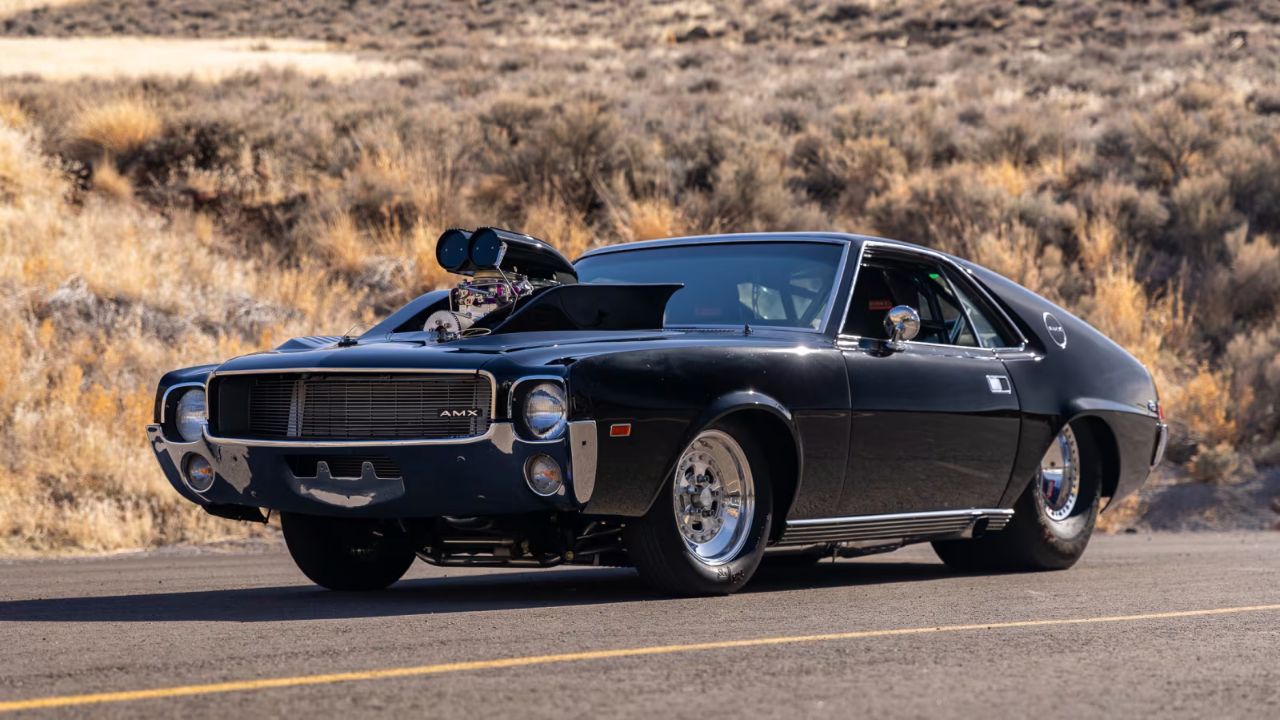
The AMX was one of the few true two-seat muscle cars of its time, and its short wheelbase gave it a taut, athletic look. With its wide stance, muscular fenders, and minimal overhangs, it had a lean, serious attitude from every angle.
The 390 V8 delivered up to 325 horsepower, and it came with heavy-duty suspension and disc brakes up front. Inside, it was simple but snug, with performance gauges and low-slung bucket seats. The AMX wasn’t flashy—it was focused, and it wore that focus like a warning.
15. 1970 Ferrari 365 GTB/4 “Daytona”
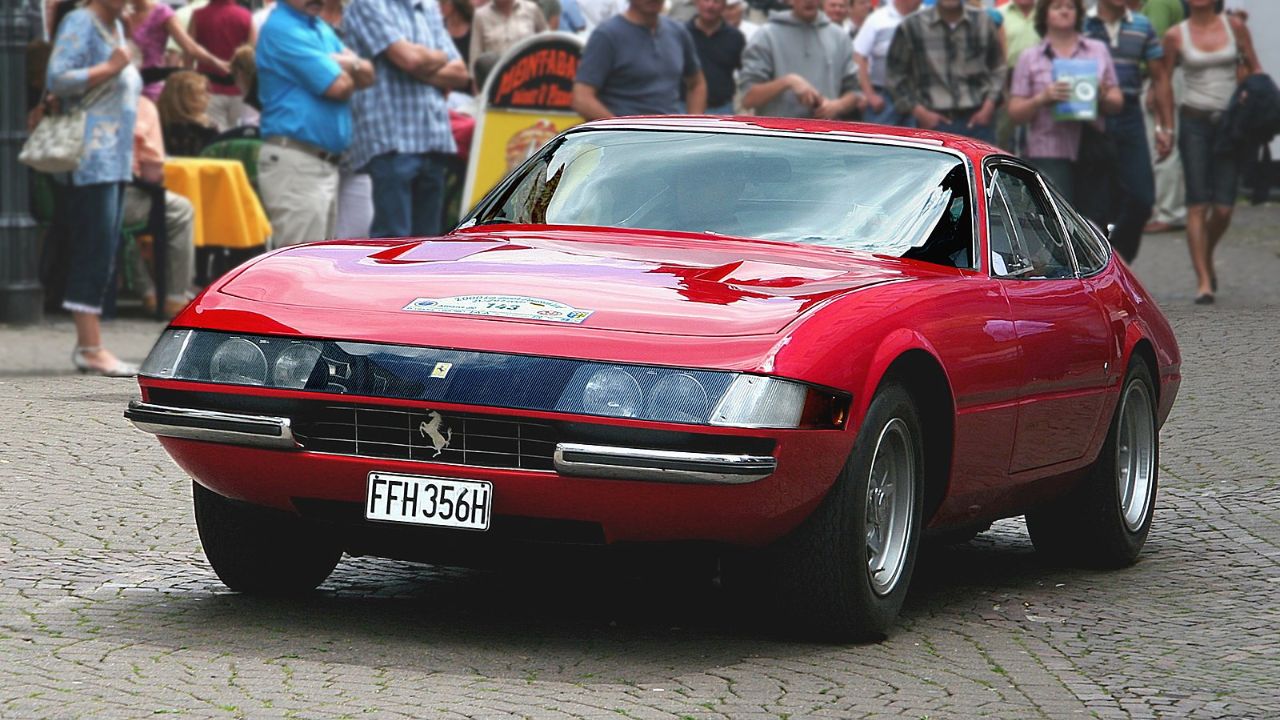
Long hood, short deck, and sharp body lines—that’s the Daytona’s recipe. The front end alone is enough to let you know this thing wasn’t built to sit still. It’s got that long-distance GT posture that says “don’t bother trying to catch up.”
Powered by a 4.4-liter V12 pushing out 352 hp, the Daytona could touch 174 mph. It rode on a double-wishbone suspension all around and came with leather bucket seats, a gated shifter, and gauges clustered tightly in front of the driver. Even in a line of Ferraris, it doesn’t get overlooked.
Like what you read? Here’s more by us:
*Created with AI assistance and editor review.




Leave a Reply