Some cars feel familiar the moment you pull away, but a few flip your expectations the second you turn the wheel or brush the throttle. These are the models that reset your sense of grip, feedback, comfort or speed so completely that every drive afterward feels different. Here are 15 cars that, according to owners, testers and enthusiasts, feel different the moment you drive them.
Mazda MX-5 Miata (ND)

The Mazda MX-5 Miata (ND) is the car you drive once and suddenly understand why people will defend it in every internet argument. Owners describe it as a benchmark for pure, lightweight fun, and one Miata fan even compared other stripped-back sports cars to a shifter kart, saying that even a modded Miata is like “80%” or “90%” of a Lotus in terms of raw feel. Pebbles in the road, weight transfer, the way the rear rotates, you sense everything through the seat and steering.
Because the ND is small and relatively low powered, you explore its limits at sane speeds, which changes how you think about performance. Instead of chasing horsepower, you start chasing feedback and balance. That shift matters for the broader market, because it proves to carmakers that you will pay for engagement, not just straight-line numbers, and it keeps lightweight sports cars alive in a world of ever-heavier crossovers.
Lotus Elise

The Lotus Elise is the car that makes you realize how filtered most modern steering has become. Enthusiasts point to Lotus hydraulic power steering, a stiff, lightweight chassis and a mid-engine layout as the ingredients that create its almost telepathic front-end response. You feel tiny corrections through your fingertips, and the car seems to pivot around your hips, not the nose, which is disorienting if you are used to front-engine hatchbacks or sedans.
That immediacy can be tiring in traffic, but on a clear road it teaches you how much information a chassis can really send you. Once you have driven an Elise, you start noticing how many other cars mute their feedback in the name of comfort. The stakes are bigger than one niche sports car, because this philosophy influences everything from track specials to how electric performance cars are tuned for steering weight and response.
Porsche 911 (993)

The Porsche 911 (993) feels different the moment you sense the engine hanging out behind the rear axle and realize the car still wants to work with you. Earlier air-cooled 911s were infamous for a “pendulum effect,” where the heavy rear could swing and catch an unsuspecting driver off the road mid-corner. Reporting on the 993 notes that this was when that notorious trait finally swung in favor of the driver, turning a quirk into an asset through revised suspension and stability.
On the road, you feel that as uncanny traction out of tight bends and a rear end that gently pushes the nose into the corner instead of trying to overtake it. The 993 shows you how engineering can tame a fundamental layout challenge without erasing character. That balance between heritage and usability is why the 911 remains a reference point whenever you think about sports cars that evolve without losing their soul.
Lamborghini Huracan

The Lamborghini Huracan is one of those cars that feels alien the first time you stretch its V10, because the performance and drama are so far beyond normal reference points. A detailed overview describes the Huracan as “simply outstanding,” offering a rare and exhilarating driving experience designed to satisfy even the most demanding drivers. That is not just about power, it is the immediacy of the throttle, the dual-clutch gearbox snapping through ratios and the way the chassis stays composed at speeds that would unsettle lesser cars.
From the driver’s seat, the steering feels sharper than you expect from something this wide, and the brakes erase speed with race-car conviction. Experiencing that level of capability changes how you view supercar performance, because you realize how much modern electronics and chassis tuning can make extreme speed approachable. It also raises expectations for every other high-end performance model, pushing rivals to deliver similar confidence at the limit.
Hyundai i20 N

The Hyundai i20 N is the hot hatch that makes you rethink what a small front-wheel-drive car can do on a circuit. Track-focused commentary urges you to take your i20 N to the track precisely because its chassis, brakes and limited-slip differential come alive under hard use. The steering is quick, the car rotates eagerly on trail braking, and the engine’s punchy mid-range means you are constantly working the gearbox rather than waiting for boost.
On the road, that same setup makes everyday drives feel like mini stages, even at legal speeds. You start to appreciate how much fun can come from a compact footprint and clever tuning instead of raw power. For the broader market, the i20 N shows that affordable performance can still be deeply involving, which puts pressure on mainstream brands to keep building enthusiast-spec versions of their small cars instead of only chasing efficiency and comfort.
Volkswagen Golf GTI (Mk8)

The Volkswagen Golf GTI has long been the default answer to “one car that does it all,” but the Mk8 still manages to surprise you with how cohesive it feels. Analysis of cars with strong driving value notes that the GTI boasts a peppy turbo engine and a chassis that delivers a powerful and engaging ride for the price, making it one of the best driving experiences in its segment. The first time you lean on the front end, the grip and composure feel more like a dedicated sports car than a family hatch.
Inside, the driving position and pedal layout encourage you to drive smoothly, and the car’s dual nature, calm on the commute yet eager on a back road, can reset your expectations for daily drivers. Once you have lived with a GTI, it becomes harder to accept vague steering or sloppy body control in other compact cars. That ripple effect matters, because it nudges the entire class toward better dynamics and more honest performance claims.
Lexus IS (third generation)
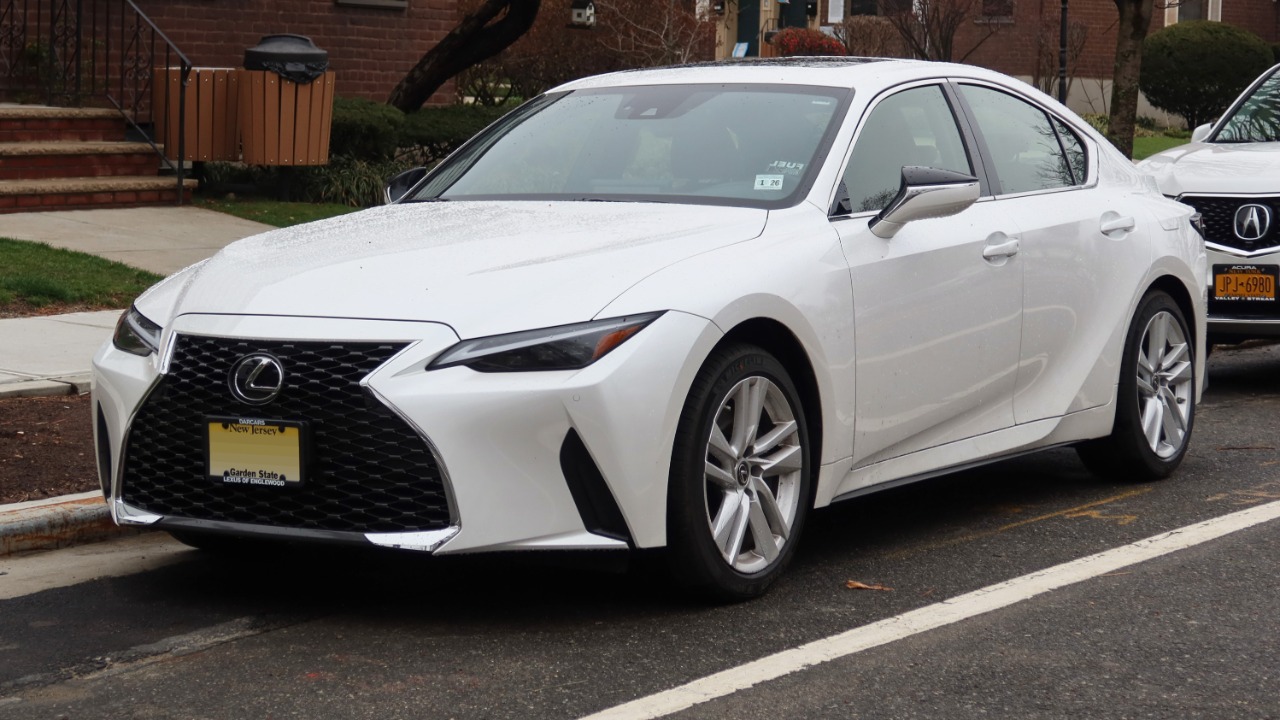
The third-generation Lexus IS is the car that quietly proves comfort and engagement do not have to be opposites. Evaluations of value-focused performance sedans highlight that the IS, with a choice of all-wheel and rear-wheel drive, delivers a smooth, responsive and quiet ride while still feeling alert in your hands. In other words, it combines luxury features with a genuinely satisfying driving experience.
From behind the wheel, the steering weight, brake feel and body control make the car shrink around you, especially in rear-drive form. That can be a revelation if you are stepping out of a softer, front-drive sedan that isolates you from the road. The IS shows that you do not need a full-blown sports badge to enjoy nuanced dynamics, which encourages more buyers to prioritize how a car drives instead of only counting screens and driver aids.
Mazda RX-7 FD

The Mazda RX-7 FD is one of those cars that enthusiasts describe as “magical” after a single drive. In a discussion of transformative cars, one driver singled out a 1993 Mazda RX-7, noting that the sheer joy of rowing through the gears and the connection to the car made it unforgettable. The FD and R32 GTR are both called magical cars in that same conversation, which tells you the level of company the RX-7 keeps in enthusiasts’ minds.
On the road, the combination of a light rotary engine, low seating position and precise steering makes the car feel like it wraps around you. The twin-turbo power delivery encourages you to stay in the boost, and the chassis rewards smooth inputs rather than brute force. Experiencing that balance of delicacy and aggression can change how you think about powertrains and weight distribution, especially compared with heavier modern coupes.
Nissan Skyline R32 GTR

The Nissan Skyline R32 GTR feels different the moment its all-wheel-drive system digs in and slings you out of a corner with almost eerie efficiency. In the same enthusiast reflection that praises the RX-7, the writer notes that The FD and R32 GTR are both magical, capturing that sense of connection and capability that lingers long after the drive. The GTR’s blend of turbocharged power and clever torque distribution was decades ahead of its time.
From your perspective, the steering feels heavier than a modern hot hatch, but the way the car stays planted over rough pavement and through fast sweepers is eye opening. It teaches you how technology can enhance, rather than dilute, driver involvement when it is tuned with intent. That lesson still shapes expectations for modern performance all-wheel-drive systems, from rally-inspired sedans to electric torque-vectoring setups.
Polestar 2

The Polestar 2 is the electric car that can reset your assumptions about EVs being numb appliances. In a discussion of cars that simply have “it,” one enthusiast lists the RX-7 FD, first-gen IS300 5-speed, Polestar 2 and a 370Z as standouts, grouping Polestar with some of the most beloved driver’s cars. That is a strong signal that its steering, chassis balance and power delivery feel special from the first drive.
Behind the wheel, the instant torque is familiar EV territory, but the way the car corners, with a firm, controlled ride and clear steering feedback, feels closer to a European sport sedan than a soft crossover. Experiencing that combination can change how you evaluate electric models, pushing you to look beyond range and charging to ask whether an EV is genuinely enjoyable to drive. As more brands chase this formula, the bar for electric driving dynamics keeps rising.
Citroen C5 Aircross

The Citroen C5 Aircross is a reminder that feeling “different” can mean comfort rather than cornering grip. A detailed breakdown of suspension comfort in India highlights the Citroen C5 Aircross, noting a Price range of ₹36.91 to ₹37.67 lakhs, a Fuel Type of Diesel, mileage of 17.5 km per liter and seating for five. Those numbers frame a family SUV that is unapologetically tuned for a plush ride.
From the driver’s seat, the suspension filters out sharp edges and broken tarmac in a way that can feel almost floaty if you are used to firmer crossovers. That comfort-first approach matters in markets with rough roads, where fatigue and safety are directly tied to how a car rides. Experiencing the Aircross can shift your priorities, making you value suspension sophistication as much as horsepower or screen size.
Lotus Seven–style “LoCost”

A Lotus Seven–style “LoCost” kit car is about as raw as road-legal driving gets, and you feel that the instant you roll over a painted line. One enthusiast described these LoCost cars as “pretty much a shifter kart with suspension,” adding that even a modded Miata is only 80% or 90% of a Lotus in terms of rawness. Pebbles in the road become events, and you feel every camber change through the unassisted steering.
Driving one teaches you how little you actually need between you and the road for a memorable experience. There is almost no sound insulation, the controls are heavy, and the car demands constant attention, which can be exhausting but also deeply rewarding. That intensity underscores why most mainstream cars are so filtered, and it gives you a new appreciation for the compromises engineers make between comfort, safety and excitement.
Hyundai i20 (standard) with strong safety focus

The standard Hyundai i20, especially in markets where safety is a major talking point, can feel different because of how secure it makes you feel at realistic speeds. In a discussion about the best-driving cars under 30k, one commenter notes that the newer generations, referred to as NC and ND in that thread, are “pretty good,” and adds that they are “About as safe as any modern sedan” with proper crumple zones. That same conversation, linked through About, highlights how safety stories shape your perception of a car’s dynamics.
From behind the wheel, knowing that the structure and crash performance are up to modern standards can change how confidently you use the car’s performance. You might brake later, merge more decisively or tackle a wet road with less anxiety. That psychological effect is part of the driving experience, and it shows why safety engineering is not just about test scores, it is about how you actually drive every day.
Tesla Model S Plaid

The first press of the accelerator instantly reshapes your perception of speed. The near-silent surge of power delivers acceleration that feels relentless, futuristic, and almost unreal.
There’s no buildup, no drama—just instant, crushing forward motion. That immediate shock factor makes the Plaid feel like a technological leap rather than a simple performance upgrade.
Honda S2000

The S2000 feels razor sharp from the first mile. Steering inputs produce immediate directional changes. The engine eagerly climbs through its rev range. Every control feels purpose-built for driver involvement.
Shifts feel mechanical and highly precise. Throttle response is crisp and linear. The chassis communicates grip levels clearly. The entire experience feels deeply engaging and rewarding.
More from Fast Lane Only