In the realm of motorcycles, speed and performance often go hand in hand with nostalgia and classic design. Many vintage motorcycles, despite their age, still hold their ground against modern counterparts. These legendary machines not only offer a thrilling ride but also a trip back in time to when craftsmanship and engineering were paramount. Let’s delve into the world of vintage motorcycles that can still leave some modern bikes in the dust.
Vincent Black Shadow
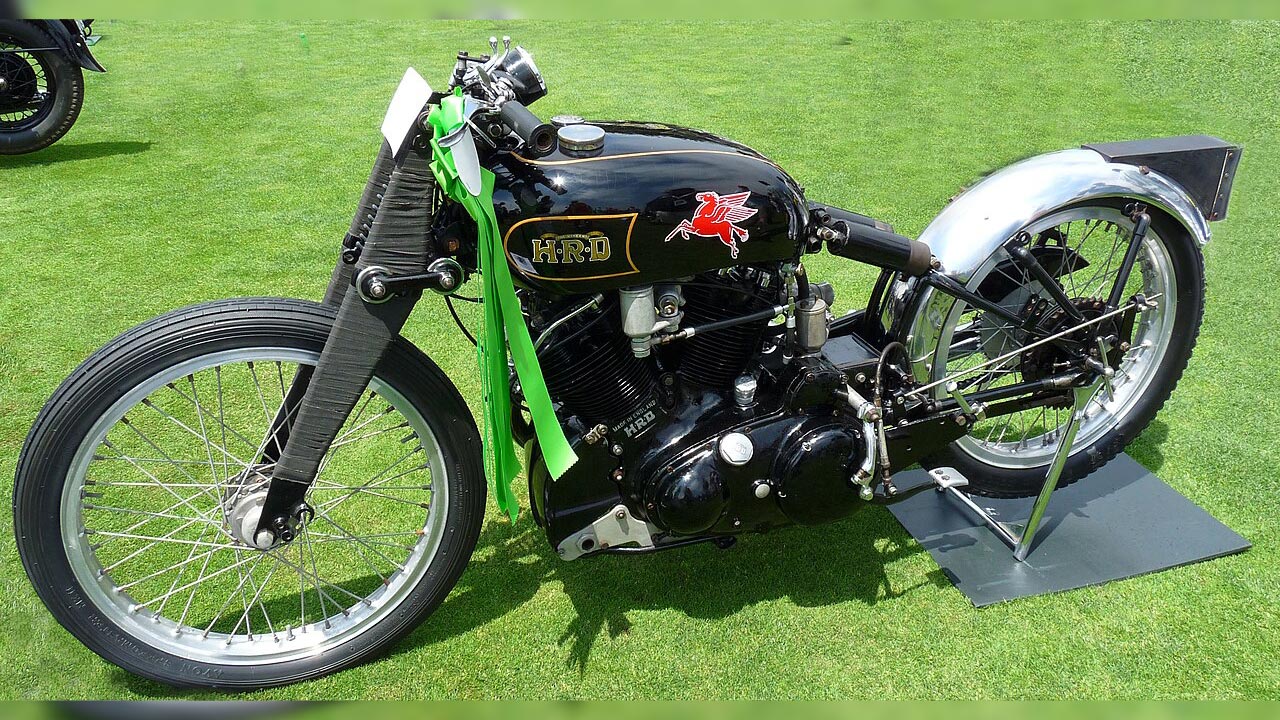
The Vincent Black Shadow, produced from 1948 to 1955, is often hailed as the world’s first superbike. With its 998cc V-twin engine, it boasted a top speed of 125 mph, a remarkable feat for its time. The Black Shadow was known for its innovative design, featuring aluminum alloy components and a unique cantilever rear suspension.
This motorcycle’s reputation for speed and performance was solidified when Rollie Free famously set a land speed record in 1948, reaching 150.313 mph at the Bonneville Salt Flats. Even today, the Black Shadow’s blend of power and design can give many modern bikes a run for their money.
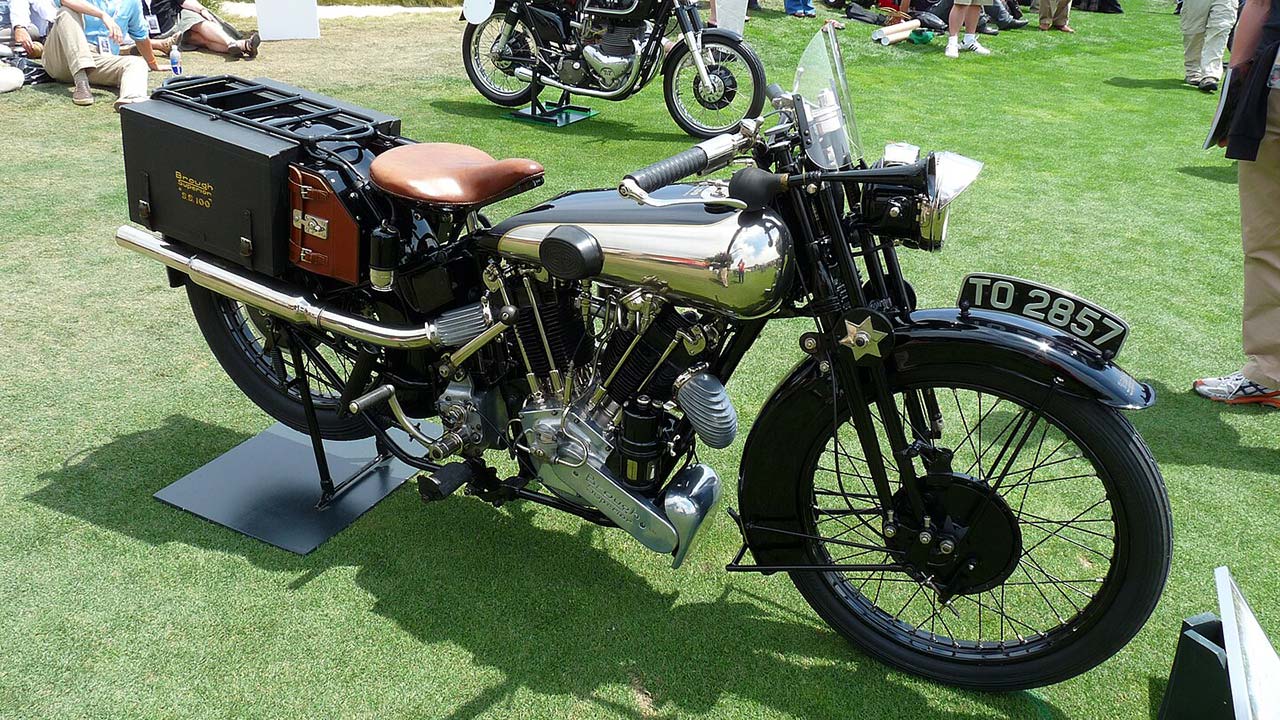
Brough Superior SS100
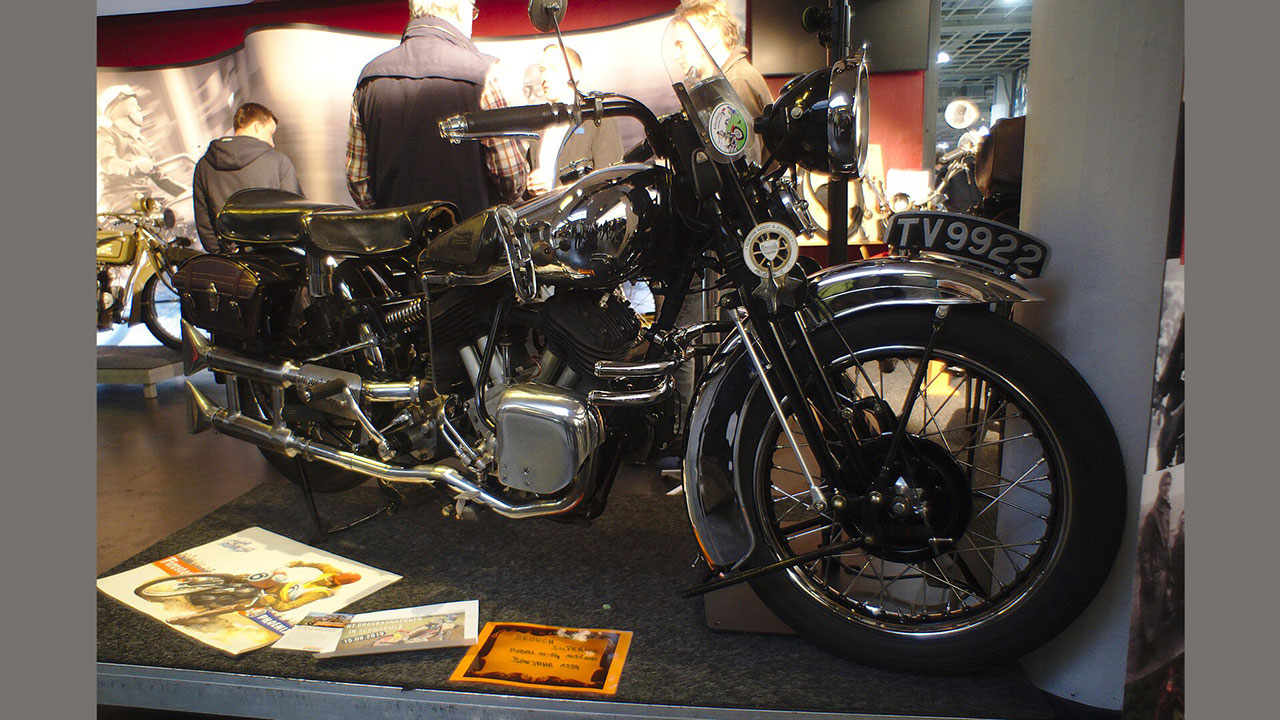
The Brough Superior SS100 was a masterpiece of engineering and design when it was introduced in the 1920s. Often referred to as the “Rolls-Royce of Motorcycles,” the SS100 was hand-built and guaranteed to reach 100 mph, a claim that was verified by legendary riders like T.E. Lawrence, also known as Lawrence of Arabia.
Its 1000cc V-twin engine, coupled with meticulous craftsmanship, made it a formidable machine. The SS100’s legacy continues to captivate enthusiasts, with its combination of speed, elegance, and historical significance making it a prized possession for collectors and racers alike.
Norton Commando 750
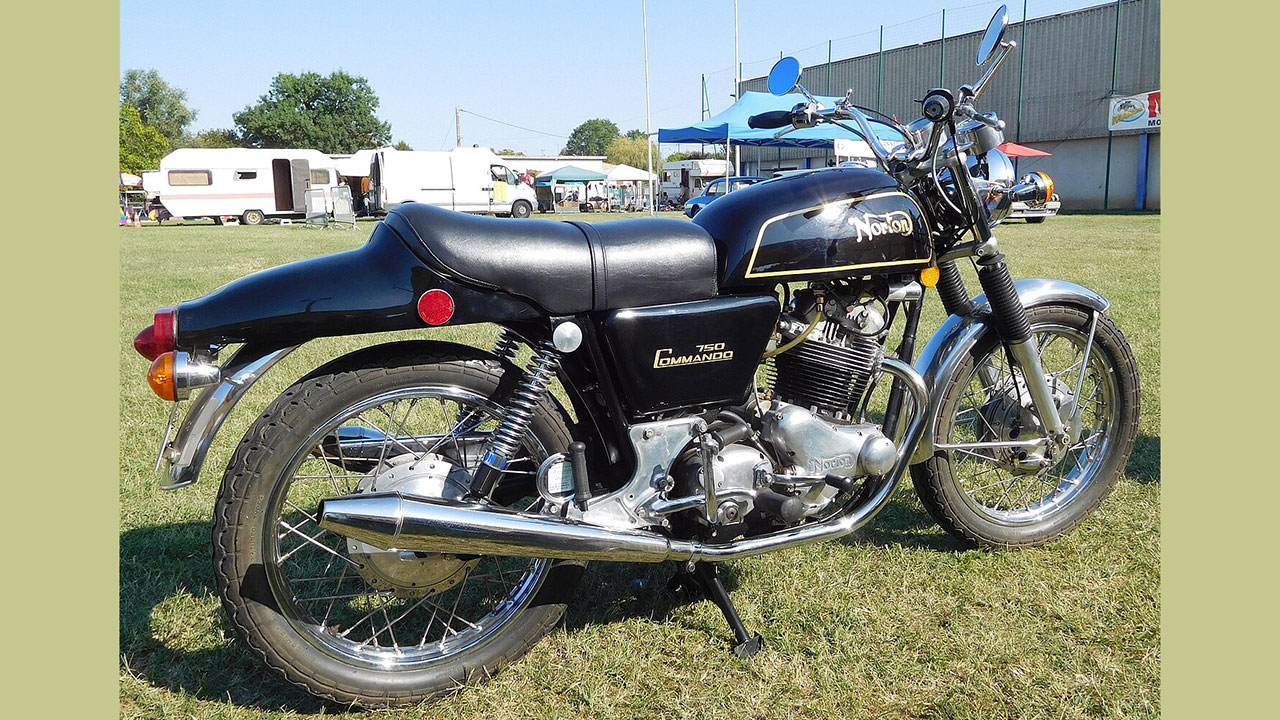
The Norton Commando 750, produced from 1967 to 1977, is celebrated for its robust performance and innovative design. The 745cc parallel-twin engine delivered impressive power, while the revolutionary “Isolastic” frame system minimized vibrations, providing a smoother ride.
The Commando’s racing pedigree was further enhanced by its successes in the Isle of Man TT races. Its blend of speed, handling, and reliability ensures that even today, it can hold its own against many modern sport bikes on both road and track.
Triumph Bonneville T120
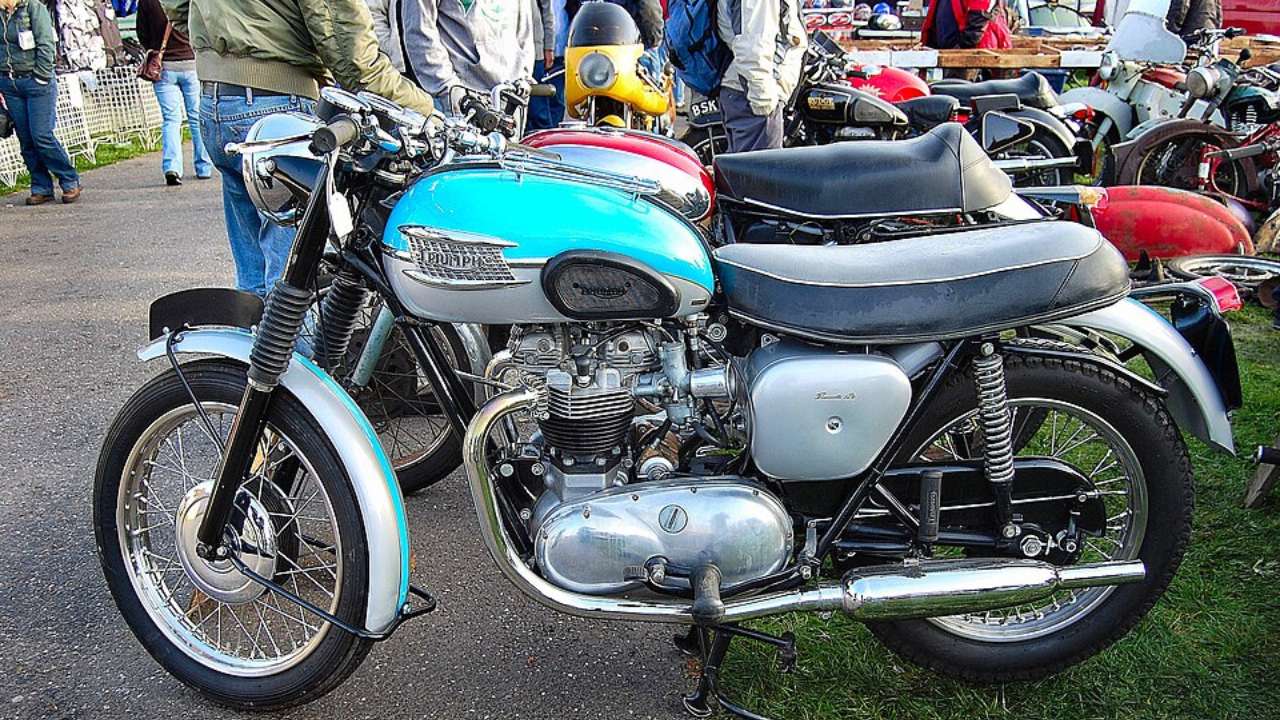
The Triumph Bonneville T120 was introduced in the late 1950s and quickly became an icon of British motorcycling. With its 650cc parallel-twin engine, the Bonneville offered a perfect balance of performance and style, capable of reaching speeds over 100 mph.
Named after the Bonneville Salt Flats, where Triumph set numerous speed records, the T120 became synonymous with the café racer culture of the 1960s. Its timeless design and performance capabilities continue to attract riders who appreciate its classic appeal and impressive speed.
Ducati 750 Super Sport
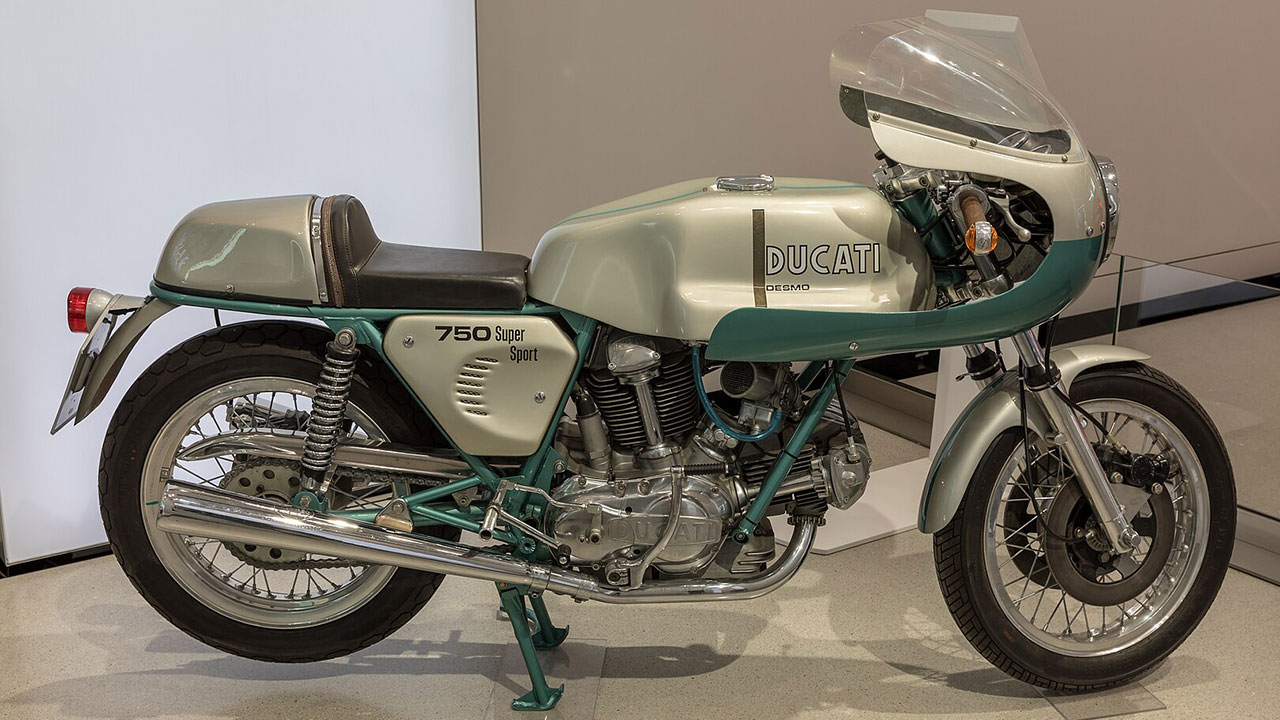
The Ducati 750 Super Sport made its mark in the early 1970s, particularly through its success in endurance races like the Imola 200. Known for its desmodromic valve system and trellis frame, the 750 Super Sport delivered exceptional handling and performance.
The 748cc V-twin engine provided a thrilling ride, with a top speed that rivaled many larger bikes of its era. Its legacy as a racing powerhouse endures, with collectors and enthusiasts valuing the 750 Super Sport for its engineering excellence and competitive spirit.
BMW R90S
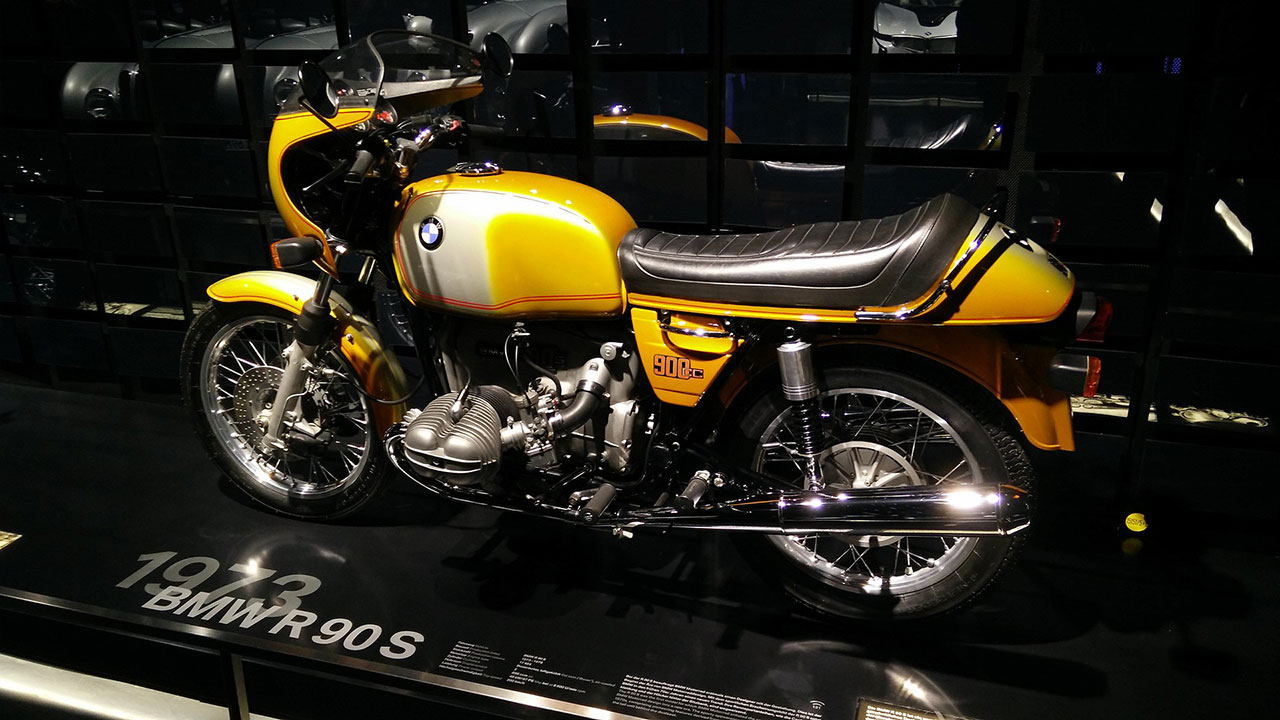
The BMW R90S, introduced in 1973, was a game-changer for the German manufacturer. With its distinctive fairing and 898cc flat-twin engine, the R90S combined style with substance, achieving a top speed of 125 mph.
Its performance on the racetrack, including victories in the AMA Superbike Championship, cemented its reputation as a formidable competitor. The R90S remains a beloved classic, with its blend of speed, design, and engineering elegance continuing to impress even by today’s standards.
Kawasaki Z1
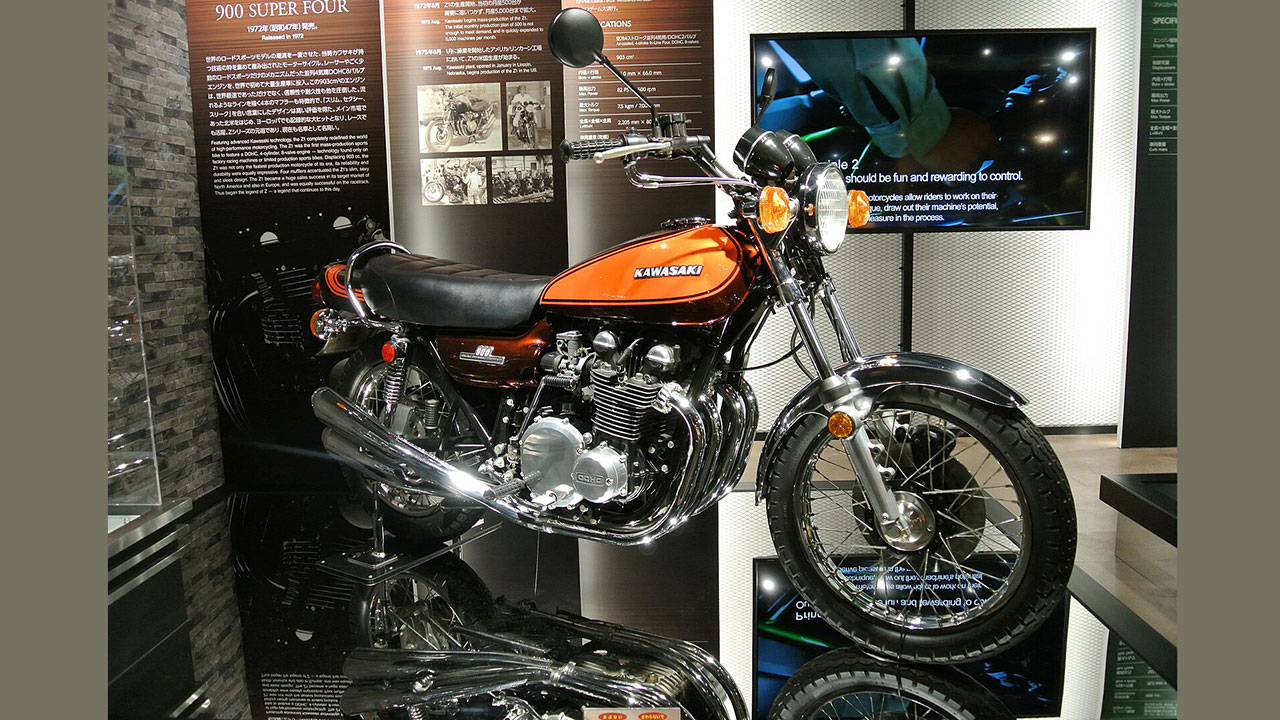
The Kawasaki Z1, also known as the Kawasaki 900 Super Four, burst onto the scene in 1972 and quickly became a sensation. With its 903cc inline-four engine, the Z1 was capable of reaching speeds over 130 mph, making it one of the fastest production motorcycles of its time.
Often credited with starting the superbike era, the Z1 combined raw power with reliability, setting new standards for performance motorcycles. Its enduring legacy is evident in the continued popularity of the Z-series among enthusiasts and collectors.
Moto Guzzi Le Mans
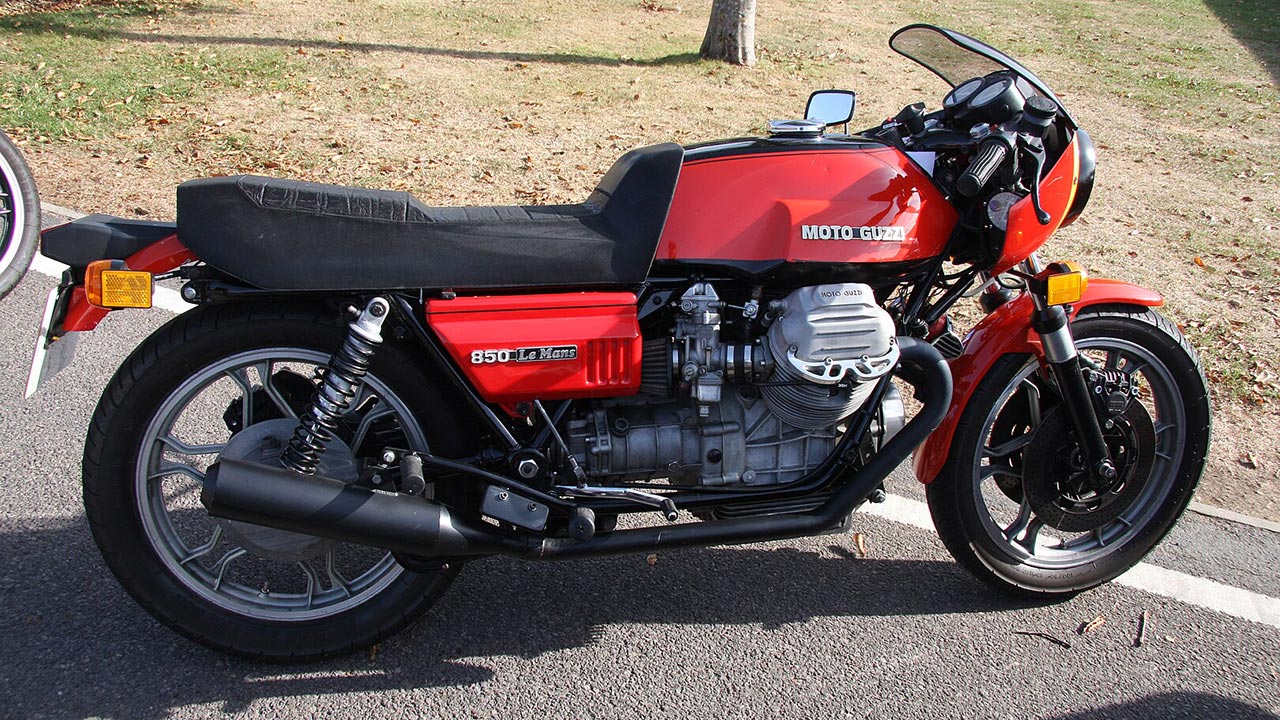
The Moto Guzzi Le Mans debuted in 1976, offering a unique blend of Italian style and performance. Its 850cc V-twin engine was renowned for its torque and acceleration, making it a formidable competitor on both road and track.
The Le Mans’ distinctive design, with its bold lines and café racer-inspired aesthetics, has made it a favorite among motorcycle aficionados. Its ability to deliver a thrilling ride while maintaining classic Italian craftsmanship ensures its place among the greats of motorcycle history.
Suzuki GT750
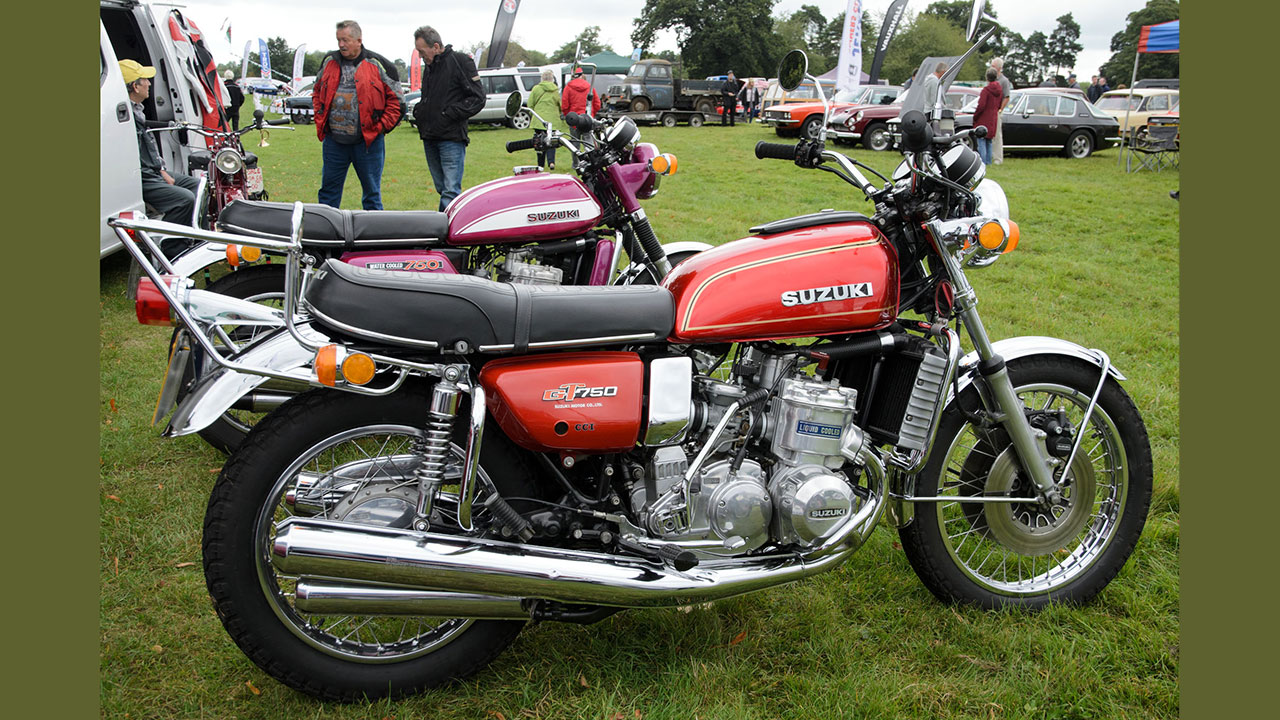
The Suzuki GT750, affectionately known as the “Water Buffalo,” was a trailblazer in the realm of motorcycle design. Released in 1971, it featured a 739cc liquid-cooled two-stroke engine, a rarity at the time, which provided smooth power delivery and impressive performance.
Capable of reaching speeds over 110 mph, the GT750 was praised for its comfort and stability, making it a popular choice for long-distance touring. Its innovative engineering and distinctive sound continue to captivate vintage motorcycle enthusiasts around the world.
Harley-Davidson XR750
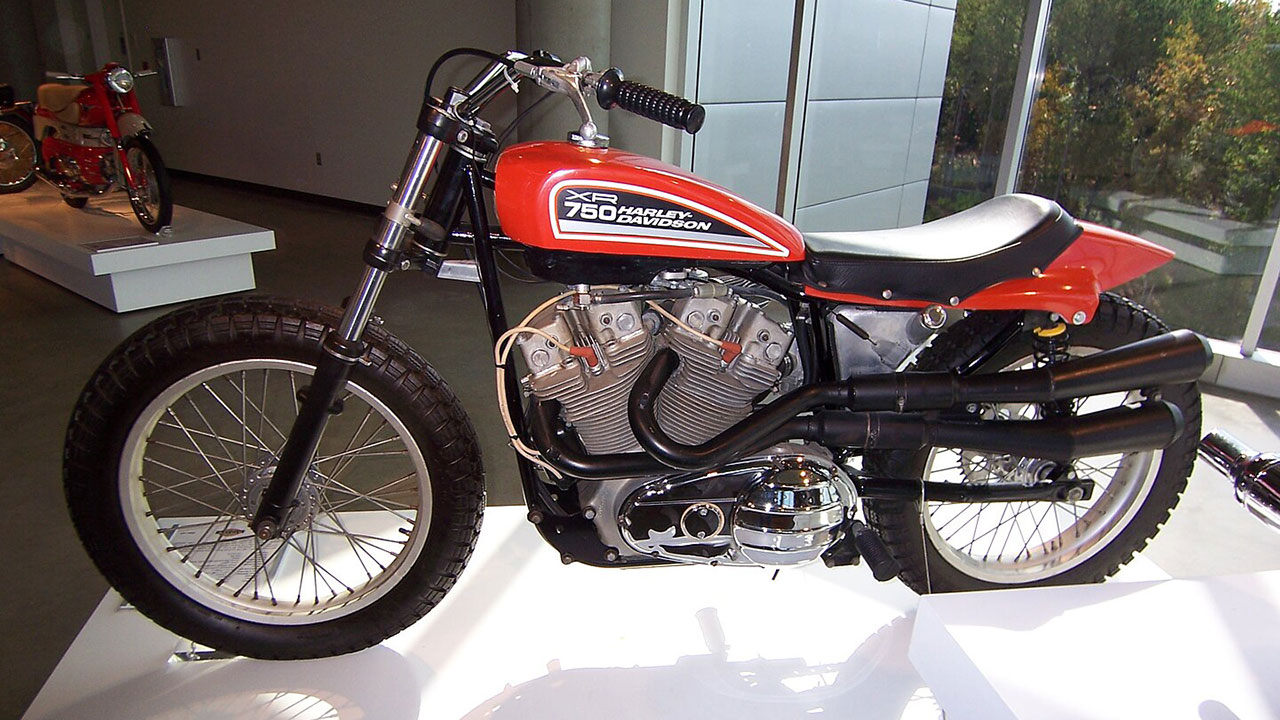
The Harley-Davidson XR750 is legendary in the world of flat track racing. Introduced in 1970, it quickly became the motorcycle of choice for racers, thanks to its lightweight frame and powerful 748cc V-twin engine.
The XR750’s dominance in the American Motorcycle Association (AMA) races, particularly during the 1970s and 1980s, solidified its status as an icon of American motorcycling. Its racing pedigree, coupled with its unmistakable style, ensures its continued popularity among collectors and racers alike.
Honda CB750
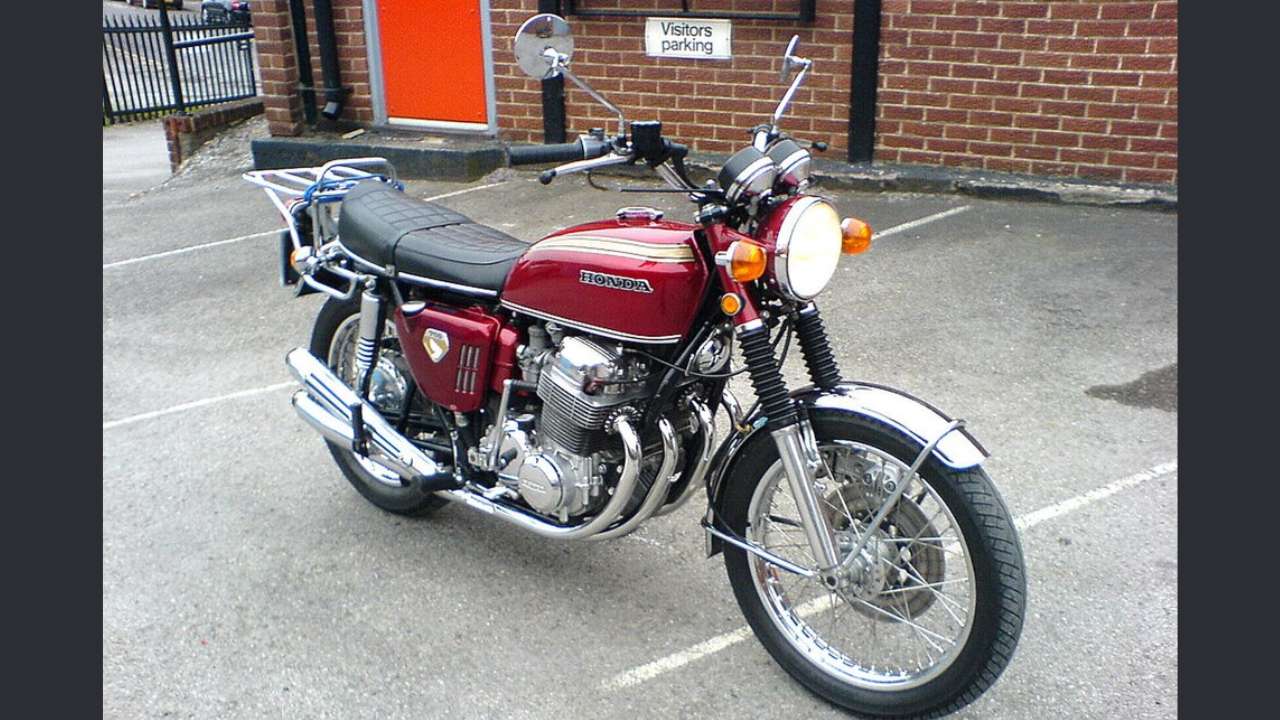
The Honda CB750, introduced in 1969, revolutionized the motorcycle industry with its innovative design and performance. As the first production motorcycle to feature a transverse inline-four engine, the CB750 set new standards for power and reliability.
With its 736cc engine capable of reaching speeds over 120 mph, the CB750 was a game-changer, paving the way for the modern superbike era. Its combination of cutting-edge technology and classic design continues to make it a sought-after model for vintage motorcycle enthusiasts.
Laverda Jota
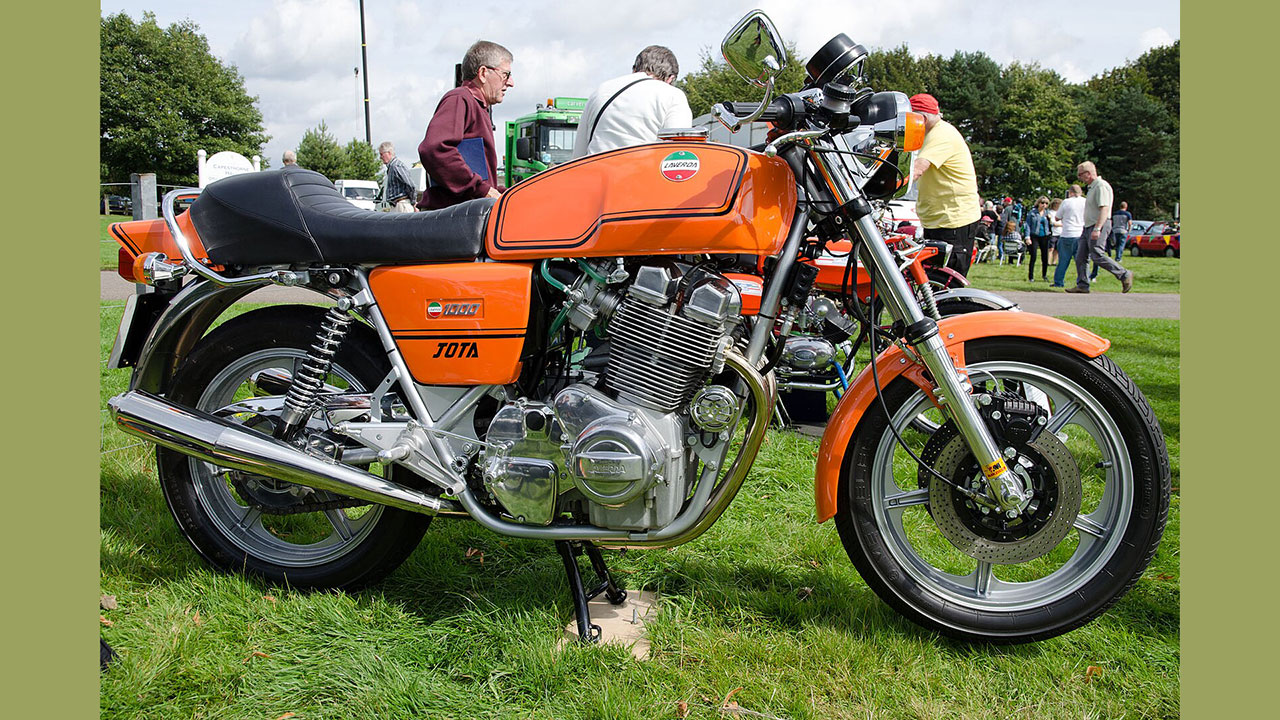
The Laverda Jota, introduced in the mid-1970s, was a powerhouse of Italian engineering. With its 981cc triple-cylinder engine, the Jota was capable of reaching speeds in excess of 140 mph, making it one of the fastest production bikes of its time.
Its racing-inspired design and robust performance made it a favorite among speed enthusiasts and racers. The Jota’s legacy as a high-performance machine endures, with its distinctive look and exhilarating ride continuing to captivate motorcycle lovers.
Yamaha RD350
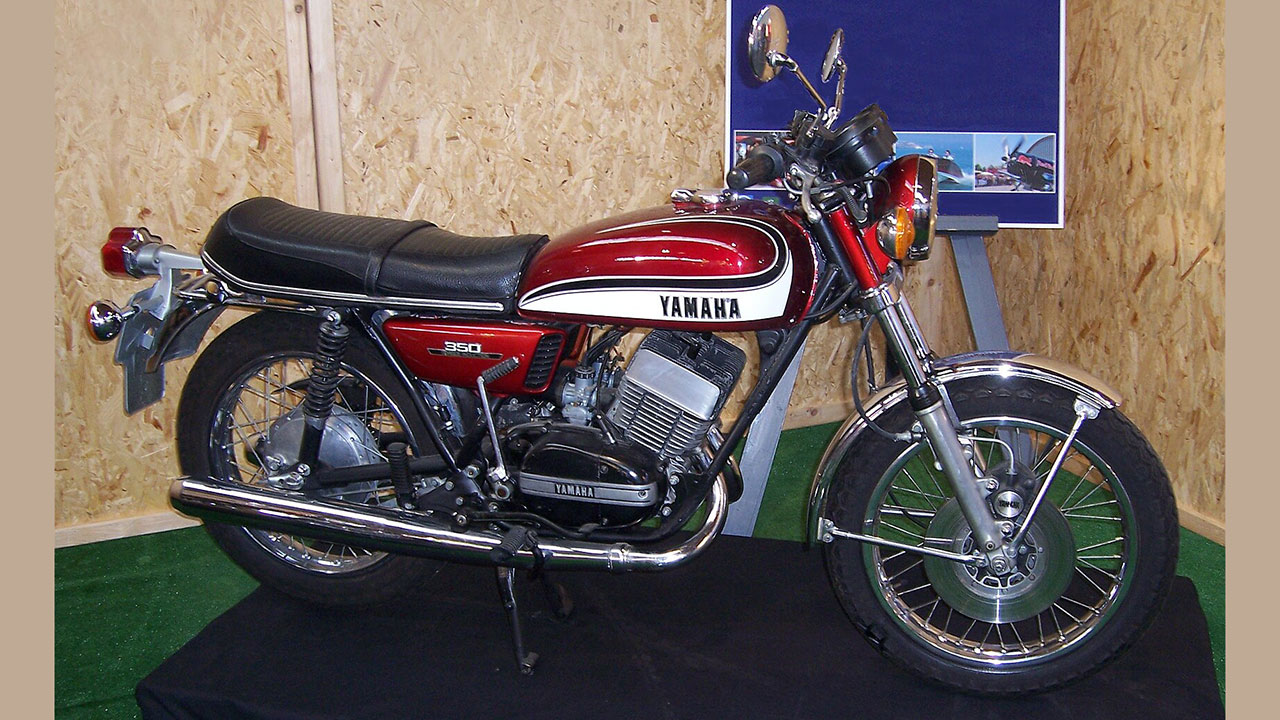
The Yamaha RD350 is a testament to the performance capabilities of two-stroke engines. Introduced in the early 1970s, this lightweight motorcycle featured a 347cc engine that delivered impressive acceleration and handling.
With its nimble frame and powerful engine, the RD350 became a popular choice for racers and thrill-seekers alike. Its influence on the development of sport bikes is undeniable, and its enduring popularity among collectors speaks to its exceptional performance and iconic status.
Indian Scout
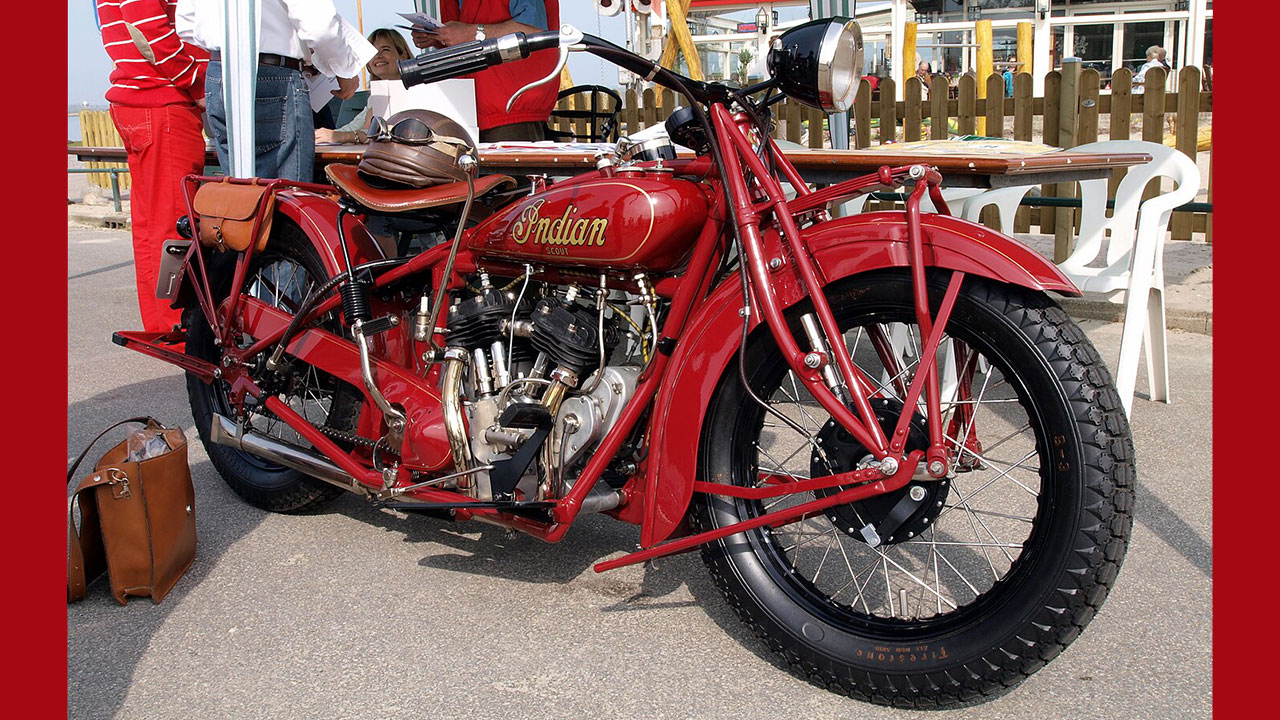
The Indian Scout, first introduced in the early 1920s, remains a symbol of American motorcycling heritage. Known for its reliability and speed, the Scout was powered by a 600cc V-twin engine, later expanded to 750cc, allowing it to achieve impressive speeds for its era.
Its success in races and endurance events cemented its reputation as a formidable competitor. The Scout’s classic design and historical significance continue to inspire a new generation of riders, ensuring its place in the pantheon of legendary motorcycles.
Ariel Square Four
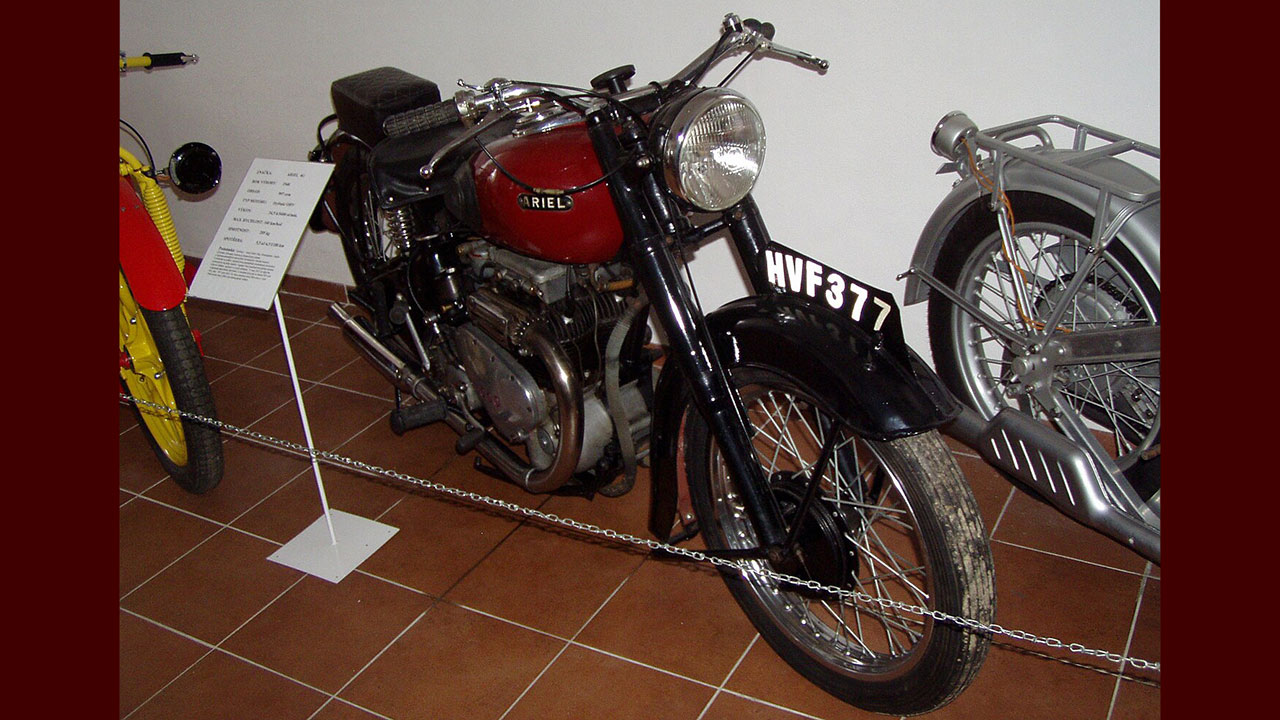
The Ariel Square Four, produced from the 1930s to the late 1950s, was a unique motorcycle with its four-cylinder engine arranged in a square formation. Designed by Edward Turner, the 997cc engine provided smooth power delivery and impressive performance for its time.
Capable of reaching speeds over 100 mph, the Square Four was praised for its engineering innovation and elegant design. Its distinctive engine layout and exceptional ride quality continue to make it a favorite among vintage motorcycle enthusiasts and collectors.
Like Fast Lane Only’s content? Be sure to follow us.
Here’s more from us:
*Created with AI assistance and editor review.