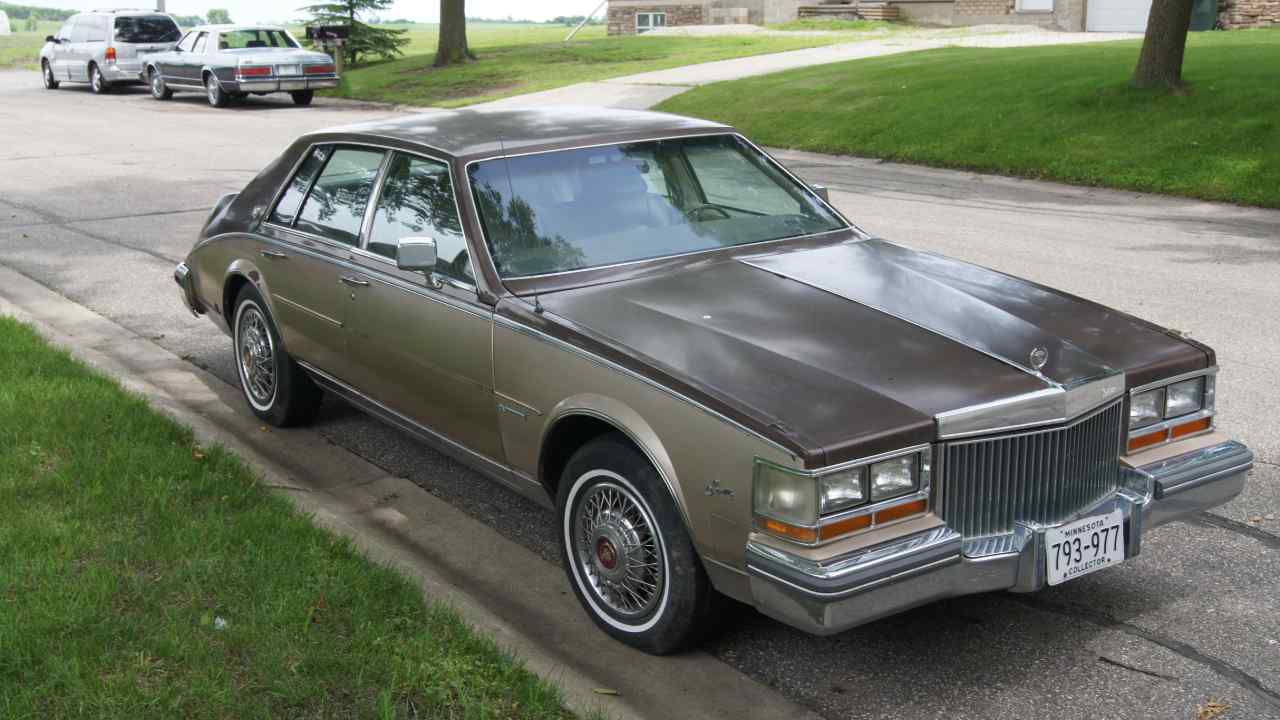
Some cars don’t just fit their era—they quietly predict what everyone else will build a decade later. Whether it’s fuel injection when carburetors still ruled, aero thinking before wind tunnels were mainstream, or electronics that hinted at today’s driver aids, these American machines brought tomorrow’s ideas to yesterday’s showrooms. Here are 19 classics that were genuinely ahead of the curve, even if the market didn’t always know what to do with them.
Cord 810
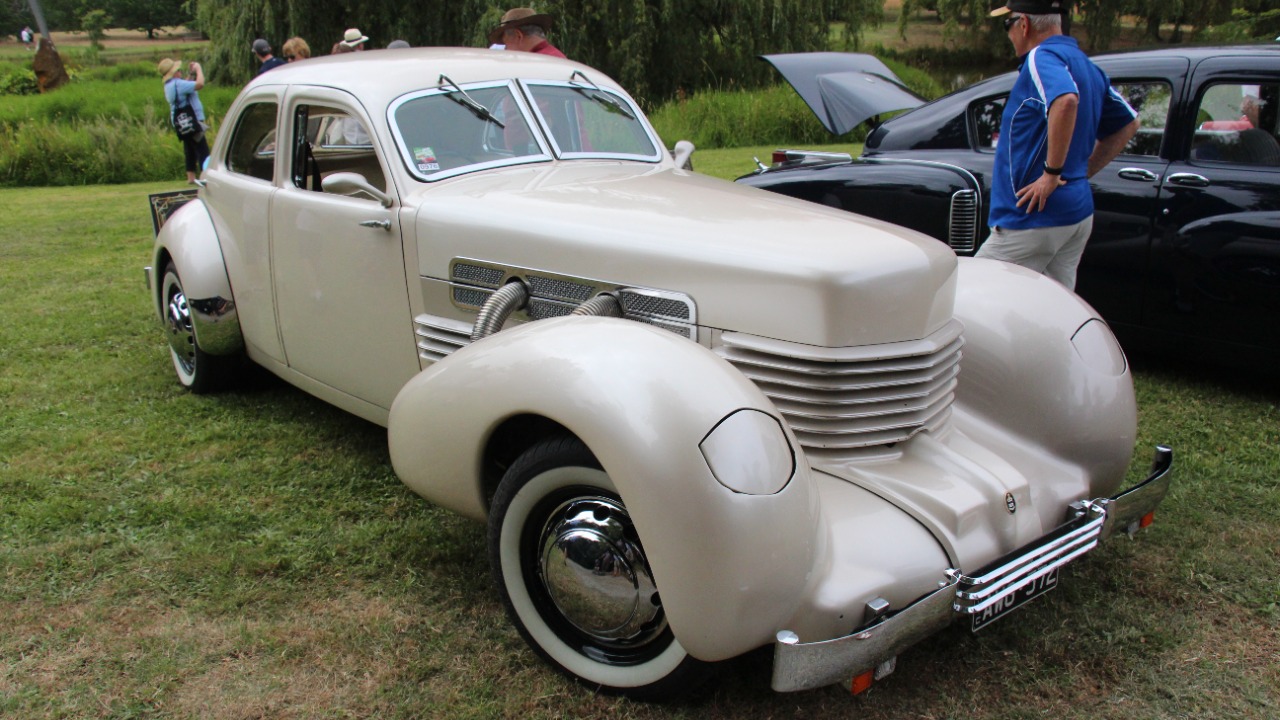
The 1936 Cord 810 arrived with front-wheel drive, a low stance, and clean “coffin nose” styling that looked like it had rolled out of a much later design studio. Its hidden headlamps were a sensation at the time and became a recurring luxury-car theme decades afterward. The semi-automatic preselector transmission was ambitious too, even if complexity and reliability issues kept it from widespread acceptance.
Tucker 48
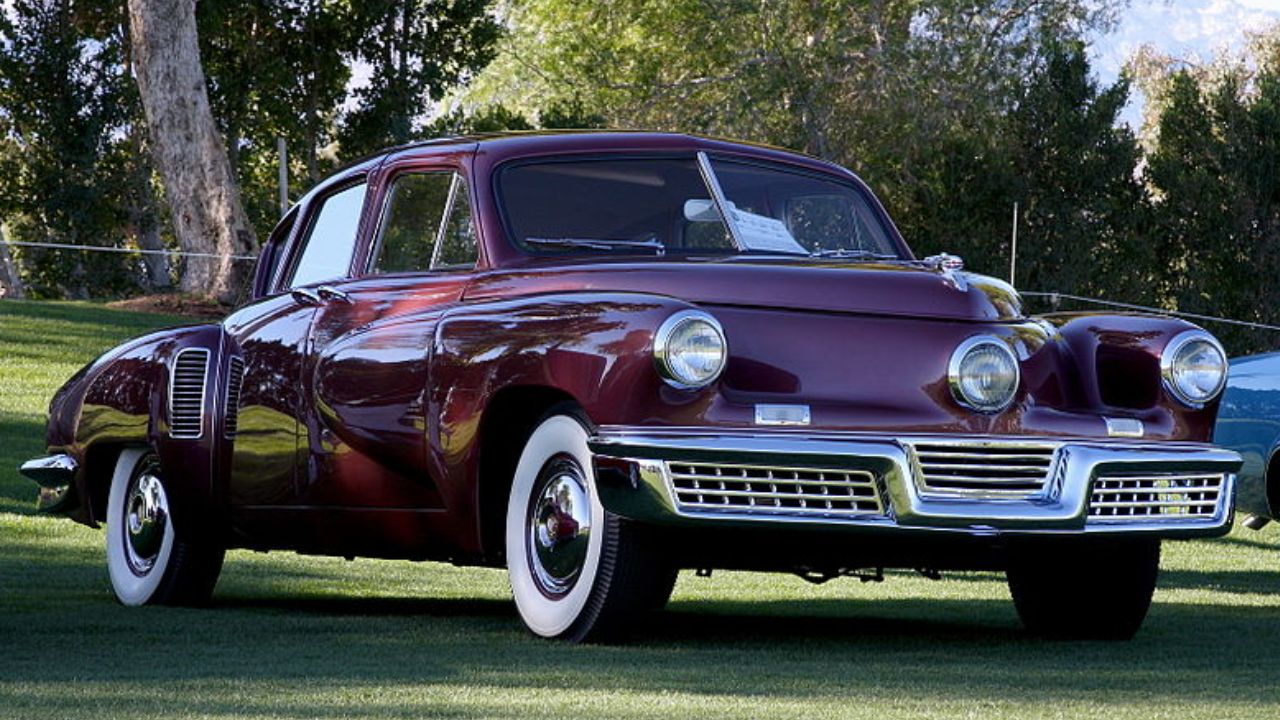
The 1948 Tucker 48 is famous for its small production run, but the ideas were serious: a center “Cyclops” headlight that turned with steering, strong attention to crash protection concepts, and a focus on occupant safety that wasn’t common in the late 1940s. Even its packaging and marketing felt modern. The car’s story is complicated, but its forward-looking priorities are well documented.
Chevrolet Corvette
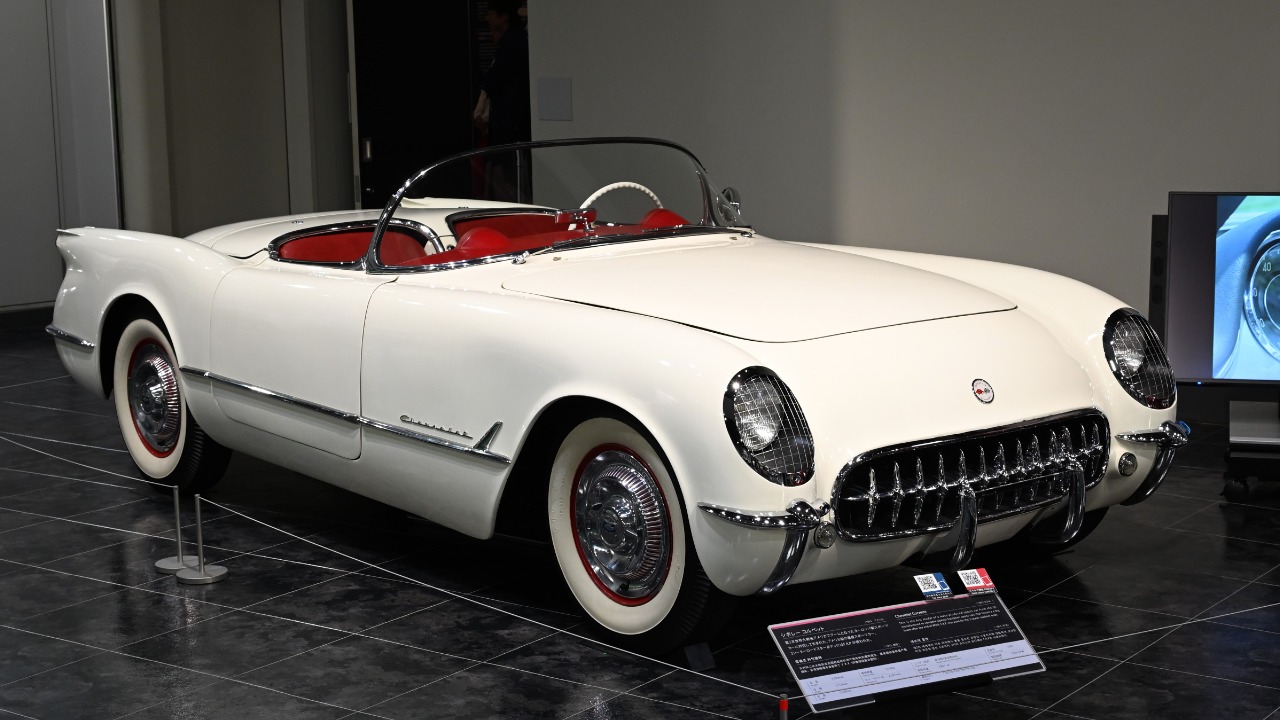
The first-year 1953 Chevrolet Corvette made fiberglass bodywork a headline feature on an American production car. That material choice wasn’t just about styling—it suggested a different way to build sporty cars with low-volume flexibility. The early cars weren’t fast by later Corvette standards, but the concept of a lightweight, image-leading American sports car became a template that stuck.
Chrysler C-300
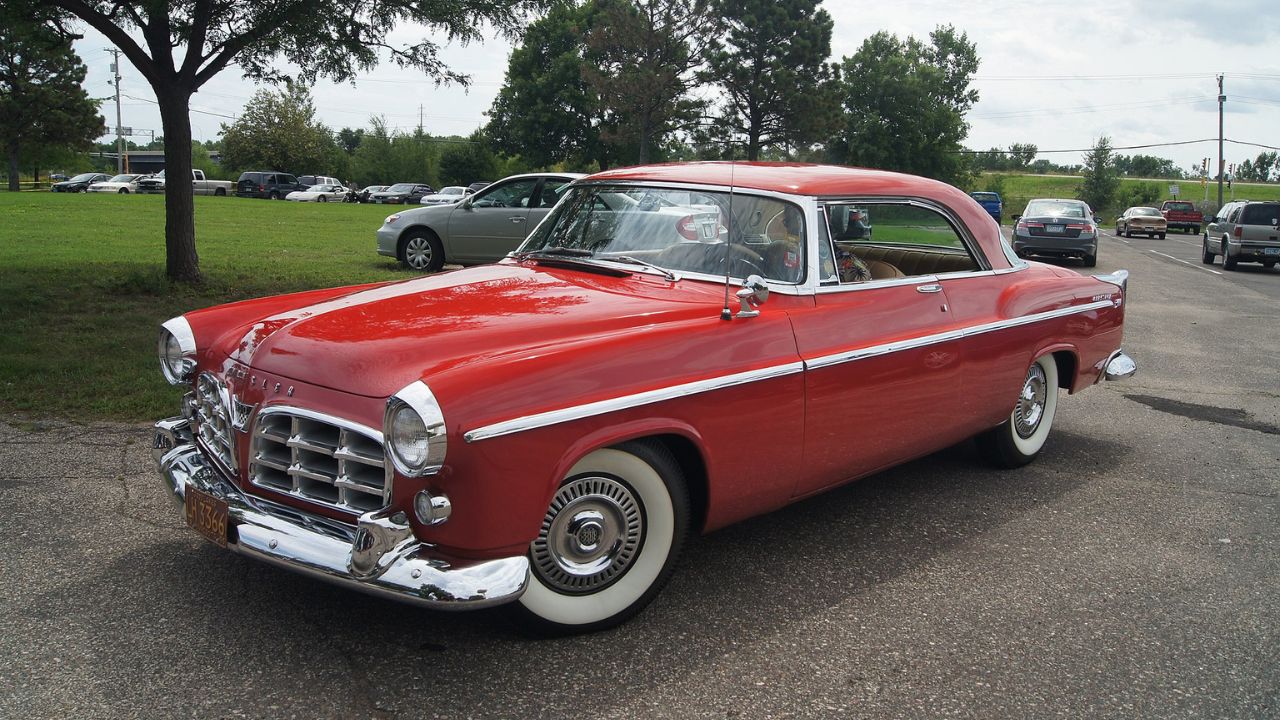
The 1955 Chrysler C-300 was a factory hot rod with a clear high-performance mission when most full-size cars were still tuned for quiet cruising. Its “300” approach helped normalize the idea that a big, comfortable American coupe could also be a serious high-speed machine. That blend of luxury and performance reads like an early preview of the later personal-luxury/performance boom.
Chrysler 300D
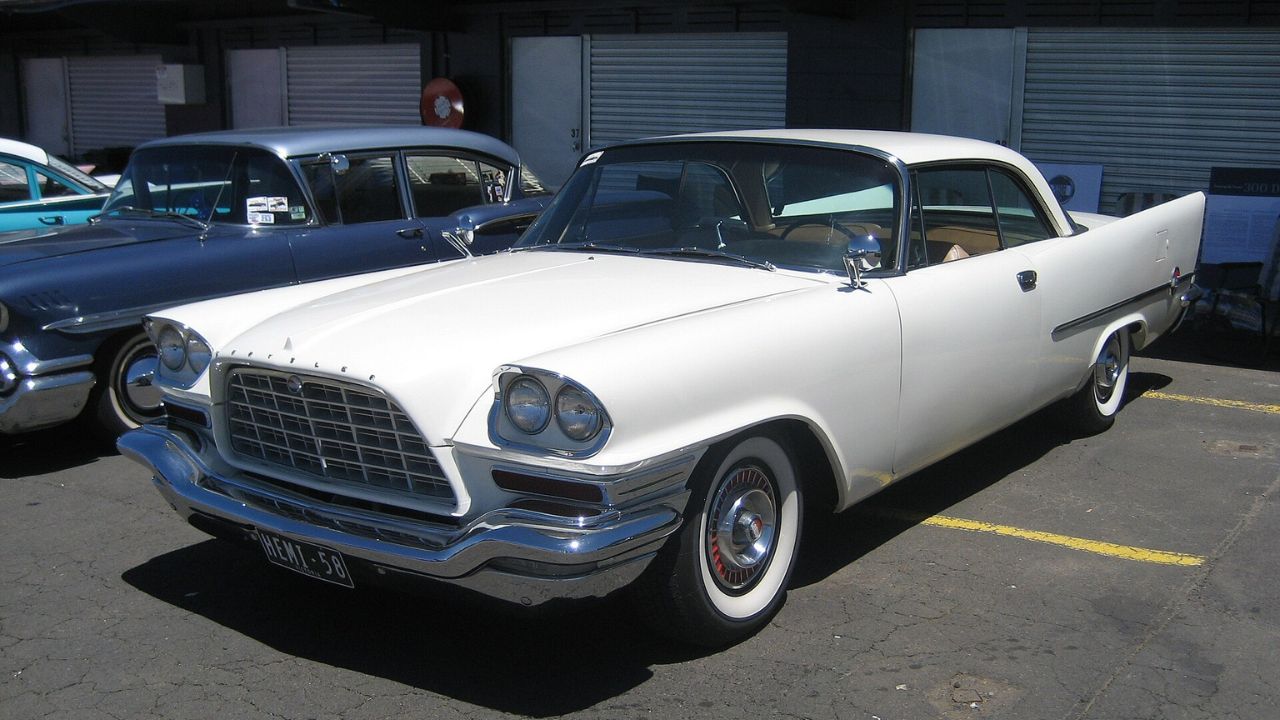
Electronic fuel injection sounds like a late-1980s breakthrough, but Chrysler offered the Bendix Electrojector on some 1958 models, including the 300D, in very limited numbers. The system proved difficult to support with the electronics of the day, so it was largely replaced by carburetion. Still, it’s a landmark example of Detroit experimenting with technology that would eventually become the norm.
Chevrolet Corvair
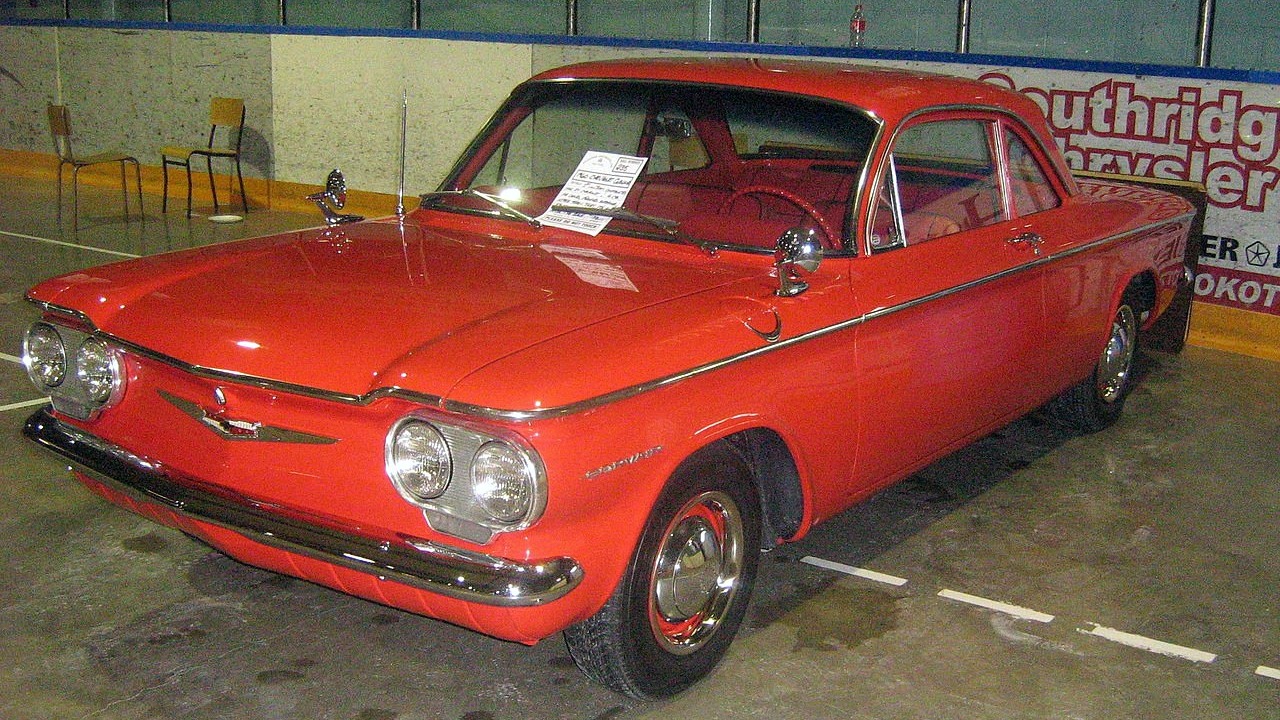
The 1961 Chevrolet Corvair’s air-cooled, rear-engine layout was a bold departure from American convention. It emphasized packaging efficiency and independent suspension engineering in an era dominated by front-engine sedans. Controversy later surrounded the model, but the Corvair remains a clear case of a major U.S. manufacturer taking a genuinely unconventional technical path.
Jaguar E-Type (U.S. icon status)
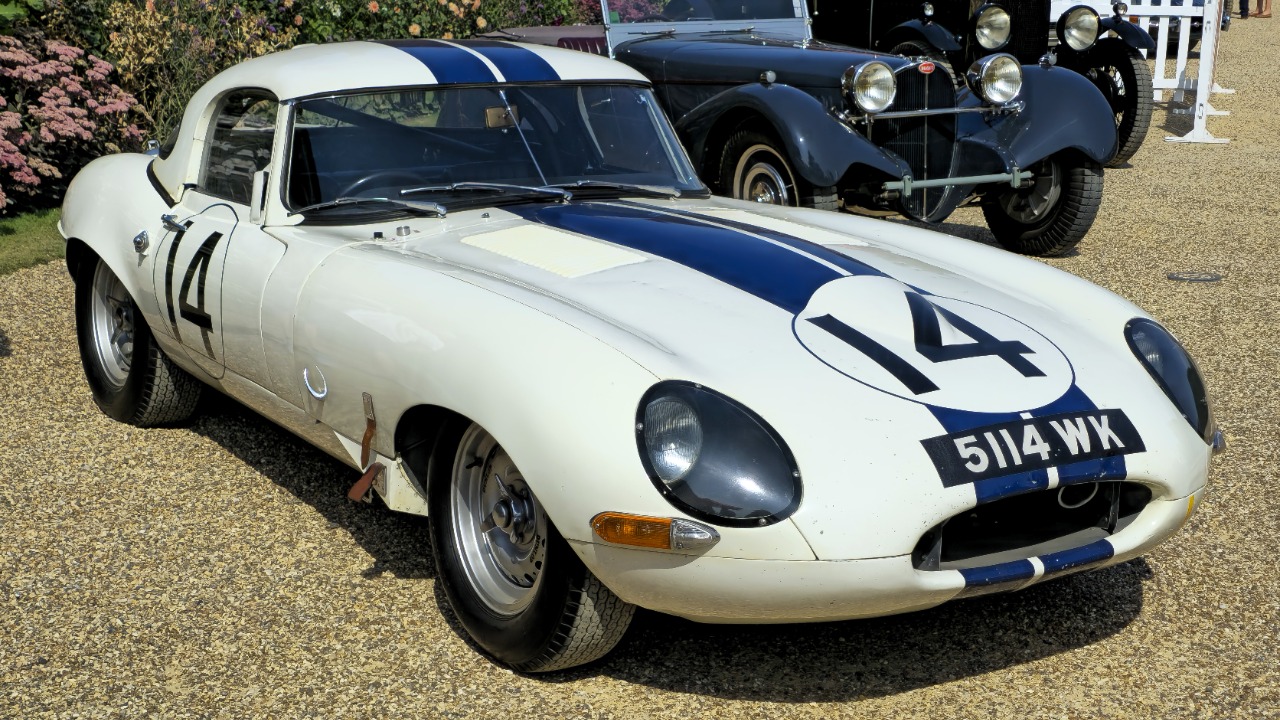
While not American-built, the Jaguar E-Type became an American-classic touchstone because of its huge cultural impact in the U.S. market. Its aerodynamic shape, independent suspension, and disc brakes helped set expectations for what a performance car should feel like in the 1960s. It pushed the whole enthusiast conversation forward on both sides of the Atlantic.
Studebaker Avanti
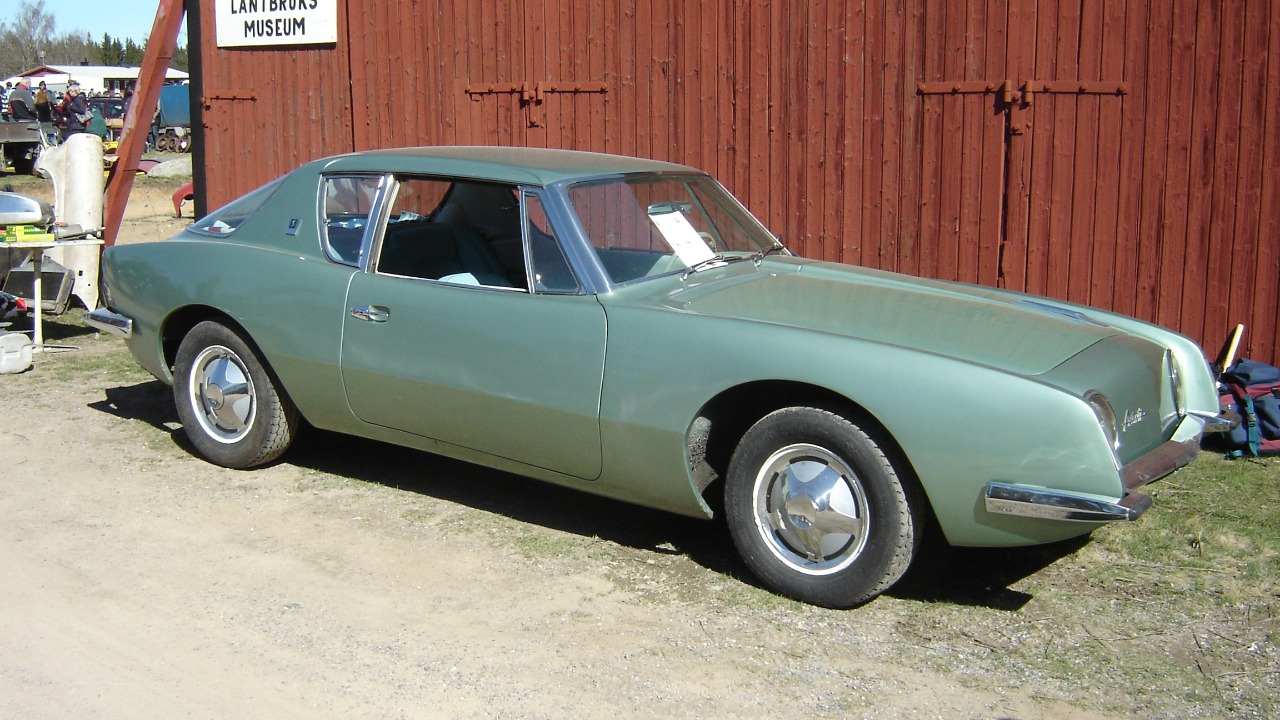
The 1963 Studebaker Avanti looked like it came from a concept-car stand, yet it was a real production coupe with a fiberglass body and a strong emphasis on aerodynamics. The interior and exterior design language didn’t resemble the usual Detroit cues of the early 1960s. It also pursued high-speed capability as a core identity, not a marketing afterthought.
Pontiac Tempest (rope-drive transaxle)

The 1963 Pontiac Tempest used an unusual flexible driveshaft (“rope drive”) to a rear transaxle, helping balance weight in a way that was rare for mainstream American compacts. This packaging wasn’t just quirky engineering—it was aimed at better ride and handling. The idea of chasing balance and refinement in a practical car would become much more common later.
Ford Mustang
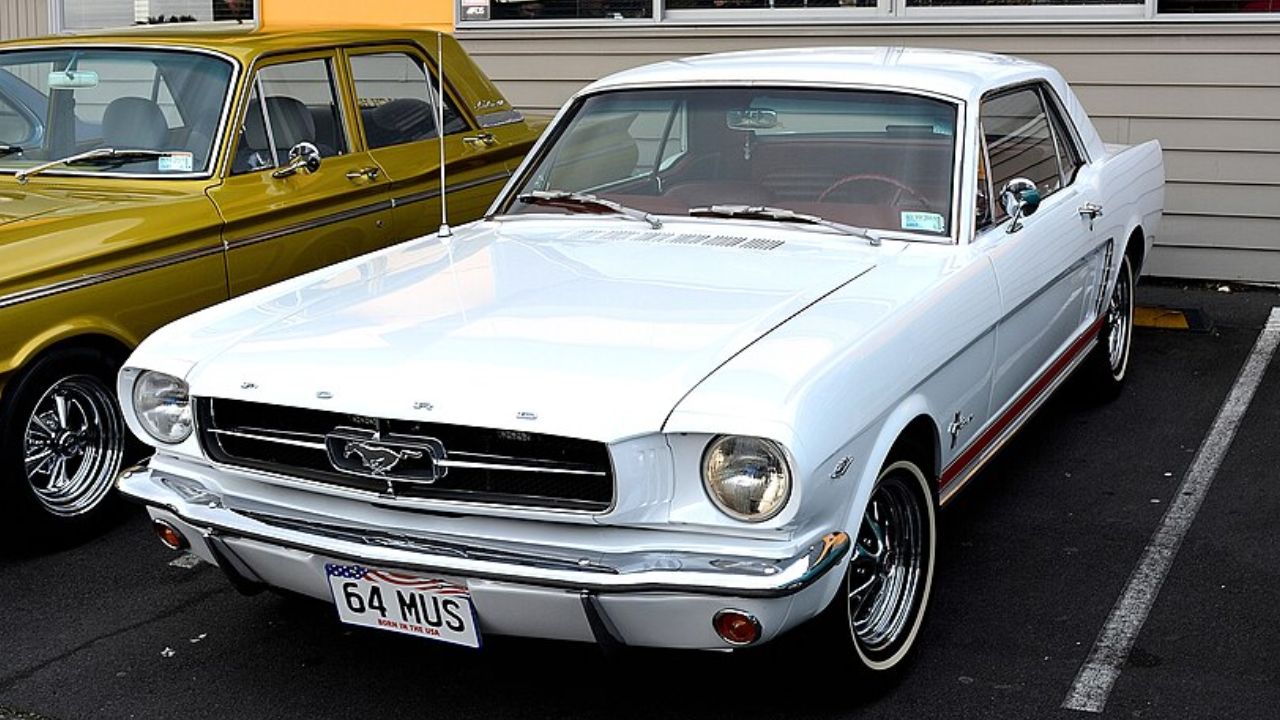
The 1964½–1965 Ford Mustang didn’t invent sporty cars, but it nailed a modern product formula: broad personalization, strong design identity, and an attainable entry price. That “lifestyle car” strategy has been copied endlessly. It was also one of the clearest examples of Detroit using savvy market segmentation to create a new category overnight.
Cadillac Eldorado
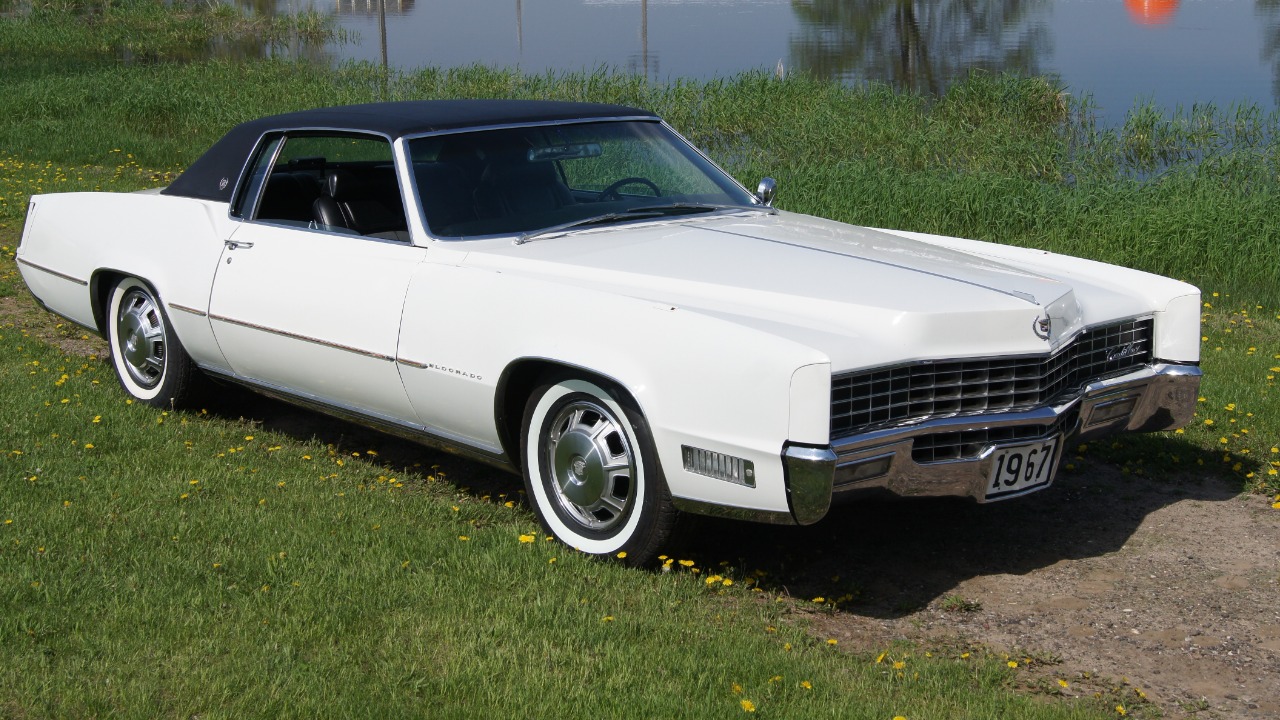
The 1967 Cadillac Eldorado brought front-wheel drive into the American luxury mainstream at a time when it still felt exotic in a big coupe. Its packaging helped deliver a low hood and a very distinctive profile without giving up cabin space. Large FWD luxury cars would reappear later across the industry, but Cadillac was there early.
AMC Gremlin
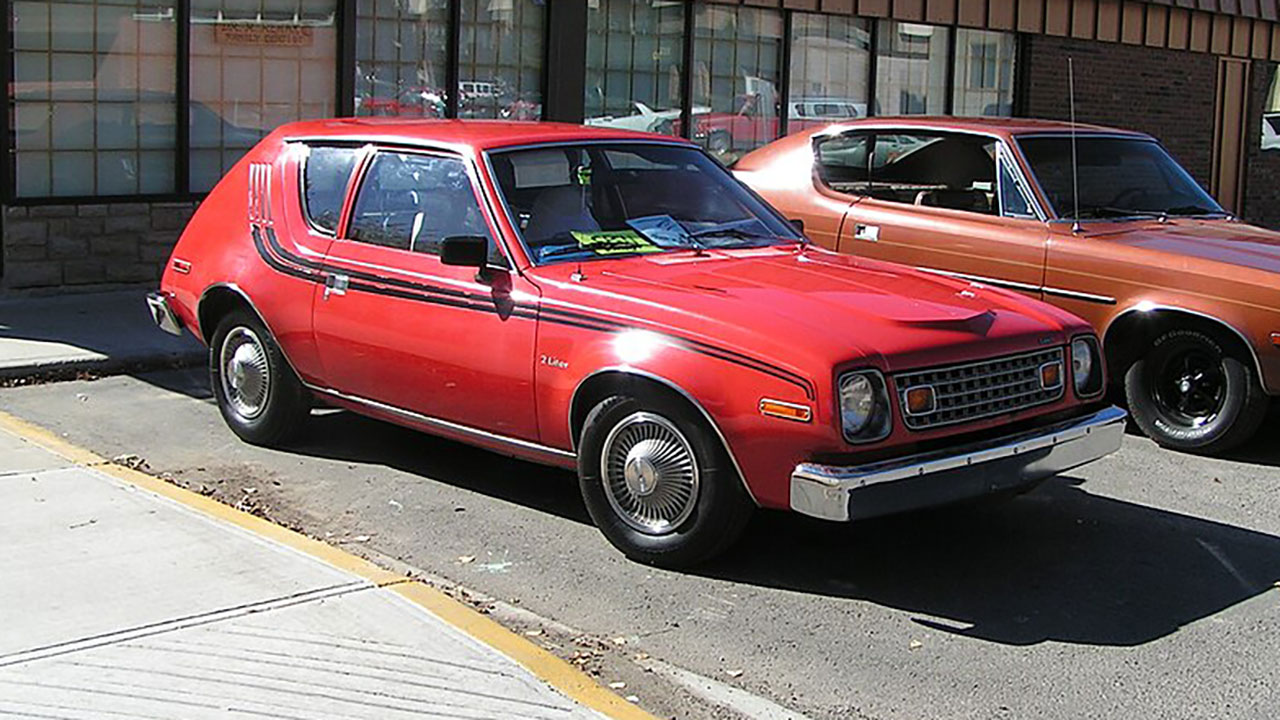
The 1970 AMC Gremlin arrived before the fuel crises made compact, efficient cars a national obsession. Its chopped-hatch shape anticipated the idea of short, city-friendly packaging that would later be common in small cars. It wasn’t refined, but it was an early signal that American buyers might accept something smaller and more utilitarian-looking.
Chevrolet Vega
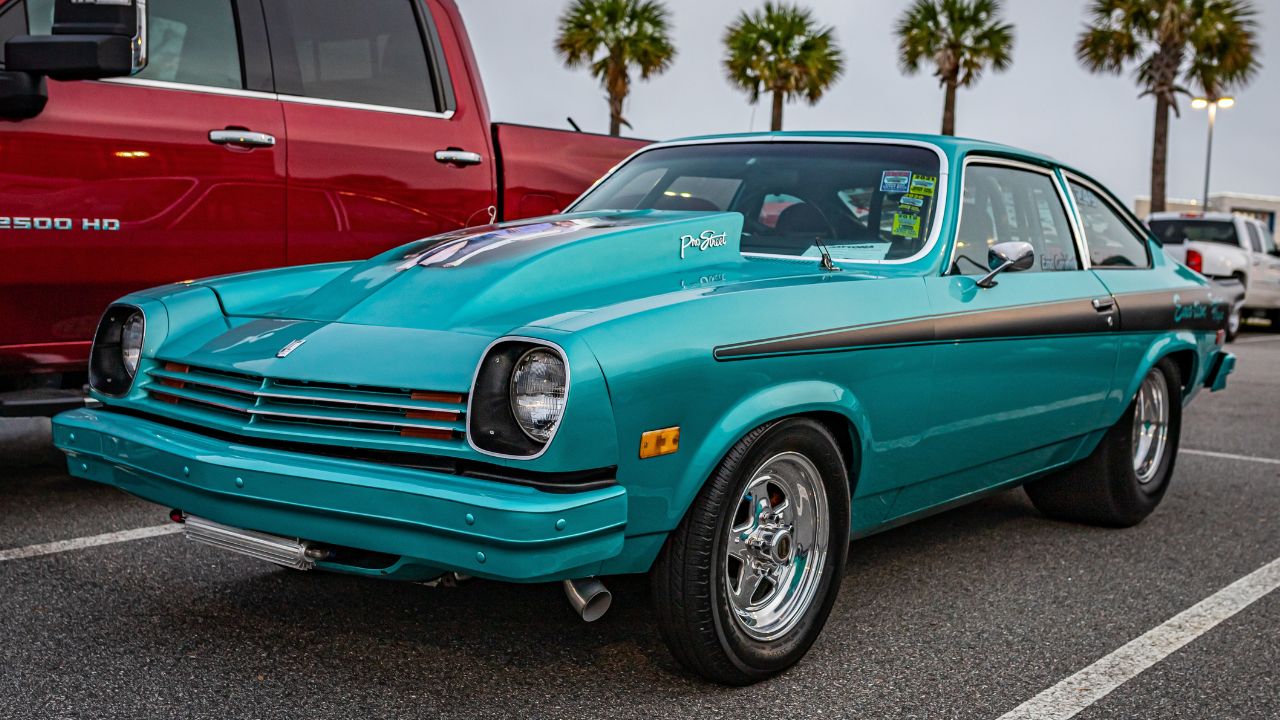
The 1971 Chevrolet Vega was GM’s serious attempt at a modern subcompact, and its aluminum-block engine represented a significant engineering swing for an economy car. The Vega’s reputation was hurt by durability issues, but the program showed how urgently Detroit was trying to respond to smaller imported cars. The basic idea—lightweight materials and high-volume small-car engineering—was absolutely where the market was headed.
Volkswagen Golf/Rabbit (U.S. market impact)

Like the E-Type, the original Golf/Rabbit isn’t American-built, but it became an American-road staple and influenced what U.S. buyers expected from a small car. Front-wheel drive, a practical hatchback layout, and a fun-to-drive feel made it a reference point. Its success helped push U.S. manufacturers toward more modern compact packaging.
Cadillac Seville
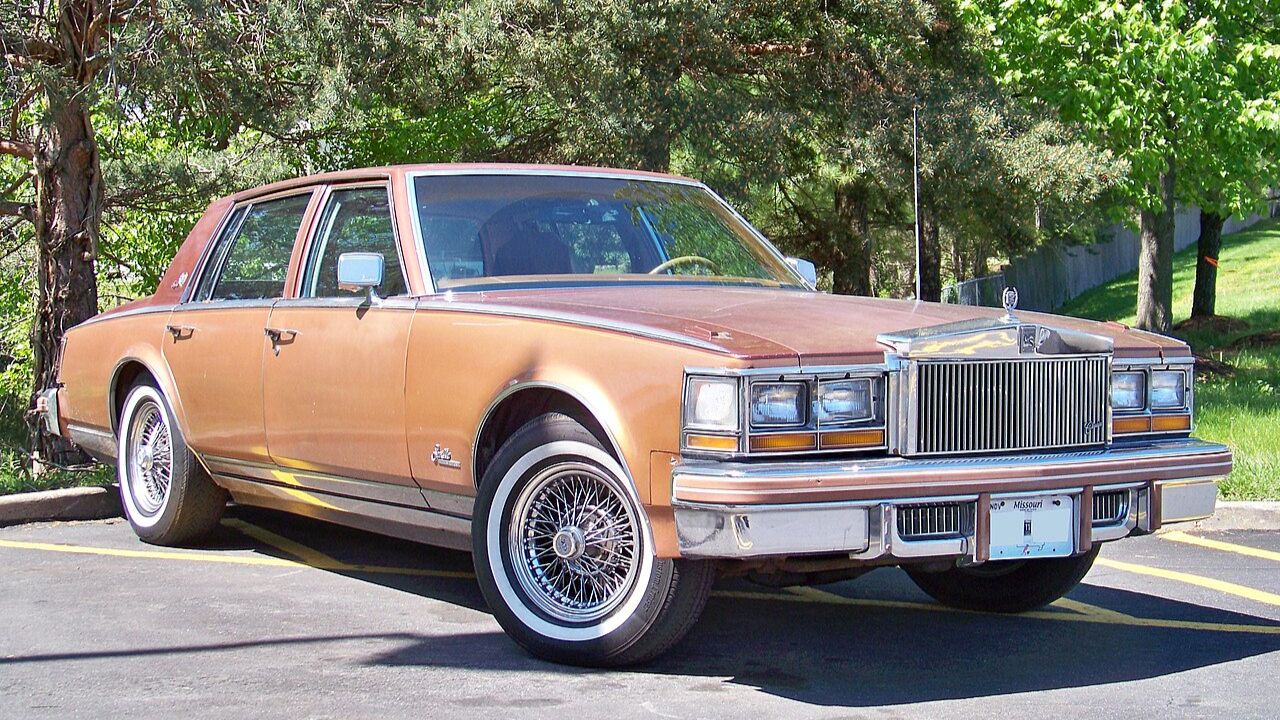
The 1976 Cadillac Seville was an early American response to the idea that luxury could be smaller and more maneuverable without abandoning comfort. It also helped set the stage for the “international-size” luxury theme that grew through the late 1970s and 1980s. Its crisp styling and mission were a notable pivot from the traditional full-size formula.
Oldsmobile Cutlass Supreme (downsized era leader)
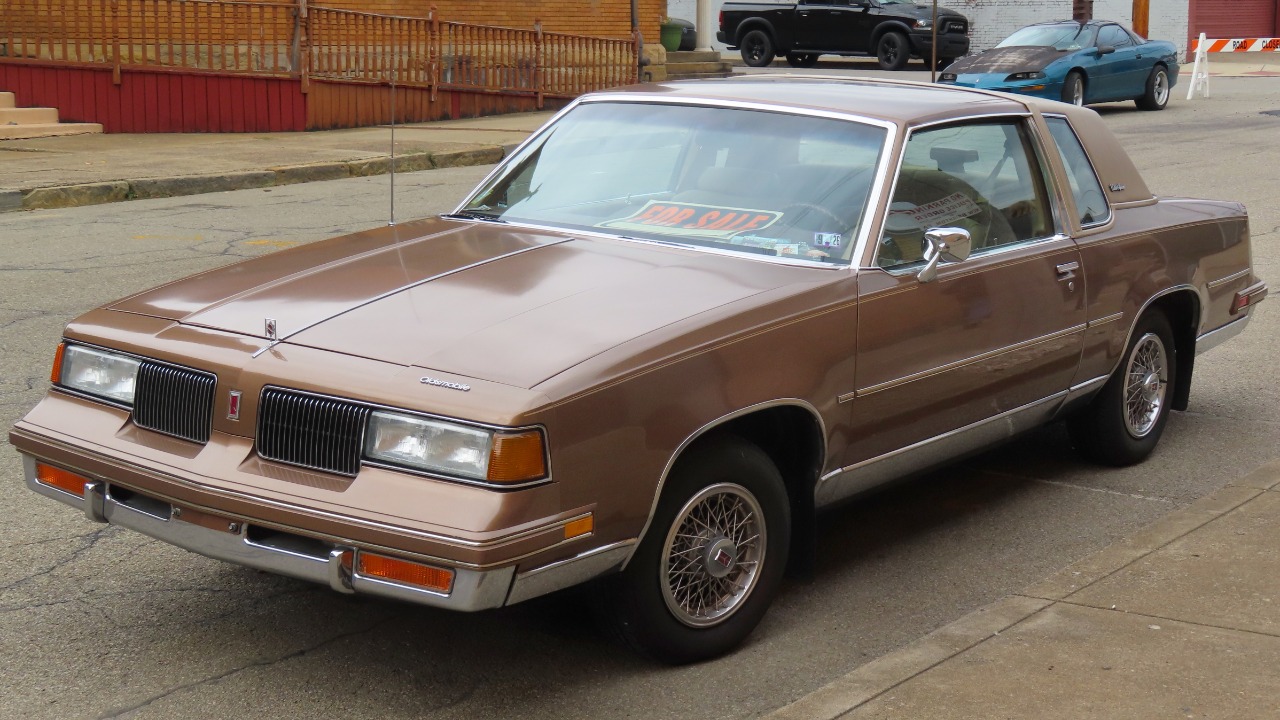
By the late 1970s, GM’s downsizing effort changed what “normal” American family cars looked like, and the Cutlass became a defining hit in that environment. The industry was moving toward better packaging efficiency and lighter footprints. The Cutlass’ mainstream success showed that buyers could be won over to smaller exterior dimensions without giving up the look and feel they associated with comfort.DeLorean DMC-12
The 1981 DeLorean DMC-12’s stainless-steel body panels and gullwing doors made it instantly recognizable, but it also reflected a willingness to try unconventional materials and manufacturing approaches. The performance didn’t match the dramatic styling, yet the car’s design-forward thinking feels aligned with later niche and halo-car strategies. Its lasting cultural footprint is proof that bold design can outlive short production runs.
Dodge Caravan/Plymouth Voyager
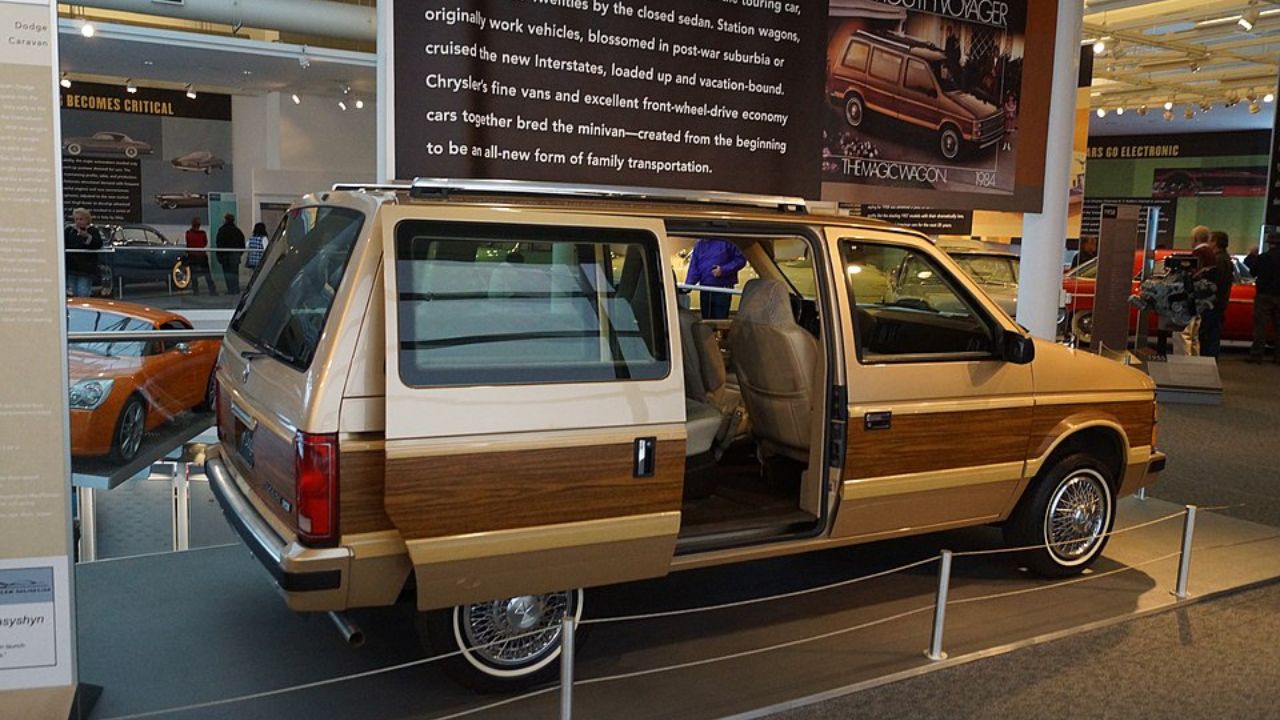
The 1984 Dodge Caravan and Plymouth Voyager helped mainstream the modern minivan in America, combining a car-like driving experience with family-focused space efficiency. The formula—front-drive packaging, easy access, and smart interior use—quickly reshaped how families shopped. It’s hard to overstate how many imitators followed once buyers realized what that layout could do.
Ford Taurus
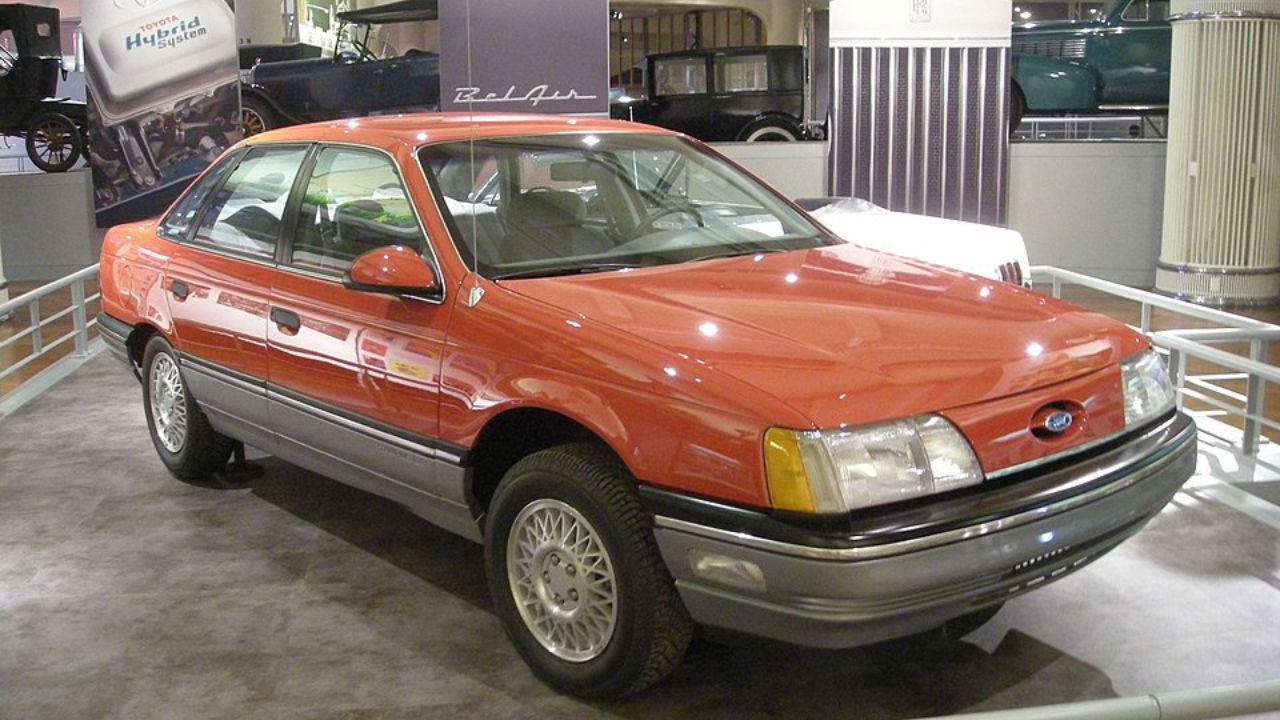
The 1986 Ford Taurus brought aerodynamic styling and a more integrated, modern interior to the center of the American market. It looked and felt like a clean break from the boxier norms of the early 1980s. More importantly, it showed that bold design and mass-market practicality could coexist, influencing sedan design across the industry.
Dodge Viper
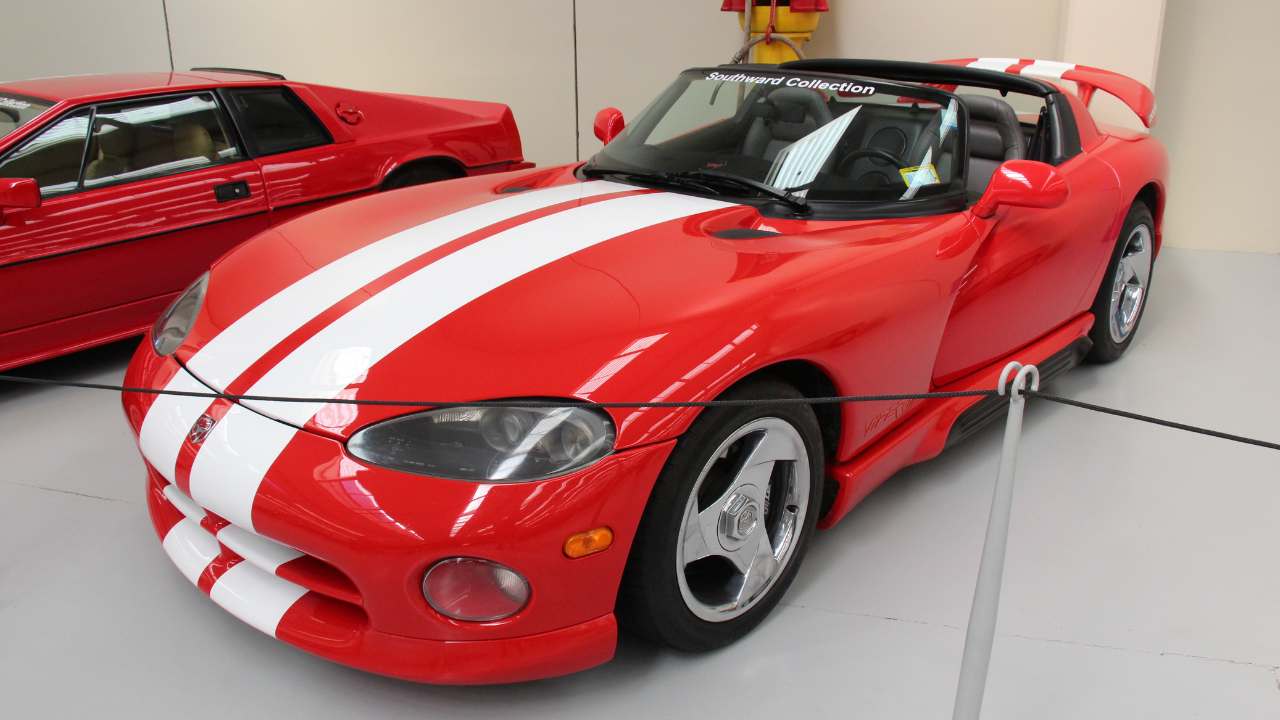
The 1991 Dodge Viper went against the increasingly digital, insulated performance-car trend by doubling down on raw simplicity: big displacement, minimal driver aids, and a classic long-hood roadster stance. That back-to-basics approach anticipated later “analog” enthusiast favorites and modern retro-influenced performance projects. It proved there was still room for an unapologetically elemental American halo car.
What ties these cars together isn’t perfection—it’s ambition. Some were commercial hits, others were engineering experiments, and a few became legends mostly in hindsight. But each one nudged the industry’s expectations forward, showing that tomorrow’s normal often starts as today’s weird idea.
More from Fast Lane Only
- Unboxing the WWII Jeep in a Crate
- 15 rare Chevys collectors are quietly buying
- 10 underrated V8s still worth hunting down
- Police notice this before you even roll window down
*Research for this article included AI assistance, with all final content reviewed by human editors.