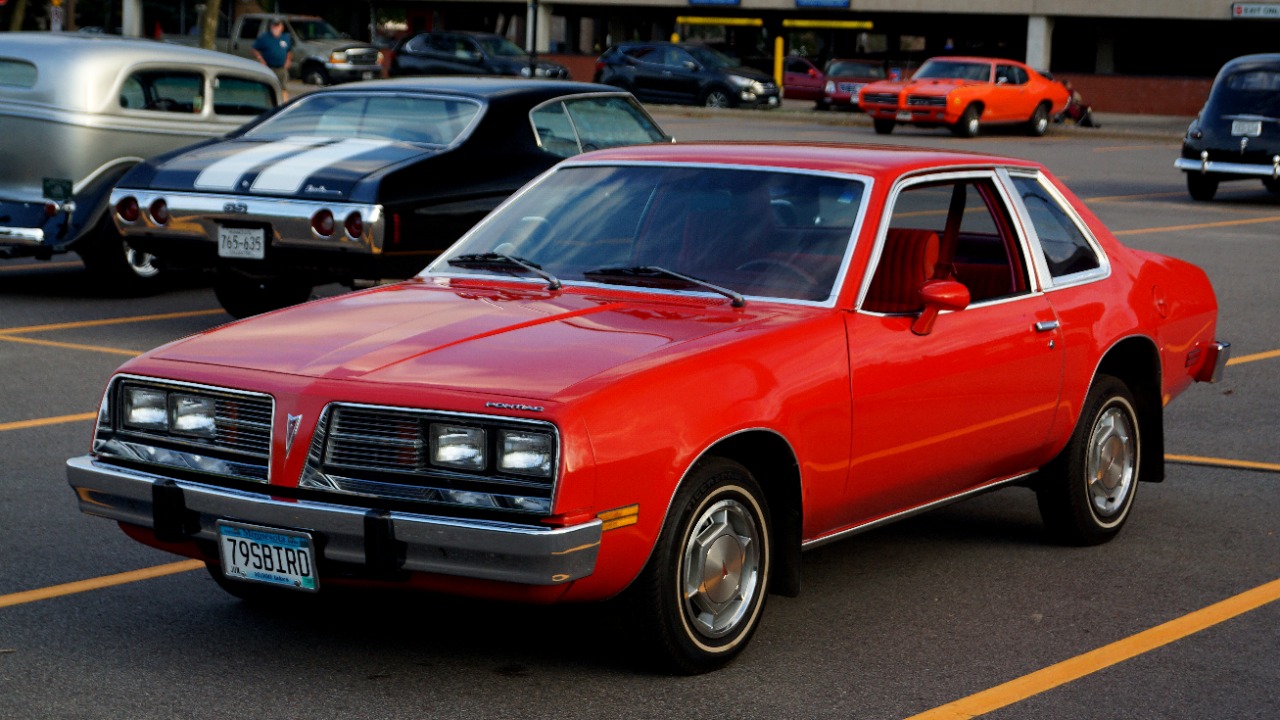
Pontiac built plenty of famous cars, but its history also includes models that disappeared almost completely from American roads. Short production runs, low sales, unusual body styles, and limited-market versions left many of these Pontiacs unusually scarce today. Even longtime Pontiac fans can go years without seeing certain examples in person, making a clean one a memorable sight whenever it finally appears.
Pontiac 2+2
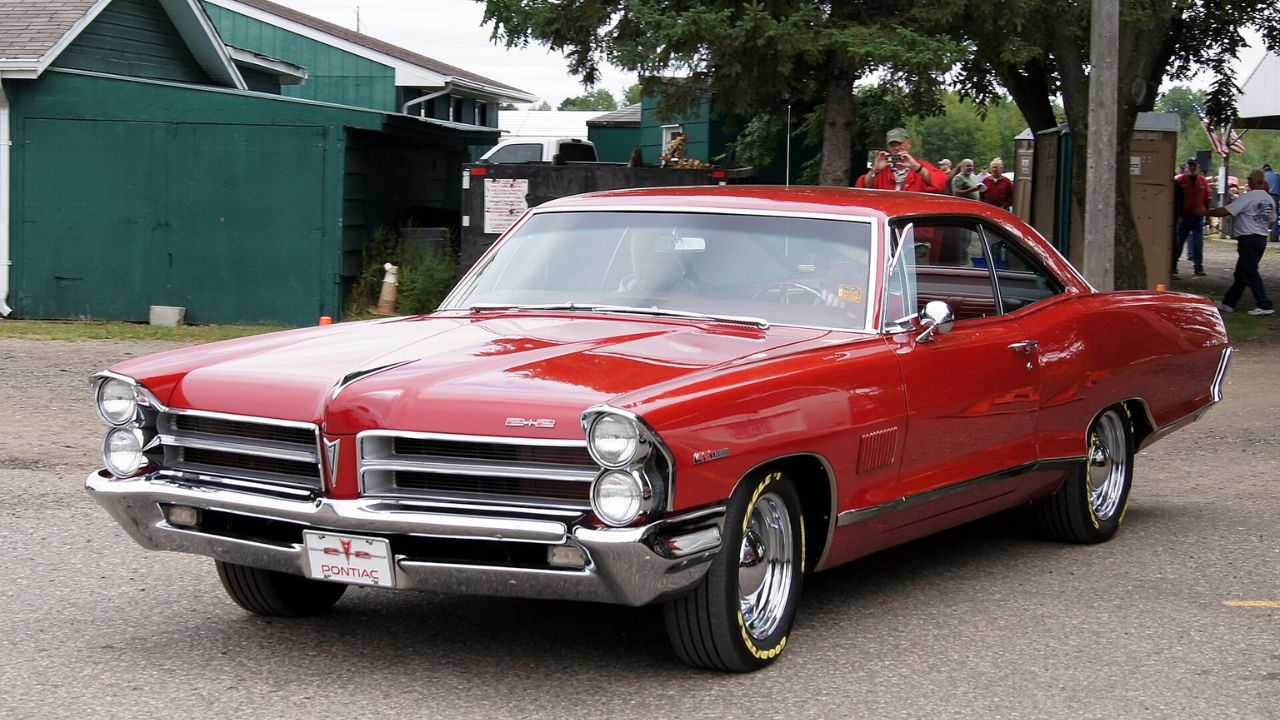
The Pontiac 2+2 was a full-size performance car that never achieved the recognition of the GTO, despite having serious performance credentials of its own. It began as a Catalina-based package before becoming a separate series for 1966. Its large body, bucket seats, sporty trim, and available big-block-sized Pontiac V8s gave it plenty of muscle-car character. Sales remained modest, however, and Pontiac ended the American version after 1967. Only 1,768 examples were built for 1966, including 280 convertibles.
Pontiac Can Am
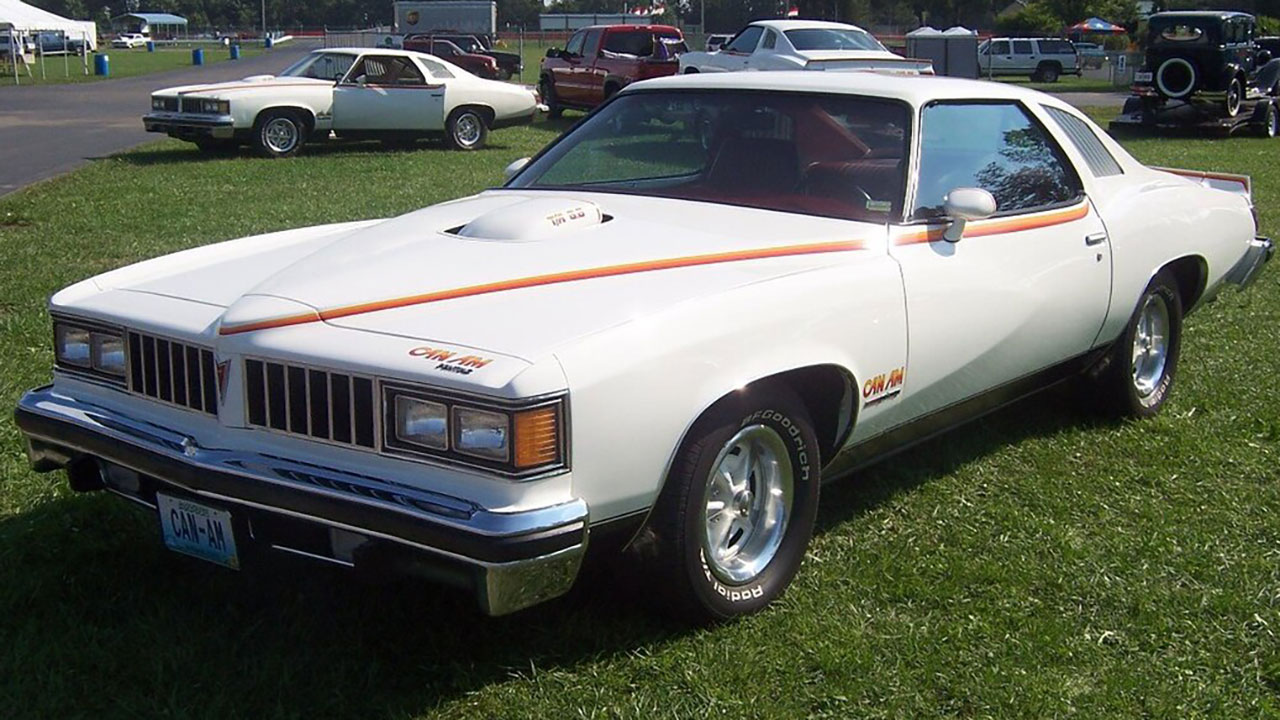
The Pontiac Can Am turned a practical station wagon into one of the most unusual performance-oriented Pontiacs of the 1970s. Based on the LeMans-based Grand Safari wagon, it received distinctive exterior treatment and a more aggressive personality. Production was limited, and the program ended after a relatively short run. Because it was a wagon rather than a traditional coupe, many examples were used as everyday family vehicles. Finding an original Can Am today is therefore a rare treat for Pontiac enthusiasts.
Pontiac GT-37

The Pontiac GT-37 was aimed at buyers who wanted an affordable sporty Pontiac without stepping up to the GTO. It combined a relatively lightweight intermediate body with sporty trim and available V8 power. The car appeared during a period when Pontiac had several performance models competing for attention, which left the GT-37 somewhat overlooked. Its short production window and modest sales make surviving examples uncommon. Even Pontiac enthusiasts can easily mistake one for a more ordinary Tempest or LeMans.
Pontiac Custom S
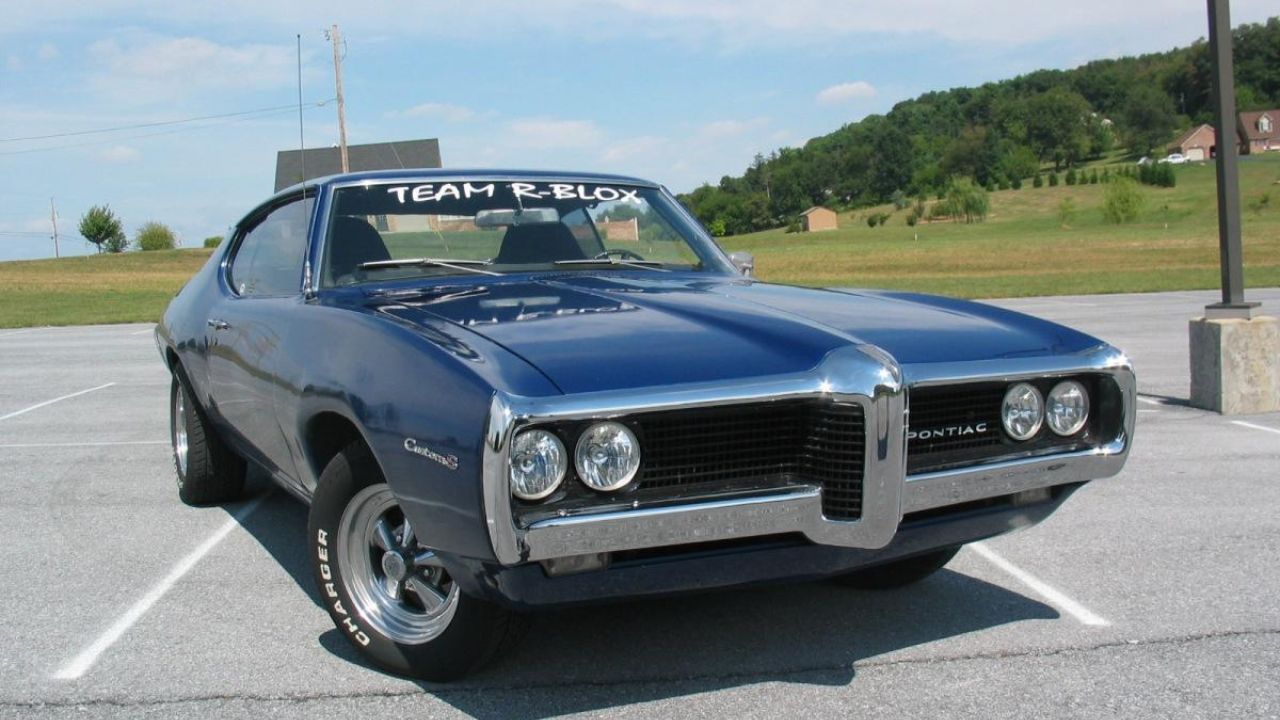
The Pontiac Custom S filled an unusual spot in the company’s 1969 lineup. It was positioned between the basic Tempest and the more expensive LeMans and offered buyers a sporty intermediate without the full GTO treatment. It was available as both a two-door and four-door, giving it broader appeal than a dedicated performance model. The name lasted only briefly, however. Its short run and relatively low profile make the Custom S one of those Pontiacs that can leave even knowledgeable enthusiasts wondering exactly what they are looking at.
Pontiac Grand Ville
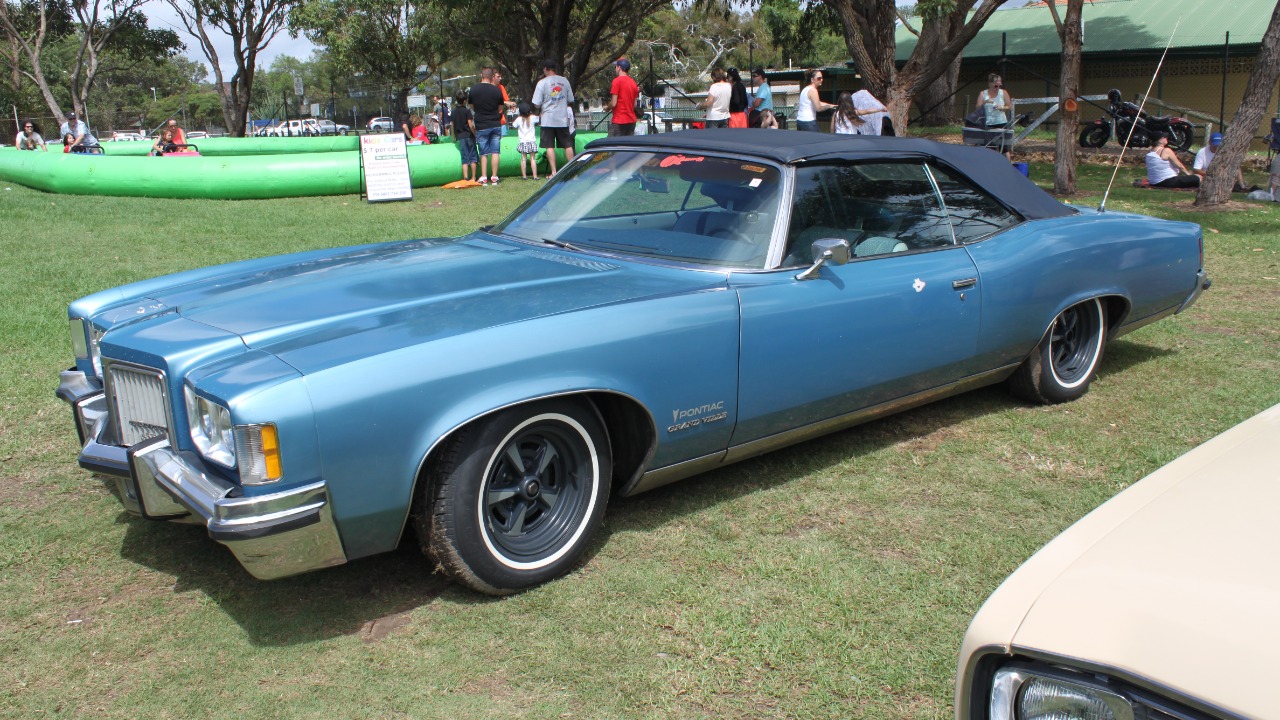
The Grand Ville was Pontiac’s attempt to move further into the full-size luxury market during the early 1970s. It sat above the Bonneville in the lineup and offered imposing styling, a large cabin, and plenty of upscale equipment. These were enormous cars even by American standards, making them difficult to preserve and store today. Many eventually disappeared through ordinary use, neglect, or scrapping. A clean Grand Ville now provides a remarkable reminder of just how large and lavish Pontiac’s full-size cars once became.
Pontiac Executive
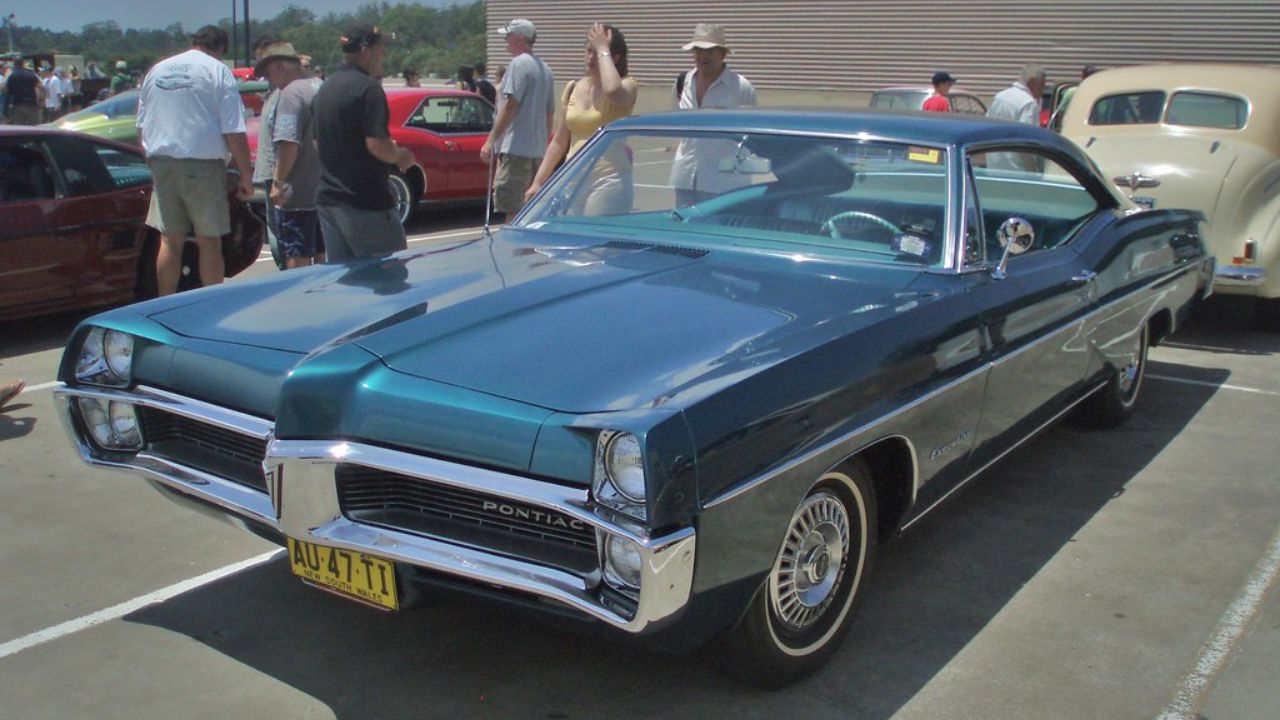
The Pontiac Executive occupied an interesting position between the Catalina and Bonneville. It offered a more upscale presentation without moving all the way to Pontiac’s top full-size model. The name was used for only a limited period, and the cars never developed the following enjoyed by the better-known Pontiac nameplates. As a result, surviving examples are relatively unusual. The Executive is particularly interesting because it represents a period when American manufacturers could support several closely positioned full-size models within the same showroom.
Pontiac Star Chief
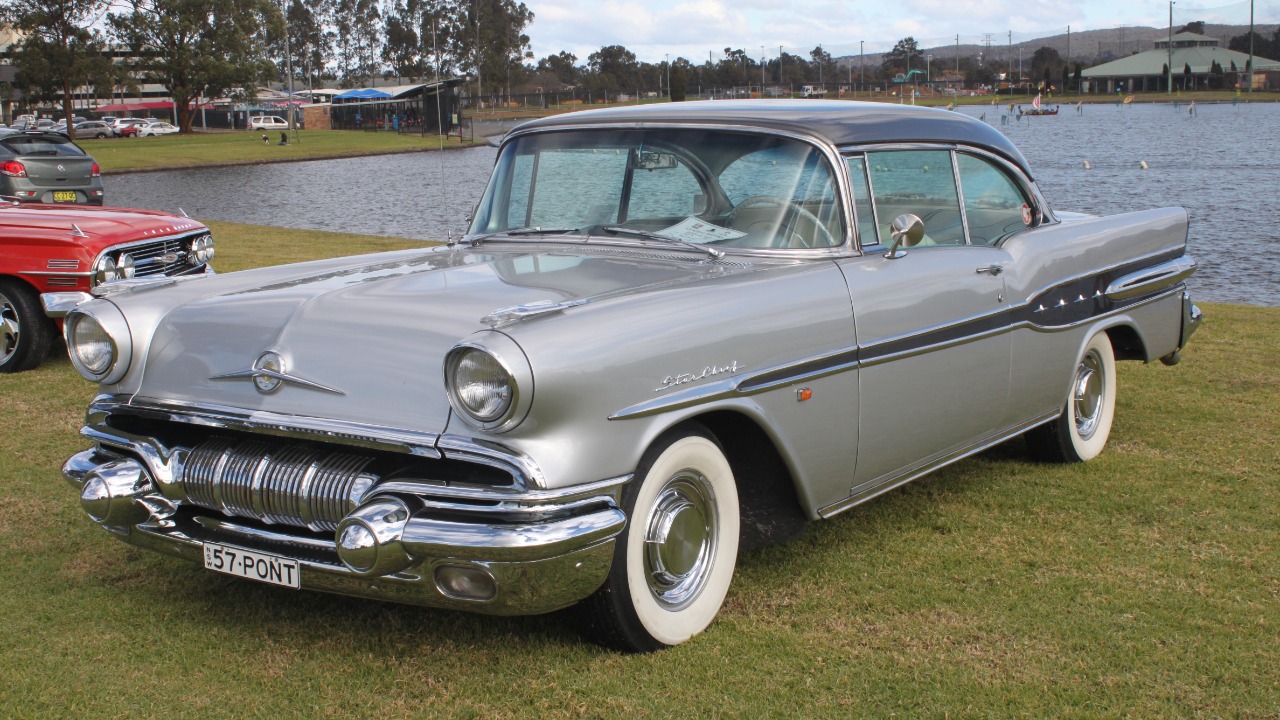
The Star Chief was one of Pontiac’s important full-size nameplates during the 1950s and early 1960s, but surviving examples are far less common than more famous American classics from the same era. Its large body, elaborate chrome, and distinctive styling reflected Pontiac’s position as a rising GM division. Later Star Chiefs became increasingly overshadowed by the Bonneville and other Pontiac models. Today, a well-preserved Star Chief can attract attention simply because so few remain familiar to younger enthusiasts.
Pontiac Laurentian
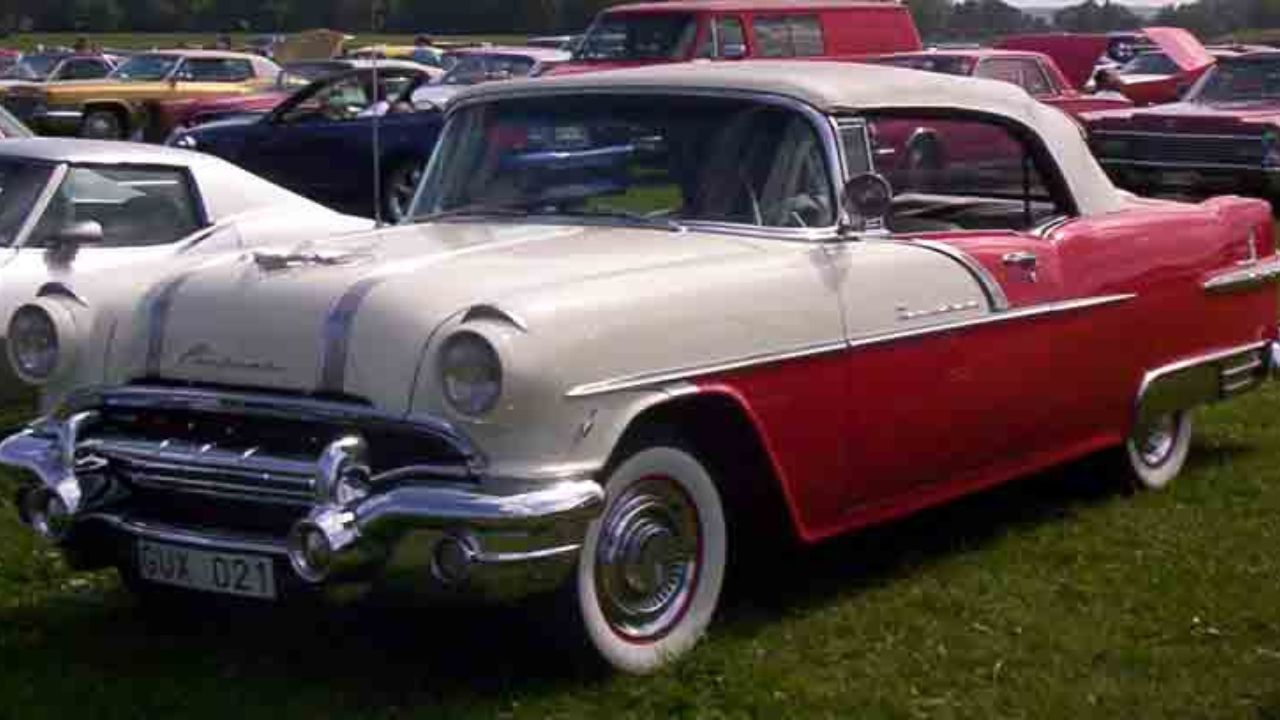
The Pontiac Laurentian was a Canadian-market model that looked familiar to American eyes but was actually part of Canada’s unique Pontiac lineup. Canadian Pontiacs often used Chevrolet-based mechanical components while wearing Pontiac-specific styling, creating cars that are unusual combinations of GM parts and Pontiac design. The Laurentian was one of the best-known examples of this approach. Because it was primarily a Canadian-market nameplate, relatively few American collectors encounter one, making a surviving Laurentian especially interesting.
Pontiac Strato-Chief
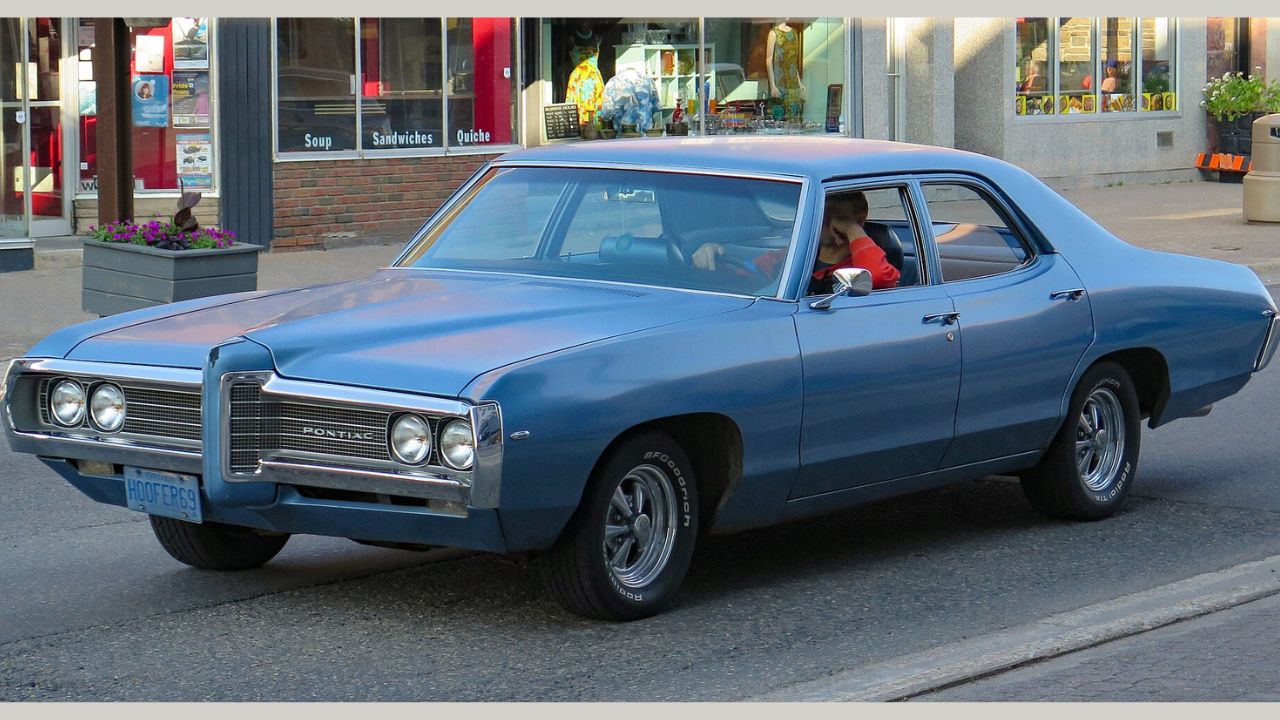
The Strato-Chief was another Canadian-market Pontiac that shared the company’s unusual Canadian approach to full-size cars. It occupied a lower position in the Canadian Pontiac lineup while retaining distinctive Pontiac styling. Underneath, however, it was closely related to Chevrolet architecture and components. That combination makes the Strato-Chief different from the American-market Pontiacs most enthusiasts know. Its limited geographic market and age make surviving examples difficult to encounter, especially outside Canada.
Pontiac Parisienne

The Pontiac Parisienne is one of the most interesting examples of Pontiac’s Canadian history. It was sold in Canada for decades and generally combined Pontiac styling with Chevrolet-based mechanical architecture. Some versions were also later sold in the United States when Pontiac dealers wanted a full-size rear-wheel-drive car after the American full-size lineup had changed. The nameplate’s unusual history and Canadian origins make it much less familiar than the Bonneville, despite its long production history.
Pontiac Grand Safari
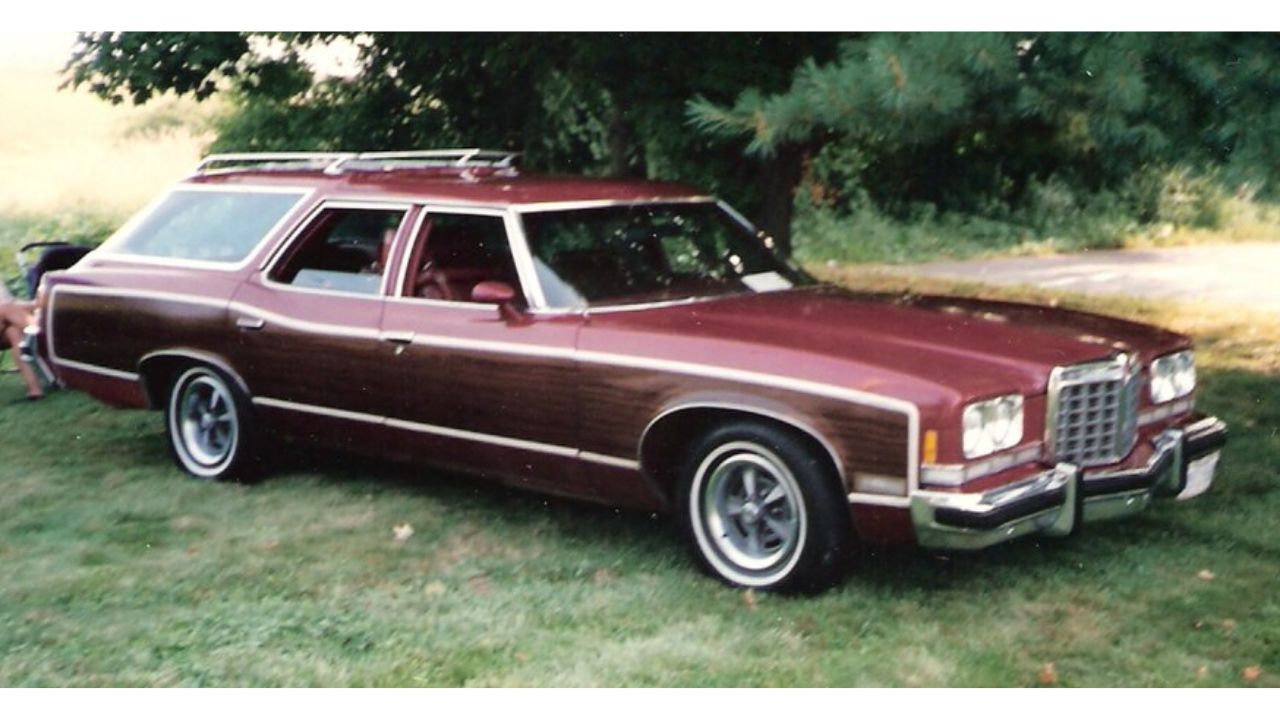
The Grand Safari was Pontiac’s largest station wagon and represented the peak of the traditional full-size American family hauler. Its enormous dimensions, woodgrain-style trim, and substantial V8 power made it unmistakably a product of the 1970s. Large wagons were eventually discarded in huge numbers as fuel prices and consumer preferences changed. That history makes surviving Grand Safaris surprisingly uncommon today. A well-preserved example can attract attention simply because few people expect to see one in such good condition.
Pontiac Ventura SJ
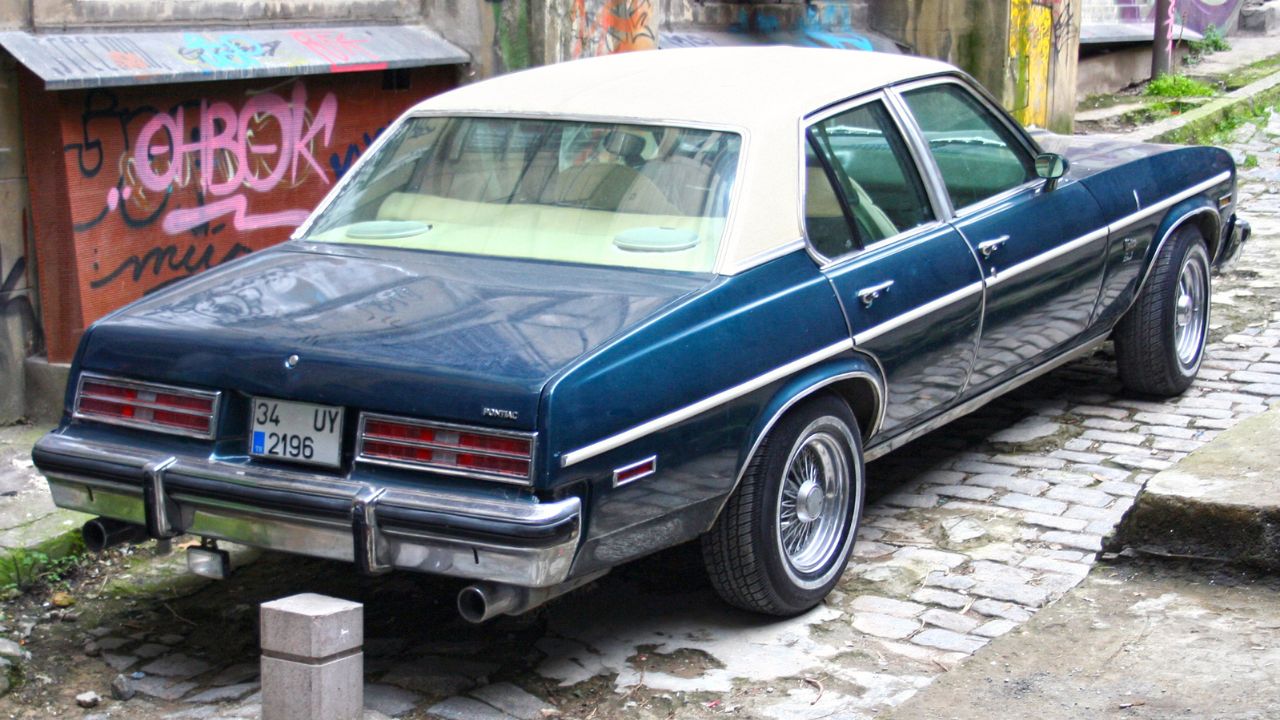
The Ventura SJ gave Pontiac’s compact-to-intermediate lineup a more upscale and sporty character. It offered a combination of distinctive styling, upgraded equipment, and available V8 power without carrying the same price or image as the GTO. The Ventura name itself was used across several periods, but the SJ version represents one of the more interesting iterations. Many were used as ordinary transportation, leaving relatively few preserved today. Finding an original example can therefore be much harder than finding its better-known Pontiac relatives.
Pontiac Acadian
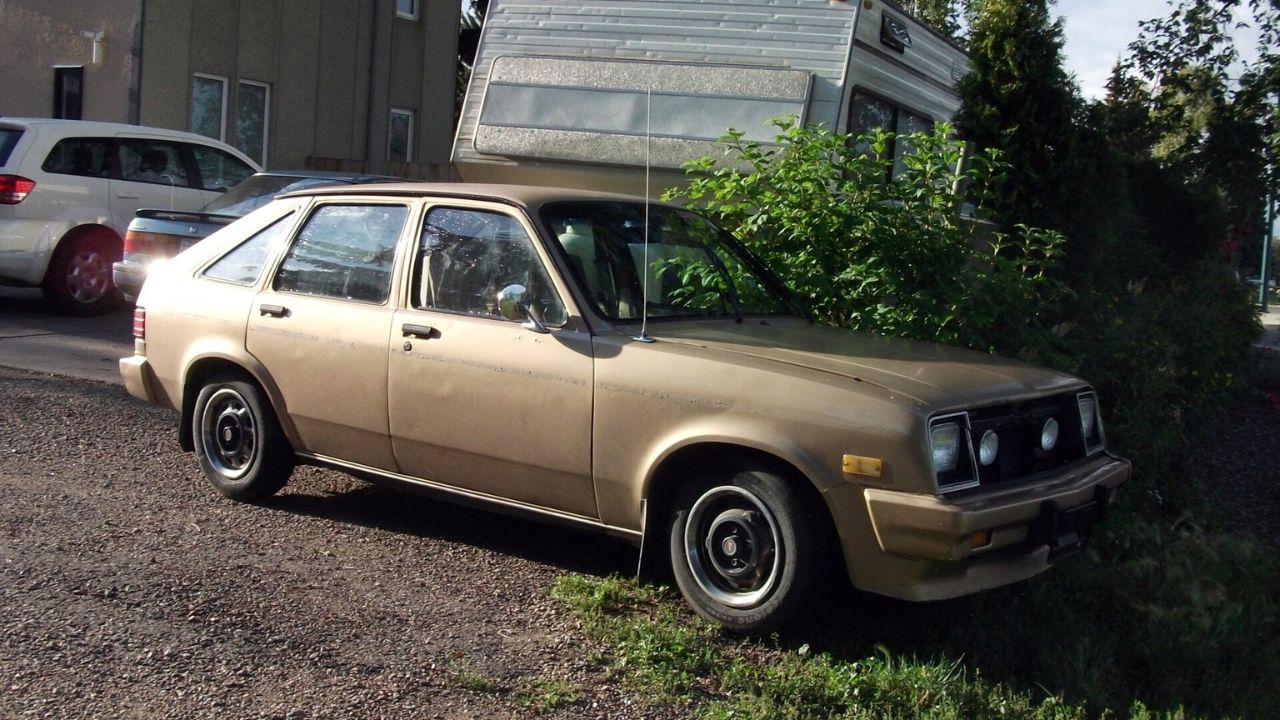
The Pontiac Acadian was a Canadian-market compact based closely on Chevrolet’s small-car offerings. It was created for buyers who wanted Pontiac branding in a smaller package, but it remained largely unfamiliar outside Canada. Later versions shared their basic architecture with the Chevrolet Chevette family. Because the Acadian was never a major American-market model, surviving examples are particularly unusual south of the Canadian border. Its Pontiac styling and Chevrolet-derived underpinnings make it one of the brand’s more curious historical footnotes.
Pontiac Astre
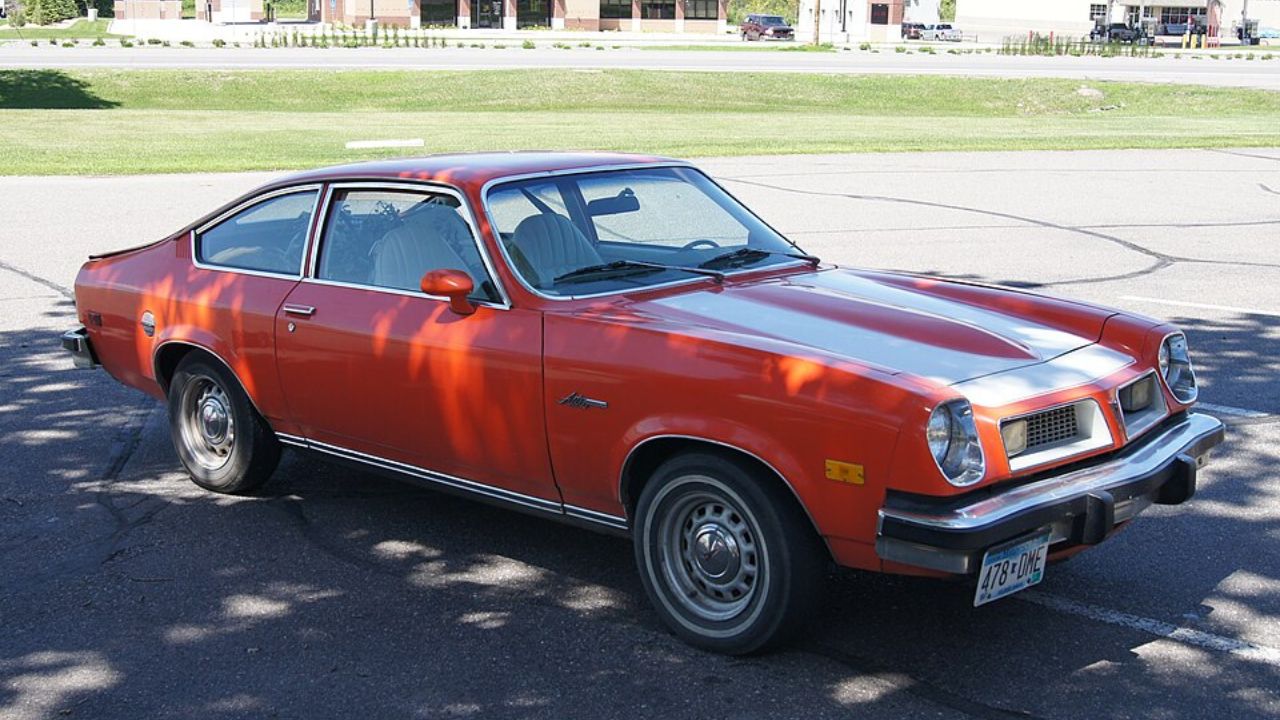
The Pontiac Astre was Pontiac’s version of GM’s small Vega-based car and was aimed at buyers moving toward smaller, more economical transportation. It carried Pontiac-specific styling and trim while sharing much of its underlying engineering with the Chevrolet Vega. The model was never as memorable as Pontiac’s performance cars, so relatively few were preserved by enthusiasts. Today, an original Astre can be a genuine rarity at a Pontiac gathering, especially one that has avoided decades of modifications or neglect.
Pontiac Sunbird
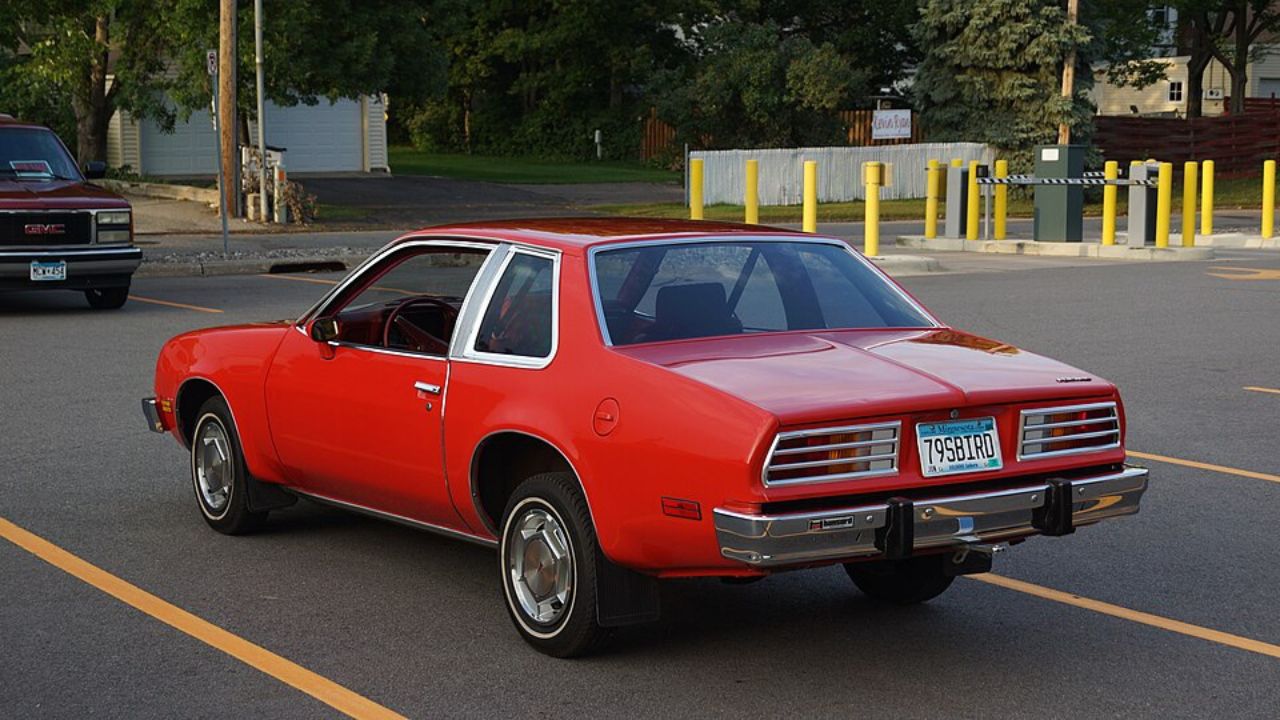
The Pontiac Sunbird began as a sporty compact and later evolved through several generations as Pontiac adapted to the changing small-car market. Early versions offered rear-wheel drive and sporty coupe styling, while later cars moved to front-wheel drive and became more closely related to other GM compact models. Because Sunbirds were generally inexpensive everyday transportation, preservation was never a major priority. That makes early, original examples particularly interesting now, especially when they retain their factory appearance.
Pontiac 6000 STE

The 6000 STE was Pontiac’s attempt to make a front-wheel-drive family sedan feel considerably more sophisticated and sporting. It received upgraded suspension tuning, distinctive equipment, and a more driver-focused character than the ordinary 6000. The STE demonstrated that Pontiac was trying to maintain its performance image even as the industry moved away from traditional rear-wheel-drive V8 cars. Most were simply used as regular transportation, so finding an untouched example today is considerably harder than the model’s former visibility might suggest.
Pontiac Grand Safari
The Grand Safari deserves recognition for another reason: it represents the final era when Pontiac could offer an enormous luxury-oriented wagon as part of its mainstream lineup. With three-row seating, substantial cargo space, and a large-displacement engine, it was designed around the needs and expectations of an entirely different automotive era. The combination of size, weight, and changing fuel costs meant few survived. Original examples are now among the most impressive reminders of the full-size American wagon era.
Pontiac 2+2 Convertible
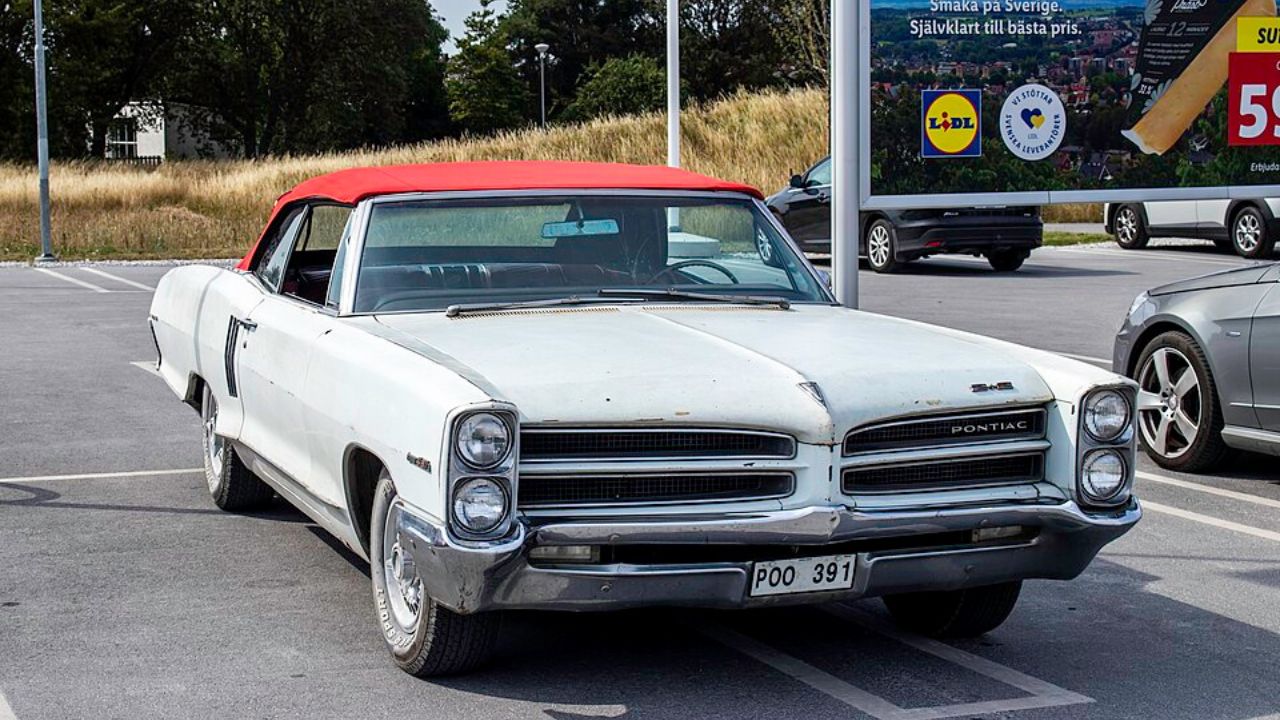
The Pontiac 2+2 convertible is rare enough to deserve separate attention from the standard 2+2. The open body style was produced in much smaller numbers than the already uncommon hardtop, making surviving examples particularly valuable to Pontiac enthusiasts. The 1966 model year produced only 280 convertibles. Its combination of huge proportions, bucket-seat interior, and powerful Pontiac V8 options gives it an unmistakable presence whenever one appears at a show.
More from Fast Lane Only
- Unboxing the WWII Jeep in a Crate
- 15 rare Chevys collectors are quietly buying
- 10 underrated V8s still worth hunting down
- Police notice this before you even roll window down
*Research for this article included AI assistance, with all final content reviewed by human editors.