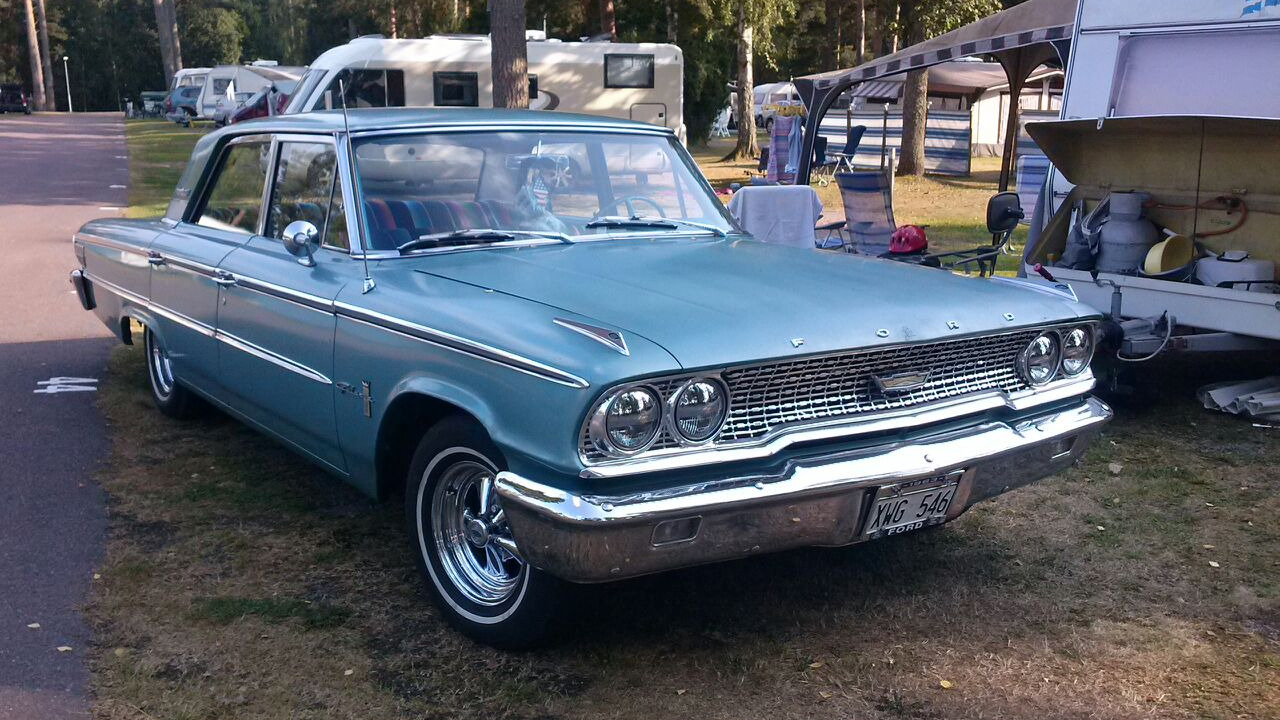
The 1963 Ford Galaxie 406 Interceptor stands as a testament to the golden era of American muscle cars, a period marked by raw power and innovative engineering. This iconic model, with its distinct design and powerful engine, not only captivated the public’s imagination but also set new standards in automotive performance.
The Evolution of the Ford Galaxie Series
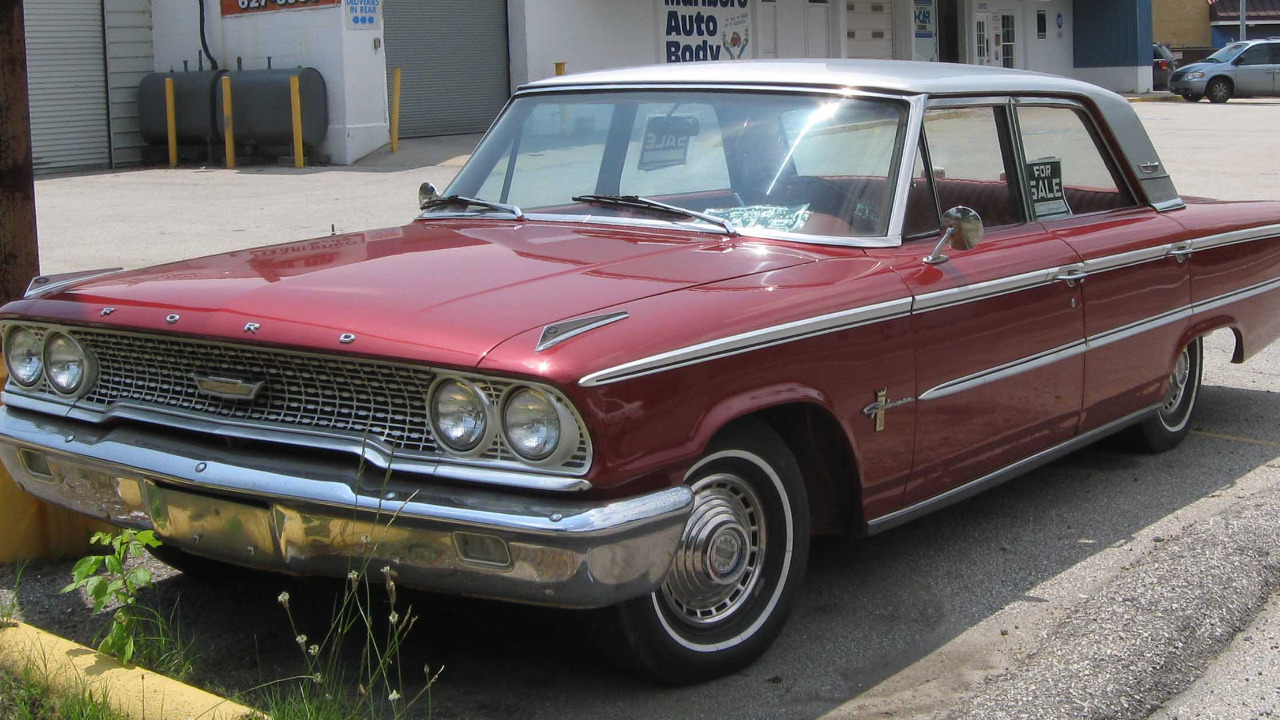
The Ford Galaxie line was introduced in 1959, during a time when American automakers were fiercely competing to produce the most advanced and appealing vehicles. The Galaxie series emerged from Ford’s desire to offer a full-size car that combined performance with luxury, appealing to a wide range of consumers. Over the years, the Galaxie evolved, incorporating new technologies and design elements that kept it relevant in the ever-changing automotive market. The 1963 model was a significant milestone, as it represented the pinnacle of the Galaxie’s development up to that point.
Design innovations in the 1963 Ford Galaxie set it apart from its predecessors and competitors. The model featured a sleek, aerodynamic body that was both stylish and functional. Among the notable design elements were the distinctive stacked headlights and a wider, more aggressive grille. These features gave the car a bold presence on the road. The interior was equally impressive, with high-quality materials and a layout that emphasized driver comfort and control. These design choices not only enhanced the car’s aesthetic appeal but also contributed to its superior performance.
The market impact of the Ford Galaxie series was profound. Upon its release, the Galaxie was met with enthusiasm from both the public and critics. Its combination of power, style, and comfort made it a popular choice among consumers, leading to strong sales figures and solidifying Ford’s position in the highly competitive automotive market. The Galaxie’s success also influenced the development of future models, as other manufacturers sought to emulate its winning formula.
Under the Hood: The 406 Interceptor Engine
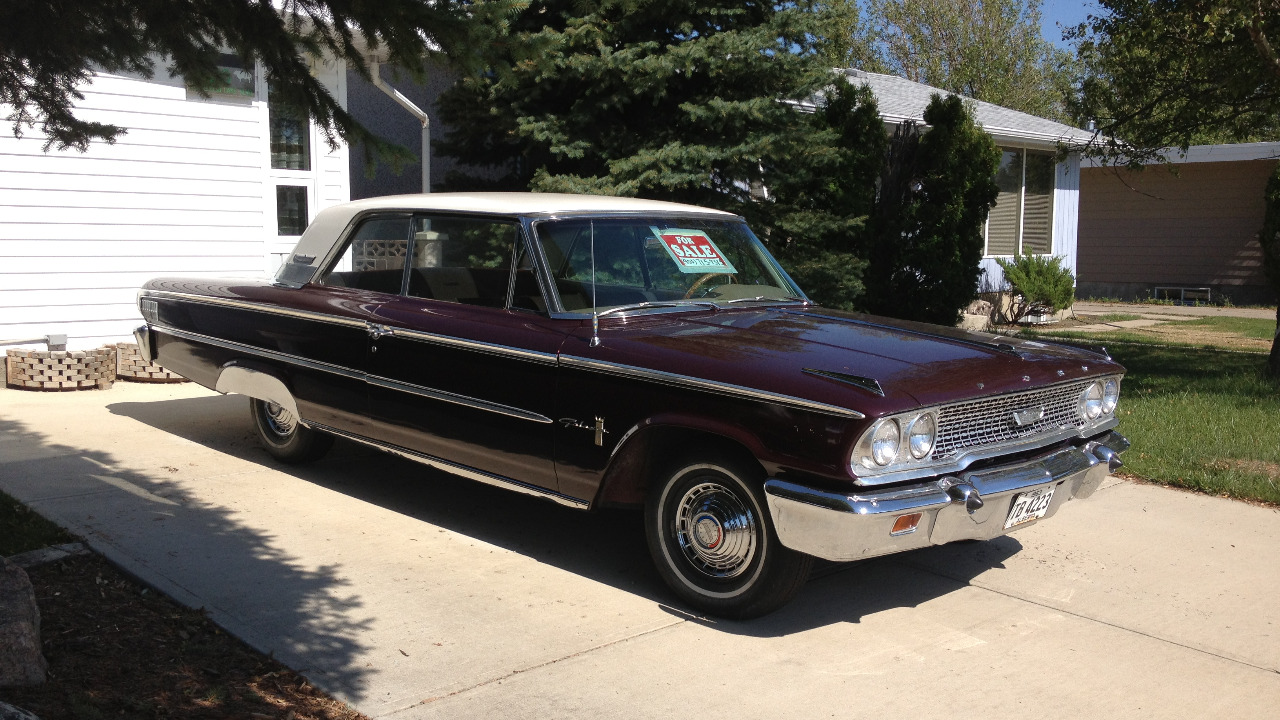
The heart of the 1963 Ford Galaxie 406 Interceptor was its powerful engine, which played a crucial role in defining the car’s performance capabilities. The 406 Interceptor engine was a high-performance V8, designed to deliver impressive power and speed. With a displacement of 406 cubic inches, the engine produced up to 405 horsepower, making it one of the most formidable engines of its time. This power was achieved through meticulous engineering, including the use of high-performance components such as a four-barrel carburetor and a high-lift camshaft.
Performance and handling were standout features of the 406 Interceptor engine. The engine’s power output allowed the Galaxie to achieve remarkable acceleration and top speeds, making it a thrilling car to drive. The handling was equally impressive, thanks to a well-tuned suspension system and a balanced weight distribution. These attributes made the 1963 Galaxie 406 an ideal choice for both everyday driving and high-speed pursuits, earning it a reputation as a versatile and capable vehicle.
When comparing the 406 Interceptor to contemporary engines from rival manufacturers, it becomes clear that Ford had created a competitive powerhouse. For instance, the Chevrolet Impala’s 409 engine was a direct rival, offering similar performance characteristics. However, the 406 Interceptor’s balance of power and reliability often gave it an edge in customer preference. While some competitors focused on raw power, Ford’s emphasis on engineering excellence ensured that the 406 Interceptor was both powerful and dependable, setting a high standard in the automotive industry.
The 1963 Galaxie 406 in Motorsports
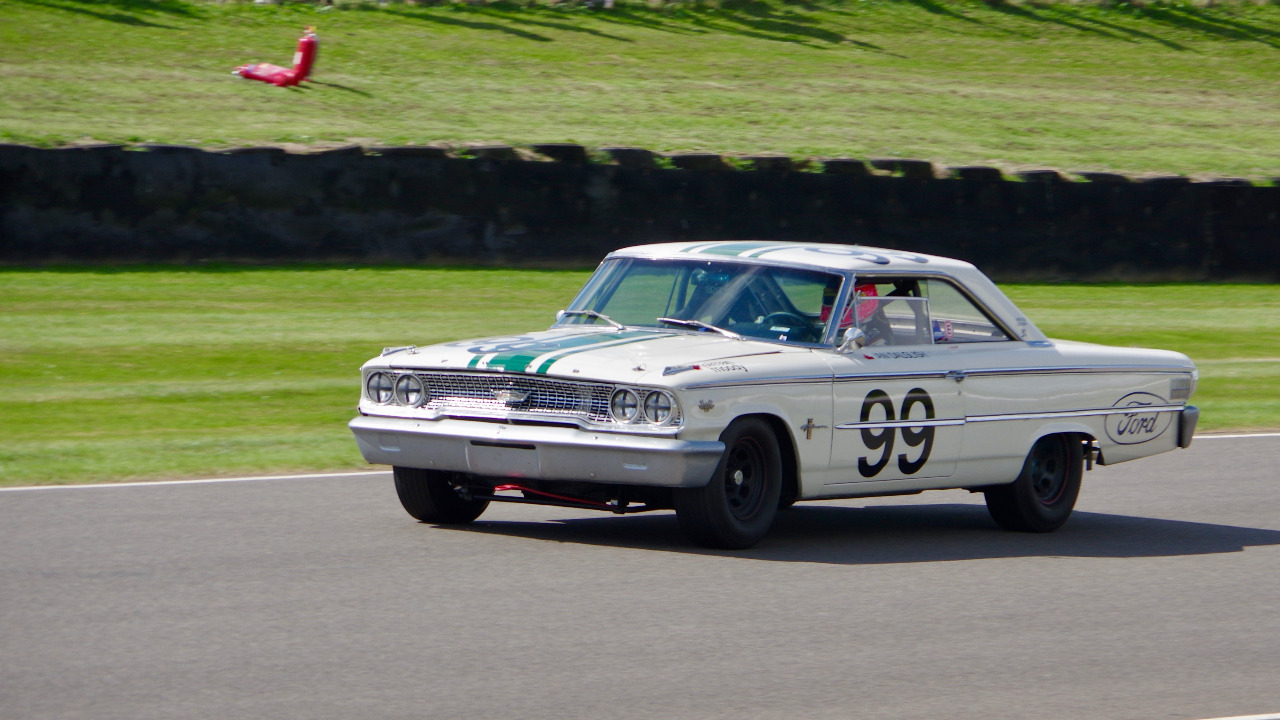
The 1963 Ford Galaxie 406’s prowess extended beyond public roads, making a significant impact in the realm of motorsports, particularly in NASCAR racing. The car’s robust engineering and superior speed capabilities made it a formidable contender on the track. During the early 1960s, Ford’s strategic involvement in NASCAR allowed the Galaxie 406 to showcase its potential, achieving numerous victories and further cementing its status as a high-performance vehicle.
Iconic races highlighted the capabilities of the 1963 Galaxie 406, with notable victories underscoring its dominance. Races such as the Daytona 500 saw the Galaxie competing fiercely against other prominent models, with drivers like Fred Lorenzen and Ned Jarrett leveraging the car’s strengths to secure wins. These triumphs not only boosted the Galaxie’s reputation but also demonstrated the effectiveness of Ford’s engineering advancements in real-world competitive scenarios.
The legacy of the 1963 Galaxie 406 in racing is enduring. Its influence on the motorsports world was significant, as it prompted other manufacturers to innovate and improve their offerings to keep pace. The Galaxie’s success in racing also inspired future developments in vehicle design and strategy, with lessons learned from its performance informing the next generation of race cars. Its impact is still felt today, as automotive historians and enthusiasts continue to celebrate the car’s contributions to the racing domain.
Cultural Impact and Legacy
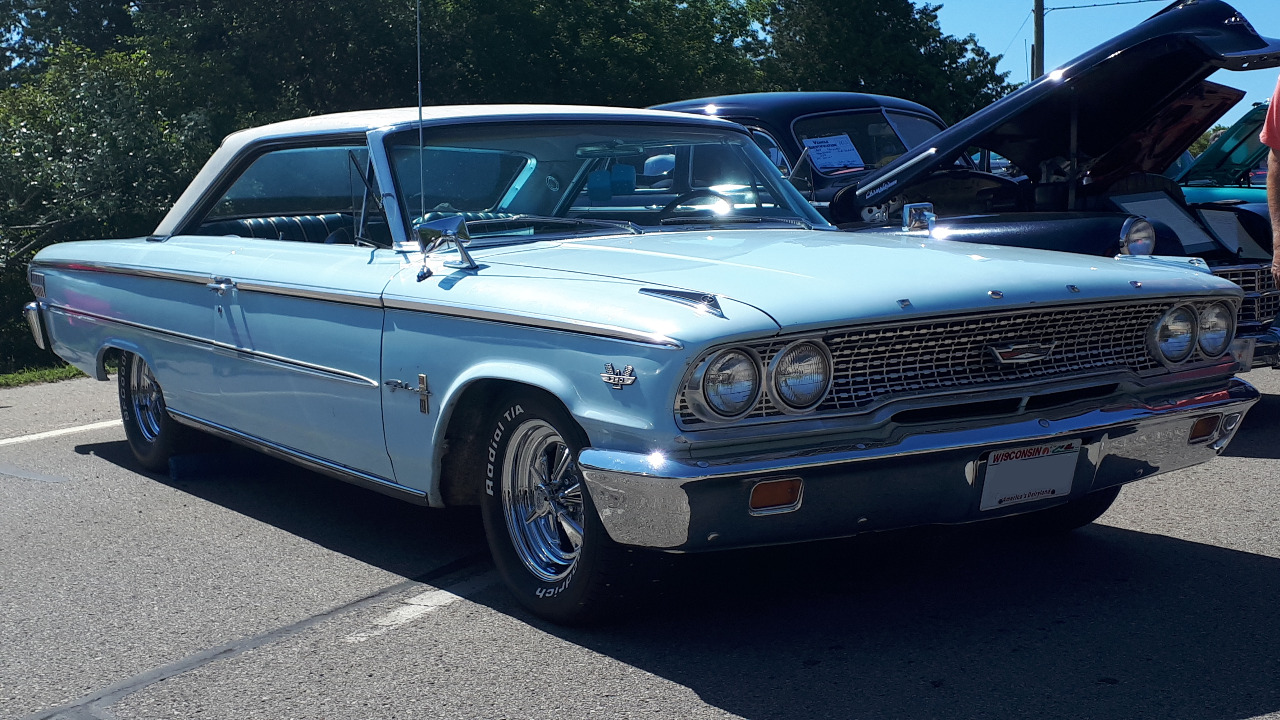
The cultural impact of the 1963 Ford Galaxie 406 extends beyond its engineering feats, as it became a symbol of American automotive excellence in popular culture. The car’s appearances in movies, television shows, and music videos have cemented its status as a cultural icon. Its distinctive design and powerful reputation made it a favorite in various media, where it often represented the epitome of coolness and speed. For instance, its presence in films like “Thunder Road” and TV series such as “Mad Men” has kept the Galaxie 406 in the public eye, contributing to its enduring legacy.
As a sought-after collector’s item, the 1963 Galaxie 406 remains highly desirable among classic car enthusiasts. Factors influencing its value include its rarity, condition, and historical significance. Well-preserved models can command high prices at auctions, reflecting the car’s status as a treasured piece of automotive history. Collectors and car clubs, such as So-Cal Galaxies, continue to celebrate the Galaxie 406, organizing events and gatherings that honor its legacy.
Efforts to preserve and restore the 1963 Galaxie 406 have been met with both challenges and triumphs. Restorers often face the difficulty of sourcing original parts and components, but the passion for maintaining this classic vehicle drives them to overcome such obstacles. Preservation efforts are crucial for ensuring that future generations can appreciate the Galaxie’s historical and cultural significance. Enthusiasts and professionals alike are dedicated to keeping the spirit of the 1963 Galaxie 406 alive, ensuring that this iconic car continues to inspire and captivate audiences worldwide.
Like Fast Lane Only’s content? Be sure to follow us.
Here’s more from us:
- All New Trans Am: 10 Things You Need to Know
- The Fastest Farm Truck Ever Built
*Created with AI assistance and editor review.