The 1966 Oldsmobile Toronado did something almost no American car had dared to do in decades: it put a huge V8’s power through the front wheels and wrapped the result in a sleek, luxury coupe body. You get a car that looked like a concept, accelerated like a muscle machine, and, as owners quickly learned, could feel a little unhinged at the limit. The Toronado made front-wheel drive look thrilling, modern, and, in some situations, genuinely dangerous.
If you are drawn to cars that rewrote the rulebook, the Toronado pulls you in with that tension between innovation and risk. It was heavy, powerful, and ambitious, and it arrived at a moment when American brands were still figuring out how to make front-drive work safely at high speed.
The radical idea behind Oldsmobile’s front-drive monster
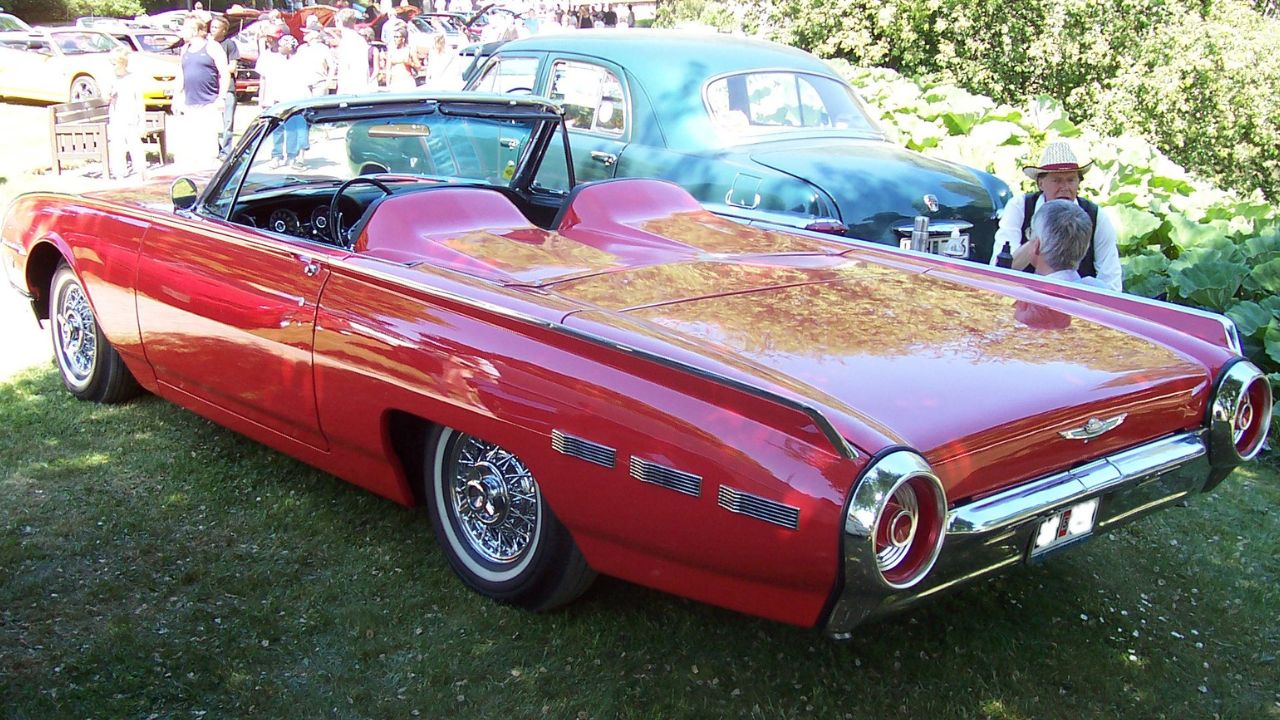
When Oldsmobile launched the Toronado, it was not just adding another personal luxury coupe, it was reviving front-wheel drive for an American production car after roughly thirty years of absence. In 1966, Oldsmobile introduced the first American front-wheel-drive car in thirty years, the Toronado, as a direct answer to the growing personal luxury market. You were meant to see it as a sophisticated rival to Ford’s Thunderbird, but with a powertrain that made the rest of Detroit look conservative.
The engineering was as bold as the marketing. Under that long hood sat a 425 cubic inch Rocket V8 driving a compact chain-driven transaxle that sent power to the front wheels, a layout that let the Toronado keep a low floor and a dramatic profile without a bulky driveshaft tunnel. Contemporary coverage described how the car combined a massive engine with front drive to create a package that felt almost experimental in a showroom full of conventional rear-drive coupes. You were not just buying a stylish Olds, you were buying into the idea that the future of American performance might pull rather than push.
Styling that promised speed, and a chassis that could deliver it
Even before you think about the drivetrain, the Toronado’s shape tells you it is not interested in subtlety. The long hood, short deck, and hidden headlights gave it a low, almost predatory stance that echoed earlier front-drive icons. The Toronado’s Styling Cues Were, so you are looking at a deliberate nod to the 1930s Cord front-drivers that had already become legends. That heritage gave the Toronado instant credibility as something more than a styling exercise.
The performance backed up the promise. By the time the By the Toronado was rolling out of the factory it would weigh 4,500 pounds, quite a beast for a front-driver, yet the 425 cubic inch Rocket V8 still pushed it to a reported top speed of around 135 miles per hour. That same source notes that the Oldsmobile Toronado could sprint from 0 to 60 miles per hour in about 7.5 seconds, a figure that put it squarely in muscle car territory despite its size. Quite simply, the car was fast enough that any weakness in the chassis or brakes would show up quickly.
Where innovation met danger: torque steer and drum brakes
Once you start driving the Toronado the way its styling encourages, you discover the darker side of that front-drive experiment. Putting so much torque through the front wheels meant you had to fight the steering wheel under hard acceleration, especially on uneven pavement. Period testers and later enthusiasts have described how the layout that gave you winter traction also introduced quirks at the limit, and one detailed write-up notes that While this design, by the standards of the period, was a dream for winter traction and road stability, it also had some noted weaknesses that would haunt front-drive cars for several more years. You, as the driver, were effectively part of the suspension tuning, constantly correcting and anticipating how the front end would react.
The real safety concern, though, sat behind the wheels. Brakes were hydraulically operated 11 inch drums, and were generally considered the Brakes weak link on the Toronado, with heavy fade and long stopping distances when you pushed the car. Another period review put it more bluntly, pointing out that, meanwhile, Meanwhile Oldsmobile, GM “advanced technology division”, used utterly obsolete and downright dangerous drum brakes on the Toronad, a harsh verdict that captured how out of step the braking system was with the rest of the car’s ambition. When you combine that with a curb weight of 4,500 pounds and serious speed, you get a recipe for white-knuckle moments if you misjudge a corner or a downhill stretch.
How the Toronado rewrote the American performance script
If you look past those flaws, you see why the Toronado still feels so modern in concept. The car proved that an American front-drive layout could handle big power and still appeal to buyers who cared about style and speed. One enthusiast account describes the 1966 Oldsmobile Toronado as a groundbreaking and revolutionary American vehicle that redefined what a muscle coupe could be at the time, blending personal luxury with genuine straight-line performance. Another overview of the model’s history notes that the Is the 1966–1970 Toronado raised the question of whether a car weighing more than two tons, carrying a massive engine, could still feel innovative rather than simply excessive, and concluded that the answer was yes.
The car’s impact even rippled through General Motors’ own hierarchy. A short video on the model’s legacy points out that this is the car that Dec Chevrolet engineers were terrified of, a front-wheel drive monster that rewrote the muscle car rule book before the rest of the corporation fully caught up. Another deep dive into the model’s development explains how Great engineering work went into packaging the drivetrain and suspension so the Toronado could behave like a proper grand touring coupe rather than a science project. When you drive or even just study the car today, you are seeing the moment when front-wheel drive stopped being a quirky European solution and became a serious American performance option, even if the brakes and torque steer kept it from feeling entirely safe.
Living with a Toronado today: thrills, tradeoffs, and values
If you are tempted to bring a Toronado into your own garage, you are not alone. Enthusiast videos still celebrate how the Toronado was a technological marvel when it left Oldsmobile in 1966, and modern owners talk about the unique feel of that big front-drive coupe. One detailed feature on a heavily modified example notes that there is another advantage to using the There Corvette transaxle in a restomod Toronado, since it creates better front-to-rear weight balance than the original layout, a reminder that you can tune out some of the car’s more alarming habits if you are willing to deviate from factory spec. Even stock, though, you get a driving experience that feels unlike any other American coupe of its era.
On the market side, you will find that values reflect both the car’s historical importance and its niche appeal. If you look up the 1966 Oldsmobile Toronado in a valuation guide, you see that collectors recognize its status as a landmark front-drive design. A more detailed tool focused on the 1966 Are Oldsmobile Toronado Base values helps you track how condition, originality, and options affect pricing in the current state of the classic car market. If you are serious about buying, you will also want to watch period footage and modern test drives, such as one Untitled video that captures the car’s size, sound, and road presence in motion, so you understand exactly what kind of beautiful, slightly dangerous experiment you are signing up for.
More from Fast Lane Only