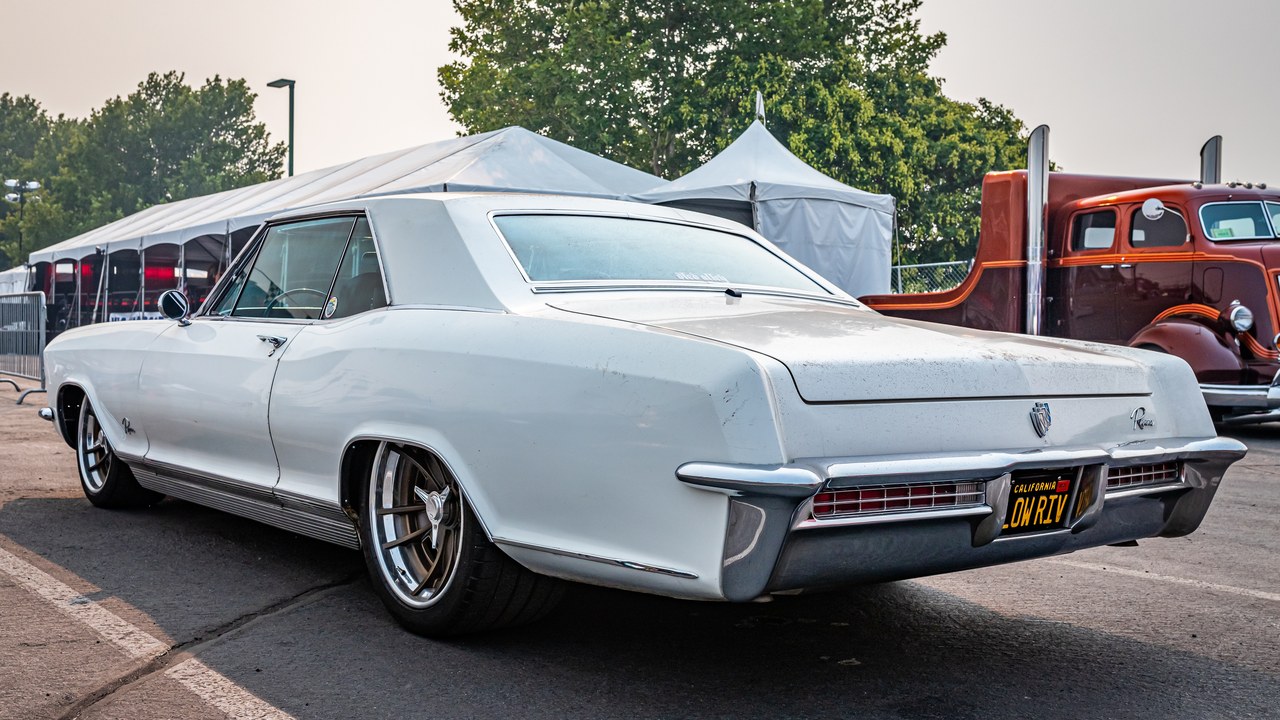
The 1973 Chevrolet Chevelle Laguna arrived just as muscle cars were being tamed, yet it quietly carried the hardware and aerodynamics that stock car teams craved. On the street it looked like a plush mid‑size coupe, but under the skin it shared the same basic bones that would dominate NASCAR grids for the rest of the decade. If you care about racing history as much as you care about chrome and vinyl, you are looking at one of Chevrolet’s most important shape‑shifters.
Instead of shouting about quarter‑mile times, the 1973 Chevelle Laguna wrapped its competition potential in soft edges, safety bumpers, and upscale trim. That contrast between showroom civility and track success is what makes it so compelling today, especially once you trace how this body style turned into a serial winner in America’s biggest stock‑car series.
The Laguna arrives as Chevrolet’s quiet top dog
When you walk around a 1973 Chevrolet Chevelle Laguna, you are seeing the top‑of‑the‑line version of The Chevelle, not a separate model dreamed up just for racing. The Chevrolet Chevelle Laguna was introduced as part of the third generation Chevelle family, a mid‑sized automobile produced by Chevrolet for the 1973 through 1976 model years, with the Laguna trim positioned as the premium package in that lineup. In period brochures and in enthusiast recollections, The Laguna is consistently described as the upscale Chevelle, with its own front fascia, grille, and color‑keyed urethane bumper that set it apart from more basic Chevelle coupes and sedans, a look that helped it stand out without screaming “race car” in your driveway, as owners still note when they share photos of a 1973 Chevrolet Chevelle Laguna two‑door and call out that The Laguna was a top‑of‑the‑line package for the Chevelle with a unique nose and trim Here.
Under that smoother skin, the Laguna shared the same basic chassis and proportions as other Chevelle models, which is exactly what made it so attractive to race teams. The third generation Chevelle was part of the broader General Motors “colonnade” redesign, and The Chevrolet Chevelle Laguna sat within that family as the more luxurious, better‑equipped variant, but it still counted as a Chevelle in the rulebook. That meant NASCAR teams could take advantage of the Laguna’s unique front end and aerodynamics while still running a body that was officially a Chevelle, a detail that becomes crucial once you look at how the sanctioning body treated model eligibility and how heavily the third generation Chevelle was used in competition from 1973 to 1977 according to period summaries of the Chevelle and The Chevelle Laguna Chevrolet Chevelle Laguna.
Engines built for the street, not the dyno sheet
If you pop the hood on a 1973 Laguna, you are not greeted by the wild gross‑horsepower figures that defined late‑1960s muscle. The Chevelle engine lineup had been detuned to run on low lead fuel, and the 350 engine was rated at 145 net horsepower with a two‑barrel carburetor, a far cry from the big numbers that had sold SS badges just a few years earlier. That shift reflected the broader early‑1970s reality of emissions rules and insurance pressure, which pushed Chevrolet to prioritize drivability and compliance over raw output, as period specifications for The Chevelle make clear when they spell out that the 350 and larger 454 now netted more modest figures than their predecessors The Chevelle.
Even so, the Laguna’s option sheet gave you a useful spread of V‑8 choices that mirrored the broader Chevelle range. Engine Chevrolet V‑8 units with cast‑iron heads and block were available, with Displacement listed at 350‑cu in standard form and optional 350 and 454‑cu inch versions depending on how you ordered your car, a reminder that the hardware still had serious potential even if the factory ratings looked tame on paper. Earlier in the model year, the broader Chevelle engine options also included smaller units, with the standard 250 inline six‑cylinder engine and the 307 cubic‑inch V‑8 sitting at the bottom of the range, and Ironically both of these engines delivered only modest performance but helped keep the Chevelle accessible to buyers who cared more about price and fuel economy than quarter‑mile times, as period engine charts for 1973 Chevelle models explain in detail 250.
From showroom to superspeedway
Where the Laguna really separated itself from other mid‑size coupes of its era was not at the drag strip but on the high banks. The third generation Chevelle was an extensively used body style in NASCAR competition from 1973 to 1977, and The Chevelle Laguna S‑3 in particular became the favored configuration for teams that wanted a more aerodynamic nose and better high‑speed stability. In that environment, the Laguna’s smoother front end and carefully shaped bumper were not just styling flourishes, they were functional advantages that helped the Chevelle carve through the air more cleanly than boxier rivals, a fact that is underscored in historical overviews of how the Chevelle and NASCAR intersected during those seasons NASCAR.
That aerodynamic edge translated into a remarkable run of success. One of Chevrolet’s biggest success stories in NASCAR, the Chevelle Laguna was piloted to 53 wins, three drivers’ championships, and a stack of other honors that cemented its reputation among crew chiefs and fans alike, a record that enthusiasts still highlight when they look back on how One of Chevrolet used the Laguna to stay competitive against rival makes in stock‑car racing 53.
Benny Parsons and the championship Chevelle
If you want a single story that captures how the Laguna’s DNA translated from street to track, you can look at Benny Parsons and his title run. Benny Parsons used a Chevelle‑based stock car to secure the NASCAR Winston Cup Championship, relying on consistency rather than outright domination, and his 1973 season has become a case study in how a well‑sorted Chevelle could survive the grind of a long schedule. Accounts of that campaign emphasize that it was consistency, not race wins, that carried Benny Parsons to the 1973 NASCAR Winston Cup Championship, a reminder that the underlying platform’s durability mattered as much as its speed when it came to hoisting the big trophy at the end of the year Benny Parsons.
On the street side of that same story, Here you have a 1973 Chevrolet Chevelle Laguna two‑door that looks every bit the comfortable personal coupe, with The Laguna marketed as a top‑tier Chevelle rather than a homologation special, yet the silhouette is instantly recognizable when you compare it to period race photos. That visual overlap between the Chevrolet Chevelle Laguna in your driveway and the Chevelle on the high banks helped cement the car’s image among fans, who could point to the track and see essentially the same roofline and proportions that sat in their own garages, a connection that modern owners still celebrate when they share images of their Chevelle and talk about its racing heritage in enthusiast groups Chevrolet Chevelle Laguna.
Laguna S‑3, underrated star of the mid‑70s
As the Laguna story evolved, Chevrolet leaned even harder into the car’s competition‑friendly shape with the Laguna S‑3. Enthusiasts now refer to this version as a NASCAR Superstar Laguna S‑3, noting that Chevy moved a lot of units of the Laguna S‑3 and tying that success directly to the old racing adage that wins on Sunday help sell on Monday. In that sense, the Laguna S‑3 became the most visible expression of how Chevy used the Laguna nameplate to bridge the gap between showroom comfort and track performance, a role that modern write‑ups of the Laguna and its NASCAR exploits underline when they describe how Laguna models helped keep them on the lots during a challenging era for performance cars Superstar Laguna.
More from Fast Lane Only