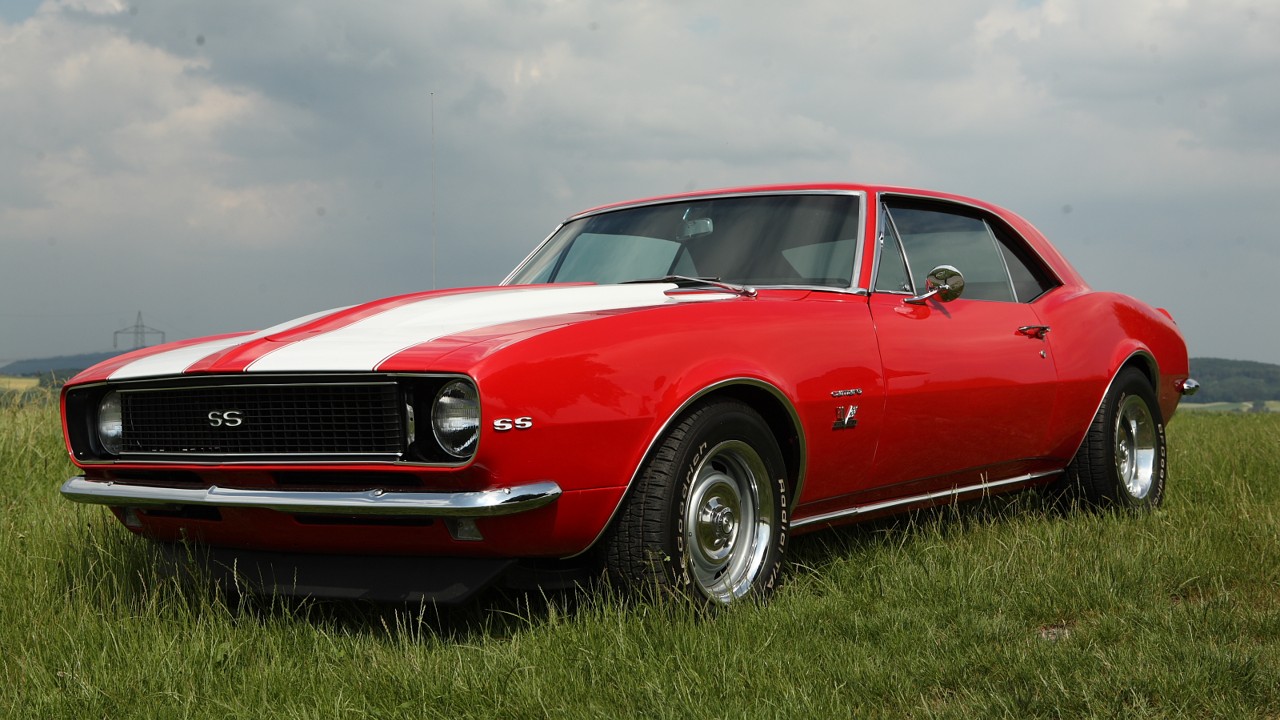
The 1967 Camaro SS sits at the crossroads of muscle car history and modern collector demand, combining first-year significance with serious performance hardware. To understand why values have climbed and which cars command the strongest money, I need to look at how many were built, what made the Super Sport package special, and how today’s market separates authentic SS cars from lookalikes.
By lining up production numbers, drivetrain specs, and current valuation data, I can map out where the 1967 Camaro SS fits in the broader first generation Camaro story. That context is what ultimately drives price, from driver-quality coupes to top-tier restorations and rare performance variants.
How the 1967 Camaro SS fits into first‑gen production
The 1967 model year launched the Camaro as Chevrolet’s answer to the pony car wave, and the Super Sport package quickly became the performance focal point. Within the broader first generation, the debut year set the template for styling, F-body architecture, and the performance hierarchy that would carry through 1969, so understanding its numbers is essential for judging rarity and value.
Across the first generation, reported Production totals show how the SS sat within a crowded lineup. One key breakdown lists a Base figure of 121,051 units, a Rally Sport tally of 64,842, Super Sport volume of 34,411, and a tiny Z/28 run of 602, all contributing to a reported Total of 220,906. Another detailed valuation source focuses specifically on the 1967 model year and notes that, Of the 99,855 Camaros built for 1967, 34,411 were SS models and just 602 were Z/28 cars. The overlap in the Super Sport and Z/28 figures underscores how small the high performance slice really was, which is a major reason genuine SS cars are so closely scrutinized today.
Key SS options and specs that drive desirability
What separates a 1967 Camaro SS from the rest of the lineup is not just a badge, it is a specific combination of engines, chassis upgrades, and visual cues that collectively define the car’s character. Buyers today pay a premium for cars that retain those factory traits, especially when the drivetrain and trim codes line up with original documentation.
The first year Camaro launched with a standard six cylinder, and that baseline helps explain why the SS package felt like such a leap. The debut Camaro carried a standard Chevrolet Turbo Thrift 230 cu in (3.8 L) straight six rated at 140 hp, according to the factory Options data. Stepping up to the SS package meant moving into V8 territory, with a 350 cubic inch small block and, in some cases, big block power, along with suspension and brake upgrades that made the car feel like a different machine on the road. Contemporary spec sheets and enthusiast write ups describe the 1967 Chevrolet Camaro SS as a classic American muscle car, and owners often highlight how the stronger drivetrain and chassis tuning made it a genuine performance step above the base six cylinder coupes.
Model hierarchy, RS/SS combinations, and restoration realities
Within the 1967 lineup, the Super Sport sat in a broader family of trims that can be confusing for new buyers but are crucial for understanding value. The car was built on the F-body platform that it shared with the Pontiac Firebird for all first generation years, and Chevrolet used that flexible architecture to spin off several distinct appearance and performance packages.
Period Model Options lists show how the lineup was structured. Under Models, the 1967 range included the Standard Sport Coupe, Rally Sport, Super Sport, and the combined Rally Sport Super Sport (often called RS/SS). That RS/SS combination is particularly important in the market because it layers the hidden headlamp styling and trim of the Rally Sport over the performance hardware of the SS, creating some of the most visually striking and desirable 1967 cars. Restoration guides emphasize that verifying whether a car left the factory as an RS, SS, or RS/SS is critical, since cosmetic conversions are common and can significantly affect value.
Documented production numbers and what they mean for value
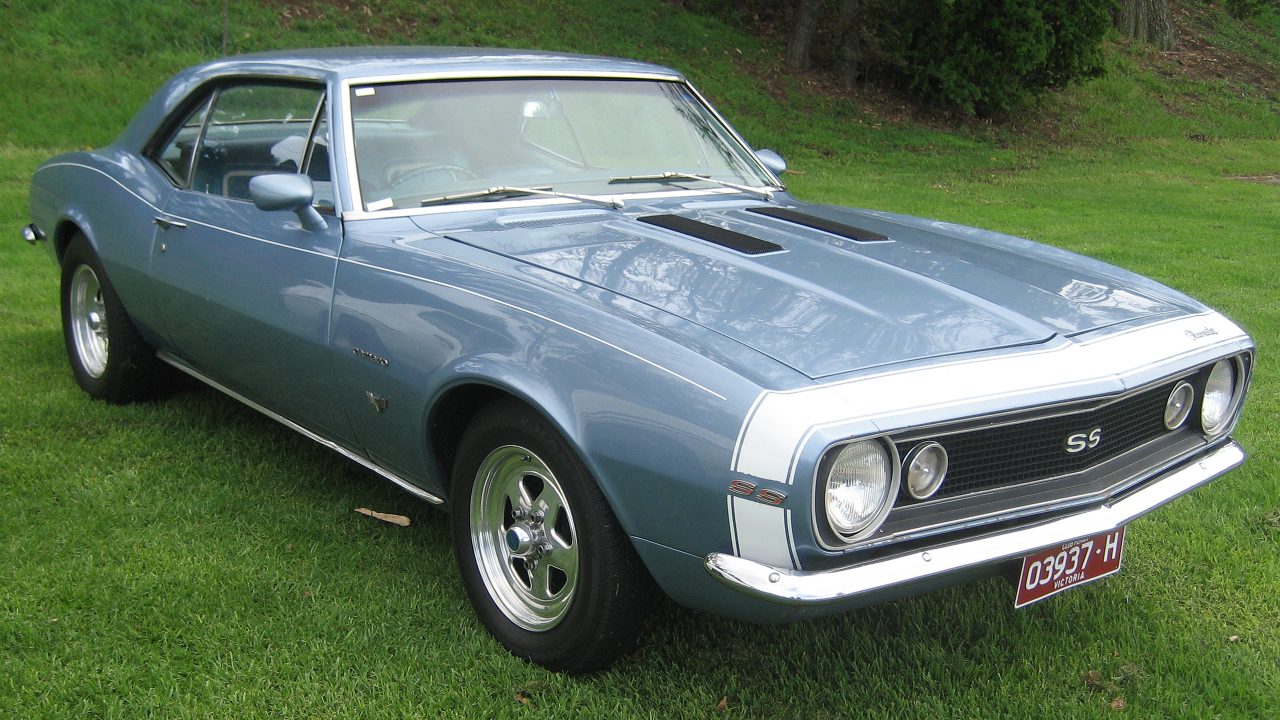
From a collector’s perspective, the raw production numbers for the 1967 Camaro SS are the starting point for any discussion of rarity. While the SS was not built in tiny quantities, it represented a relatively small slice of overall Camaro output, and that scarcity is magnified when you factor in attrition, modifications, and the number of cars that have been heavily altered over decades of use.
One detailed valuation reference notes that, Of the 99,855 Camaros built for the 1967 model year, 34,411 were SS models and only 602 were Z/28 cars. When I compare that with the broader first generation breakdown that lists a Base figure of 121,051, Rally Sport volume of 64,842, Super Sport production of 34,411, and a Total of 220,906, it is clear that the SS was always a minority choice. That relative scarcity, combined with the performance image, helps explain why valuation tools consistently place genuine SS cars above comparable base or RS models in similar condition.
Current valuation trends and what buyers should watch
Market data for the 1967 Camaro SS shows a clear pattern: originality, documentation, and correct SS equipment are the main levers that move prices. Cars that still carry their factory style drivetrains and unmodified bodies tend to sit at the top of the value charts, while heavily customized or poorly documented examples trade at a discount even if they look sharp at first glance.
Dedicated valuation tools for the 1967 Chevrolet Camaro SS track condition based pricing and highlight how the market distinguishes between driver quality cars and show level restorations. Those same references also warn that, because only 34,411 SS cars were built out of 99,855 total 1967 Camaros, authentic examples are prime targets for cloning. That risk makes factory paperwork, original trim tags, and consistent casting numbers especially important for anyone paying top tier money. Enthusiast spec sheets and buyer guides, including those that describe the 1967 Chevrolet Camaro SS as a classic American muscle car, consistently stress that due diligence on authenticity is now part of the price of entry into this market.
How the SS compares across the 1967–1969 run
Although the focus here is the 1967 model, values are also shaped by how that first year compares with the 1968 and 1969 SS cars that followed. Collectors often cross shop all three years, weighing styling preferences against production numbers and mechanical changes, so the 1967 SS is rarely evaluated in isolation.
Comparative spec tables that cover Year, Variant, RPO, Engine, Power (gross hp), key differences, production numbers, and market notes for the 1967–1969 SS350 and SS396 underline that the first year car occupies a special niche. It combines launch year status with relatively modest production, and it retains the clean original body lines that some buyers prefer over the more aggressive 1969 styling. When I put that side by side with the documented figures of 34,411 Super Sport units within a Total of 220,906 first generation cars, it is clear why the 1967 SS continues to command strong attention in price guides and auction catalogs alike.
More from Fast Lane Only