The right option sheet on a 1969 Camaro can swing its value from attainable classic to blue-chip collectible. Certain drivetrains, appearance packages, and rare performance codes do far more than tweak personality, they can multiply auction results and reshape long term investment potential.
I focus here on the specific factory and dealer options that most dramatically move the market, from headline-grabbing COPO builds to subtle interior and hood choices that seasoned buyers scrutinize before they ever look at the paint.
COPO and ultra-rare performance packages
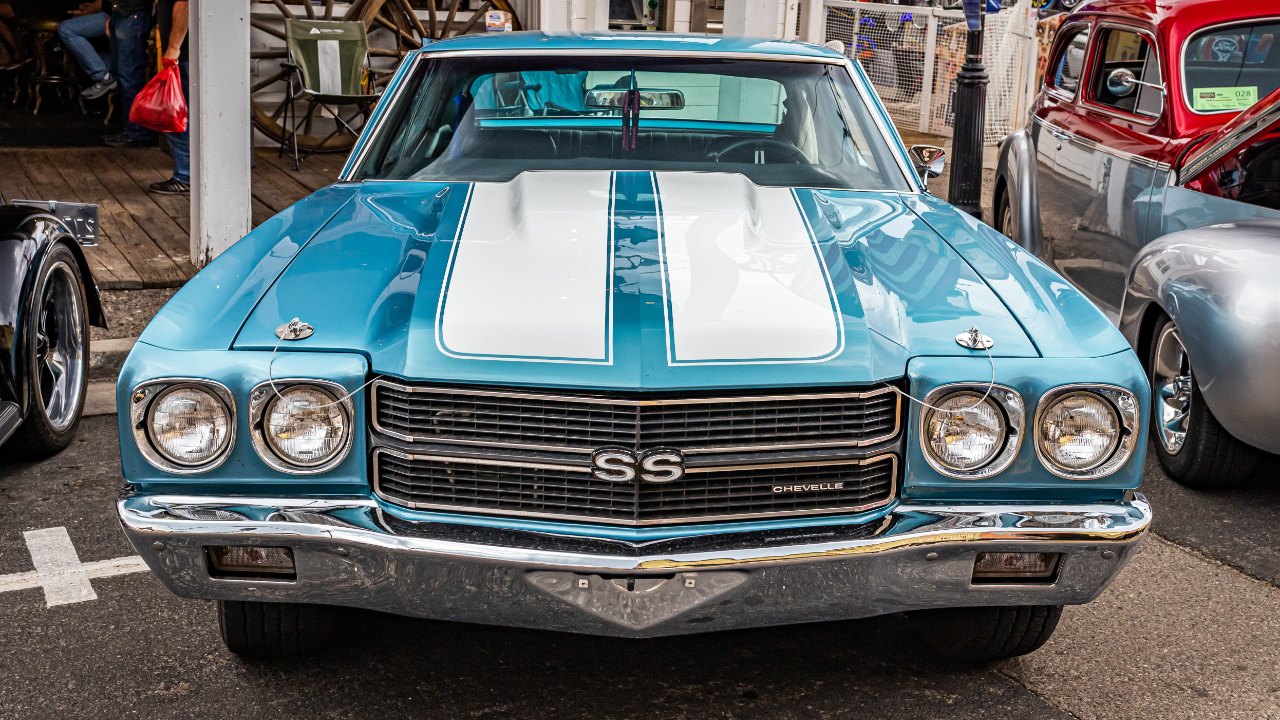
At the top of the value pyramid sit the Central Office Production Order cars, where low production and race-bred hardware combine to create the most expensive first generation Camaros on record. A 1969 Camaro ZL1 COPO Coupe has been documented selling for $1,094,500, a figure that illustrates how a special-order big block and racing intent can transform a familiar body shell into a seven figure asset. That same reporting notes that just 69 COPO Camaros were produced for 1969, and that combination of tiny volume and competition pedigree is exactly what pushes these cars into a different financial universe than even well restored SS or Z/28 examples.
Within that rarefied tier, specific engine codes and lightweight components matter even more. One of the most coveted options is the L89 big block, a weight saving aluminum head upgrade that was fitted to only 311 1969 Camaros according to detailed auction coverage. A later report again stresses that just 311 cars carried this option, underlining how scarcity and a clear performance benefit combine to create a multiplier effect on price. When a COPO or L89 car crosses the block, bidders are not paying for a generic 1969 Camaro, they are chasing a specific option code that almost never appears, and the market reflects that.
Z/28 specifics: from flat hoods to track intent
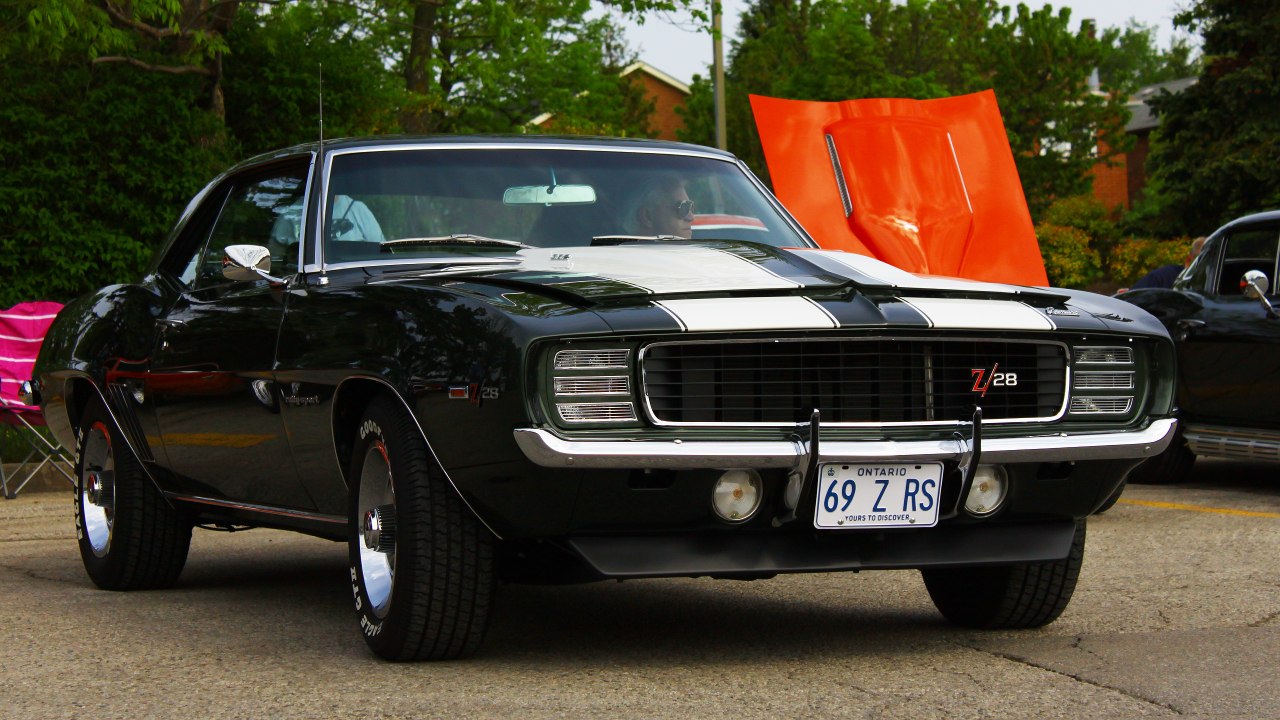
Move one step down from COPO territory and the 1969 Z/28 becomes the clearest example of how seemingly small option decisions can have outsized financial consequences. A detailed valuation analysis published on Oct 7, 2024 notes that one major factor in Z/28 pricing is the hood choice, and that while many collectors value the cowl induction hood, some purists believe that Z/28s with the original flat hood are worth more because they reflect how the car was initially configured for Trans Am style road racing. That split in buyer preference means a seller with correct documentation and the right hood can command a premium over an otherwise similar car that has been modified to chase trends.
Beyond the hood, the Z/28 package itself is a case study in how factory intent shapes long term demand. A social media buyer’s guide to 1969 Chevrolet Camaro muscle car features describes the 1969 Chevrolet Camaro Z/28 V8 as a legendary muscle car Designed to compete on both street and track, and that dual purpose character is exactly what keeps values strong among younger enthusiasts as well as older collectors. Another discussion of future values from Jun 14, 2025 emphasizes that any real 1969 Z/28 remains highly regarded and that the 1969 Camaro in general is appreciated by younger generations, which supports the idea that correct Z/28 equipment and documentation are not just nostalgia plays but also a hedge on future demand.
SS, Rally Sport and appearance packages that punch above their weight
Not every value changing option is buried in the engine code. The Super Sport and Rally Sport packages show how appearance and branding can significantly influence what buyers are willing to pay. An investment overview of the 1969 Chevrolet Camaro SS published on Apr 27, 2024 frames the SS as a “Timeless Investment” and notes in its Investment Highlights that, as the production of the modern Camaro was halted a year earlier, interest in historically significant performance trims has intensified. That context matters because it means an authentic SS, with its correct badging and performance hardware, is now competing for attention with the final modern cars, and collectors are increasingly treating the 1969 SS as a finite asset rather than just another used muscle car.
The Rally Sport package, coded Z22, is another example where an option that was technically appearance only can still move the needle. Factory documentation shows that Rally Sport was available on all models in 67 through 69 and consisted of concealed headlights with a special grille, along with unique taillights, backup lights, and trim, plus the actuators and bellcrank mechanisms that made the hidden lights work. Because those parts are complex and expensive to reproduce, a genuine Rally Sport car with intact hardware often commands a premium over a base car that has been cosmetically dressed up, and buyers who understand the difference between factory Z22 equipment and aftermarket conversions tend to pay accordingly.
Interior, comfort and convenience options that quietly add value
While big block codes and racing packages grab headlines, the right interior and comfort options can also shift a 1969 Camaro’s market position, especially for buyers who want to drive their cars. A comprehensive buyer’s guide from Feb 22, 2021 points out that Factory and dealer installed interior options abounded on first generation Camaros, including air conditioning, tinted windows, power windows, and upgraded seating. In today’s market, a car that combines desirable performance equipment with factory air or power accessories often sells faster and for more money than a stripped example, because it appeals to both collectors and weekend drivers who want some comfort without sacrificing period correctness.
These interior choices also intersect with trim levels in ways that affect value. That same guide notes that certain convenience features were more commonly ordered on higher trims like the SS and the Z/28 trim level, which means a heavily optioned cabin can serve as a clue that a car was originally positioned as a premium model rather than a bare bones fleet build. When I evaluate a 1969 Camaro, I look for combinations that make sense historically, such as a performance oriented car with bucket seats and console, or a luxury leaning build with power windows and air conditioning, and I cross check those patterns against documentation to separate authentic configurations from later add ons that do less to support value.
Base models, generational appeal and the floor of the market
Even at the entry level, specific options can determine whether a 1969 Camaro sits at the bottom of the price sheet or edges into more collectible territory. A market snapshot from Mar 28, 2021 notes that the base 1969 Chevrolet Camaro may be your best bet if you are not looking to tear a crater through your wallet, and that a regular small block car can still deliver the styling and driving experience that made the Chevrolet Camaro nameplate famous. That same analysis stresses that the model’s role in popular culture helped entrench the car’s high value, which means even modestly optioned base cars benefit from a strong floor as long as they retain their original character.
Long term demand also depends on who is buying, and here the generational story matters. A discussion among enthusiasts dated Jun 14, 2025 argues that the 1969 Camaro in general is known and appreciated by many of the younger generations, and that any real 69 Z/28 remains especially desirable. When younger buyers are still chasing original cars, it supports the idea that correct options and documentation will continue to matter for decades, rather than fading as a single cohort ages out of the market. For investors and enthusiasts alike, that makes option codes, build sheets, and careful verification of things like COPO status, L89 equipment, Z/28 hoods, SS and Rally Sport packages, and factory interior features central to understanding why one 1969 Camaro might trade hands for family sedan money while another commands supercar prices.
More from Fast Lane Only