The 1968 Charger R/T did not become a muscle-car benchmark by accident. It arrived after Dodge had already learned some hard lessons about styling, sales, and racing performance, and it answered those problems with a focused package of power, handling, and image upgrades that went far beyond cosmetic tweaks. What emerged was a Road/Track specification that turned the Charger from an interesting fastback into a serious performance machine.
Those upgrades mattered because the late 1960s muscle-car market was a full-scale arms race. Dodge needed a version of the Charger that could stand up to rivals on the street, at the drag strip, and in NASCAR, while still feeling refined enough to lure buyers out of family sedans. The R/T badge became the shorthand for that transformation, signaling that this Charger was engineered to deliver more speed, sharper responses, and a more purposeful character than the base car.
The Charger’s early struggles and the need for a performance reset
The first Charger arrived as an offshoot of the Dodge Coronet, a stylish fastback that looked the part but did not immediately dominate the sales charts. Early versions carried the right proportions but lacked a clear identity in a market that was rapidly filling with focused pony cars and mid-size bruisers. As a result, the model’s promising debut did not translate into the kind of showroom momentum Dodge expected, and the company had to rethink what the Charger should be in order to compete more directly with purpose-built performance rivals.
That rethink was driven in part by disappointing results on the track. Reporting on the period notes that the Charger’s racing performance was mediocre, which did little to help its image with enthusiasts who were watching lap times and victory lanes as closely as brochure photos. Dodge was forced to recalibrate the vehicle, both mechanically and in terms of positioning, to turn the Charger into a car that could credibly chase wins and bragging rights. The 1968 redesign, and especially the R/T specification, was the answer to that challenge, reshaping the Charger into a more focused performance platform backed by lessons learned from those early missteps.
How the 1968 redesign set the stage for the R/T
The 1968 model year marked a pivotal evolution for the Dodge Charger, with a new body that sharpened its muscle-car identity and moved it further away from its Dodge Coronet roots. The car adopted a cleaner, more aggressive profile that emphasized its long hood, short deck, and fastback roofline, while details like the recessed grille and hidden headlights gave it a menacing face that matched its performance ambitions. This redesign did more than refresh the styling; it created a visual foundation that could support a more serious performance package without looking like an afterthought.
Designers also layered in cues that reinforced the Charger’s muscle-car image, such as the exposed decorative gas filler cap that became a signature detail on performance-oriented versions. These touches signaled that the car was no longer just a stylish cruiser but a machine built with speed in mind. Underneath, the platform was engineered to handle stronger engines and higher speeds, which meant the chassis could fully exploit the upgrades that would define the R/T. By the time the Road/Track package arrived, the 1968 Charger’s basic architecture was ready to carry significantly more power and to present it with the kind of visual drama buyers expected from a serious American muscle car.
What the R/T badge actually meant in performance terms
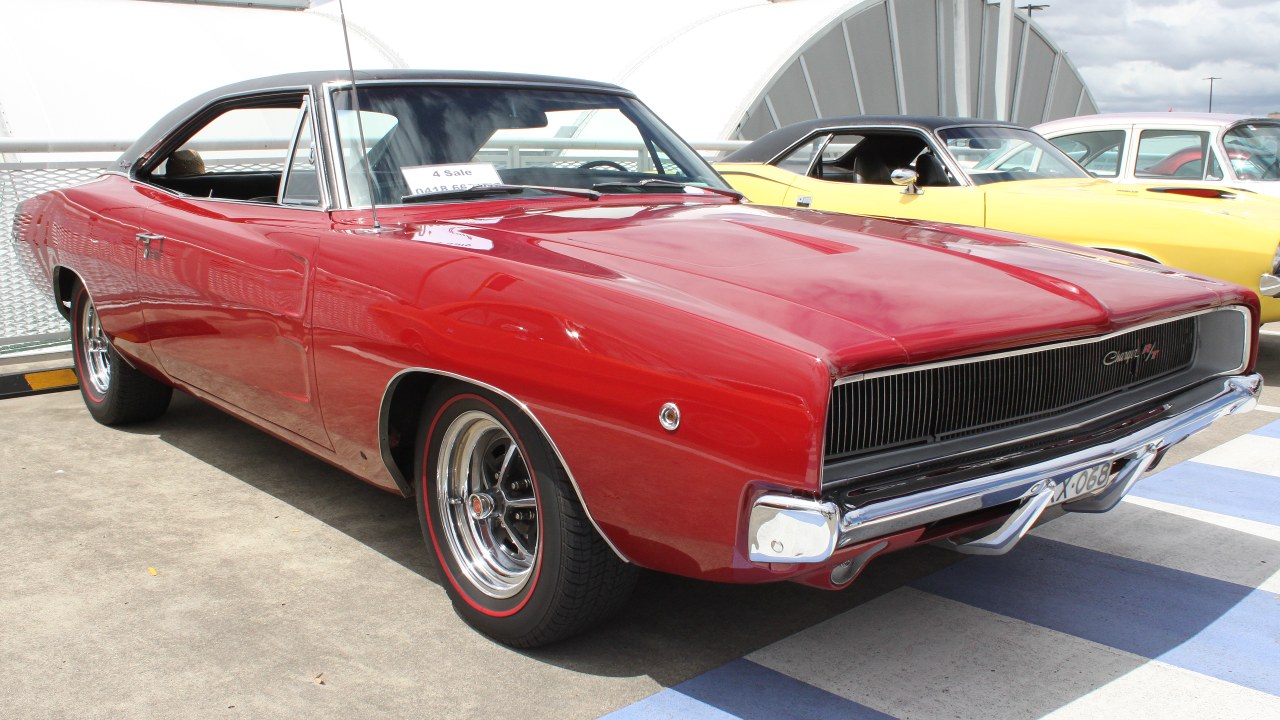
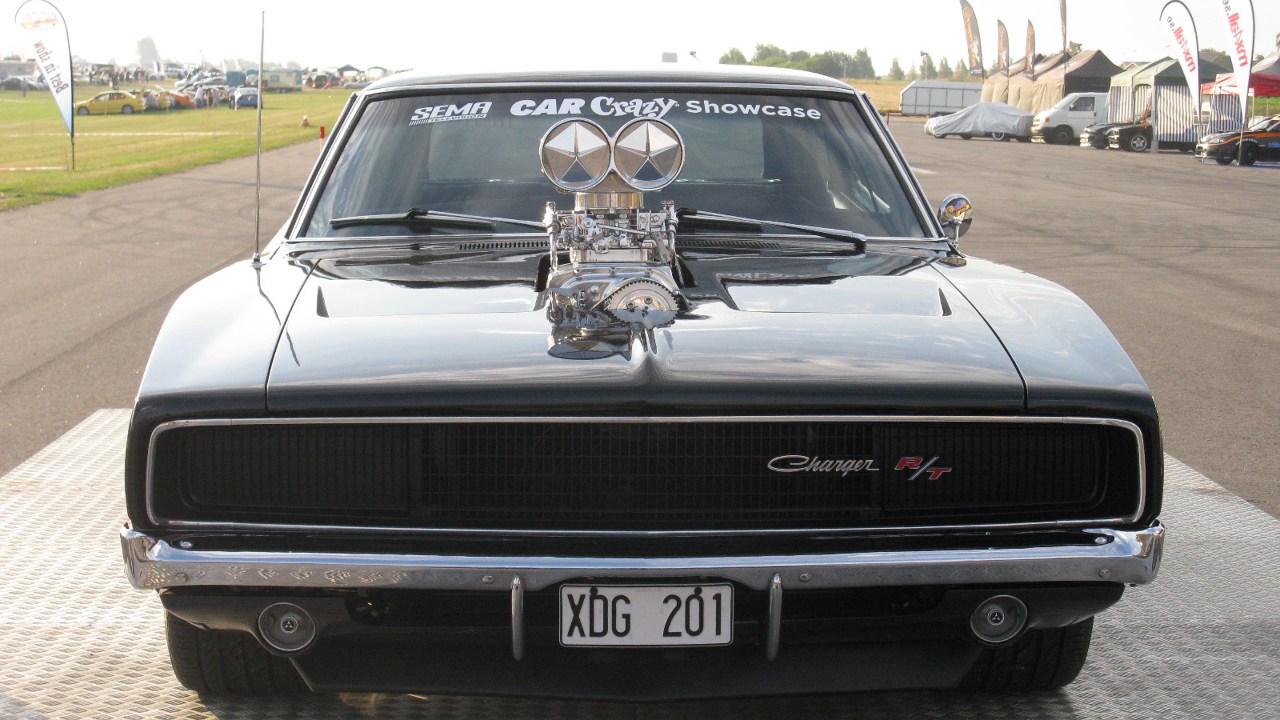
The R/T badge was not a mere stripe-and-emblem exercise. Within Dodge and Chrysler, R/T was established in the 1960s as a performance marker, similar in spirit to Chevrolet’s Super Sport designation, and it signaled a package of mechanical upgrades rather than just cosmetic flair. On the Charger, that meant the Road/Track specification bundled stronger engines, uprated suspension components, and other hardware changes that distinguished it clearly from base models. Buyers who chose the R/T were not just paying for a name; they were getting a Charger engineered to deliver higher speed and more control.
Those upgrades translated directly into the way the car drove. The R/T specification brought more powerful engines, including the big-block options that enthusiasts still associate with peak muscle-car performance, along with chassis tuning aimed at keeping that power usable on real roads and tracks. The combination of stronger acceleration, better high-speed stability, and a more responsive feel behind the wheel is what turned the Charger R/T into a benchmark. The Road/Track label captured that dual mission, promising a car that could handle weekend competition while still functioning as a daily driver, a balance that helped the 1968 R/T stand out in a crowded field of muscle machines.
Competing in the muscle-car war against Ford and Chevrolet
The performance escalation that produced the 1968 Charger R/T was shaped by intense competition from Detroit rivals. Dodge was not operating in a vacuum; it was responding directly to cars like the Ford Mustang and Chevrolet Camaro, which had already captured the public imagination with their blend of style and speed. The Charger needed a version that could meet those rivals head-on, both in straight-line performance and in the broader perception of which brand built the most desirable muscle car. The R/T package gave Dodge a clear answer, positioning the Charger as a full-sized, fastback alternative with serious power credentials.
That competitive context helps explain why the R/T gained such substantial performance upgrades instead of incremental tweaks. To win over buyers who were cross-shopping pony cars and mid-size muscle, Dodge had to offer a Charger that felt more aggressive, more capable, and more exclusive than the standard model. The R/T’s stronger engines, sharper dynamics, and distinctive visual cues allowed it to carve out a niche as a brawnier, more imposing choice in the muscle-car war. In the process, it helped the Charger build a reputation for powerful performance that extended far beyond its original sales struggles and into the realm of legend.
Blending performance with luxury to create a lasting icon
One of the reasons the 1968 Charger R/T gained such significant upgrades is that Dodge recognized performance alone would not be enough to sustain the car’s appeal. They added a mix of performance and luxury features that made the Charger unique, combining serious power with a more upscale feel inside. That blend helped the R/T stand apart from stripped-down drag specials, giving buyers a car that felt special in everyday use as well as on the track. The Road/Track concept, in other words, extended to comfort and style, not just horsepower and handling.
Over time, that combination of aggression and refinement helped cement the 1968 Charger R/T as one of the most legendary and aggressive muscle cars ever built, particularly in its Dodge HEMI Charger form. Enthusiast communities now describe the 1968 Dodge HEMI Charger R/T as a highly sought-after collectible, a status that reflects how thoroughly its upgrades reshaped the Charger’s image. The car’s menacing stance, hidden headlights, and muscular fastback profile are inseparable from the mechanical enhancements that came with the R/T badge, and together they explain why this specific model year is often cited as the moment the Charger’s legendary status truly began.
More from Fast Lane Only