The 1969 Pontiac GTO Judge occupies a rare space where marketing bravado, racing technology, and muscle car mythology intersect. At the center of that story sits the Ram Air IV package, a high-strung performance option that turned an already aggressive street car into a homologation-style weapon and left today’s collectors debating what truly defines its identity.
To understand why a Ram Air IV Judge commands such attention, I need to trace how Pontiac engineered the car, how the option was documented at the factory, and how those details now shape value, authenticity checks, and the way enthusiasts talk about this short-lived peak of the muscle era.
The Judge arrives as Pontiac’s street-legal statement
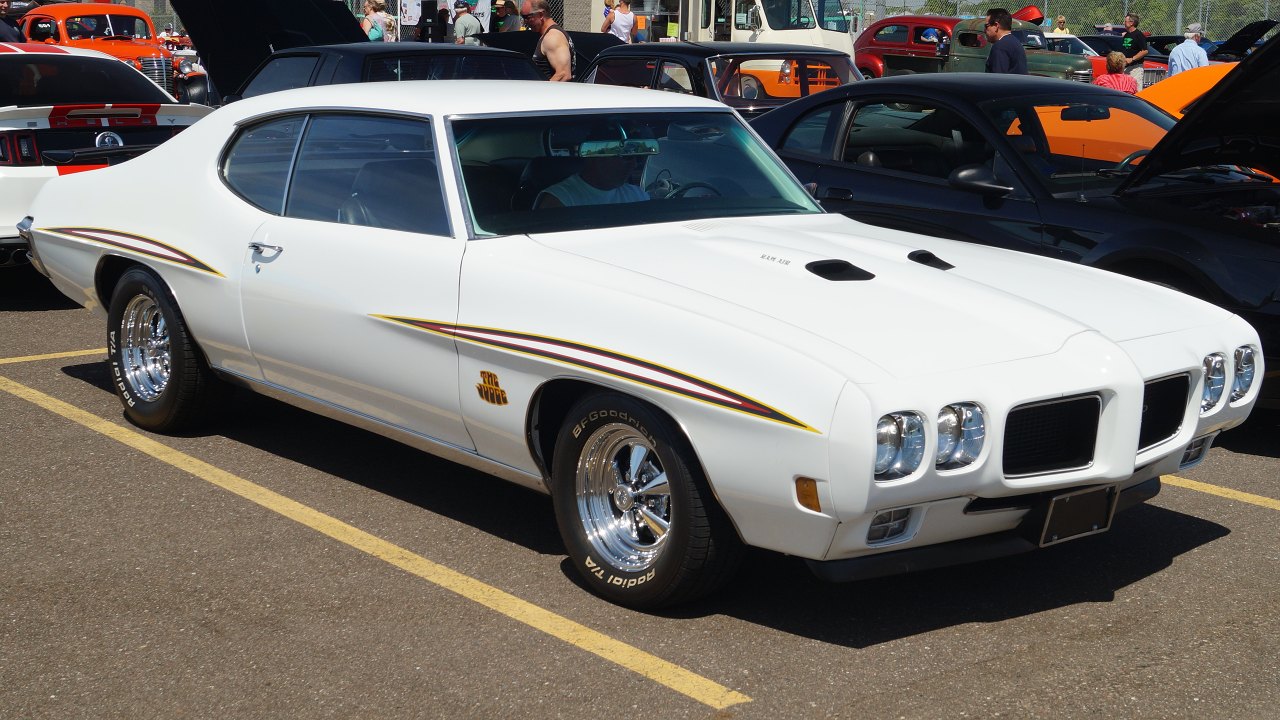
The GTO Judge began as Pontiac’s answer to a changing muscle car market, one that was tilting toward stripped, youth-oriented performance models with loud graphics and louder exhaust notes. Rather than simply adding another option code, Pontiac turned the Judge into a distinct submodel with its own visual identity, including the bold rear spoiler, side stripes, and unique badging that set it apart from a standard GTO. That visual package framed the car as a factory-built street racer, and it created the stage on which the Ram Air IV option could stand out as the most serious engine choice.
Underneath the graphics, the Judge still relied on the GTO’s basic A-body architecture and front-engine, rear-drive layout, but Pontiac’s engineers and marketers used the package to bundle performance hardware that would otherwise require careful option-box checking. Period documentation shows that the Judge came standard with the Ram Air III engine and functional hood scoops, while the more radical Ram Air IV sat above it as a costlier, lower-volume upgrade for buyers who wanted a car that leaned closer to competition use than daily driving, a hierarchy that factory order forms and surviving build sheets help confirm through their distinct engine codes and pricing tiers.
What made the Ram Air IV more than just another big V-8
The Ram Air IV engine transformed the Judge from a cosmetic standout into a genuinely specialized performance machine, and its identity rests on a cluster of engineering decisions rather than a single headline figure. Pontiac retained the 400 cubic inch displacement but revised the internals with higher-flow cylinder heads, a more aggressive camshaft profile, forged rotating components, and specific intake and exhaust manifolds that favored high-rpm breathing over low-end smoothness. Factory literature rated the Ram Air IV at 370 horsepower, a modest bump on paper over the Ram Air III, yet contemporary testing and later dyno work have long suggested that the real advantage came from the engine’s willingness to rev and its stronger output above the midrange.
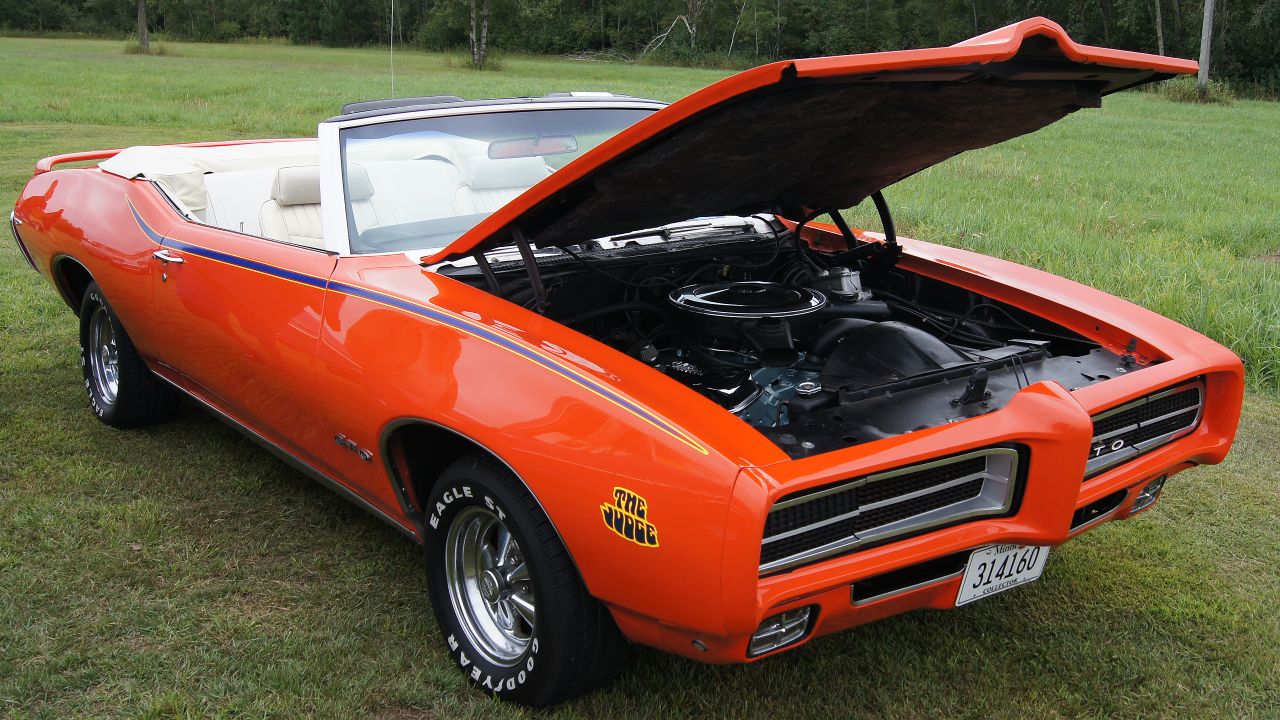
Those mechanical changes also altered how the car behaved on the street, which is central to how I think about the Ram Air IV identity. The hotter cam and higher compression made cold starts fussier and idle quality rougher, while the engine’s power band encouraged drivers to keep the tachometer needle higher than they might in a standard GTO. Pontiac paired the package with specific gearing and heavy-duty components, including upgraded valve train hardware and a distinctive aluminum intake, details that appear in factory service manuals and parts catalogs and that restorers now use as reference points when verifying whether a given Judge still carries its correct Ram Air IV hardware.
Decoding a true Ram Air IV Judge from paperwork to castings
Because the Ram Air IV option was rare and valuable even when new, the question of how to authenticate a car today is more than academic, it directly affects six-figure price swings. The starting point is always the car’s documentation, particularly the original build sheet and invoice, which list the engine option by code and tie that code to the vehicle identification number. For 1969 GTOs, the Ram Air IV is associated with specific engine codes that appear on the paperwork and on the engine block stamping pad, and specialists routinely cross-check those numbers against Pontiac’s historical records to confirm that a given VIN left the factory with that high-performance engine rather than a more common Ram Air III or base 400.
Beyond paperwork, the physical engine components provide another layer of identity that is harder to fake convincingly. Correct Ram Air IV cylinder heads carry unique casting numbers and date codes, the aluminum intake manifold has its own part number, and the presence of the proper round-port exhaust manifolds is a key tell that restorers look for when inspecting a car. Enthusiast guides and marque experts have compiled detailed tables of these casting and stamping identifiers, and auction catalogs for documented cars often reproduce close-up photos of those numbers to reassure bidders that the Judge in question is not simply a cosmetic clone with incorrect internals.
Production numbers, rarity, and how the market prices identity
The scarcity of Ram Air IV Judges is not a matter of vague legend but of specific production totals that help explain why these cars sit at the top of the GTO value hierarchy. Pontiac built thousands of GTOs for 1969, but only a small fraction left the factory as Judges, and an even smaller subset combined the Judge package with the Ram Air IV option. Surviving factory records and later research by Pontiac historians indicate that Ram Air IV production measured in the hundreds rather than the thousands, a scale that turns each documented example into a known quantity within the collector community and fuels intense interest when one surfaces with original drivetrain and paperwork intact.
That rarity translates directly into market behavior, where auction results show a clear premium for cars that can prove their Ram Air IV identity. A standard 1969 GTO in driver condition might trade for a fraction of the price commanded by a numbers-matching Ram Air IV Judge with verified documentation, and even within that top tier, details such as original paint colors, four-speed transmissions, and low mileage can push prices higher. Recent sales data from major auction houses highlight how bidders scrutinize build sheets, engine stampings, and restoration photos, and how catalog descriptions emphasize the Ram Air IV specification as the central value driver, often listing it in the opening sentence of the car’s provenance.
Living with a Ram Air IV Judge today
Owning a Ram Air IV Judge in the present day means balancing the car’s historical significance against the practical realities of maintenance and use. The same high-compression, high-lift camshaft combination that made the engine a terror at the drag strip also makes it more sensitive to fuel quality and tuning than milder GTO variants, and many owners now rely on specialist shops familiar with Pontiac’s specific quirks to keep the engines healthy. Replacement parts for the unique Ram Air IV components are more difficult and expensive to source than standard GTO hardware, which is why some restorers go to great lengths to repair original castings rather than substitute more common pieces that would dilute the car’s authenticity.
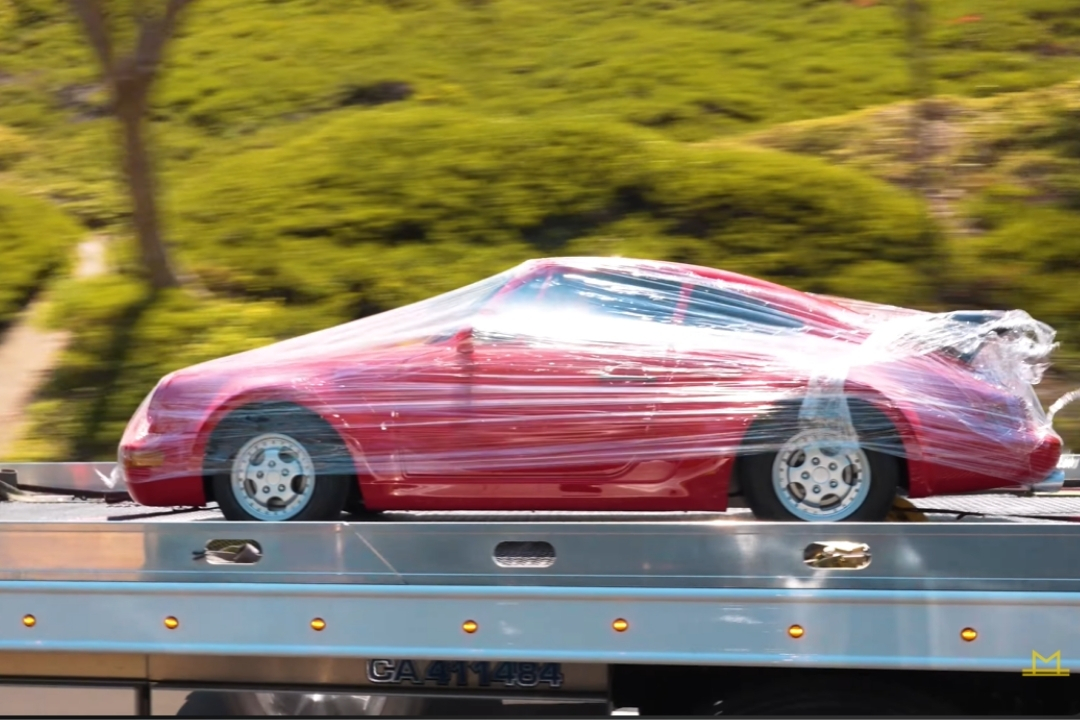
That tension between preservation and enjoyment shapes how I see the Ram Air IV Judge’s identity in the modern hobby. Some owners treat these cars as rolling investments, limiting road use to occasional events and relying on enclosed transport to avoid wear and tear, while others continue to drive them regularly, accepting the mechanical demands as part of the experience that makes the car special. Concours judging standards and marque club guidelines often reward originality in components and finishes, which reinforces the incentive to keep the Ram Air IV hardware intact, yet the enduring appeal of hearing that solid-lifter V-8 pull through its power band ensures that at least a portion of these cars remain what Pontiac intended: loud, demanding, and unmistakably focused on performance.
More from Fast Lane Only