The 1969 Pontiac Firebird lineup forces you to choose between two very different personalities: the 350 HO and the 400. Both deliver classic first‑gen style and real V8 punch, but they target different buyers, budgets, and driving habits. Understanding how these engines, option packages, and market values diverge helps you decide which car actually fits your garage instead of just your daydreams.
Shoppers often focus on the 400’s headline power and forget how capable a properly optioned 350 HO can be. When you compare factory specs, drivability, and current collector demand side by side, the smaller‑displacement car starts to look less like a compromise and more like a smart, livable alternative.
Key mechanical differences between 350 HO and 400
Engine hardware sets the tone for everything else, so you should start with what lives under each hood. The 1969 Firebird 350 HO used a 350 cubic inch V8 with a four‑barrel carburetor, higher compression, and performance‑oriented cam timing compared with the base 2‑barrel 350. Period specifications list the 350 HO at 325 horsepower, which placed it squarely in small‑block muscle territory and well above many entry‑level pony cars of the era, as shown in contemporary engine charts.
The Firebird 400 stepped up to 400 cubic inches and a more aggressive tune, with factory ratings around 330 to 335 horsepower depending on specific code and equipment. That modest paper gap hides a much stronger torque curve, which gave the 400 a clear edge in real‑world acceleration and highway passing, a point supported by period road tests and modern performance retrospectives. Both engines shared similar basic architecture and could be ordered with manual or automatic transmissions, but the 400 more often paired with heavy‑duty driveline parts and performance axle ratios, which further widened the performance spread.
Performance, drivability, and real‑world use
On the street, the 350 HO delivers a balanced mix of power and manners that suits regular driving. Its lighter rotating assembly and slightly milder torque output help the front end feel a bit less nose‑heavy, which benefits turn‑in and overall balance on twisty roads, a trait noted in several owner‑focused spec summaries. You still get strong midrange pull and a satisfying exhaust note, but the car feels more forgiving in traffic and during low‑speed maneuvers.
The 400 rewards a heavier right foot and more open roads. Extra torque makes launches easier and quarter‑mile times shorter, especially when combined with performance axle ratios documented in factory option listings. That same torque can overwhelm narrow period tires and light rear suspensions, so you must manage wheelspin and traction more carefully. Fuel consumption also rises with displacement and gearing, which matters if you plan long highway trips or frequent weekend drives instead of occasional shows.
Factory options, packages, and authenticity checks
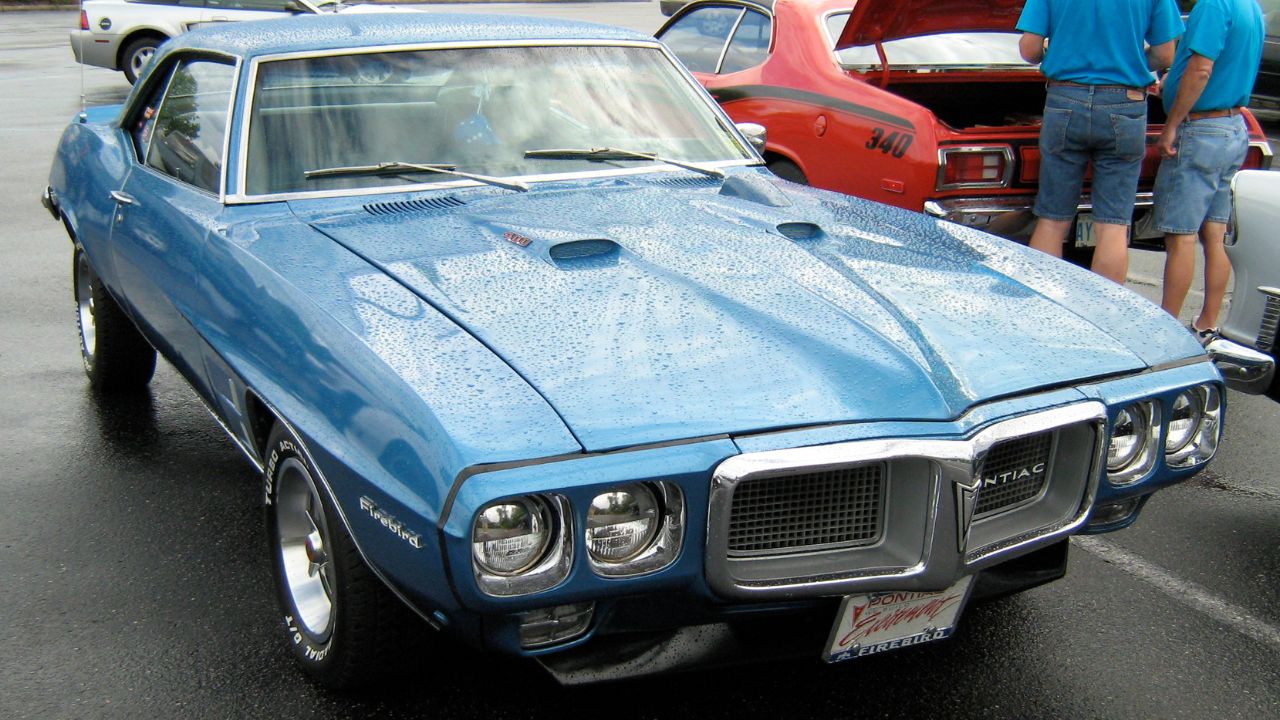
Choosing between a 350 HO and a 400 today often means sorting through decades of modifications and badge swaps. Pontiac offered distinct engine codes, carburetor calibrations, and exhaust setups for each package, and those details still matter for authenticity. Documentation such as build sheets and trim tags, along with engine block casting numbers and stampings, help verify whether a car left the factory as a 350 HO or a 400, a process outlined in several first‑gen registries.
Beyond the engines, you should pay attention to supporting options that often came with each package. Many 400 cars received heavy‑duty cooling, upgraded suspensions, and performance axle ratios, while 350 HO buyers sometimes skipped those extras to keep costs down, a pattern reflected in surviving option breakdowns. When you inspect a candidate car, look for consistency between the engine, drivetrain, and chassis parts and the paperwork; mismatches can signal later swaps that affect both value and driving character.
Market values, rarity, and long‑term collectability
Current pricing trends show a clear premium for documented Firebird 400 cars, especially those with original drivetrains and desirable colors. Auction data and price guides place strong, numbers‑matching 400 coupes and convertibles above comparable 350 HO examples, sometimes by a significant margin, a gap reflected in recent valuation charts. Collectors pay for displacement, performance reputation, and the halo effect of the 400 nameplate, which has long anchored the Firebird’s muscle image.
The 350 HO occupies an interesting middle ground between base models and top‑tier 400s. Production numbers for the 350 HO remained lower than the standard 350, yet higher than some specialty 400 variants, which creates a niche appeal documented in several production summaries. That relative scarcity, combined with more approachable prices, makes the 350 HO attractive if you want a period‑correct performance Firebird without paying 400 money. Over time, well‑documented 350 HO cars have started to gain more attention as buyers look beyond the most obvious configurations.
Which engine fits your budget and driving style
Your choice between a 350 HO and a 400 should start with how you plan to use the car. If you want a weekend cruiser that can handle local shows, back‑road drives, and occasional highway trips without constant tuning, the 350 HO’s balance of power, weight, and fuel use fits that brief well, a point echoed in owner feedback compiled in several enthusiast discussions. Insurance costs and parts stress also tend to stay lower with the smaller engine, which matters if you intend to rack up miles instead of storing the car.
Buyers who prioritize maximum straight‑line performance, stronger resale potential, and show‑field bragging rights usually gravitate toward the 400. Its higher torque output, more aggressive gearing options, and stronger market demand create a package that rewards careful driving and diligent maintenance, as reflected in recent auction results. Suppose your budget allows for the purchase price, fuel, and upkeep, and you value the top‑spec badge as much as the driving experience. In that case, the 400 delivers the classic big‑cube Firebird feel that defined Pontiac’s late‑sixties performance image.