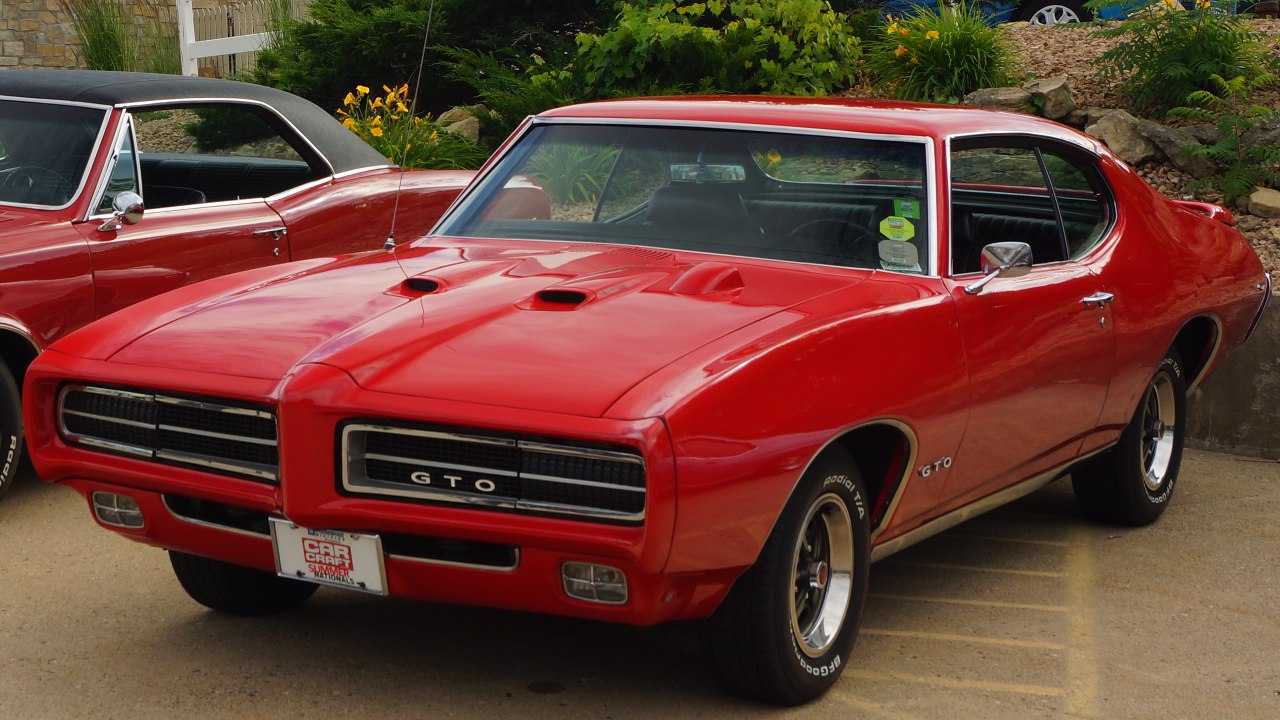
The 1969 GTO “The Judge” sits at the intersection of scarcity, pop‑culture flair, and serious muscle, which is exactly why its values keep drawing attention from collectors and casual buyers alike. To understand how rare it really is and what that means for pricing today, I need to separate myth from production data, then connect those numbers to current market behavior.
Once the build totals, trim details, and modern valuation tools are lined up, a clearer picture emerges: the 1969 Judge is not the rarest Pontiac ever built, but its limited run, distinctive personality, and enduring name recognition give it a pricing power that many more obscure models never achieve.
How rare was the 1969 GTO “The Judge” really?
Rarity around the 1969 GTO “The Judge” often gets exaggerated, so I start with the one figure that matters most: Pontiac built exactly 6,833 Judges in its debut year. That production number, reported in a detailed look at a surviving car, matches the figure cited in a separate analysis of how Pontiac positioned the model. When two independent pieces of reporting land on the same exact total, it gives me a solid baseline: the Judge was built in the thousands, not the dozens, but it was still a fraction of overall GTO output.
Within that total, body style and option mix create the real scarcity. The Judge package was available on the GTO coupe and convertible, and while the sources focus on the overall run, they highlight that a surviving 1969 Pontiac GTO Judge convertible is treated as a standout because so few open‑top Judges were built compared with the hardtops. The Arizona feature on a convertible Judge underscores how a single well‑kept example can be described as “rare”, which is a useful reminder that collectors often chase specific configurations rather than raw production totals.
Why “The Judge” name and image still matter for value
Pricing on any classic muscle car is about more than horsepower and build sheets, and the 1969 GTO “The Judge” is a textbook case of how branding can hard‑wire value into a model. Pontiac did not pull the name out of thin air. Reporting on the broader GTO story notes that The Judge routine, made famous by comedian Flip Wilson, was itself borrowed from the act of long‑time burlesque entertainer Dewey “Pigmea.” Pontiac tapped directly into that pop‑culture moment, turning The Judge into a rolling punchline that buyers could recognize instantly, and that cultural hook still helps the car stand out in auction catalogs and online listings today.
The period flavor around the Judge has aged into a kind of nostalgia premium. One valuation‑oriented feature points out that the 1960s television show “Laugh‑In and the” broader late‑sixties culture have long since faded, yet it stresses that “The Judge” legacy continues. By tying the car to a specific comedic routine and era, Pontiac created a nameplate that collectors can immediately place in time, which helps explain why Judge badges, stripes, and spoilers often command a premium over visually similar but less storied GTOs.
How the 1969 Judge compares with other Pontiac rarities
To understand how rare the 1969 Judge really is in the Pontiac universe, I have to look beyond GTOs. A recent market snapshot of a different Pontiac performance model, the 1977 Pontiac Can Am, notes that the Pontiac Can Am Is Worth $36,800 On Average And Rising. That same report describes the 1977 Pontiac Can Am as a one‑year‑only car that has emerged as a serious contender in the classic Pontiac market, and it explicitly compares its scarcity to the 1969 GTO Judge. The implication is clear: there are Pontiacs rarer than the Judge, yet they do not always command the same attention or pricing power.
This comparison helps frame the Judge as a car whose value is driven by a mix of production numbers, performance, and cultural weight. The Pontiac Can Am, despite its one‑year run and an average value of $36,800, still lives in the shadow of the GTO name. Meanwhile, another report on muscle cars that are climbing in value highlights a later Pontiac GTO Judge, specifically a 1971 model, and notes that For the Judge top performance trim, there were only 374 made before the package was discontinued. That figure is dramatically lower than the 6,833 1969 cars, yet the 1969 model remains the reference point most enthusiasts think of first, which shows how first‑year status and iconic styling can outweigh pure scarcity.
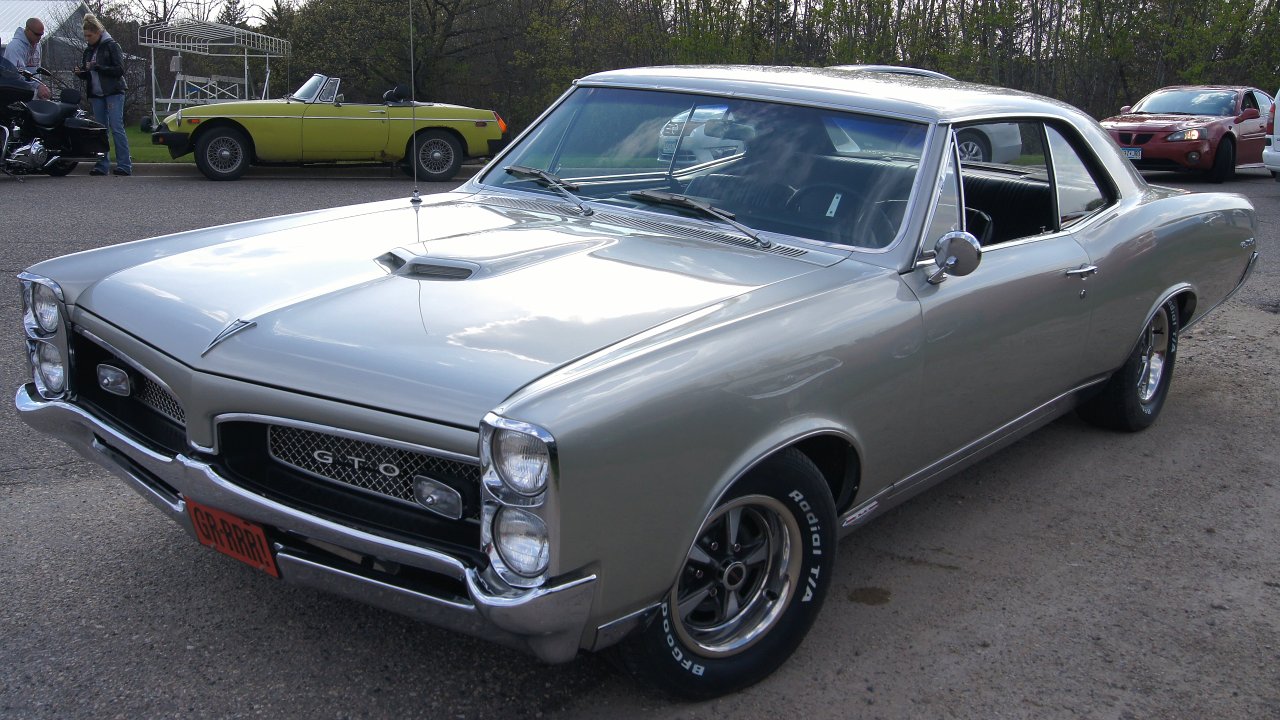
Current pricing benchmarks and what they really tell buyers
When I look at actual money changing hands, the most useful tools are valuation databases that track individual sales. One such tool, focused on the 1969 Pontiac GTO Judge, lists Past sales and highlights a Pontiac GTO Base that Sold for $56,175, described as a 1968 Pontiac GTO Base with 1700 M, Standard, in North America, sold on Nov 17, 2025 on Bring a Trailer. Another nearby data point in the same valuation context shows a 1970 model selling for $52,920. Even though these specific examples are not 1969 Judges, they anchor the broader GTO market in the mid‑five‑figure range for solid, driver‑quality cars, which is the starting point for understanding what a Judge package might bring.
Valuation commentary around the 1969 Pontiac GTO Judge notes that, typically, buyers can expect to pay a noticeable premium over a standard GTO for a car in good condition with average spec, and the Past sales figures of $56,175 and $52,920 help illustrate how even non‑Judge GTOs are already valuable. Layering the Judge package on top of that pushes well‑kept examples into higher brackets, especially when the car is a convertible or retains original colors and drivetrain. The key takeaway for buyers is that Judge pricing sits on top of an already strong GTO market, so any talk of “cheap” Judges is usually wishful thinking.
How rarity and pricing shape real‑world ownership
Rarity and rising values do not automatically relegate every 1969 Judge to a museum, but they do change how owners use them. A feature on a 1969 Pontiac GTO Judge convertible being driven regularly in the Arizona desert shows that some enthusiasts still treat these cars as usable machines rather than static investments. That story emphasizes that a well‑sorted example can function as a “perfect daily driver” in a dry climate, which suggests that some owners are willing to balance preservation with enjoyment.
At the same time, the broader market context shows why many others choose a more cautious approach. With GTO values anchored by Past sales like the $56,175 and $52,920 transactions, and with other Pontiac performance models like the Pontiac Can Am Is Worth $36,800 On Average And Rising, the financial stakes for a correct, numbers‑matching 1969 Judge are significant. I see owners increasingly segmenting their cars into “show,” “tour,” and “driver” categories, with the rarest configurations, such as convertible Judges or exceptionally original coupes, reserved for limited use while more common or already‑restored examples shoulder the weekend‑cruise duty.
More from Fast Lane Only